.gif)
.png)

Introduction
In today’s highly competitive digital marketplace, success depends on how quickly and accurately businesses can respond to changing market conditions. Sellers, brands, and analysts rely on real-time insights into product pricing, customer feedback, and inventory availability to stay ahead. The ability to extract e-commerce data for pricing reviews and stock levels has become a strategic advantage for companies seeking to optimize revenue, enhance customer experience, and minimize supply chain risks.
From 2020 to 2026, global e-commerce sales are projected to grow by over 70%, increasing the demand for automated data solutions that eliminate manual tracking and outdated reports. Using top data APIs, businesses can continuously monitor competitors, evaluate market sentiment through reviews, and predict demand based on stock movements. With Real Data API, organizations gain access to scalable, secure, and accurate data extraction tools that transform raw e-commerce information into actionable intelligence—helping decision-makers move faster and smarter in an ever-changing digital economy.
Turning Market Prices into Competitive Strategy
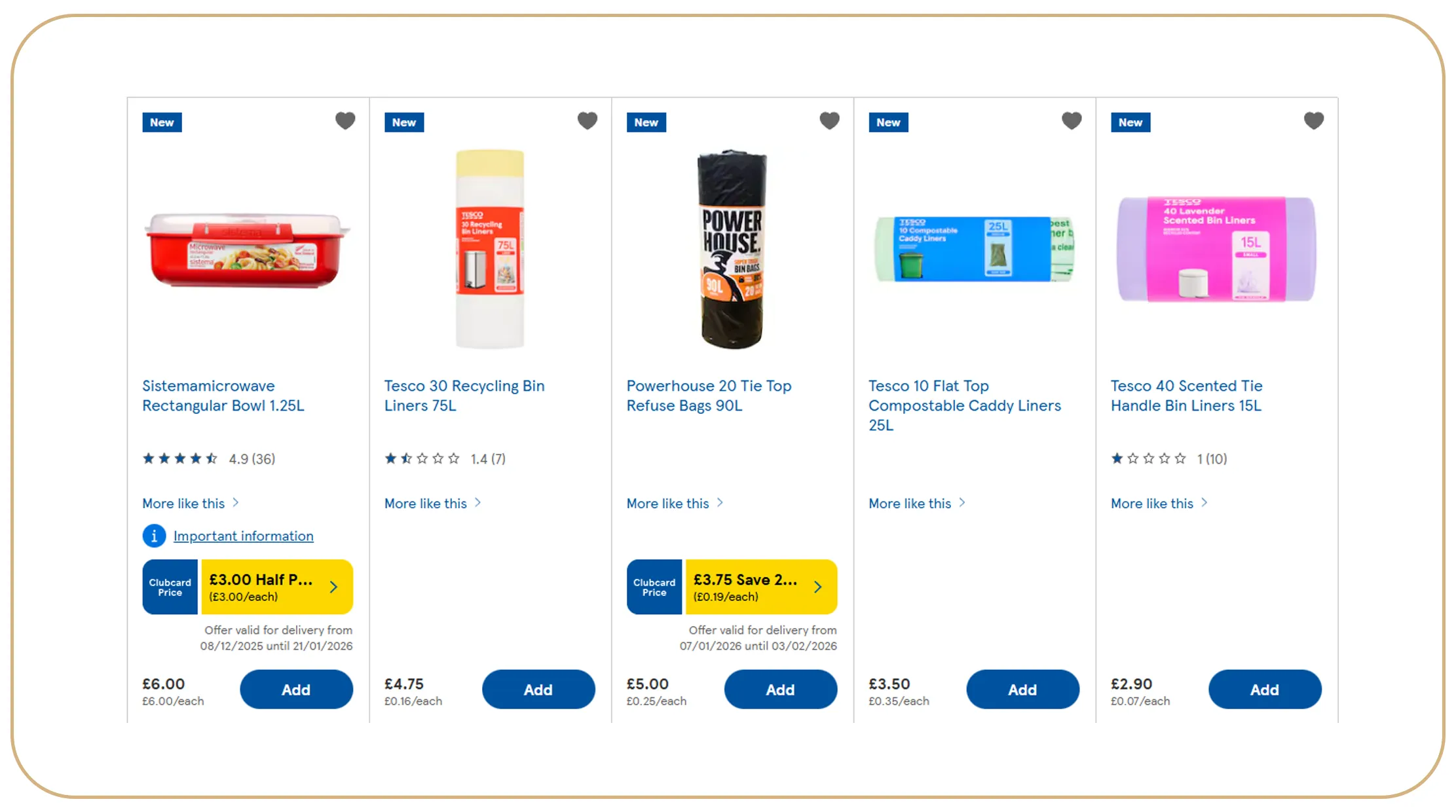
Pricing intelligence is at the heart of e-commerce success. By using a Scrape e-commerce pricing API, companies can track competitor prices, monitor discount patterns, and analyze dynamic pricing models across platforms. Between 2020 and 2026, the number of online price changes per product increased by nearly 55%, making automation essential for real-time response.
Pricing Trends (2020–2026)
| Year | Avg. Daily Price Changes | Platforms Tracked |
|---|---|---|
| 2020 | 3.2 | 5 |
| 2022 | 4.8 | 8 |
| 2024 | 6.1 | 12 |
| 2026 | 7.5 | 15 |
Retailers use this intelligence to adjust margins instantly, while brands monitor unauthorized resellers and price erosion. Marketing teams rely on these insights to schedule promotions strategically. By automating price tracking, businesses move from reactive pricing to proactive revenue optimization—ensuring they remain competitive without sacrificing profitability.
Preventing Lost Sales with Smart Availability Monitoring
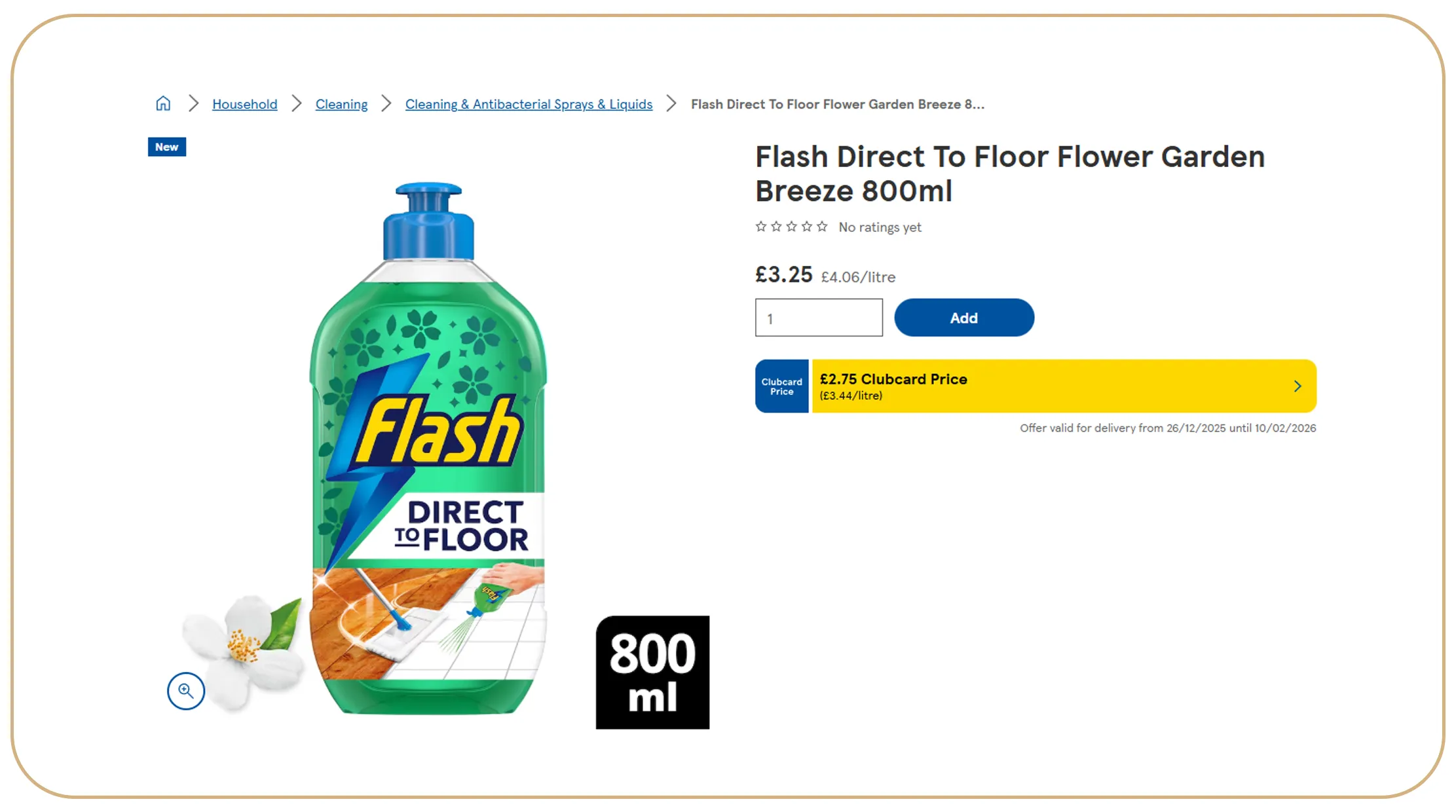
Out-of-stock situations can severely damage customer trust and revenue. With out-of-stock detection via Real Data API, businesses gain instant visibility into inventory gaps across marketplaces. From 2020 to 2026, online shoppers abandoned nearly 30% of purchase attempts due to unavailable products—making real-time stock monitoring a critical success factor.
Stock Availability Impact
| Year | Avg. Stock-Out Rate | Revenue Loss (%) |
|---|---|---|
| 2020 | 12% | 7.4 |
| 2023 | 9% | 5.1 |
| 2026 | 6% | 3.2 |
Retailers use these insights to trigger automated restocking workflows, while distributors adjust supply schedules based on demand spikes. For brands, it ensures that high-performing products never miss sales opportunities. This level of intelligence transforms inventory management from a reactive process into a proactive growth engine.
Creating a Unified View of Price and Inventory Data
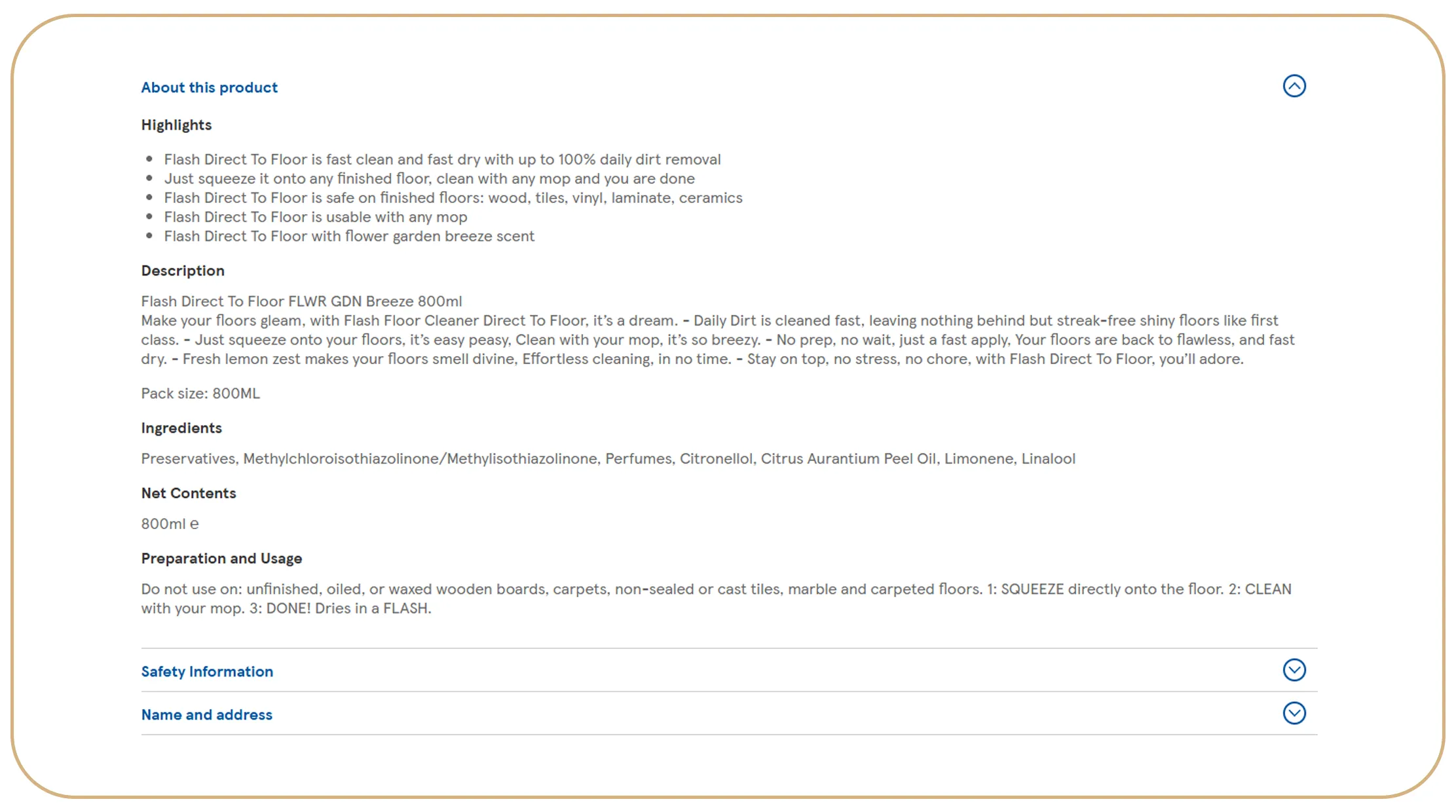
Modern e-commerce success depends on understanding how pricing and stock availability work together. Through e-commerce product pricing and stock Data extraction, organizations can build integrated dashboards that reveal demand patterns and revenue risks. Between 2020 and 2026, companies using unified commerce analytics reported up to 40% improvement in forecasting accuracy.
Integrated Data Benefits
| Metric | Before Automation | After Automation |
|---|---|---|
| Pricing Accuracy | 72% | 94% |
| Inventory Forecasting | 65% | 89% |
| Revenue Prediction | 70% | 92% |
These insights empower teams to synchronize promotions with stock availability, preventing overselling and underselling. Sales managers identify fast-moving products early, while procurement teams prepare for seasonal demand. Unified data transforms fragmented information into a single source of truth—driving smarter decisions across departments.
Automating Data Collection for Scalable Growth
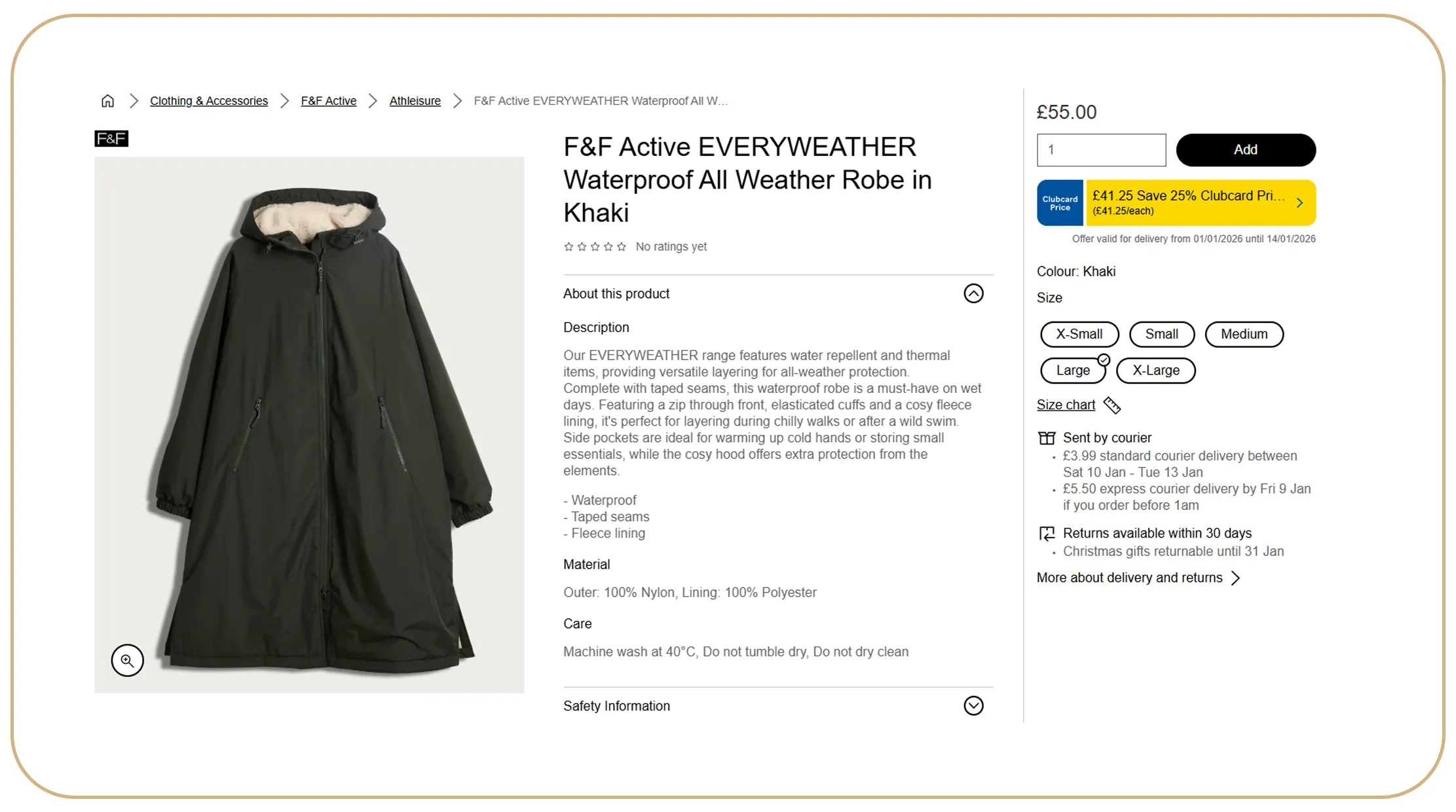
Manual data tracking no longer supports the pace of modern e-commerce. With an E-Commerce Data Scraping API, businesses automate the collection of pricing, reviews, and stock metrics across multiple platforms in real time. From 2020 to 2026, the adoption of automated scraping solutions grew by more than 60% as companies sought faster insights and reduced operational costs.
Automation Adoption Growth
| Year | Businesses Using APIs | Manual Tracking (%) |
|---|---|---|
| 2020 | 38% | 62% |
| 2023 | 58% | 42% |
| 2026 | 74% | 26% |
Automation reduces errors, improves consistency, and enables real-time reporting for executives and analysts. Whether monitoring thousands of SKUs or analyzing multiple marketplaces, APIs make scalability effortless—allowing businesses to grow without increasing overhead.
Building Intelligence Assets with Structured Commerce Data
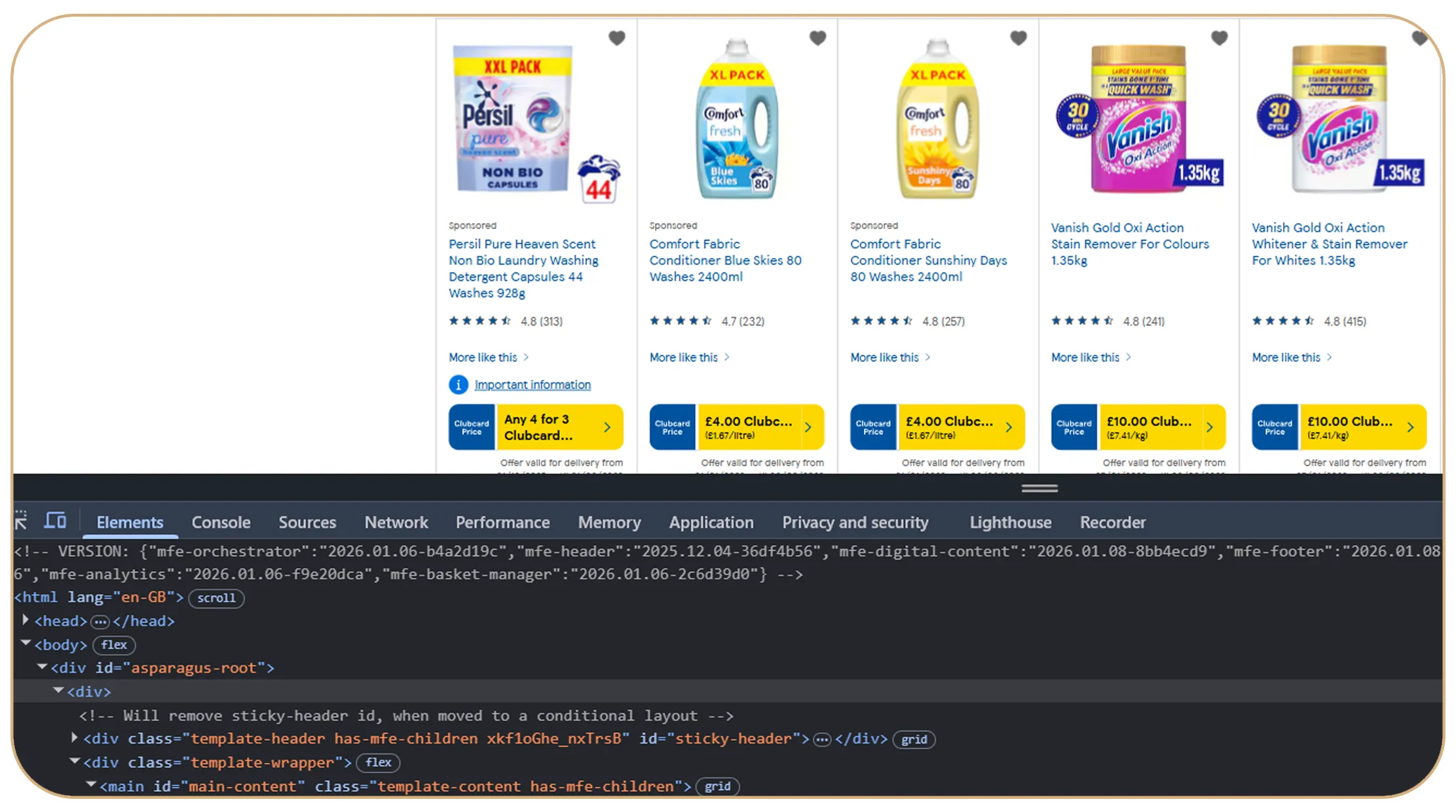
A centralized E-Commerce Dataset transforms scattered online information into a strategic resource. By aggregating pricing trends, review sentiment, and stock history from 2020 to 2026, organizations build long-term intelligence assets that support predictive analytics and AI-driven insights.
Dataset Coverage Example
| Data Category | Scope of Coverage |
|---|---|
| Pricing | Historical + Real-time |
| Reviews | Ratings + Sentiment |
| Stock Levels | Availability + Forecasting |
| Platforms | 20+ marketplaces |
These datasets power everything from demand forecasting to personalized marketing strategies. Investors use them to evaluate brand performance, while product teams refine offerings based on customer sentiment trends. Over time, structured datasets become one of a company’s most valuable digital assets.
Enabling Faster Decisions with Real-Time Access
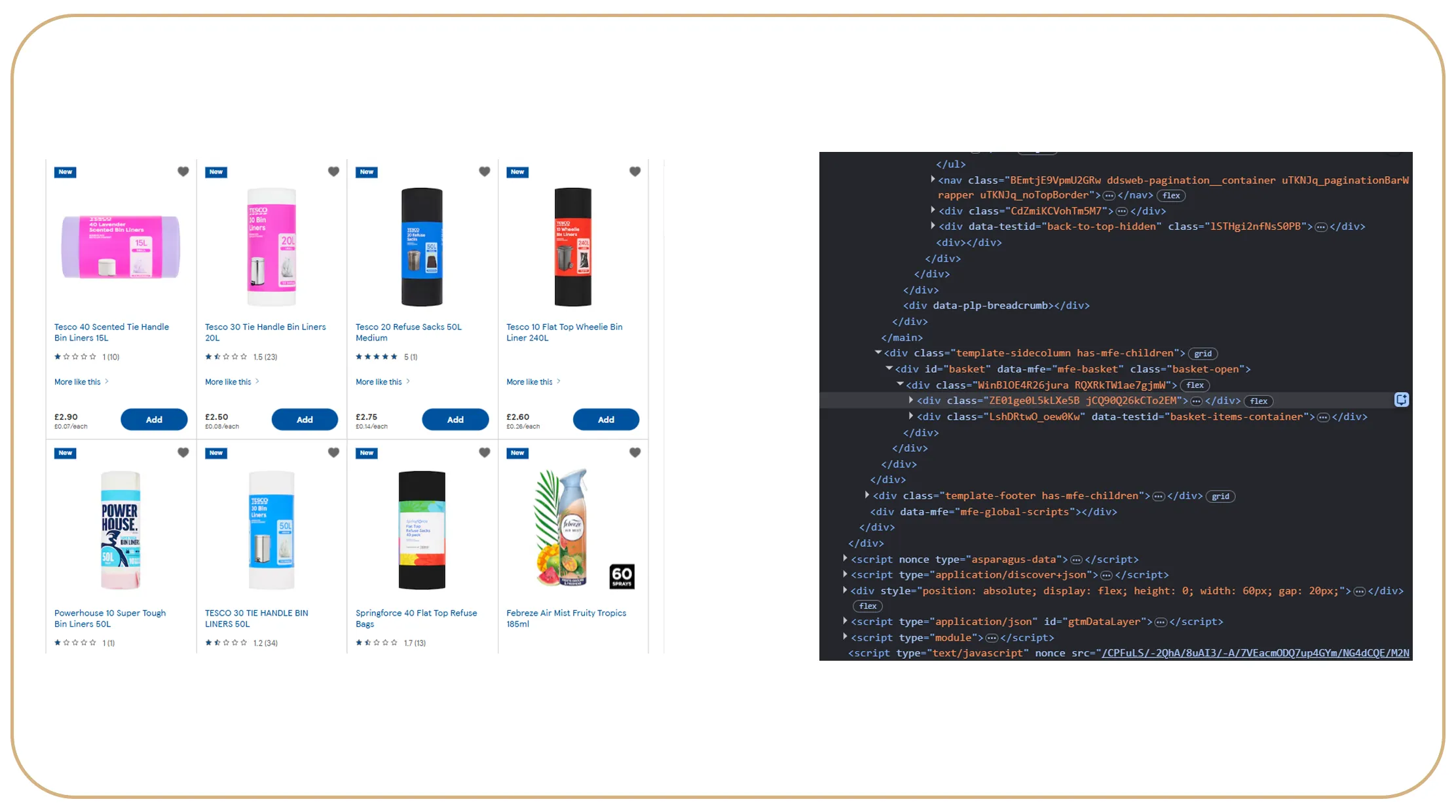
Modern businesses need immediate access to insights, not delayed reports. With a Web Scraping API, organizations integrate live e-commerce data directly into dashboards, analytics tools, and AI systems. From 2020 to 2026, real-time analytics adoption doubled as companies prioritized speed in decision-making.
Real-Time Access Impact
| Metric | Before API | After API |
|---|---|---|
| Data Refresh Rate | Weekly | Real-time |
| Decision Turnaround | 3–5 days | Minutes |
| Market Responsiveness | Low | High |
Real-time data empowers pricing teams to react instantly to competitor moves, while inventory managers adjust fulfillment strategies on the fly. This agility gives businesses a critical edge in fast-moving digital markets.
Why Choose Real Data API?
Real Data API delivers powerful, scalable solutions designed for modern e-commerce intelligence. Our advanced tools—including the Web Unlocker API—ensure uninterrupted access to accurate market data, even in complex scraping environments. We help businesses extract e-commerce data for pricing reviews and stock levels efficiently, securely, and at scale.
With Real Data API, you get:
- Real-time, structured datasets
- Enterprise-grade reliability
- Global marketplace coverage
- Easy integration with BI and AI tools
- Dedicated technical support
From startups to global enterprises, our solutions empower smarter decisions, faster execution, and sustainable competitive advantage.
Conclusion
In a data-driven economy, businesses that act on real-time insights outperform those that rely on guesswork. By using Real Data API to extract e-commerce data for pricing reviews and stock levels, organizations unlock the power to optimize pricing, prevent stock shortages, and understand customer sentiment like never before. These capabilities transform everyday operations into strategic growth engines—driving profitability, customer satisfaction, and long-term success.
Ready to gain complete visibility into your e-commerce market? Contact Real Data API today and start turning data into your strongest competitive advantage.
Latest posts
Keeta scraper for monitoring food marketplace trends - Identify Discount Changes and Emerging Customer Demand
How to build a structured Nike product dataset for Product Intelligence and Retail Analytics
Allegro scraper for competitor price monitoring – How to Track Product Prices and Stay Ahead of Competitors
Ocado API data collection services for retailers - Track Competitor Prices and Deals







.png)