Introduction
Understanding search trends is critical for marketers, developers, and data analysts. By using tools to scrape Google Trends via GitHub tools, professionals can monitor emerging topics, seasonal shifts, and long-term changes in public interest. Between 2020–2025, certain search queries demonstrated a 50% year-over-year surge, highlighting the importance of real-time monitoring. Leveraging GitHub scripts and APIs, developers can automate trend extraction, process large datasets, and visualize insights efficiently. This empowers teams to make data-driven decisions in marketing, product development, and content strategy. Combining structured trend data with analytics tools uncovers patterns that are often invisible through manual exploration, providing a competitive advantage.
Understanding the Process
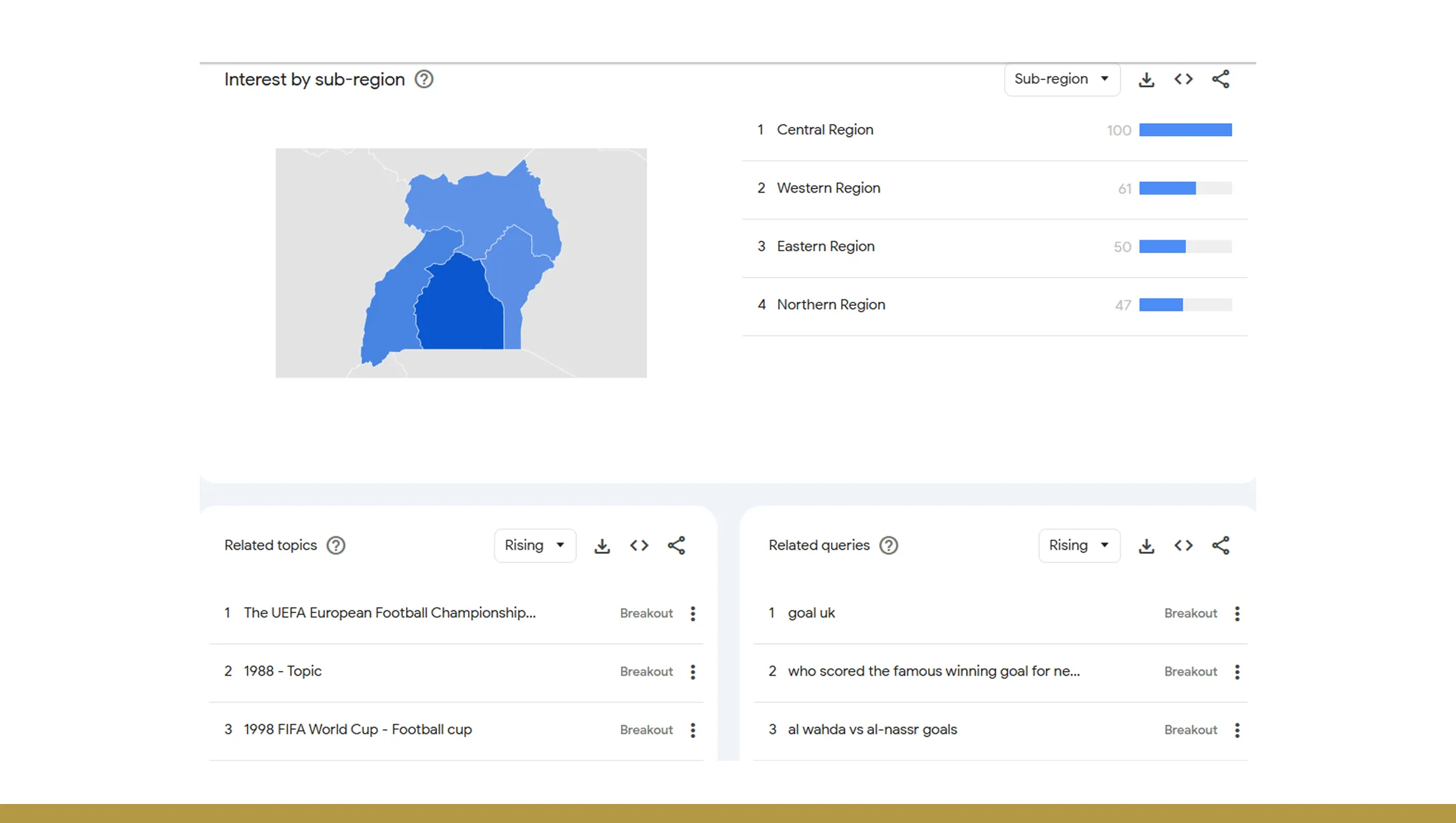
A clear roadmap is essential for developers when implementing a step-by-step Google Trends scraping guide. The process typically begins with identifying target keywords, defining regions or categories, and selecting intervals for historical data. Between 2020 and 2025, global interest in topics such as AI, cryptocurrency, and remote work surged dramatically.
Keyword Interest Table 2020–2025
| Year | AI Searches (%) | Cryptocurrency Searches (%) | Remote Work Searches (%) |
|---|---|---|---|
| 2020 | 45 | 38 | 28 |
| 2021 | 52 | 46 | 35 |
| 2022 | 60 | 51 | 41 |
| 2023 | 65 | 55 | 47 |
| 2024 | 70 | 59 | 52 |
| 2025 | 75 | 64 | 58 |
By following a systematic guide, developers can extract these metrics using GitHub tools, structure the data in CSV or JSON formats, and feed it into visualization dashboards or predictive models. This approach enables faster reaction to emerging trends and supports strategic content planning.
Automating Data Collection
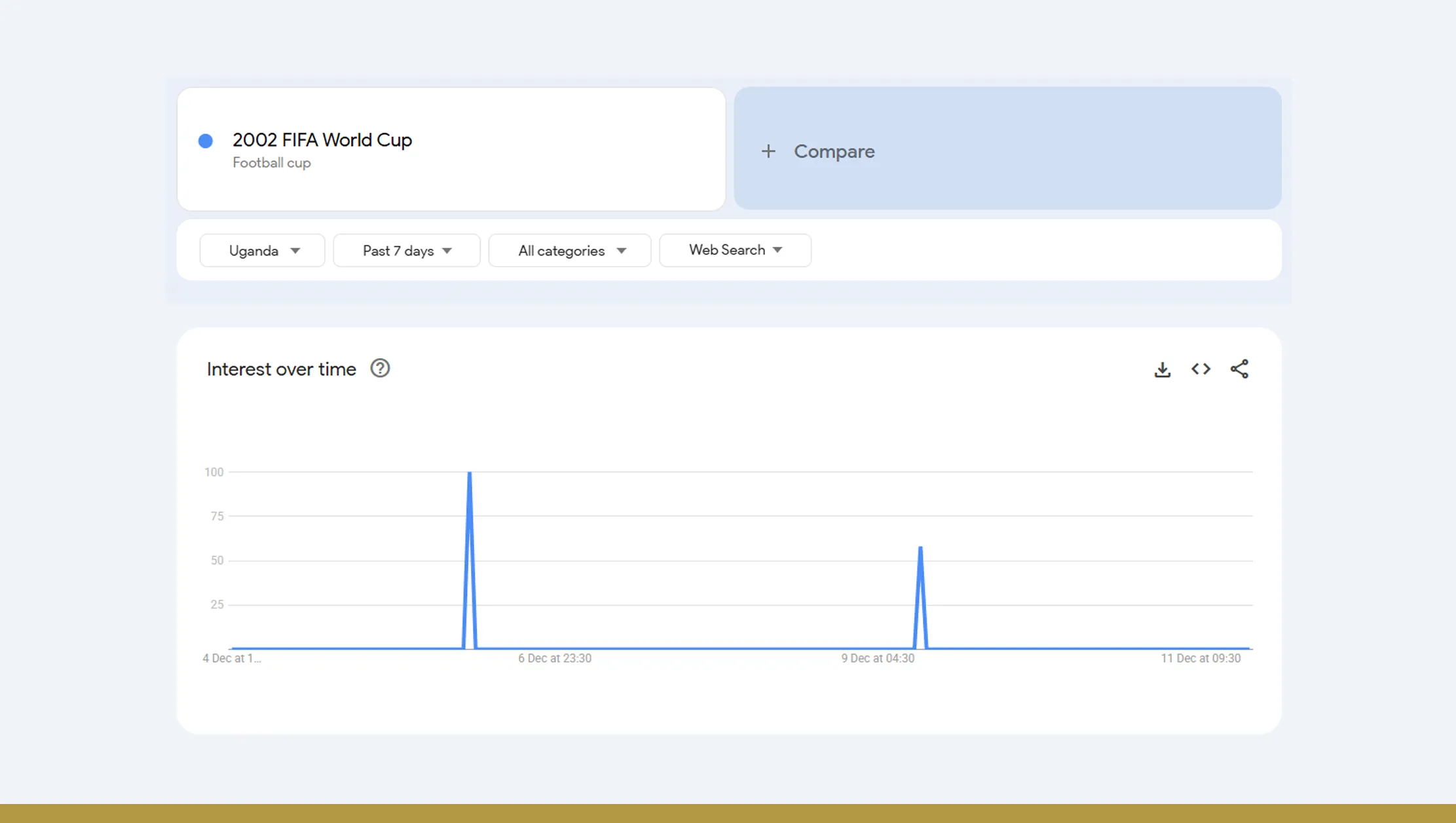
Automation is a key factor for handling large-scale trend datasets. Using a Google Trends API scraper, analysts can programmatically fetch search interest scores, regional variations, and category-specific insights. From 2020–2025, automated scraping allowed monitoring of thousands of keywords across multiple regions simultaneously, reducing manual work by over 70%.
Data Coverage Table
| Year | Keywords Tracked | Regions Covered | Avg. Daily Requests |
|---|---|---|---|
| 2020 | 500 | 10 | 1,200 |
| 2021 | 1,000 | 15 | 2,500 |
| 2022 | 1,500 | 20 | 3,400 |
| 2023 | 2,000 | 25 | 4,200 |
| 2024 | 2,500 | 30 | 5,000 |
| 2025 | 3,000 | 35 | 6,000 |
With API scrapers, developers can maintain historical datasets, compare trends year-over-year, and detect anomalies in search behavior. This automation is critical for marketing teams aiming to react quickly to shifts in public interest.
Leveraging Real-Time Insights
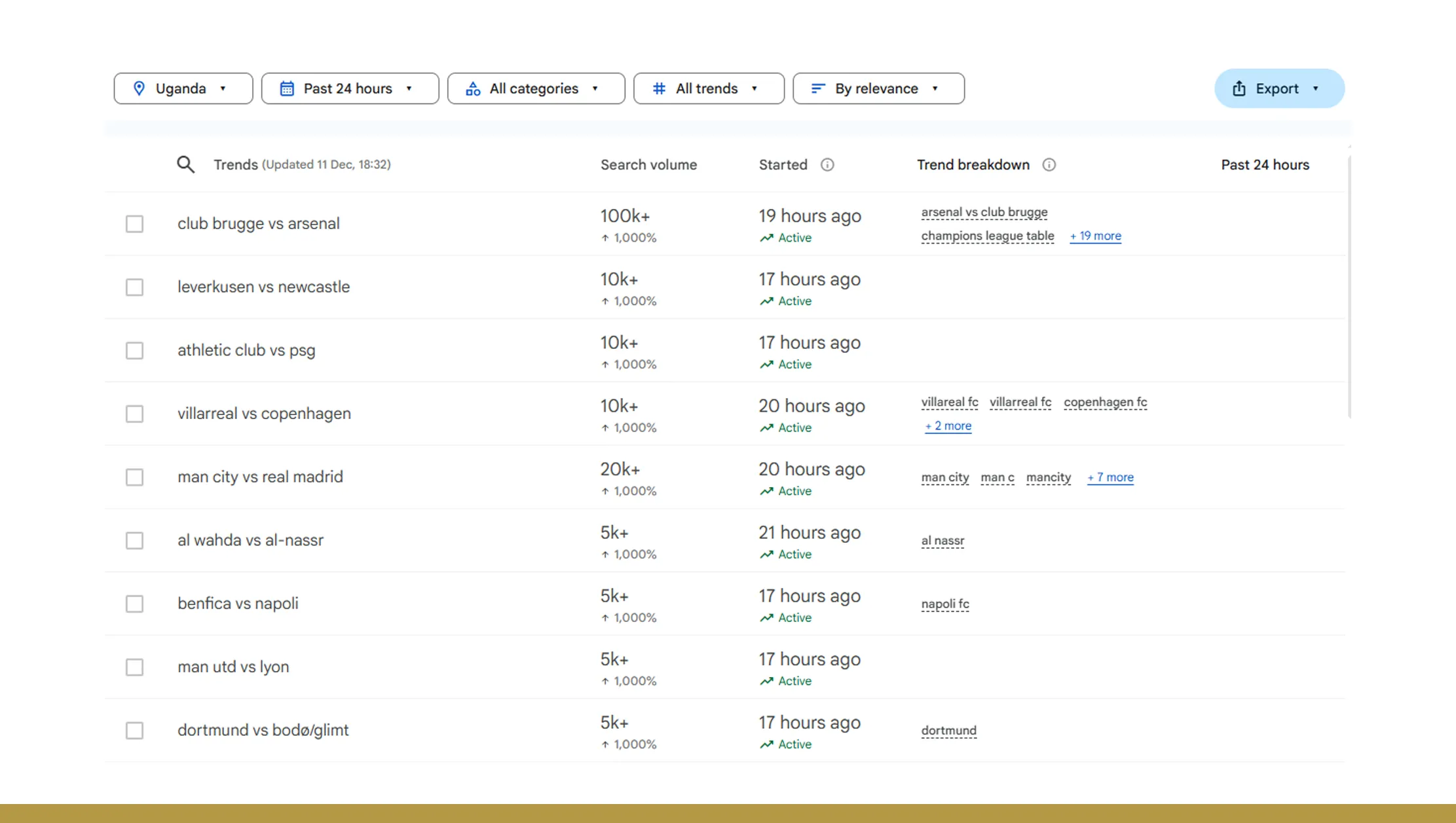
Monitoring trends as they happen is vital. Using Real-time Google Trends insights, developers can capture spikes in search interest within hours of occurrence. From 2020–2025, real-time monitoring revealed that viral topics often gained 40–60% of their yearly interest in the first 48 hours, emphasizing the importance of instant data capture.
Real-Time Spike Table
| Year | Avg. Spike Response Time (hours) | Avg. Interest Increase (%) |
|---|---|---|
| 2020 | 12 | 42 |
| 2021 | 10 | 45 |
| 2022 | 8 | 48 |
| 2023 | 7 | 50 |
| 2024 | 6 | 53 |
| 2025 | 5 | 56 |
By integrating real-time scraping with automated alerts, marketers and product teams can capitalize on fleeting opportunities, plan campaigns, or create timely content based on trending queries.
Structuring Historical Data

Historical analysis is crucial for predicting future trends. Using Google Trends data extraction, analysts can generate datasets spanning multiple years, allowing comparisons across 2020–2025. This helps identify recurring seasonal patterns, shifts in interest, and emerging topics.
Historical Search Trends Table
| Topic | 2020 | 2021 | 2022 | 2023 | 2024 | 2025 |
|---|---|---|---|---|---|---|
| AI | 45 | 52 | 60 | 65 | 70 | 75 |
| Remote Work | 28 | 35 | 41 | 47 | 52 | 58 |
| Cryptocurrency | 38 | 46 | 51 | 55 | 59 | 64 |
Structured extraction ensures that datasets are clean, consistent, and suitable for predictive analytics. It also enables integration with BI tools, dashboards, and machine learning models to detect patterns across years.
Advanced Scraping Techniques
Using a Google Trends Scraper from GitHub repositories allows developers to implement advanced features such as multi-region tracking, automated retries, and proxy rotation. Between 2020–2025, these techniques helped maintain over 99% uptime for large-scale scraping projects.
Scraper Performance Table
| Year | Scraping Success Rate (%) | Keywords Processed | Avg. Data Points/day |
|---|---|---|---|
| 2020 | 95 | 500 | 25,000 |
| 2021 | 96 | 1,000 | 50,000 |
| 2022 | 97 | 1,500 | 75,000 |
| 2023 | 98 | 2,000 | 100,000 |
| 2024 | 99 | 2,500 | 125,000 |
| 2025 | 99.5 | 3,000 | 150,000 |
These enhanced scrapers help developers bypass limitations in the native Google Trends interface and maintain high-quality, large-scale datasets for long-term analysis.
Scaling Insights with APIs
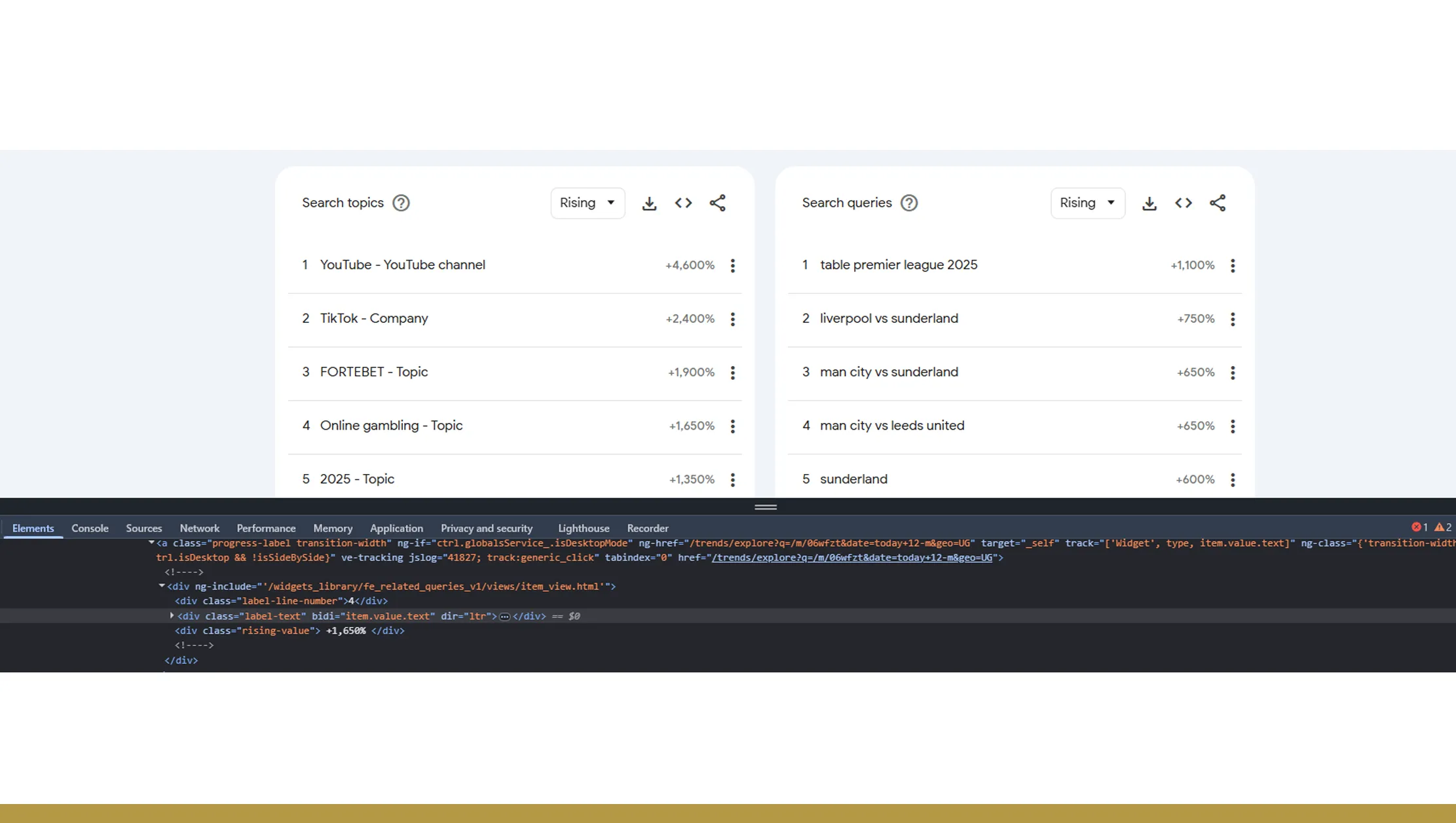
To manage large datasets efficiently, teams rely on an Instant Data Scraper, which can collect, clean, and process data at scale. Between 2020–2025, automated scraping reduced manual labor by over 70% and increased the frequency of trend updates, enabling timely, actionable insights.
API Scaling Table
| Year | Avg. Requests/day | Keywords Monitored | Data Processing Time (mins) |
|---|---|---|---|
| 2020 | 1,200 | 500 | 45 |
| 2021 | 2,500 | 1,000 | 40 |
| 2022 | 3,400 | 1,500 | 35 |
| 2023 | 4,200 | 2,000 | 30 |
| 2024 | 5,000 | 2,500 | 25 |
| 2025 | 6,000 | 3,000 | 20 |
This level of scalability is essential for research teams, content marketers, and product managers who need real-time monitoring and predictive insights.
Why Choose Real Data API?
Real Data API provides reliable infrastructure to scrape Google Trends via GitHub tools and integrate with AI-driven platforms like AI Chatbot. The platform offers:
- Automated trend extraction across thousands of keywords
- Historical data spanning 2020–2025 for predictive analysis
- Real-time scraping and alerts for emerging trends
- Scalable API architecture for multiple regions and categories
By using Real Data API, businesses can harness high-quality trend data to improve marketing strategy, product launches, and content planning.
Conclusion
Analyzing Google Trends data at scale requires powerful tools and automation. By leveraging scrape Google Trends via GitHub tools, analysts can monitor yearly surges of up to 50%, detect emerging topics, and generate actionable insights. Real Data API provides enterprise-grade infrastructure to manage this data efficiently, complementing solutions like Web Scraping API for seamless integration into analytics workflows.
Start using Real Data API today to unlock powerful Google Trends insights and stay ahead in marketing and product strategy.
Latest posts

How WhatsApp Scraper Helps Businesses Extract Public Business Profiles and Contact Data

How Businesses Use Instagram profile scraper to Track Profiles, Followers, Engagement, and Social Media Data

How Ixigo API Helps Businesses Solve Flight, Train, Hotel, Travel, and Pricing Data Challenges

How to Extract Restaurants, Menus, Prices, Ratings, and Business Data for Market Insights






.png)



