Introduction
In today's digital-first economy, social media platforms generate massive volumes of real-time data every second. From customer opinions and trending hashtags to influencer campaigns and competitor promotions, social platforms have become one of the most powerful sources of business intelligence.
However, manually collecting and structuring this data is impossible at scale. This is where a Social Media Data Scraping API becomes essential.
A powerful solution like Real Data API enables businesses to extract structured, real-time public data from major platforms including Facebook, Instagram, LinkedIn, Twitter (X), TikTok, and YouTube. With automated data extraction, companies can monitor engagement metrics, brand mentions, reviews, hashtags, and audience insights to make smarter, data-driven decisions.
What is a Social Media Scraping API?
A Social Media Scraping API is a data extraction solution that collects publicly available information from social platforms in structured formats such as JSON or CSV. Instead of manually browsing posts or profiles, businesses can automate large-scale data retrieval.
Common Data Extracted:
- Posts and captions
- Comments and replies
- Likes, shares, engagement metrics
- Hashtags and keyword trends
- Follower growth
- Influencer metrics
- Reviews and ratings
- Ad creatives and campaign insights
With scalable infrastructure like Real Data API, companies gain consistent, reliable access to actionable social intelligence.
Key Use Cases of Social Media Scraping API
1. Brand Monitoring & Online Reputation Management

Online reputation can shift within minutes. A single viral complaint can impact brand trust dramatically.
A Social Media Scraping API continuously tracks:
- Brand mentions
- Tagged posts
- User comments
- Review discussions
- Sentiment spikes
Case Study: Consumer Electronics Brand
A smartphone company implemented automated monitoring to track conversations about its new product launch. When complaints about overheating surfaced, the company responded quickly with software updates and public communication.
Results:
- 38% reduction in negative sentiment
- Faster support response
- Improved brand perception
2. Competitive Intelligence & Market Benchmarking
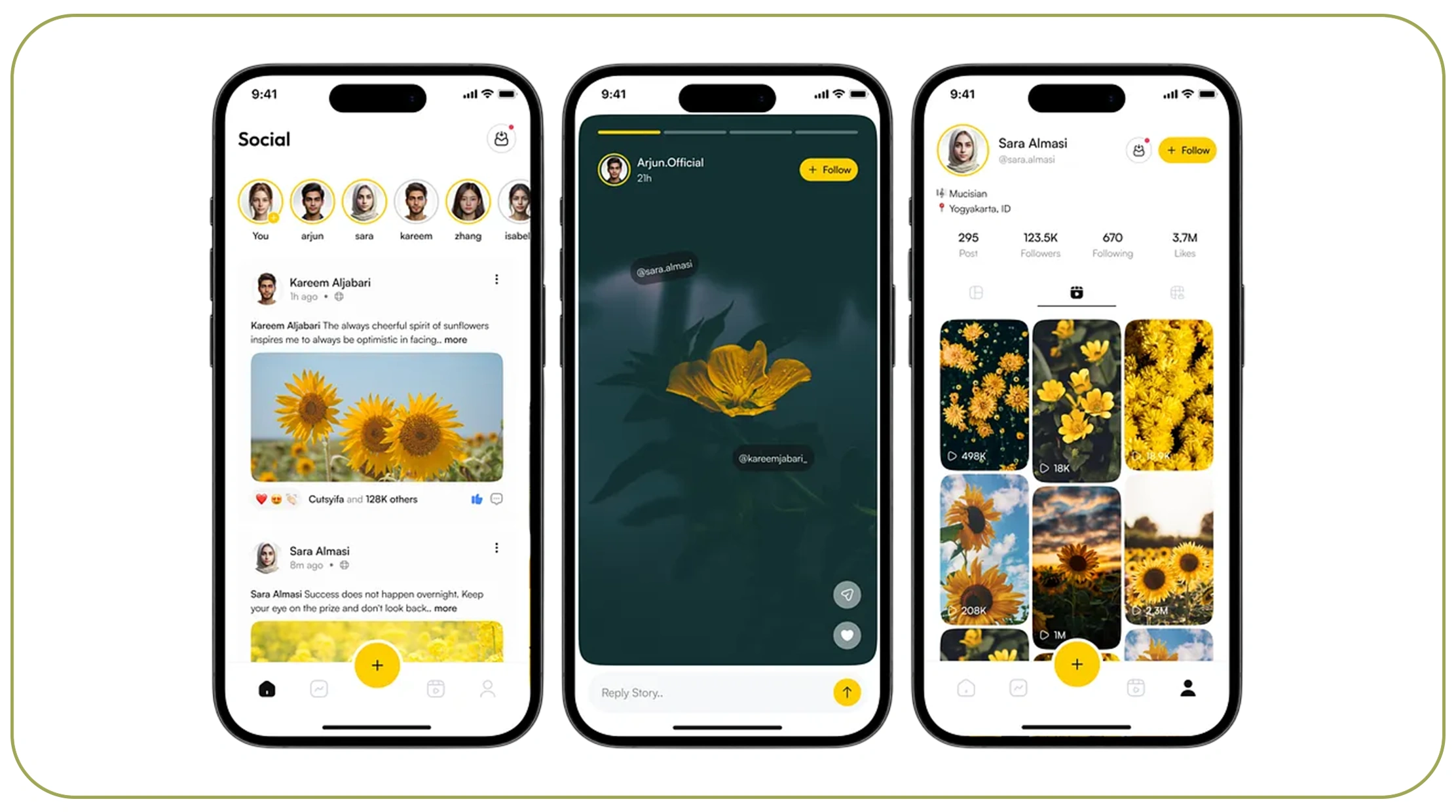
Understanding competitor strategy is critical in digital marketing.
Data Extracted:
- Competitor post frequency
- Engagement rate analysis
- Campaign hashtags
- Influencer partnerships
- Paid ad creatives
Case Study: FinTech Startup
A FinTech company analyzed competitor LinkedIn campaigns and discovered that educational posts generated significantly higher engagement than promotional content.
After refining its strategy:
- Engagement increased by 52%
- Qualified lead generation improved significantly
Social data infrastructure powered by Real Data API allowed consistent competitor tracking at scale.
3. Influencer Marketing Optimization

Influencer fraud and fake engagement remain common industry challenges.
A Social Media Scraping API helps brands:
- Evaluate engagement ratios
- Detect suspicious follower growth
- Analyze historical campaign performance
- Measure ROI accurately
Case Study: Beauty E-commerce Brand
Before launching a campaign, a beauty retailer analyzed hundreds of influencer profiles. The data revealed that micro-influencers delivered stronger conversion rates compared to high-follower accounts.
Campaign Results:
- 45% higher ROI
- 2X sales increase
- Lower acquisition cost
Reliable influencer analytics were supported through automated extraction systems like Real Data API.
4. Sentiment Analysis & Consumer Insights

Customers often share honest opinions on social media rather than surveys.
Data Extracted:
- Product feedback
- Comments and replies
- Emoji reactions
- Feature discussions
When combined with AI-powered Sentiment Analysis, scraped data can be categorized into:
- Positive trends
- Negative concerns
- Neutral conversations
Case Study: Food Delivery Platform
A delivery app analyzed social conversations to identify complaints about peak-hour delays in certain regions.
After operational improvements:
- Customer churn reduced by 20%
- Ratings improved significantly
5. Trend Discovery & Hashtag Monitoring

Viral trends create exponential visibility opportunities.
A Social Media Scraping API enables:
- Real-time hashtag tracking
- Keyword spike detection
- Emerging topic analysis
- Audience engagement tracking
Case Study: Apparel Brand
An apparel company detected a rising sustainability hashtag early and aligned its campaign accordingly.
Results:
- 2.4 million organic impressions
- 28% sales growth during campaign
Scalable trend detection was enabled through enterprise-grade tools such as Real Data API.
6. Social Media Lead Generation

Social platforms are powerful prospecting tools for both B2B and B2C businesses For Lead Generation.
Businesses can:
- Extract industry-specific LinkedIn profiles
- Monitor posts requesting recommendations
- Identify startups announcing expansion
Case Study: SaaS Company
A SaaS provider monitored LinkedIn discussions related to CRM challenges.
Outcome:
- 170 qualified leads in 90 days
- 24% conversion rate
- Significant revenue growth
7. Ad Intelligence & Campaign Optimization

Monitoring competitor ads improves marketing performance.
Data Collected:
- Ad copy variations
- Creative formats
- Call-to-action strategies
- Engagement metrics
- Campaign timelines
Case Study: E-commerce Retailer
An online retailer discovered through competitor analysis that short-form video ads outperformed static creatives.
After adapting:
- 30% increase in conversion rate
- Reduced customer acquisition cost
Ad tracking and creative benchmarking were streamlined using Real Data API integrations.
8. Crisis Detection & Risk Monitoring

Negative news spreads quickly across social platforms.
A Social Media Scraping API can:
- Detect sudden spikes in negative mentions
- Monitor misinformation patterns
- Trigger real-time alerts
This enables brands to act proactively rather than reactively.
9. Market Research & Product Development

Social data reveals:
- Consumer pain points
- Feature requests
- Emerging demands
- Audience preferences
Product teams use this intelligence to refine offerings, improve messaging, and identify untapped opportunities.
10. Social Commerce & Shopping Insights
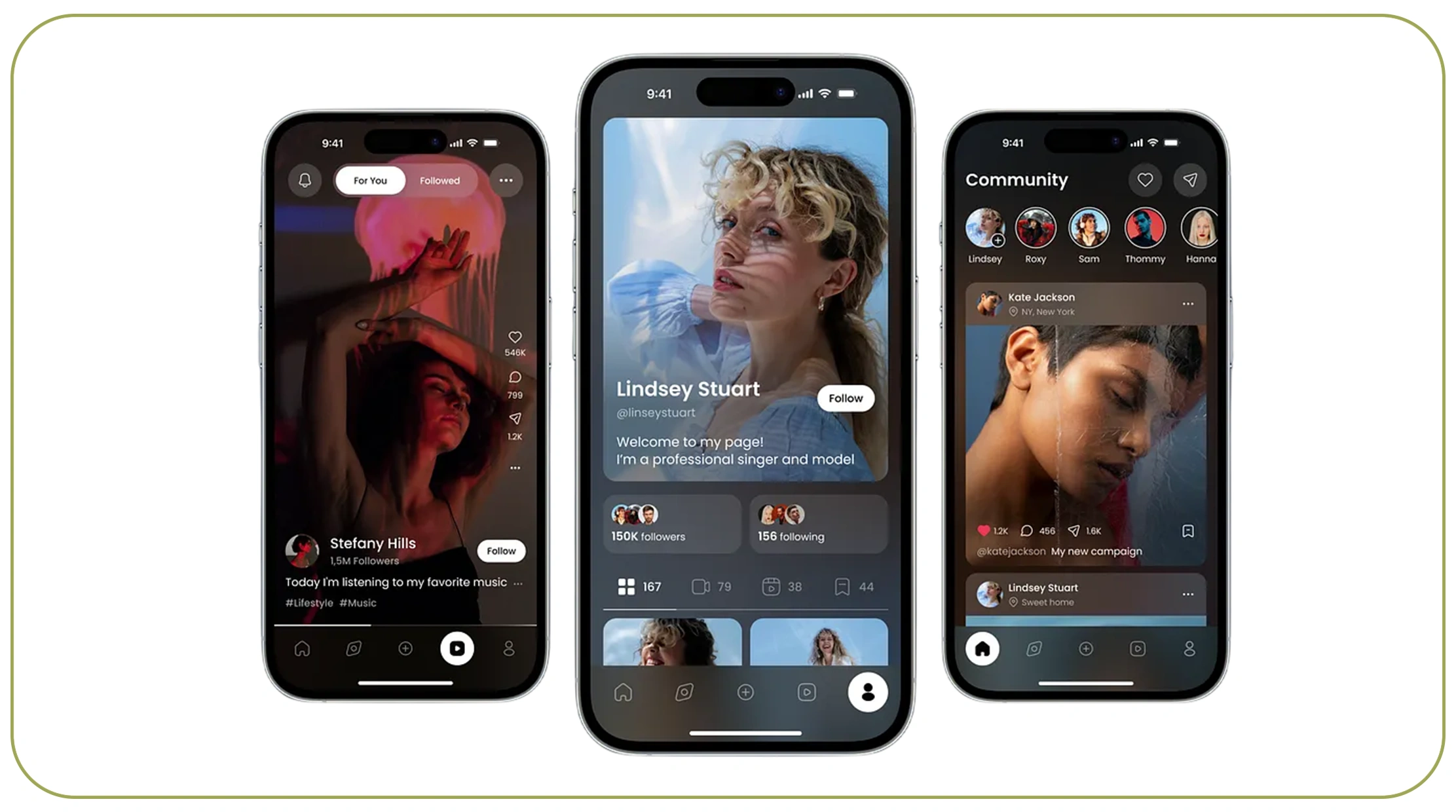
With social commerce expanding rapidly, businesses track:
- Product tagging trends
- Influencer product mentions
- User-generated shopping content
- Campaign-driven conversions
This allows better inventory planning and campaign optimization.
Why Businesses Invest in Social Media Scraping API
In a competitive digital landscape, manual monitoring is no longer enough.
Businesses need:
- Real-time insights
- Automated data extraction
- Structured output formats
- Scalable infrastructure
- Integration with BI and CRM tools
Solutions like Real Data API provide enterprise-level reliability and scalability for companies that depend on accurate social intelligence.
Conclusion
A Social Media Dataset transforms unstructured online conversations into actionable business insights. From brand monitoring and influencer optimization to competitor tracking and sentiment analysis, the applications are extensive.
Organizations that leverage automated, real-time social data gain faster insights, improved campaign performance, and stronger competitive positioning.
In an era where trends shift overnight and customer opinions define brand reputation, data-driven decision-making is no longer optional — it is essential.
Latest posts
How Uber Eats API Helps Businesses Overcome Restaurant, Menu, and Pricing Data Challenges
How Myntra API Solves Fashion Retail Challenges with Fashion Product, Price, Brand, and Category Data
How Nykaa Fashion Dataset Solves Product, Price, Brand, and Fashion Market Trend Tracking Challenges

Harrods UK: The World's Leading Luxury Department Store - A Complete Guide to Harrods Data Scraping, API Access, and Datasets






.png)