Introduction: Why Grocery Data Intelligence is Critical in 2026
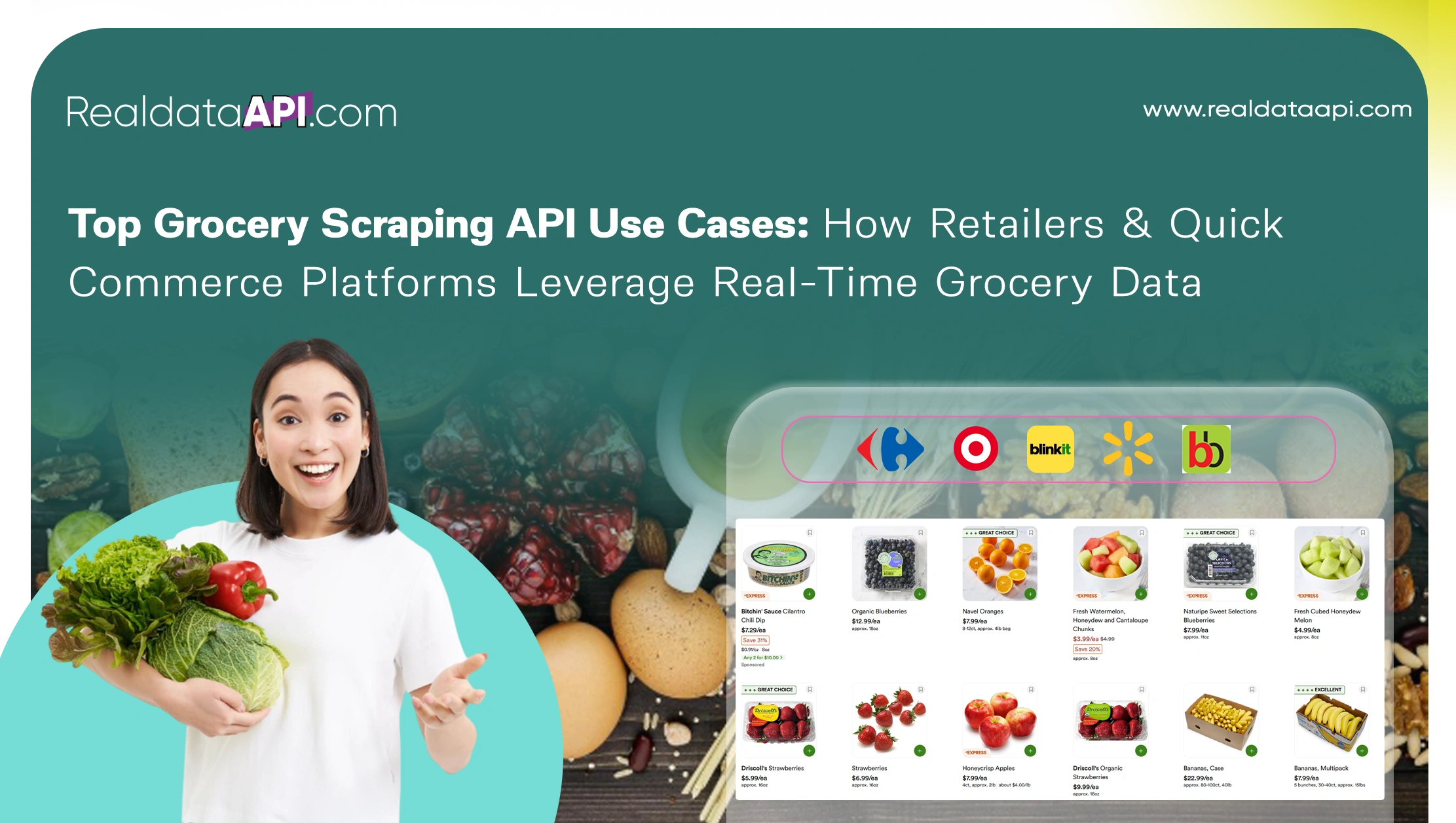
The grocery industry has rapidly shifted toward digital-first models. Platforms like Instacart, Amazon Fresh, Walmart Grocery, Blinkit, Zepto, BigBasket, Carrefour, and Tesco are redefining how consumers purchase essentials.
Prices fluctuate hourly. Stock levels change in minutes. Discounts appear and disappear instantly.
In such a dynamic ecosystem, manual monitoring is impossible.
This is where a Grocery Data Scraping API becomes essential.
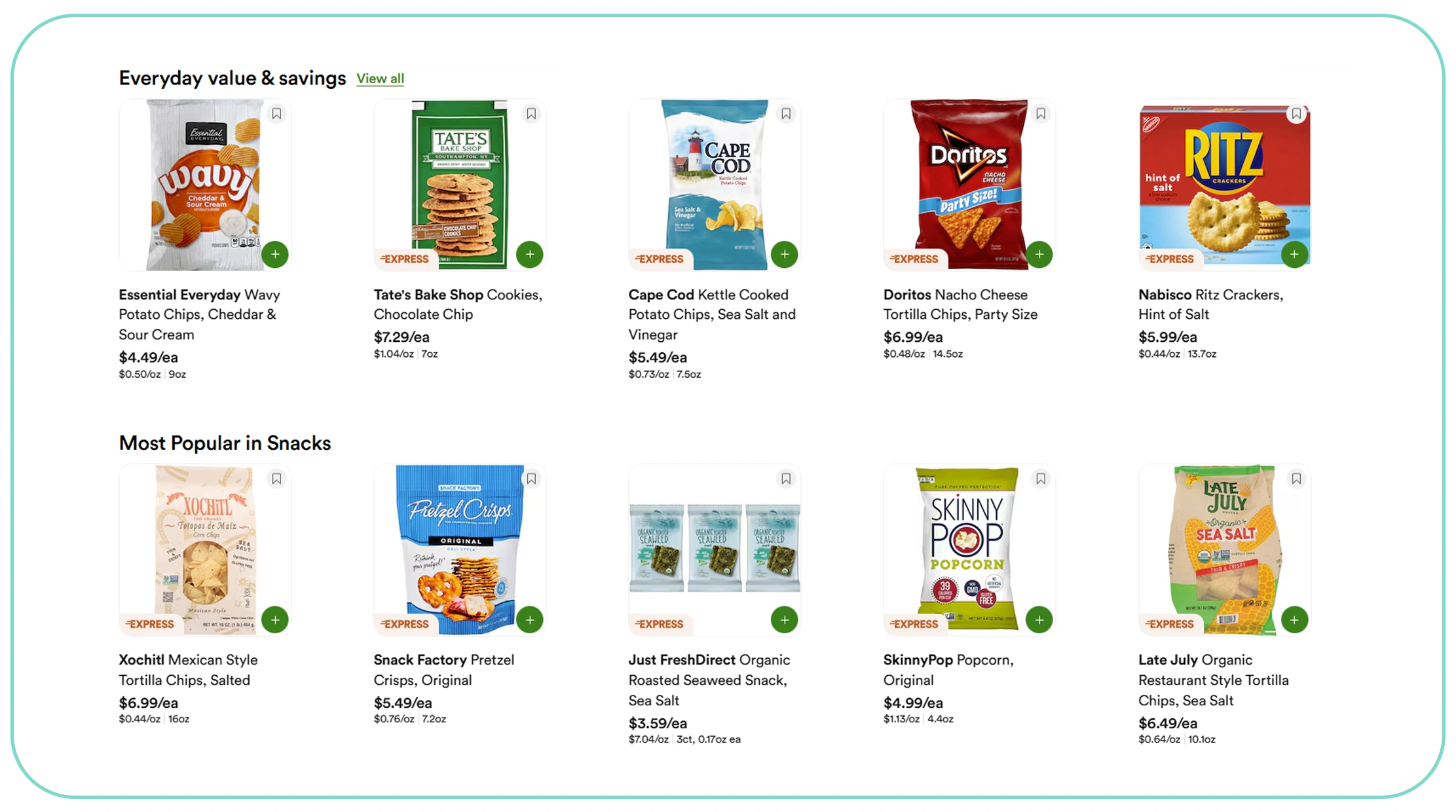
A Grocery Scraping API extracts structured, real-time data from grocery platforms, including:
- Product names & SKUs
- MRP and discounted prices
- Stock availability
- Brand details
- Category hierarchy
- Product descriptions
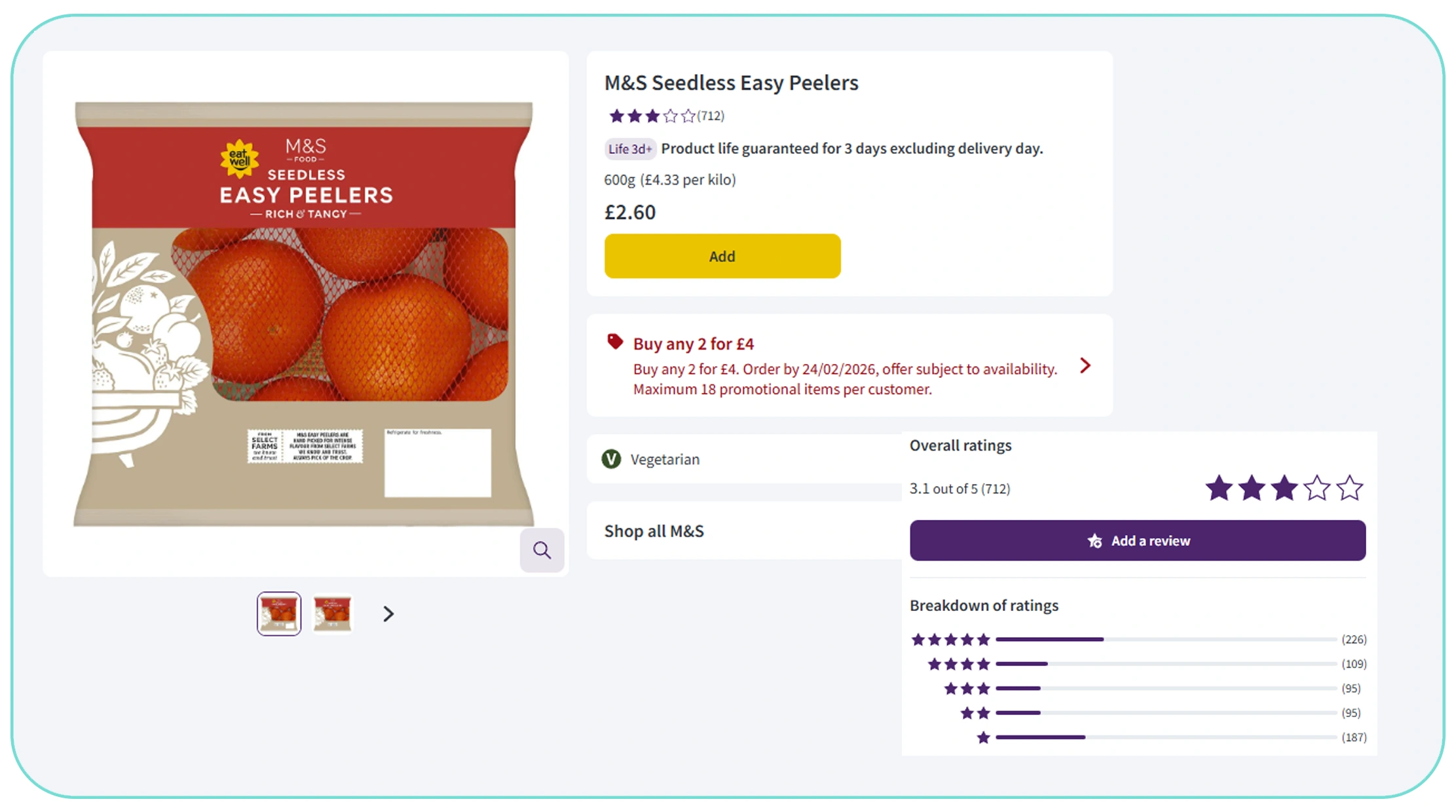
- Ratings & reviews
- Delivery timelines
- Bundle and combo offers
Instead of building and maintaining fragile scraping scripts, companies integrate enterprise-grade APIs like Real Data API to automate grocery data extraction at scale.
In this blog, we explore top Grocery Scraping API use cases across retail, quick commerce, FMCG, analytics, and investment sectors, supported by detailed case studies.
1. Use Case: Real-Time Grocery Price Monitoring
The Challenge
Grocery retail operates on razor-thin margins. Even a ₹2–₹5 price difference can influence buying decisions.
Retailers struggle with:
- Competitor undercutting
- Flash discounts
- Regional price variations
- Dynamic pricing by quick commerce apps
How Grocery Scraping API Solves It
A grocery Price Monitoring API enables:
- Real-time MRP tracking
- Discount and offer monitoring
- Price comparison across regions
- SKU-level competitive analysis
- Historical price trend tracking
Case Study 1: Supermarket Chain Improved Margins by 14%
A regional supermarket chain integrated a Grocery Scraping API to monitor 5 quick commerce platforms.
Implementation:
- Tracked 1,200 SKUs daily
- Monitored price drops and bundle offers
- Automated repricing rules
Results:
- Reduced price gaps by 22%
- Increased margins by 14%
- Improved weekly sales performance
Data-driven pricing eliminated guesswork.
2. Use Case: Stock & Inventory Intelligence
The Problem
Stockouts lead to lost revenue. Overstocking increases wastage, especially in perishables.
Quick commerce platforms update stock availability frequently, making manual tracking ineffective.
API-Based Solution
A grocery inventory scraping API extracts:
- Real-time stock availability
- Out-of-stock alerts
- Restocking frequency
- Product listing removals
- Seller count changes
Case Study 2: FMCG Brand Reduced Stockouts by 19%
An FMCG beverage company monitored competitor stock levels across urban markets.
Insights:
- Frequent stockouts during weekends
- Higher sales velocity in Tier-1 cities
Action:
- Increased weekend supply
- Optimized regional inventory
Outcome:
- 19% reduction in stockouts
- Higher brand visibility
- Improved shelf presence
3. Use Case: Assortment & Category Gap Analysis
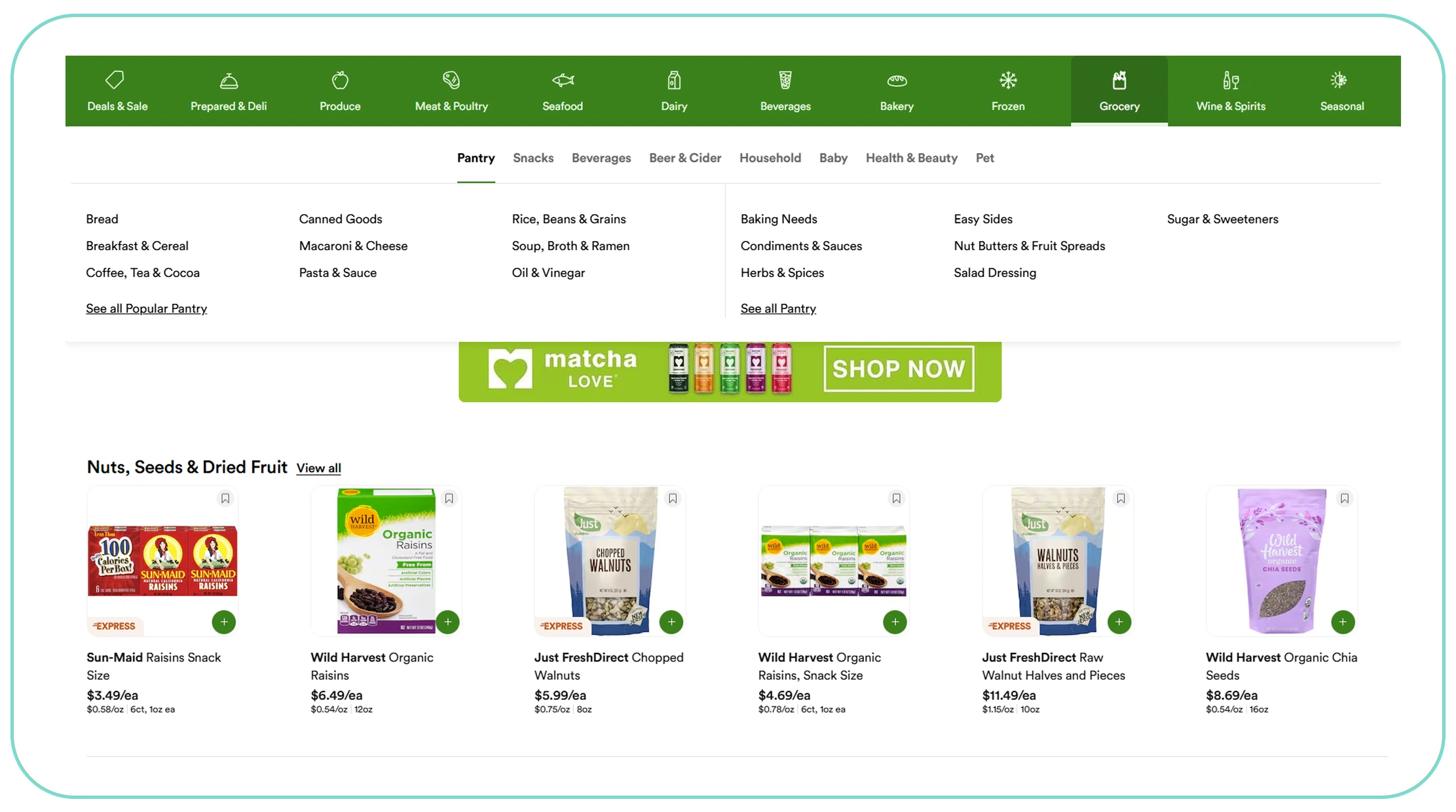
The Challenge
Retailers often fail to identify missing product categories or SKU gaps in their assortment.
Without competitive benchmarking, product catalogs remain incomplete.
Grocery Scraping API Enables:
- Category-level analysis
- Brand penetration tracking
- SKU density comparison
- Private label benchmarking
Case Study 3: Private Label Brand Increased Market Share
A private-label grocery brand scraped competitor product catalogs to identify:
- High-demand SKUs
- Missing pack sizes
- Popular organic variants
Result:
- Introduced 12 new SKUs
- Gained 8% market share in 6 months
- Improved category presence
4. Use Case: Quick Commerce Discount & Promotion Tracking

The Problem
Quick commerce platforms run aggressive:
- Flash sales
- Buy-one-get-one deals
- Free delivery campaigns
- Limited-time price drops
Retailers who fail to track promotions lose competitiveness.
API Solution
A grocery promotion scraping API helps monitor:
- Discount percentages
- Campaign timing
- Coupon codes
- Bundle pricing strategies
Case Study 4: Grocery Chain Increased Conversions by 23%
A mid-sized grocery retailer monitored competitor discount patterns using Real Data API.
Strategy:
- Matched discount timing
- Avoided overlapping campaigns
- Focused on high-margin SKUs
Results:
- 23% higher online conversions
- Reduced promotional spend wastage
- Improved campaign ROI
5. Use Case: Grocery Delivery Time & Service Benchmarking
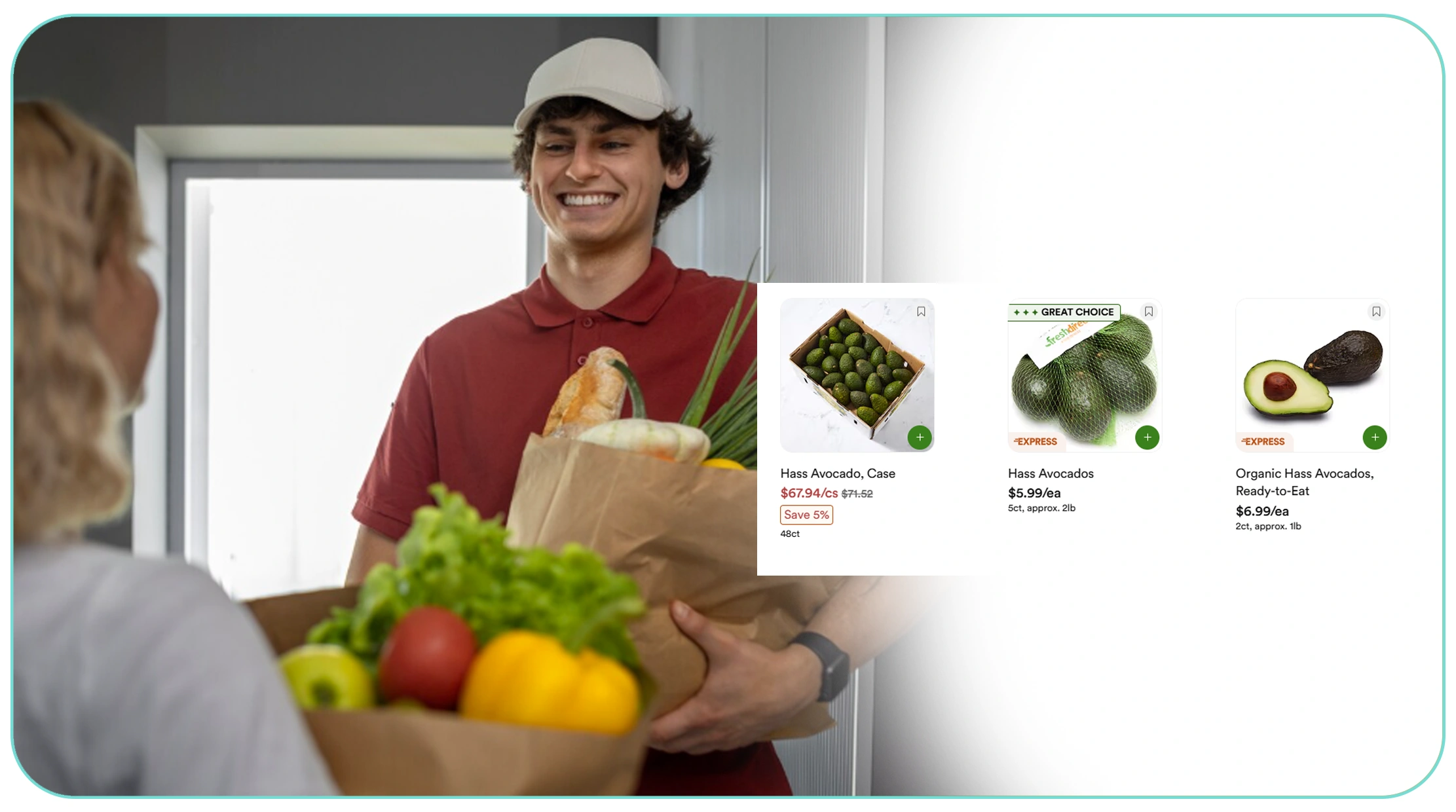
The Challenge
Delivery speed is a key differentiator in grocery ecommerce.
Customers prefer platforms with:
- Faster delivery windows
- Lower delivery fees
- Higher availability
Grocery Scraping API Provides:
- Delivery time estimates
- Slot availability data
- Delivery charges comparison
- Peak-hour analysis
Case Study 5: Quick Commerce Startup Optimized Delivery Strategy
A startup scraped delivery time data across multiple platforms.
Insights:
- 10-minute delivery dominant in metro zones
- 30-minute delivery acceptable in Tier-2 cities
Implementation:
- Optimized dark store locations
- Adjusted delivery promises
Outcome:
- 28% improvement in on-time delivery
- Higher customer retention
6. Use Case: Consumer Sentiment & Review Analytics
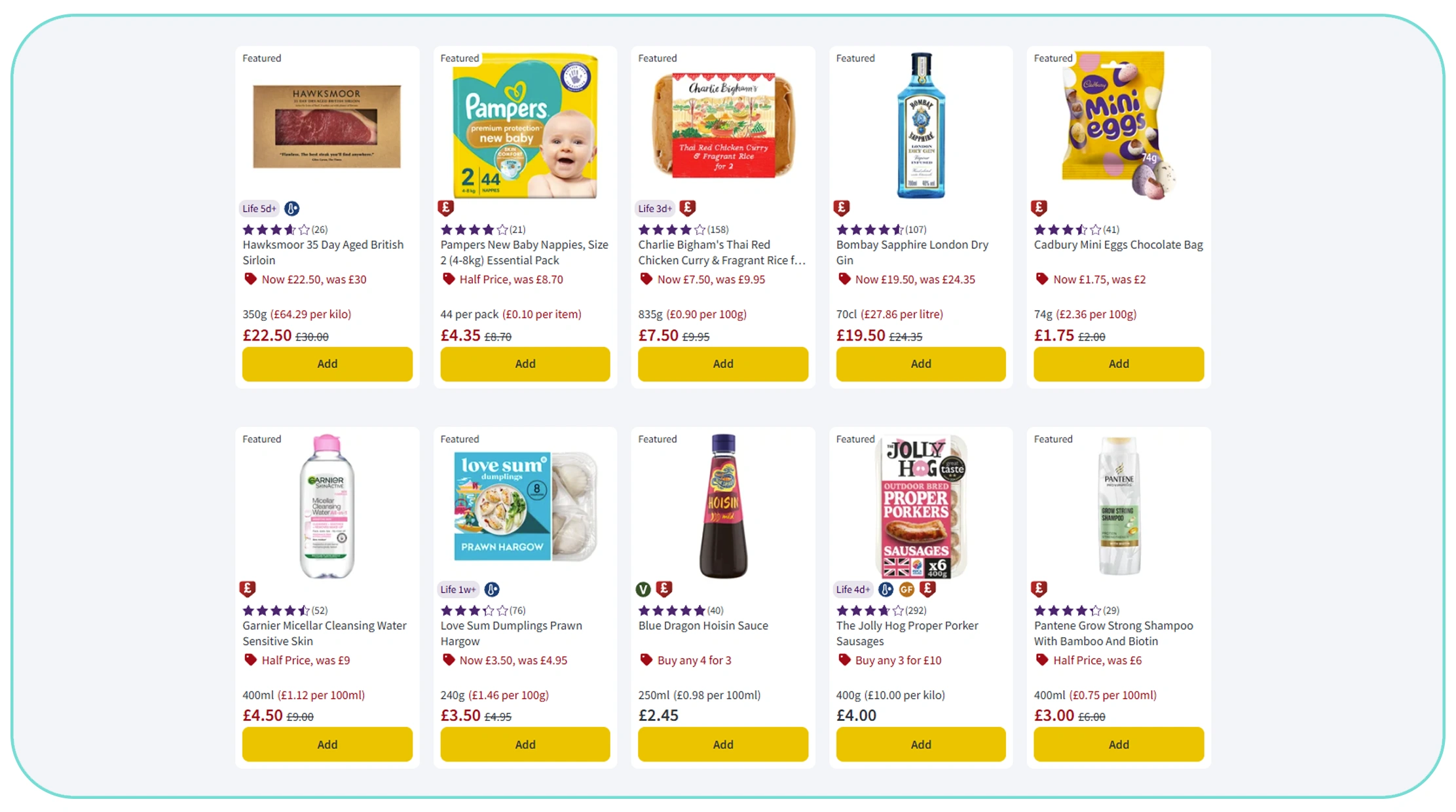
The Problem
Customer feedback impacts product visibility and trust.
Understanding negative reviews early can prevent brand damage. The grocery review Scraping can be done by using Real Data APIs Sentiment Analysis tool.
Grocery Review Scraping API Extracts:
- Review text
- Star ratings
- Complaint patterns
- Product return reasons
Case Study 6: Dairy Brand Improved Ratings from 3.7 to 4.5
A dairy company analyzed thousands of product reviews.
Key Feedback:
- Packaging leakage
- Short expiry complaints
Improvements:
- Better packaging material
- Updated cold-chain logistics
Result:
- Rating improved to 4.5
- Reduced product returns
- Higher customer satisfaction
7. Use Case: Market Entry & Regional Expansion Strategy
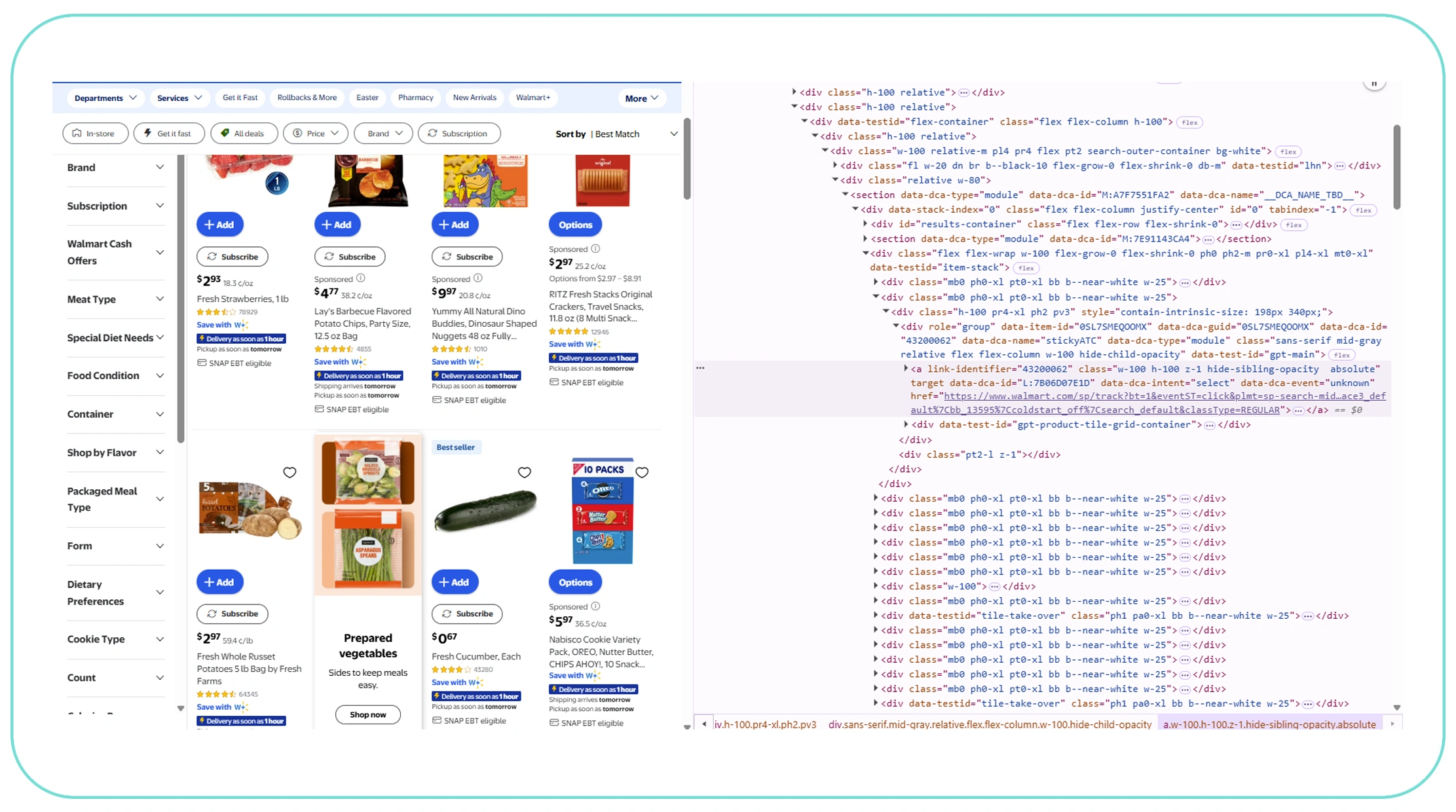
The Challenge
Expanding into a new region without grocery market data increases risk.
Grocery Scraping API Enables:
- Regional price benchmarking
- Category demand analysis
- Top-selling SKU identification
- Brand competition mapping
Case Study 7: International Brand Entered Indian Market Successfully
An international snack brand used scraping data to analyze:
- Popular flavors
- Average price per gram
- Pack size demand
- Local competitor dominance
Outcome:
- Launched region-optimized SKUs
- Competitive pricing
- Achieved 26% above projected sales
8. Use Case: Grocery Analytics & BI Integration

The Challenge
Raw grocery data is only valuable when transformed into actionable insights.
API Integration Enables:
- Real-time dashboards
- Historical price graphs
- Trend forecasting
- Automated competitor alerts
- Data warehouse integration
Case Study 8: Retail Analytics SaaS Increased Enterprise Clients
An analytics platform integrated both Web Scraping API and Grocery Scraping API feeds into its dashboard.
Benefits:
- Accurate competitor benchmarking
- Real-time reporting
- Predictive demand modeling
Results:
- 34% client retention improvement
- Increased subscription upgrades
Why Real Data API is Essential for Grocery Intelligence
A robust Grocery Scraping API like Real Data API provides:
- ✔ Real-time price & stock monitoring
- ✔ Multi-platform grocery data extraction
- ✔ Automatic proxy rotation
- ✔ High success scraping rate
- ✔ Structured JSON output
- ✔ Scalable infrastructure
- ✔ Location-based data segmentation
Instead of investing heavily in internal scraper maintenance, businesses gain reliable, enterprise-grade grocery data infrastructure.
Future of Grocery Scraping APIs
The grocery data landscape is evolving toward:
- AI-driven demand forecasting
- Hyperlocal pricing intelligence
- Predictive stock optimization
- Dark store expansion analytics
- Cross-channel integration (grocery + food + ecommerce)
As quick commerce competition intensifies, structured grocery data will determine profitability and survival.
Conclusion: Grocery Scraping API as a Competitive Infrastructure
The grocery industry operates on speed, precision, and thin margins.
From price monitoring and inventory intelligence to category expansion and market research — Grocery Scraping APIs empower retailers, FMCG brands, analytics firms, and quick commerce platforms with real-time actionable insights.
Businesses leveraging structured grocery data through Real Data API can:
- Optimize pricing
- Reduce stockouts
- Improve assortment
- Increase conversions
- Expand strategically
- Strengthen market positioning
In the data-driven grocery economy, automated extraction is not optional — it's a strategic necessity.
Latest posts
Allegro scraper for competitor price monitoring – How to Track Product Prices and Stay Ahead of Competitors
Ocado API data collection services for retailers - Track Competitor Prices and Deals
Using Flipkart API for e-commerce competitor benchmarking to Monitor Competitors Across Online Marketplaces

How Myntra scraper for online fashion retail analytics Helps Track Trends, Prices, and Product Demand






.png)