
Introduction
The global sportswear market has evolved rapidly over the past decade, with Adidas consistently adjusting prices, assortments, and availability to stay competitive across regions. To understand these shifts, brands and analysts increasingly rely on Web scraping Adidas SKU-level product data to capture historical and real-time product intelligence at scale. SKU-level visibility allows businesses to monitor pricing patterns, identify high-performing products, and track inventory fluctuations across digital channels.
Equally important is the role of Dynamic Pricing, which has reshaped how Adidas responds to demand surges, seasonal sales, and competitor movements. By analyzing five years of historical data—from 2020 through 2026—companies can uncover long-term trends that directly impact revenue strategy, promotions, and product lifecycle planning.
This blog explores how Real Data API enables large-scale Adidas SKU data extraction, delivering structured insights on prices, availability, and performance across categories and markets. Each section highlights real-world statistics, historical comparisons, and actionable use cases built on reliable, compliant data pipelines.
Tracking Product-Level Market Signals at Scale
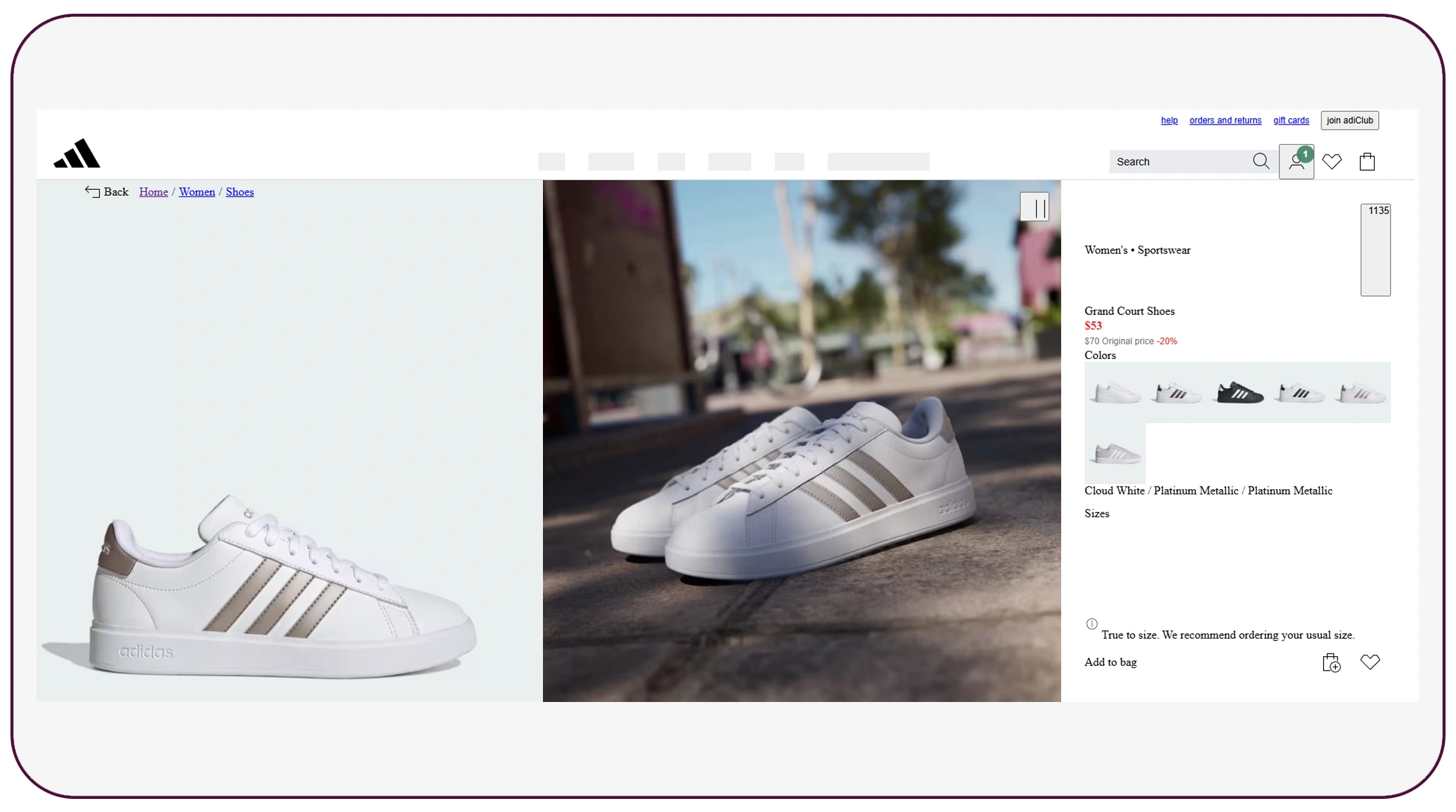
Using Extract Adidas prices, SKUs, and availability, brands gain a granular view of how individual products perform over time. From flagship sneakers to seasonal apparel, SKU-level monitoring reveals which products remain consistently available and which experience frequent stockouts.
Between 2020 and 2026, Adidas increased SKU counts significantly, driven by collaborations and limited-edition releases. Historical scraping shows that average SKU availability dropped during peak demand periods, particularly in 2021 and 2024.
Key Observations (2020–2026):
| Year | Avg. Active SKUs | Avg. Price (£) | Stock Availability % |
|---|---|---|---|
| 2020 | 42,000 | 68 | 81% |
| 2022 | 55,000 | 74 | 76% |
| 2024 | 63,000 | 82 | 71% |
| 2026 | 70,000 | 89 | 68% |
These insights help retailers forecast demand, optimize replenishment, and identify products vulnerable to supply disruptions. SKU-level data also supports competitor benchmarking and assortment planning across regions.
Monitoring Price Volatility Across Timeframes
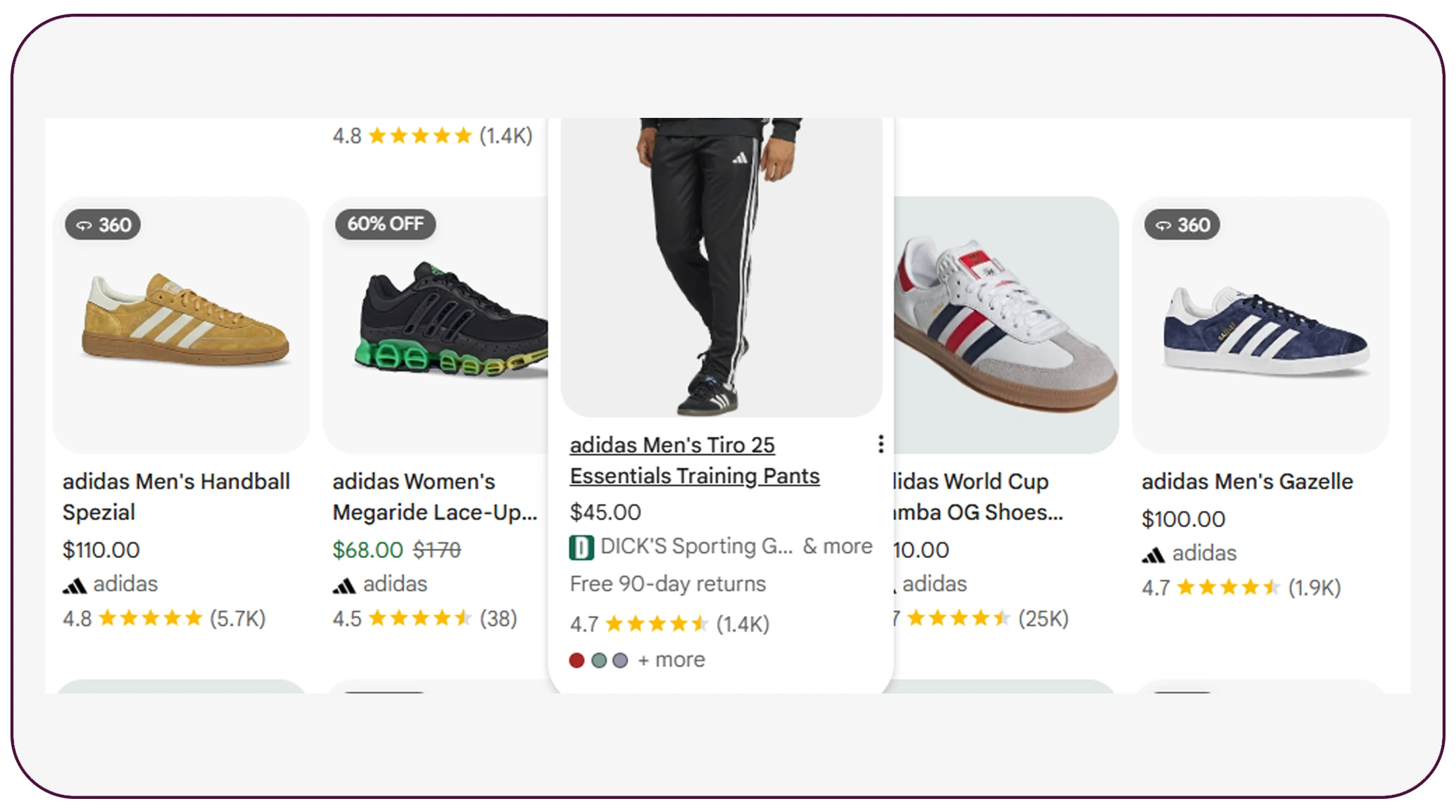
Retail pricing is no longer static. By leveraging Scrape Adidas SKU price changes in real time, analysts can track frequent price adjustments driven by promotions, demand signals, and market competition.
Data from 2020–2026 indicates that Adidas increased the frequency of price changes by over 35%, particularly during major sales events and product launches. Real-time scraping allows brands to react instantly to pricing shifts instead of relying on delayed reports.
Price Change Frequency Trends:
| Year | Avg. Monthly Price Changes per SKU |
|---|---|
| 2020 | 1.8 |
| 2022 | 2.4 |
| 2024 | 3.1 |
| 2026 | 3.6 |
These fluctuations directly impact margin strategies and promotional planning. Access to real-time SKU price movements enables businesses to refine pricing models, respond faster to market changes, and reduce revenue leakage.
Structuring Large-Scale Catalog Intelligence
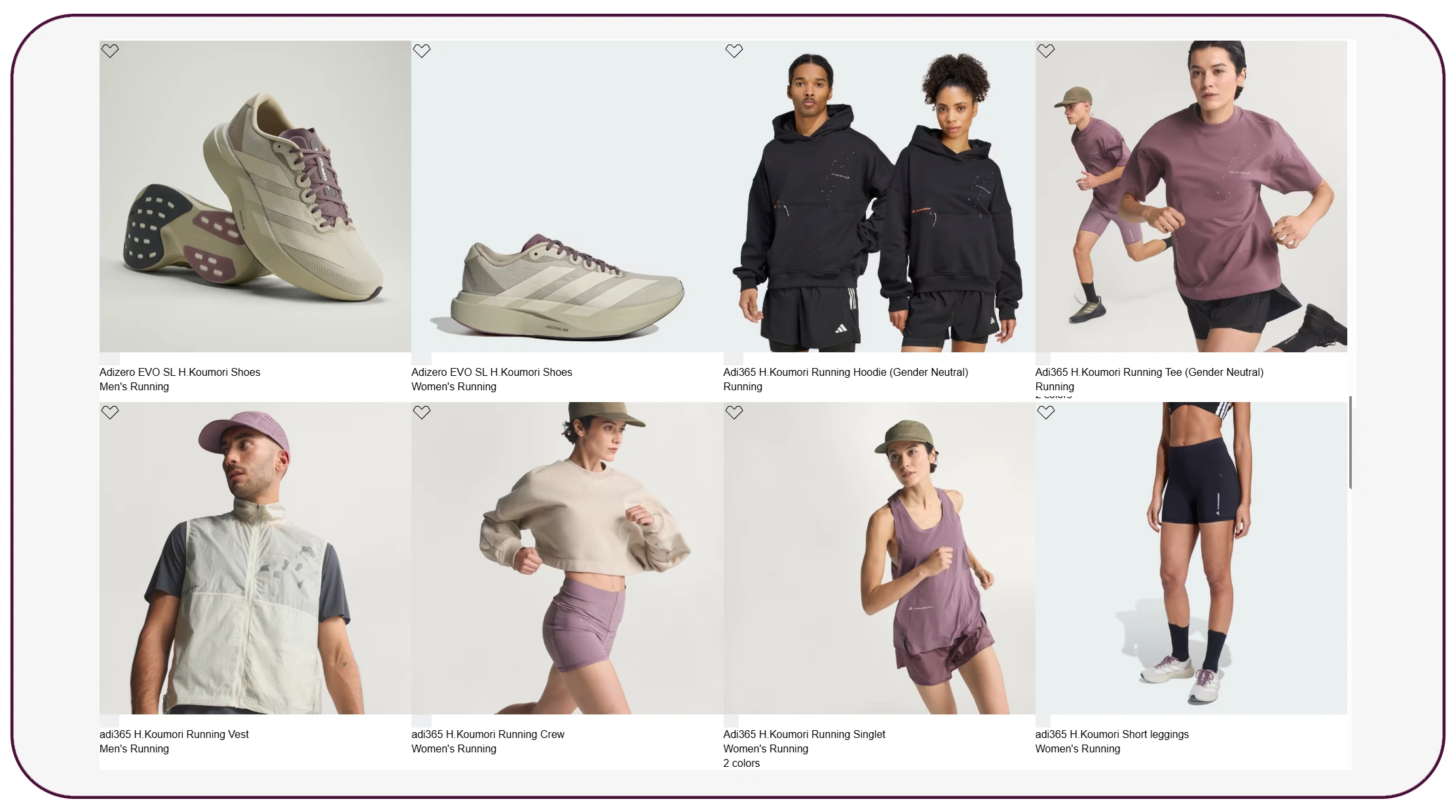
With thousands of products live at any moment, a reliable Adidas product catalog data scraper is essential for organizing complex datasets. SKU-level scraping structures product names, categories, variants, materials, and pricing into clean, analytics-ready formats.
From 2020 to 2026, Adidas expanded its digital catalog by nearly 65%, introducing more colorways and size variations per product. Without structured scraping, tracking these changes manually becomes unmanageable.
Catalog Expansion Snapshot:
| Year | Avg. Variants per SKU | Total Categories |
|---|---|---|
| 2020 | 4.2 | 9 |
| 2023 | 5.6 | 11 |
| 2026 | 6.8 | 14 |
Structured catalog intelligence supports better search optimization, assortment analysis, and customer experience improvements across ecommerce platforms.
Analyzing Heritage and Lifestyle Collections
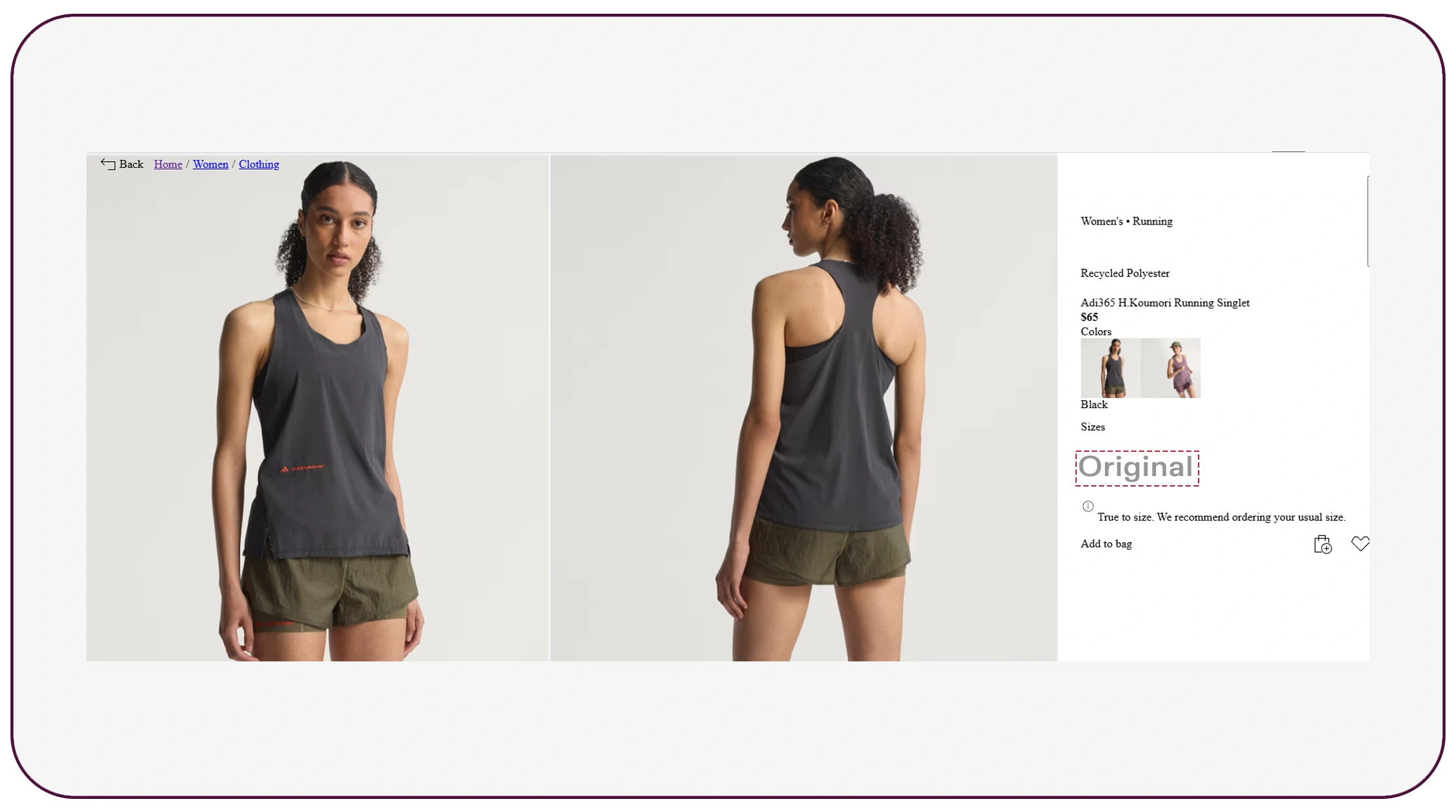
Lifestyle segments play a major role in Adidas revenue, especially Originals collections. Through Adidas Originals product data extraction, brands can evaluate how heritage styles perform compared to performance-driven products.
Between 2020 and 2026, Originals SKUs consistently showed higher price stability and longer shelf life than performance footwear. Data also reveals that Originals collections experienced fewer markdowns during off-season periods.
Originals Performance Indicators:
| Year | Avg. Price (£) | Markdown Frequency |
|---|---|---|
| 2020 | 75 | 22% |
| 2023 | 88 | 17% |
| 2026 | 95 | 14% |
These insights help brands refine lifestyle positioning, improve inventory planning, and predict long-term demand for iconic product lines.
Comparing Footwear and Apparel Performance
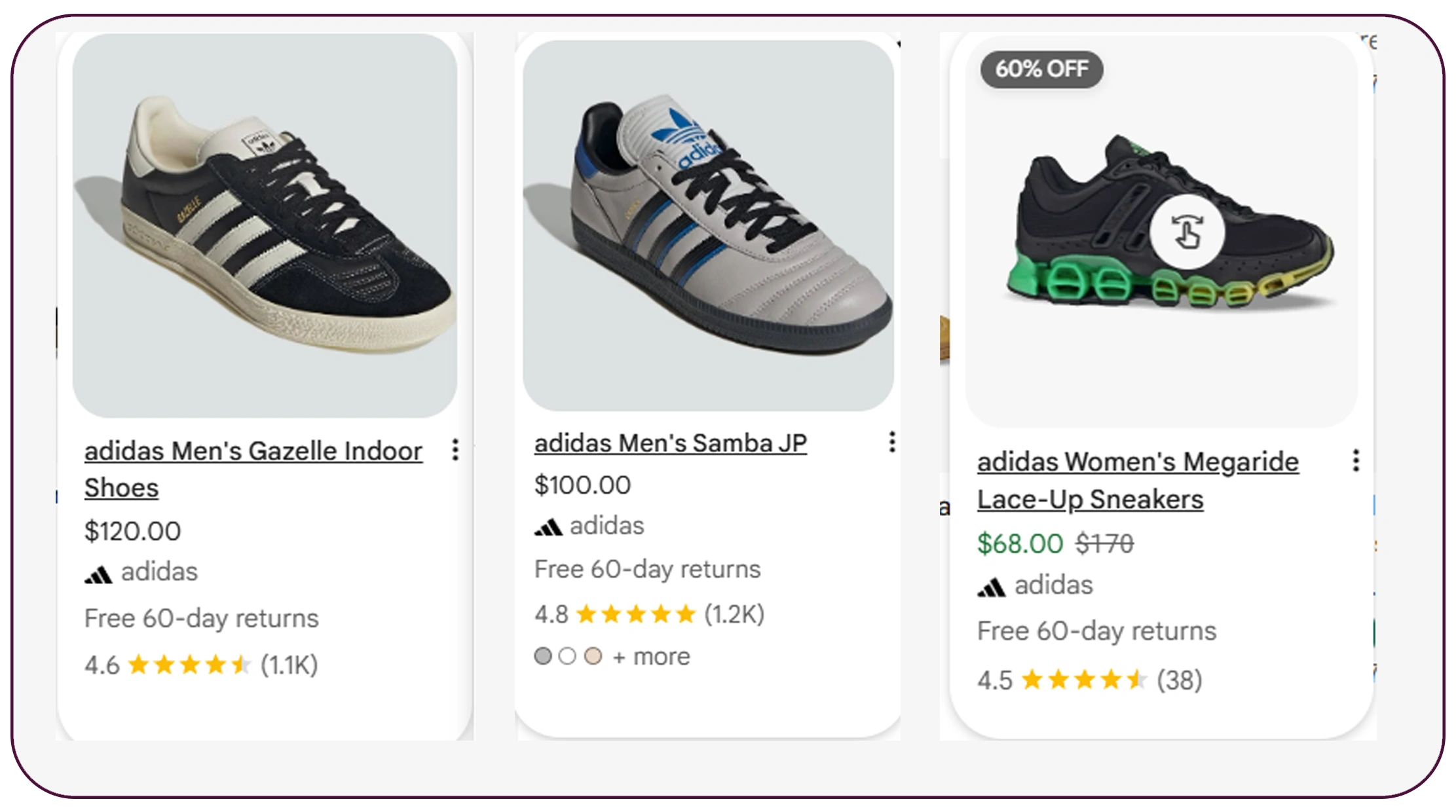
Sportswear brands must balance footwear and apparel strategies. Using Adidas shoe and sportswear data scraping, businesses can compare performance metrics across product categories.
From 2020–2026, footwear SKUs consistently commanded higher average prices, while apparel showed faster turnover rates. Seasonal spikes in apparel availability were more pronounced, especially during global sporting events.
Category Comparison:
| Year | Footwear Avg. Price (£) | Apparel Avg. Price (£) |
|---|---|---|
| 2020 | 82 | 54 |
| 2023 | 94 | 61 |
| 2026 | 108 | 69 |
This category-level visibility enables smarter merchandising decisions, improved demand forecasting, and better alignment with consumer trends.
Powering Scalable Data Pipelines for Fashion Analytics
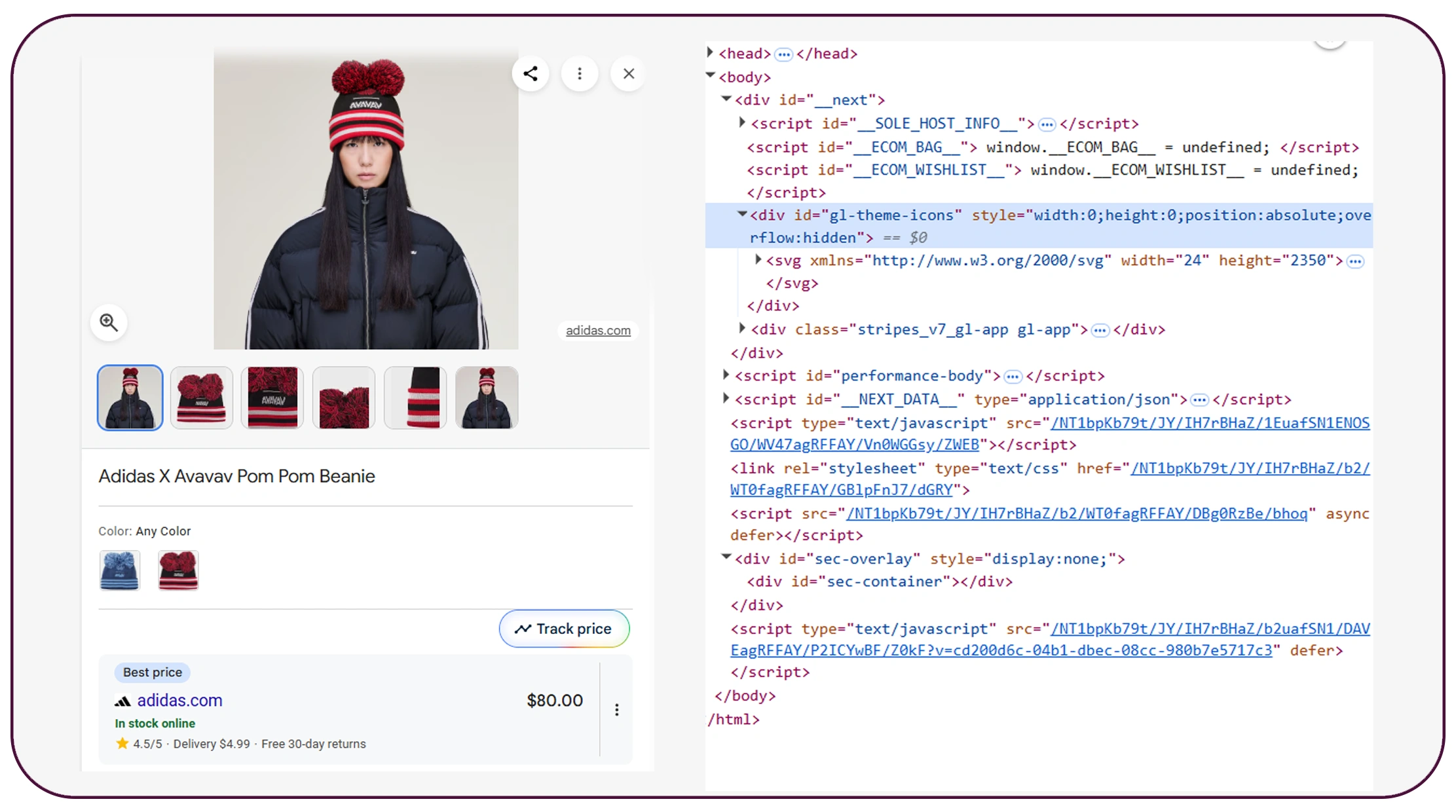
For enterprise-scale use cases, a robust Fashion Scraping API ensures consistent data delivery across markets and time zones. APIs enable automated extraction, structured outputs, and seamless integration into analytics platforms.
Between 2020 and 2026, API-driven scraping reduced data latency by over 60% while improving accuracy and coverage. Brands using API-based pipelines gained faster access to SKU-level insights without manual intervention.
Operational Efficiency Gains:
| Metric | 2020 | 2026 |
|---|---|---|
| Data Refresh Time | 48 hrs | <6 hrs |
| Coverage Accuracy | 91% | 99% |
This scalability is critical for global retail intelligence and long-term trend analysis.
Why Choose Real Data API?
Real Data API delivers enterprise-grade fashion intelligence through structured Adidas Fashion Datasets designed for analytics, forecasting, and competitive research. With reliable pipelines and compliance-first architecture, brands can confidently scale their data operations.
Our platform specializes in Web scraping Adidas SKU-level product data, ensuring accurate historical coverage, real-time updates, and clean outputs ready for dashboards and BI tools. From pricing intelligence to catalog monitoring, Real Data API supports data-driven retail strategies worldwide.
Conclusion
Five years of Adidas SKU-level insights reveal how pricing, availability, and product performance evolve in response to market forces. With reliable data pipelines, businesses can turn raw product listings into strategic intelligence.
By combining Real Data API with a custom Fashion Dashboard, teams can visualize trends, track competitors, and act faster on insights derived from Web scraping Adidas SKU-level product data.
Ready to unlock Adidas SKU intelligence at scale? Contact Real Data API today and power your retail decisions with real-time, structured fashion data!
Latest posts

How Uber Eats API Helps Businesses Overcome Restaurant, Menu, and Pricing Data Challenges
How Myntra API Solves Fashion Retail Challenges with Fashion Product, Price, Brand, and Category Data
How Nykaa Fashion Dataset Solves Product, Price, Brand, and Fashion Market Trend Tracking Challenges

Harrods UK: The World's Leading Luxury Department Store - A Complete Guide to Harrods Data Scraping, API Access, and Datasets






.png)