Introduction
Poland's eCommerce market has grown rapidly over the last decade, with Allegro standing at the center of this expansion. As competition intensifies, pricing strategies have become increasingly dynamic, often changing multiple times per day. Manual price monitoring is no longer scalable for sellers, analysts, or brands operating in such a fast-moving environment. This is where Web Scraping Allegro pricing trends in Poland becomes essential for businesses seeking accuracy, speed, and competitive intelligence. By automating data collection from Allegro Product and Review Datasets, companies can track historical price changes, detect market shifts early, and respond with data-backed pricing decisions—without relying on error-prone manual checks.
Understanding Large-Scale Product Price Monitoring
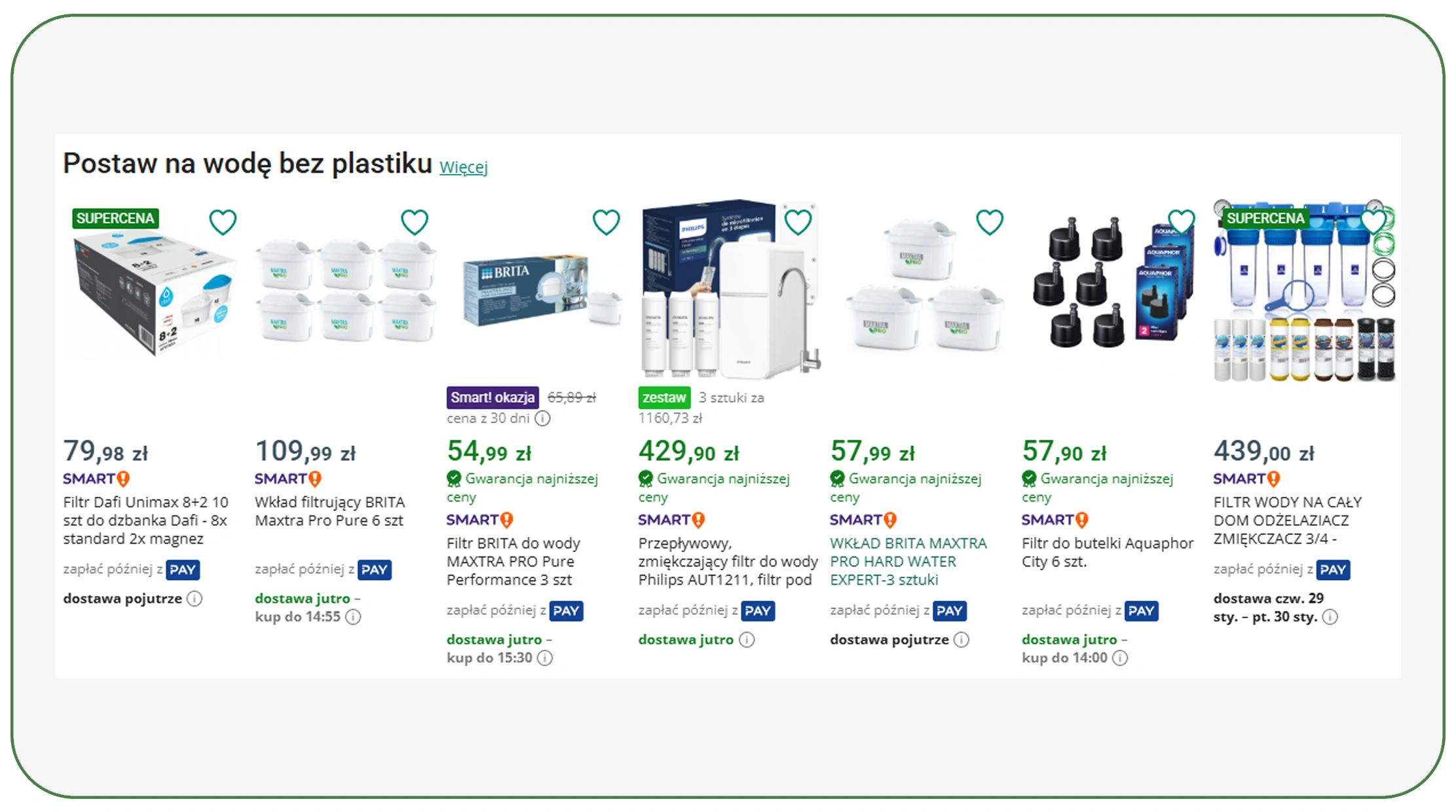
To compete effectively, businesses must continuously observe how prices fluctuate across thousands of product listings. Scrape Allegro product listings and pricing data enables structured access to real-time and historical prices across categories such as electronics, fashion, and home appliances.
Between 2020 and 2026, automated price tracking has become a standard practice among high-performing sellers. Industry research shows that sellers using automated pricing intelligence improved profit margins by up to 18% compared to those relying on manual monitoring.
Allegro pricing trend overview (2020–2026)
| Year | Avg. Price Volatility (%) | Daily Price Updates | Seller Adoption (%) |
|---|---|---|---|
| 2020 | 12% | 1–2 | 22% |
| 2021 | 15% | 2–3 | 31% |
| 2022 | 19% | 3–4 | 44% |
| 2023 | 23% | 4–5 | 58% |
| 2024 | 26% | 5–6 | 67% |
| 2025 | 29% | 6–7 | 74% |
| 2026 | 32% | 7–8 | 81% |
By leveraging automated pricing datasets, businesses gain visibility into discount cycles, promotional strategies, and undercutting patterns, enabling smarter pricing decisions backed by reliable data.
Building Competitive Intelligence from Seller Data
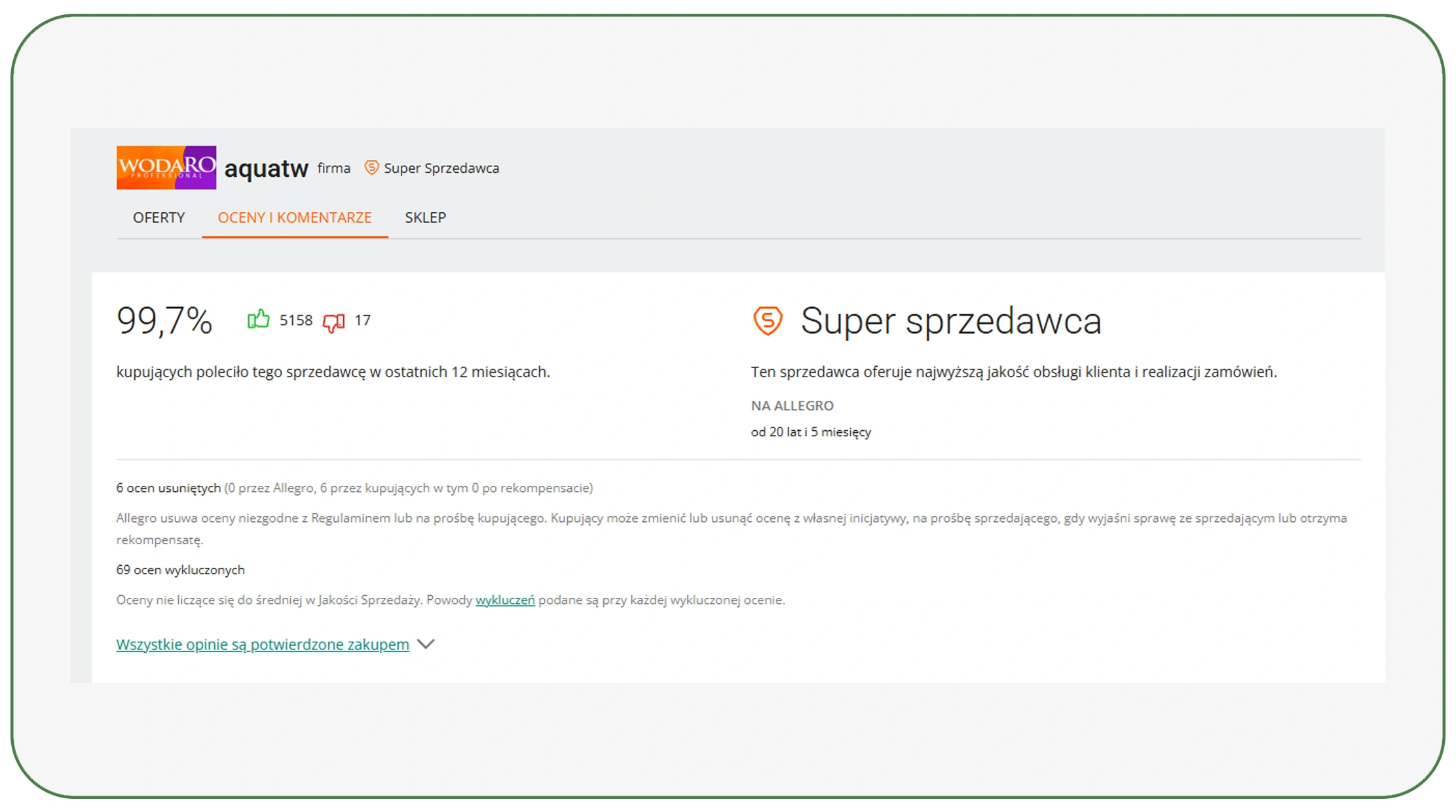
Price alone does not tell the full story. Seller reputation, fulfillment performance, and listing consistency all influence buyer decisions. Extract Allegro seller and product data to analyze how top-performing sellers price their products while maintaining strong ratings and customer trust.
From 2020 to 2026, seller differentiation on Allegro has increased significantly. Data-driven sellers now rely on automation to understand how pricing correlates with seller scores, shipping speed, and return policies.
Seller behavior trends (2020–2026)
| Year | Avg. Seller Rating | Price vs Rating Correlation | Multi-Store Sellers (%) |
|---|---|---|---|
| 2020 | 4.2 | Low | 18% |
| 2021 | 4.3 | Moderate | 23% |
| 2022 | 4.4 | Moderate | 31% |
| 2023 | 4.5 | High | 42% |
| 2024 | 4.6 | High | 54% |
| 2025 | 4.7 | Very High | 63% |
| 2026 | 4.8 | Very High | 71% |
Analyzing seller-level pricing strategies allows businesses to identify which sellers win Buy Box placements, how they balance pricing with service quality, and where pricing gaps exist across the marketplace.
Mapping the Marketplace Ecosystem
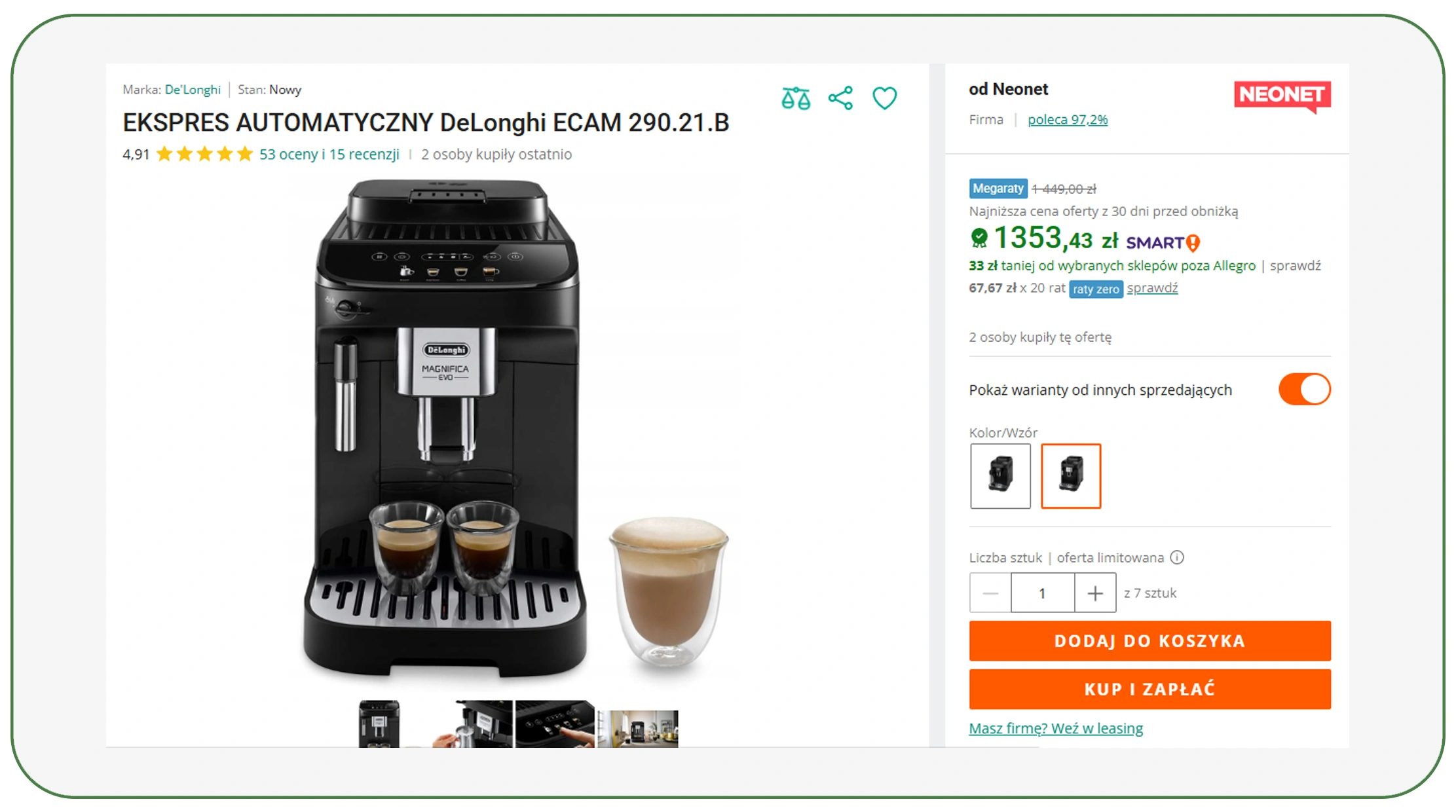
Understanding Allegro as a whole requires access to structured marketplace-level datasets. Allegro e-commerce marketplace data extraction allows businesses to observe category growth, pricing saturation, and seasonal demand cycles.
Over the last six years, Allegro has seen significant category diversification, with electronics and home improvement leading growth. Marketplace-wide data helps businesses evaluate when to enter a category, adjust pricing, or exit low-margin segments.
Marketplace growth indicators (2020–2026)
| Year | Active Listings (Millions) | Avg. Category Growth | Price Competition Index |
|---|---|---|---|
| 2020 | 72 | 6% | Medium |
| 2021 | 81 | 8% | Medium |
| 2022 | 93 | 10% | High |
| 2023 | 108 | 12% | High |
| 2024 | 124 | 14% | Very High |
| 2025 | 139 | 15% | Very High |
| 2026 | 155 | 17% | Extreme |
By analyzing marketplace-level pricing and competition data, companies can anticipate price wars, forecast margin compression, and design long-term pricing strategies aligned with market realities.
Tracking Availability and Fulfillment Signals
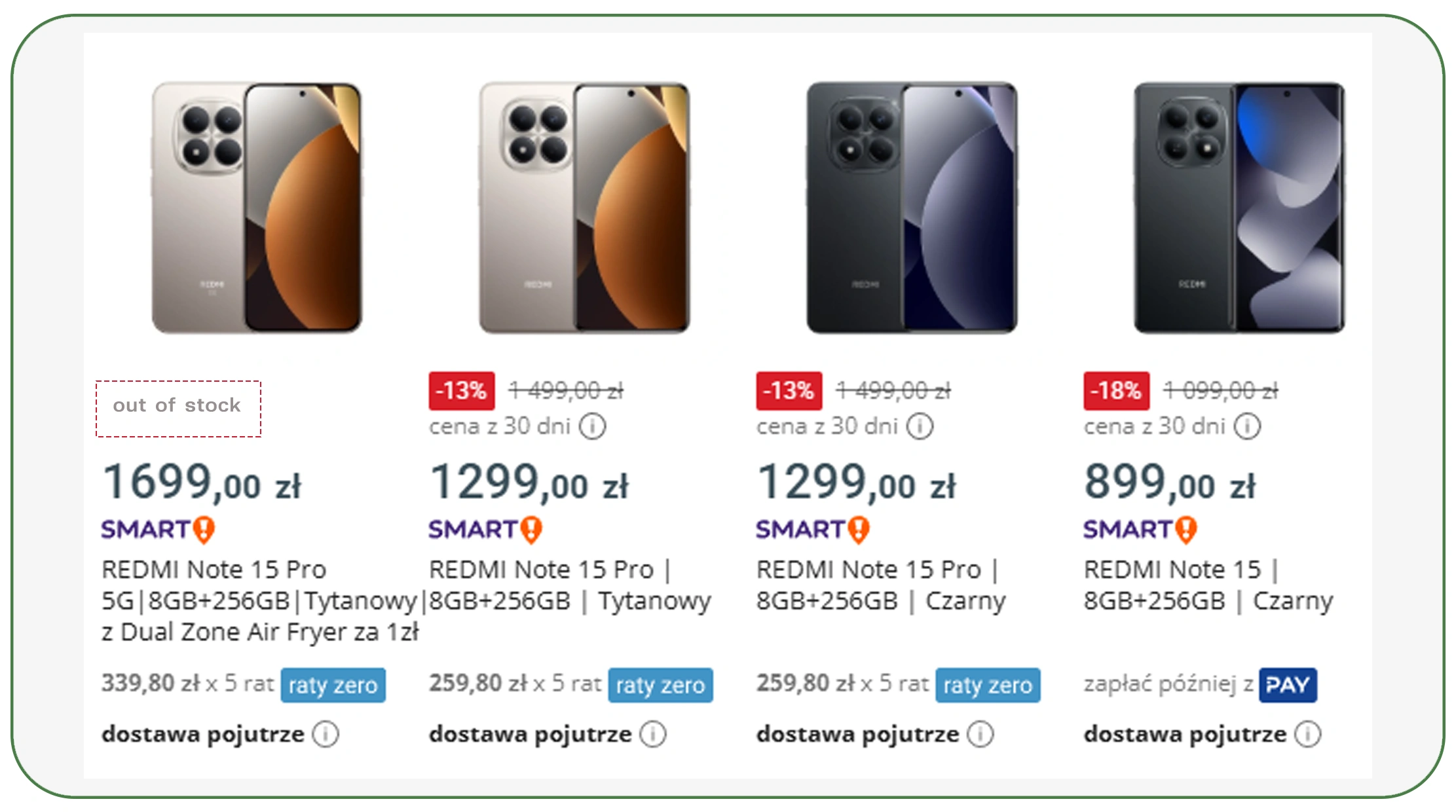
Pricing insights become more powerful when combined with supply-side indicators. Allegro Stock availability and delivery data scraper provides visibility into inventory levels, restocking cycles, and delivery timelines that influence price movements.
From 2020 onward, data shows that products with limited stock and faster delivery options consistently command higher prices. Sellers increasingly adjust prices dynamically based on inventory constraints and logistics performance.
Stock and delivery impact trends (2020–2026)
| Year | Avg. Stock-Out Rate | Delivery Speed Influence | Price Premium (%) |
|---|---|---|---|
| 2020 | 14% | Low | 3% |
| 2021 | 16% | Moderate | 5% |
| 2022 | 19% | Moderate | 7% |
| 2023 | 22% | High | 9% |
| 2024 | 25% | High | 11% |
| 2025 | 27% | Very High | 13% |
| 2026 | 30% | Very High | 15% |
By combining pricing with availability data, businesses gain a more complete view of what drives conversions and revenue across Allegro.
Turning Raw Data into Strategic Insights
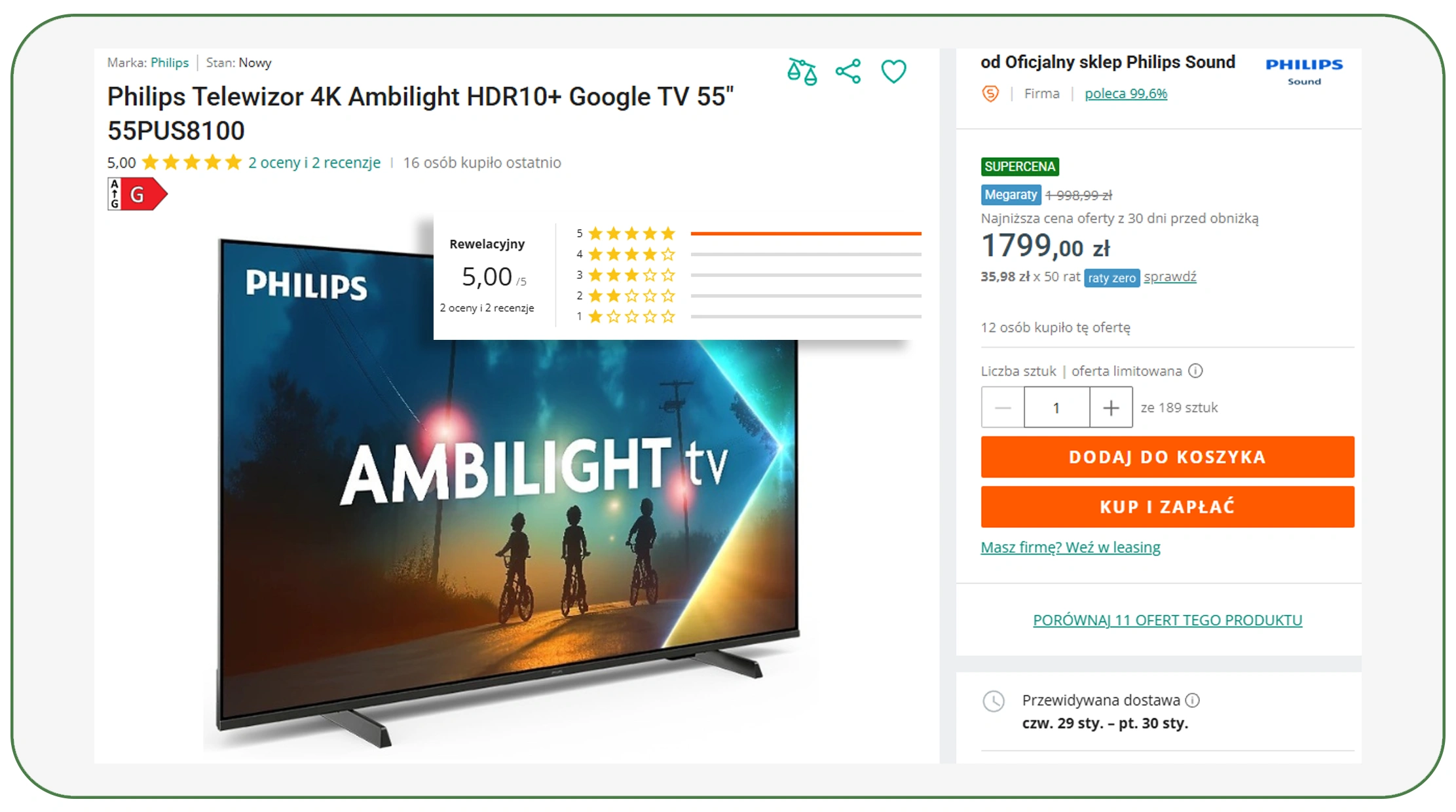
Collecting data is only the first step. Market Insights with Allegro Scraper transform raw pricing information into actionable intelligence. This includes identifying long-term price trends, detecting abnormal price drops, and benchmarking performance against competitors.
From 2020 to 2026, companies using advanced analytics on scraped data reduced reactive pricing errors by over 35%. Predictive models built on historical data now play a critical role in pricing optimization.
Insight-driven pricing outcomes (2020–2026)
| Year | Forecast Accuracy | Margin Improvement | Decision Speed |
|---|---|---|---|
| 2020 | 62% | 4% | Slow |
| 2021 | 68% | 6% | Moderate |
| 2022 | 74% | 8% | Moderate |
| 2023 | 81% | 11% | Fast |
| 2024 | 86% | 14% | Fast |
| 2025 | 89% | 16% | Very Fast |
| 2026 | 92% | 19% | Real-Time |
Strategic insights derived from pricing data help businesses move from reactive discounting to proactive, profit-focused pricing strategies.
Scaling Automation for Long-Term Growth
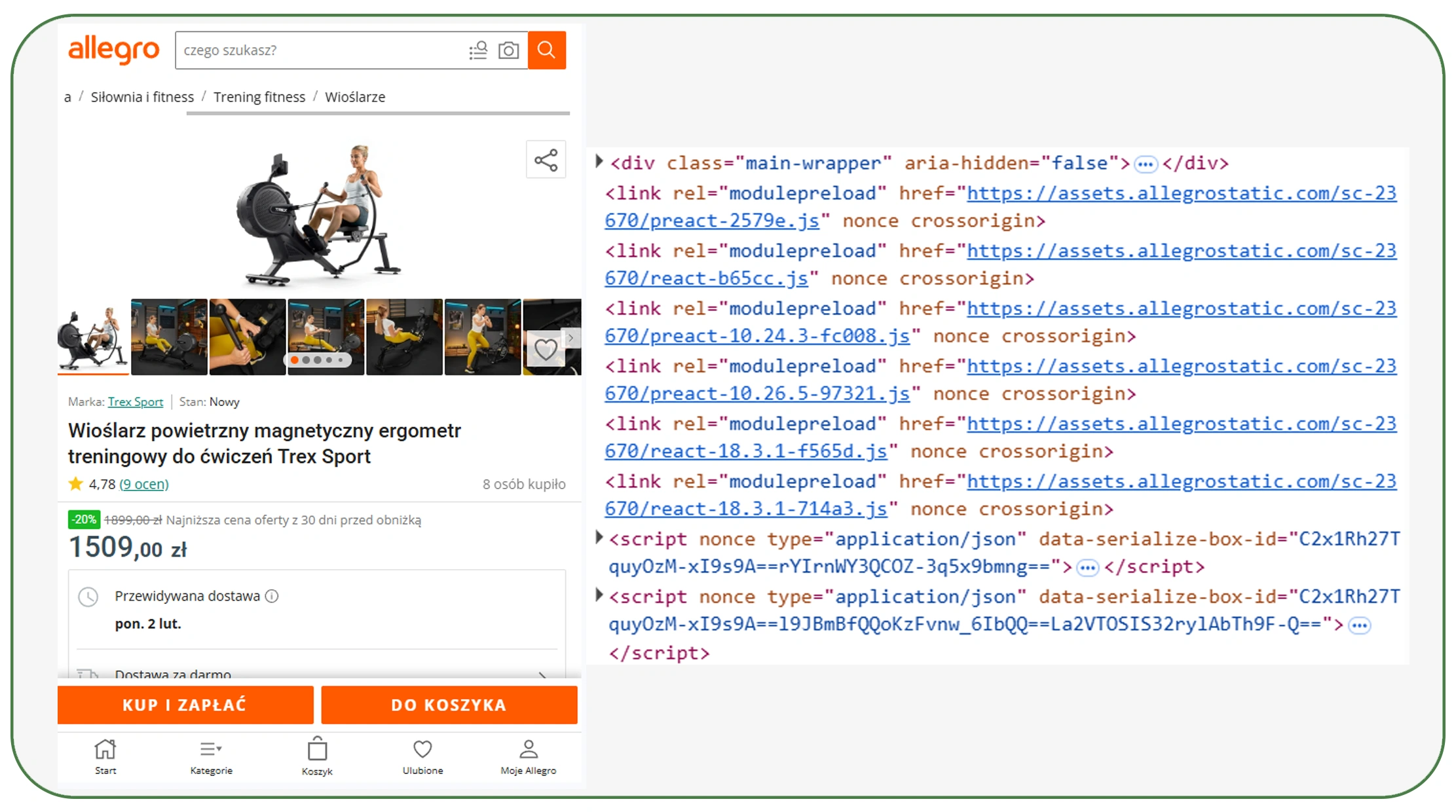
To sustain competitive advantage, businesses need scalable solutions. Allegro Scraper enables continuous, high-volume data collection without interruptions or manual effort.
As data volumes increased between 2020 and 2026, automated scraping solutions became essential infrastructure for enterprise sellers, analysts, and SaaS platforms serving the Polish eCommerce market.
Automation maturity timeline (2020–2026)
| Year | Avg. Data Volume | Automation Adoption | Manual Effort Reduction |
|---|---|---|---|
| 2020 | Low | 21% | 15% |
| 2021 | Moderate | 32% | 25% |
| 2022 | High | 45% | 38% |
| 2023 | Very High | 57% | 52% |
| 2024 | Extreme | 68% | 63% |
| 2025 | Extreme+ | 76% | 71% |
| 2026 | Enterprise-Level | 84% | 79% |
Scalable automation ensures consistent data quality, faster updates, and reliable insights across evolving market conditions.
Why Choose Real Data API?
Real Data API delivers enterprise-grade scraping solutions designed for accuracy, compliance, and scale. With Allegro Scraping API, businesses can access structured, ready-to-use datasets without managing complex infrastructure. Combined with Web Scraping Allegro pricing trends in Poland, Real Data API empowers teams to monitor competitors, analyze historical pricing, and automate insights—without manual monitoring or data gaps.
Conclusion
Tracking competitor prices on Allegro no longer needs to be manual, slow, or unreliable. With access to structured datasets like Allegro Product and Review Datasets and Web Scraping Allegro pricing trends in Poland, businesses can unlock real-time insights, improve pricing strategies, and stay ahead in Poland's competitive eCommerce landscape.
Ready to eliminate manual price tracking and gain real-time market intelligence? Start using Real Data API today and turn Allegro data into your competitive advantage!
Latest posts
How to Use a Meesho ecommerce scraper 2026 to Analyze Product Listings, Pricing, and Market Opportunities
How a Blinkit scraper for retail market research Helps Brands Track Competitor Pricing and Product Trends

Why Businesses Need a Flipkart India daily ecommerce dataset for market research for Smarter Retail Decisions
Grocery Data Scraping for Competitive Benchmarking - Key Strategies for Retail Success in 2027






.png)



