
Introduction
Rising food prices have become a central concern for consumers, retailers, and policymakers in Singapore. As inflationary pressures continue to impact essential goods, understanding how grocery prices change daily and over time is no longer optional—it is critical. By leveraging Web Scraping Singapore grocery price trends via FairPrice API, businesses and analysts gain structured access to real-time and historical pricing data across one of the country’s largest supermarket networks.
From 2020 to 2026, Singapore’s grocery sector experienced noticeable price volatility driven by global supply chain disruptions, rising logistics costs, and shifts in consumer demand. FairPrice, as a market leader, reflects these movements clearly across staples, fresh produce, and packaged goods. Capturing this data at SKU and category level enables deeper analysis of inflation trends, price dispersion, and promotional strategies.
This blog explores how Real Data API supports large-scale FairPrice data extraction, helping organizations monitor daily price fluctuations, analyze long-term grocery inflation, and build reliable datasets for competitive and economic analysis.
Visibility into Essential Item Pricing
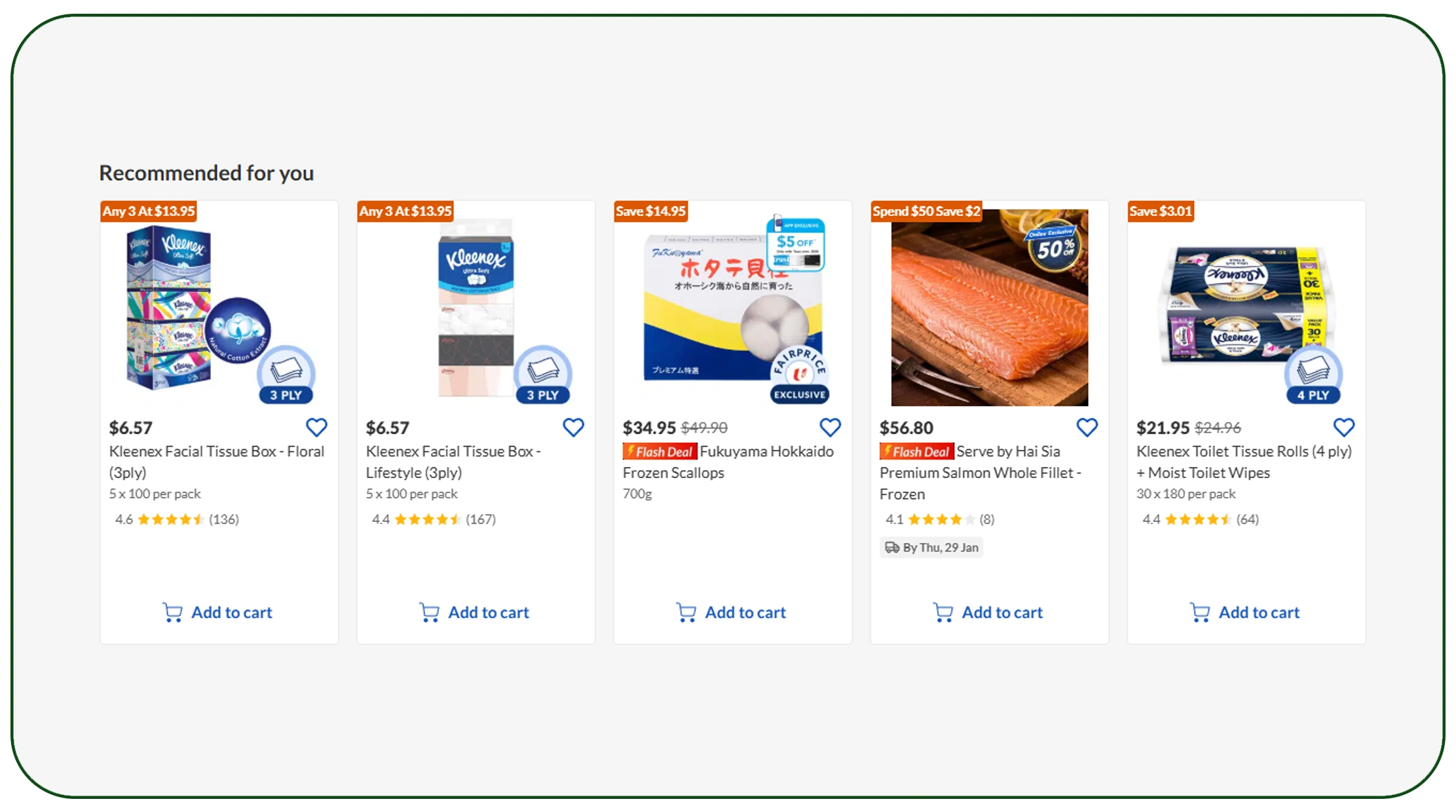
Understanding everyday grocery costs begins with the ability to Extract NTUC FairPrice product prices and availability consistently. This approach enables tracking of price changes for essential items such as rice, cooking oil, eggs, dairy, and fresh vegetables across stores and online listings.
From 2020 to 2026, FairPrice data shows that staple items experienced gradual but persistent price increases, with sharper spikes during 2021–2022 and again in late 2024. Availability data also revealed intermittent shortages in imported goods during periods of global disruption.
Staple Price Index (2020 = 100):
| Year | Rice | Cooking Oil | Eggs |
|---|---|---|---|
| 2020 | 100 | 100 | 100 |
| 2022 | 118 | 132 | 125 |
| 2024 | 137 | 148 | 142 |
| 2026 | 151 | 164 | 158 |
Tracking both pricing and availability allows retailers and analysts to identify inflation drivers, monitor stock risks, and anticipate consumer price sensitivity across essential categories.
Structuring Large Grocery Catalogs for Analysis
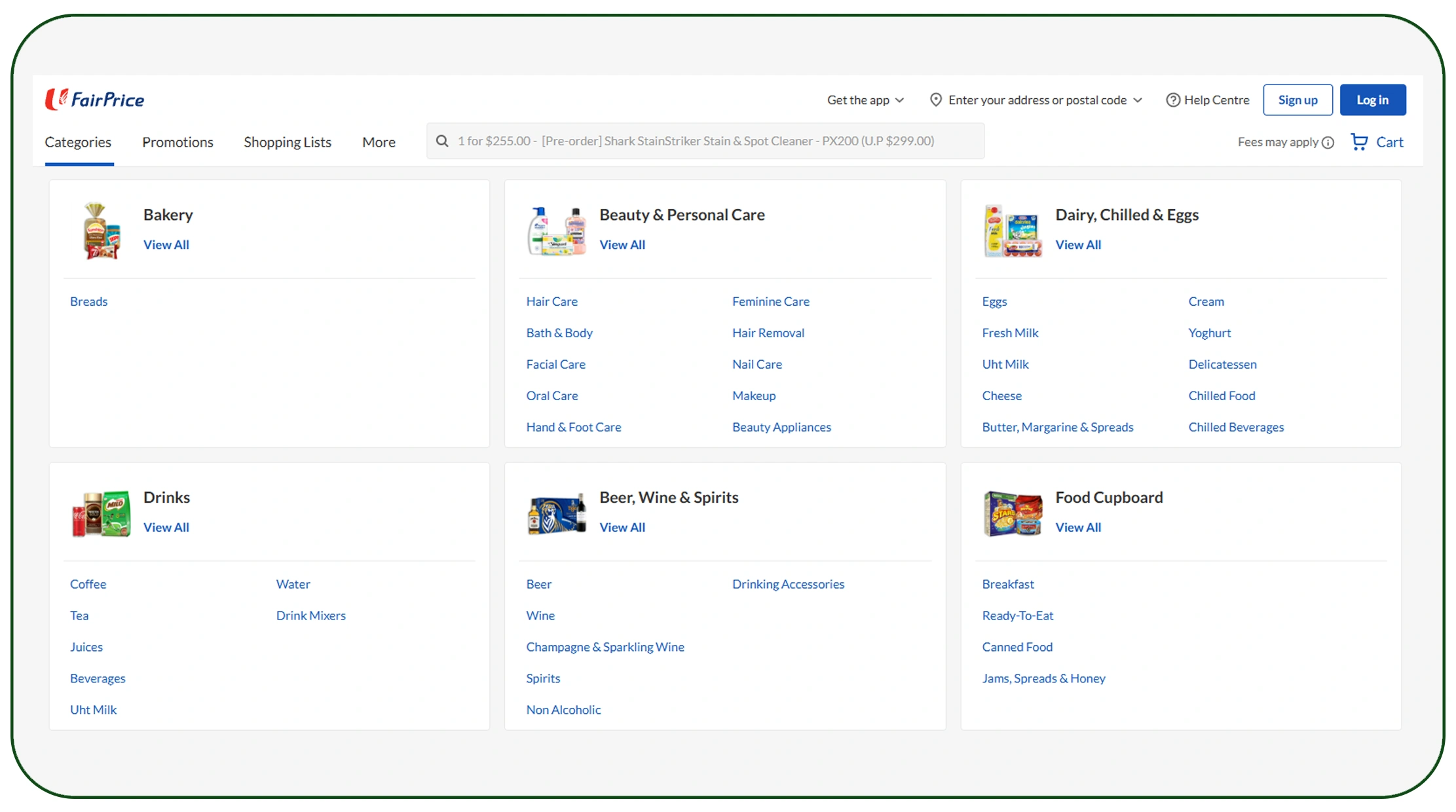
Grocery platforms host thousands of SKUs that change frequently due to promotions, pack-size updates, and new product launches. By using Scrape FairPrice grocery catalog data, businesses can capture structured information across categories, brands, pack sizes, and pricing tiers.
Between 2020 and 2026, FairPrice expanded its online catalog significantly, especially in private-label and health-focused products. Catalog scraping highlights how category depth increased while price competition intensified within the same product segments.
Catalog Expansion Snapshot:
| Year | Active SKUs | Avg. Price (SGD) |
|---|---|---|
| 2020 | 18,500 | 4.60 |
| 2023 | 24,300 | 5.10 |
| 2026 | 29,800 | 5.85 |
Structured catalog data supports assortment optimization, brand-level analysis, and competitive shelf comparisons across grocery categories.
Building Long-Term Inflation Intelligence
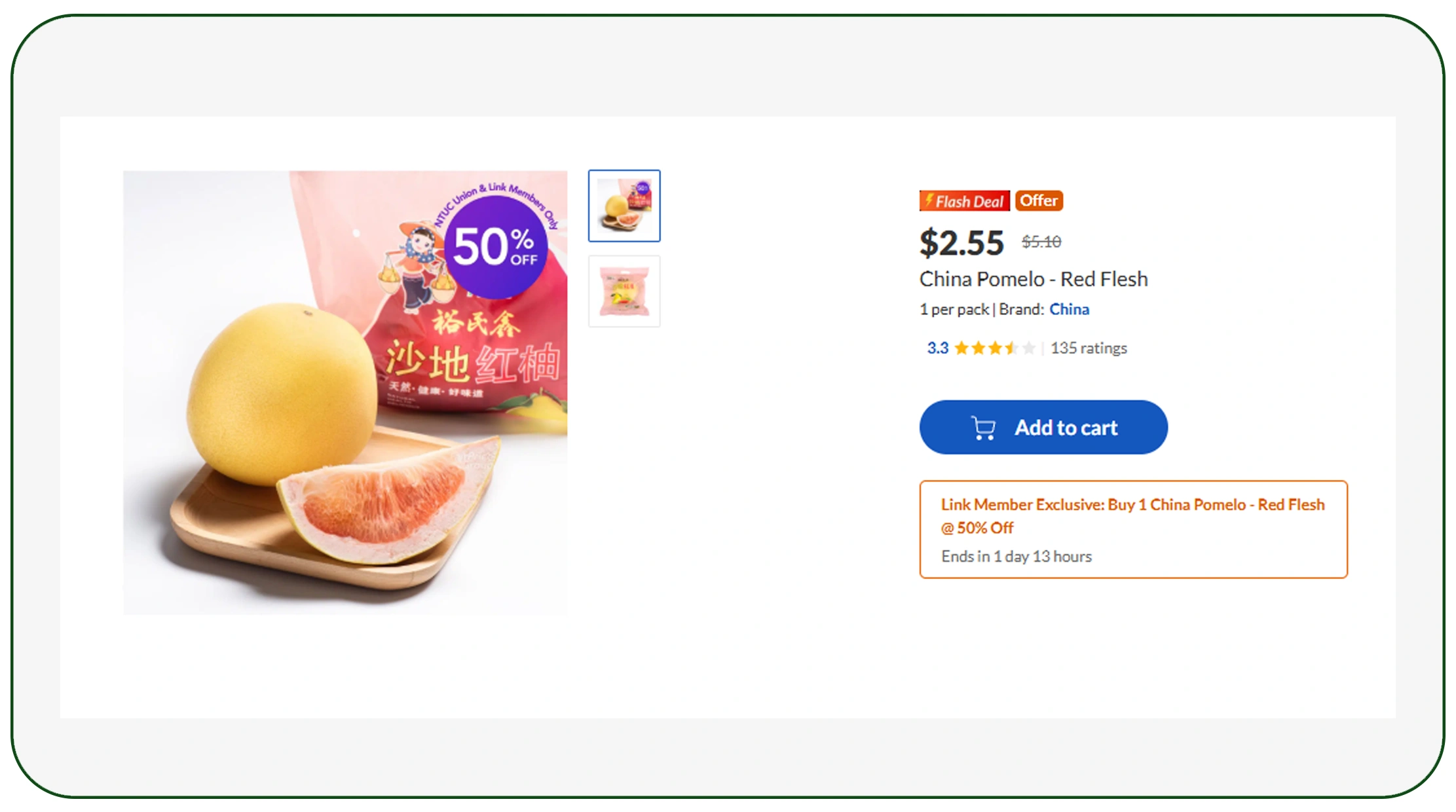
A consolidated FairPrice supermarket dataset enables long-term trend analysis beyond daily price movements. Historical datasets from 2020–2026 reveal how inflation impacts categories differently, with imported goods showing higher volatility than locally sourced products.
Price dispersion analysis also shows widening gaps between premium and value brands, reflecting shifting consumer behavior under inflationary pressure.
Category Inflation Comparison (2020–2026):
| Category | Avg. Annual Price Growth |
|---|---|
| Fresh Produce | 6.2% |
| Packaged Foods | 4.8% |
| Household Essentials | 5.5% |
| Private Label | 3.9% |
These insights help policymakers, retailers, and analysts evaluate inflation mitigation strategies and consumer affordability trends.
Monitoring Daily Price Movements
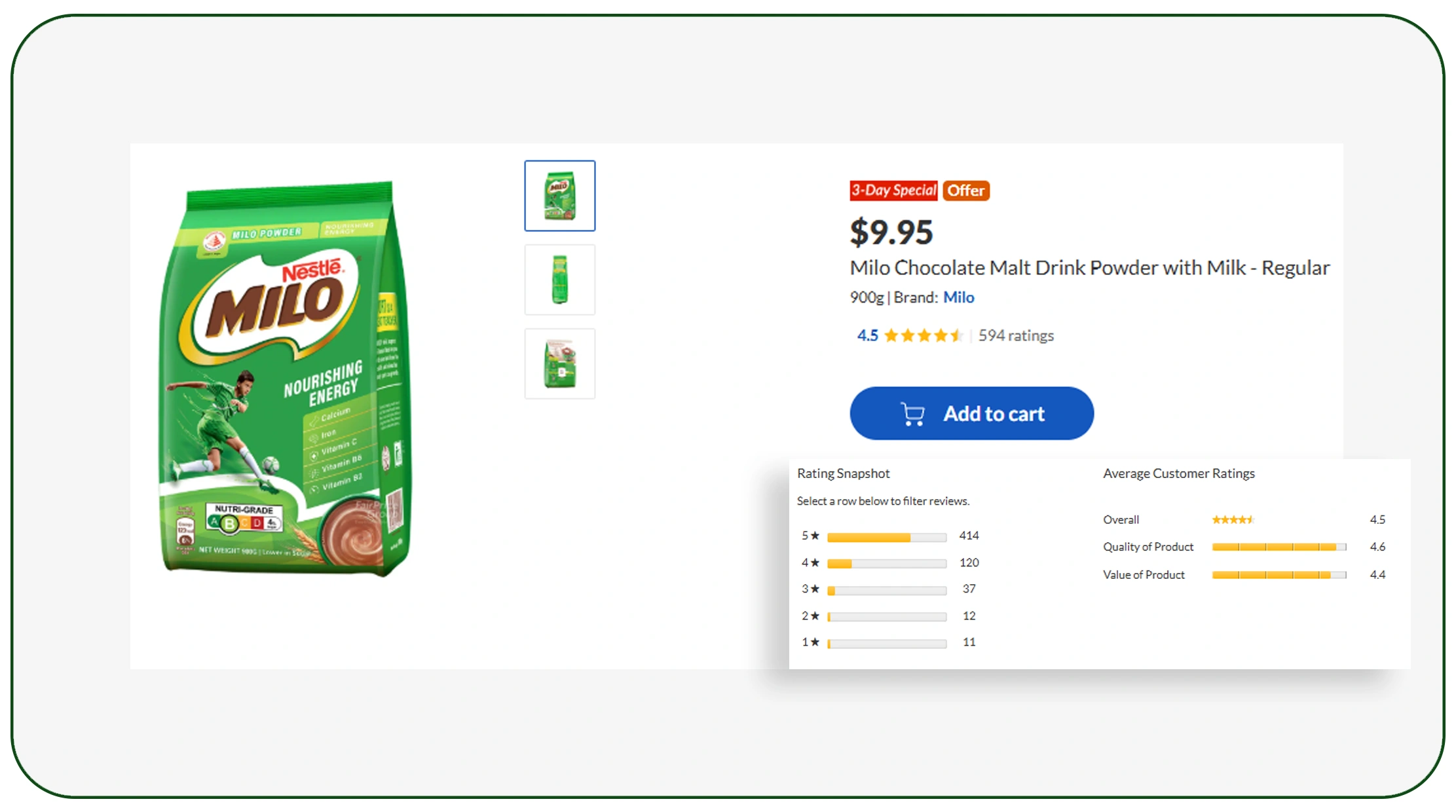
Daily grocery price changes often go unnoticed without automation. Through Real-time FairPrice dataset extraction, businesses can track price fluctuations as they happen—capturing promotions, flash discounts, and sudden price increases.
From 2020 to 2026, real-time extraction revealed that promotional pricing frequency increased by over 40%, particularly during high-inflation periods. Daily monitoring also helps distinguish temporary discounts from permanent price hikes.
Daily Price Change Frequency:
| Year | Avg. Daily Price Changes per SKU |
|---|---|
| 2020 | 0.6 |
| 2023 | 1.1 |
| 2026 | 1.5 |
This level of visibility supports agile pricing strategies and more accurate inflation tracking.
Automating Grocery Intelligence at Scale
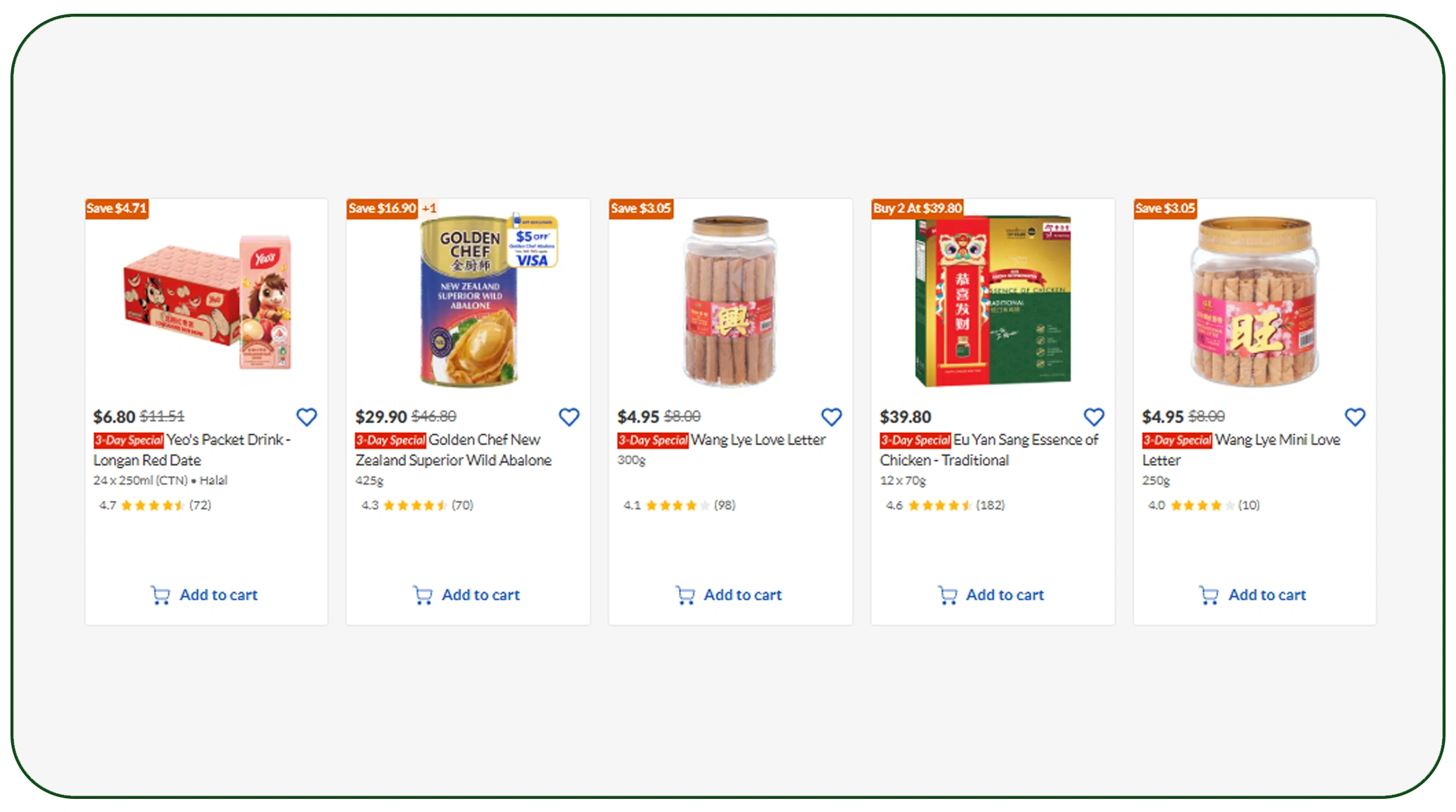
Manual tracking of grocery prices is inefficient at scale. By deploying an NTUC FairPrice Grocery Scraper, organizations automate data collection across thousands of SKUs, ensuring accuracy and consistency.
Automation reduced data gaps significantly between 2020 and 2026, improving coverage and enabling daily historical snapshots for analytics teams.
Operational Efficiency Gains:
| Metric | 2020 | 2026 |
|---|---|---|
| Data Refresh Cycle | 24 hrs | <4 hrs |
| Data Accuracy | 93% | 99% |
| SKU Coverage | Medium | High |
This automation is essential for scalable grocery intelligence and reporting.
Capturing Rapid Commerce Price Signals
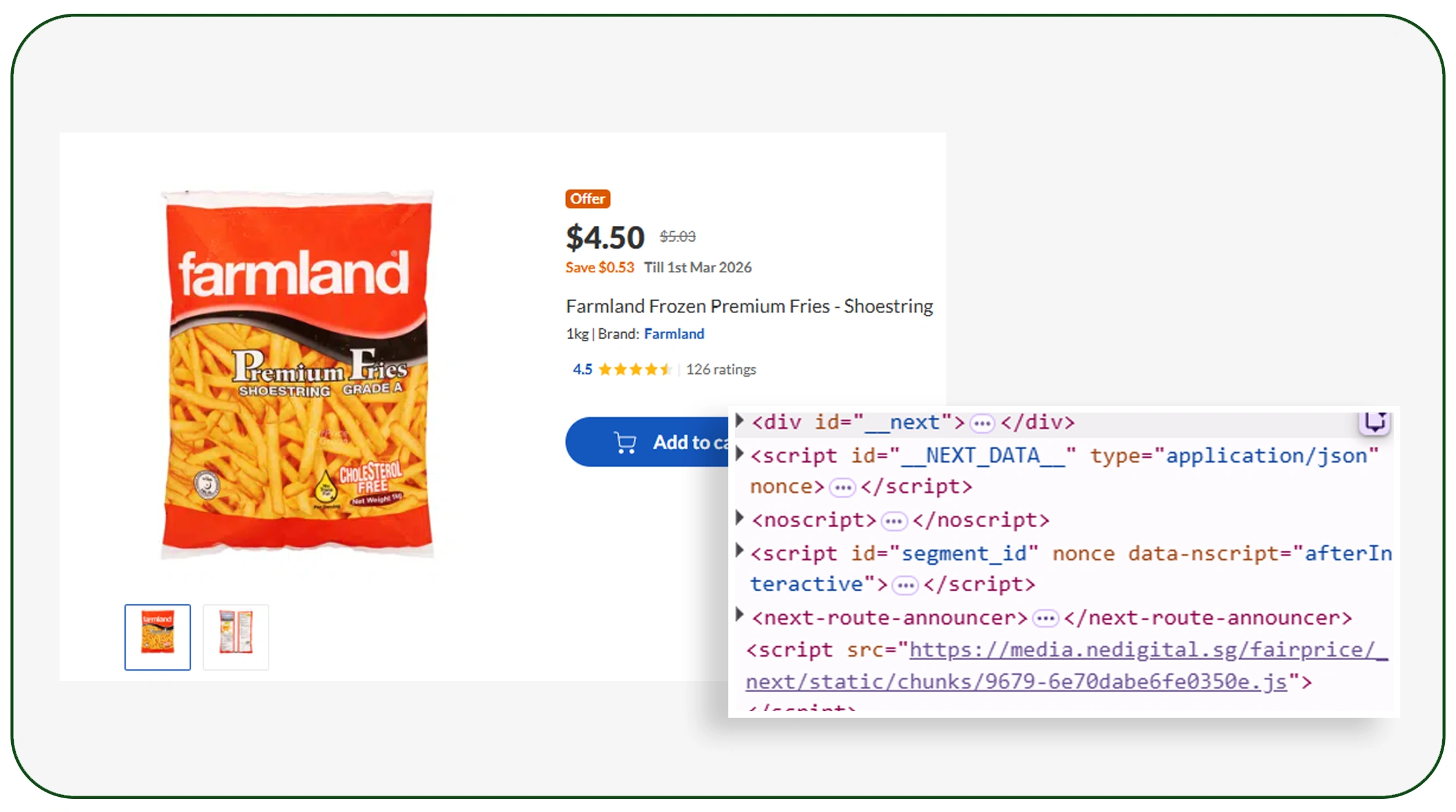
Quick commerce has reshaped grocery purchasing behavior. Using FairPrice Online Quick Commerce Scraping API, businesses can analyze pricing and availability for same-day and express delivery options.
From 2020–2026, express delivery pricing showed higher volatility and premium markups, particularly during peak demand windows.
Quick Commerce Price Premium (2026):
| Category | Avg. Premium vs Standard |
|---|---|
| Fresh Produce | +9% |
| Dairy | +7% |
| Packaged Foods | +6% |
This data helps evaluate convenience pricing, consumer willingness to pay, and delivery-driven inflation effects.
Why Choose Real Data API?
Real Data API delivers analytics-ready grocery intelligence through structured Grocery Dataset solutions built for scale, accuracy, and compliance. Our platform enables continuous monitoring, historical analysis, and real-time visibility across major grocery platforms.
With expertise in Web Scraping Singapore grocery price trends via FairPrice API, Real Data API empowers businesses, analysts, and researchers to move from raw prices to actionable inflation insights without managing complex infrastructure.
Conclusion
As grocery prices continue to fluctuate under inflationary pressure, access to accurate, timely data is essential. Structured grocery intelligence enables better pricing decisions, cost monitoring, and policy analysis.
By leveraging Real Data API for Competitive Benchmarking, organizations can build powerful insights powered by Web Scraping Singapore grocery price trends via FairPrice API.
Ready to track grocery inflation and daily price movements with precision? Contact Real Data API today and turn FairPrice data into actionable intelligence!
Latest posts
How Target API Simplifies Product, Price, Category, Inventory & Retail Data Collection for Retail Intelligence

How Pull & Bear Fashion Dataset Solves Fashion Intelligence Challenges Across Products, Prices, Categories, and Apparel Trends?

How Levi's Fashion Dataset Improves Fashion Intelligence Across Products, Prices, Categories, and Denim Market Trends?

How Myntra Fashion Dataset Solves Fashion Intelligence Challenges Across Products, Prices, Brands, and Fashion Market Trends?






.png)