Introduction
In today's fast-paced urban lifestyle, grocery shopping has transformed from a weekly chore into a data-driven, on-demand experience. With the rise of 10-minute delivery platforms like Zepto, Instamart, Amazon Now, and Flipkart Supermart, households are no longer just choosing products—they are choosing speed, availability, and value in real time. This shift has created a massive opportunity for brands, analysts, and families alike to rely on Grocery API data scraping to improve household shopping decisions.
By collecting live price feeds, delivery timelines, stock levels, and location-based availability, grocery APIs empower smarter buying choices. Consumers can compare prices instantly, businesses can monitor competitors, and researchers can analyze long-term trends in urban consumption. Between 2020 and 2026, India's quick-commerce grocery market has grown more than 5x, fueled by hyperlocal logistics and real-time data access.
From identifying the best time to order essentials to tracking inflation-driven price spikes, grocery data scraping is reshaping how households manage monthly budgets. Real Data API enables this transformation by delivering structured, real-time insights from leading grocery platforms—turning everyday shopping into a strategic decision-making process.
Smarter Choices Through Live Pricing Intelligence
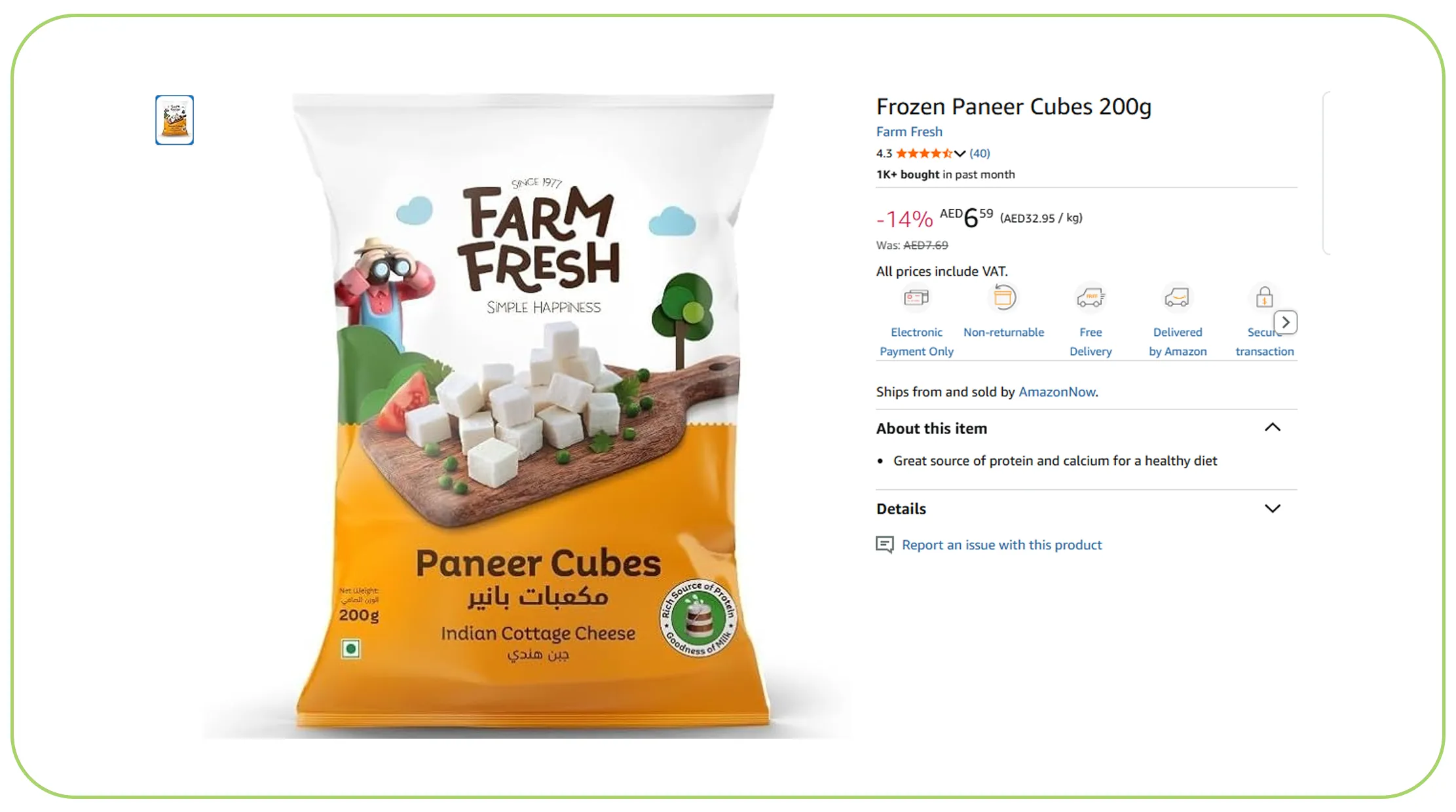
Between 2020 and 2026, grocery price volatility increased by nearly 38% due to inflation, fuel costs, and changing supply chains. For households, this means the same product can vary in price by 10–25% across platforms on the same day. Leveraging scraping Zepto and Instamart grocery prices in real time helps families identify the best value before checkout.
Price Trend Snapshot (2020–2026)
| Year | Avg Milk Price (₹/L) | Avg Rice Price (₹/kg) | Avg Cooking Oil (₹/L) |
|---|---|---|---|
| 2020 | 46 | 38 | 102 |
| 2022 | 52 | 44 | 135 |
| 2024 | 58 | 51 | 160 |
| 2026* | 62 | 56 | 175 |
(Projected averages based on market growth trends)
With live grocery data, households can track daily fluctuations and time purchases strategically—ordering staples during price dips or promotional windows. For example, Instamart often lowers FMCG prices late evenings, while Zepto pushes early-morning flash deals. Data scraping captures these micro-patterns automatically, helping families save up to 12–18% monthly on essentials.
Beyond savings, this intelligence enables consistent budgeting, eliminates guesswork, and transforms grocery buying into a proactive financial habit instead of a reactive one.
Faster Delivery, Better Buying Timing
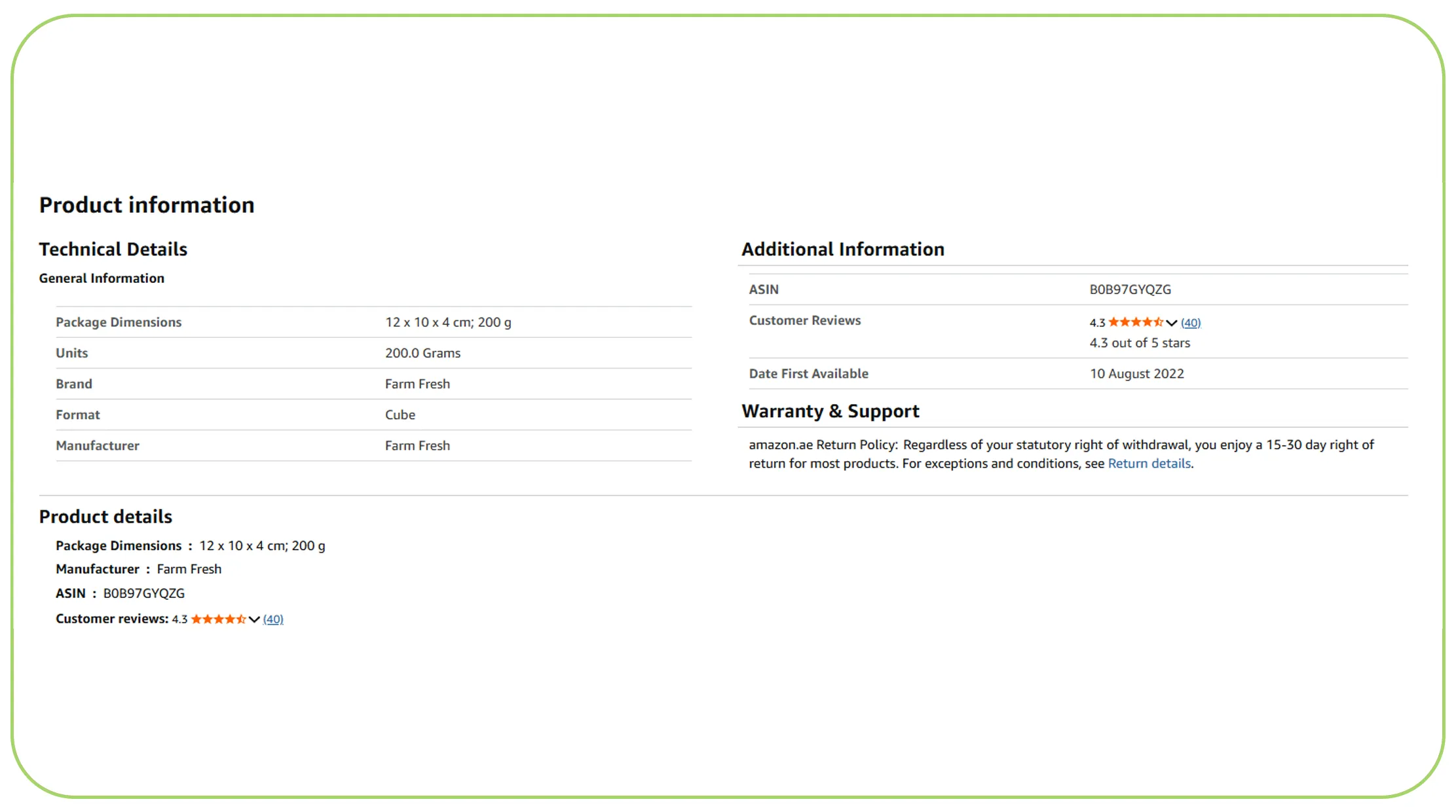
The emergence of ultra-fast delivery has reshaped expectations. In 2020, average grocery delivery time was 90 minutes. By 2026, over 60% of urban orders are fulfilled in under 15 minutes. Using a 10-minute grocery delivery data extractor for price comparison allows households to balance speed and affordability effectively.
Delivery Speed vs Price Index (2020–2026)
| Year | Avg Delivery Time | Avg Basket Value (₹) | Price Index (100=2020) |
|---|---|---|---|
| 2020 | 90 mins | 680 | 100 |
| 2022 | 40 mins | 720 | 114 |
| 2024 | 20 mins | 760 | 129 |
| 2026 | 10 mins | 810 | 142 |
Faster delivery often comes at a premium, but not always. Data scraping reveals that quick-commerce platforms run time-bound pricing experiments—lowering prices during off-peak hours to drive order volume. Households that rely on extracted delivery and price data can decide whether waiting 10 extra minutes could save ₹50–₹100 per order.
Over a year, this difference translates into ₹4,000–₹6,000 in potential household savings. Real-time delivery analytics also help families plan emergency purchases—ensuring speed when it matters and savings when it doesn't.
Visibility into Stock and Substitutes
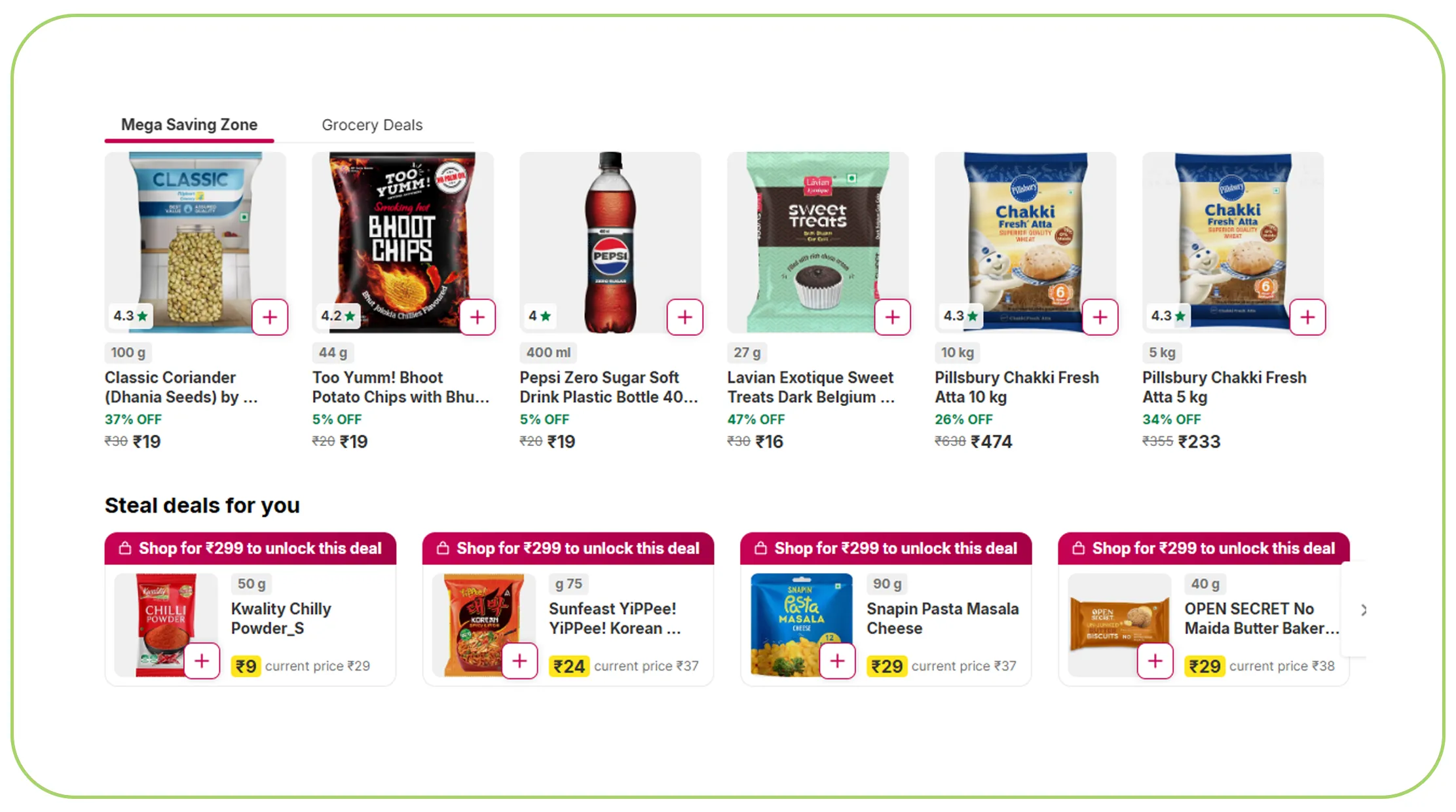
One of the most frustrating parts of online grocery shopping is discovering that essential items are suddenly out of stock. This is where Web Scraping grocery availability and pricing insights becomes invaluable. By tracking inventory data across multiple platforms, households can quickly identify alternatives without compromising on quality or price.
Stock Availability Trends (2020–2026)
| Year | Avg Out-of-Stock Rate | Avg Substitution Rate |
|---|---|---|
| 2020 | 18% | 22% |
| 2022 | 14% | 26% |
| 2024 | 11% | 31% |
| 2026 | 8% | 35% |
As platforms improved supply chains, availability increased—but substitution also became more common. Scraped data helps households compare not just availability but value per unit, nutritional content, and brand reliability.
For example, if a preferred brand of atta is unavailable on Zepto, scraped insights can instantly highlight a better-priced or nutritionally superior option on Instamart or Flipkart Supermart. Over time, this reduces dependency on a single platform and gives consumers negotiating power through informed choice.
Availability intelligence also supports monthly planning—families can identify when certain categories like dairy or fresh produce experience shortages and plan bulk purchases accordingly.
Location-Based Serviceability Intelligence
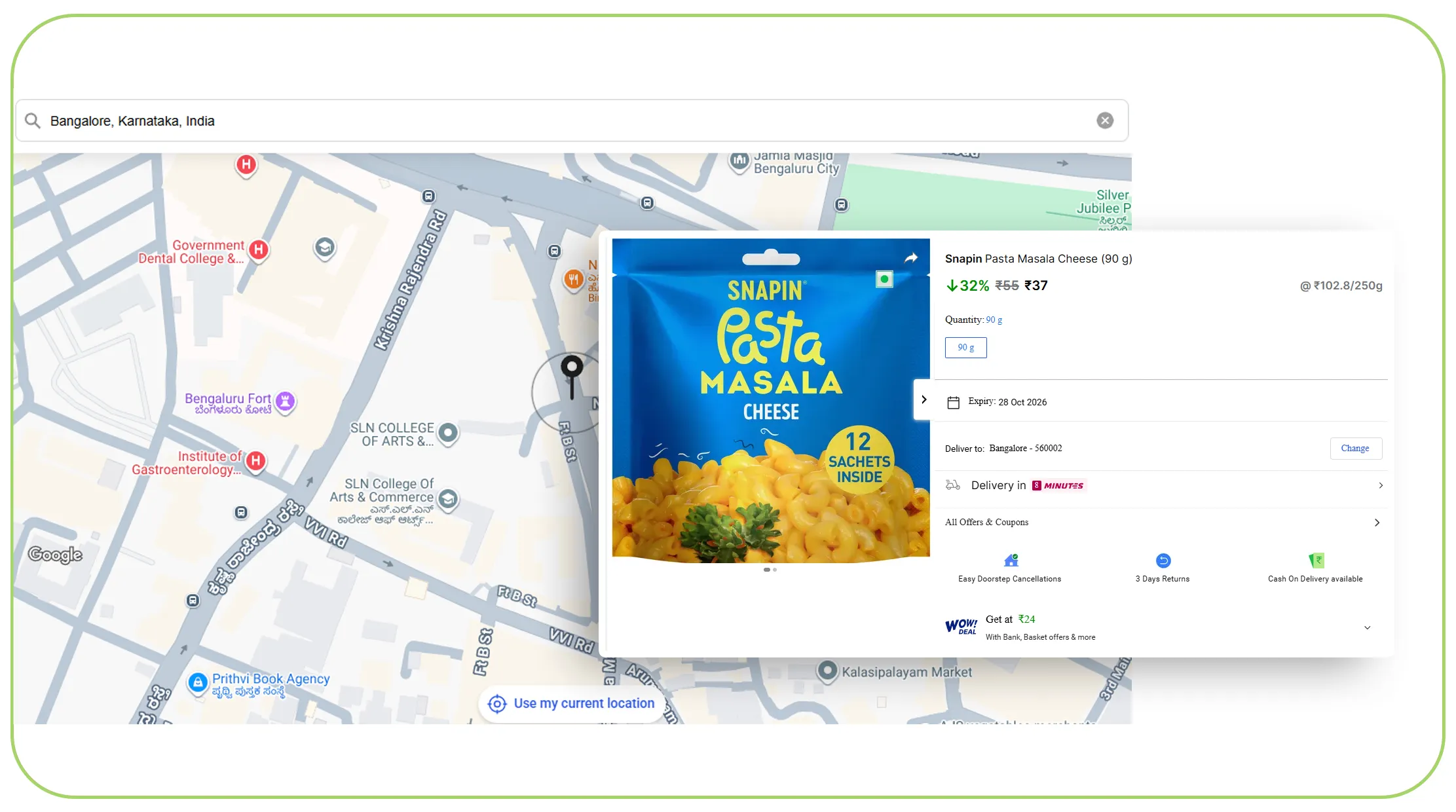
Urban grocery access varies drastically by location. Even within the same city, one neighborhood might enjoy 10-minute delivery while another waits 45 minutes. Using the Amazon Now grocery API Scraper, Pincode Serviceability Data Insights for Blinkit, Zepto, Instamart & BigBasket enables households to understand which platforms serve their area best.
Serviceability Coverage Growth (2020–2026)
| Year | Active Pincodes | Avg Delivery Time |
|---|---|---|
| 2020 | 9,500 | 70 mins |
| 2022 | 14,200 | 45 mins |
| 2024 | 18,600 | 25 mins |
| 2026 | 24,000 | 15 mins |
This data helps families avoid last-minute surprises and choose platforms that reliably serve their location. For example, Blinkit may offer better late-night serviceability, while Amazon Now could provide wider SKU coverage in suburban areas.
Serviceability analytics also support strategic household decisions—like selecting a new rental location or planning bulk grocery orders based on delivery consistency. Over time, families become less dependent on a single app and more empowered by location-aware shopping intelligence.
Faster Commerce, Smarter Spending
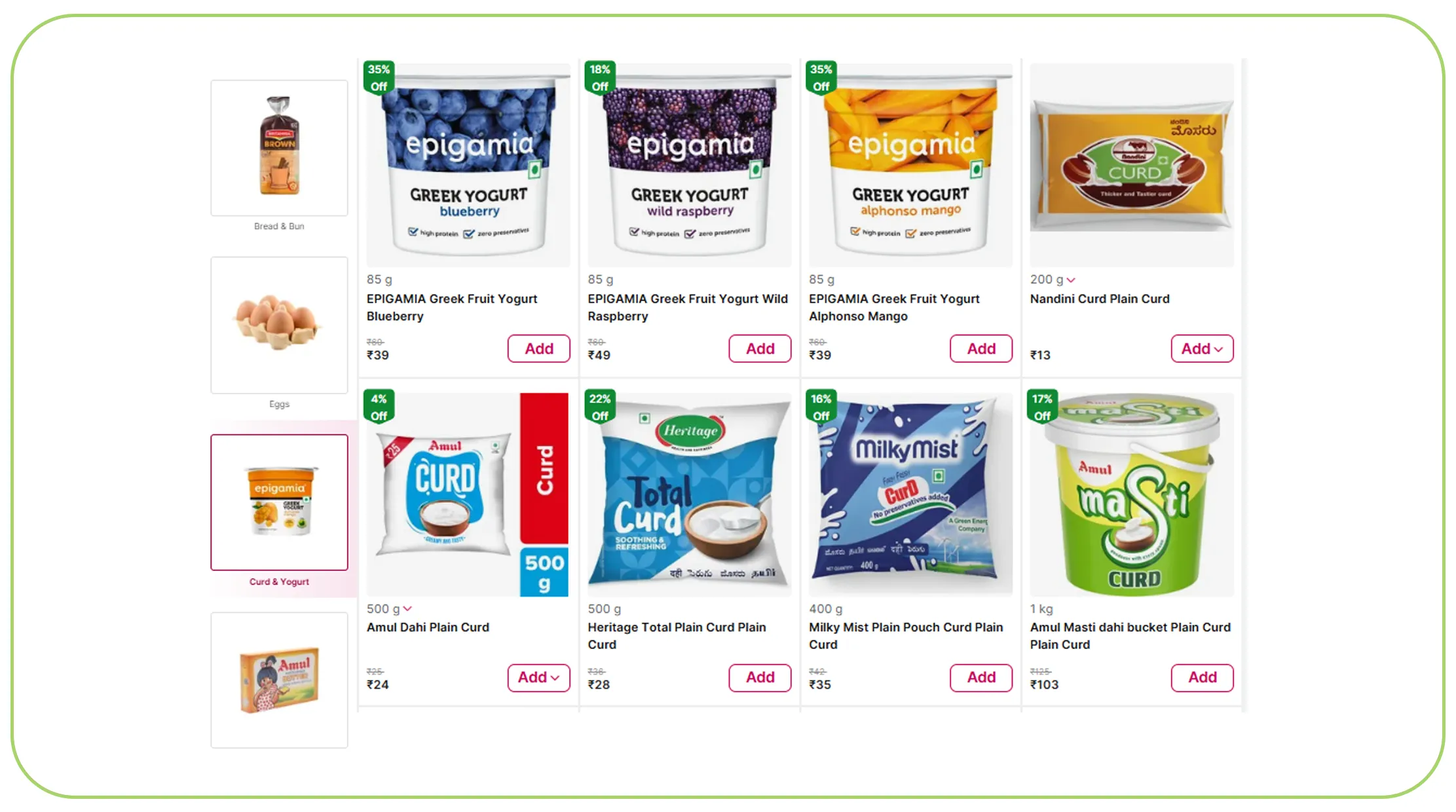
Flipkart's rapid commerce model is changing how Indian households perceive grocery shopping—from planned weekly trips to spontaneous top-ups. Using a Flipkart 10-minute delivery data extractor enables families to track patterns in impulse buying and manage spending better.
Impulse Purchase Growth (2020–2026)
| Year | Avg Monthly Orders | Avg Order Value (₹) | Impulse Share |
|---|---|---|---|
| 2020 | 6 | 720 | 18% |
| 2022 | 9 | 760 | 25% |
| 2024 | 12 | 810 | 31% |
| 2026 | 15 | 860 | 38% |
With faster delivery, households tend to place smaller but more frequent orders—often paying more over time. Data extraction reveals spending leakage points and helps families consolidate orders or wait for better pricing windows.
By analyzing historical trends, households can build smarter shopping routines—such as scheduling weekly essentials and reserving instant delivery only for true emergencies. This balance between convenience and control is key to sustainable household budgeting in the era of hyper-quick commerce.
Structured Data for Long-Term Planning
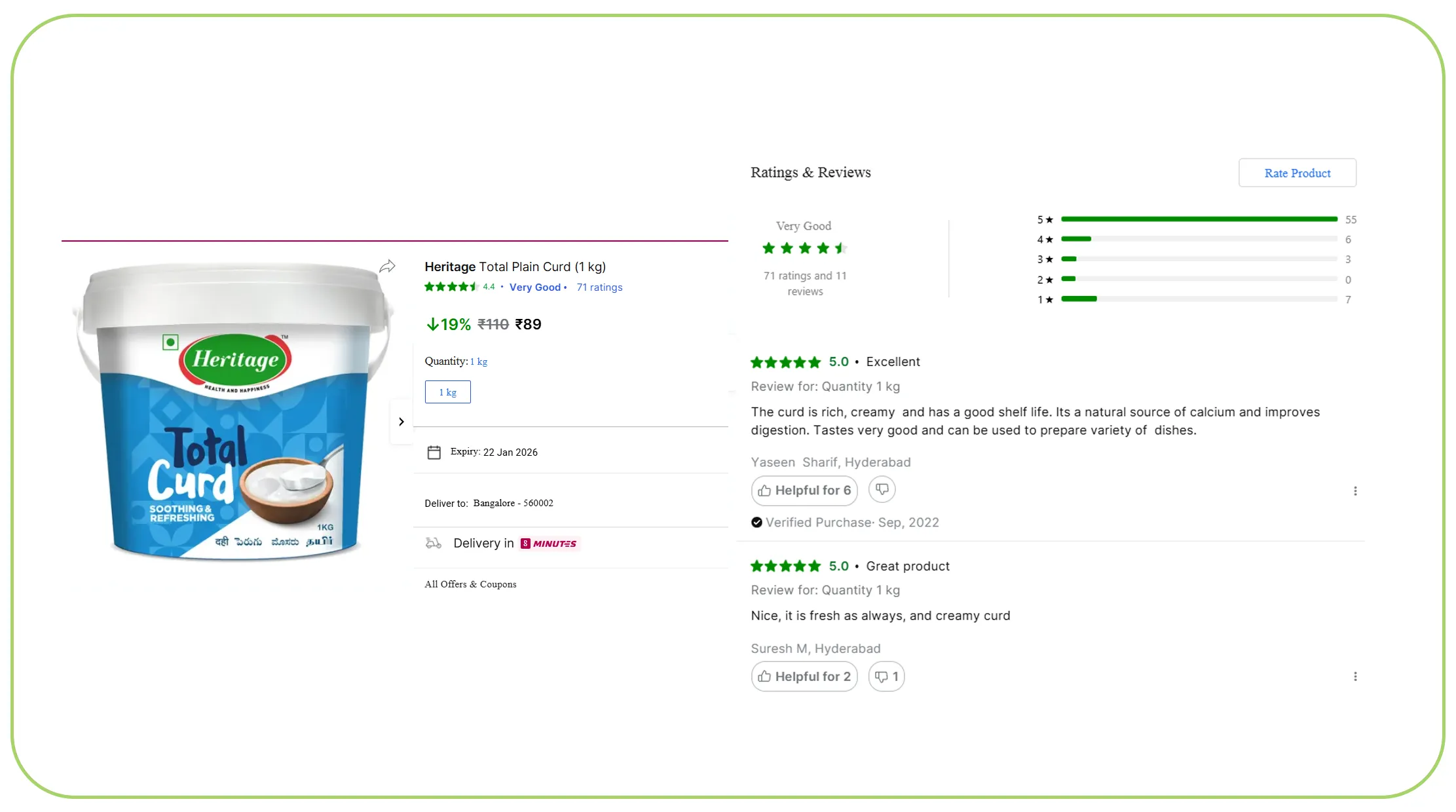
Beyond daily purchases, families increasingly use grocery data to plan monthly and quarterly budgets. The Flipkart Supermart Grocery Scraping API enables long-term trend analysis—tracking inflation, seasonal pricing, and category-wise spend growth.
Category Spend Growth (2020–2026)
| Category | 2020 Avg Spend | 2026 Avg Spend | Growth |
|---|---|---|---|
| Staples | ₹1,800 | ₹2,650 | 47% |
| Dairy | ₹1,200 | ₹1,780 | 48% |
| Packaged Food | ₹900 | ₹1,450 | 61% |
| Beverages | ₹650 | ₹1,050 | 62% |
By understanding these shifts, households can adjust purchasing habits—switching brands, exploring private labels, or timing bulk buys around discount cycles. Scraped data transforms grocery shopping from a reactive necessity into a proactive financial strategy.
Families who track long-term trends are better equipped to handle economic changes, ensuring stability even when prices rise sharply.
Why Choose Real Data API?
Real Data API empowers businesses and consumers with reliable, scalable grocery intelligence. Whether you need competitive analysis, consumer behavior insights, or smarter household planning, our solutions deliver actionable data at speed and scale.
We specialize in Web Scraping Swiggy Instamart Dataset while also enabling Grocery API data scraping to improve household shopping decisions—ensuring accurate, real-time insights across India's top quick-commerce platforms.
With secure pipelines, compliance-first methodologies, and custom dashboards, Real Data API transforms raw grocery data into strategic value for brands, researchers, and modern households alike.
Conclusion
The future of grocery shopping is not just about speed—it's about intelligence. From live pricing and stock availability to location-based serviceability and long-term spend trends, data is redefining how families shop, save, and plan. Tools like the Zepto Scraper combined with Grocery API data scraping to improve household shopping decisions empower households to move from impulse buying to informed purchasing.
As quick-commerce continues to expand, the families who leverage data today will enjoy greater savings, better budgeting, and smarter lifestyle choices tomorrow.
Ready to turn grocery data into smarter decisions? Partner with Real Data API today and unlock the power of real-time commerce intelligence.
Latest posts
How Scrape Xiaohongshu Product Trends in Real Time Solves Product Discovery and Competitor Monitoring Challenges?
How to Scrape Taobao Product Data to Solve Pricing, Inventory, and Competitor Monitoring Challenges?
How to Extract grocery product listings Data from SPAR to Build Accurate Grocery Intelligence and Competitive Market Insights?
Scrape Douyin follower growth and engagement data to track influencer performance and trends






.png)