Introduction
Accurate demand forecasting remains one of the biggest challenges in modern apparel retail. Seasonal trends, regional buying behavior, and sudden shifts in consumer preferences often create gaps between inventory planning and real market demand. This is where Kohl's stock availability data extraction for apparel analytics becomes a game-changer, helping brands transform raw inventory signals into actionable insights.
By tracking real-time stock availability, retailers gain visibility into which products are selling fast, which are stagnating, and where replenishment is urgently needed. This intelligence enables smarter forecasting models that reduce guesswork and replace it with data-driven precision. In an era where stockouts mean lost customers and overstock leads to markdown losses, extracting and analyzing availability data is no longer optional—it's essential.
Through automation and analytics, brands can now align merchandising, promotions, and supply chains with actual consumer demand, ensuring they stay competitive in a rapidly evolving fashion marketplace.
Turning Market Signals into Predictive Power
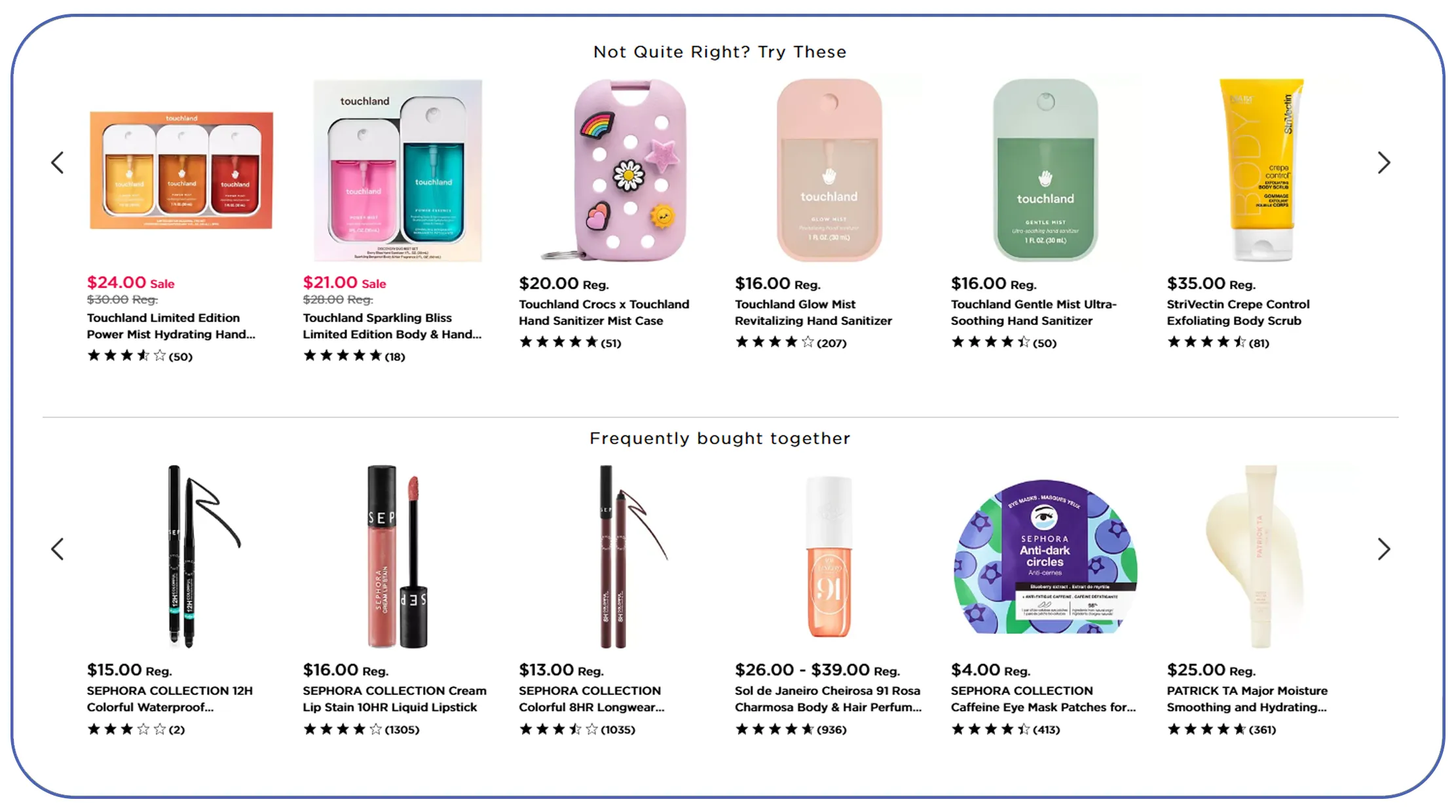
Retail forecasting becomes far more accurate when brands combine stock availability insights with price intelligence. By leveraging Web scraping Kohl's apparel prices, businesses gain a complete view of how pricing trends influence demand patterns over time.
Between 2020 and 2026, apparel retailers saw a strong correlation between price adjustments and stock movement.
| Year | Avg Price Change (%) | Stock Turnover Rate | Forecast Accuracy (%) |
|---|---|---|---|
| 2020 | 5 | 62 | 68 |
| 2021 | 7 | 65 | 72 |
| 2022 | 9 | 70 | 76 |
| 2023 | 10 | 74 | 80 |
| 2024 | 12 | 78 | 84 |
| 2025 | 13 | 82 | 88 |
| 2026 | 15 | 86 | 92 |
These insights help forecasting teams understand how price sensitivity varies across seasons and regions. By combining availability data with pricing trends, brands can better anticipate spikes in demand and adjust replenishment strategies accordingly. Instead of reacting after shelves go empty, retailers now act before shortages occur—turning predictive analytics into a core competitive advantage.
Capturing Promotional Impact on Demand
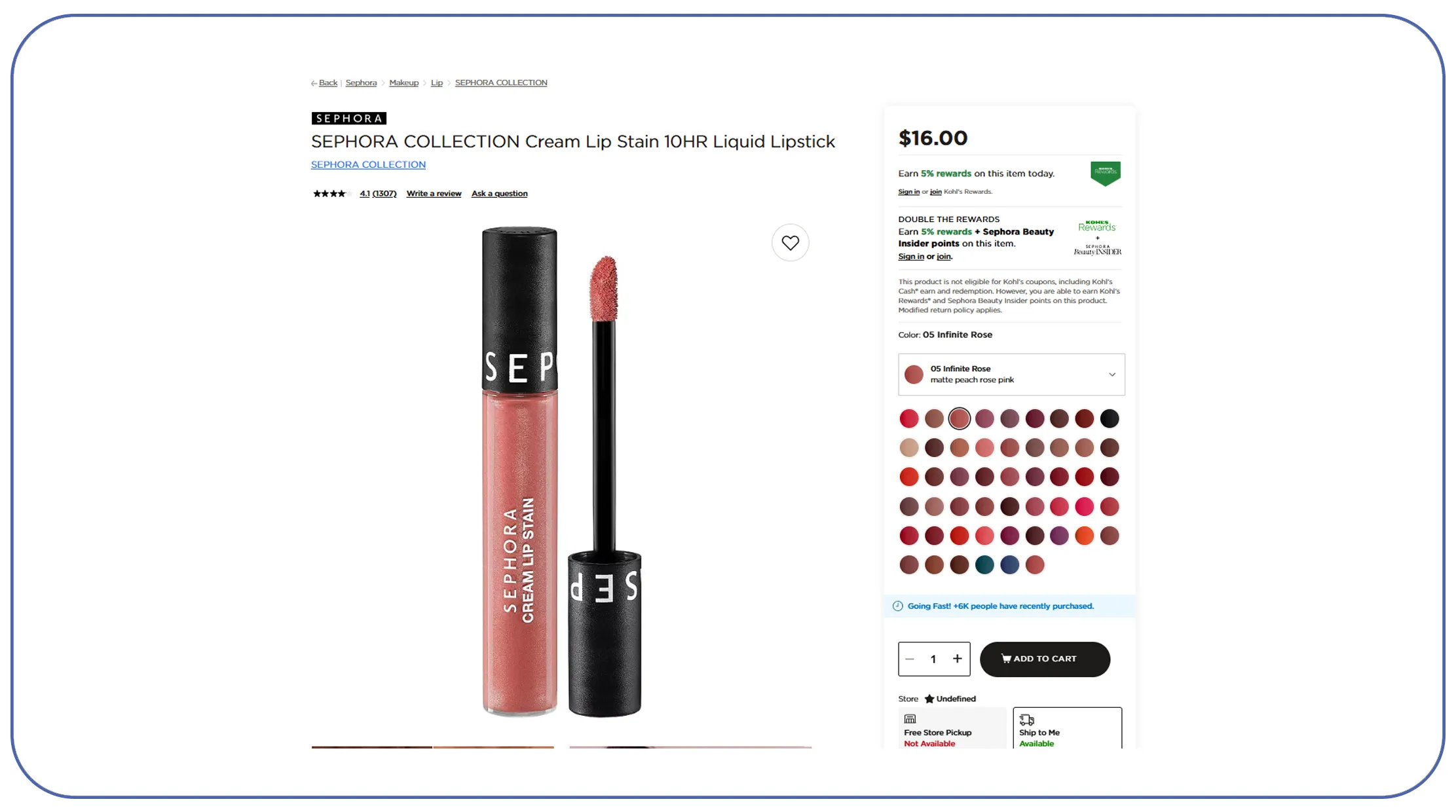
Promotions significantly influence apparel sales velocity, making discount tracking essential for accurate forecasting. When brands Extract Kohl's data API to monitor apparel discounts, they gain real-time insight into how promotional campaigns affect demand.
| Year | Avg Discount (%) | Sales Lift (%) | Stock Depletion Speed |
|---|---|---|---|
| 2020 | 12 | 10 | Medium |
| 2021 | 15 | 14 | Medium |
| 2022 | 18 | 18 | Fast |
| 2023 | 20 | 22 | Fast |
| 2024 | 22 | 25 | Very Fast |
| 2025 | 24 | 28 | Very Fast |
| 2026 | 26 | 32 | Extremely Fast |
With this level of insight, retailers can forecast demand surges more accurately during sales periods. Instead of underestimating the impact of discounts, brands adjust inventory levels proactively—ensuring high-demand SKUs remain available while avoiding excess stock in slow-moving categories.
Creating Forecasts at the SKU Level
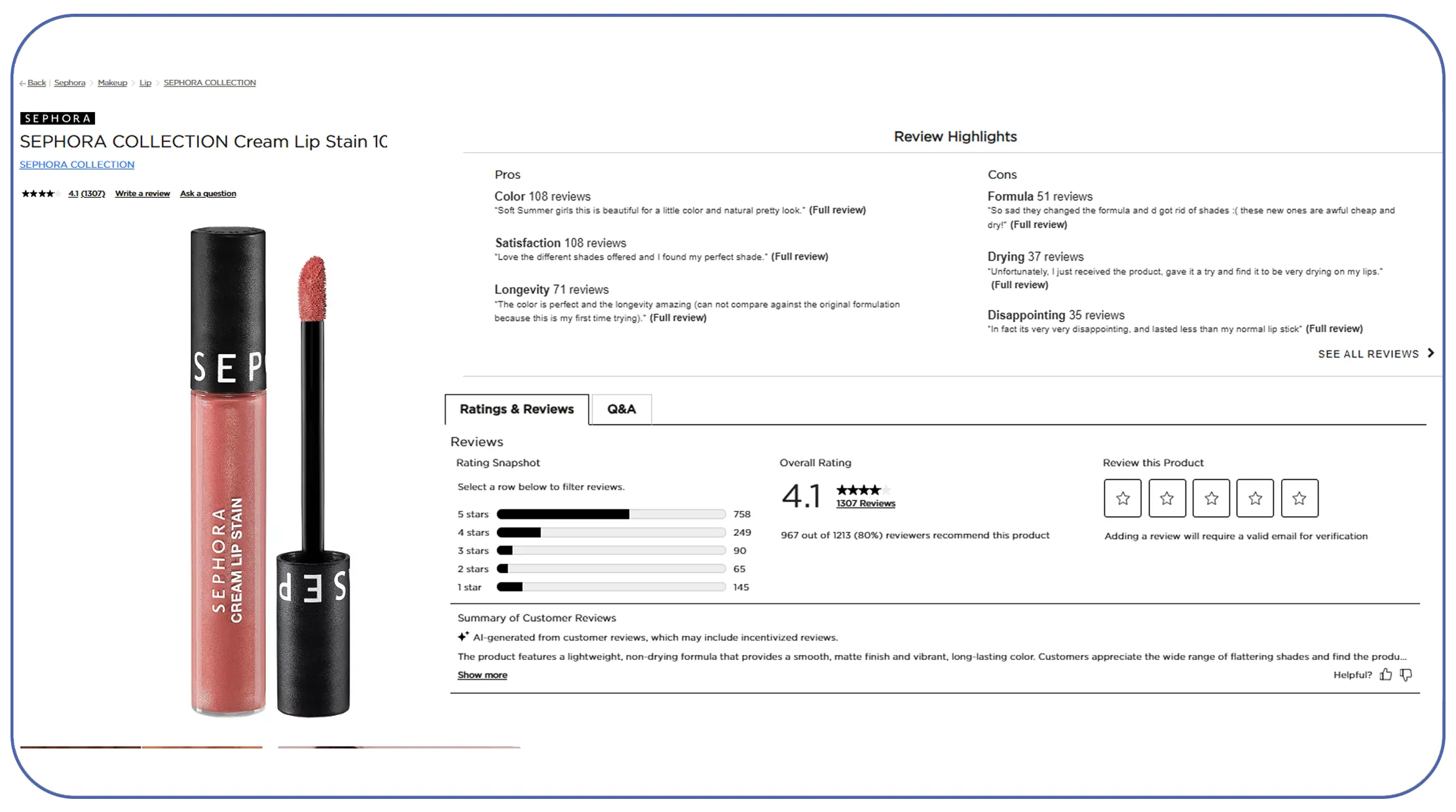
Forecasting at the category level is no longer enough in modern retail. With Kohl's SKU data Collection, brands can analyze demand patterns at the most granular level—individual product variants.
| Year | SKUs Tracked | Forecast Accuracy | Stockout Reduction |
|---|---|---|---|
| 2020 | 1,500 | 70% | 8% |
| 2021 | 2,000 | 74% | 10% |
| 2022 | 2,800 | 78% | 13% |
| 2023 | 3,500 | 82% | 16% |
| 2024 | 4,200 | 86% | 19% |
| 2025 | 5,000 | 89% | 22% |
| 2026 | 6,000 | 93% | 26% |
This data allows merchandisers to identify which colors, sizes, and styles perform best in specific regions. Forecasting teams can then tailor inventory strategies based on real-world purchasing behavior rather than broad assumptions—reducing both overstock and missed sales opportunities.
Powering Forecasting with Automation
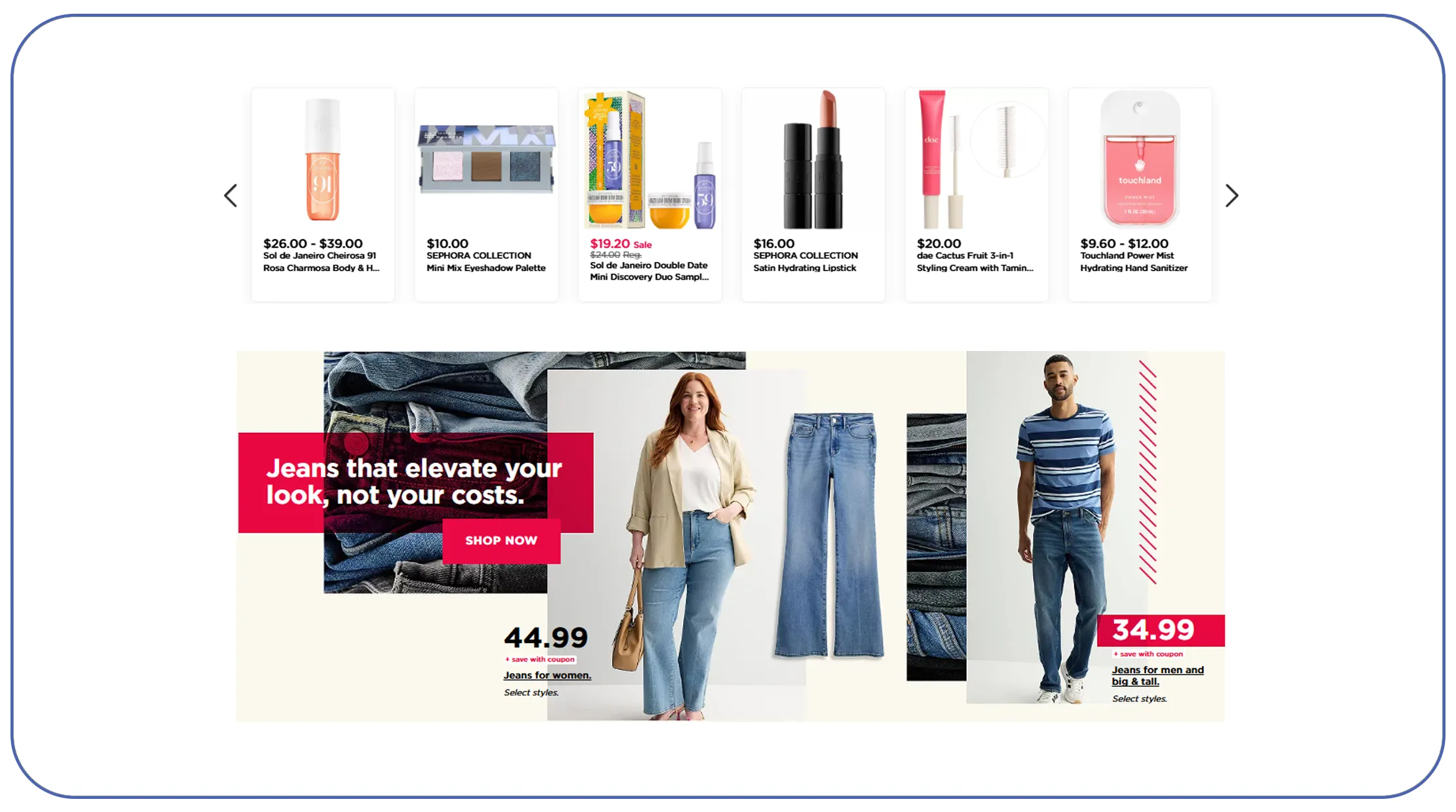
Automation is transforming apparel analytics, and a Kohl's fashion data scraper API plays a central role in eliminating forecasting blind spots. APIs continuously capture inventory changes, price movements, and promotional signals—feeding clean data directly into analytics platforms.
| Year | API Adoption (%) | Data Freshness (%) | Forecast Lead Time Improvement |
|---|---|---|---|
| 2020 | 25 | 75 | 12% |
| 2021 | 32 | 80 | 18% |
| 2022 | 40 | 85 | 25% |
| 2023 | 50 | 90 | 32% |
| 2024 | 58 | 93 | 38% |
| 2025 | 65 | 95 | 45% |
| 2026 | 72 | 97 | 52% |
With automated feeds, forecasting teams move from reactive planning to proactive demand shaping. Instead of waiting for end-of-week reports, they now act on real-time insights that improve responsiveness and reduce costly delays.
Building Intelligence from Structured Data
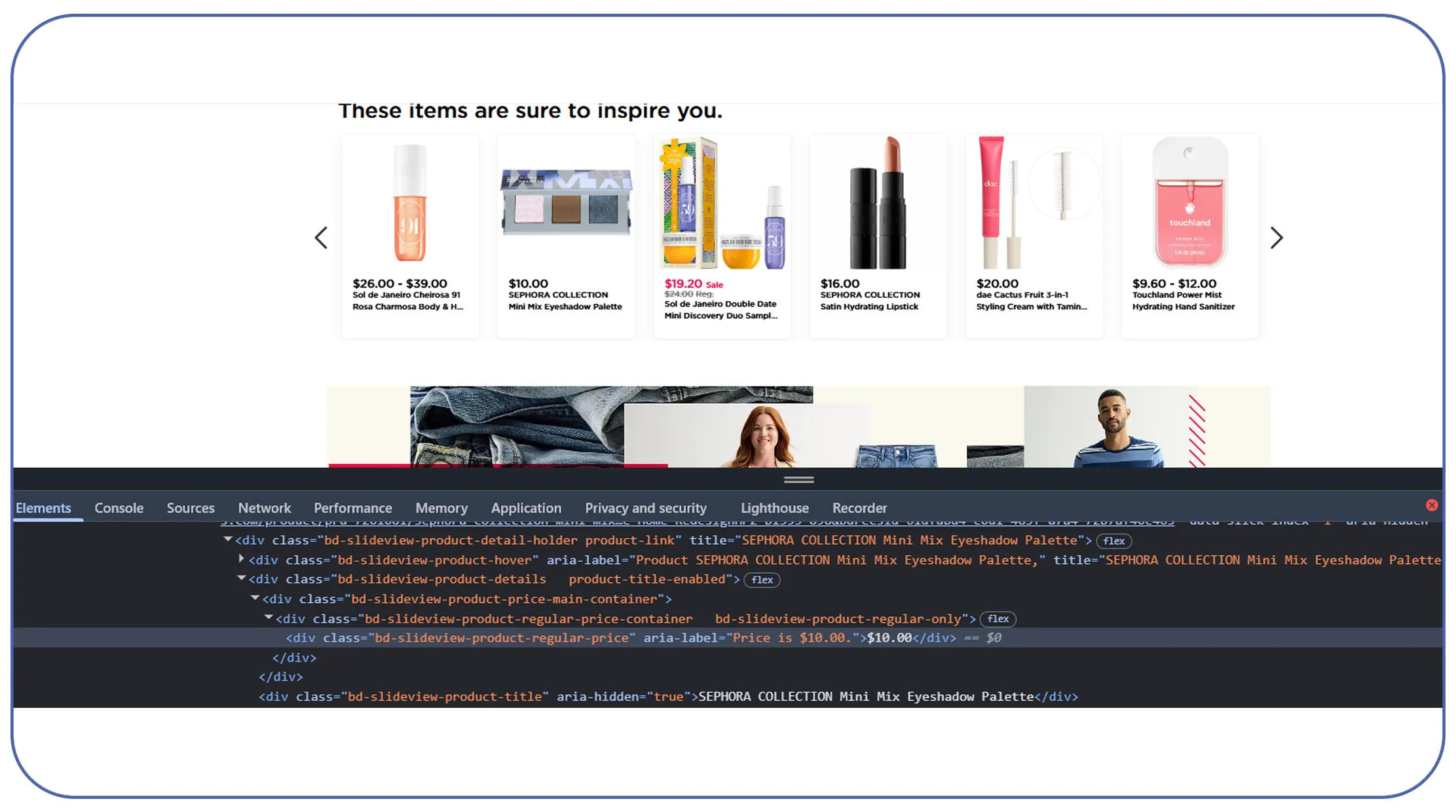
Modern forecasting depends on more than just raw numbers—it requires structured Fashion & Apparel Datasets that combine stock availability, pricing, promotions, and sales velocity.
| Year | Datasets Used | Insight Accuracy | Forecast Reliability |
|---|---|---|---|
| 2020 | 5 | 70% | 68% |
| 2021 | 7 | 74% | 72% |
| 2022 | 10 | 78% | 76% |
| 2023 | 12 | 82% | 80% |
| 2024 | 15 | 86% | 84% |
| 2025 | 18 | 90% | 88% |
| 2026 | 20 | 94% | 92% |
These datasets empower retailers to detect demand shifts early, plan seasonal assortments smarter, and allocate inventory more efficiently across channels. Instead of siloed information, forecasting teams rely on unified intelligence that reflects real customer behavior.
Visualizing Demand with Real-Time Dashboards
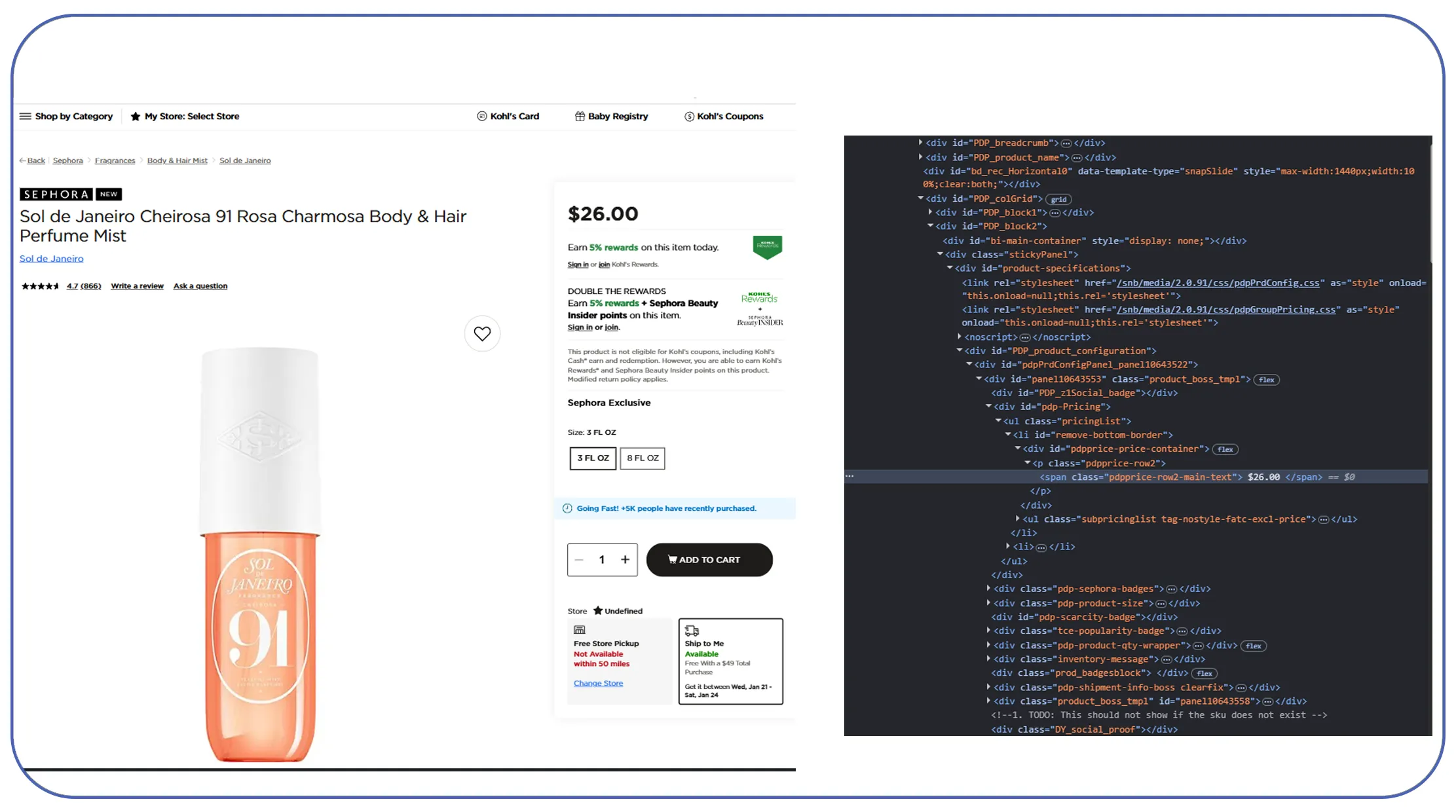
Data only creates value when it's accessible. With Real Data API's Fashion Insights Dashboard, apparel brands gain real-time visualization of stock levels, pricing shifts, and demand patterns—all in one place.
| Year | Dashboard Users | Decision Speed | Forecast Error Reduction |
|---|---|---|---|
| 2020 | 50 | +15% | 8% |
| 2021 | 75 | +20% | 12% |
| 2022 | 110 | +28% | 16% |
| 2023 | 150 | +35% | 20% |
| 2024 | 190 | +42% | 24% |
| 2025 | 230 | +50% | 28% |
| 2026 | 280 | +58% | 32% |
With clear dashboards, merchandising, supply chain, and marketing teams work from the same source of truth—aligning strategies and eliminating forecasting gaps that once cost millions in lost revenue.
Why Choose Real Data API?
With Price Monitoring capabilities and powerful Kohl's stock availability data extraction for apparel analytics, Real Data API helps retailers close the gap between inventory planning and real demand. Our solutions automate data collection, improve forecast accuracy, and reduce costly stockouts. Brands gain real-time visibility into product movement, pricing changes, and promotional impact—empowering smarter decisions across merchandising, supply chain, and marketing. With scalable APIs, structured datasets, and intuitive dashboards, Real Data API transforms raw retail data into reliable forecasting intelligence that drives consistent growth.
Conclusion
In today's fast-paced apparel market, forecasting errors can quickly turn into lost revenue and damaged customer trust. With a powerful Fashion Dashboard and advanced Kohl's stock availability data extraction for apparel analytics, brands finally gain the clarity needed to predict demand with confidence.
By combining real-time inventory visibility, pricing insights, and promotional intelligence, retailers eliminate blind spots that once slowed growth. Now is the time to move from reactive planning to proactive forecasting.
Start transforming your demand forecasting strategy today—because the future of apparel retail belongs to brands that act on data, not assumptions!
Latest posts

How Louis Vuitton Fashion Dataset Enables Better Analysis of Luxury Products, Prices, Brands, and Fashion Trends?
How Blinkit Grocery Dataset Enables Smarter Analysis of Products, Prices, Availability, and Quick-Commerce Trends?
How Chanel Fashion Dataset Enables Smarter Analysis of Luxury Products, Prices, Categories, and Fashion Trends?
How Foodpanda Food Dataset Helps Businesses Track Restaurants, Menus, Prices, Ratings, and Food Delivery Trends?






.png)



