Introduction
In today’s hyper-competitive food service industry, pricing accuracy and location intelligence define profitability. With consumers comparing menu prices across apps, brands must rely on real-time, data-backed strategies rather than instinct. This is where the ability to scrape fast-food menus and prices for location-based insights becomes essential.
By extracting live menu data, brands gain visibility into regional price differences, demand patterns, promotional timing, and competitor behavior. Whether a chain is expanding into new cities or optimizing margins in mature markets, location-aware pricing intelligence allows businesses to respond faster and smarter.
Fast-food data scraping is no longer limited to IT teams. Marketing managers, revenue analysts, and franchise owners are now using automated APIs to track fluctuations across delivery platforms, brand websites, and store locators. When paired with store hours and geo-data, menu intelligence becomes even more powerful—revealing when customers buy, what they buy, and how price sensitivity varies by region.
In this blog, we explore how structured data extraction transforms fast-food pricing strategies, the role of APIs in making it scalable, and why Real Data API is the ideal partner for building a future-ready food intelligence ecosystem.
Unlocking Market Visibility with Smart Data Pipelines
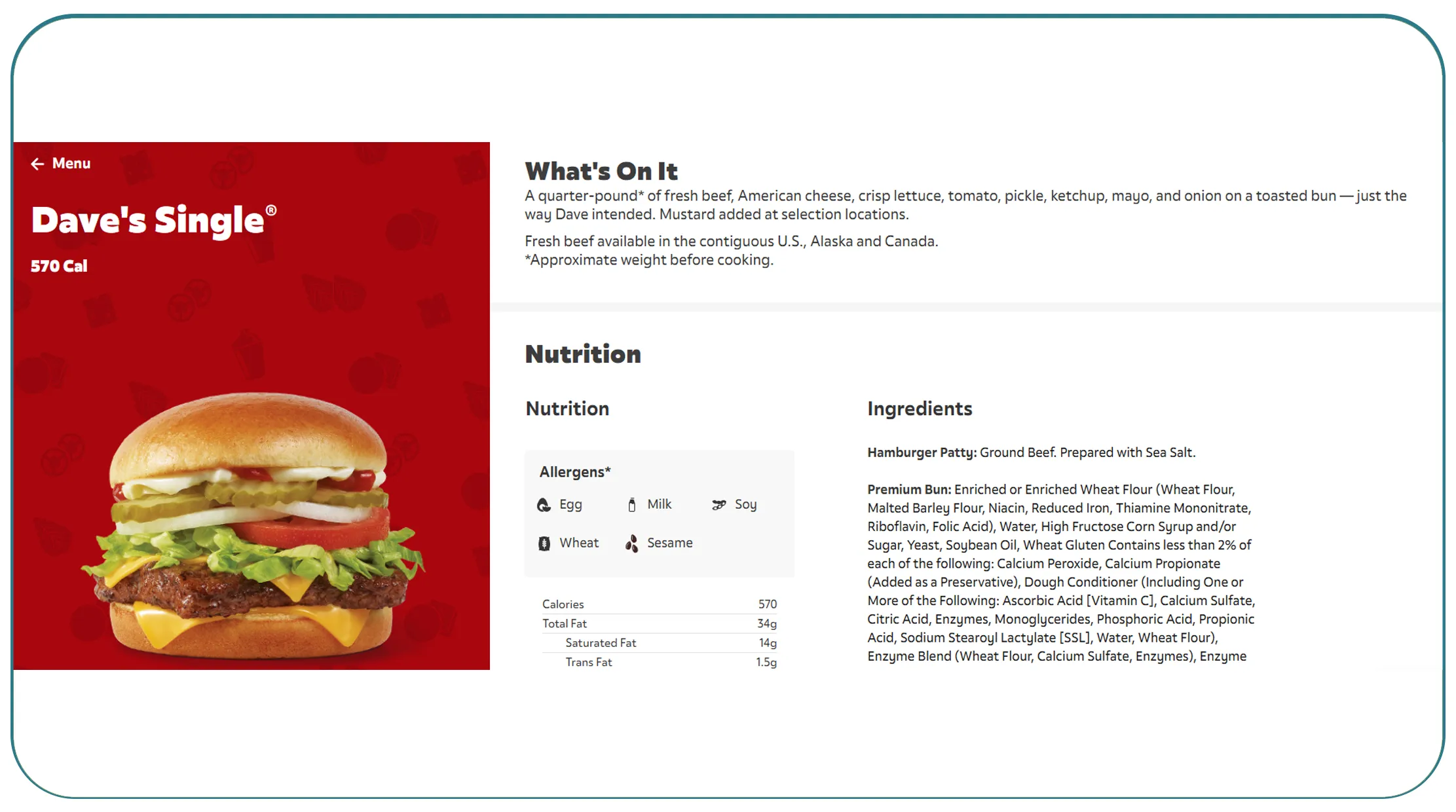
Modern fast-food chains operate across hundreds of locations, each with unique pricing, demand cycles, and operational constraints. Without centralized visibility, pricing decisions remain reactive. That’s why fast-food menu and store hours data extraction has become the backbone of intelligent location-based strategy.
By collecting menu prices alongside store timings, businesses gain insights into how availability impacts sales velocity. For example, late-night pricing often differs from daytime pricing due to staffing and logistics costs. Data extraction helps quantify these variations rather than guessing them.
Industry Adoption Trends (2020–2026)
| Year | Brands Using Automated Extraction (%) | Avg. Revenue Lift from Pricing Optimization |
|---|---|---|
| 2020 | 22% | 4.1% |
| 2021 | 29% | 5.3% |
| 2022 | 37% | 6.8% |
| 2023 | 46% | 8.2% |
| 2024 | 58% | 9.6% |
| 2025 | 67% | 11.1% |
| 2026 | 74% | 12.5% |
With structured extraction, brands can analyze peak hours, map price elasticity by region, and adjust delivery fees based on real operational windows. Over time, this data-driven approach reduces margin leakage and enhances franchise alignment.
Turning Menu Data into Revenue Signals
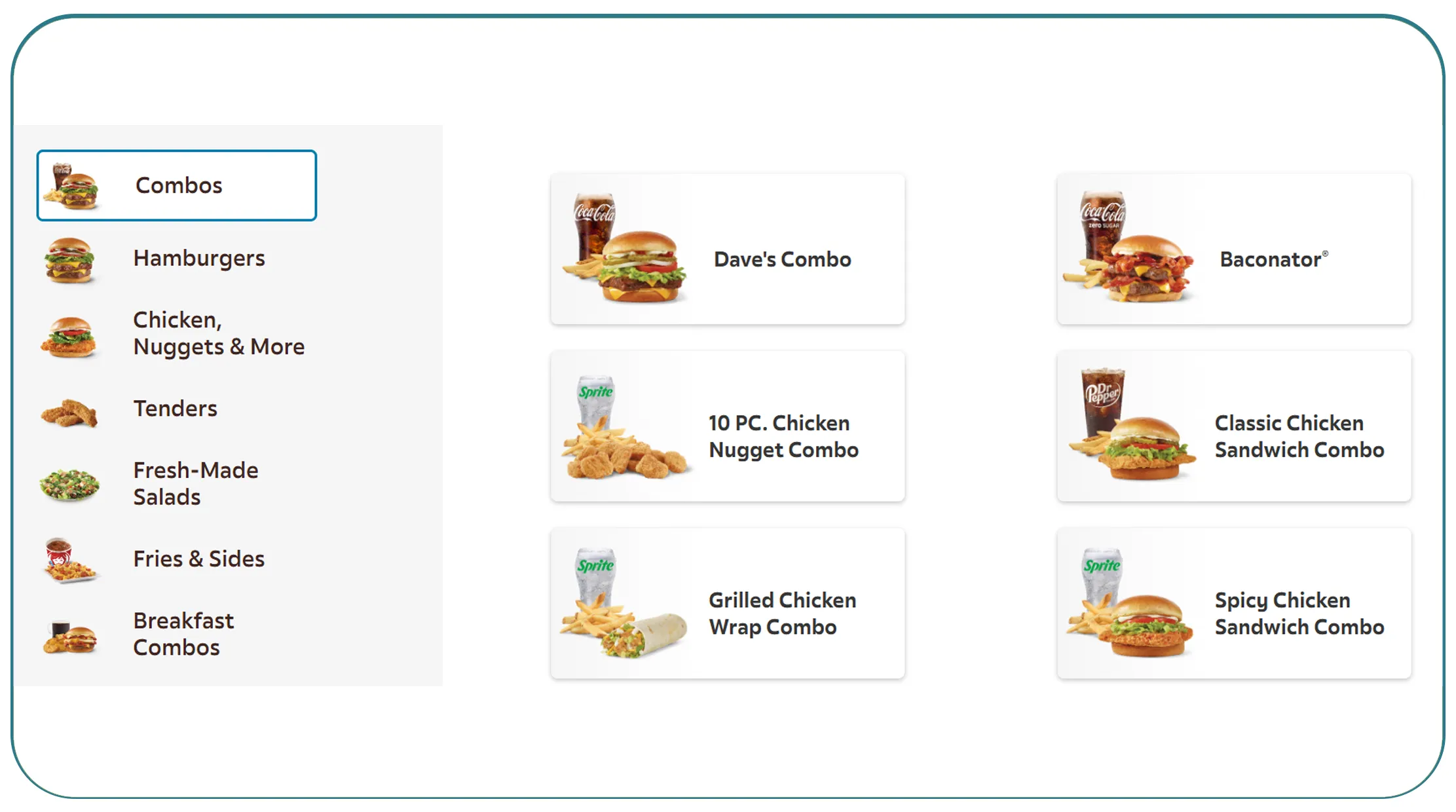
Pricing intelligence is no longer about knowing competitor prices—it’s about understanding why prices differ. Through fast-food menu scraping for pricing intelligence data, brands uncover the strategic patterns behind promotions, bundles, and seasonal shifts.
Menu scraping enables real-time tracking of:
- Regional discounts and flash deals
- Price surges during peak demand
- Value-meal positioning across competitors
- Introduction of premium SKUs in urban hubs
Pricing Intelligence Impact (2020–2026)
| Metric | 2020 | 2022 | 2024 | 2026 |
|---|---|---|---|---|
| Avg. Price Change Reaction Time | 14 days | 9 days | 4 days | 1 day |
| Competitive Price Accuracy | 62% | 71% | 84% | 93% |
| Revenue Gain from Optimized Menus | 3.2% | 5.4% | 8.7% | 11.9% |
When brands monitor menus across delivery apps and brand websites, they can predict competitor moves before they affect sales. This shifts pricing from defensive to proactive, allowing chains to protect margins without losing volume.
Enhancing Geo-Strategy with Operational Timings
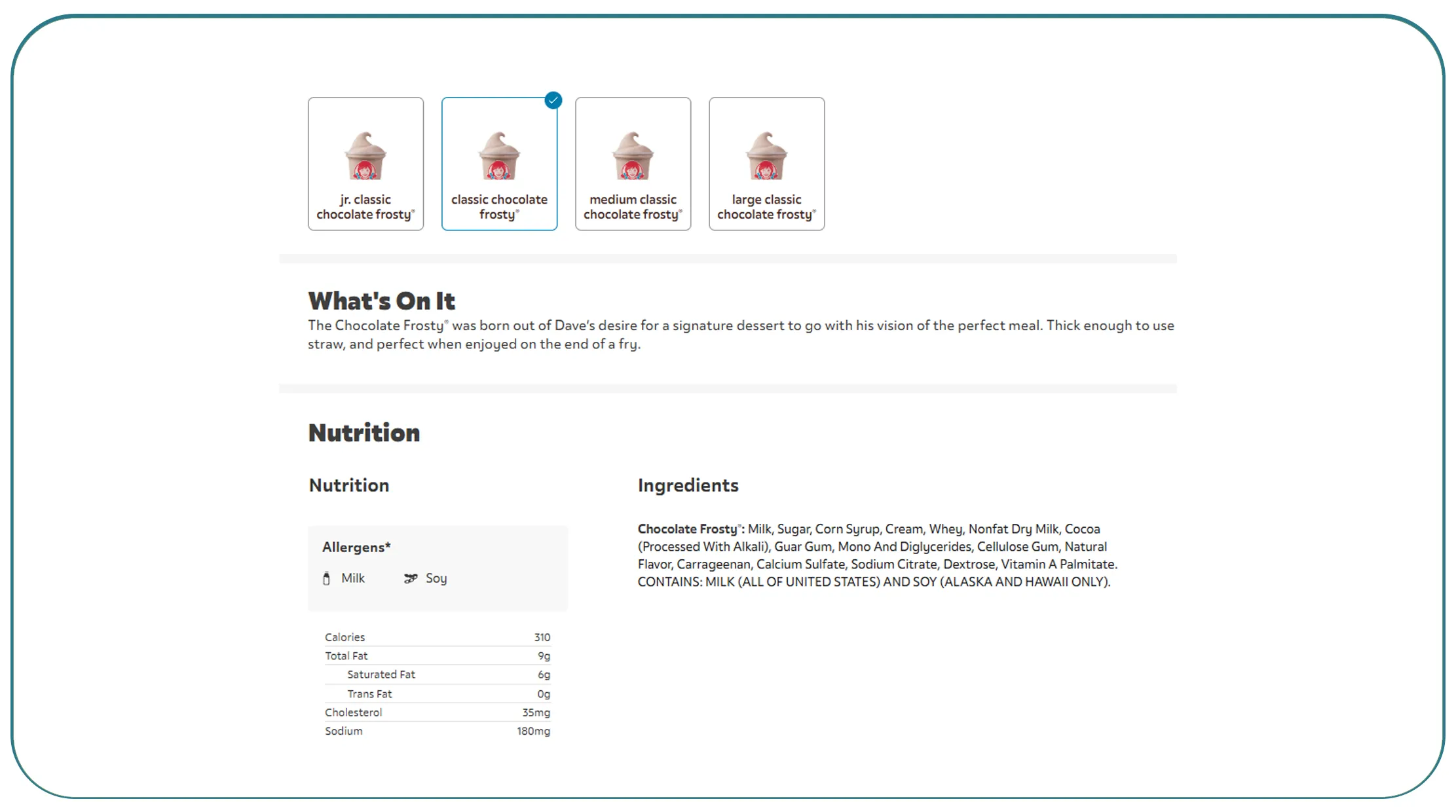
Location intelligence becomes incomplete without understanding when a store actually serves customers. A store hours API scraper for restaurant location analytics fills this critical gap by aligning operational timing with pricing and demand signals.
Using store-hour APIs, brands can:
- Identify underperforming locations with limited operating windows
- Adjust promotions for late-night or breakfast-only outlets
- Optimize staffing based on traffic patterns
- Sync delivery app availability with in-store schedules
Location Performance Correlation (2020–2026)
| Year | Chains Using Store-Hour APIs | Sales Uplift from Hour Optimization |
|---|---|---|
| 2020 | 18% | 2.9% |
| 2021 | 24% | 4.1% |
| 2022 | 33% | 5.8% |
| 2023 | 45% | 7.2% |
| 2024 | 57% | 8.9% |
| 2025 | 66% | 10.4% |
| 2026 | 73% | 12.0% |
By synchronizing store availability with pricing strategies, businesses avoid missed revenue windows and maximize every operating hour.
Scaling Expansion with Location Intelligence
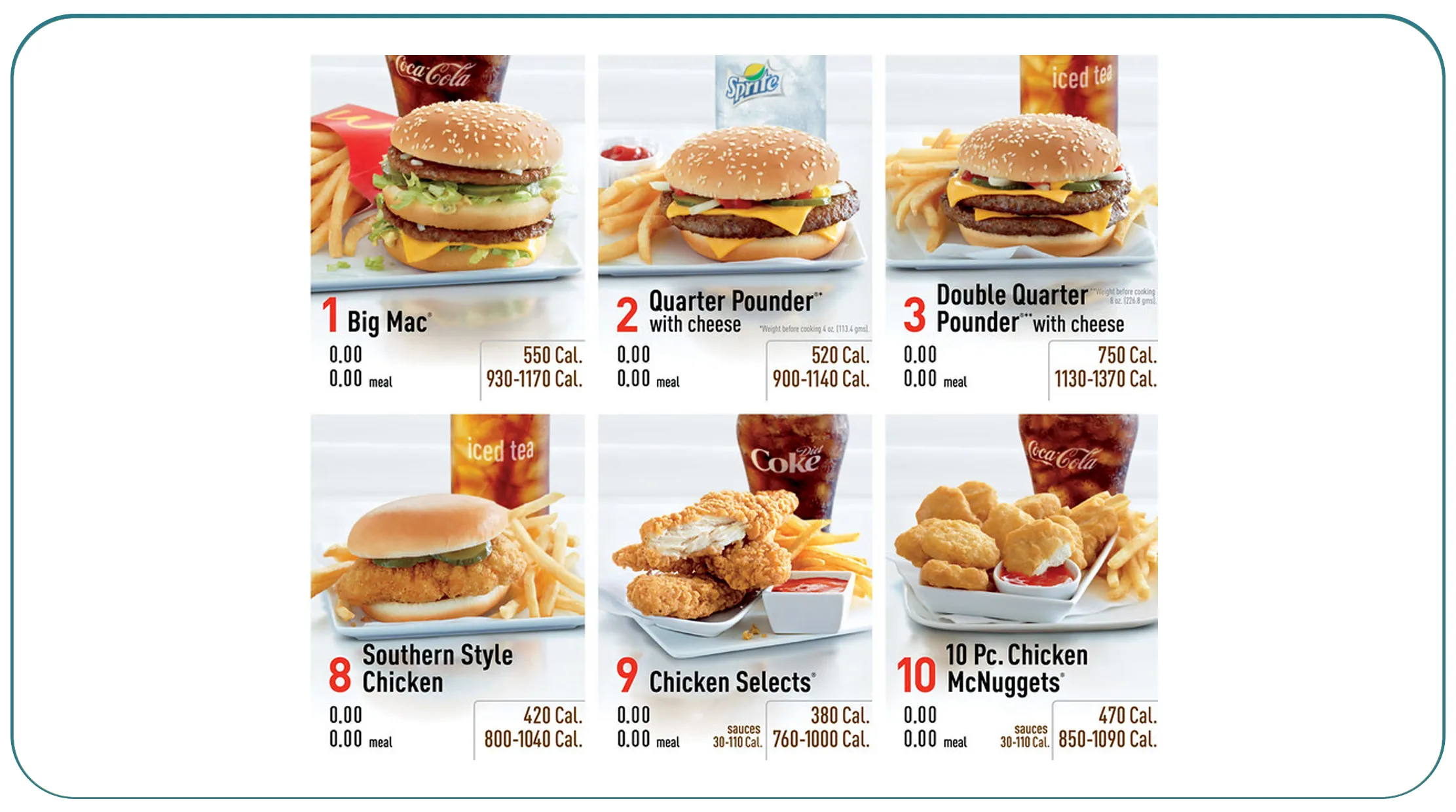
Fast-food growth depends on choosing the right locations—not just opening more stores. Through QSR location data collection, brands analyze footfall trends, delivery density, competitor saturation, and demographic alignment.
Location data reveals which neighborhoods respond better to value meals versus premium offerings. It also helps chains test micro-pricing strategies before rolling them out nationally.
Expansion Success Metrics (2020–2026)
| Year | Data-Driven Store Openings (%) | First-Year Profitability Rate |
|---|---|---|
| 2020 | 31% | 54% |
| 2021 | 38% | 58% |
| 2022 | 47% | 63% |
| 2023 | 55% | 69% |
| 2024 | 63% | 74% |
| 2025 | 71% | 79% |
| 2026 | 78% | 84% |
With structured location intelligence, fast-food brands minimize expansion risks while aligning pricing models with local purchasing power.
Automating Intelligence at Scale
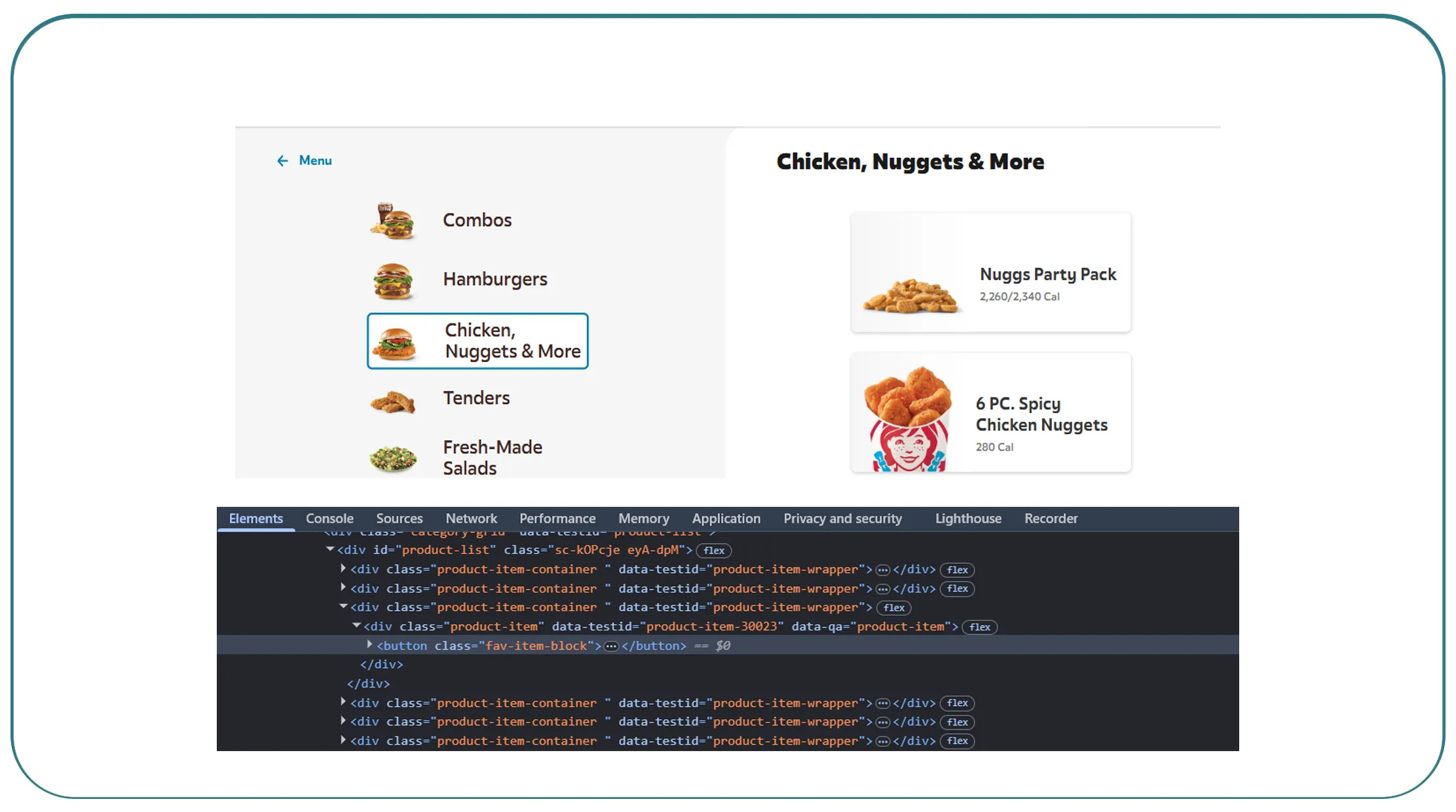
Manual data collection is slow, inconsistent, and costly. A Food Data Scraping API automates the process—delivering real-time access to menus, prices, offers, and availability across thousands of outlets.
These APIs enable:
- Continuous competitor monitoring
- Instant alerts on price changes
- Automated data normalization
- Integration with BI tools and dashboards
API Adoption Growth (2020–2026)
| Year | Brands Using Food APIs | Avg. Cost Reduction in Data Ops |
|---|---|---|
| 2020 | 21% | 18% |
| 2021 | 29% | 24% |
| 2022 | 38% | 31% |
| 2023 | 49% | 39% |
| 2024 | 61% | 47% |
| 2025 | 70% | 54% |
| 2026 | 78% | 61% |
APIs transform food data into a living asset—always current, always actionable.
Building Strategic Assets from Structured Information
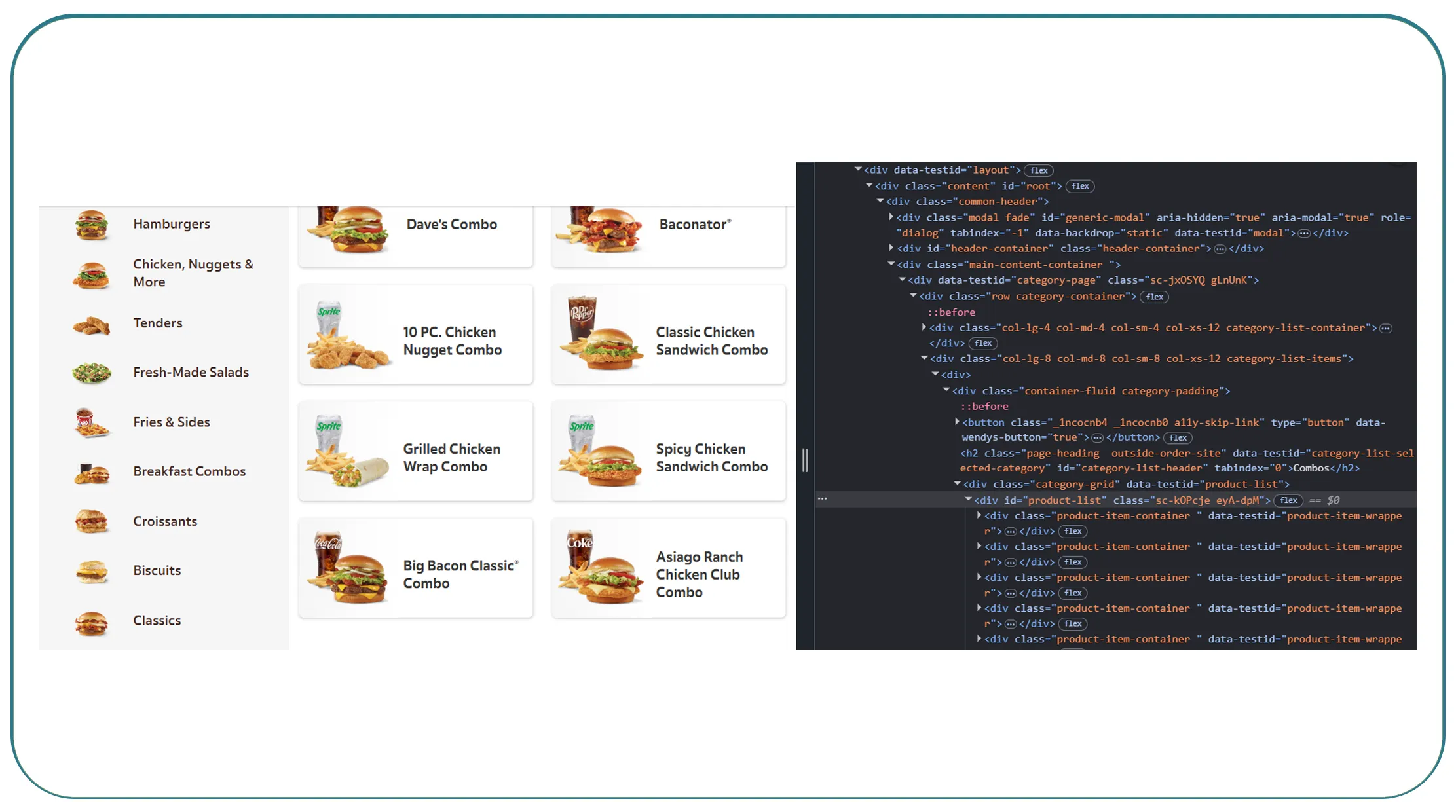
A well-structured Food Dataset turns raw scraping outputs into long-term strategic value. When menu prices, store hours, and location data are standardized, businesses unlock deeper analytics such as demand forecasting, promotion modeling, and customer segmentation.
Food datasets support:
- Predictive pricing models
- Seasonal demand analysis
- Regional product performance tracking
- Franchise benchmarking
Data Maturity Evolution (2020–2026)
| Year | Brands Using Centralized Food Datasets | Accuracy in Forecasting |
|---|---|---|
| 2020 | 26% | 61% |
| 2021 | 34% | 66% |
| 2022 | 43% | 72% |
| 2023 | 52% | 78% |
| 2024 | 63% | 84% |
| 2025 | 71% | 89% |
| 2026 | 79% | 93% |
With clean datasets, pricing intelligence shifts from short-term reaction to long-term strategy.
Why Choose Real Data API?
Real Data API empowers brands with enterprise-grade data pipelines designed for speed, accuracy, and scale. Whether your goal is competitor tracking, expansion planning, or margin optimization, our solutions help you implement Dynamic Pricing, scrape fast-food menus and prices for location-based insights seamlessly.
What sets Real Data API apart:
- Real-time menu and pricing extraction
- High-accuracy geo-location mapping
- Scalable APIs for multi-brand tracking
- Custom datasets for BI and AI systems
- Compliance-ready and ethically sourced data
With Real Data API, fast-food businesses move beyond basic scraping to full-spectrum location and pricing intelligence.
Conclusion
In an industry where every cent matters, pricing precision powered by location intelligence becomes a competitive advantage. The ability to Price Comparison, scrape fast-food menus and prices for location-based insights transforms fragmented information into actionable strategy—helping brands respond faster, expand smarter, and protect margins across every market.
From menu scraping to store-hour analytics and from API automation to strategic datasets, data-driven pricing is no longer optional—it’s essential.
Ready to turn fast-food data into pricing power? Partner with Real Data API today and start building smarter, location-aware pricing intelligence that drives real business growth!
Latest posts

Zara Web Data Scraper For Fashion Trend Analysis - How Retailers Overcome Fast-Changing Fashion Demand & Inventory Challenges
How Real Estate Web Scraping Using Bayut API Solves Rental Pricing and Property Tracking Problems?
How Trendyol Data Collection for Ecommerce Market Research Solves Assortment, Pricing, and Market Intelligence Challenges?
How Gemini Scraper For Real-Time Data Extraction Enables Faster Market Intelligence, Monitoring, and Competitive Analysis






.png)