
Introduction
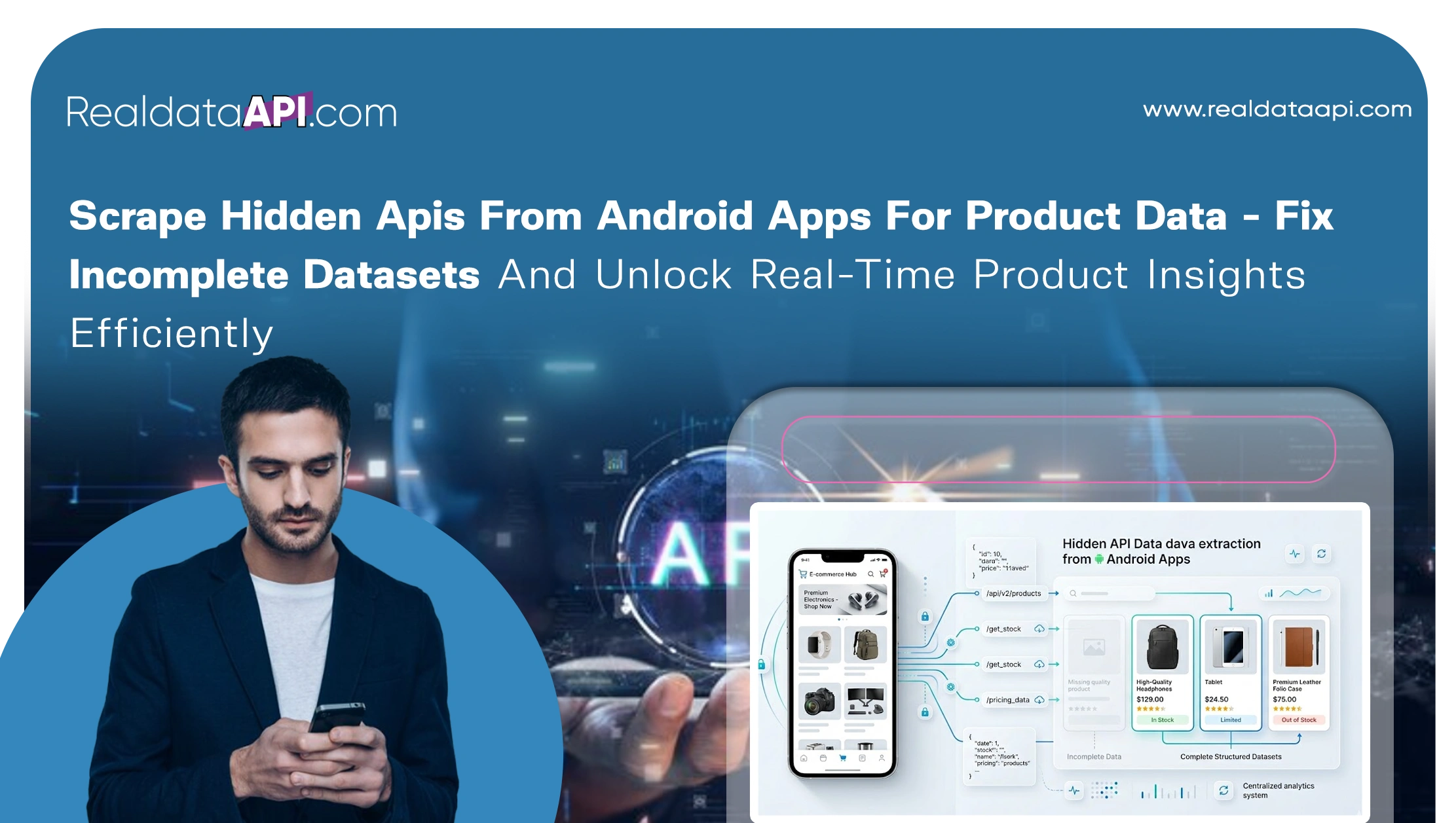
In today's competitive digital landscape, businesses rely heavily on accurate and real-time product data to make informed decisions. Traditional scraping methods often fall short when dealing with dynamic mobile environments, leaving gaps in datasets and limiting actionable insights. This is where the ability to scrape hidden APIs from Android apps for product data becomes a game-changer.
Modern Android applications fetch data through internal APIs that deliver structured, precise, and frequently updated information. Leveraging these APIs allows businesses to bypass front-end limitations, eliminate inconsistencies, and gather complete product datasets. At the same time, solutions like a Mobile App Scraping API enable automation, scalability, and efficiency in extracting such data without complex reverse engineering.
By combining advanced API extraction techniques with robust infrastructure, organizations can build reliable pipelines that ensure continuous access to critical product data. This blog explores practical strategies, industry trends, and technical frameworks to help you overcome incomplete datasets and unlock real-time product insights effectively.
Unlocking Accurate Pricing Intelligence Through Direct API Access
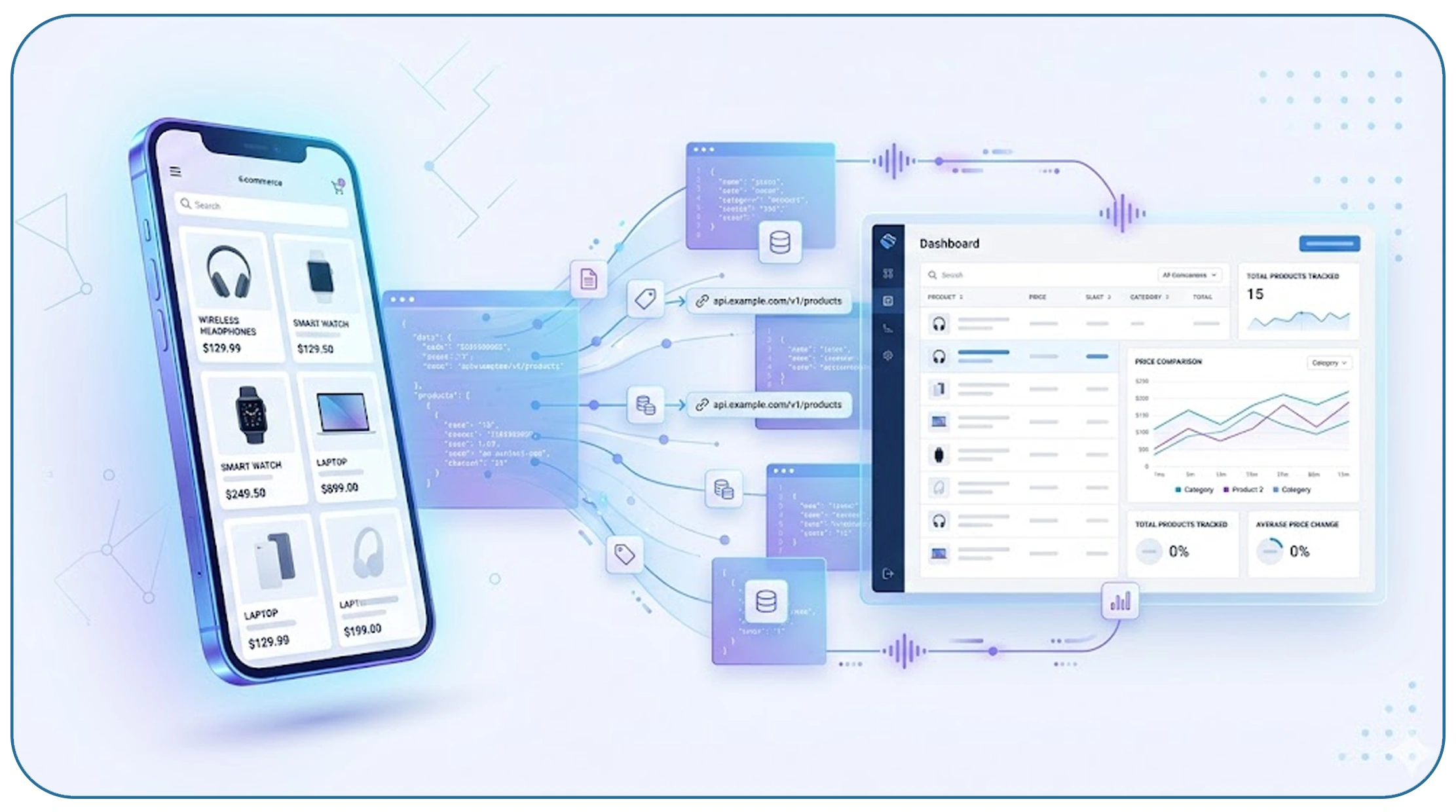
One of the most impactful advantages of tapping into Android app APIs is the ability to collect pricing data with unmatched accuracy. Businesses often struggle with inconsistencies caused by UI changes, regional variations, and dynamic pricing updates. By extracting product pricing data from Android app APIs, organizations can access the exact values served to users in real time.
Between 2020 and 2026, the demand for pricing intelligence tools has grown significantly. Reports indicate that over 78% of eCommerce companies now rely on automated data extraction for competitive pricing strategies. API-based extraction reduces error rates by nearly 60% compared to traditional scraping methods.
In practice, direct API access allows companies to capture granular pricing elements such as discounts, taxes, and promotional offers. This ensures that pricing models remain aligned with market dynamics. Moreover, it supports advanced analytics, including price elasticity and competitor benchmarking.
| Year | Adoption of API-based Pricing Extraction | Error Reduction Rate |
|---|---|---|
| 2020 | 32% | 25% |
| 2022 | 51% | 40% |
| 2024 | 68% | 55% |
| 2026 | 78% | 60% |
With structured data retrieval, businesses can also automate price monitoring systems and trigger alerts for sudden changes. This capability is crucial for industries like retail, travel, and food delivery, where pricing fluctuates rapidly. Ultimately, API-driven pricing extraction enables smarter decision-making and ensures a competitive edge in volatile markets.
Building Scalable Systems for Reliable Product Data Collection
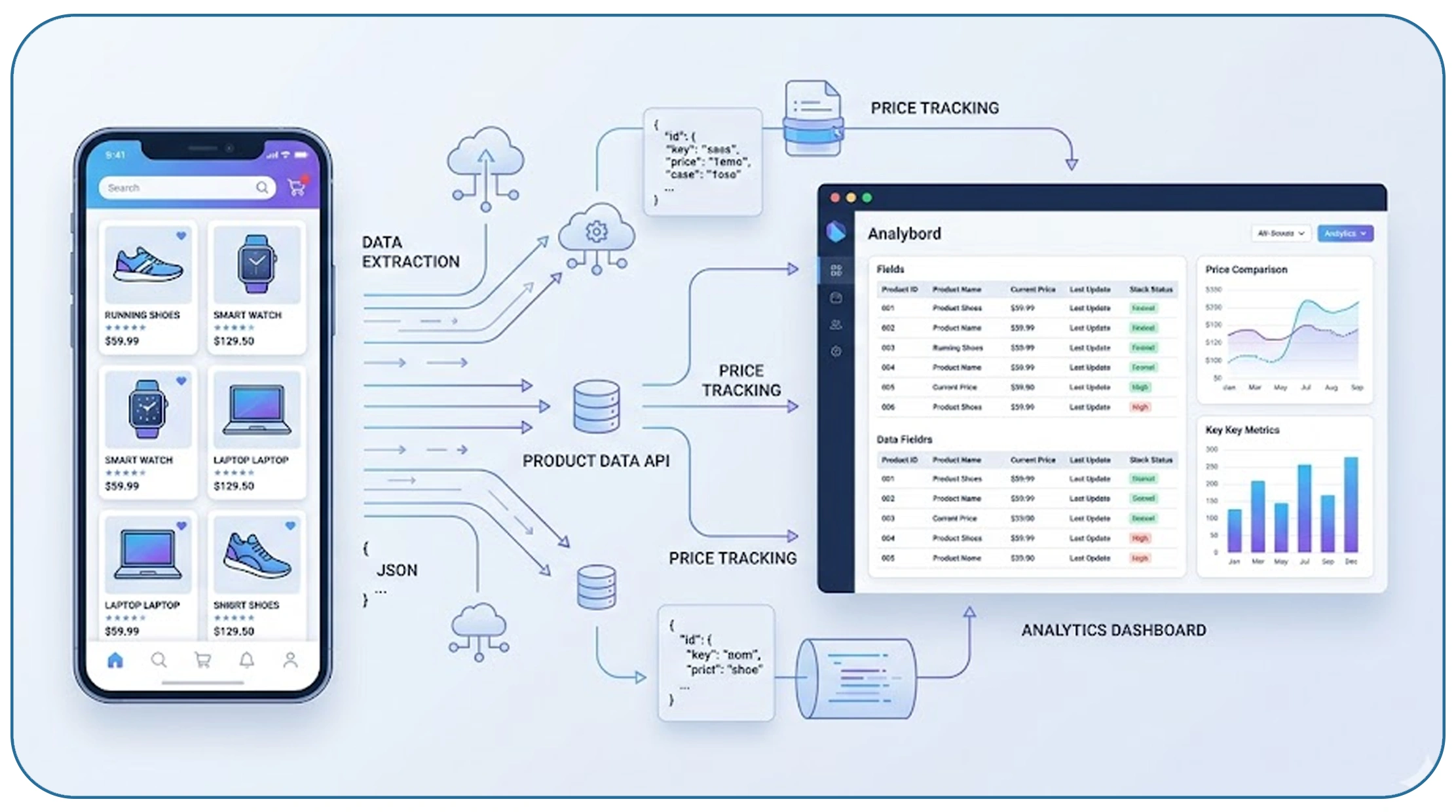
Scalability is a key challenge when dealing with large volumes of product data across multiple applications. Organizations aiming to scrape product data from Android apps need systems that can handle high-frequency requests while maintaining reliability and compliance.
Over the years, data extraction infrastructure has evolved to support distributed architectures. From 2020 to 2026, cloud-based scraping solutions have seen a 65% increase in adoption due to their ability to scale dynamically. These systems leverage parallel processing, load balancing, and intelligent request routing to ensure uninterrupted data collection.
A robust setup involves managing authentication tokens, handling API rate limits, and implementing retry mechanisms for failed requests. Additionally, incorporating proxy rotation and device emulation helps mimic real user behavior, reducing the risk of detection or blocking.
| Factor | Traditional Scraping | API-Based Approach |
|---|---|---|
| Scalability | Limited | High |
| Data Accuracy | Medium | High |
| Maintenance Effort | High | Medium |
| Real-Time Capability | Low | High |
Beyond technical efficiency, scalable systems also improve operational productivity. Teams can focus on analysis rather than troubleshooting data inconsistencies. As businesses expand into new markets, scalable extraction ensures consistent data availability across regions and platforms, making it a cornerstone of modern data strategies.
Transforming Raw Data into Structured Product Catalogs
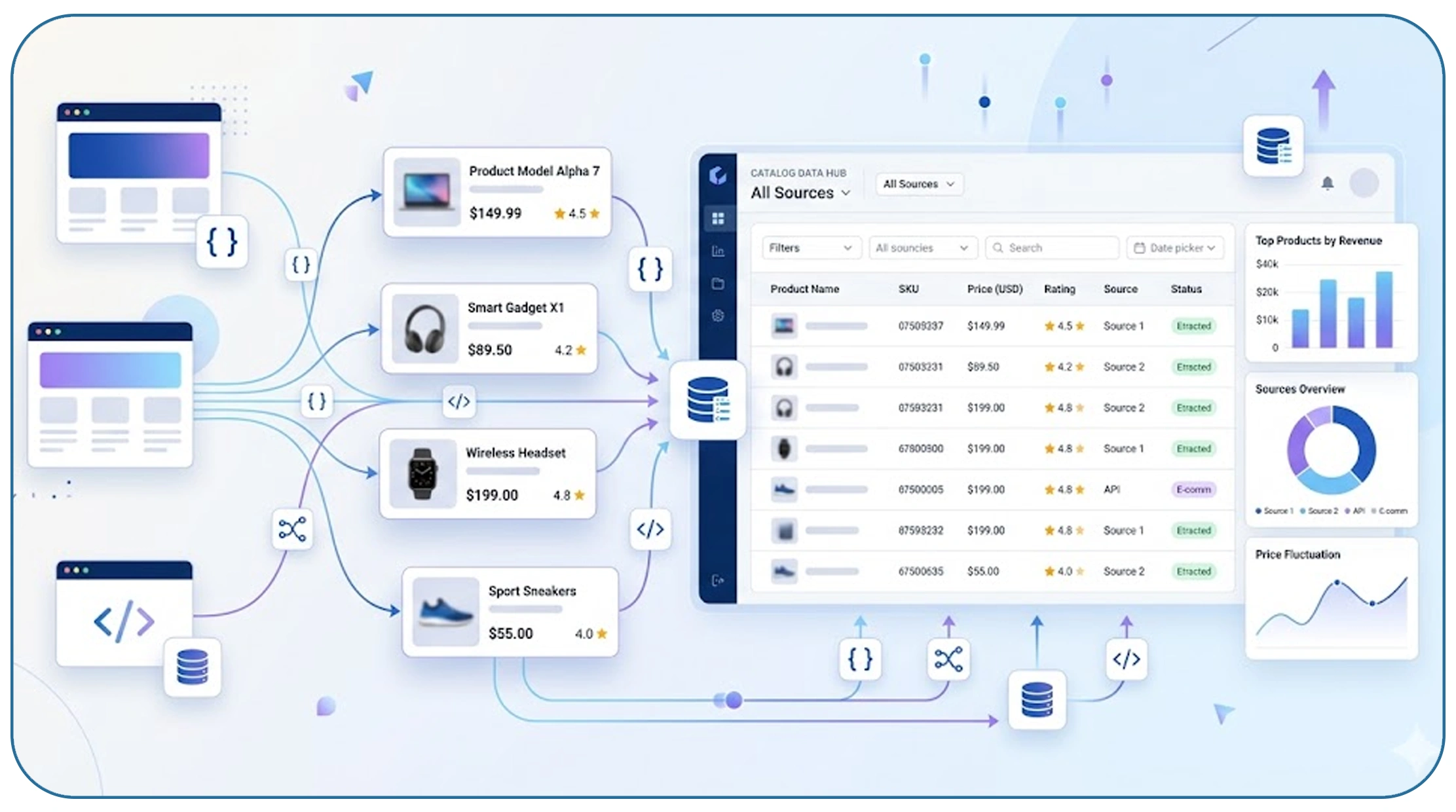
Raw data alone holds little value unless it is transformed into structured and usable formats. By focusing on product catalog data extraction from mobile apps, businesses can organize information into standardized schemas that support analytics, reporting, and integration.
From 2020 onward, the importance of structured product catalogs has grown alongside the rise of AI-driven recommendation systems. By 2026, it is estimated that over 70% of digital platforms will rely on structured datasets to power personalization engines. Extracting catalog data directly from APIs ensures consistency in attributes such as product names, descriptions, categories, and images.
This structured approach simplifies downstream processes like inventory management, search optimization, and cross-platform synchronization. It also enables seamless integration with CRM systems, analytics tools, and third-party marketplaces.
| Data Attribute | Importance Level | API Availability |
|---|---|---|
| Product Name | High | Consistent |
| Price | High | Real-Time |
| Description | Medium | Structured |
| Images | High | Direct Links |
Another key advantage is the ability to maintain data integrity across updates. When product details change, API-based extraction ensures that updates are reflected instantly, reducing lag and discrepancies. This leads to improved customer experiences and more accurate business insights.
Designing Efficient Workflows for Continuous Data Flow
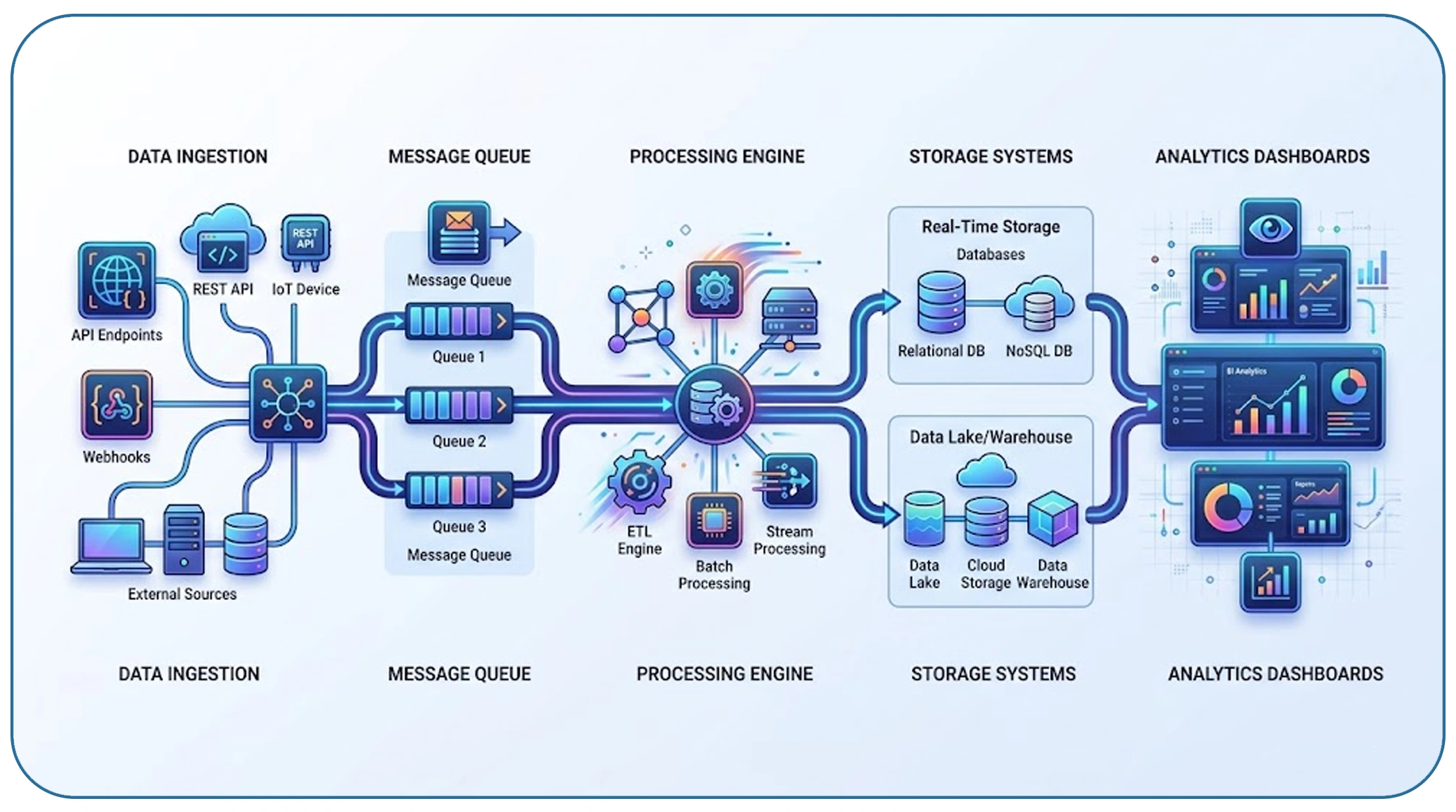
Efficient workflows are essential for maintaining a steady flow of data from extraction to analysis. Implementing mobile API data pipelines allows organizations to automate every stage of data handling, from ingestion to storage and processing.
Between 2020 and 2026, companies adopting automated data pipelines have reported a 50% reduction in manual intervention and a 45% increase in data processing speed. These pipelines typically include components such as data collectors, message queues, processing engines, and storage systems.
Automation ensures that data is captured, cleaned, and delivered in near real time. It also minimizes the risk of human error and enhances consistency across datasets. Advanced pipelines incorporate monitoring tools that detect anomalies and trigger alerts, ensuring uninterrupted operations.
| Pipeline Stage | Function | Benefit |
|---|---|---|
| Ingestion | Collect API data | Real-time access |
| Processing | Clean & transform data | Improved accuracy |
| Storage | Save structured data | Easy retrieval |
| Monitoring | Track pipeline health | Reduced downtime |
By implementing well-designed pipelines, businesses can handle increasing data volumes without compromising performance. This approach not only improves efficiency but also lays the foundation for advanced analytics and machine learning applications.
Enhancing Data Extraction with Advanced API Solutions
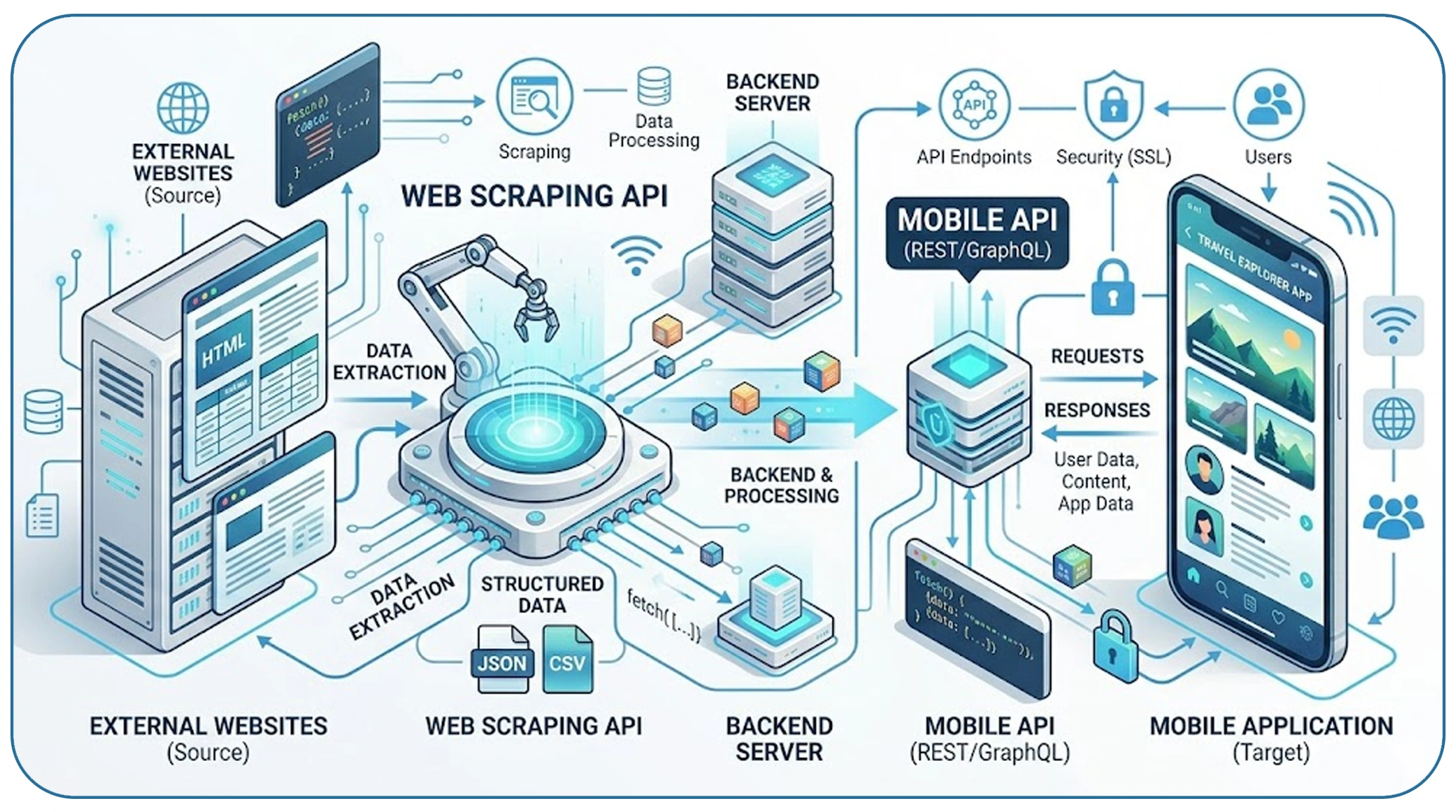
Modern extraction strategies often combine multiple tools to achieve optimal results. Leveraging a Web Scraping API alongside mobile API extraction can significantly enhance data coverage and reliability.
From 2020 to 2026, hybrid extraction models have gained popularity, with adoption rates increasing by over 58%. These models combine the strengths of API-based extraction and traditional scraping to ensure comprehensive data collection.
For instance, while APIs provide structured and real-time data, web scraping can capture additional context such as user reviews, ratings, and UI-based content. Integrating both approaches ensures a holistic view of product information.
| Method | Strengths | Limitations |
|---|---|---|
| API Extraction | Structured, real-time data | Requires access setup |
| Web Scraping | Broader data coverage | Less structured |
Advanced API solutions also offer features like automatic retries, CAPTCHA handling, and geo-targeting. These capabilities improve success rates and enable businesses to extract data from multiple regions seamlessly. As a result, organizations can achieve more comprehensive datasets and better insights.
Scaling Data Operations for Large Enterprises
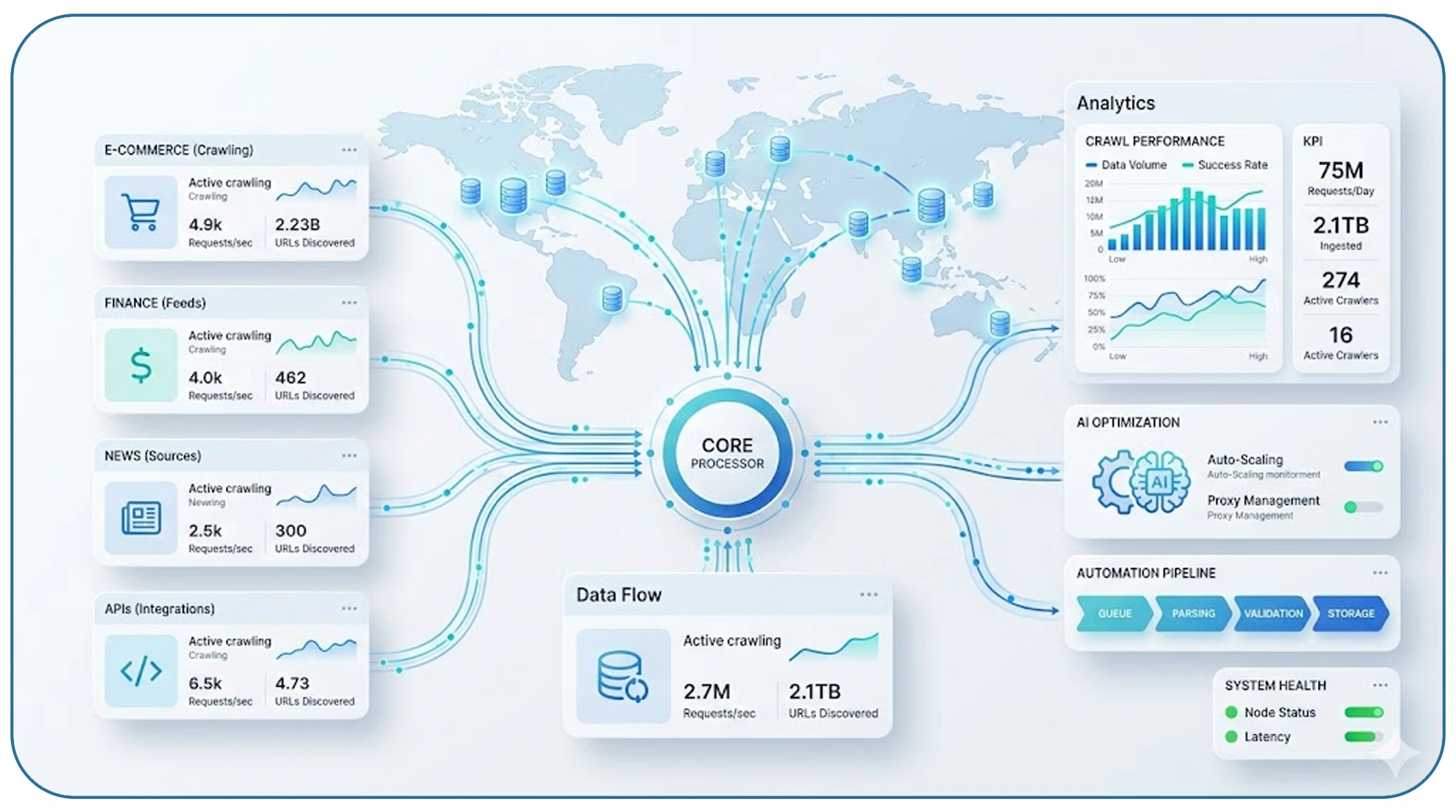
As businesses grow, their data needs become more complex and demanding. Implementing Enterprise Web Crawling solutions allows organizations to scale their operations efficiently while maintaining high performance and reliability.
From 2020 to 2026, enterprise-level data extraction has seen a 72% increase in demand, driven by the need for large-scale analytics and global market insights. These solutions are designed to handle massive data volumes, multiple data sources, and complex workflows.
Enterprise systems often include advanced features such as distributed crawling, centralized management dashboards, and AI-driven optimization. These capabilities enable organizations to manage thousands of data extraction tasks simultaneously without compromising quality.
| Feature | Benefit |
|---|---|
| Distributed Crawling | High scalability |
| Centralized Control | Simplified management |
| AI Optimization | Improved efficiency |
| Multi-Source Support | Comprehensive data collection |
By adopting enterprise-grade solutions, businesses can ensure consistent data availability across all operations. This not only supports strategic decision-making but also enhances competitiveness in global markets.
Why Choose Real Data API?
Choosing the right data extraction partner is critical for success. Real Data API offers comprehensive Web Scraping Services designed to meet the evolving needs of modern businesses. With advanced capabilities to scrape hidden APIs from Android apps for product data, the platform ensures accurate, real-time, and scalable data extraction.
Real Data API stands out for its reliability, flexibility, and focus on compliance. It provides end-to-end solutions, from data collection to processing and delivery, enabling businesses to focus on insights rather than infrastructure. Additionally, its scalable architecture supports both small-scale projects and enterprise-level operations, making it a versatile choice for organizations of all sizes.
Conclusion
The ability to scrape hidden APIs from Android apps for product data is transforming how businesses collect and utilize information. By leveraging advanced extraction techniques, scalable systems, and automated pipelines, organizations can overcome incomplete datasets and gain real-time insights that drive smarter decisions.
As data continues to play a central role in digital transformation, adopting innovative approaches to extraction and analysis will be key to staying competitive.
Ready to unlock accurate, real-time product insights? Start leveraging Real Data API today and transform your data strategy into a powerful growth engine!
Latest posts

How Louis Vuitton Fashion Dataset Enables Better Analysis of Luxury Products, Prices, Brands, and Fashion Trends?
How Blinkit Grocery Dataset Enables Smarter Analysis of Products, Prices, Availability, and Quick-Commerce Trends?

How Chanel Fashion Dataset Enables Smarter Analysis of Luxury Products, Prices, Categories, and Fashion Trends?
How Foodpanda Food Dataset Helps Businesses Track Restaurants, Menus, Prices, Ratings, and Food Delivery Trends?







.png)