
Introduction
The real estate markets in New York and California are among the most competitive and data-driven in the United States. Prices shift quickly based on neighborhood demand, mortgage trends, supply constraints, and investor activity. Businesses that scrape property listings in New York and California for market insights gain a clear advantage by tracking listings, prices, rental trends, and competitor activity in real time.
For investors, brokers, proptech firms, and analysts, timely access to listing data helps improve valuations, identify profitable opportunities, and understand regional market behavior. With Top Real Estate Scraping API Use Cases, businesses can collect structured information such as property prices, square footage, amenities, listing duration, and seller behavior at scale.
Between 2020 and 2026, both New York and California experienced major real estate shifts due to:
- Urban migration changes
- Remote work demand
- Interest rate hikes
- Rental market recovery
- Inventory shortages
This blog explores six key ways real estate data scraping helps businesses track regional trends, benchmark competitors, and make smarter decisions in these high-value markets.
Smarter Investment Planning with Regional Market Visibility
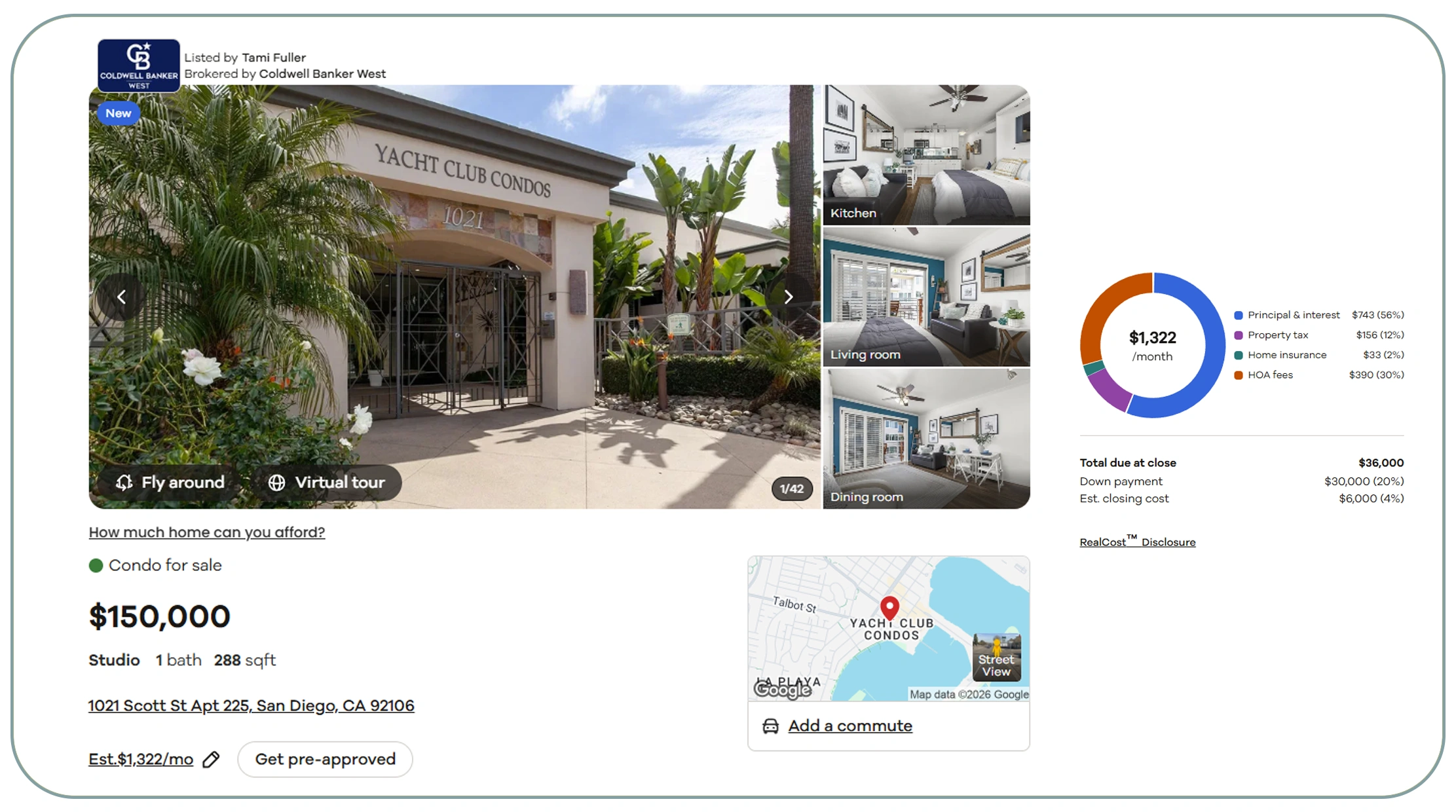
Investors need reliable data to evaluate risks and returns across markets. The benefits of real estate data scraping for investors in New York and California include better pricing accuracy, neighborhood trend analysis, and early opportunity detection.
Real estate data scraping helps investors:
- Track listing price movements
- Identify undervalued properties
- Compare neighborhood ROI
- Monitor inventory trends
| Year | NY Avg. Price Growth | CA Avg. Price Growth |
|---|---|---|
| 2020 | 7.2% | 9.4% |
| 2021 | 12.1% | 16.2% |
| 2022 | 8.4% | 10.5% |
| 2023 | 3.9% | 4.6% |
| 2024 | 5.1% | 5.8% |
| 2025 | 4.8% | 5.2% |
| 2026* | 4.4% | 4.9% |
By tracking listing updates daily, investors can:
- Spot price drops before competitors
- Analyze time-on-market trends
- Identify distressed listings
For example, a multifamily property in Brooklyn or Los Angeles may show hidden value through repeated price reductions or long listing duration.
Real-time property intelligence also improves:
- Portfolio diversification
- Risk mitigation
- Exit timing
Instead of relying on delayed reports, investors using data scraping gain immediate visibility into market opportunities and regional performance shifts.
Better Rental and Sales Trend Forecasting
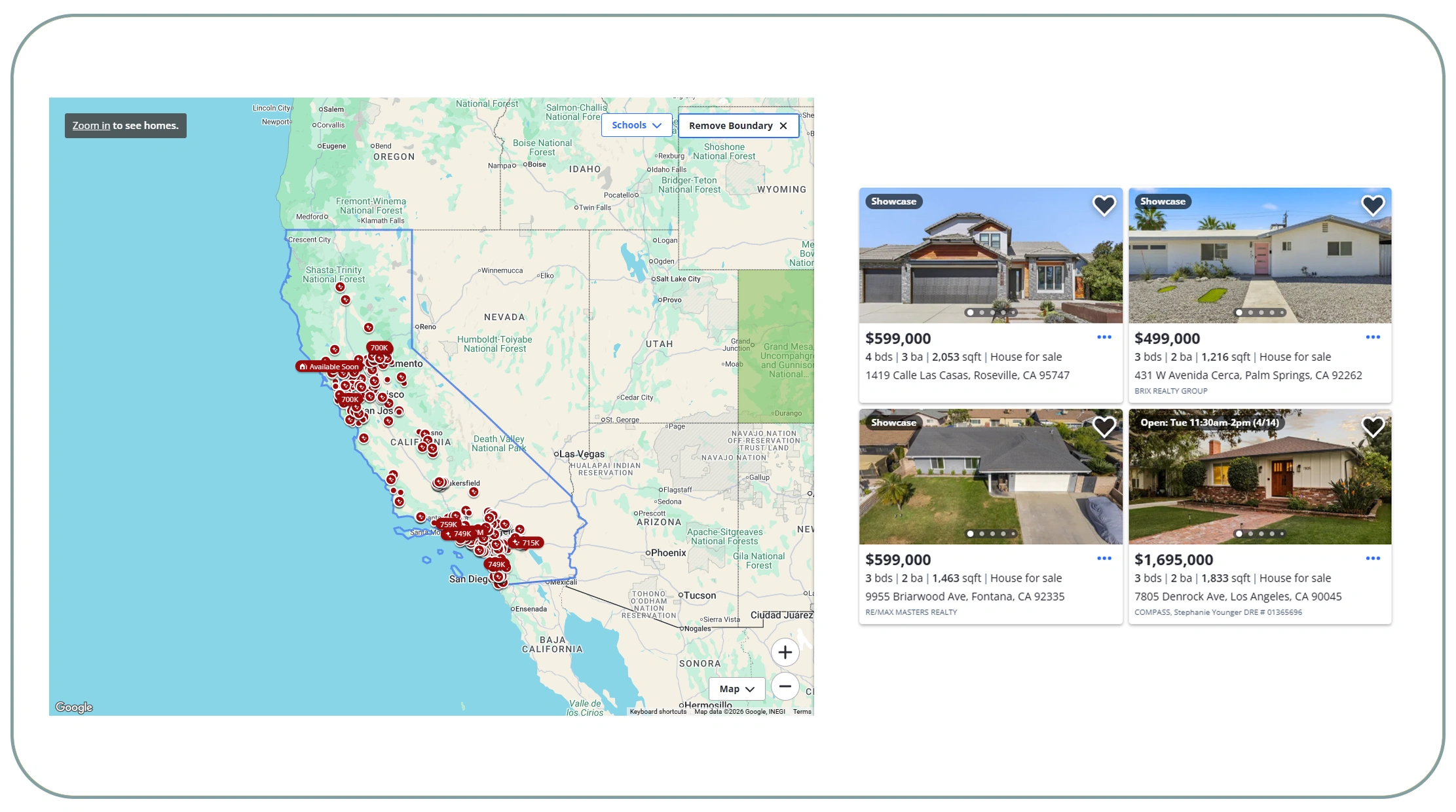
The U.S. property market requires constant tracking of rental and sales activity. Businesses that extract rental and sales property data for market research USA can better forecast market demand, pricing patterns, and occupancy trends.
Rental and sales data helps:
- Compare rental yield by ZIP code
- Track occupancy shifts
- Understand buyer demand
- Forecast seasonal pricing
From 2020 to 2026:
- NYC rental demand rebounded post-2021
- California suburban home demand surged
- Luxury property prices remained resilient
| Market Segment | Key 2020–2026 Trend |
|---|---|
| NYC rentals | Recovery and rent growth |
| LA housing | Premium demand rise |
| SF rentals | Tech recovery impact |
| San Diego sales | Inventory shortage |
Real estate data scraping helps businesses:
- Monitor asking rents
- Track listing durations
- Analyze vacancy rates
- Identify demand hotspots
For example, tracking apartment listings in Manhattan or San Francisco helps rental platforms optimize pricing and occupancy.
Sales trend forecasting also supports:
- Better investment decisions
- Accurate pricing strategies
- Improved market timing
With live rental and sales data, businesses can respond faster to changing market conditions and improve decision-making.
Competitive Intelligence for Regional Advantage
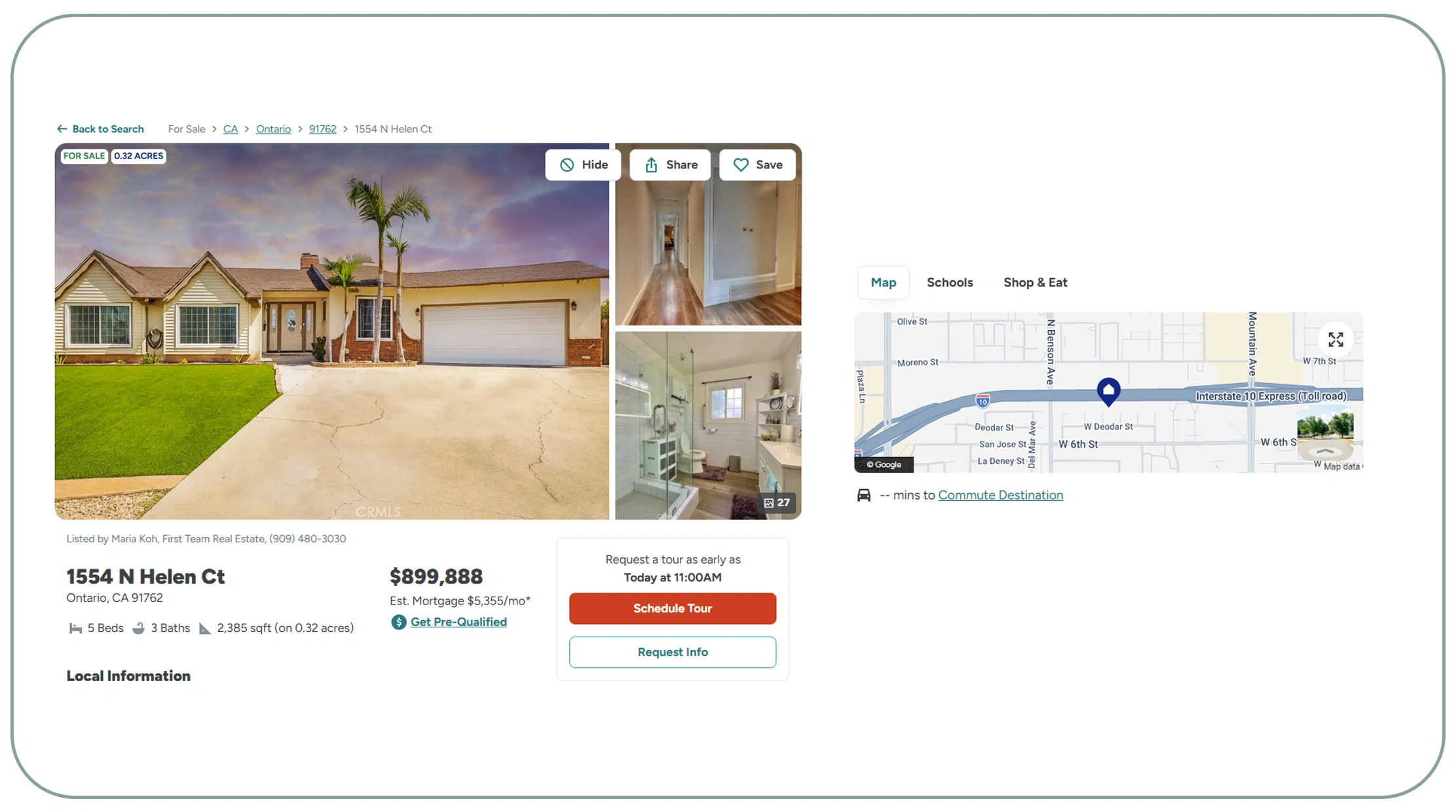
Competition in New York and California is intense, with multiple agencies, platforms, and investors competing for listings. Businesses using Web scraping Data from real estate companies in New York and California can benchmark competitors and improve market positioning.
Competitive intelligence supports:
- Listing comparison
- Seller activity monitoring
- Pricing strategy refinement
- Market share tracking
Businesses can analyze:
- Competitor listing volumes
- Average price reductions
- Property feature trends
- Marketing descriptions
| Region | Listing Competition Growth (2020–2026) |
|---|---|
| New York City | 28% |
| Los Angeles | 31% |
| San Francisco | 26% |
| San Diego | 24% |
Competitive scraping helps:
- Identify fast-selling neighborhoods
- Detect emerging hotspots
- Improve listing presentation
For example:
- A broker in Manhattan can track luxury condo pricing
- A California investor can benchmark suburban listings
Without live data, businesses risk:
- Delayed pricing decisions
- Missed opportunities
- Poor campaign performance
By tracking competitor listings daily, businesses can adapt faster and make better regional decisions.
Building a Reliable Foundation for Market Analysis
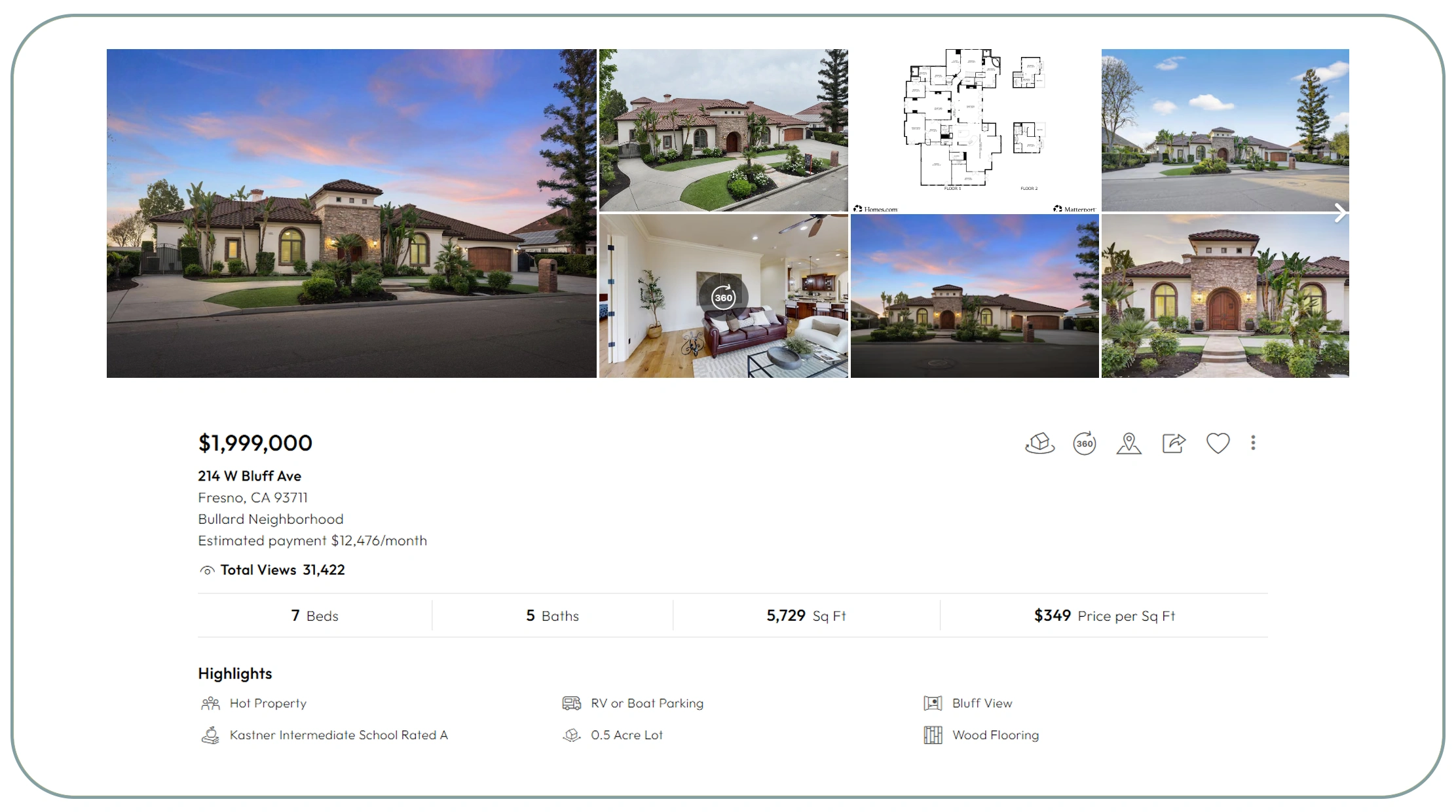
A structured Real Estate Dataset is critical for meaningful analysis and long-term planning. Raw listing pages are not enough—businesses need clean, organized property data.
Key dataset fields include:
- Address
- Price
- Bedrooms/bathrooms
- Square footage
- Amenities
- Listing duration
- Agent details
A structured dataset helps:
- Improve forecasting
- Reduce duplicate listings
- Support CRM workflows
- Enable trend dashboards
| Dataset Application | Business Value |
|---|---|
| Pricing analysis | Better valuations |
| Lead scoring | Higher conversions |
| Trend reporting | Faster decisions |
| Risk modeling | Lower exposure |
Between 2020 to 2026, real estate firms increased investment in:
- Data infrastructure
- API integrations
- Analytics tools
Reliable datasets help businesses:
- Scale operations
- Improve lead quality
- Enhance customer experience
For proptech companies, structured property intelligence is now essential for automation and growth.
Without accurate datasets, pricing models and market insights can quickly become unreliable.
A strong data foundation ensures better market clarity and faster action.
API-Driven Property Intelligence at Scale

Speed and automation are essential in fast-moving property markets. Businesses using Web Scraping Real Estate Data API can collect live property data and integrate it directly into internal systems.
API-driven scraping supports:
- Real-time listing updates
- Price change alerts
- Regional dashboards
- Inventory monitoring
Benefits include:
- Faster response times
- Better operational efficiency
- Improved pricing strategies
| API Feature | Business Impact |
|---|---|
| Live listing feeds | Real-time insights |
| Price monitoring | Smarter pricing |
| Geo filters | Local trend analysis |
| Alerts | Faster action |
Businesses can use APIs to:
- Feed analytics tools
- Improve mobile apps
- Support customer portals
For example:
- A proptech startup can show live market prices
- A brokerage can improve client alerts
From 2020 to 2026, real estate API adoption increased significantly due to demand for automation and faster market visibility.
API-based intelligence helps businesses reduce manual work while improving accuracy and speed.
This creates a strong competitive advantage in dynamic housing markets.
Faster Lead Capture and Sales Pipeline Growth

Lead generation is one of the biggest challenges in real estate. Businesses that Automate Real Estate Lead Generation using scraped property data can improve sales pipelines and reduce missed opportunities.
Automated lead generation helps:
- Identify newly listed properties
- Track seller activity
- Capture price drop leads
- Segment buyer prospects
Benefits include:
- Faster outreach
- Better lead quality
- Higher conversions
| Lead Generation Factor | Without Automation | With Automation |
|---|---|---|
| Lead speed | Slow | Fast |
| Lead quality | Mixed | Higher |
| Response time | Delayed | Immediate |
| Conversion | Lower | Better |
In New York and California:
- High listing turnover increases urgency
- Competitive buyers require speed
Businesses can:
- Send alerts to agents instantly
- Prioritize hot leads
- Improve CRM workflows
For example, a sudden listing price drop in Brooklyn or Orange County can trigger immediate lead actions.
Automated lead generation reduces manual prospecting and improves sales efficiency.
This helps businesses close deals faster while maintaining strong client relationships.
Why Choose Real Data API?
Real Data API helps businesses unlock powerful market intelligence with scalable property data solutions. We help clients scrape property listings in New York and California for market insights through secure, reliable, and customized real estate data services.
Why choose us:
- Real-time listing extraction
- Structured and clean datasets
- Custom API integrations
- Geo-specific market monitoring
- Scalable delivery solutions
Our real estate scraping expertise helps investors, brokers, and proptech firms make faster and smarter decisions in competitive markets.
Conclusion
As New York and California real estate markets become more dynamic, timely property data is critical for success. Businesses that scrape property listings in New York and California for market insights can improve pricing accuracy, identify opportunities faster, and stay ahead of competitors.
From investment planning to lead generation and API automation, real estate data scraping delivers the visibility needed to make smarter decisions.
Ready to gain a competitive edge in property markets? Partner with Real Data API today for scalable, real-time listing intelligence that drives better results.
Latest posts

How Prada Fashion Dataset Helps Businesses Track Luxury Products, Prices, Categories, and Fashion Trends for Better Market Insights

How Snapdeal E-commerce Dataset Helps Analyze Products, Prices, Sellers, and Marketplace Trends?
.webp)
How Uniqlo Fashion Dataset Helps Analyze Products, Prices, Categories, and Apparel Trends?

How Travel Dataset Solves Destination Intelligence Gaps with Flights, Hotels, Prices, Destinations, and Travel Market Trends






.png)