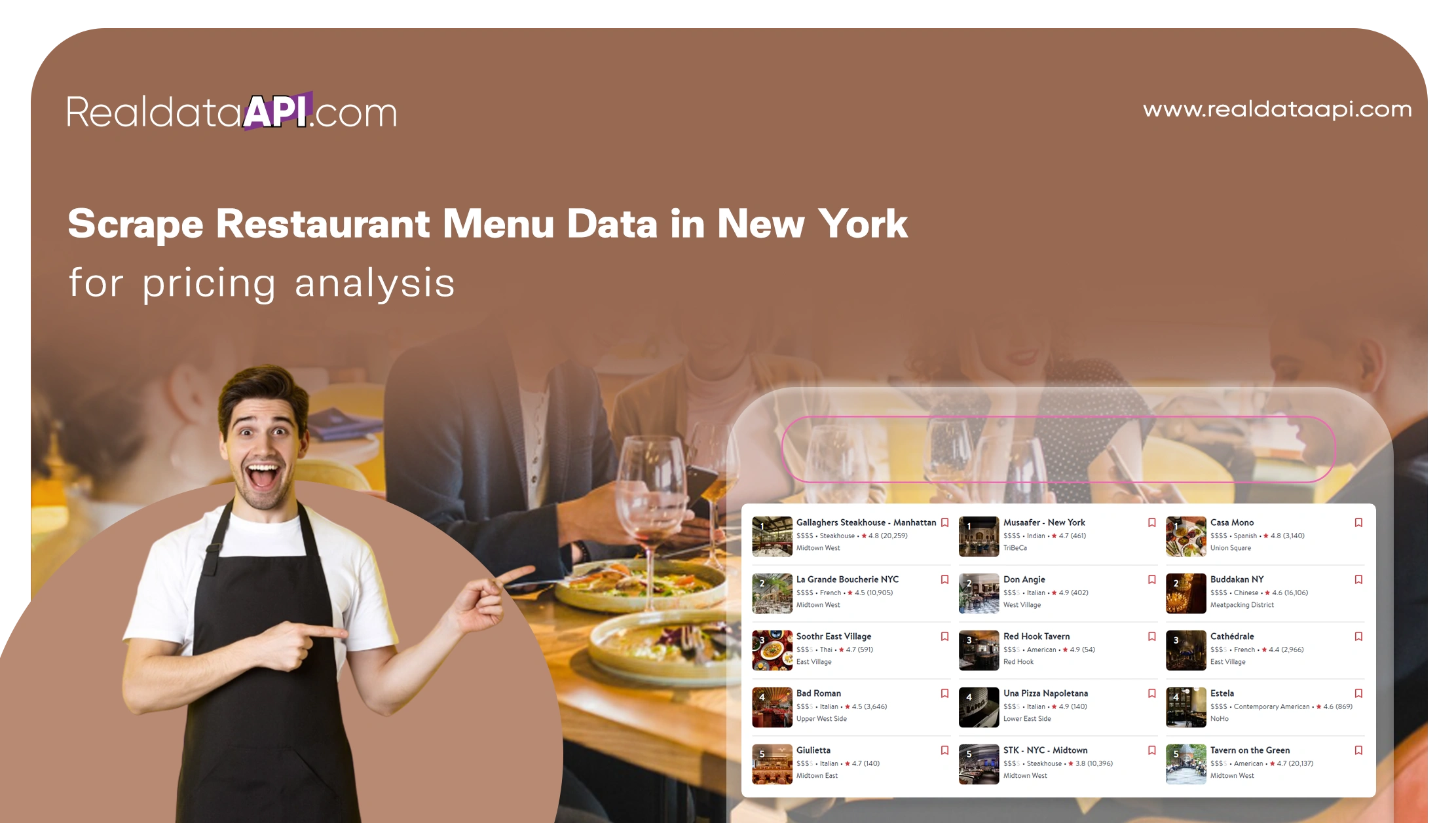
Introduction
New York City is the most competitive restaurant market on the planet. With over 27,000 active food service establishments spread across five boroughs — from Michelin-starred tasting menus in Manhattan to beloved neighborhood dim sum parlors in Flushing, Queens — the city's dining landscape is in constant motion. Menus change seasonally, prices shift with ingredient costs and competitive pressure, new concepts open while established names quietly close, and consumer preferences cycle faster than almost anywhere else in the country.
For restaurant operators, food delivery platforms, franchise strategists, and market researchers trying to understand this landscape, the data challenge is immense. Publicly available menu and pricing information is scattered across dozens of platforms — DoorDash, Uber Eats, Grubhub, Yelp, Google Maps, OpenTable, and individual restaurant websites — each showing a partial view, none providing a consolidated picture. This is precisely why the practice of scraping restaurant menu data in New York for pricing analysis has become a critical discipline for anyone who needs to compete — or invest — intelligently in this market.
This article explores the methods, tools, and real-world applications of New York restaurants menu data scraping, from the technical foundations of extracting structured menu data at scale, to the market research and competitive pricing insights that this data unlocks for restaurants, QSR chains, and food industry analysts alike.
27,000+
Active NYC restaurants (2025)
$32B
NYC food service annual revenue
8.3M
NYC residents + 60M annual visitors
4.2x
Price range across NYC neighborhoods
Why New York Is the Most Important Market for Menu Pricing Intelligence
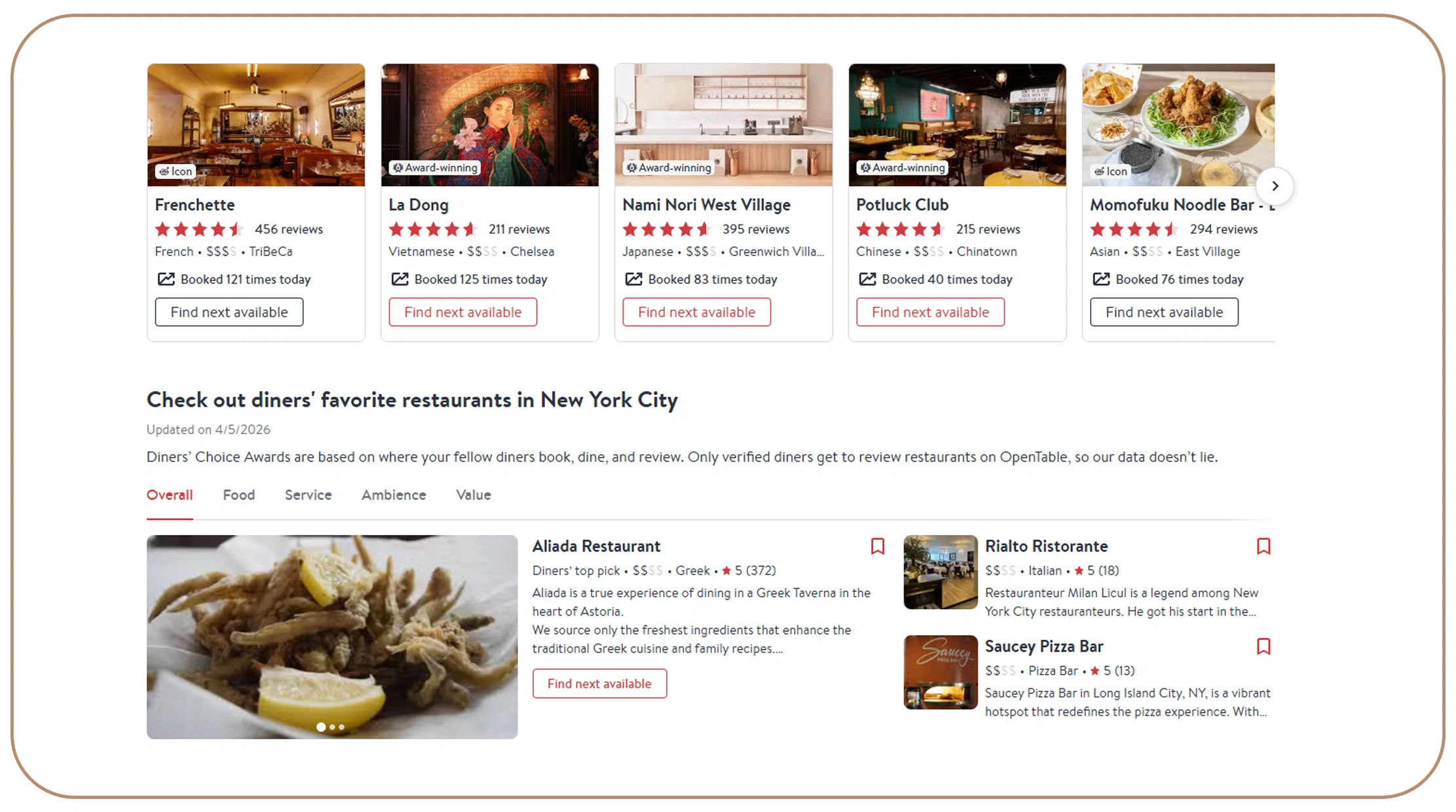
New York City's restaurant market is not just large — it is uniquely instructive. Pricing dynamics in NYC reflect a convergence of forces that exist in concentrated form here more than anywhere else in the United States: extreme real estate costs, highly diverse consumer demographics, intense competition across every cuisine category, multiple distinct neighborhood micro-markets within a single city, and the outsized influence of media, social platforms, and food culture on consumer behavior.
A pizza slice in the West Village costs nearly three times what the same slice costs in Staten Island. A ramen bowl in the East Village commands a different price point than its equivalent in Astoria, Queens — even when the ingredients and quality are comparable. These pricing differentials are not arbitrary. They reflect a complex web of rent costs, neighborhood affluence, delivery platform fees, competitive density, and brand positioning that only becomes legible when you can analyze hundreds or thousands of data points simultaneously.
Web scraping New York restaurant pricing trends across platforms and neighborhoods makes this analysis possible — converting what would otherwise be an impossibly manual research task into a structured, repeatable, and continuously updated intelligence system.
"In New York City, a dollar difference in menu pricing can determine whether a restaurant thrives or struggles. Understanding where your prices sit relative to the market is not optional — it is existential."
Manhattan
$28.40
Avg entrée price
Brooklyn
$22.15
Avg entrée price
Queens
$17.80
Avg entrée price
The Bronx
$15.20
Avg entrée price
Staten Island
$16.90
Avg entrée price
Key Data Sources for NYC Restaurant Menu Scraping
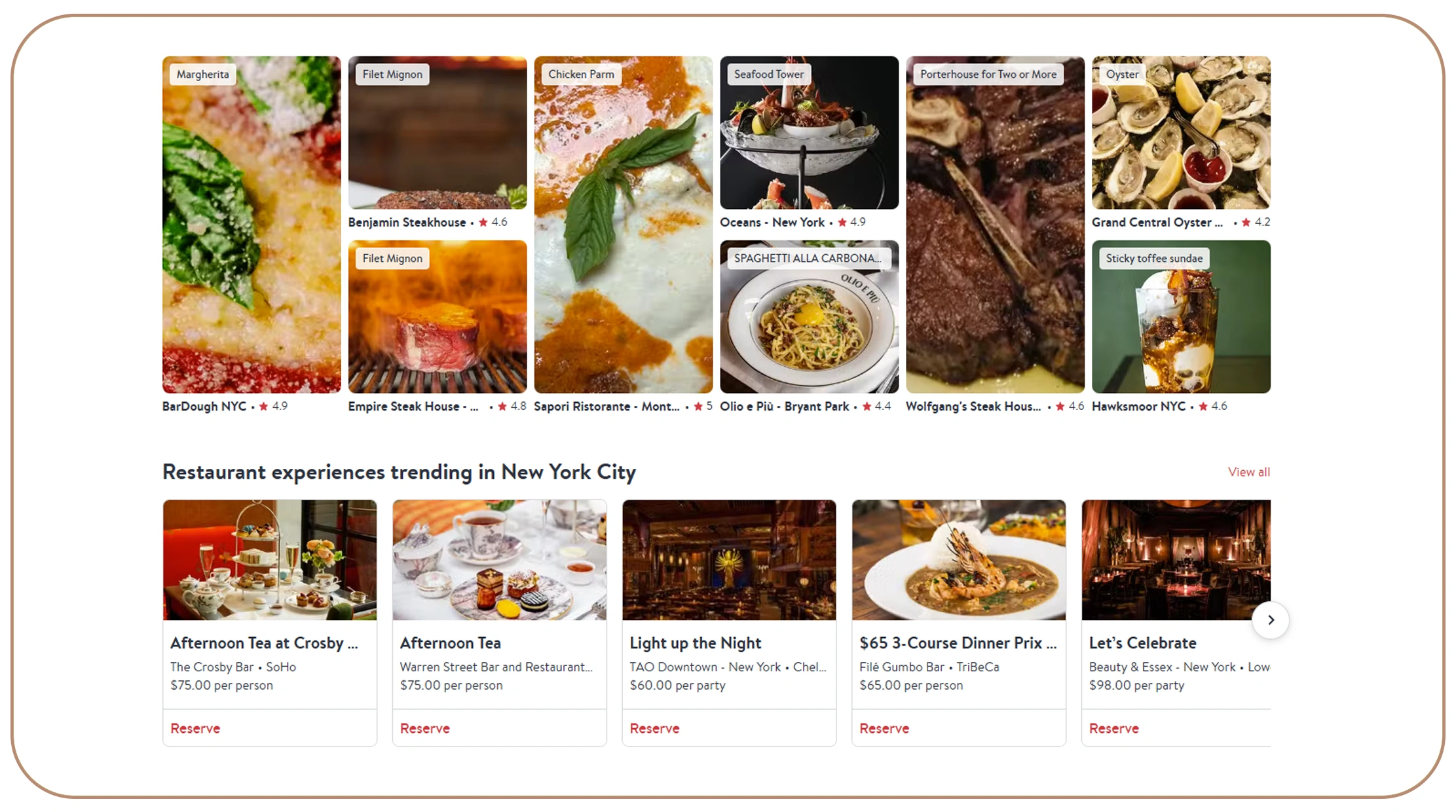
Effective New York restaurant pricing data intelligence scraping begins with identifying which platforms and sources hold the most complete and current menu and pricing data. The NYC food data landscape spans several distinct layers, each contributing a different dimension of insight.
Delivery Platforms
DoorDash, Uber Eats, and Grubhub collectively list the majority of NYC's food service establishments with current menus, item-level pricing, delivery fees, ratings, and promotional offers. These platforms are the primary target for any scrape restaurant menu data in New York for pricing analysis workflow, as they reflect real-time transactional pricing — the prices customers actually pay when ordering today.
Review and Discovery Platforms
Yelp and Google Maps provide complementary data: price tier classifications, customer review volumes and sentiment, popular dish mentions, peak hour patterns, and cuisine categorization. While these platforms do not always expose item-level pricing, their metadata enriches a raw menu dataset significantly — linking pricing data to quality perception, neighborhood context, and competitive standing.
Restaurant Websites and OpenTable
Many NYC restaurants maintain their own websites with published menus, and reservation platforms like OpenTable expose pricing context through tasting menu listings and prix fixe offers. These sources are especially valuable for fine dining and mid-market segment analysis, where delivery platform coverage is less complete.
NYC Open Data
The City of New York's open data portal publishes restaurant health inspection records, licensing data, and establishment type classifications for every food service business in the five boroughs — a valuable enrichment layer for any comprehensive NYC food dataset used in market research.
Tools to Extract Restaurant Menu and Pricing Data in NYC
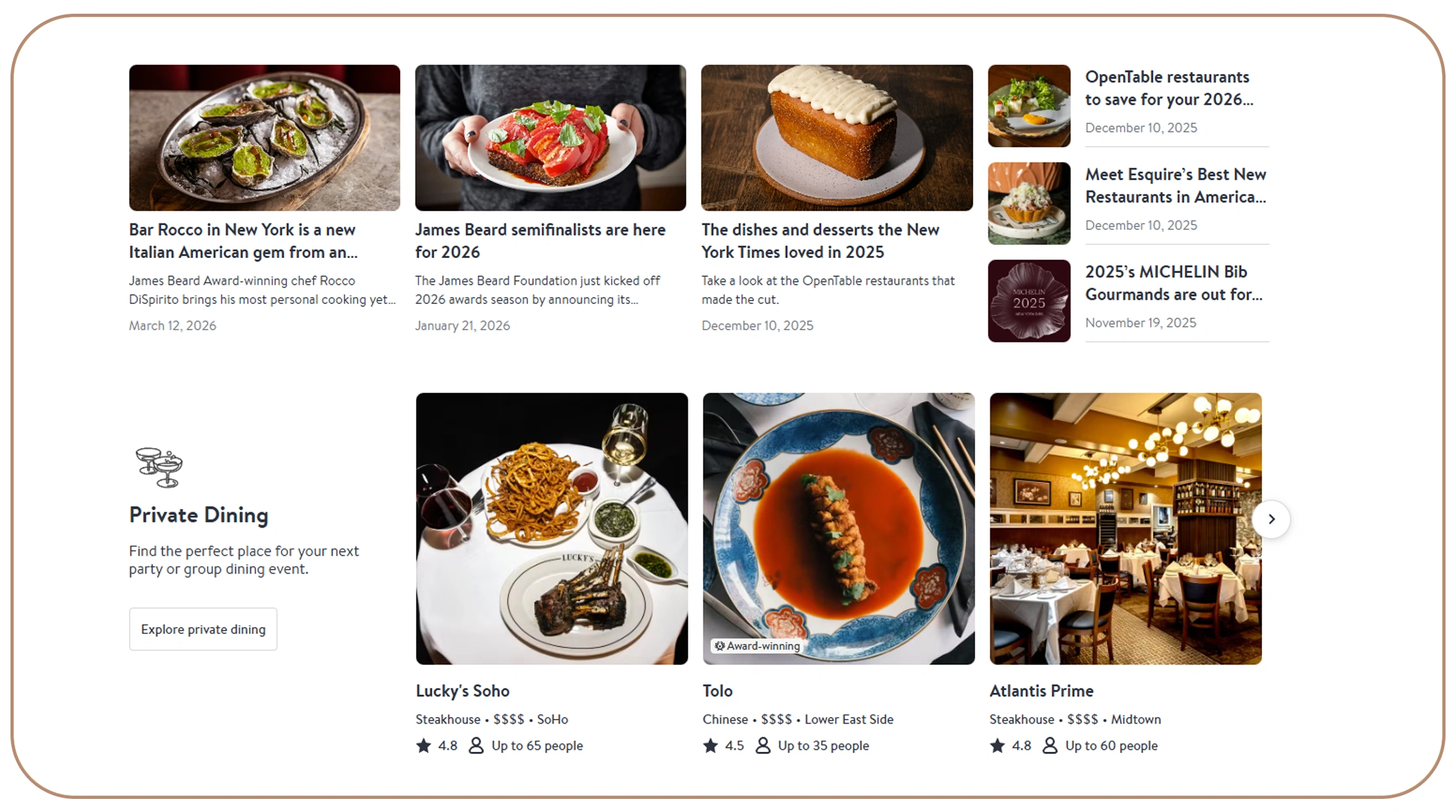
The right tools to extract restaurant menu and pricing data in NYC depend on the scale of the operation, the technical sophistication of the team, and whether the goal is a one-time competitive audit or a continuously refreshed pricing intelligence feed. Here is a practical breakdown of the most effective tools for this market.
Python + Playwright
Browser automation for JavaScript-rendered delivery platforms like DoorDash and Uber Eats, which load menu content dynamically after page initialization.
Scrapy
High-throughput spider framework for crawling large numbers of NYC restaurant pages simultaneously with built-in rate limiting and pipeline management.
BeautifulSoup
Lightweight HTML parser ideal for extracting structured menu data from static restaurant websites and simpler listing pages.
Real Data API
Structured food and restaurant data API with pre-built coverage of NYC menus, pricing benchmarks, and neighborhood-level trends — no scraping infrastructure required.
Actowiz Solutions
Managed end-to-end food data scraping service specializing in large-scale NYC and US restaurant menu extraction for competitive intelligence programs.
Web Data Crawler
Scalable multi-platform crawler configured for continuous extraction of menu prices and listing updates across DoorDash, Yelp, and Grubhub in NYC.
Production-Grade Architecture
For production-grade New York restaurant pricing data intelligence scraper systems — meaning pipelines that refresh continuously and alert operators to competitor price changes as they happen — the most robust architecture combines Playwright for dynamic content rendering with a residential proxy layer and an orchestration tool like Apache Airflow or Prefect for job scheduling and pipeline management.
For production-grade New York restaurant pricing data intelligence scraper systems — meaning pipelines that refresh continuously and alert operators to competitor price changes as they happen — the most robust architecture combines Playwright for dynamic content rendering with a residential proxy layer and an orchestration tool like Apache Airflow or Prefect for job scheduling and pipeline management.
# NYC restaurant menu scraper — item-level price extraction
import asyncio
from playwright.async_api import async_playwright
import pandas as pd, json
async def scrape_nyc_menu(platform_url, neighborhood):
async with async_playwright() as p:
browser = await p.chromium.launch(headless=True)
page = await browser.new_page()
await page.goto(platform_url, wait_until="networkidle")
menu_items = await page.query_selector_all(".menu-item-container")
records = []
for item in menu_items:
name = await item.query_selector(".item-title")
price = await item.query_selector(".item-price")
category = await item.query_selector(".item-category")
records.append({
"neighborhood": neighborhood,
"item": await name.inner_text() if name else None,
"price": await price.inner_text() if price else None,
"category": await category.inner_text() if category else None,
})
await browser.close()
return pd.DataFrame(records)
# Example: scrape menus across two NYC neighborhoods
manhattan = asyncio.run(scrape_nyc_menu("https://example-delivery.com/nyc/midtown-pizza",
"Midtown Manhattan"))
brooklyn = asyncio.run(scrape_nyc_menu("https://example-delivery.com/nyc/williamsburg-pizza",
"Williamsburg"))
combined = pd.concat([manhattan, brooklyn])
combined.to_csv("nyc_menu_pricing_data.csv", index=False)
Competitive Pricing Insights the Data Reveals
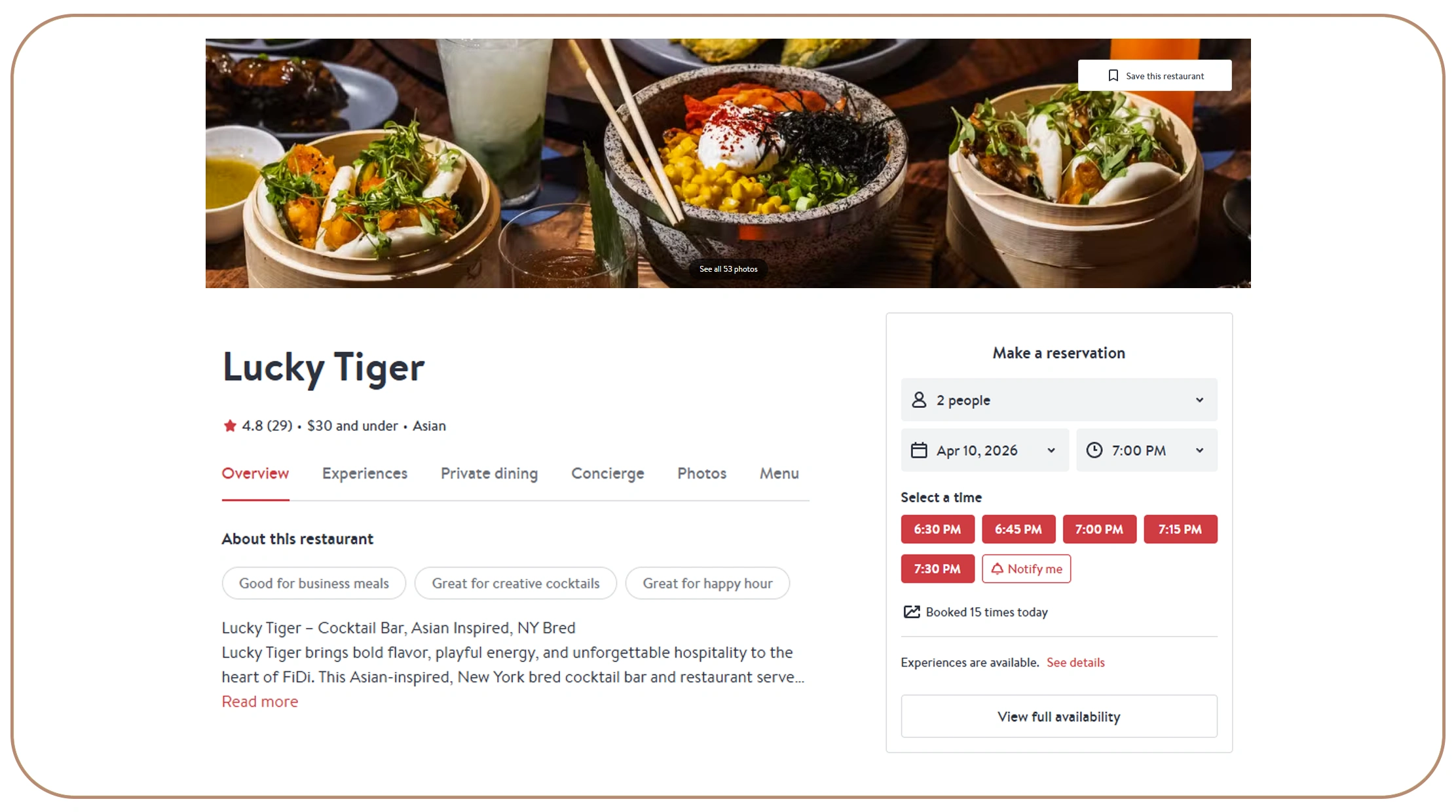
When menu data is scraped systematically across restaurants, neighborhoods, cuisine types, and delivery platforms in New York City, a rich layer of competitive pricing intelligence emerges that is impossible to access any other way. Here are the most impactful insights this data surfaces.
Neighborhood Price Elasticity Mapping – Pricing Strategy
By comparing the same dish type — a chicken sandwich, a margherita pizza, a bowl of pho — across neighborhoods, operators can quantify how much price elasticity exists in their target market. A restaurant considering a $2 price increase in Hell's Kitchen can see exactly how that positions them relative to 40 nearby competitors before making the change.
Cuisine-Level Price Benchmarking – Market Research
Aggregating menu data by cuisine category reveals where pricing norms are tightest and where there is room to command a premium. Japanese cuisine in Manhattan shows notably wider price dispersion than Italian — meaning a well-positioned ramen concept has more pricing headroom than a new trattoria entering an already crowded and price-sensitive segment.
Delivery vs. Dine-In Price Gap Analysis – Platform Intelligence
A significant and often underappreciated insight from NYC menu scraping is the size of the gap between delivery platform prices and in-restaurant prices for the same items. Many NYC operators apply a 15–25% markup on delivery platforms to offset commission fees — but the extent to which competitors do this, and how consumers respond, varies by neighborhood and cuisine type in ways that only systematic data extraction reveals.
Promotional Cadence and Discount Frequency – Competitive Intel
Tracking when and how often competitors run promotional offers — free delivery windows, bundle deals, loyalty discounts — on delivery platforms provides a real-time view of competitive pressure in a given delivery zone. Restaurants that monitor this data can time their own promotions strategically rather than reactively.
NYC Cuisine Pricing Benchmarks by Category
The following benchmarks illustrate the pricing landscape across major cuisine categories in NYC's five boroughs, derived from aggregated menu data across delivery platforms and restaurant websites.
| Cuisine | Avg Entrée (Manhattan) | Avg Entrée (Outer Boroughs) | Price Spread |
|---|---|---|---|
| Japanese / Sushi | $34–$48 | $18–$28 | High |
| Italian / Pizza | $22–$36 | $14–$22 | Medium |
| Mexican / Tacos | $18–$28 | $10–$17 | Medium |
| Chinese / Dim Sum | $16–$26 | $10–$16 | Low–Medium |
| American / Burgers | $20–$32 | $12–$20 | Medium |
| Indian | $18–$30 | $12–$18 | Medium |
Scrape QSR Market Trends in Canada and the USA
While individual restaurant operators benefit enormously from NYC-level menu data, the value of systematic food data scraping scales even further for quick-service restaurant chains operating across multiple US cities and Canadian markets. The ability to scrape QSR market trends in Canada and the USA simultaneously — tracking how the same chain prices its menu differently in New York versus Toronto, or how a regional QSR concept in Chicago prices relative to its NYC expansion — is one of the most powerful applications of large-scale food dataset construction.
Cross-Market QSR Insights Enabled by Menu Scraping
- Menu price differential analysis between US and Canadian locations of the same QSR brand, revealing localization strategy and margin management across markets
- Item availability mapping showing which menu items appear in NYC but not in other US metros — a signal of test market activity and potential national rollout candidates
- LTO (limited-time offer) tracking across chains to identify promotional cycles and competitive timing patterns in the QSR segment
- Calorie and portion size data extraction alongside pricing to compute value-per-calorie metrics that proxy consumer perceived value across competing QSR chains
- Combo and bundle pricing analysis to reveal how chains structure upsell mechanics and average check inflation strategies across different markets
Building a Food Dataset for NYC Pricing Analysis
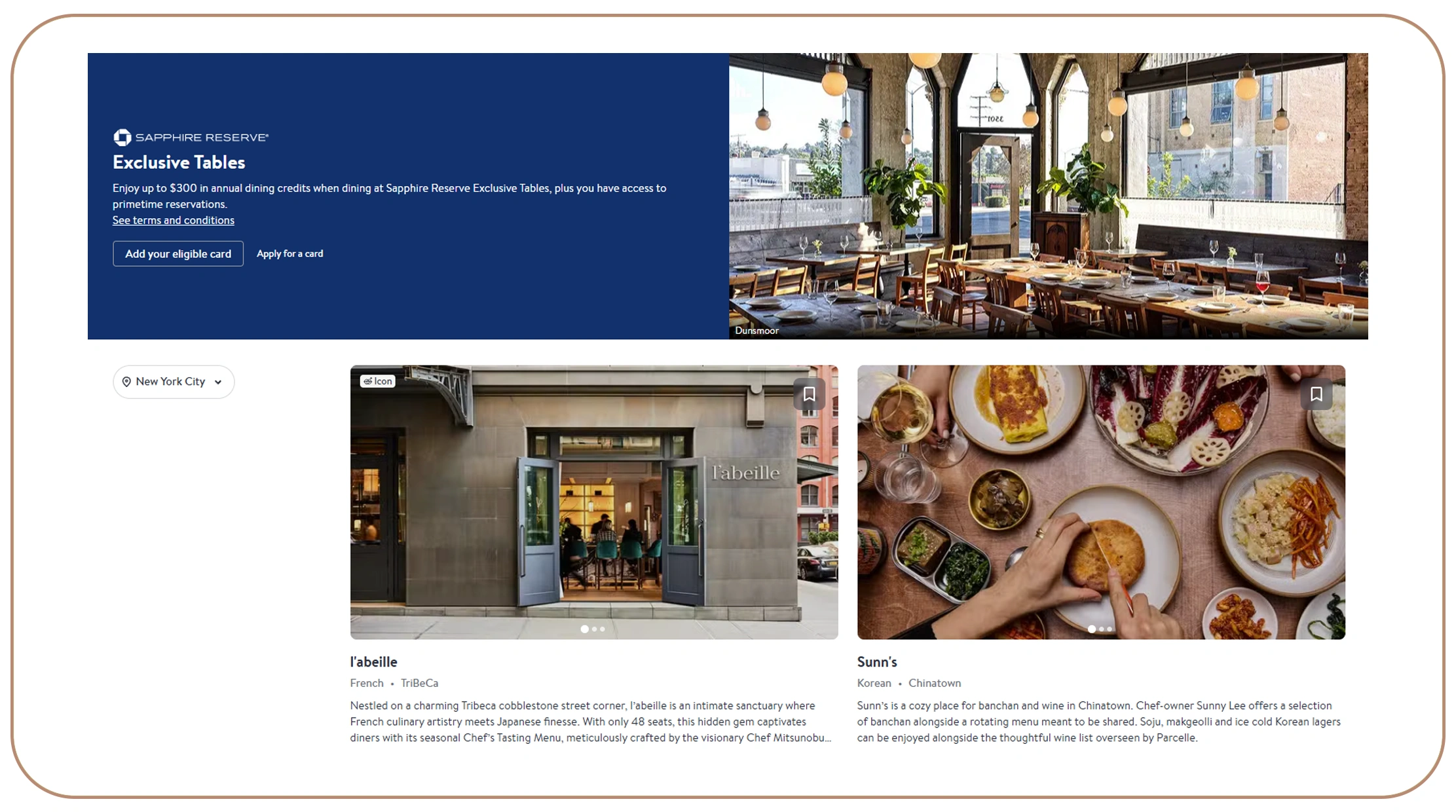
Constructing a comprehensive food dataset purpose-built for New York City competitive pricing analysis requires more than raw scraping. The data must be normalized, enriched, and structured in a way that makes it queryable and comparable across platforms, neighborhoods, cuisine types, and time periods.
A well-designed NYC restaurant food dataset includes: canonical restaurant identifiers that resolve the same establishment across multiple platforms into a single record; item-level price histories with timestamps enabling trend analysis over weeks and months; neighborhood and borough classification using consistent geographic boundaries; cuisine taxonomy applied consistently across all sources; delivery platform fee and markup flags that distinguish platform prices from in-restaurant prices; rating and review count time series for each restaurant; and promotional event markers that log when and where discounts or special offers were observed during scraping runs.
This kind of structured, enriched food dataset is the foundation not just of competitive pricing analysis but of the broader market research program that serious restaurant operators and food industry investors need to make data-driven decisions in the NYC market.
Legal and Ethical Considerations
The legal framework for scraping restaurant menu data in New York for pricing analysis is broadly permissive for publicly visible data. Menu prices, restaurant names, cuisine categories, ratings, and delivery fees published on platforms like DoorDash, Yelp, and Google Maps are publicly accessible and do not constitute private or personally identifiable information. The Ninth Circuit's 2022 ruling in hiQ Labs v. LinkedIn affirmed that scraping publicly available web data does not violate the Computer Fraud and Abuse Act, providing a strong legal foundation for this type of market research activity.
That said, responsible practitioners always review the Terms of Service of each platform before beginning any data collection program, apply reasonable rate limiting to avoid server disruption, refrain from scraping data behind authentication walls, and ensure that collected data is used for market analysis purposes rather than in ways that could harm the restaurants or platforms involved. Using a licensed food data scraping API — rather than direct platform scraping — is often the most compliant and operationally sustainable approach for commercial use cases.
Conclusion: Price Smarter in the City That Never Sleeps
New York City's restaurant market rewards operators who understand their competitive position with precision — and penalizes those who price by intuition alone. With over 27,000 restaurants competing for the attention of millions of diners across five boroughs and every conceivable cuisine category, the margin between a well-priced menu and a mispriced one can be the difference between a thriving business and a struggling one. Web scraping New York restaurant pricing trends, building a structured food dataset from multi-platform menu data, and applying that data systematically to pricing strategy is no longer a capability reserved for large chains with dedicated analytics teams. The tools and APIs available today make it accessible to any restaurant group, franchise operator, or market research firm willing to invest in building a data-driven pricing practice.
For organizations that want the richness of NYC menu pricing intelligence without the complexity of building and maintaining their own scraping infrastructure, Real Data API is the most direct path to that capability. Real Data API provides structured, continuously refreshed access to a comprehensive food dataset spanning restaurant listings, item-level menu prices, delivery platform data, neighborhood-level pricing benchmarks, and QSR market trends across New York City, the broader United States, and Canada. Its food data scraping API is purpose-built for competitive pricing analysis and market research workflows — delivering clean, normalized, query-ready data that eliminates the engineering overhead of multi-platform scraping, deduplication, and schema normalization. Whether the goal is benchmarking your menu against 200 competitors in a specific NYC neighborhood, tracking QSR pricing trends across US and Canadian markets, or building a living competitive intelligence dashboard, Real Data API provides the food dataset infrastructure that makes precision pricing possible.
Real Data API — NYC Restaurant Pricing Intelligence, Ready to Query
Access structured menu data, item-level pricing, delivery platform benchmarks, and neighborhood-level food trends across New York City and beyond. Built for restaurant operators, franchise strategists, and food industry market research teams who need clean, real-time competitive pricing data without building it from scratch.
Pricing figures shown are illustrative estimates based on publicly available market data and are intended for informational purposes only. Always verify against current platform listings. Review each platform's Terms of Service before initiating any data collection program.
Latest posts

How Myntra scraper for online fashion retail analytics Helps Track Trends, Prices, and Product Demand
Web scraping services for real-time market insights - How Businesses Can Track Trends and Competitors
How to Use a Meesho ecommerce scraper 2026 to Analyze Product Listings, Pricing, and Market Opportunities
How a Blinkit scraper for retail market research Helps Brands Track Competitor Pricing and Product Trends






.png)



