Introduction
Businesses increasingly rely on workforce intelligence to understand hiring demand, talent shortages, and evolving recruitment trends. labor market analysis using LinkedIn recruitment data extraction helps organizations track job market movements, identify in-demand skills, and improve workforce planning using real-time hiring insights.
According to workforce analytics reports, more than 900 million professionals actively use LinkedIn, making it one of the largest employment intelligence platforms globally. Companies leverage Linkedin API solutions and recruitment datasets to monitor job postings, analyze labor market trends, and optimize hiring strategies.
HR tech firms, staffing agencies, recruiters, workforce analysts, and enterprise businesses use recruitment intelligence to solve talent acquisition challenges and improve hiring decisions.
| Year | Global Online Job Postings | Remote Job Listings | LinkedIn Hiring Growth |
|---|---|---|---|
| 2020 | 320M | 12% | 9% |
| 2022 | 470M | 28% | 18% |
| 2024 | 620M | 37% | 24% |
| 2026* | 790M | 46% | 31% |
Projected estimates based on digital recruitment industry growth.
How Are Businesses Tracking Workforce Demand Across Industries?

Companies need accurate hiring intelligence to remain competitive in evolving labor markets. hiring market data intelligence using LinkedIn job posting enables businesses to monitor recruitment demand across industries, regions, and job categories.
Recruitment analytics helps organizations identify:
- High-demand job roles
- Industry hiring growth
- Geographic talent shortages
- Salary benchmarking trends
- Employer hiring patterns
- Recruitment seasonality
From 2020 to 2026, digital hiring increased significantly due to remote work adoption, technology expansion, and workforce mobility. Businesses now use recruitment datasets to forecast staffing requirements and optimize workforce planning strategies.
| Industry | Avg Monthly Job Postings 2020 | Avg Monthly Job Postings 2024 |
|---|---|---|
| Technology | 1.2M | 2.8M |
| Healthcare | 820K | 1.7M |
| Finance | 610K | 1.2M |
| Logistics | 430K | 980K |
Companies leverage workforce analytics to improve recruitment efficiency and reduce talent acquisition costs. Labor market intelligence also supports economic forecasting and workforce development planning across industries.
Recruitment trend monitoring helps organizations identify future hiring opportunities before competitors react.
Why Are Skills-Based Recruitment Trends Reshaping Hiring Strategies?
Modern hiring strategies increasingly prioritize skills over traditional qualifications. Businesses use skills-first hiring insights from LinkedIn recruitment data scraper solutions to analyze changing workforce requirements and identify emerging skill demands.
Research indicates that nearly 76% of recruiters now prioritize verified skills and practical experience over degree-based hiring requirements. Companies rely on recruitment data extraction to monitor:
- In-demand technical skills
- Soft skill requirements
- Emerging job competencies
- Industry certification demand
- AI and automation skills growth
- Cross-functional hiring patterns
| Skill Category | 2020 Demand Growth | 2024 Demand Growth | 2026 Projection |
|---|---|---|---|
| AI & Machine Learning | 31% | 58% | 74% |
| Cybersecurity | 22% | 41% | 57% |
| Data Analytics | 27% | 49% | 66% |
| Cloud Computing | 24% | 45% | 61% |
Businesses use these insights to optimize training programs, improve recruitment campaigns, and align workforce development initiatives with market demand.
Skills-based hiring intelligence also helps educational institutions and training providers adapt curriculum strategies to evolving employment needs.
How Is Remote Work Changing Global Recruitment Patterns?

Remote and hybrid employment transformed labor markets between 2020 and 2026. Businesses now Scrape remote and hybrid work trends from LinkedIn job posting data to understand workforce flexibility demands and distributed hiring strategies.
The growth of remote work created new opportunities for global hiring while increasing competition for specialized talent. Companies monitor remote job trends to evaluate:
- Remote hiring growth
- Hybrid work adoption
- International recruitment trends
- Workforce mobility patterns
- Remote salary benchmarks
- Employee location preferences
| Work Model | 2020 Share | 2024 Share | 2026 Projection |
|---|---|---|---|
| Office-Based | 82% | 51% | 43% |
| Hybrid | 12% | 34% | 39% |
| Fully Remote | 6% | 15% | 18% |
Businesses use remote work analytics to redesign workforce strategies and improve employee retention. Recruitment firms also analyze hybrid work trends to help organizations remain competitive in changing labor environments.
Workforce flexibility insights now play a major role in employer branding and recruitment planning across industries.
What Challenges Are Recruiters Facing in Modern Hiring Markets?
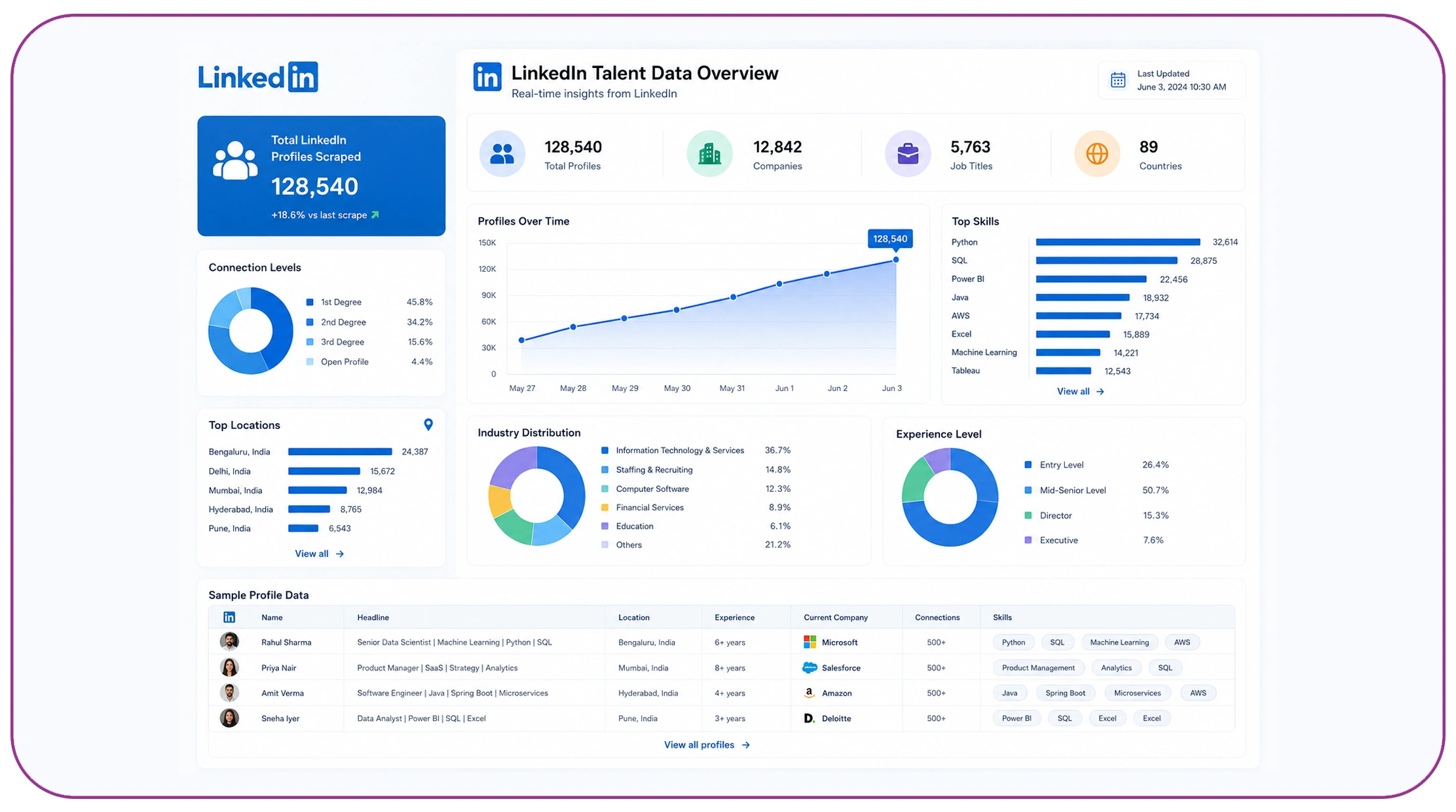
Recruitment professionals face growing competition for skilled talent across industries. Businesses use Web Scraping recruiter behavior and hiring challenges solutions to understand evolving hiring difficulties and recruiter activity patterns.
Modern recruitment challenges include:
- Talent shortages
- High hiring competition
- Increased salary expectations
- Long recruitment cycles
- Skill mismatch issues
- Candidate retention concerns
Studies show that average hiring timelines increased by nearly 28% between 2020 and 2024 for specialized technical roles. Recruitment analytics helps businesses identify hiring bottlenecks and improve talent acquisition efficiency.
| Hiring Challenge | Employer Impact Rate |
|---|---|
| Talent Shortage | 71% |
| Skill Gap Issues | 64% |
| Salary Competition | 58% |
| Employee Retention | 53% |
Organizations leverage recruiter behavior analytics to optimize hiring pipelines and reduce recruitment delays. Staffing agencies also use recruitment intelligence to improve candidate sourcing and employer engagement strategies.
Recruitment automation and workforce analytics continue transforming how businesses solve hiring challenges in competitive labor markets.
Why Are Structured Employment Data Solutions Important for Workforce Analytics?
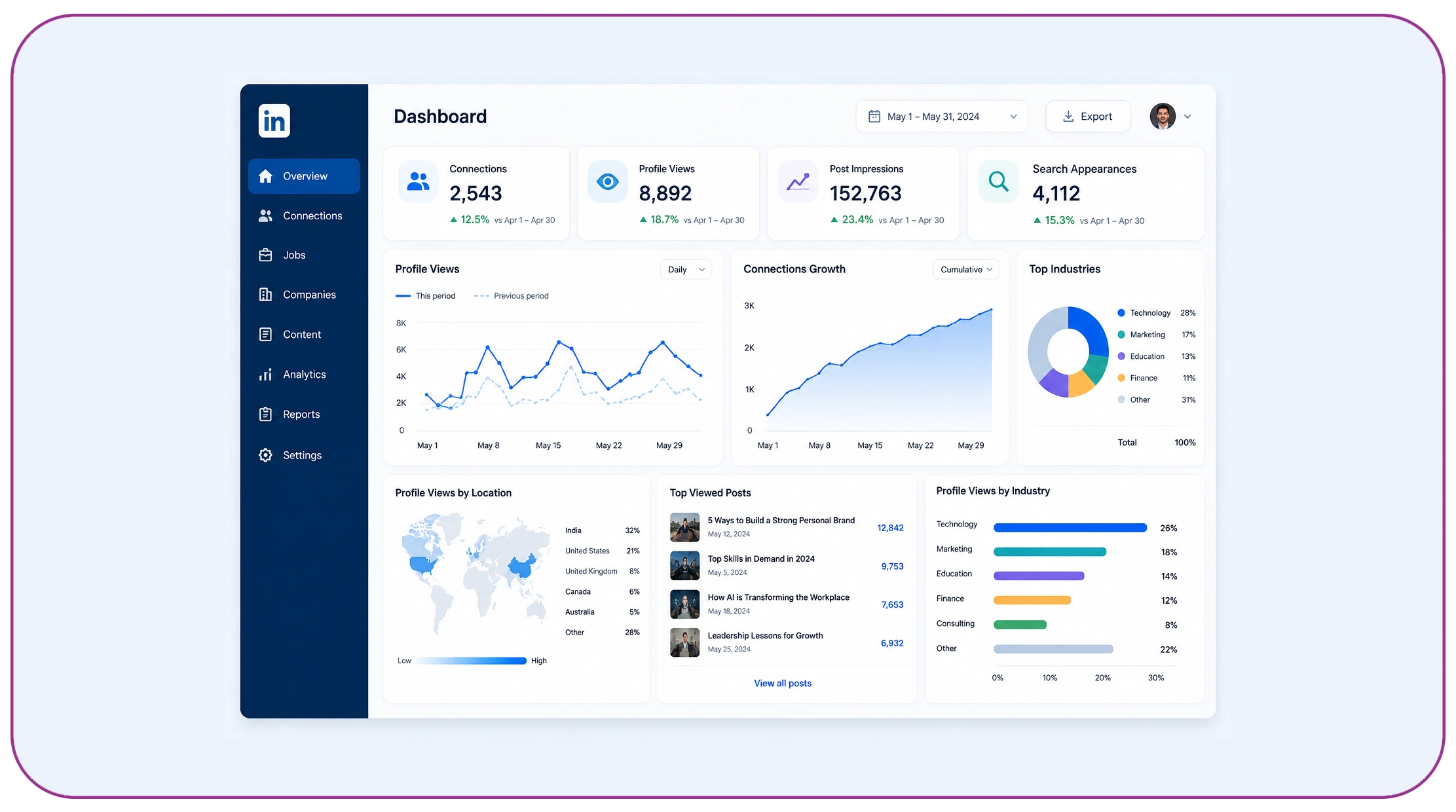
Modern workforce intelligence depends on structured LinkedIn Datasets for labor market forecasting and recruitment analytics. Businesses collect large-scale employment datasets to improve workforce planning and monitor hiring trends more effectively.
Structured recruitment datasets support:
- Job market forecasting
- Salary trend analysis
- Talent supply monitoring
- Industry hiring intelligence
- Workforce mobility tracking
- Recruitment benchmarking
Employment data generation increased rapidly between 2020 and 2026 due to digital hiring growth and online recruitment adoption. Analysts estimate labor market data volume may grow by more than 40% before 2026.
| Dataset Type | Primary Business Use |
|---|---|
| Job Postings | Hiring Forecasting |
| Salary Data | Compensation Benchmarking |
| Skills Data | Workforce Planning |
| Employer Trends | Recruitment Intelligence |
Businesses integrate workforce datasets into AI-powered analytics systems to improve recruitment strategies and identify emerging employment opportunities.
Employment intelligence also supports government labor studies and workforce development initiatives.
How Does Automated Recruitment Intelligence Improve Hiring Decisions?
Businesses increasingly rely on automation tools like LinkedIn Jobs Scraper solutions to collect large-scale recruitment data and improve hiring intelligence. Automated job data extraction provides businesses with accurate, real-time labor market insights.
Automated recruitment intelligence supports:
- Real-time job monitoring
- Competitive hiring analysis
- Employer activity tracking
- Talent demand forecasting
- Industry recruitment benchmarking
- Workforce trend analysis
Research suggests that companies using automated recruitment analytics improve hiring efficiency by up to 38%. Businesses use recruitment scraping tools to reduce manual monitoring efforts while improving workforce forecasting accuracy.
| Year | Companies Using Recruitment Automation |
|---|---|
| 2020 | 34% |
| 2022 | 49% |
| 2024 | 63% |
| 2026* | 77% |
Automated hiring intelligence helps businesses make faster recruitment decisions and improve workforce planning efficiency. Recruitment firms and HR technology providers increasingly depend on scalable employment analytics to remain competitive in fast-changing labor markets.
Workforce automation continues driving smarter talent acquisition strategies across industries.
Why Choose Real Data API?
Real Data API provides scalable recruitment intelligence and workforce analytics solutions for businesses seeking reliable labor market insights. Our Market Research, labor market analysis using LinkedIn recruitment data extraction solutions help organizations collect structured employment data for hiring analysis, workforce planning, and recruitment forecasting.
Benefits of choosing Real Data API include:
- Real-time recruitment data extraction
- Scalable API integration
- Structured workforce datasets
- Job posting analytics
- Salary benchmarking insights
- Recruitment trend monitoring
- Automated labor market intelligence
Our solutions support staffing firms, HR tech companies, recruiters, enterprise businesses, workforce analysts, and market research organizations seeking actionable hiring insights.
Conclusion
Digital recruitment intelligence continues transforming workforce planning and talent acquisition strategies worldwide. Businesses using labor market analysis using LinkedIn recruitment data extraction gain valuable insights into hiring demand, workforce trends, remote work adoption, and emerging skill requirements.
Labor market analytics empowers organizations to improve hiring efficiency, optimize workforce strategies, and stay competitive in rapidly evolving employment markets.
Contact Real Data API today to access scalable recruitment data extraction solutions and unlock powerful labor market intelligence for smarter workforce planning and hiring analytics!
Latest posts
Web Scraping Competitor Product Monitoring Using Marketplace Data for Real-Time E-commerce Insights and Business Growth?
How to Scrape Product Intelligence Platform Using Marketplace Data to Help Brands Optimize Pricing, Inventory, and Product Strategy?
Why Companies scrape business data from Google Maps using keywords to Build Accurate Business Lists and Competitive Insights?
How Review scraping and monitoring services Help Businesses Track Customer Sentiment and Protect Brand Reputation in 2026?
How Real Estate Investment Insights Using RERA Data Scraping Help Investors Minimize Risk and Maximize Returns

Real Data API stands out as one of the premier global companies specializing in web data Scraping and web extraction.





.png)


Rating 4.7
Rating 4.7
Rating 4.5
Rating 4.7
Rating 4.7


Disclaimer : RealData API functions solely as an independent data infrastructure and technology solutions provider. We build customized automation workflows designed to collect publicly accessible web data based exclusively on client instructions. RealData API neither owns proprietary datasets nor engages in the sale or redistribution of extracted information. Our operations are limited strictly to lawful public web data processing and never involve unauthorized access to restricted systems or private networks. Any company names, trademarks, logos, or brand references displayed on this website are used purely for demonstrative and illustrative purposes to showcase our technical capabilities and do not imply endorsement, partnership, or affiliation. Use of our platform and services remains subject to our Terms of Service.