Introduction
Can marketplace data help businesses monitor competitors and improve product development?
Yes. Marketplace data enables businesses to track competitor pricing, product launches, stock availability, customer reviews, and promotional strategies in real time. By automating product intelligence, companies can react faster to market changes, improve merchandising decisions, and strengthen Product Development initiatives. web scraping Competitor product monitoring using marketplace data helps brands collect structured data from major online marketplaces, allowing product managers, retailers, manufacturers, and market researchers to make faster, evidence-based decisions while reducing manual effort.
Industry Insight (2026): Analysts estimate that over 85% of leading e-commerce brands now use automated competitor monitoring tools to optimize pricing, identify new product opportunities, and improve inventory planning. Businesses that leverage marketplace intelligence can respond to competitive changes significantly faster than those relying on manual research.
For e-commerce retailers, manufacturers, D2C brands, marketplace sellers, and market intelligence firms, one of the biggest challenges is keeping pace with rapidly changing product catalogs across multiple online marketplaces. New SKUs, pricing updates, promotional campaigns, and customer preferences evolve every day. Manual tracking is slow and often incomplete. Automated marketplace data collection solves this challenge by delivering accurate, structured, and real-time product intelligence that supports competitive analysis, demand forecasting, pricing optimization, assortment planning, and faster product innovation.
How Can Businesses Stay Ahead of Competitor Product Launches?
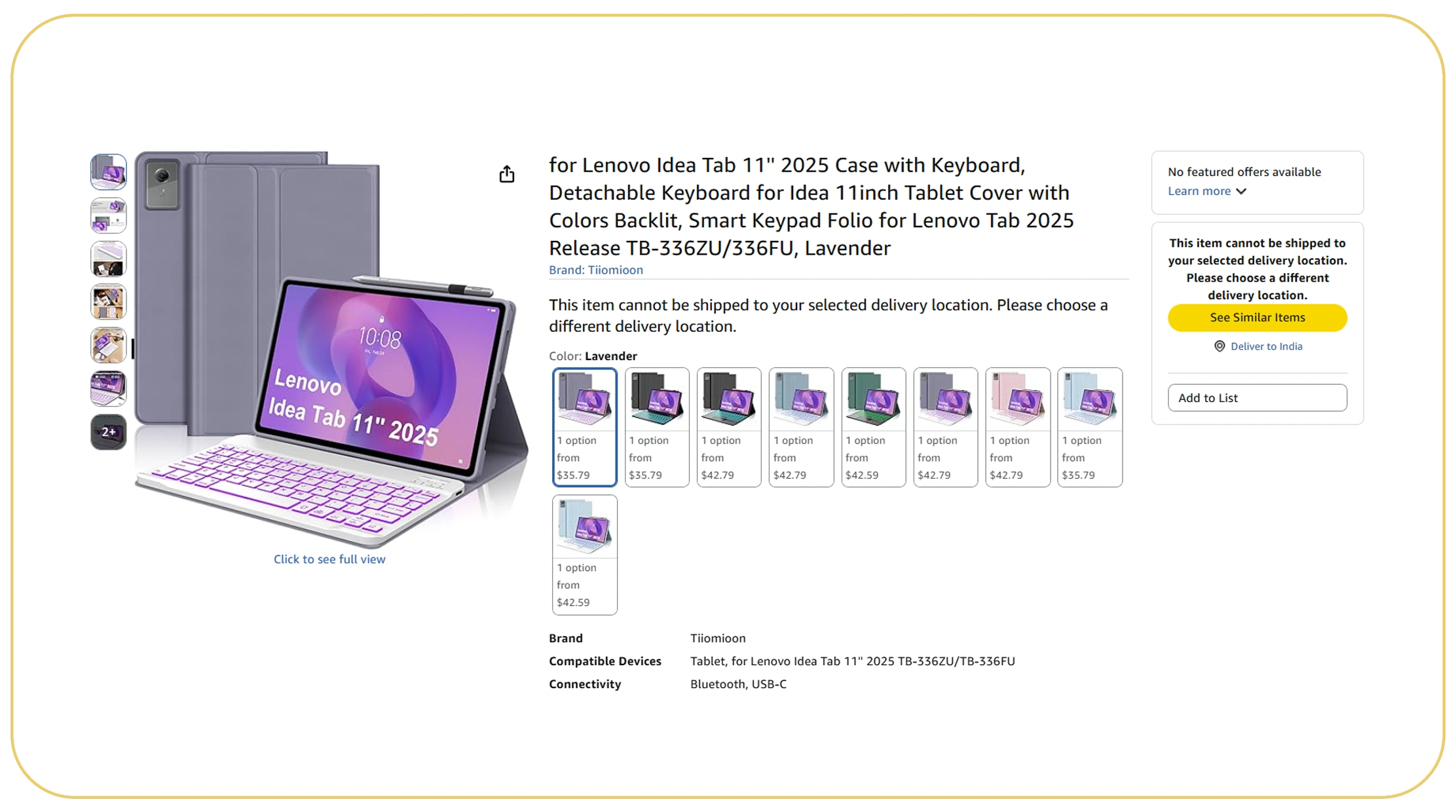
Launching products at the right time requires complete visibility into competitor activities. Businesses that understand when competitors introduce new products, expand categories, or update product assortments gain a strategic advantage in rapidly changing markets.
Organizations increasingly Scrape new product launches online to monitor product listings across leading marketplaces. Combined with web scraping Competitor product monitoring using marketplace data, businesses receive continuous updates whenever competitors launch new SKUs, modify product descriptions, introduce new variants, or expand into additional categories. Instead of relying on manual website visits, automated monitoring delivers accurate intelligence in real time.
According to industry observations, companies that actively monitor competitor launches often identify emerging market opportunities much earlier, enabling them to accelerate innovation and improve go-to-market strategies.
Key benefits include:
- Detect new product launches instantly.
- Monitor new SKU additions.
- Track category expansion.
- Identify seasonal product introductions.
- Compare launch timing.
- Monitor pricing strategies.
- Analyze product assortment changes.
- Detect discontinued products.
- Improve innovation planning.
- Support faster business decisions.
Marketplace Product Launch Trends (2020–2026)
| Year | New Products Tracked (Million) | Businesses Using Automated Monitoring | Detection Accuracy |
|---|---|---|---|
| 2020 | 18 | 29% | 86% |
| 2021 | 22 | 37% | 89% |
| 2022 | 28 | 46% | 91% |
| 2023 | 36 | 57% | 93% |
| 2024 | 45 | 68% | 95% |
| 2025 | 58 | 79% | 97% |
| 2026* | 73 | 88% | 98% |
*Illustrative industry estimates based on global e-commerce growth trends.
Automated product launch intelligence also supports category managers and merchandising teams by highlighting shifts in consumer demand across different marketplaces. Businesses can compare competitor launch frequency, evaluate innovation cycles, identify white-space opportunities, and prioritize product investments based on verified marketplace activity. Continuous monitoring enables organizations to make proactive decisions instead of reacting after competitors establish market dominance.
Why Is Automated Product Intelligence Essential for Modern Retail?
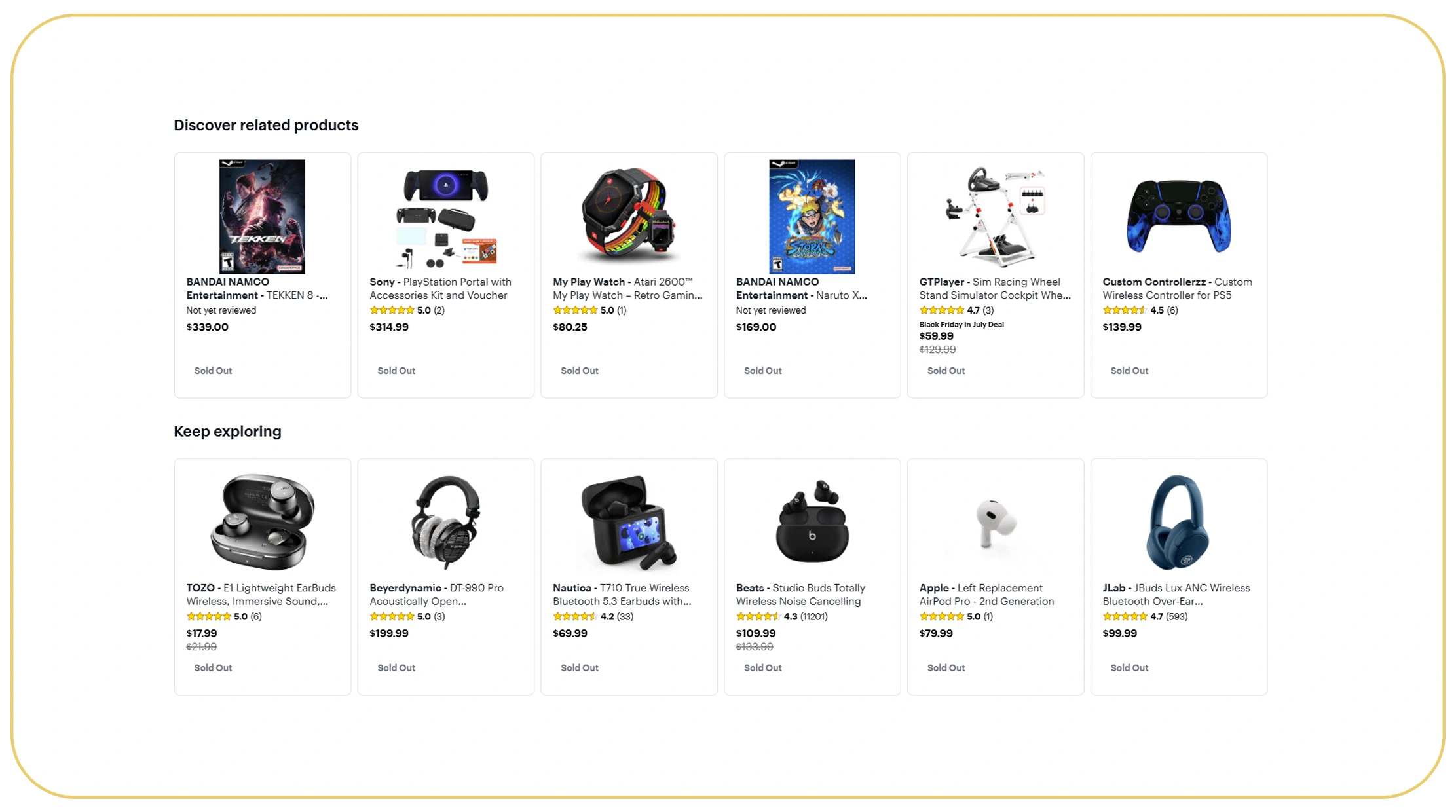
Modern online marketplaces introduce thousands of product updates every hour. Monitoring these changes manually is nearly impossible, especially for businesses operating across multiple regions, brands, and marketplaces.
This is why organizations increasingly invest in Competitor product launch data scraping services to automate product discovery, catalog monitoring, pricing analysis, and competitor intelligence. Automated scraping systems continuously collect structured information from e-commerce platforms, helping businesses monitor launches, compare product portfolios, and identify competitive threats without manual intervention.
Industry studies suggest that companies adopting automated competitor intelligence reduce research time by more than 75% while improving decision-making speed and market responsiveness.
Advantages of automation
- Continuous marketplace monitoring
- Faster product discovery
- Automated SKU identification
- Real-time catalog updates
- Better pricing intelligence
- Improved assortment planning
- Competitive opportunity detection
- Reduced manual workload
- Scalable market coverage
- Faster strategic decision-making
Automation Adoption in E-commerce Intelligence (2020–2026)
| Year | Retailers Using Automation | Product Catalogs Monitored | Average Time Saved |
|---|---|---|---|
| 2020 | 24% | 4 Million | 27% |
| 2021 | 32% | 6 Million | 35% |
| 2022 | 43% | 9 Million | 48% |
| 2023 | 56% | 13 Million | 61% |
| 2024 | 68% | 18 Million | 72% |
| 2025 | 79% | 25 Million | 80% |
| 2026* | 89% | 34 Million | 86% |
*Illustrative industry estimates based on digital commerce automation trends.
Automation not only improves efficiency but also increases data consistency across multiple marketplaces. Product managers can compare catalogs from Amazon, Walmart, Flipkart, eBay, Shopify stores, and other e-commerce platforms using standardized datasets. Marketing teams gain visibility into promotional campaigns, while inventory planners identify fast-moving categories before demand peaks. As AI-powered analytics continue to evolve, automated marketplace intelligence enables businesses to respond more quickly to changing customer preferences, optimize product portfolios, and maintain a sustainable competitive advantage in an increasingly dynamic digital retail environment.
How Can Businesses Detect New Products Before Competitors React?
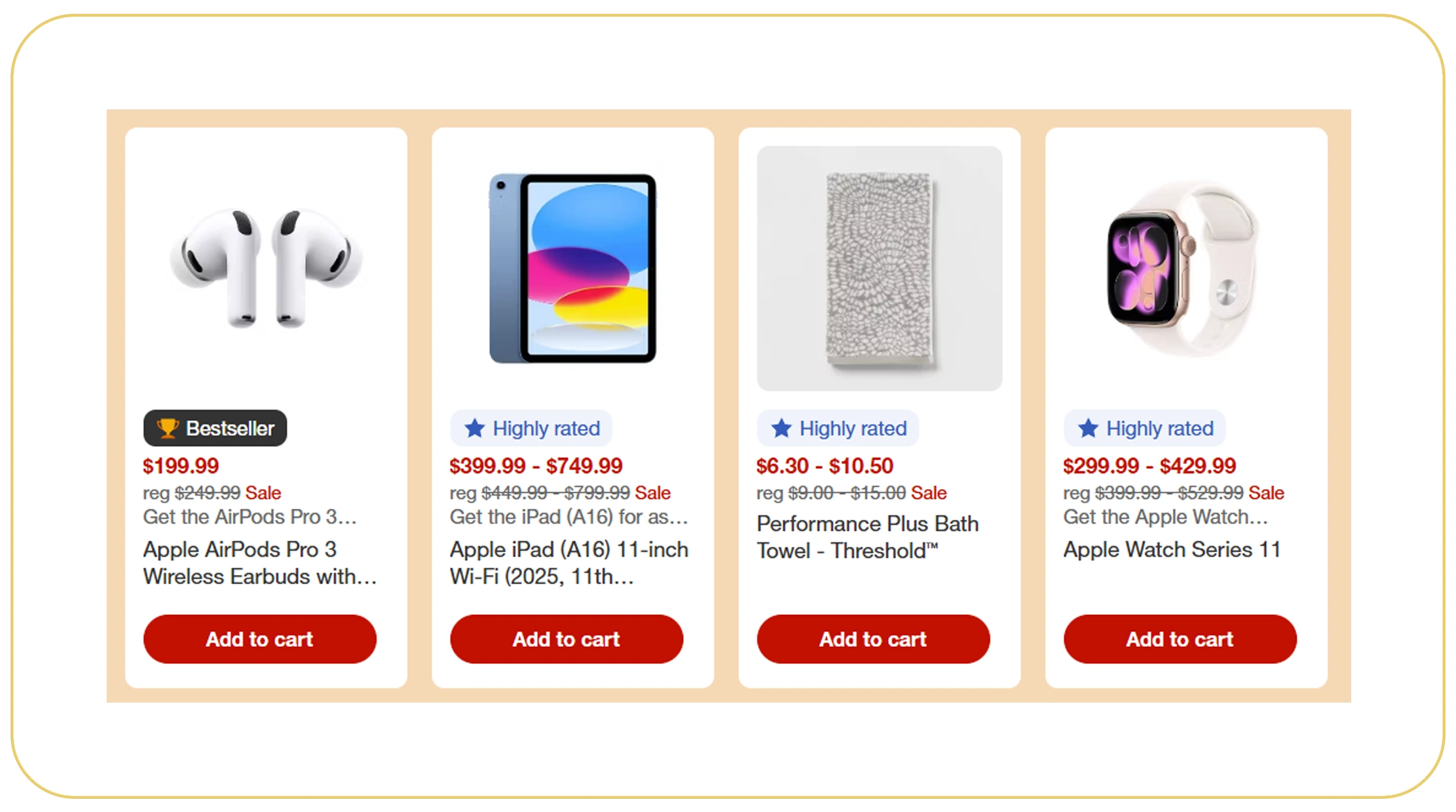
Speed is a competitive advantage in e-commerce. Businesses that identify new products as soon as they appear on online marketplaces can respond faster with pricing updates, promotional campaigns, inventory planning, and product innovation. Waiting days or weeks to discover competitor launches can result in lost sales and missed market opportunities.
Modern data intelligence platforms enable Real-time new product launch detection by continuously scanning marketplace listings, product catalogs, seller pages, and category updates. Instead of conducting manual searches, automated systems identify new SKUs, product variants, bundle offers, limited editions, and seasonal launches within minutes of publication. This allows brands to make informed decisions using fresh marketplace intelligence.
According to industry reports, companies using automated launch detection improve response times by more than 60% compared to businesses relying on manual competitor research.
Benefits of real-time detection
- Identify newly listed products instantly.
- Monitor category expansion.
- Detect limited-edition launches.
- Track seasonal collections.
- Compare launch timing across competitors.
- Analyze new product descriptions.
- Monitor marketplace exclusives.
- Improve demand forecasting.
- Support inventory planning.
- Accelerate product innovation.
Real-Time Product Detection Growth (2020–2026)
| Year | New SKUs Detected (Million) | Automated Monitoring Adoption | Average Detection Time |
|---|---|---|---|
| 2020 | 15 | 26% | 48 Hours |
| 2021 | 20 | 34% | 30 Hours |
| 2022 | 27 | 45% | 18 Hours |
| 2023 | 35 | 57% | 10 Hours |
| 2024 | 46 | 68% | 5 Hours |
| 2025 | 60 | 79% | 2 Hours |
| 2026* | 76 | 89% | Under 1 Hour |
*Illustrative industry estimates based on marketplace automation trends.
Real-time monitoring also enables marketing teams to adjust promotional campaigns before competitors gain momentum. Product development teams can study emerging categories, identify design trends, and evaluate customer demand through marketplace activity. Retailers benefit from early visibility into competing assortments, helping them optimize stock allocation and launch schedules. As marketplaces continue expanding globally, continuous product detection has become an essential capability for businesses seeking sustainable growth and faster competitive responses.
How Can Businesses Measure Their Position Against Competitors?

Understanding competitor performance requires more than tracking prices. Businesses must compare product assortments, customer ratings, reviews, promotions, inventory availability, seller performance, and marketplace visibility to make informed strategic decisions.
This is where Competitive Benchmarking becomes a critical business process. Marketplace intelligence enables organizations to evaluate how their products perform relative to competitors across multiple dimensions. Instead of relying on assumptions, businesses use structured data to identify strengths, weaknesses, market gaps, and emerging opportunities.
Industry analysts estimate that organizations implementing comprehensive competitive benchmarking improve pricing accuracy, merchandising effectiveness, and product positioning significantly faster than companies relying solely on manual analysis.
Key benchmarking metrics include:
- Product assortment comparison
- Pricing analysis
- Discount monitoring
- Customer rating comparison
- Review sentiment analysis
- Stock availability tracking
- Marketplace ranking
- Seller performance evaluation
- Product feature comparison
- Category market share analysis
Competitive Intelligence Adoption (2020–2026)
| Year | Businesses Performing Benchmarking | Products Compared (Million) | Analytics Maturity |
|---|---|---|---|
| 2020 | 31% | 8 | Basic |
| 2021 | 40% | 11 | Developing |
| 2022 | 50% | 16 | Intermediate |
| 2023 | 61% | 23 | Advanced |
| 2024 | 72% | 31 | Advanced |
| 2025 | 82% | 42 | AI-Driven |
| 2026* | 91% | 57 | Predictive |
*Illustrative industry estimates based on global e-commerce intelligence trends.
Competitive benchmarking also supports executive decision-making by providing measurable performance indicators across multiple marketplaces. Category managers can compare portfolio strength, merchandising teams can evaluate promotional effectiveness, and product managers can identify underserved customer needs. Integrating marketplace data with internal sales metrics creates a complete competitive intelligence ecosystem that supports strategic planning, revenue growth, and continuous product improvement. Businesses using data-driven benchmarking are better positioned to respond quickly to changing market dynamics while strengthening long-term competitive performance.
How Can Businesses Continuously Track Competitor Innovation?
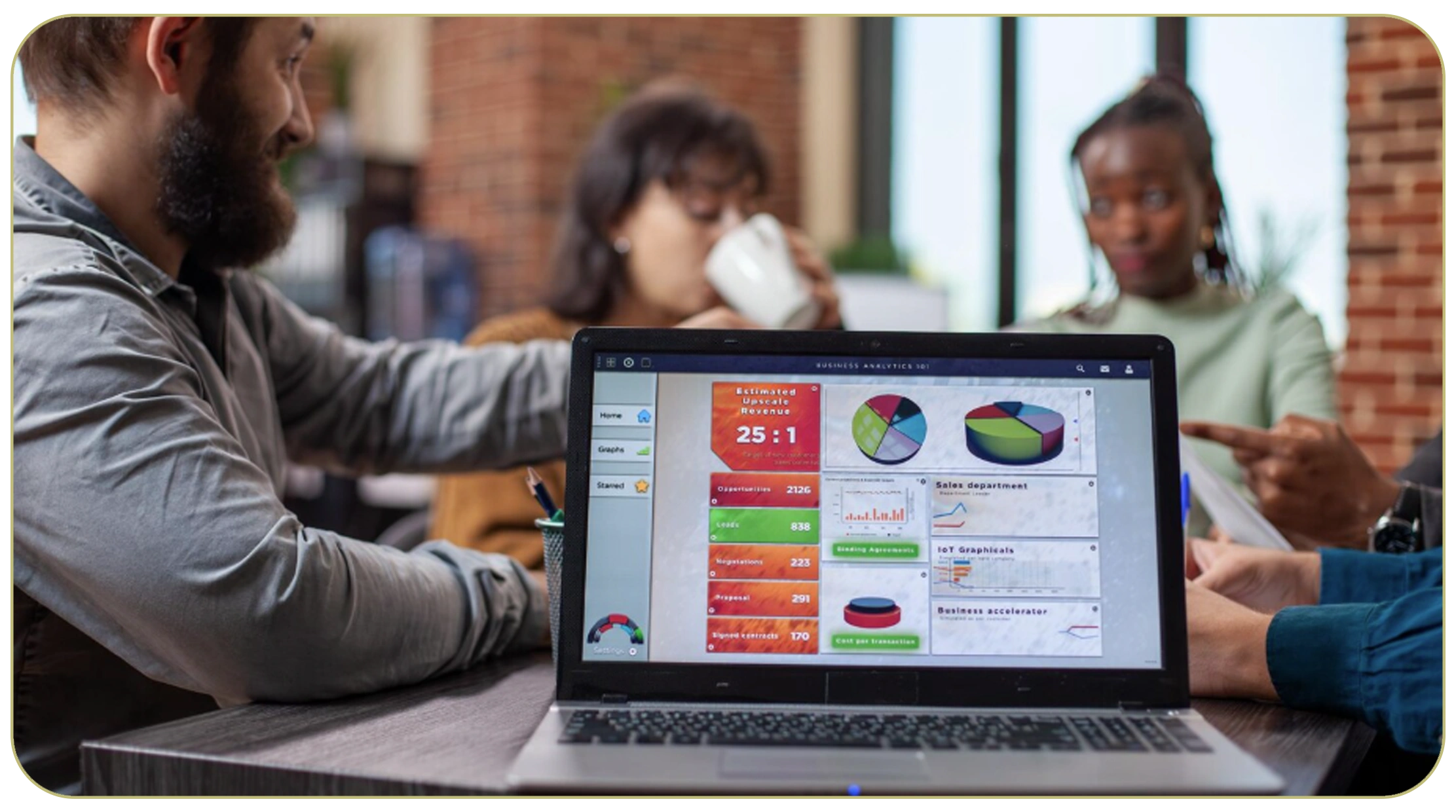
Successful brands do not wait for quarterly market reports to understand competitor strategies. They monitor product launches as they happen. Continuous tracking helps businesses identify emerging trends, anticipate customer demand, and respond with better products, pricing, and marketing campaigns.
Organizations increasingly Monitor New Product Launches Using Web Scraping to automate competitor intelligence across multiple online marketplaces. Instead of manually checking thousands of product pages, businesses receive structured updates whenever competitors introduce new SKUs, discontinue products, change specifications, or expand into new categories. This enables product managers and category teams to make proactive decisions backed by real-time marketplace intelligence.
Industry analysts estimate that companies using continuous marketplace monitoring improve new product planning by over 40% while reducing the time required for competitive research.
Benefits of continuous monitoring
- Track competitor innovation pipelines.
- Identify category expansion opportunities.
- Detect new product variants.
- Monitor product lifecycle changes.
- Compare launch frequency.
- Analyze assortment growth.
- Track promotional campaigns.
- Evaluate pricing strategies.
- Improve forecasting accuracy.
- Support strategic planning.
Marketplace Monitoring Growth (2020–2026)
| Year | Products Monitored (Million) | Businesses Using Continuous Monitoring | Average Update Frequency |
|---|---|---|---|
| 2020 | 21 | 30% | Weekly |
| 2021 | 27 | 39% | Every 3 Days |
| 2022 | 35 | 50% | Daily |
| 2023 | 46 | 61% | Every 12 Hours |
| 2024 | 60 | 72% | Every 6 Hours |
| 2025 | 77 | 82% | Hourly |
| 2026* | 96 | 91% | Near Real Time |
*Illustrative industry estimates based on e-commerce automation and marketplace intelligence trends.
Continuous monitoring also supports inventory optimization and demand forecasting. Retailers can identify high-growth product categories before competitors react, while manufacturers gain visibility into changing consumer preferences. Marketing teams can align promotional campaigns with marketplace trends, helping businesses launch products at the right time. As online marketplaces continue expanding, automated competitor monitoring has become an essential capability for organizations seeking sustainable growth and long-term competitive advantage.
How Can End-to-End Data Extraction Improve Competitive Intelligence?

Modern businesses require more than occasional competitor reports. They need scalable data pipelines that continuously collect, process, and analyze marketplace information from multiple sources. Automated extraction transforms raw marketplace listings into structured intelligence that supports pricing decisions, product strategy, merchandising, and executive planning.
Professional Web Scraping Services combined with web scraping Competitor product monitoring using marketplace data enable businesses to monitor millions of products across marketplaces in real time. These solutions automate the collection of product titles, descriptions, pricing, discounts, stock availability, ratings, reviews, seller information, specifications, and promotional campaigns. The resulting datasets can be integrated into BI dashboards, AI models, ERP systems, and analytics platforms.
Research indicates that organizations implementing enterprise-grade marketplace intelligence improve operational efficiency while significantly reducing manual data collection costs.
Key datasets collected
- Product catalog information
- SKU-level pricing
- Inventory availability
- Customer ratings
- Product reviews
- Seller performance
- Promotional offers
- Product specifications
- Category rankings
- Historical pricing trends
Enterprise Marketplace Intelligence Growth (2020–2026)
| Year | Companies Using Enterprise Scraping | Products Processed (Million) | AI Integration |
|---|---|---|---|
| 2020 | 1,350 | 30 | 15% |
| 2021 | 1,920 | 41 | 22% |
| 2022 | 2,740 | 56 | 33% |
| 2023 | 3,860 | 76 | 46% |
| 2024 | 5,180 | 101 | 59% |
| 2025 | 6,850 | 132 | 71% |
| 2026* | 8,900 | 170 | 84% |
*Illustrative industry estimates based on enterprise analytics adoption.
Enterprise marketplace intelligence enables organizations to combine competitor monitoring with pricing optimization, assortment planning, demand forecasting, and customer sentiment analysis. Product managers gain a comprehensive view of market dynamics, executives receive accurate performance dashboards, and data science teams develop predictive models using continuously updated marketplace information. As AI-driven commerce continues to evolve, automated web scraping will remain one of the most valuable technologies for achieving sustainable competitive growth.
Why Choose Real Data API?
Real Data API delivers enterprise-grade marketplace intelligence solutions that help businesses monitor competitors, analyze product catalogs, optimize pricing, and improve strategic decision-making. Our scalable web scraping infrastructure is designed to support manufacturers, retailers, D2C brands, marketplace sellers, consulting firms, and market research organizations.
With web scraping Competitor product monitoring using marketplace data, our solutions automate data collection from leading online marketplaces and convert complex product information into structured, actionable datasets. Businesses receive real-time access to pricing, inventory, promotions, product launches, seller performance, customer reviews, and category insights through customized APIs and data delivery pipelines.
Why businesses trust Real Data API
- Enterprise-scale marketplace data extraction
- Real-time competitor monitoring
- Automated product launch tracking
- SKU-level pricing intelligence
- Historical product datasets
- AI-ready structured data
- Custom APIs and integrations
- High data accuracy and reliability
- Secure and scalable infrastructure
- Dedicated technical support
Whether your objective is pricing optimization, product innovation, competitive benchmarking, or market intelligence, Real Data API provides accurate, timely, and customizable data solutions that support confident business decisions.
Conclusion
The e-commerce marketplace evolves every minute. New products appear, prices change, promotions launch, and customer preferences shift continuously. Businesses that rely on manual competitor research often struggle to keep pace with these rapid changes.
By adopting web scraping Competitor product monitoring using marketplace data, organizations gain real-time visibility into competitor strategies, product launches, pricing movements, inventory changes, and customer sentiment. This enables smarter product development, better pricing decisions, improved demand forecasting, and stronger competitive positioning.
As marketplace competition intensifies, automated data intelligence is no longer optional—it is a strategic necessity for sustainable business growth.
Ready to gain real-time competitor intelligence and accelerate business growth? Contact Real Data API today for customized marketplace web scraping solutions that deliver accurate, scalable, and actionable e-commerce insights!
Latest posts

Web Scraping Competitor Product Monitoring Using Marketplace Data for Real-Time E-commerce Insights and Business Growth?
How to Scrape Product Intelligence Platform Using Marketplace Data to Help Brands Optimize Pricing, Inventory, and Product Strategy?

Why Companies scrape business data from Google Maps using keywords to Build Accurate Business Lists and Competitive Insights?
How Review scraping and monitoring services Help Businesses Track Customer Sentiment and Protect Brand Reputation in 2026?

How Real Estate Investment Insights Using RERA Data Scraping Help Investors Minimize Risk and Maximize Returns

Real Data API stands out as one of the premier global companies specializing in web data Scraping and web extraction.





.png)


Rating 4.7
Rating 4.7
Rating 4.5
Rating 4.7
Rating 4.7


Disclaimer : RealData API functions solely as an independent data infrastructure and technology solutions provider. We build customized automation workflows designed to collect publicly accessible web data based exclusively on client instructions. RealData API neither owns proprietary datasets nor engages in the sale or redistribution of extracted information. Our operations are limited strictly to lawful public web data processing and never involve unauthorized access to restricted systems or private networks. Any company names, trademarks, logos, or brand references displayed on this website are used purely for demonstrative and illustrative purposes to showcase our technical capabilities and do not imply endorsement, partnership, or affiliation. Use of our platform and services remains subject to our Terms of Service.