Introduction
In today’s highly competitive retail ecosystem, brands must react quickly to changing consumer preferences, competitor activities, and emerging product trends. Businesses that successfully monitor new product launches using web scraping gain a major advantage by accessing real-time intelligence about newly released products, pricing changes, stock availability, and category trends across multiple online platforms.
Modern retailers and manufacturers rely heavily on automated data extraction to strengthen inventory planning, improve forecasting accuracy, and streamline Product Development strategies. Without automated monitoring systems, companies often struggle with delayed market visibility, inaccurate stock decisions, and missed opportunities caused by manual tracking limitations.
Web scraping technology enables organizations to collect structured product data from eCommerce stores, marketplaces, and brand websites at scale. This data helps businesses identify new launches instantly, optimize inventory management, improve competitive positioning, and respond faster to market shifts between 2020 and 2026.
As retail competition intensifies, automated product launch intelligence is becoming essential for brands seeking sustainable growth and operational efficiency.
Staying Ahead of Retail Expansion Trends
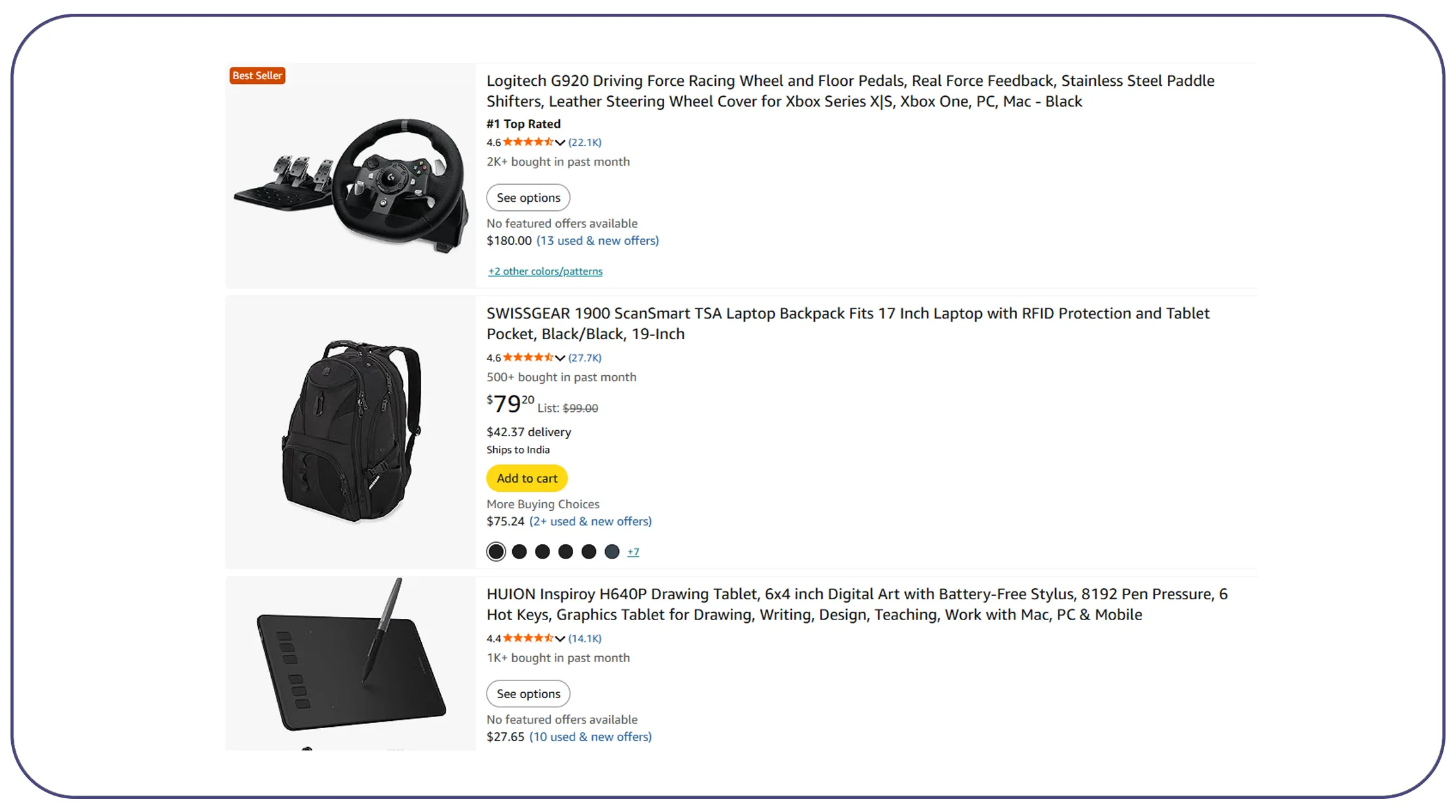
Retailers face increasing pressure to track thousands of products launched daily across online marketplaces and direct-to-consumer websites. Businesses that fail to identify new products quickly often struggle with inventory shortages, pricing mismatches, and delayed product reactions. To overcome these challenges, companies now Scrape new ecommerce product launches across retailers to improve visibility into market trends and inventory planning.
Between 2020 and 2026, global eCommerce sales are projected to grow significantly, increasing the number of product releases across categories such as electronics, fashion, FMCG, and beauty. Retail brands require automated systems capable of continuously monitoring new product activity across multiple channels.
Brands using web scraping gain faster access to competitor assortments, promotional strategies, and product lifecycle data. This enables inventory teams to optimize stock allocation, reduce dead inventory risks, and improve forecasting accuracy. Retailers can also identify gaps in competitor catalogs and launch similar or differentiated products faster.
Global eCommerce Product Growth (2020-2026)
| Year | Estimated New Product Listings (Millions) | Retail Growth Rate |
|---|---|---|
| 2020 | 120 | 12% |
| 2021 | 145 | 15% |
| 2022 | 172 | 18% |
| 2023 | 205 | 19% |
| 2024 | 240 | 21% |
| 2025 | 278 | 23% |
| 2026 | 320 | 25% |
Automated launch monitoring provides retailers with the intelligence needed to stay competitive in rapidly evolving markets.
Strengthening Marketplace Intelligence Operations
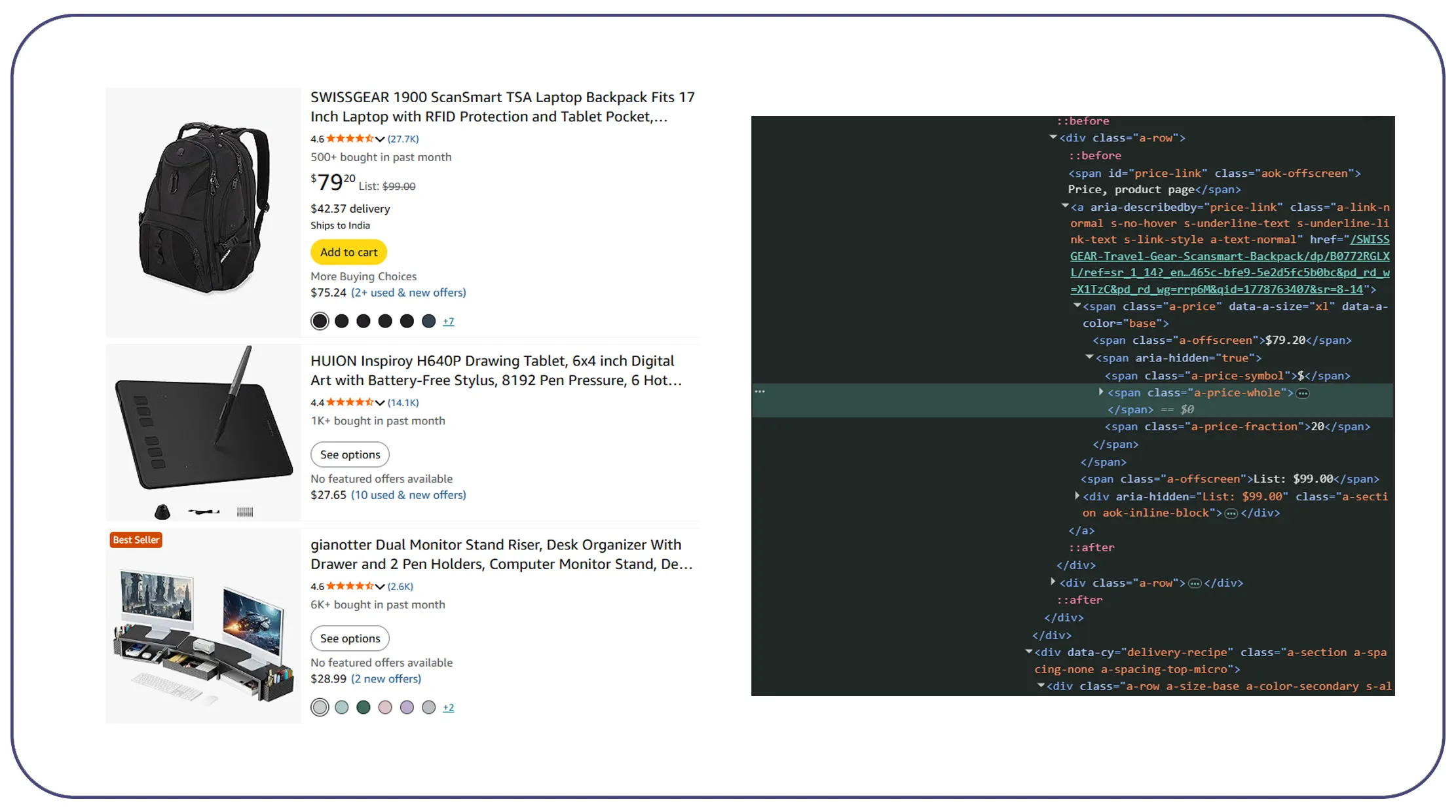
Online marketplaces such as Amazon, Walmart, Shopify, and eBay introduce millions of new products every year. Manually tracking these listings is nearly impossible for inventory and analytics teams. Companies now Extract new product release data across ecommerce marketplaces to gain comprehensive visibility into competitor launches and category performance.
Marketplace intelligence helps businesses monitor price fluctuations, identify trending SKUs, and evaluate competitor expansion strategies. Brands can use scraped data to improve replenishment cycles, optimize warehouse planning, and forecast future product demand with higher precision.
From 2020 to 2026, marketplace-driven product launches have increased rapidly due to growing third-party seller ecosystems and global cross-border commerce. Businesses leveraging automated scraping systems can identify high-performing product categories early and adjust inventory allocation strategies accordingly.
Marketplace Product Launch Expansion
| Year | Marketplace Product Releases | Third-Party Seller Growth |
|---|---|---|
| 2020 | 85 Million | 10% |
| 2021 | 110 Million | 13% |
| 2022 | 138 Million | 16% |
| 2023 | 170 Million | 18% |
| 2024 | 205 Million | 21% |
| 2025 | 248 Million | 24% |
| 2026 | 295 Million | 27% |
Businesses equipped with automated marketplace intelligence can reduce stockouts, improve product assortment planning, and strengthen competitive positioning in dynamic retail environments.
Detecting Inventory Opportunities Faster
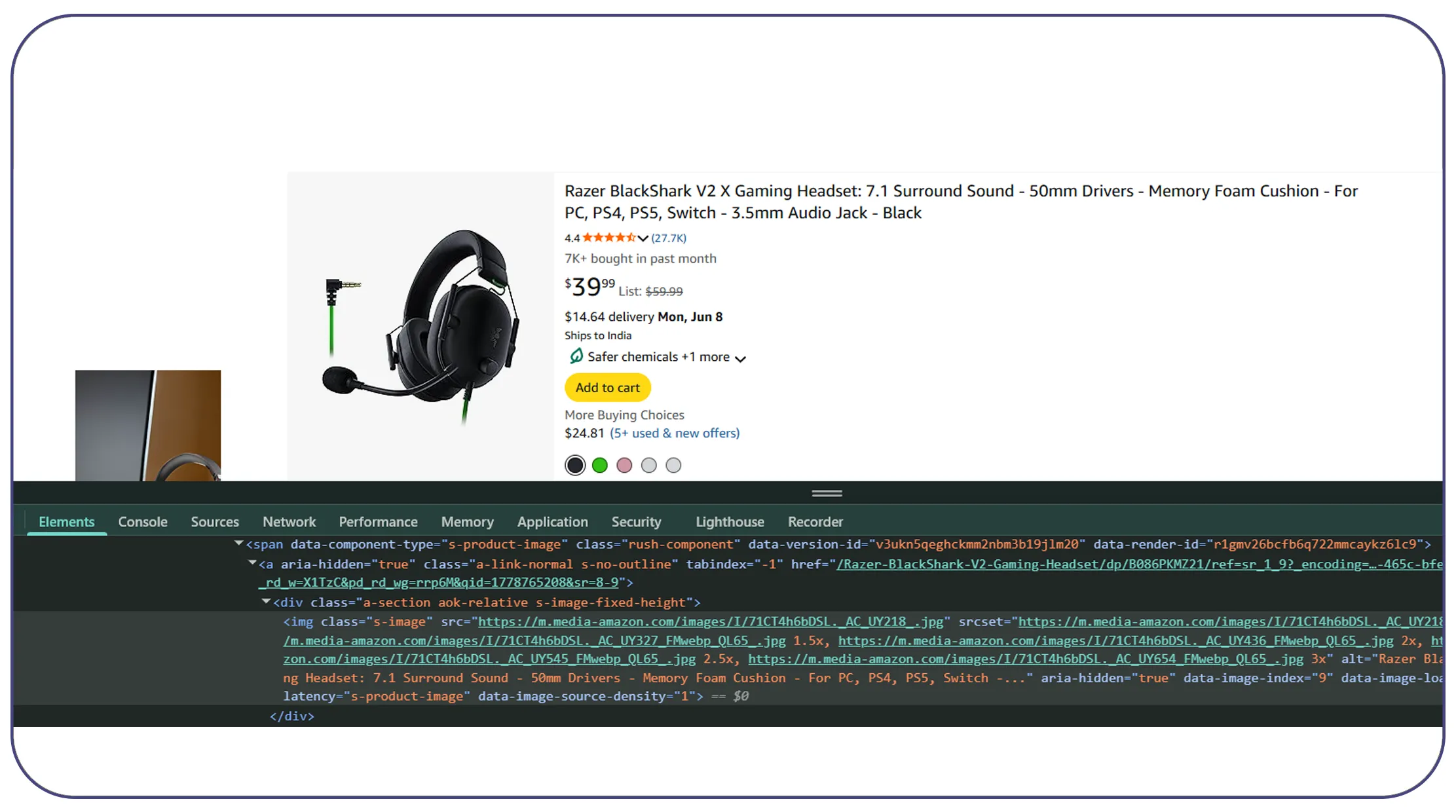
One of the biggest challenges for retailers is identifying newly introduced products before competitors capitalize on them. Businesses now rely on New SKU detection using scraped data to automate inventory discovery and improve reaction times across retail operations.
New SKU detection allows brands to monitor category expansions, seasonal launches, limited-edition releases, and competitor assortment updates in real time. Automated scraping systems collect SKU identifiers, pricing information, stock availability, descriptions, and product specifications from multiple digital channels.
This intelligence helps inventory teams optimize procurement strategies and maintain balanced stock levels. Retailers can reduce overstocking risks while ensuring timely product availability for high-demand items. The approach also improves category management and demand forecasting accuracy.
SKU Growth Trends Across Retail Markets
| Year | Newly Added SKUs (Millions) | Inventory Complexity Increase |
|---|---|---|
| 2020 | 58 | 11% |
| 2021 | 74 | 14% |
| 2022 | 91 | 17% |
| 2023 | 112 | 20% |
| 2024 | 136 | 22% |
| 2025 | 165 | 25% |
| 2026 | 198 | 28% |
Automated SKU intelligence enables brands to make proactive inventory decisions and stay ahead of emerging retail trends while minimizing operational inefficiencies.
Accelerating Competitive Response Capabilities
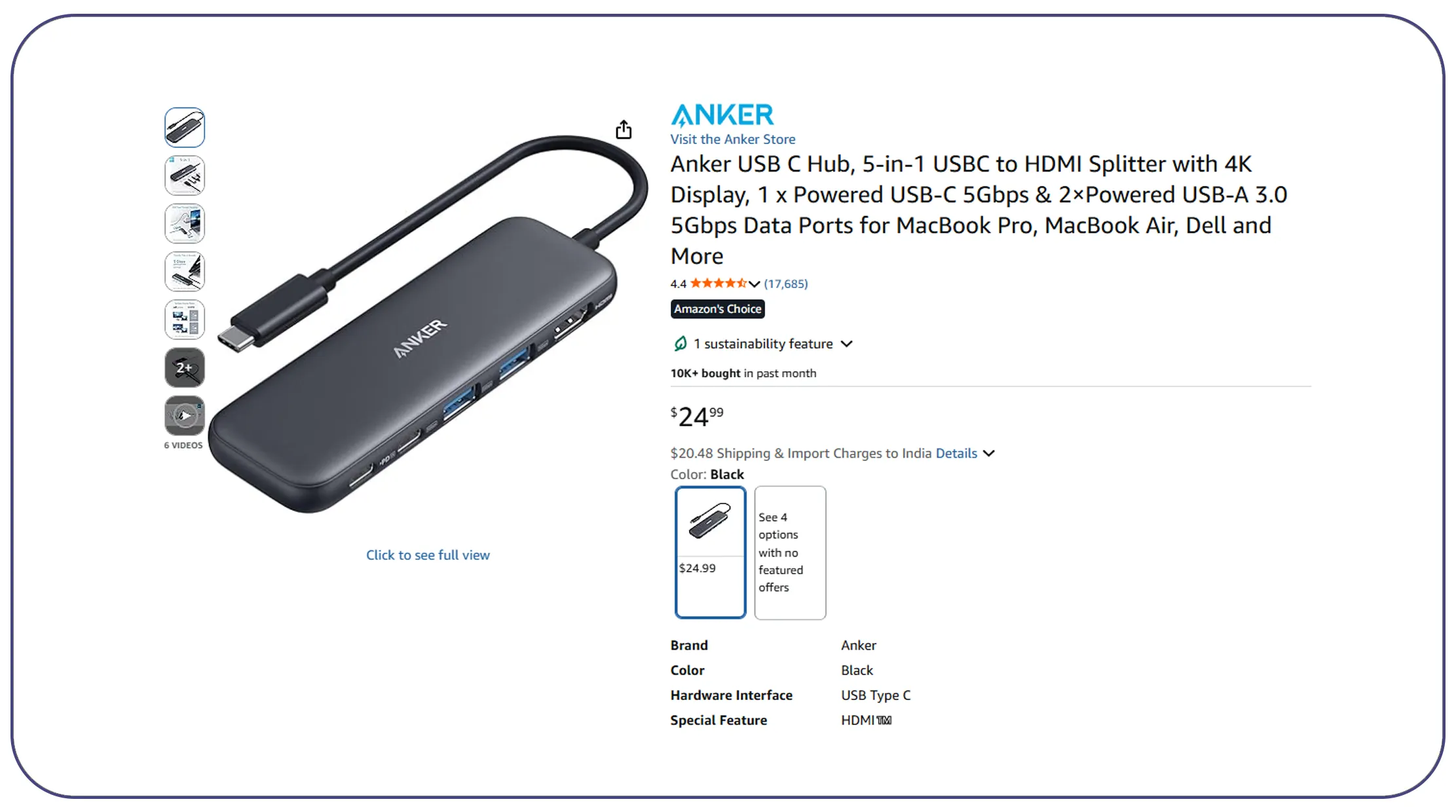
Speed is critical in modern retail markets where new products appear daily across multiple platforms. Businesses must Identify newly launched products online in real time to respond quickly to competitor activities and customer demand changes.
Real-time monitoring systems help retailers track product introductions immediately after publication. This enables faster pricing updates, promotional adjustments, and inventory replenishment strategies. Businesses can also identify fast-growing product categories and respond with targeted campaigns before competitors react.
Between 2020 and 2026, retailers adopting automated launch monitoring technologies reported stronger inventory accuracy and improved customer satisfaction rates. Real-time visibility reduces delays caused by manual monitoring processes and supports agile business operations.
Real-Time Product Monitoring Impact
| Year | Companies Using Real-Time Monitoring | Inventory Efficiency Improvement |
|---|---|---|
| 2020 | 18% | 9% |
| 2021 | 24% | 12% |
| 2022 | 31% | 15% |
| 2023 | 39% | 18% |
| 2024 | 48% | 21% |
| 2025 | 57% | 24% |
| 2026 | 66% | 27% |
Real-time intelligence empowers businesses to improve supply chain responsiveness, reduce lost sales opportunities, and maintain stronger retail competitiveness.
Building Smarter Consumer Insight Strategies
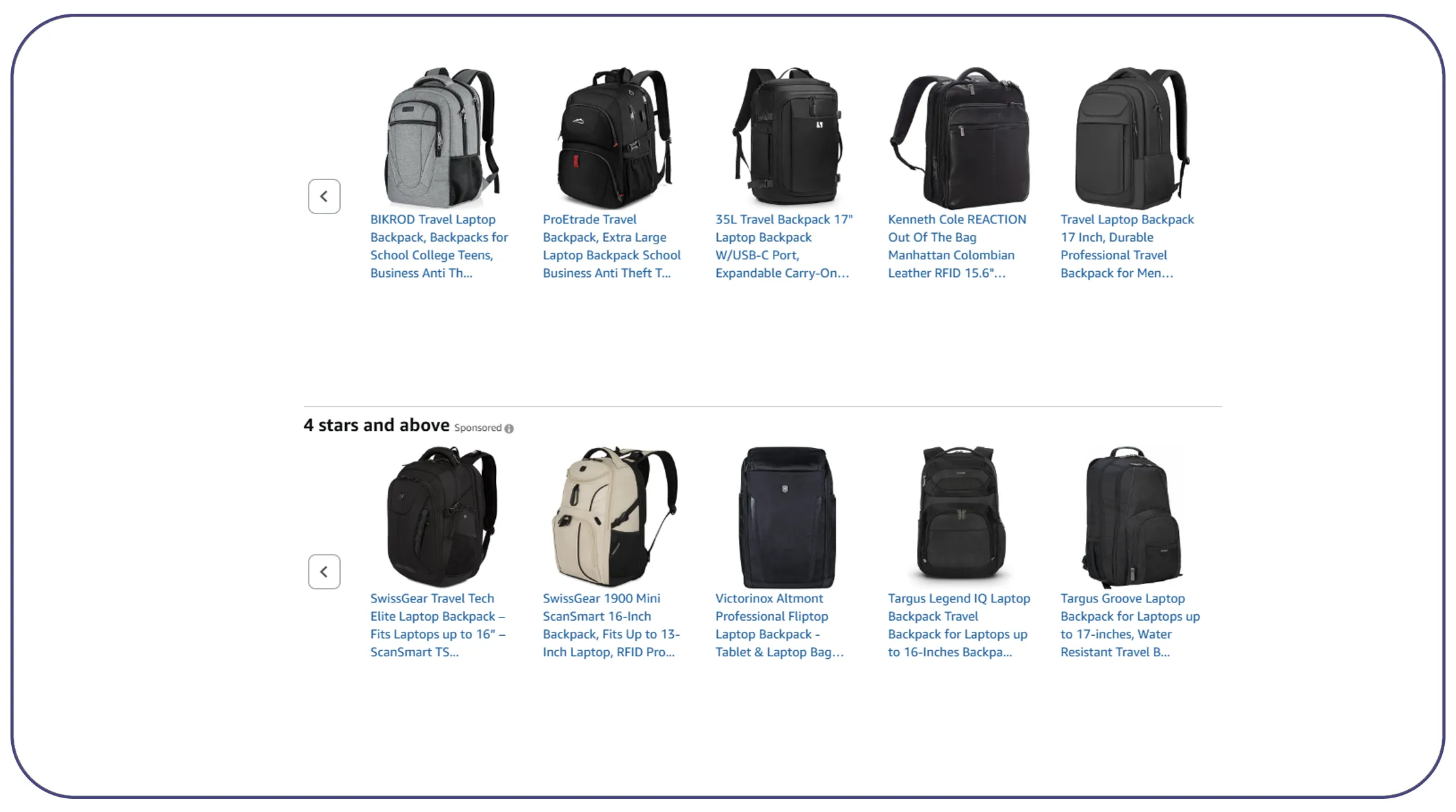
Retail businesses increasingly depend on advanced Market Research to understand evolving customer preferences and purchasing behaviors. Product launch intelligence plays a major role in helping organizations evaluate category demand and identify future growth opportunities.
By analyzing newly launched products, brands can identify emerging trends, evaluate competitor strategies, and assess pricing dynamics across markets. Scraped product data provides valuable insights into customer engagement, product positioning, and assortment performance.
Retailers can also use this intelligence to improve merchandising decisions, optimize marketing campaigns, and launch products aligned with market demand. Between 2020 and 2026, organizations investing heavily in automated market intelligence experienced stronger revenue growth and improved customer retention rates.
Retail Market Intelligence Investment Trends
| Year | Market Research Technology Spending | Revenue Growth Impact |
|---|---|---|
| 2020 | $18 Billion | 8% |
| 2021 | $22 Billion | 10% |
| 2022 | $27 Billion | 12% |
| 2023 | $33 Billion | 15% |
| 2024 | $40 Billion | 17% |
| 2025 | $48 Billion | 20% |
| 2026 | $57 Billion | 23% |
Data-driven retail strategies enable brands to adapt quickly to changing market conditions and improve long-term business performance.
Enabling Scalable Automation Infrastructure
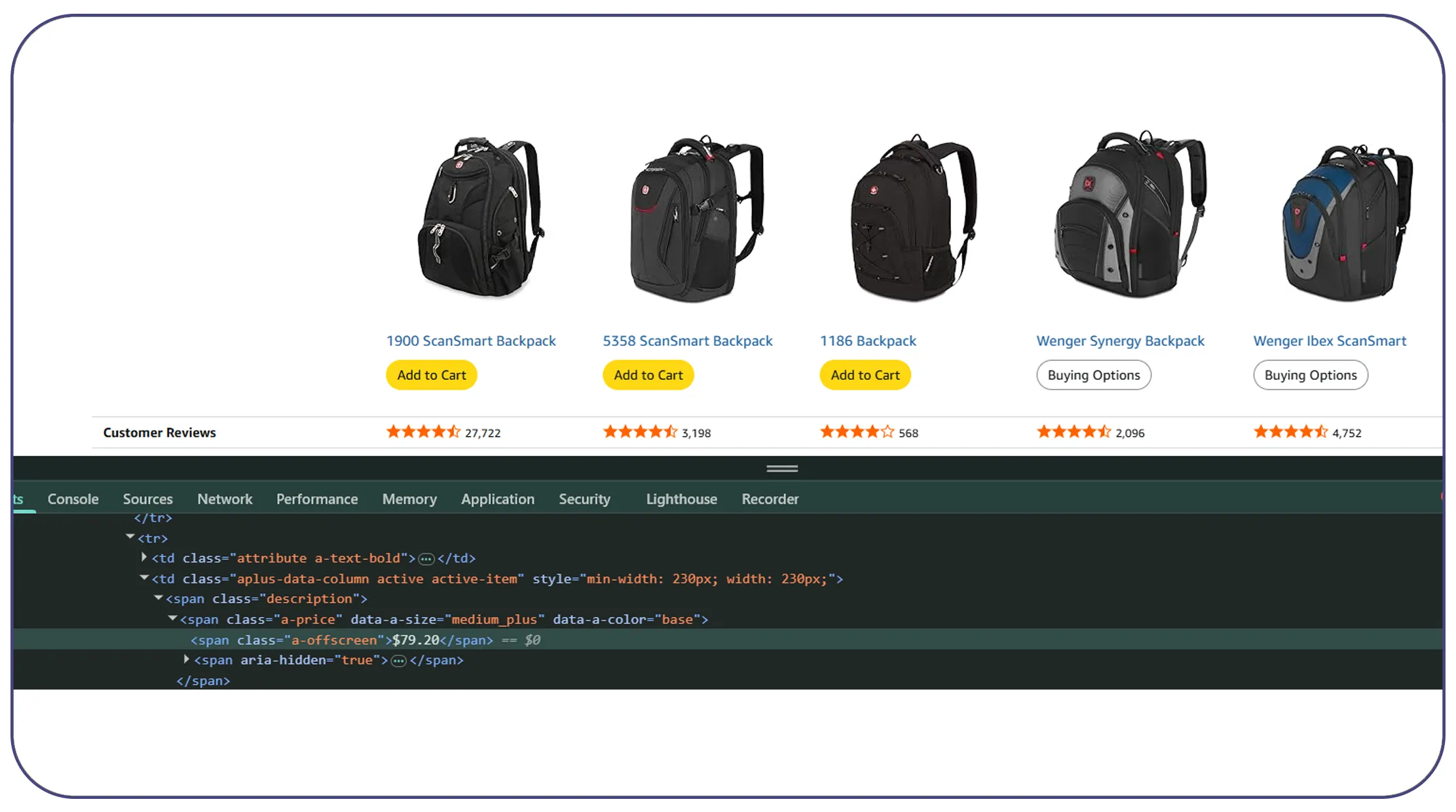
As retail ecosystems become increasingly data-driven, organizations require scalable automation solutions to process massive volumes of product information efficiently. Modern businesses rely on advanced Web Scraping API technologies to automate product launch monitoring, inventory intelligence, and competitor tracking operations.
Web scraping APIs help businesses collect structured product data at scale while ensuring accuracy, speed, and operational flexibility. APIs enable seamless integration with inventory management systems, analytics platforms, and reporting dashboards. This reduces manual workloads and improves enterprise-wide visibility into product activities.
From 2020 to 2026, companies investing in automation-driven retail intelligence experienced significant gains in operational efficiency and forecasting accuracy. Scalable scraping infrastructure supports continuous monitoring across multiple websites, categories, and geographic regions.
Automation Adoption in Retail Intelligence
| Year | Businesses Using Scraping APIs | Operational Efficiency Gains |
|---|---|---|
| 2020 | 21% | 10% |
| 2021 | 29% | 13% |
| 2022 | 37% | 16% |
| 2023 | 46% | 19% |
| 2024 | 55% | 22% |
| 2025 | 64% | 25% |
| 2026 | 72% | 29% |
Automation infrastructure enables organizations to scale inventory intelligence operations efficiently while supporting faster business decision-making.
Why Choose Real Data API?
Real Data API provides advanced Web Scraping Services designed to help businesses automate product intelligence, competitor monitoring, and inventory analytics across global retail platforms. Our scalable solutions empower organizations to monitor new product launches using web scraping with speed, accuracy, and operational efficiency.
We deliver customized scraping infrastructure tailored to retailer, marketplace, and enterprise data requirements. Our systems support real-time monitoring, automated product tracking, SKU detection, pricing intelligence, and inventory optimization workflows.
Key advantages include:
- High-speed automated product monitoring
- Real-time inventory and pricing intelligence
- Scalable API-driven data extraction
- Multi-platform retail coverage
- Custom analytics and reporting solutions
- Reliable enterprise-grade infrastructure
- Dedicated technical support and integration assistance
Real Data API helps businesses unlock actionable retail intelligence and maintain a strong competitive advantage in rapidly evolving eCommerce markets.
Conclusion
As retail competition intensifies, businesses must adopt smarter inventory intelligence strategies to remain competitive and responsive. Companies that monitor new product launches using web scraping gain valuable visibility into competitor activities, product trends, SKU expansions, and evolving customer demand patterns.
Automated product launch monitoring enables retailers to improve forecasting accuracy, optimize stock allocation, strengthen pricing strategies, and reduce operational inefficiencies across global markets. With scalable automation infrastructure and advanced analytics capabilities, brands can make faster and more informed business decisions.
Real Data API empowers organizations with enterprise-grade retail intelligence solutions designed to support inventory optimization and market growth.
Ready to transform your retail intelligence strategy? Contact Real Data API today to automate product launch monitoring and gain a competitive edge in the evolving eCommerce marketplace!
Latest posts
Web Scraping Competitor Product Monitoring Using Marketplace Data for Real-Time E-commerce Insights and Business Growth?
How to Scrape Product Intelligence Platform Using Marketplace Data to Help Brands Optimize Pricing, Inventory, and Product Strategy?

Why Companies scrape business data from Google Maps using keywords to Build Accurate Business Lists and Competitive Insights?
How Review scraping and monitoring services Help Businesses Track Customer Sentiment and Protect Brand Reputation in 2026?

How Real Estate Investment Insights Using RERA Data Scraping Help Investors Minimize Risk and Maximize Returns

Real Data API stands out as one of the premier global companies specializing in web data Scraping and web extraction.





.png)


Rating 4.7
Rating 4.7
Rating 4.5
Rating 4.7
Rating 4.7


Disclaimer : RealData API functions solely as an independent data infrastructure and technology solutions provider. We build customized automation workflows designed to collect publicly accessible web data based exclusively on client instructions. RealData API neither owns proprietary datasets nor engages in the sale or redistribution of extracted information. Our operations are limited strictly to lawful public web data processing and never involve unauthorized access to restricted systems or private networks. Any company names, trademarks, logos, or brand references displayed on this website are used purely for demonstrative and illustrative purposes to showcase our technical capabilities and do not imply endorsement, partnership, or affiliation. Use of our platform and services remains subject to our Terms of Service.