.gif)
.jpg)
Quick Summary
- Instagram analytics integration helps businesses organize engagement, reach, audience, and content performance metrics in structured datasets through Instagram API integration for business analytics.
- API-based reporting reduces repetitive manual work and supports consistent campaign measurement across multiple accounts using an authorized Instagram Scraper workflow.
- Businesses can use validated social media insights to identify content trends, evaluate marketing performance, and improve strategic decisions.
Introduction
Instagram API integration for business analytics helps businesses collect, organize, and analyze social media performance information through structured data connections. Brands can use this approach to monitor engagement, evaluate content performance, understand audience interactions, and measure marketing campaign effectiveness. Integrating Instagram data with business intelligence platforms also makes it easier to create centralized dashboards and automated reports.
Instagram has become an important channel for brand communication, product discovery, customer engagement, and digital marketing. However, businesses managing multiple accounts and campaigns often struggle to organize performance information across different reporting periods. Manually collecting engagement figures, reviewing individual posts, and comparing campaign results can make marketing analysis time-consuming.
An authorized Instagram Scraper workflow can support the collection of permitted public information, while Instagram's official APIs provide structured access to eligible professional-account data. These approaches serve different purposes and should not be treated as interchangeable.
For marketing agencies, e-commerce businesses, social media managers, and analytics teams, the objective is to transform scattered social media information into organized datasets. Businesses can then evaluate content effectiveness, identify audience preferences, and connect social media performance with broader marketing objectives.
The most useful analytics systems combine accurate data collection, consistent metric definitions, historical reporting, and appropriate access permissions. This creates a dependable foundation for measuring social media performance rather than relying on isolated engagement numbers.
How Can Businesses Measure Marketing Performance Through Structured Social Media Data?
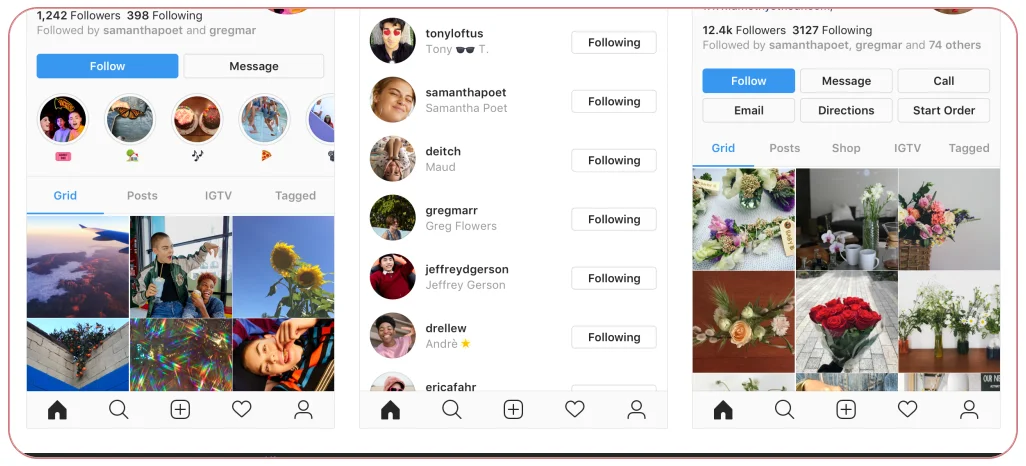
Businesses need measurable information to understand whether their social media campaigns are generating meaningful audience interactions. Likes alone cannot explain campaign performance. Marketing teams should also examine comments, shares, saves, reach, views, profile activity, and follower growth wherever these metrics are available.
An Instagram API for marketing analytics approach connects eligible account information with reporting systems. It allows businesses to organize available metrics into standardized datasets and compare performance across content formats, campaigns, and reporting periods.
For example, an e-commerce brand can examine which product announcements attract more interactions, which Reels receive stronger viewing activity, and which campaigns generate profile visits. These observations help marketing teams make informed decisions about content planning and campaign allocation.
The value of Instagram API integration for business analytics lies in connecting individual performance indicators with business objectives. A campaign designed to increase brand awareness should prioritize reach and views, whereas a campaign focused on community engagement should examine comments, shares, and saves.
Businesses should establish a consistent reporting framework containing:
- Account-level follower growth.
- Post-level likes and comments.
- Available reach and view metrics.
- Story and Reel performance.
- Profile interactions.
- Campaign-level engagement trends.
- Historical performance comparisons.
These measurements should be evaluated against campaign objectives rather than treated as independent indicators of business success.
Which social media developments influenced analytics between 2020 and 2026?
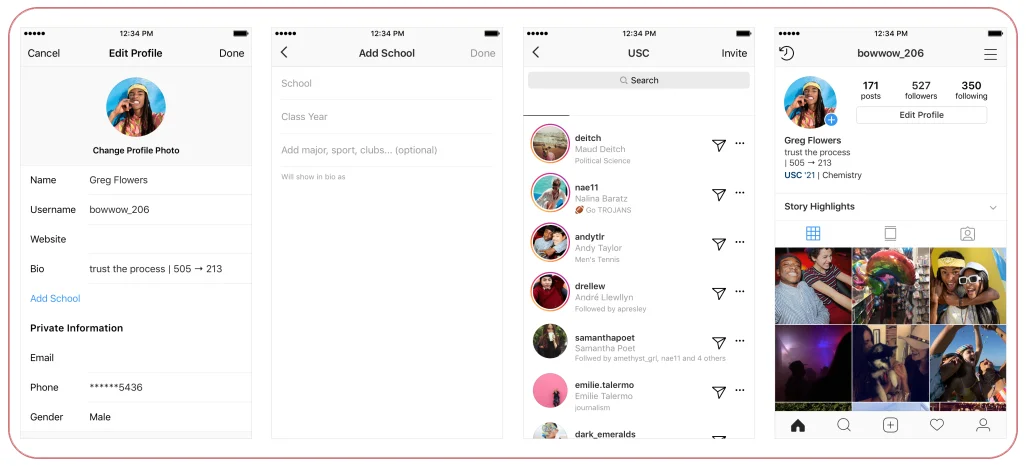
The following timeline combines published Instagram adoption research and documented platform developments. The adoption figures are from Pew Research Center's surveys of U.S. adults, not Instagram API usage statistics.
| Year | Verified development or statistic | Analytics relevance |
|---|---|---|
| 2020 | 40% of U.S. adults reported using Instagram in Pew's 2020 survey. | Established a substantial social media audience. |
| 2021 | Instagram usage among U.S. adults was 40%. | Supported continued audience measurement. |
| 2022 | No comparable annual observation appears in the current Pew historical series. | Avoids inventing an annual adoption figure. |
| 2023 | Instagram usage reached 47% among U.S. adults. Meta introduced additional Reels insights, including total and average watch time. | Expanded content-performance analysis. |
| 2024 | Usage reached 50%. Meta introduced improvements to its research data tools and Instagram content insights. | Increased opportunities for structured reporting. |
| 2025 | Usage remained at 50%. Meta's API ecosystem continued evolving, including changes to available insights metrics. | Required attention to metric compatibility. |
| 2026 | Usage reached 51% in Pew's survey. | Demonstrates continued relevance of audience measurement. |
Sources: Pew Research Center, Meta's 2023 Instagram insights update, and Meta's research data announcement.
How Does Automated Data Collection Improve Social Media Reporting?
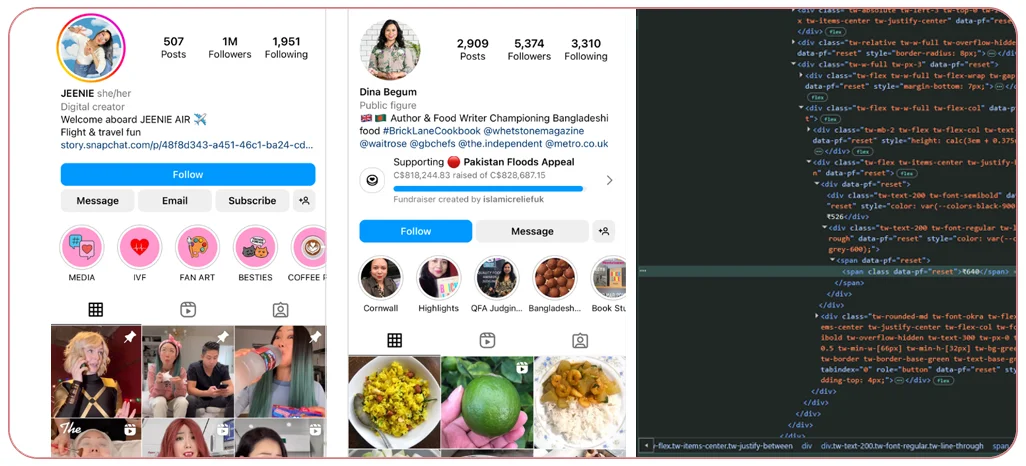
Marketing teams often manage several Instagram accounts, campaigns, and content formats simultaneously. Collecting information separately from each account can create inconsistent reports and make historical comparisons difficult.
Instagram API web data scraper integration describes a data architecture that connects permitted Instagram information with automated collection, processing, and reporting systems. It can combine official API responses with other lawfully obtained public information when the relevant permissions and platform terms allow it.
The first step is defining the data fields required for analysis. Businesses should avoid collecting unnecessary information and focus on metrics that directly support their reporting objectives.
A typical workflow involves:
- Account connection: Authenticate eligible professional accounts using the appropriate Meta authorization process.
- Data retrieval: Request permitted account, media, and insights information.
- Data normalization: Convert timestamps, identifiers, and metric fields into consistent formats.
- Data validation: Check missing values, duplicate records, and unexpected metric changes.
- Data storage: Maintain structured records in a database or analytics warehouse.
- Dashboard integration: Connect the processed information with business intelligence tools.
- Scheduled updates: Refresh available information according to API limits and reporting requirements.
A structured dataset may contain account identifiers, media IDs, publication timestamps, content types, engagement values, and available audience insights.
Businesses should also maintain a record of metric definitions. For example, reach and impressions are not interchangeable, while views and plays can have different definitions depending on the content format and API version.
The reporting system should preserve original metric names and API versions wherever possible. This prevents changes in platform definitions from silently affecting historical analysis.
Importantly, automated collection should not be confused with unrestricted scraping. Meta's official Instagram platform provides authorized access mechanisms, and businesses should respect account permissions, platform policies, and applicable privacy requirements.
How Can Brands Monitor Engagement Changes More Frequently?
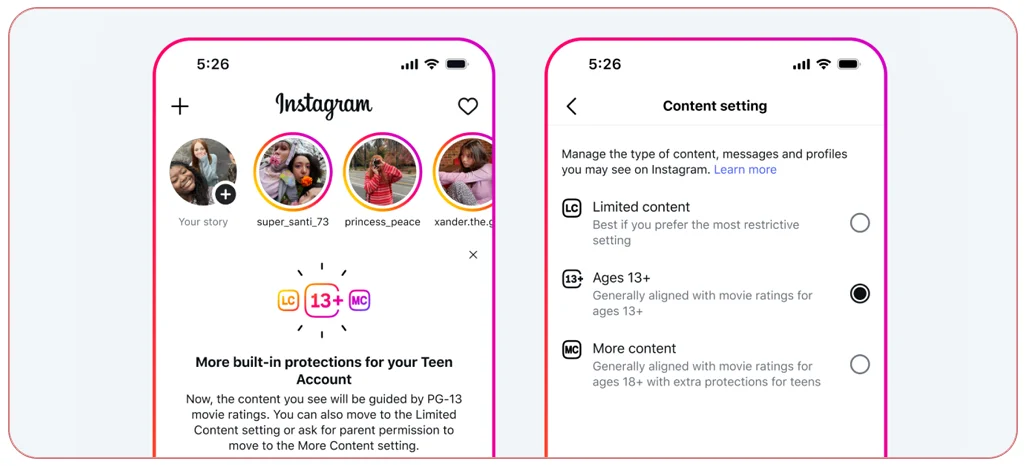
Marketing decisions become more effective when businesses can identify performance changes without waiting for lengthy manual reporting cycles. Regularly updated datasets help teams understand how audiences respond to published content and identify posts that deserve further evaluation.
real-time Instagram engagement analytics integration refers to connecting available engagement information with analytics dashboards so that businesses can monitor changes at an appropriate refresh frequency.
However, real-time reporting should be defined carefully. Instagram API responses are subject to platform availability, permissions, metric processing, and rate limits. A dashboard refreshed periodically should be described as frequently updated or near-real-time, not guaranteed instantaneous reporting.
The most useful metrics depend on the campaign objective.
| Metric | What it measures | Business application |
|---|---|---|
| Likes | Positive interactions with content | Initial audience response |
| Comments | Written audience interactions | Community engagement |
| Shares | Content distribution by users | Shareability analysis |
| Saves | Content saved for later | Content usefulness |
| Reach | Accounts reached | Awareness measurement |
| Views | Content viewing activity | Video performance |
| Profile activity | Available profile actions | Audience interest |
| Follower growth | Change in account followers | Audience development |
Businesses can use Instagram API integration for business analytics to combine these measurements into a consistent reporting environment.
For example, a marketing manager can compare the performance of product announcement posts with educational carousels. If the educational content generates more saves and shares, the team can investigate whether similar topics deserve additional content investment.
The reporting system should also distinguish organic performance from paid campaign results. Combining the two without clear labels can produce misleading conclusions.
Meta introduced Reels Replays and retention-chart improvements in November 2023, giving creators additional ways to understand viewing activity and audience retention. These developments demonstrate why businesses should track metric definitions and platform updates over time. Source: Meta Newsroom.
Want to turn scattered Instagram performance information into structured marketing intelligence? Explore customized social media data integration solutions for your business.
Get Insights Now!How Can Public Social Media Information Support Competitor Research?
Competitor research helps businesses understand how other brands communicate with audiences, organize their content, and position products across social platforms.
Businesses that extract Instagram engagement data for competitor research should distinguish between publicly visible information and private account insights. Publicly accessible likes, comments, post dates, captions, and other permitted information can support certain comparative studies, subject to platform rules.
Private account-level insights, such as another business's detailed reach, audience demographics, saves, or advertising performance, are not automatically available through the standard Instagram API.
For qualified academic and nonprofit researchers, Meta also provides the Content Library and API for research involving publicly accessible content from eligible accounts. Access is subject to its eligibility and application requirements. Source: Meta Content Library and API.
Businesses can organize authorized competitor research around several attributes:
- Public account names and profile information.
- Publicly available post descriptions.
- Publication dates and content formats.
- Visible engagement information.
- Hashtag and content-topic patterns.
- Public brand campaign announcements.
- Changes in posting frequency.
A comparative dataset should use consistent observation periods. Comparing one brand's monthly performance with another brand's quarterly information can produce misleading conclusions.
Which indicators are useful for competitor benchmarking?
| Benchmarking area | Information to examine | Strategic use |
|---|---|---|
| Publishing activity | Public post frequency | Content planning |
| Content format | Reels, images, and carousels | Format comparison |
| Visible engagement | Likes and comments | Public interaction analysis |
| Content themes | Topics and recurring messages | Market positioning |
| Hashtag usage | Publicly visible hashtags | Topic discovery |
| Campaign activity | Public promotions and announcements | Competitive monitoring |
Businesses should also calculate engagement rates using clearly documented formulas. Public engagement based on likes and comments divided by followers is not equivalent to private engagement based on all interactions divided by reach.
For meaningful competitor research, companies should use consistent definitions, preserve source dates, and avoid presenting estimated competitor performance as verified private analytics.
This approach helps marketing teams understand public content strategies while maintaining appropriate boundaries around account privacy and platform access.
How Can Businesses Organize Account-Level and Content-Level Performance?
Businesses managing multiple Instagram profiles often face reporting challenges because information is distributed across individual accounts and content records. A centralized data structure helps marketing teams organize these details and compare performance more efficiently.
An Instagram Profile Scraper is a term commonly used for systems that collect permitted profile-level information. Businesses should distinguish this functionality from official account-insights access, which requires appropriate authorization and eligibility.
A structured profile database can include:
- Account ID and username.
- Account category and available profile details.
- Follower and following counts, where accessible.
- Profile description.
- Account website information.
- Collection timestamp.
- Data source and permission status.
For businesses that manage their own eligible professional accounts, Instagram API integration for business analytics can connect authorized account information with post-level performance data.
A centralized system should use separate tables or logical datasets for accounts, posts, metrics, and reporting periods. This prevents multiple posts from being confused with account-level information.
For example, an account record can store its unique identifier, while a media record stores the associated post ID, content type, and publication date. An insights record can then connect the media ID with its corresponding performance metrics and measurement date.
This structure also supports historical reporting. When follower counts or post metrics change, businesses should retain dated observations rather than overwriting all previous values.
Recommended data organization
| Dataset | Important fields | Purpose |
|---|---|---|
| Account data | Account ID, username, category | Account identification |
| Media data | Media ID, type, timestamp | Content tracking |
| Engagement data | Likes, comments, shares, saves where available | Interaction analysis |
| Audience data | Available demographic insights | Audience understanding |
| Campaign data | Campaign ID, objective, reporting period | Campaign evaluation |
| Source data | API version, timestamp, permission | Data traceability |
Validation is equally important. Businesses should identify missing fields, inconsistent timestamps, duplicate media IDs, and changes in metric availability.
They should also establish retention policies for stored information and ensure that access is limited to authorized personnel.
With these practices, account and content information becomes easier to maintain, analyze, and integrate into broader business reporting systems.
How Can API-Based Analytics Support Scalable Marketing Intelligence?
As businesses expand their social media operations, analytics systems need to handle more accounts, content records, campaigns, and reporting requirements. A scalable architecture helps prevent reporting delays and data inconsistencies as the volume of information increases.
An Instagram API Scraper can describe a technical workflow that retrieves permitted Instagram information and transforms it into structured records. For business analytics, the preferred foundation is Meta's authorized API access rather than unauthorized automated extraction.
A scalable integration should contain several technical components:
Authentication and permissions: The system should use approved authorization methods and request only the permissions needed for the reporting task.
Data ingestion: API responses should be collected through scheduled requests, with pagination and rate limits handled correctly.
Data processing: Raw responses should be normalized into consistent account, post, and metric records.
Data storage: A centralized database or cloud data warehouse can retain historical observations and support analytical queries.
Reporting: Dashboards can display engagement changes, content comparisons, audience activity, and campaign results.
Monitoring: Automated checks should identify failed requests, expired permissions, missing records, and changes in available fields.
How have Instagram engagement benchmarks changed?
External benchmarks help businesses understand broader content-performance patterns. However, benchmark values should never be confused with the performance of an individual business account.
Buffer's March 2026 report analyzed more than 52 million posts across ten platforms. Its Instagram analysis reported a median engagement rate of approximately 7.3% in 2024 and 5.4% in 2025. The report also found that carousels had a higher median engagement rate by reach than Reels in its dataset. Source: Buffer 2026 Social Media Engagement Report.
Buffer+1
| Performance indicator | 2024 | 2025 |
|---|---|---|
| Instagram median engagement rate | 7.3% | 5.4% |
| Carousel engagement rate by reach | — | 6.90% |
| Single-image engagement rate by reach | — | 4.44% |
| Reels engagement rate by reach | — | 3.31% |
Source: Buffer's analysis. These are dataset-specific benchmark values, not universal Instagram averages or guaranteed business outcomes.
The findings demonstrate why businesses should measure different content formats separately. Reels may be useful for discovery, while carousels can encourage deeper interactions.
A scalable analytics solution should therefore retain format-specific metrics and avoid evaluating every post using a single engagement measure.
Finally, businesses should periodically review API documentation because metric names, permissions, and available fields can change. This protects reporting consistency and makes the analytics infrastructure easier to maintain.
Why Choose Real Data API?
Real Data API helps businesses build structured social media intelligence datasets through customized data collection and integration workflows. Its Instagram Social Media Dataset requirements can include public profile information, content details, engagement metrics, and historical performance records from authorized sources. Instagram API integration for business analytics projects can be configured around specific reporting objectives, data fields, refresh schedules, and delivery formats. Businesses can use these datasets for campaign evaluation, audience research, content benchmarking, and marketing performance analysis. Data validation, source transparency, and reliable delivery help create a dependable foundation for business intelligence.
Conclusion
Social media analytics helps businesses understand audience interactions, evaluate campaign performance, and improve content strategies. A structured data collection system makes it easier to organize engagement metrics, compare content formats, and maintain historical performance records.
Instagram API integration for business analytics provides a practical foundation for connecting eligible account information with reporting platforms and business intelligence systems.
With accurate datasets, consistent metric definitions, and automated reporting, businesses can make more informed marketing decisions.
Ready to improve your social media data strategy? Contact Real Data API to explore customized Instagram data integration, structured analytics datasets, and scalable business intelligence solutions!
FAQs
1. What is Instagram analytics integration?
It connects authorized Instagram account information with analytics systems to organize engagement, reach, audience, and content performance metrics for business reporting and marketing decisions.
2. Can an Instagram Scraper collect competitor information?
An Instagram Scraper can collect permitted public information, subject to platform rules. Private account insights and restricted audience information cannot be accessed without authorization.
3. Which metrics support Instagram API for marketing analytics?
An Instagram API for marketing analytics can support available metrics such as views, reach, interactions, follower growth, and content performance, depending on permissions and eligibility.
4. Why is Instagram API web data scraper integration useful?
Instagram API web data scraper integration helps organize permitted information into structured datasets, supporting automated reporting, historical comparisons, and consistent marketing analysis.
5. Does real-time Instagram engagement analytics integration provide instant updates?
real-time Instagram engagement analytics integration supports frequent monitoring, but actual update speed depends on API availability, processing delays, permissions, and platform rate limits.
Latest posts

How to Use Amazon API integration for e-commerce analytics to Track Competitor Prices and Improve Product Performance
How IKEA API for retail market intelligence Helps Retailers Solve Product Data Inconsistency and Pricing Challenges
How Instagram API integration for business analytics Helps Brands Track Engagement and Measure Social Media Performance
How OTT Dataset Updates for Entertainment Analytics Help Streaming Platforms Fix Outdated Content Insights




.png)


