
Introduction
Companies can build accurate business databases, generate qualified leads, monitor competitors, and identify market opportunities by using scrape business data from Google Maps using keywords. Automated location intelligence helps sales teams, retailers, franchises, and market researchers access up-to-date business information for faster and smarter decision-making.
Industry Insight (2026): Industry research estimates that over 85% of consumers use online maps to discover local businesses, while organizations using location intelligence report up to 30% faster market expansion decisions compared to traditional research methods.
Business discovery has become increasingly dependent on digital mapping platforms. Whether organizations are expanding into new cities, analyzing competitors, or identifying potential customers, accurate business information is essential. Google Maps provides publicly available information including business names, addresses, phone numbers, ratings, reviews, operating hours, categories, and geographic locations that can support strategic planning.
By leveraging Location Intelligence Using Google Maps Data Scraping, organizations can transform location-based business information into structured datasets for sales prospecting, competitive benchmarking, territory planning, franchise analysis, and local SEO. Automated data collection enables businesses to monitor market changes continuously while eliminating the time and effort required for manual research.
How Can Businesses Collect Accurate Market Intelligence in Real Time?
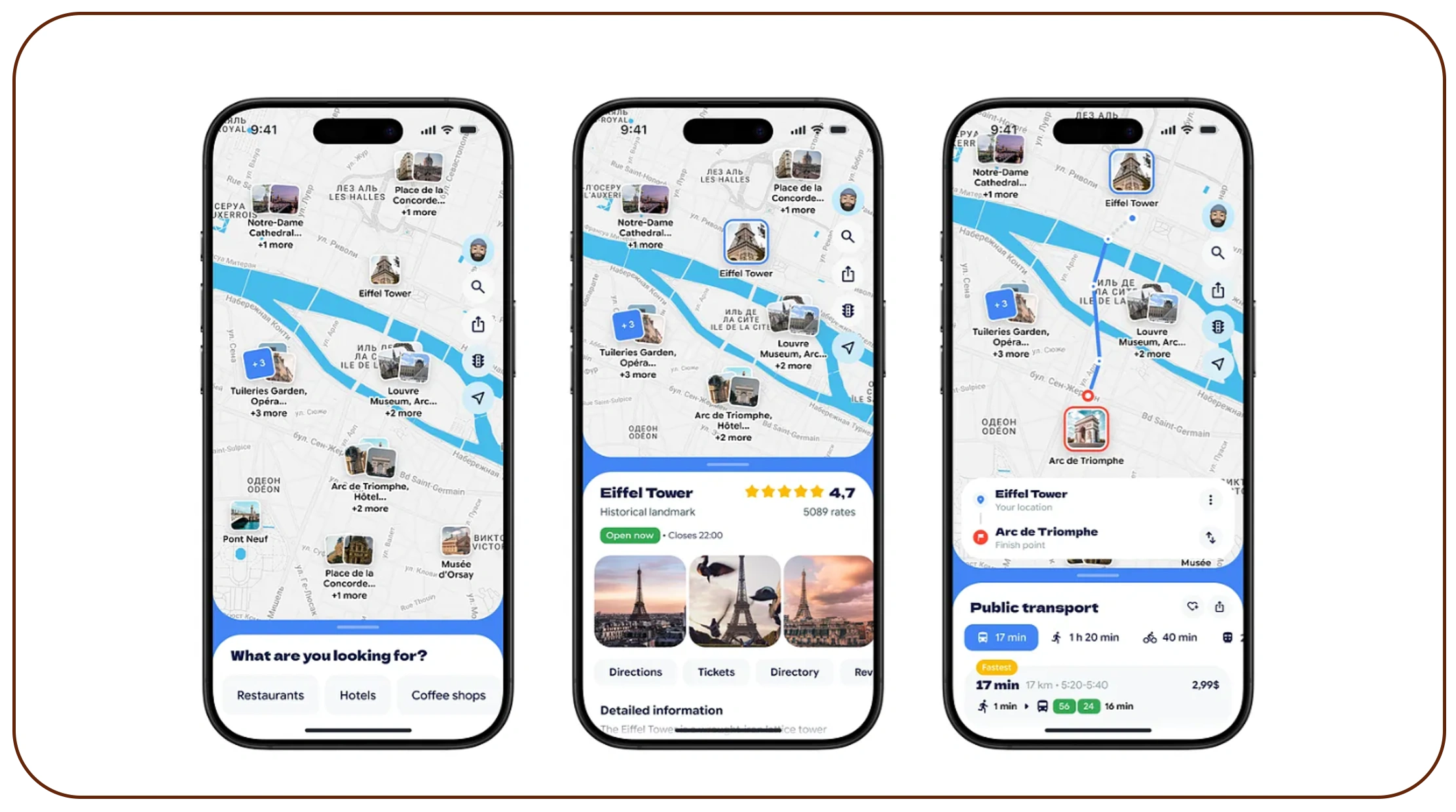
Business directories change every day as companies open new locations, update contact information, modify operating hours, or receive new customer reviews. Organizations relying on outdated information often miss valuable opportunities and waste resources pursuing inaccurate leads.
Businesses increasingly rely on Real-time Google Maps business data scraping to collect continuously updated information about local businesses, including names, addresses, phone numbers, websites, ratings, reviews, operating hours, and geographic coordinates. This enables organizations to maintain accurate business databases and respond quickly to changes within competitive markets.
Key Benefits
- Monitor new business openings.
- Detect business closures.
- Update contact information automatically.
- Track customer ratings and reviews.
- Monitor category changes.
- Improve sales prospecting accuracy.
Business Intelligence Trends (2020–2026)
| Year | Businesses Monitored | Daily Record Updates | Organizations Using Automated Data |
|---|---|---|---|
| 2020 | 2.1 Million | 120,000 | 31% |
| 2021 | 2.8 Million | 170,000 | 39% |
| 2022 | 3.7 Million | 240,000 | 48% |
| 2023 | 4.9 Million | 330,000 | 58% |
| 2024 | 6.2 Million | 430,000 | 67% |
| 2025 | 7.8 Million | 560,000 | 75% |
| 2026* | 9.6 Million | 710,000 | 84% |
Projected estimates.
Key Insights
- Local business information changes frequently.
- Automated updates improve CRM accuracy.
- Accurate listings strengthen lead generation.
- Customer review monitoring supports reputation analysis.
- Real-time intelligence accelerates market expansion decisions.
- Fresh business data improves sales efficiency and targeting.
Companies that continuously monitor local business information gain a competitive advantage through more accurate prospecting, stronger market visibility, and better operational planning.
How Can Keyword Searches Improve Lead Generation?
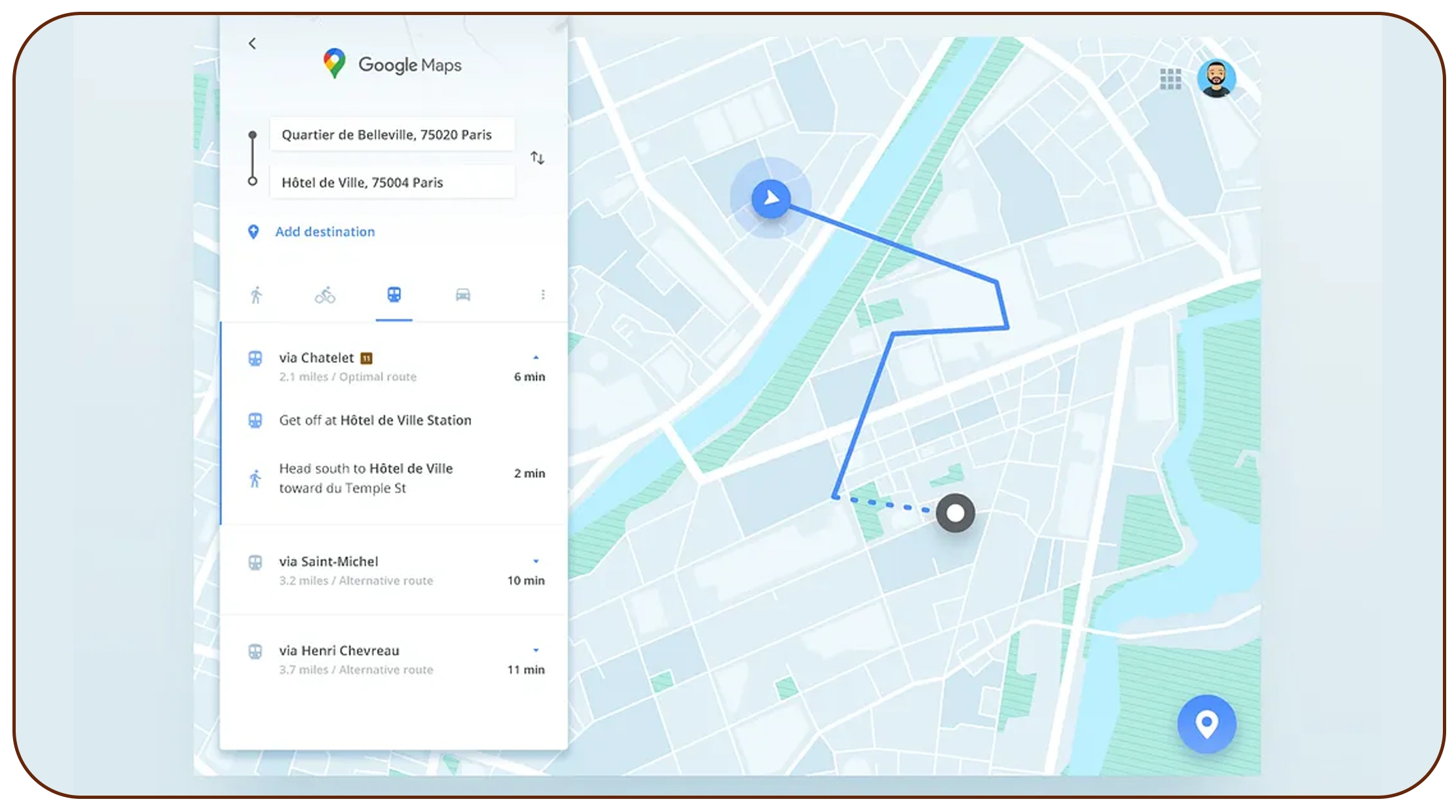
Keyword-based business discovery enables organizations to identify highly targeted prospects based on industry, service category, or geographic location. Instead of manually searching thousands of listings, automated keyword searches collect structured business information within minutes.
Using a Google Maps keyword search data scraper, businesses gather detailed information for restaurants, clinics, gyms, hotels, retailers, contractors, law firms, salons, and thousands of other business categories. The collected data supports lead generation, territory planning, local SEO analysis, and competitive benchmarking.
Business Applications
- Build industry-specific prospect lists.
- Identify businesses by location.
- Analyze competitor density.
- Support franchise expansion.
- Improve local marketing campaigns.
- Strengthen territory management.
Keyword-Based Business Discovery Growth (2020–2026)
| Year | Keyword Searches Processed | Business Records Collected | Search Accuracy |
|---|---|---|---|
| 2020 | 850,000 | 5.8 Million | 90% |
| 2021 | 1.2 Million | 7.4 Million | 92% |
| 2022 | 1.7 Million | 9.9 Million | 94% |
| 2023 | 2.3 Million | 13.1 Million | 96% |
| 2024 | 3.0 Million | 16.8 Million | 97% |
| 2025 | 3.9 Million | 21.2 Million | 98% |
| 2026* | 4.8 Million | 26.4 Million | 99% |
Projected estimates.
Key Insights
- Keyword-based searches simplify business discovery.
- Industry-specific searches improve lead quality.
- Geographic filtering supports regional expansion.
- Automated collection reduces research time.
- Structured datasets improve CRM enrichment.
- Location-specific intelligence enhances targeted sales and marketing campaigns.
Organizations using keyword-driven business discovery can build more accurate prospect databases, identify emerging market opportunities, and improve customer acquisition through data-driven decision-making.
How Can Business Listings Reveal Competitive Opportunities?
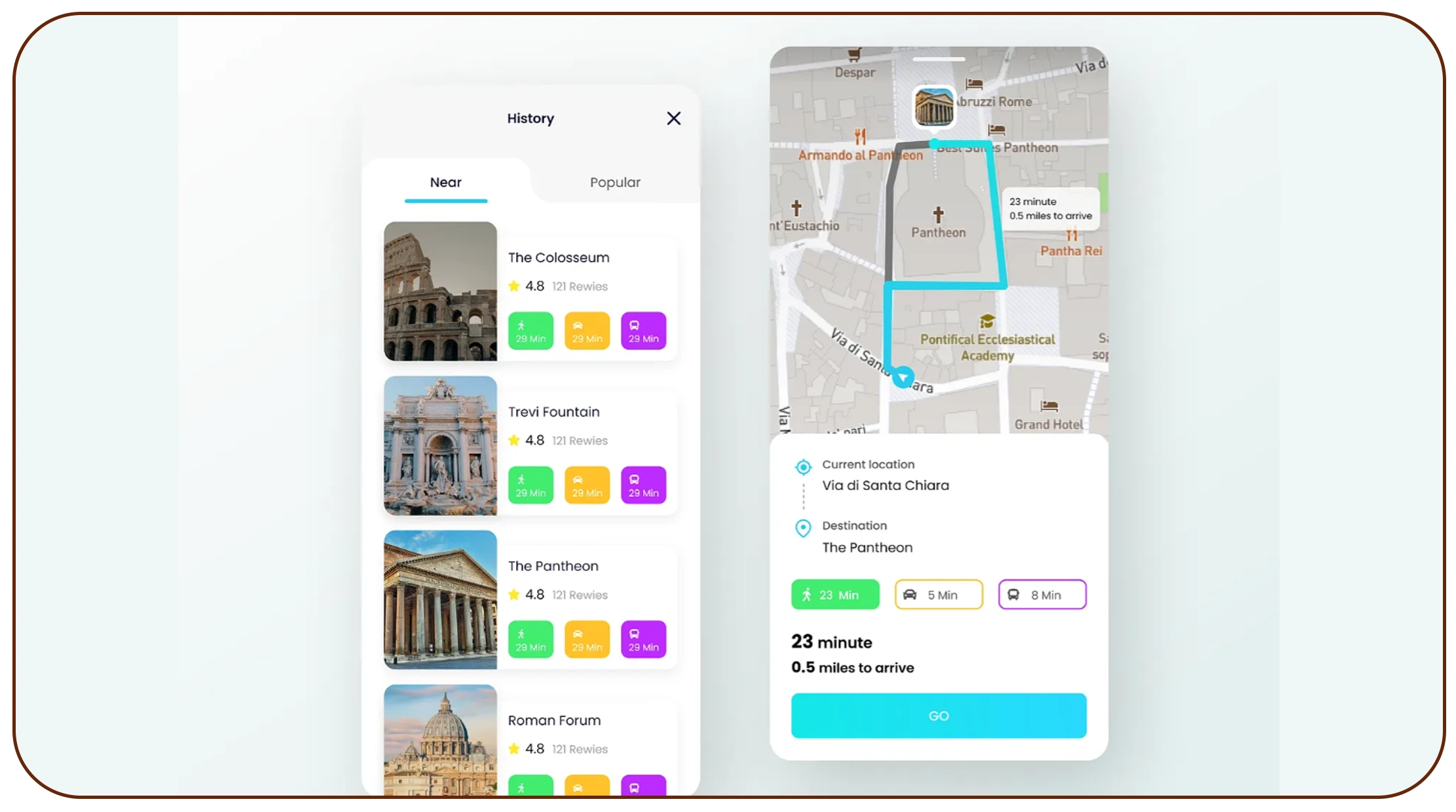
Business listings contain valuable information beyond names and addresses. They provide insights into industry categories, operating hours, customer ratings, service offerings, contact details, and geographic coverage. Analyzing this information helps organizations benchmark competitors, identify underserved markets, and discover expansion opportunities.
Using Google Maps business listings data extraction, businesses can automatically collect structured information from thousands of listings across multiple cities and industries. These datasets enable sales teams, retailers, franchise operators, and market researchers to evaluate local competition while maintaining an up-to-date business database.
Business Benefits
- Build comprehensive business directories.
- Compare competitors across locations.
- Track newly listed businesses.
- Analyze business category distribution.
- Improve market segmentation.
- Support local expansion strategies.
Business Listings Growth (2020–2026)
| Year | Listings Collected | Cities Covered | Data Completeness |
|---|---|---|---|
| 2020 | 8.5 Million | 2,200 | 89% |
| 2021 | 10.9 Million | 2,800 | 91% |
| 2022 | 13.8 Million | 3,500 | 93% |
| 2023 | 17.2 Million | 4,300 | 95% |
| 2024 | 21.1 Million | 5,200 | 97% |
| 2025 | 25.9 Million | 6,300 | 98% |
| 2026* | 31.4 Million | 7,500 | 99% |
Projected estimates.
Key Insights
- Business listings continue to expand across urban and suburban markets.
- Accurate listing data improves territory planning.
- Competitor density analysis supports strategic expansion.
- Automated data collection reduces manual research.
- Comprehensive business directories strengthen sales intelligence.
- Geographic analysis enables more effective regional planning.
Organizations leveraging business listing intelligence gain deeper visibility into local markets and can make informed expansion and competitive strategy decisions.
How Can Points of Interest Support Smarter Expansion?
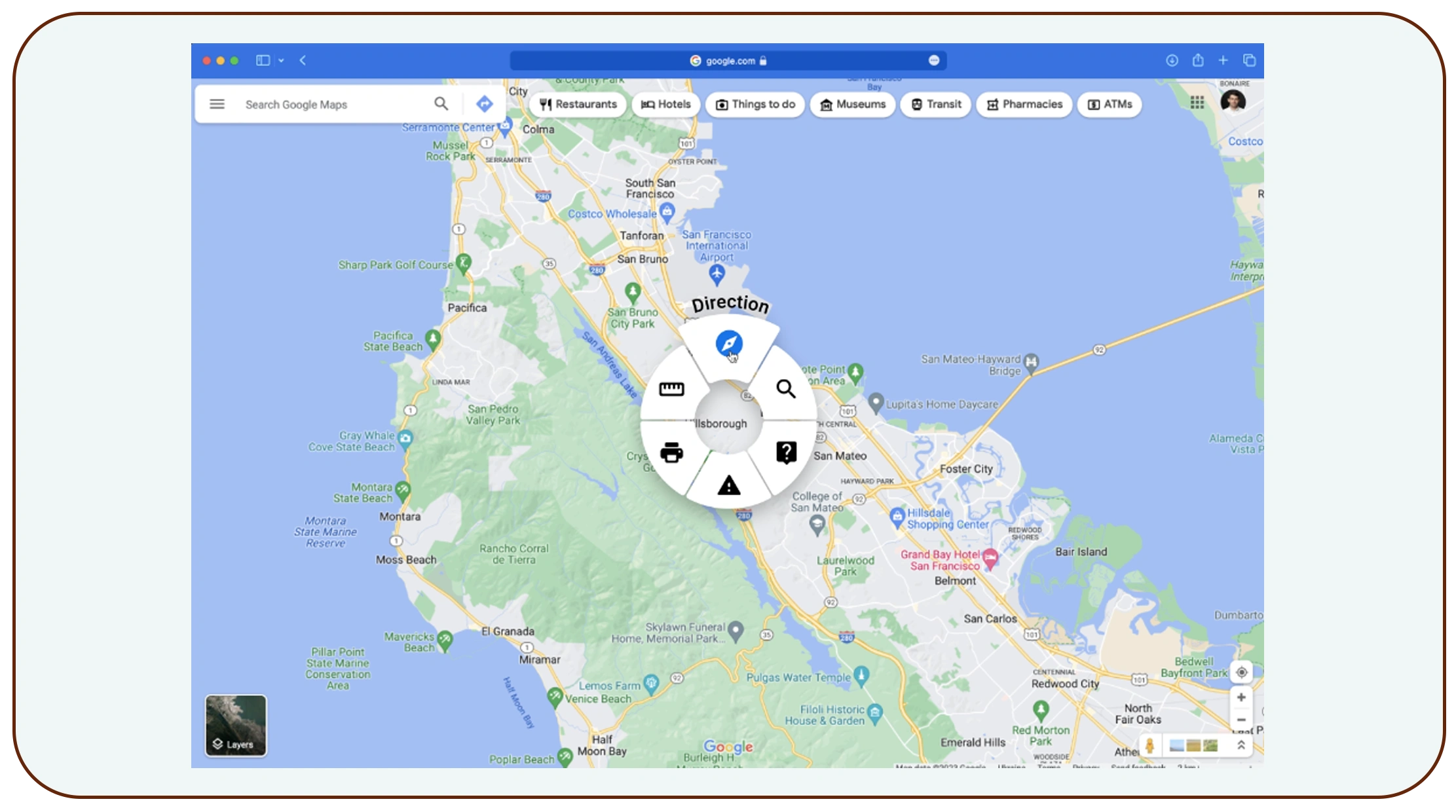
Points of Interest (POIs) provide detailed information about commercial locations, public services, attractions, retail stores, restaurants, healthcare facilities, and other establishments. Understanding POI distribution enables businesses to identify high-demand areas, optimize store placement, and evaluate market potential.
Businesses increasingly Extract Google Maps POI data by keyword to analyze commercial clusters, customer accessibility, transportation links, and surrounding amenities. This information supports retail site selection, franchise planning, logistics optimization, and location-based marketing strategies.
Key Applications
- Evaluate new business locations.
- Analyze nearby competitors.
- Measure commercial density.
- Improve territory planning.
- Support logistics optimization.
- Identify underserved markets.
POI Intelligence Trends (2020–2026)
| Year | POIs Collected | Commercial Areas Analyzed | Location Accuracy |
|---|---|---|---|
| 2020 | 12.3 Million | 3,400 | 90% |
| 2021 | 15.7 Million | 4,100 | 92% |
| 2022 | 19.8 Million | 5,000 | 94% |
| 2023 | 24.5 Million | 6,100 | 96% |
| 2024 | 30.4 Million | 7,300 | 97% |
| 2025 | 36.9 Million | 8,700 | 98% |
| 2026* | 44.1 Million | 10,200 | 99% |
Projected estimates.
Key Insights
- POI intelligence supports evidence-based expansion planning.
- Commercial density analysis improves site selection.
- Geographic insights strengthen local marketing strategies.
- Automated POI collection accelerates market research.
- Location-based analytics improve investment decisions.
- Retailers gain better visibility into surrounding business ecosystems.
Businesses using POI intelligence can reduce expansion risks while identifying locations with the highest potential for sustainable growth.
How Can Location Analytics Drive Retail Growth?
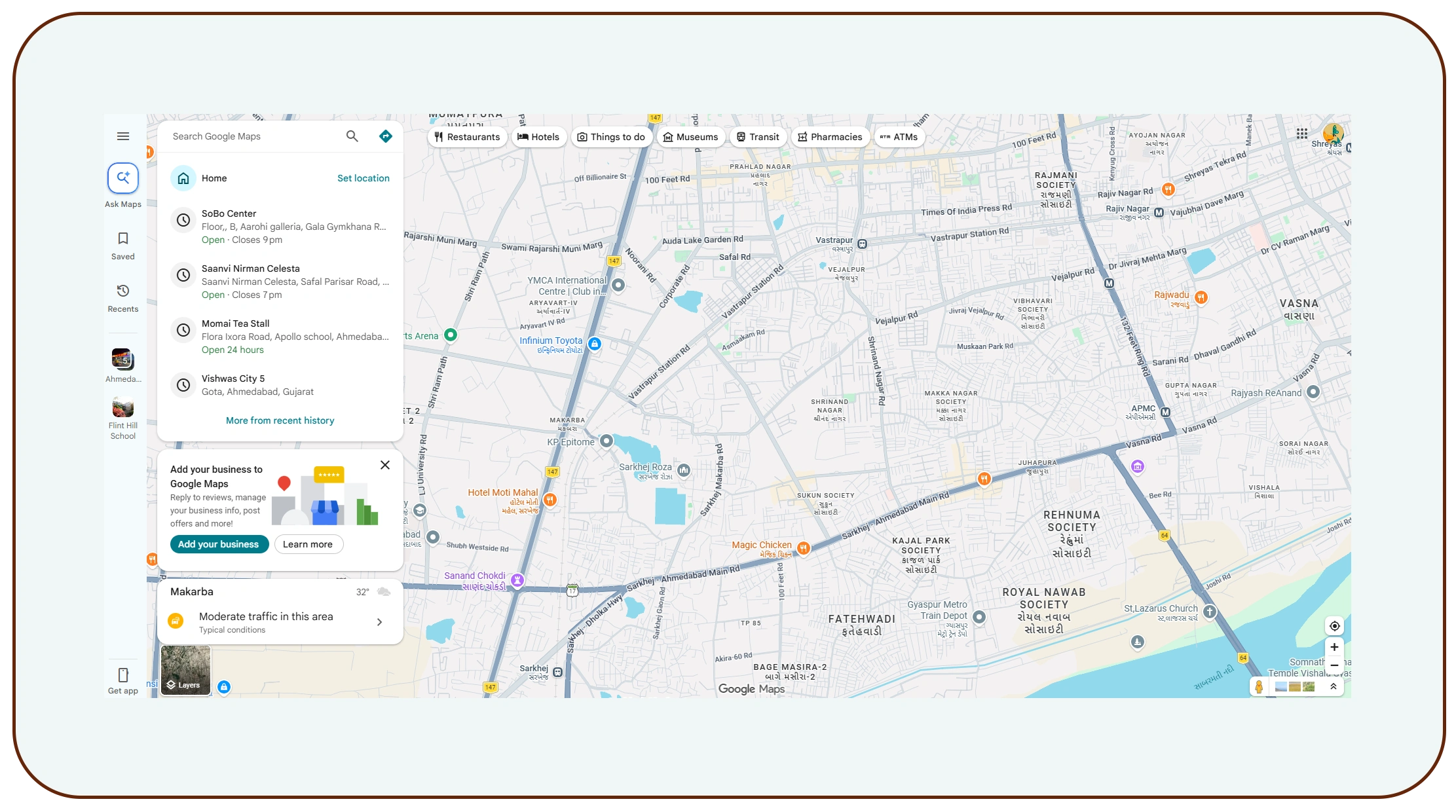
Retail success depends on understanding where customers shop, where competitors operate, and which markets offer the greatest opportunity. Location analytics transforms geographic business information into strategic insights that improve expansion planning, customer acquisition, and operational efficiency.
Organizations increasingly Extract Google Maps Location Intelligence Data for Retail Growth to evaluate trade areas, compare store performance, monitor competitor locations, and identify underserved regions. Combining location intelligence with demographic and business data enables retailers to make smarter investment decisions and optimize their physical presence.
Business Applications
- Compare retail market saturation.
- Monitor competitor expansion.
- Optimize store placement.
- Evaluate regional demand.
- Improve franchise planning.
- Strengthen territory management.
Retail Location Intelligence Adoption (2020–2026)
| Year | Retailers Using Location Analytics | Markets Evaluated | Expansion Decision Accuracy |
|---|---|---|---|
| 2020 | 34% | 1,900 | 81% |
| 2021 | 42% | 2,500 | 84% |
| 2022 | 51% | 3,200 | 88% |
| 2023 | 61% | 4,100 | 91% |
| 2024 | 71% | 5,300 | 94% |
| 2025 | 80% | 6,700 | 96% |
| 2026* | 88% | 8,200 | 98% |
Projected estimates.
Key Insights
- Location intelligence improves retail expansion success.
- Geographic analytics supports strategic investment planning.
- Competitor mapping enhances market positioning.
- Trade area analysis improves customer reach.
- Automated location monitoring reduces planning time.
- Data-driven expansion strategies increase long-term profitability.
Retailers that integrate location intelligence into decision-making can identify high-potential markets, optimize store networks, and strengthen their competitive advantage through precise geographic insights.
How Can Automated Business Intelligence Scale Market Research?
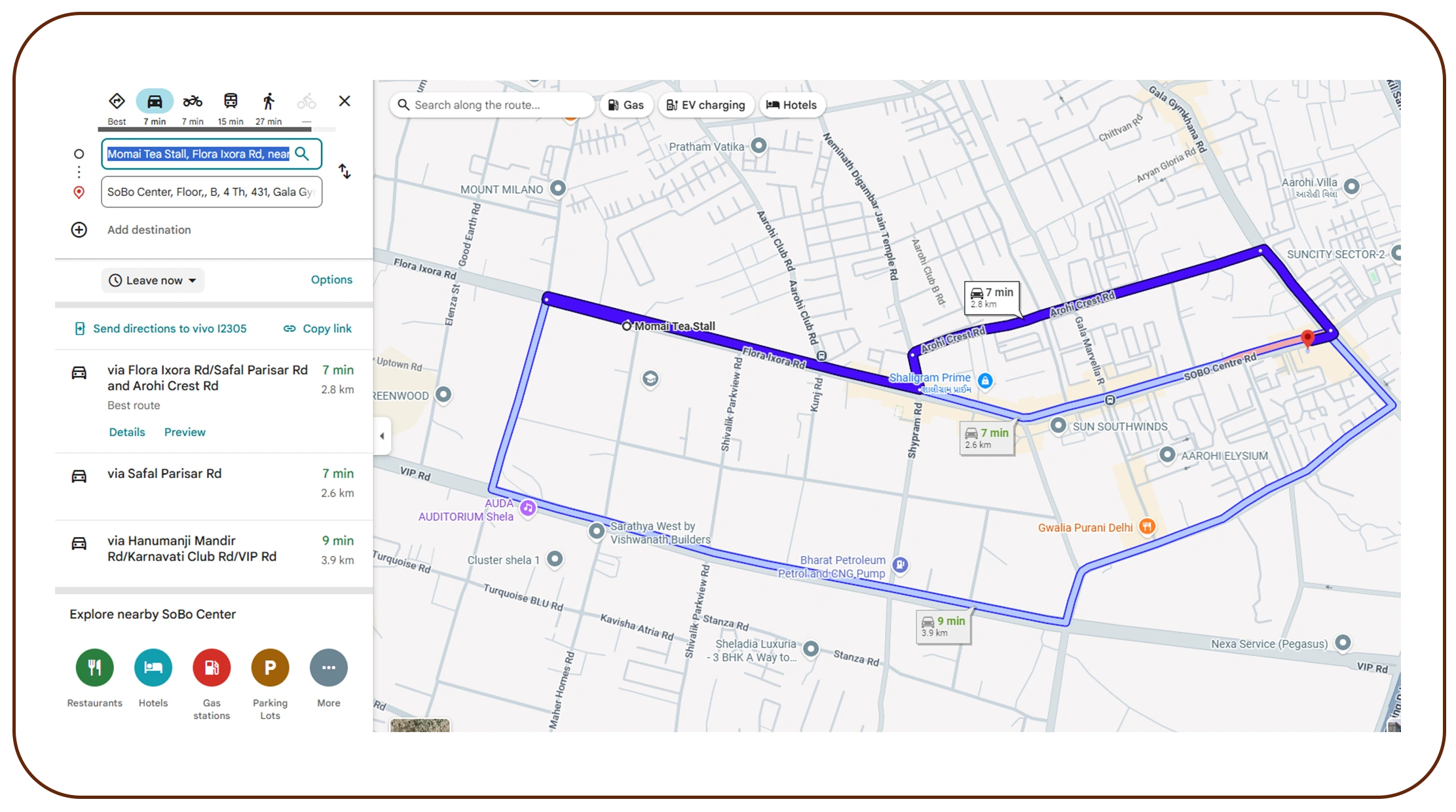
Modern businesses require continuously updated market intelligence to stay ahead of competitors. Manual collection of business information is time-consuming, difficult to scale, and often results in outdated datasets. Automated solutions help organizations build comprehensive business databases while maintaining high accuracy and efficiency.
Using Google Maps Scraper, scrape business data from Google Maps using keywords, companies can automate the collection of business names, addresses, phone numbers, websites, ratings, reviews, categories, operating hours, coordinates, and other publicly available business information. These structured datasets empower sales, marketing, research, and expansion teams to make faster and more informed decisions.
Key Business Benefits
- Build verified business directories.
- Monitor competitor expansions.
- Track business profile updates.
- Generate qualified sales leads.
- Support CRM enrichment.
- Improve territory planning.
Automated Business Data Collection Trends (2020–2026)
| Year | Business Records Processed | Automated Collection Rate | Data Accuracy |
|---|---|---|---|
| 2020 | 15 Million | 38% | 90% |
| 2021 | 20 Million | 47% | 92% |
| 2022 | 27 Million | 57% | 94% |
| 2023 | 35 Million | 68% | 96% |
| 2024 | 45 Million | 78% | 97% |
| 2025 | 58 Million | 87% | 98% |
| 2026* | 72 Million | 94% | 99% |
Projected estimates.
Key Insights
- Automation significantly improves data freshness.
- Structured datasets enhance CRM and BI systems.
- Continuous monitoring reduces manual effort.
- Scalable business intelligence supports multi-market expansion.
- Automated updates improve lead generation and competitive analysis.
Organizations implementing automated business intelligence gain faster access to reliable market information, enabling smarter planning and sustained competitive growth.
Why Choose Real Data API?
Real Data API provides enterprise-grade location intelligence and business data extraction solutions for retailers, franchises, marketing agencies, sales organizations, and market research firms. Our scalable platform delivers accurate, structured, and frequently updated business datasets that integrate seamlessly into CRM systems, BI dashboards, analytics platforms, and AI applications.
Using our advanced Google Maps Reviews Scraper, organizations can collect publicly available review data, ratings, customer sentiment, business listings, and location intelligence to strengthen competitive analysis and reputation monitoring. Combined with the ability to scrape business data from Google Maps using keywords, businesses gain complete visibility into local markets, enabling better lead generation, territory planning, and expansion strategies.
Why Businesses Trust Real Data API
- Enterprise-scale business data extraction.
- High-quality structured datasets.
- Automated location intelligence.
- Real-time business listing updates.
- Flexible API integration.
- AI-ready business intelligence.
- Secure and scalable data delivery.
Business Benefits
- Build accurate business databases.
- Improve local market research.
- Strengthen sales prospecting.
- Monitor competitors continuously.
- Optimize expansion planning.
- Support data-driven business growth.
Real Data API transforms publicly available business information into actionable insights that help organizations improve operational efficiency, uncover new opportunities, and make confident strategic decisions.
Conclusion
Location intelligence has become an essential component of modern business strategy. Companies that continuously monitor business listings, customer reviews, geographic distribution, and market activity are better equipped to identify opportunities, strengthen competitive positioning, and accelerate growth.
Leveraging Google Maps location data scraping for competitive market mapping enables organizations to analyze business density, monitor regional trends, evaluate competitor presence, and build comprehensive business intelligence datasets. These insights improve lead generation, territory planning, retail expansion, and local marketing initiatives.
As competition intensifies across industries, automated location intelligence empowers organizations to make faster, evidence-based decisions while reducing manual research efforts and improving data accuracy.
Ready to unlock the power of Google Maps business intelligence? Partner with Real Data API to transform publicly available location data into accurate, scalable, and actionable insights that drive smarter market research, stronger competitive analysis, and sustainable business growth through Google Maps location data scraping for competitive market mapping!
Latest posts
How Smiles API Enables Real-Time Food, Grocery, Restaurant, Product, and Delivery Data Intelligence
How BigBasket API Helps Businesses Extract Grocery Products, Prices, Offers, and Availability Data
How Restaurant, Menu, Price, Rating, and Delivery Data Helps Businesses Track Food Delivery Markets

How Businesses Solve Restaurant Market Intelligence Challenges with Rating, Review, and Location Data






.png)