
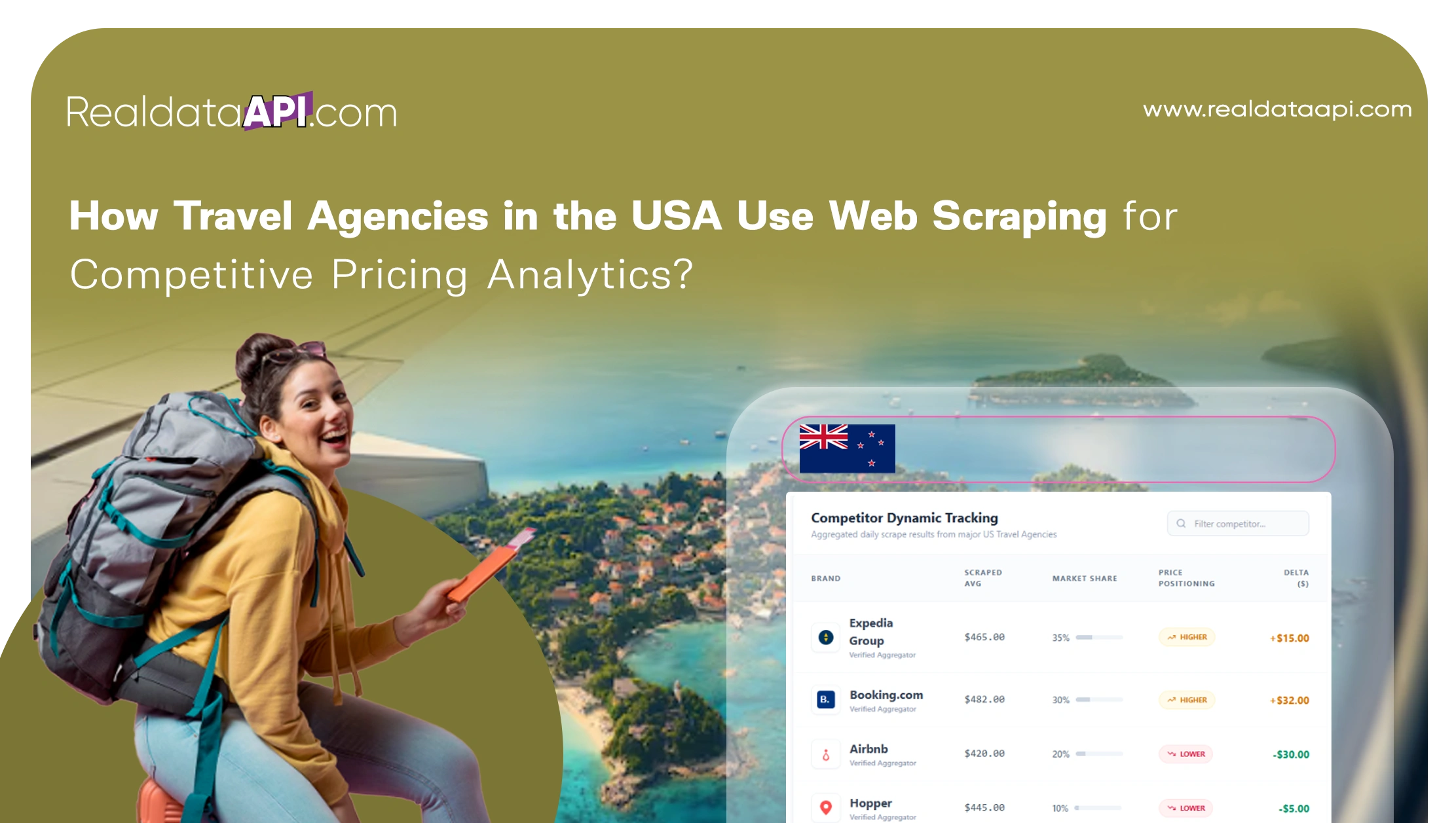
Introduction
The US travel agency market operates at the intersection of intense competition and relentless price transparency. Every traveler with a smartphone can compare airfare and hotel rates across dozens of platforms in seconds — and they do. For travel agencies trying to win business in this environment, offering genuinely competitive pricing is not just a sales advantage. It is a survival requirement. The agency that can consistently quote a better rate, identify a better package, or anticipate a fare drop before a competitor does earns the booking. The one that cannot loses it to an OTA with three clicks.
This is the commercial reality driving rapid adoption of web scraping airfare and hotel rate data across the US travel agency sector. Whether an agency operates as a full-service leisure travel firm, a corporate travel management company, a luxury travel concierge, or a niche adventure travel specialist, the need is the same: real-time, structured, multi-platform pricing intelligence that tells them exactly where their offerings stand in the market at any given moment — and where the opportunities are that competitors have not yet spotted.
This article explores how travel agencies across the United States are using web scraping, travel data scraping APIs, and structured travel datasets to build competitive pricing analytics capabilities that transform how they source, price, and sell travel — and how the right data infrastructure makes the difference between winning and losing in the most price-transparent market in the travel industry.
$50B+
US travel agency revenue 2025
87,000+
Travel agency establishments in USA
63%
Travelers compare 3+ sites before booking
48hrs
Avg booking window agencies must match
The Competitive Pricing Problem for US Travel Agencies
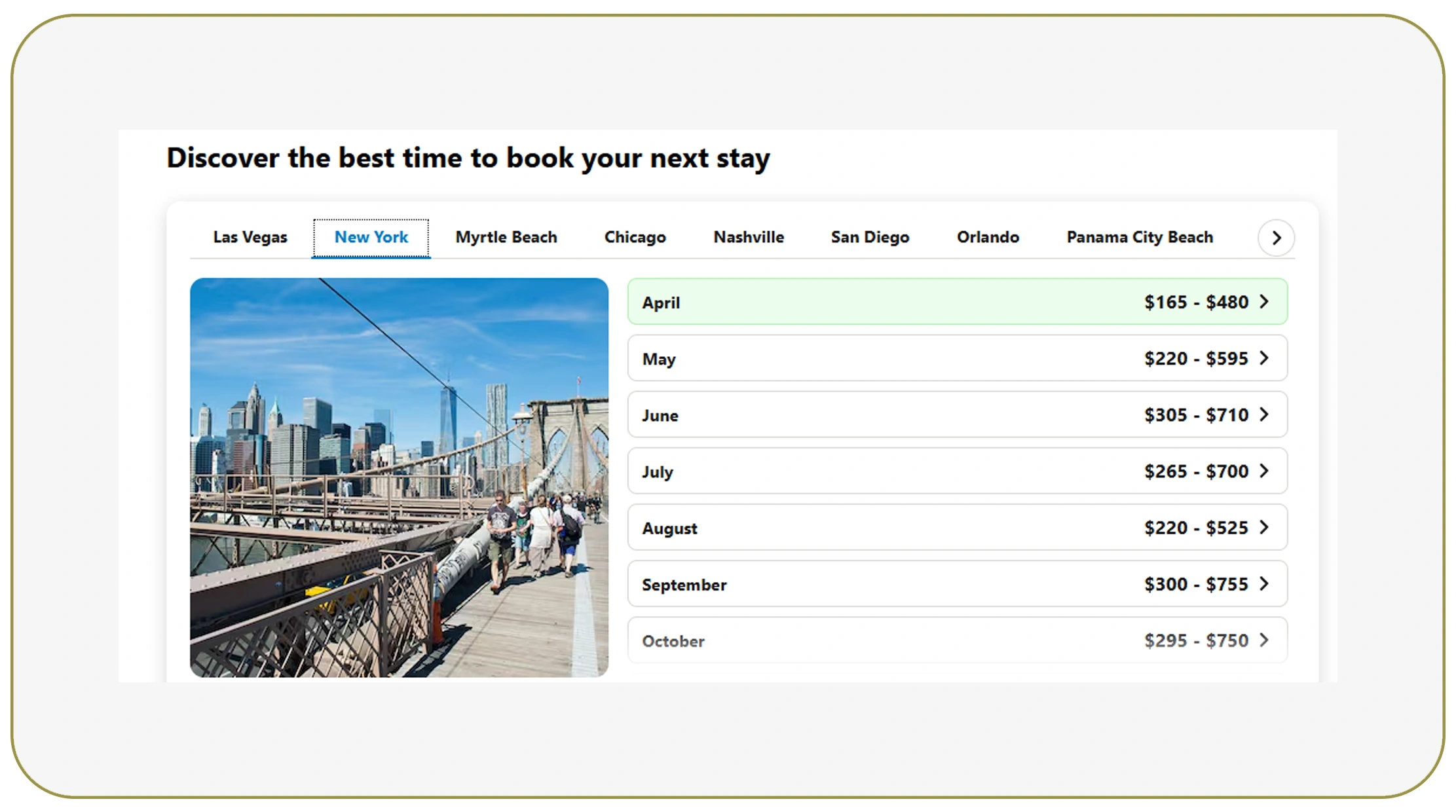
Travel agencies in the United States face a pricing environment that has never been more challenging or more data-intensive. The rise of OTAs — Expedia, Booking.com, Kayak, Google Travel, Priceline — has made airfare and hotel pricing radically transparent to consumers, creating a market where even a $10 difference in a quoted fare can determine whether a client books through the agency or goes direct. At the same time, the volume of pricing data that agencies need to monitor to stay competitive has grown exponentially: dozens of airlines, thousands of hotel properties, multiple OTA platforms, and direct supplier sites — all updating prices continuously.
USA travel agencies data scraping for pricing strategy addresses this challenge directly. By systematically extracting travel pricing data for agencies in the USA from the same platforms that consumers are comparing, agencies can see their competitive position in real time, identify pricing gaps before clients do, and build the kind of market-aware pricing strategy that drives repeat bookings and referral business.
"The travel agency that sees the fare drop on the JFK–LAX route before its client does — and proactively reaches out — wins a loyal customer for years. That advantage starts with better data."
-
Leisure OTAs (Online Travel Agencies)
Policy compliance + fare benchmarking
Dynamic packaging + rate parity -
Luxury Concierge (High-end Travel Firms)
Premium hotel rate access + upgrades -
Niche Specialists (Adventure / Destination Agencies)
Tour pricing + supplier benchmarking -
Cruise Agencies (Marine Travel Specialists)
Cabin pricing + itinerary comparison
Key Data Sources for Travel Agency Pricing Intelligence
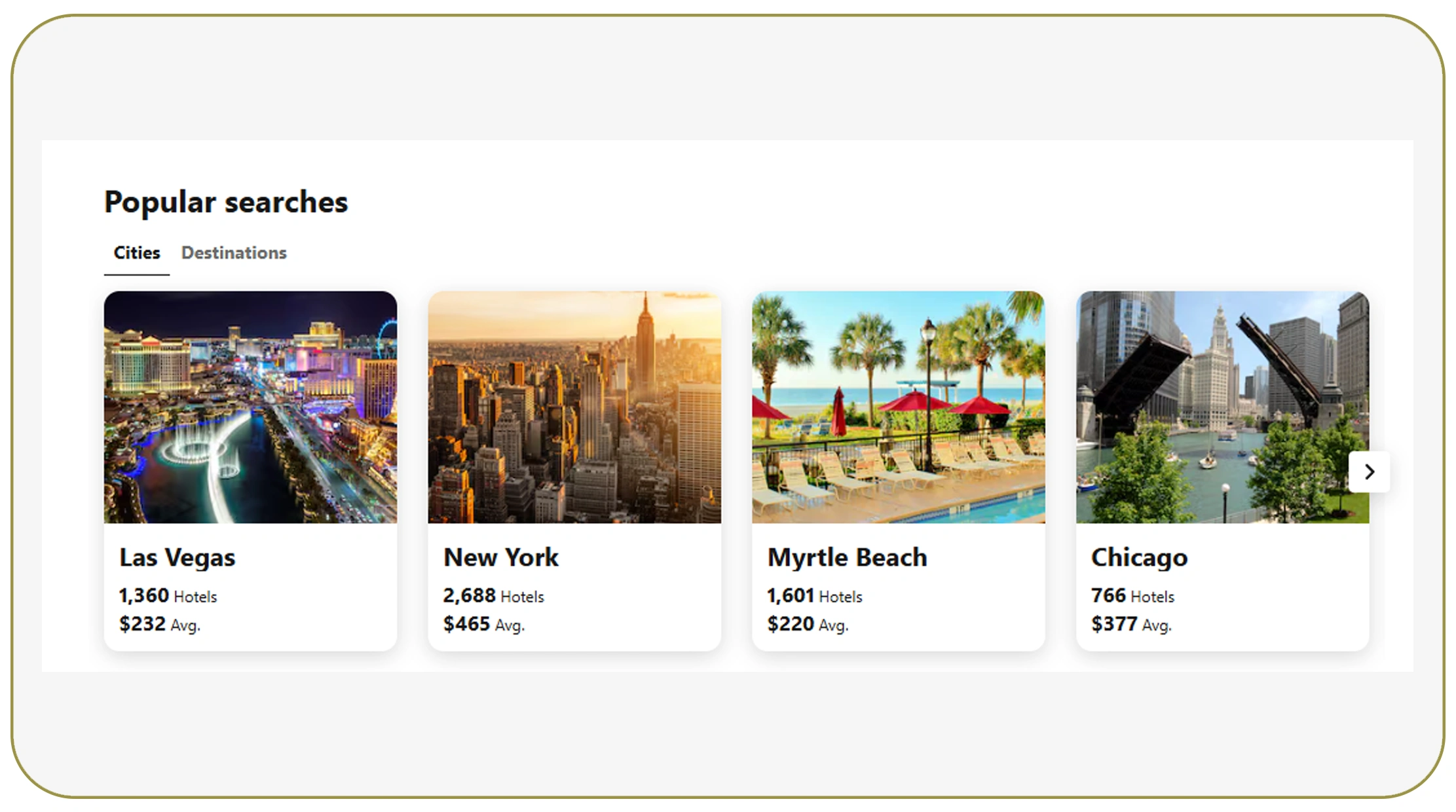
Effective USA travel and hotel booking data extraction for competitive pricing analytics requires targeting the right combination of platforms. Each source contributes a distinct pricing signal that, when combined, gives agencies a complete picture of the market they are competing in.
- Expedia / Booking.com: Hotel nightly rates, room type pricing, OTA promotional rates, cancellation terms, and availability windows across US and international properties
- Google Flights / Kayak: Real-time airfare across all major US carriers, route price calendars, lowest-fare signals, and historical fare trend data for booking window analysis
- Airline Direct Sites: Base fares, ancillary fee structures, fare class availability, loyalty pricing, and direct-booking exclusive rates not always visible on OTAs
- Hotels.com / Priceline: Last-minute rate drops, opaque deal pricing, loyalty member rate differentials, and resort fee structures for competitive hotel positioning
- Airbnb / Vrbo: Short-term rental pricing benchmarks that inform hotel rate competitiveness in leisure travel markets where vacation rentals compete directly
- Cruise Line Sites: Cabin category pricing, itinerary availability, early booking discounts, and group rate structures for cruise-specialist agency analytics
Tools for Scraping Airfare and Hotel Rate Data
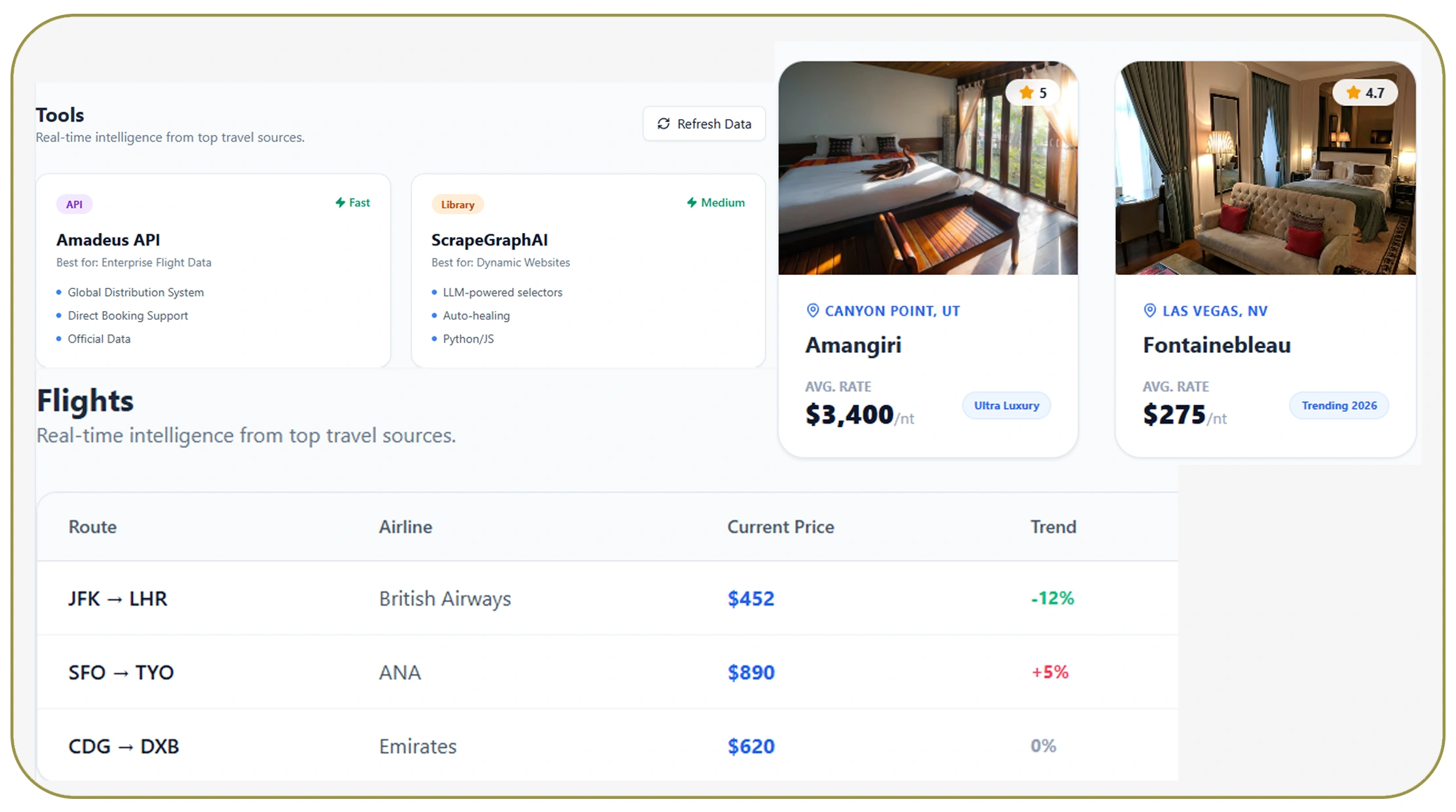
The right toolset for web scraping airfare and hotel rate data depends on the scale of the agency's pricing intelligence program, the technical resources available, and whether the goal is a periodic competitive audit or a continuously refreshed real-time pricing feed. Here is a practical breakdown of the most effective tools in use across US travel agencies today.
Python + Playwright
Browser automation for JS-rendered OTAs and airline sites — handles dynamic pricing loads, date picker interactions, and search result pagination
Scrapy
High-throughput crawling for large-scale extraction across hundreds of hotel property pages or airline route combinations simultaneously
Web Scraping API
Managed scraping infrastructure handling proxy rotation, CAPTCHA resolution, and session management — eliminating the fragility of maintaining custom travel scrapers
Travel Data Scraping API
Domain-specific travel data APIs delivering pre-structured, continuously refreshed airfare and hotel rate data without custom scraper development or maintenance
Apache Airflow
Pipeline orchestration scheduling pricing collection jobs on staggered cadences — hourly fare monitoring, daily rate benchmarking, weekly market reports
PostgreSQL / Snowflake
Time-stamped storage for historical pricing datasets enabling trend analysis, advance purchase curve modeling, and competitive benchmark reporting
# Travel agency competitive pricing scraper — airfare + hotel rates
import asyncio
from playwright.async_api import async_playwright
import pandas as pd
from datetime import datetime

async def scrape_agency_pricing(route_or_dest, travel_date, segment):
    async with async_playwright() as p:
        browser = await p.chromium.launch(headless=True)
        page = await browser.new_page()
        if segment == "flight":
            url = f"https://example-flights.com/search?route={route_or_dest}&date={travel_date}"
        else:
            url = f"https://example-hotels.com/search?dest={route_or_dest}&checkin={travel_date}"
        await page.goto(url, wait_until="networkidle")
        results = await page.query_selector_all(".result-card")
        records = []
        for r in results:
            provider = await r.query_selector(".provider-name")
            price = await r.query_selector(".price-display")
            detail = await r.query_selector(".detail-info")
            records.append({
                "segment": segment,
                "query": route_or_dest,
                "date": travel_date,
                "provider": await provider.inner_text() if provider else None,
                "price_usd": await price.inner_text() if price else None,
                "detail": await detail.inner_text() if detail else None,
                "scraped_at": datetime.utcnow().isoformat(),
            })
        await browser.close()
        return pd.DataFrame(records)

# Scrape both airfare and hotel rates for key agency routes
jfk_mia_flights = asyncio.run(scrape_agency_pricing("JFK-MIA", "2026-07-10", "flight"))
jfk_lax_flights = asyncio.run(scrape_agency_pricing("JFK-LAX", "2026-07-10", "flight"))
miami_hotels = asyncio.run(scrape_agency_pricing("miami-fl", "2026-07-10", "hotel"))
la_hotels = asyncio.run(scrape_agency_pricing("los-angeles-ca","2026-07-10","hotel"))
travel_dataset = pd.concat([jfk_mia_flights, jfk_lax_flights, miami_hotels, la_hotels])
travel_dataset.to_csv("agency_competitive_pricing.csv", index=False)
Competitive Pricing Intelligence the Data Unlocks
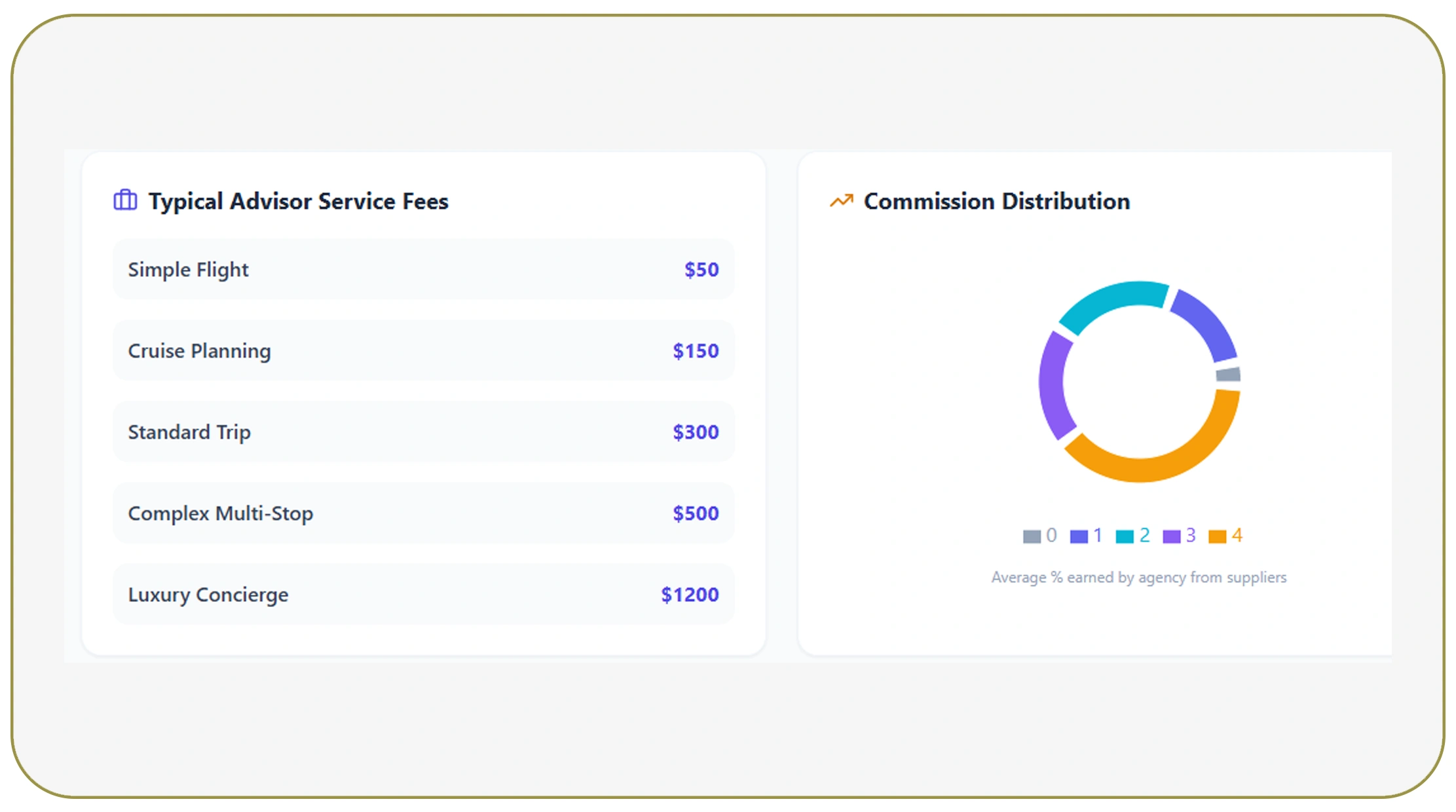
Advance Purchase Curve Analysis
By scraping the same flight routes daily over a 60–90 day booking window and recording how fares change as the travel date approaches, agencies build advance purchase curve models that reveal the optimal booking window for each route and carrier. This intelligence allows agencies to advise clients on exactly when to book — and to price their own packaged fares with confidence that they are capturing the best available rates at the right moment.
Hotel Rate Parity and Direct Booking Gap
Simultaneously scraping the same hotel property across Expedia, Booking.com, Hotels.com, and the hotel's own direct booking site quantifies the rate parity gap — revealing which properties consistently offer lower direct rates than OTA rates, and by how much. Agencies that track this gap can advise clients on when to book direct versus through the agency, building trust and expertise that drives retention.
Package Pricing Benchmarking
Extracting travel pricing data for agencies in the USA across both flight and hotel segments simultaneously enables true package pricing benchmarking — comparing the agency's bundled flight-plus-hotel quotes against the sum of individually scraped component prices from competitor OTAs. Agencies that consistently demonstrate a bundle savings advantage over DIY booking win on both price and convenience simultaneously.
Travel Scraping API Use Cases for US Travel Agencies
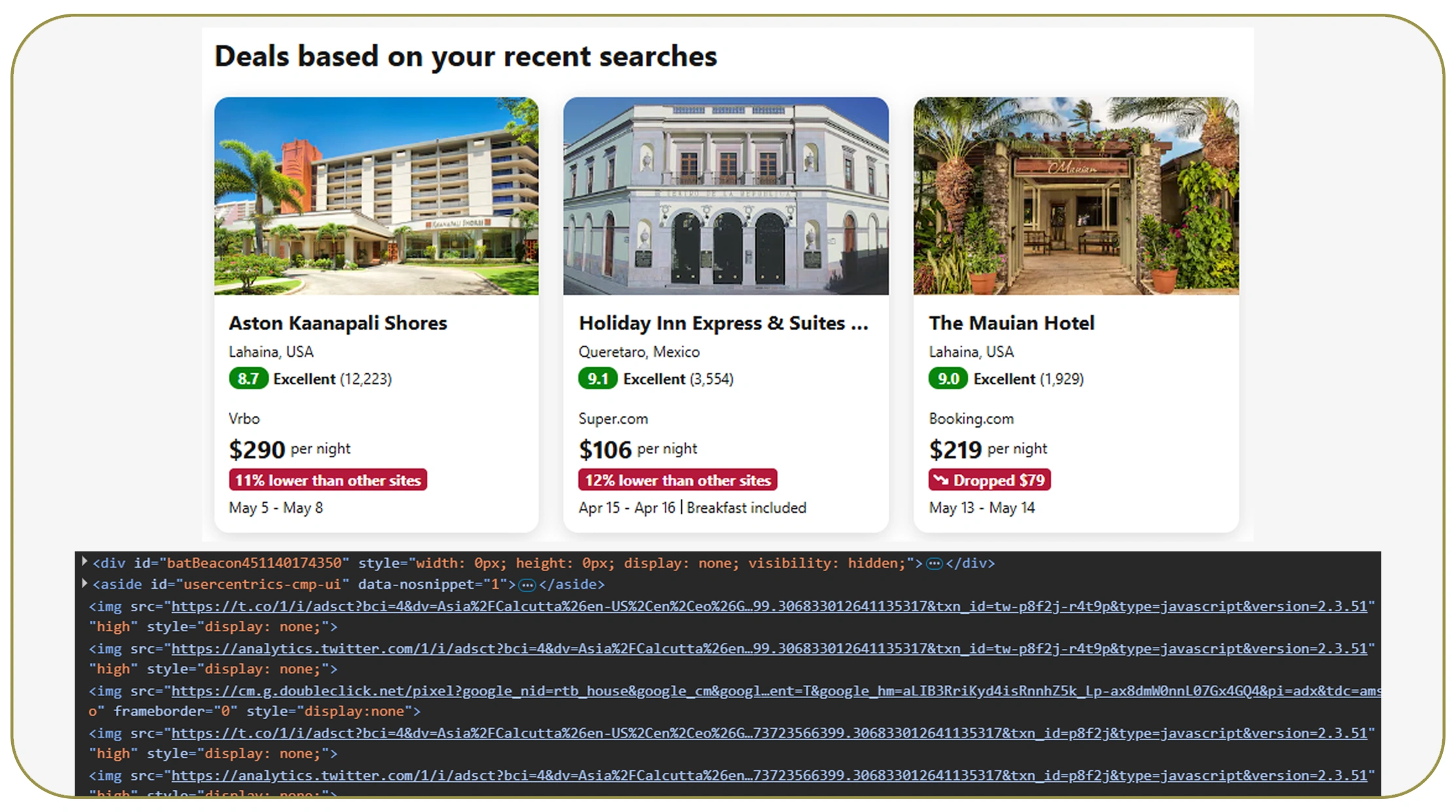
For travel agencies scaling their pricing intelligence programs beyond what in-house scraping infrastructure can support, travel scraping API and web scraping API solutions provide a managed, production-ready alternative. Here are the most impactful travel scraping API use cases across the US agency sector.
Travel Scraping API — High-Value Agency Use Cases
- Corporate travel policy benchmarking — TMCs use travel data scraping APIs to continuously verify that their contracted corporate fares and hotel rates remain genuinely competitive against market rates, giving corporate clients confidence that their travel program is delivering value
- Dynamic package pricing engines — OTA-style agencies feed flight fare and hotel rate APIs into automated packaging algorithms that build and price competitive bundles in real time without manual sourcing
- Fare alert and price drop notification services — agencies offering proactive price monitoring use web scraping APIs to track dozens of routes and destinations per client, alerting them automatically when a significant fare or rate drop occurs
- Luxury rate access monitoring — high-end agencies track when premium hotel properties release distressed inventory at significant discounts, creating upgrade and upsell opportunities that strengthen client relationships
- Destination pricing trend reports — agencies building thought leadership content and client advisory reports use structured travel datasets to publish data-driven seasonal pricing guides for top destinations
Building a Travel Dataset for Agency Pricing Strategy
The ultimate output of a systematic USA travel and hotel booking data extraction program is a structured, time-stamped, continuously updated travel dataset that functions as the agency's proprietary market intelligence asset. Unlike generic industry reports or periodic GDS data exports, a scraped travel dataset reflects real-time market pricing across the specific routes, destinations, and property categories that matter most to each agency's client base.
| Data Layer | Source | Agency Application | Refresh Cadence |
|---|---|---|---|
| Airfare by route & carrier | Google Flights, Kayak, Airlines | Advance purchase modeling | Hourly |
| Hotel rates by property & OTA | Expedia, Booking.com, Direct | Rate parity benchmarking | Hourly |
| Package pricing comparisons | Multi-OTA aggregation | Bundle value demonstration | Daily |
| Short-term rental benchmarks | Airbnb, Vrbo | Hotel vs. STR positioning | Daily |
| Seasonal pricing trends | Historical dataset aggregation | Client advisory reports | Weekly |
Conclusion
The US travel agency sector has always competed on relationships, expertise, and access. In 2026, it also competes on data. The agencies that consistently win client business — and keep it — are those that demonstrate a level of market pricing intelligence that clients cannot replicate on their own through an OTA search. Building that intelligence capability through web scraping airfare and hotel rate data, assembling a structured travel dataset from USA travel and hotel booking data extraction, and deploying a travel data scraping API for continuous competitive monitoring is how forward-thinking agencies are creating a data moat that independent booking simply cannot match.
Whether the application is advance purchase curve modeling for corporate travel programs, dynamic package pricing for leisure OTAs, luxury rate access monitoring for high-end concierge firms, or destination trend reporting for niche specialists, the data infrastructure requirement is consistent: clean, structured, continuously refreshed airfare and hotel pricing data delivered through a reliable web scraping API or travel data scraping API that keeps the agency's intelligence always current.
For US travel agencies ready to build this capability without the overhead of managing multi-source scraping pipelines, Real Data API is the most complete and production-ready solution available today. Real Data API provides structured, continuously refreshed access to a comprehensive travel dataset spanning airfare across all major US routes and carriers, hotel nightly rates across thousands of US and international properties, OTA price comparisons, advance purchase pricing curves, short-term rental benchmarks, and seasonal demand signals — all delivered through a clean, scalable travel data scraping API and web scraping API purpose-built for competitive pricing analytics. From TMCs benchmarking corporate fares to luxury agencies tracking premium inventory releases, Real Data API provides the pricing intelligence infrastructure that turns data into bookings.
Real Data API — Competitive Pricing Intelligence for US Travel Agencies
Access real-time airfare, hotel rates, package pricing benchmarks, OTA comparisons, and advance purchase curves across the USA — all through a single travel data scraping API and web scraping API built for travel agency pricing analytics and competitive strategy.
Statistics and pricing figures are illustrative estimates based on publicly available market data. Always verify against current platform listings. Review each platform's Terms of Service before initiating data collection programs.
Latest posts
How Foodpanda Food Dataset Helps Businesses Track Restaurants, Menus, Prices, Ratings, and Food Delivery Trends?
How IKEA E-commerce Dataset Helps Businesses Solve Product, Pricing, Category, and Retail Trend Challenges?
How Target e-commerce dataset Helps Brands Track Products, Prices, Availability, and Retail Market Trends for Smarter Insights?
How Dior fashion dataset Helps Brands Track Luxury Products, Prices, Collections, and Fashion Trends for Smarter Insights?






.png)



