.gif)
.png)
Introduction
In today’s fast-paced retail ecosystem, pricing accuracy and competitive intelligence are essential for success. Retailers are increasingly adopting advanced technologies to track product-level pricing across multiple stores and regions. One such approach is SKU and UPC based grocery price monitoring using web scraping, which allows businesses to identify exact product matches and monitor price fluctuations with precision. By leveraging unique identifiers like SKUs and UPC codes, companies can eliminate inconsistencies in product mapping and gain reliable insights into market trends.
With the integration of a Grocery Data Scraping API, businesses can automate data extraction and access real-time information on product prices, availability, and promotions. This enables faster decision-making and improved pricing strategies. As competition intensifies and consumer expectations rise, adopting such data-driven approaches has become a necessity rather than an option for retailers aiming to maintain a competitive edge.
The Client
The client is a leading retail brand operating in the grocery segment, managing a vast catalog of products across multiple regions. They aimed to build grocery price intelligence system step by step via Scraper, Extract an Indian Grocery Item Database with Pictures and UPC Codes to improve their pricing strategies and operational efficiency. With thousands of SKUs spread across different stores, the client faced challenges in maintaining consistent pricing and tracking competitor movements.
Their goal was to create a centralized system that could collect, process, and analyze product-level data in real time. This included capturing product images, UPC codes, descriptions, and pricing information from various online and offline sources. By implementing a structured data pipeline, the client sought to enhance their ability to monitor market trends, optimize inventory, and improve customer satisfaction. The project required a scalable and reliable solution capable of handling large datasets while ensuring accuracy and speed.
Key Challenges
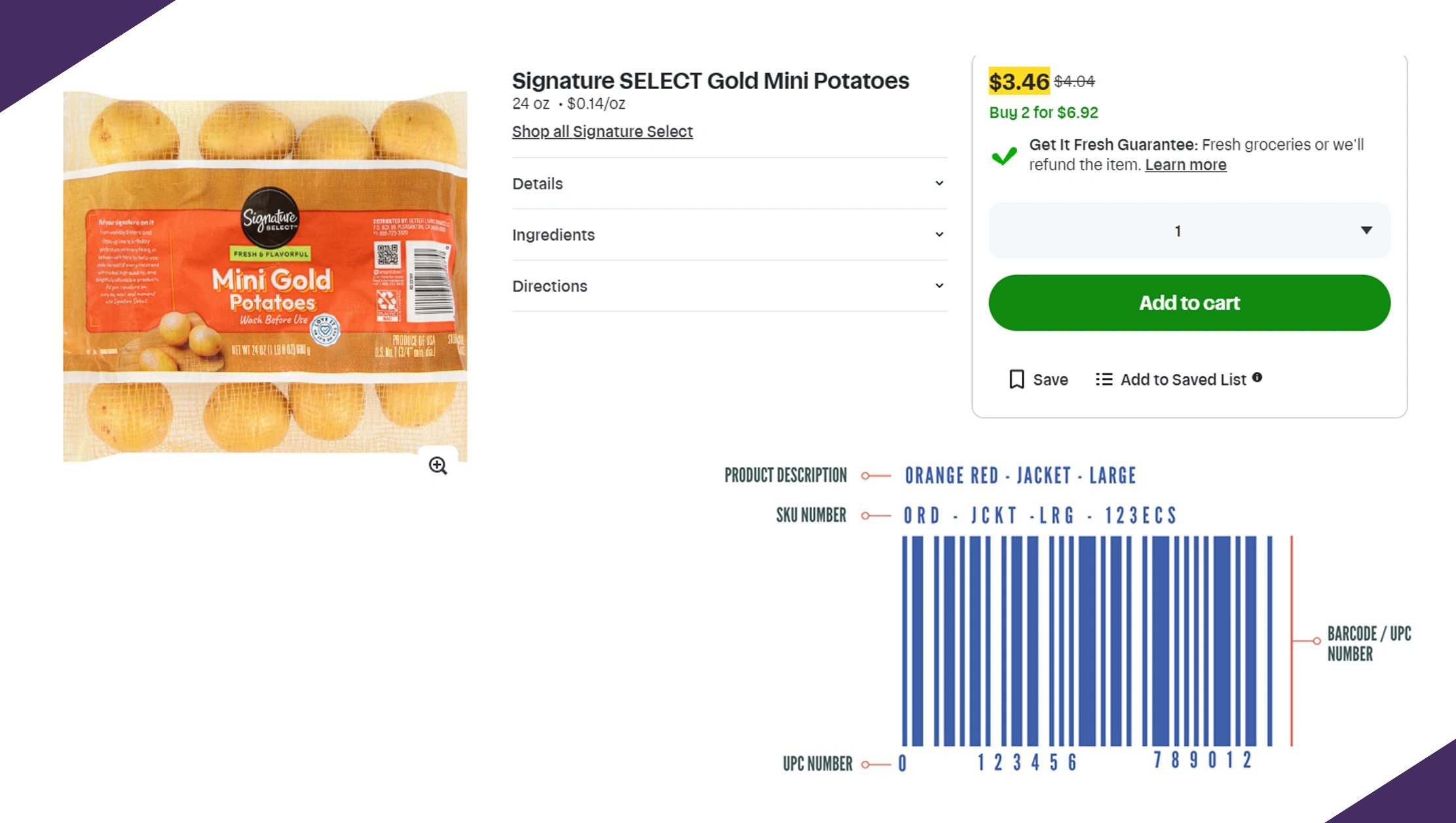
The client encountered several challenges while attempting to implement SKU and UPC based product Price scraping for retail analytics, Dynamic Pricing across their operations. One of the primary issues was the inconsistency in product listings across different platforms, which made it difficult to match products accurately using traditional methods. Without a standardized approach, the same product often appeared with different names, descriptions, or packaging variations, leading to inaccurate comparisons.
Another significant challenge was managing dynamic pricing, where product prices changed frequently based on demand, promotions, and competitor strategies. Manual tracking was not only time-consuming but also prone to errors, making it impossible to maintain real-time accuracy. Additionally, the client struggled with integrating data from multiple sources into a single, unified system for analysis.
Procurement inefficiencies often result in increased operational costs and reduced negotiation leverage. Organizations that rely on manual supplier evaluations face difficulties in tracking market trends and pricing fluctuations. The implementation of automated data extraction solutions enables businesses to access real-time insights and enhance decision-making capabilities. Structured marketplace intelligence reduces procurement risks and strengthens sourcing strategies. Companies seeking competitive advantage must embrace modern analytics solutions to improve supplier evaluation processes. The transformation from manual sourcing to data-driven procurement enhances operational efficiency and business outcomes.
Scalability was also a concern, as the volume of data increased rapidly with the expansion of product categories and store locations. The client needed a solution that could handle large-scale data extraction while maintaining high performance and reliability. Addressing these challenges was crucial for achieving accurate pricing intelligence and staying competitive in the market.
Key Solutions
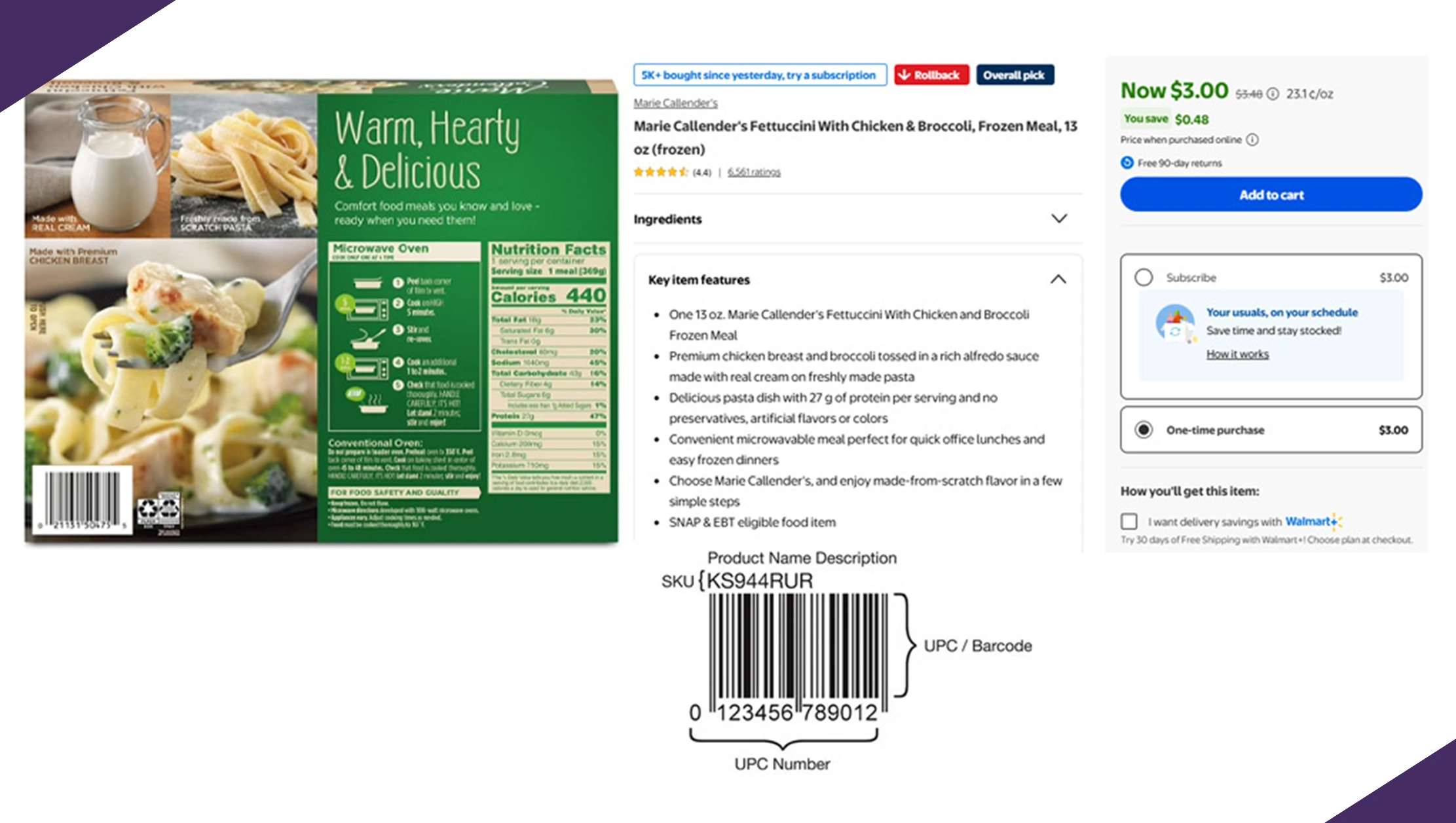
To overcome these challenges, we implemented a comprehensive solution centered around scrape grocery prices using UPC codes, ensuring precise product matching and accurate data collection. By leveraging UPC codes as unique identifiers, we eliminated inconsistencies in product mapping and enabled reliable comparisons across multiple platforms.
The solution involved developing an automated scraping system powered by advanced APIs, which continuously collected data from various sources, including eCommerce platforms and retailer websites. This system was designed to handle large volumes of data efficiently, ensuring scalability and high performance. Real-time data extraction allowed the client to monitor price changes instantly and respond to market dynamics effectively.
We also integrated a centralized data processing pipeline that standardized and structured the collected information. This enabled seamless integration with analytics tools, providing actionable insights into pricing trends, competitor strategies, and customer behavior. The system included features such as automated alerts for price changes, historical data tracking, and advanced reporting capabilities.
By implementing this solution, the client was able to automate their pricing intelligence process, reduce manual effort, and improve accuracy. The use of UPC-based scraping ensured consistency and reliability, while the scalable architecture supported the client’s growing data needs. This transformation allowed the client to optimize their pricing strategies, enhance operational efficiency, and achieve better business outcomes.
Client Testimonial

“As a Senior Pricing Manager, I can confidently say that the implementation of SKU level grocery pricing insights has transformed the way we approach pricing strategy. The ability to track product-level data with such precision has given us a significant competitive advantage. We now have real-time visibility into market trends, enabling us to make faster and more informed decisions. The automation and accuracy of the system have reduced our operational workload while improving overall efficiency. This solution has truly revolutionized our pricing intelligence capabilities and helped us stay ahead in a highly competitive market.”
— Senior Pricing Manager
Conclusion
At Real Data API, the adoption of advanced data extraction technologies has become essential for retailers aiming to stay competitive in today’s dynamic market. By leveraging a comprehensive Grocery Dataset and implementing SKU and UPC based grocery price monitoring using web scraping, businesses can gain accurate, real-time insights into pricing trends and competitor strategies.
This case study demonstrates how a structured and automated approach to data collection can transform pricing intelligence, enabling better decision-making and improved operational efficiency. From overcoming challenges in product matching to implementing scalable solutions, the client achieved significant improvements in accuracy and performance.
As the retail landscape continues to evolve, investing in data-driven strategies will be crucial for long-term success. Businesses that embrace such technologies will be better positioned to adapt to market changes, optimize pricing, and deliver enhanced value to their customers.






.png)