
Introduction
In the competitive quick-service restaurant industry, location intelligence plays a critical role in identifying high-demand markets and optimizing expansion strategies. Pizza chains rely heavily on analyzing geographic performance, consumer demand, and competitor distribution to determine where to open new outlets and improve delivery coverage. One of the most effective ways to achieve this insight is through Telepizza store coverage and density analysis data extraction, which enables businesses to evaluate the geographic spread and operational footprint of one of Spain’s most prominent pizza brands.
By analyzing store location patterns, businesses can understand how pizza chains strategically position their outlets in urban centers, suburban neighborhoods, and high-traffic commercial zones. Data extracted from store locator platforms and mapping systems can reveal market penetration levels, density clusters, and underserved regions. These insights help restaurant brands, market researchers, and investors make informed decisions regarding expansion opportunities and delivery logistics.
Additionally, organizations that Scrape Telepizza restaurant locations data in Spain can study consumer behavior, competitive landscapes, and demographic demand patterns across cities. Such data enables businesses to evaluate store density per region, analyze urban coverage gaps, and develop optimized location strategies for new outlets. With accurate datasets and analytics tools, companies can identify emerging pizza markets and enhance operational efficiency across their distribution network.
Mapping the Competitive Pizza Landscape with Reliable Data Sources
Understanding the pizza industry’s competitive landscape requires accurate datasets that reveal how store networks are distributed across regions. Businesses and analysts increasingly rely on a Telepizza store location data provider to gather structured information about restaurant addresses, operational coverage, and geographic density. These datasets help organizations understand how a brand positions its outlets in metropolitan areas, suburban neighborhoods, and tourist regions.
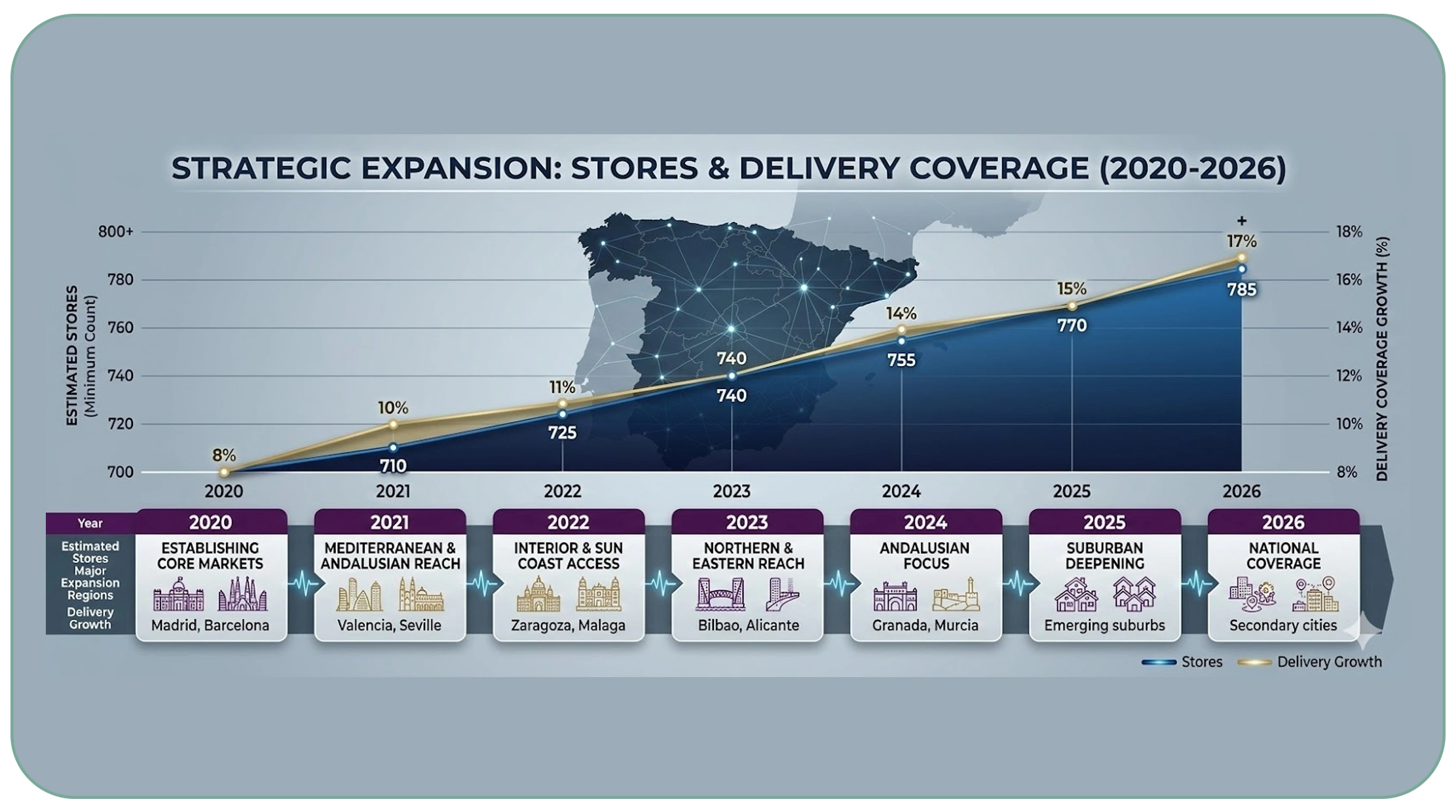
From 2020 to 2026, Spain’s quick-service restaurant sector has experienced consistent growth driven by delivery demand, digital ordering platforms, and urban population expansion. Telepizza has expanded strategically in regions with high delivery demand and dense residential populations. Access to accurate datasets enables analysts to measure store density and identify potential market saturation points.
Telepizza Store Expansion Indicators in Spain (2020–2026)
| Year | Estimated Stores | Major Expansion Regions | Delivery Coverage Growth |
|---|---|---|---|
| 2020 | 700+ | Madrid, Barcelona | 8% |
| 2021 | 710+ | Valencia, Seville | 10% |
| 2022 | 725+ | Zaragoza, Malaga | 11% |
| 2023 | 740+ | Bilbao, Alicante | 12% |
| 2024 | 755+ | Granada, Murcia | 14% |
| 2025 | 770+ | Emerging suburbs | 15% |
| 2026 | 785+ | Secondary cities | 17% |
Accessing structured location datasets enables companies to identify which cities have the highest density of pizza outlets and which regions may still present untapped opportunities. By studying distribution trends, brands can better understand consumer demand patterns and determine optimal expansion locations.
Leveraging Locator Platforms to Identify Regional Demand Patterns
Restaurant locator platforms are valuable sources of information for analyzing the distribution of quick-service restaurant chains. Through telepizza pizza chain store locator data extraction, businesses can gather data points such as store addresses, coordinates, operational hours, delivery zones, and contact information. These insights help organizations analyze geographic clustering and understand how a brand adapts its expansion strategy based on local demand.
From 2020 onward, the popularity of online ordering and delivery platforms significantly influenced restaurant expansion patterns. Pizza chains increasingly placed outlets closer to residential clusters to optimize delivery times and reduce operational costs. Extracted locator data can help analysts map these trends across cities and regions.
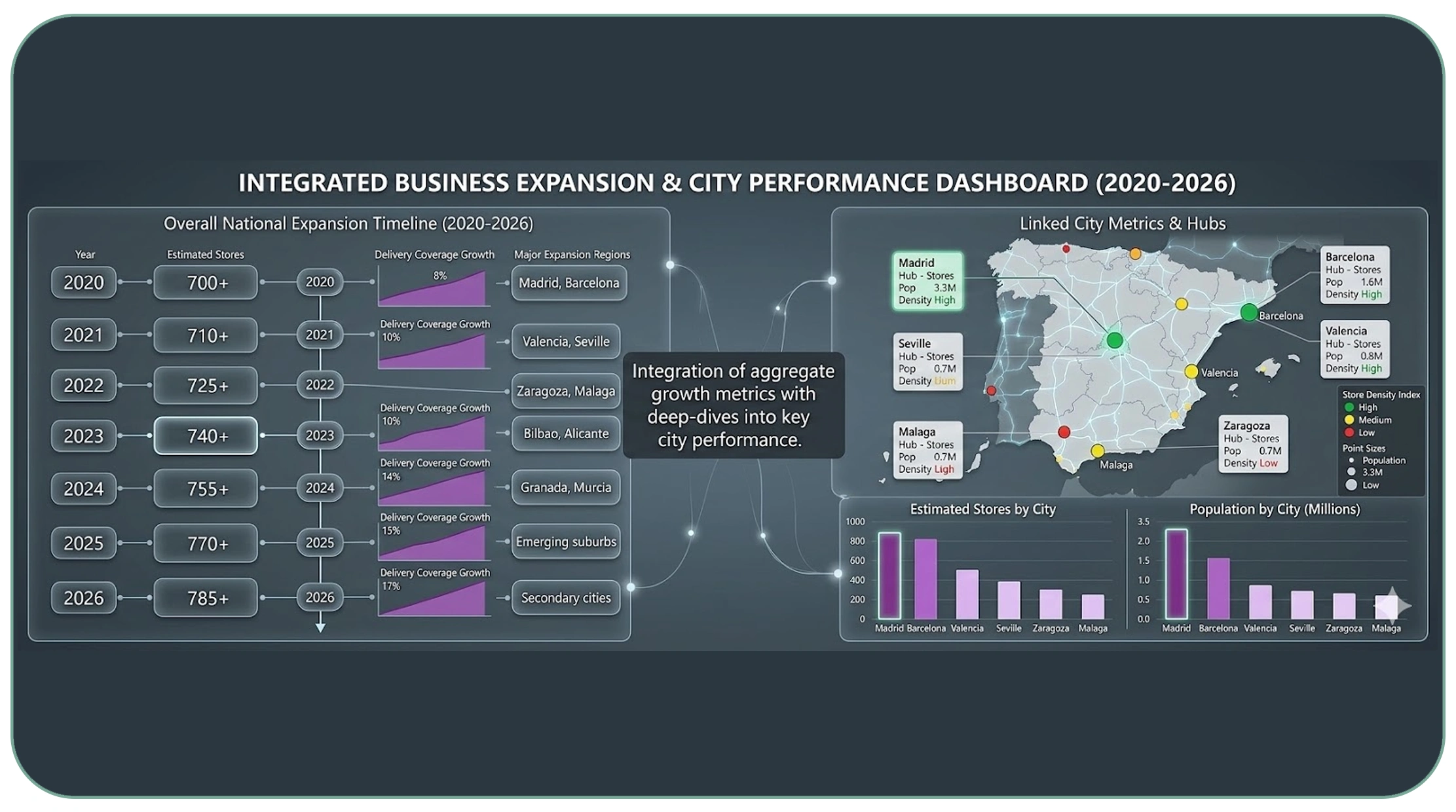
Regional Store Density by City (2024–2026)
| City | Estimated Stores | Population (Millions) | Store Density Index |
|---|---|---|---|
| Madrid | 120+ | 3.3 | High |
| Barcelona | 95+ | 1.6 | High |
| Valencia | 55+ | 0.8 | Medium |
| Seville | 40+ | 0.7 | Medium |
| Zaragoza | 30+ | 0.7 | Medium |
| Malaga | 35+ | 0.6 | Medium |
Analyzing store locator datasets allows companies to determine which urban centers have the highest concentration of pizza outlets and which regions have lower competition. These insights help brands plan new restaurant openings in high-demand locations.
Visualizing Restaurant Distribution for Strategic Planning
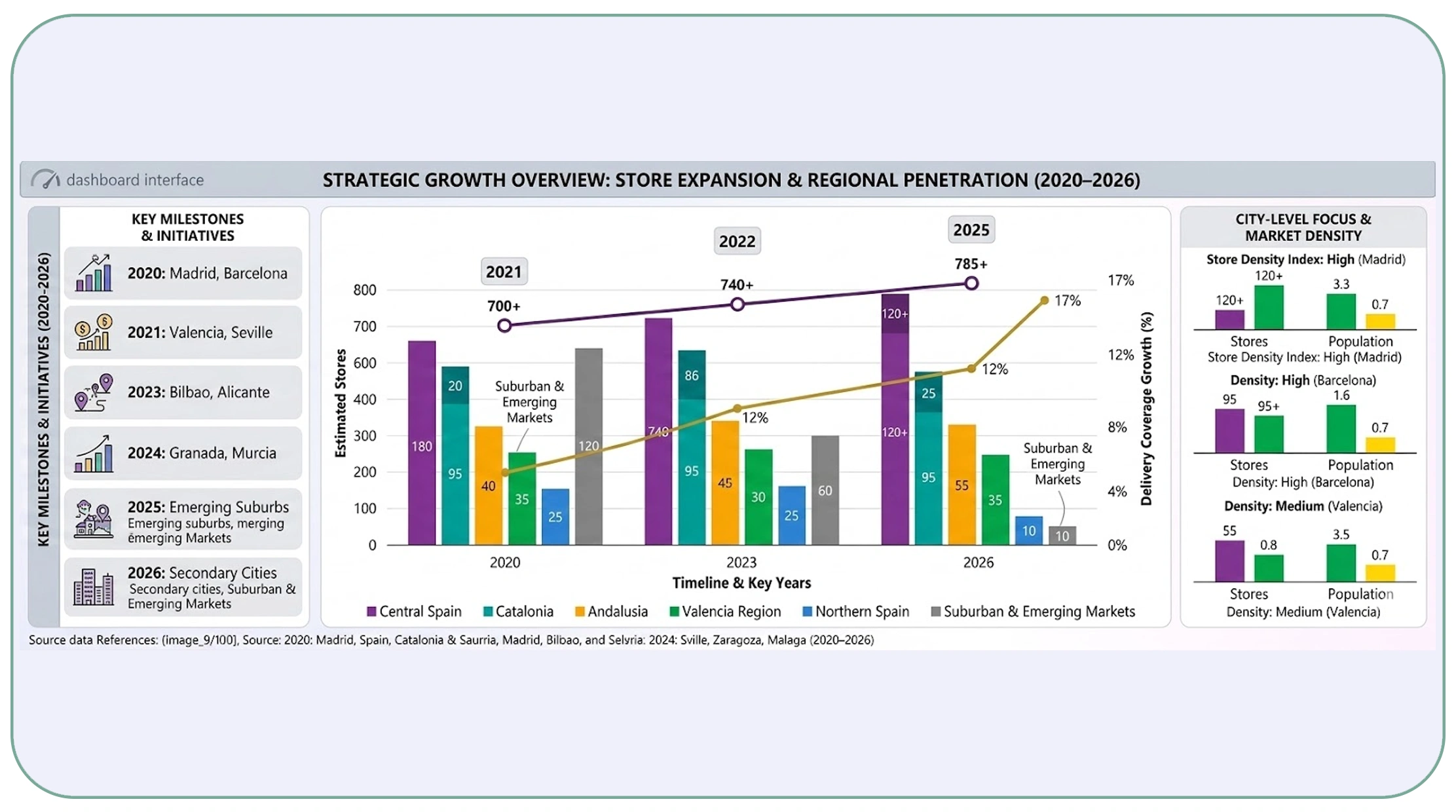
Visual mapping is one of the most effective ways to analyze store distribution and regional demand patterns. Using a Telepizza store network mapping data scraper, businesses can transform raw location datasets into interactive geographic maps. These visualizations help identify clusters of high store density and reveal potential expansion gaps across cities.
Mapping tools can overlay store locations with demographic and economic data such as population density, income levels, and urban development trends. This combination of data allows analysts to determine whether store coverage aligns with consumer demand.
Store Density Trends by Region (2020–2026)
| Region | 2020 Stores | 2023 Stores | 2026 Projection |
|---|---|---|---|
| Central Spain | 180 | 205 | 230 |
| Catalonia | 130 | 150 | 170 |
| Andalusia | 120 | 145 | 165 |
| Valencia Region | 80 | 95 | 110 |
| Northern Spain | 70 | 85 | 100 |
Through geographic visualization, businesses can evaluate how effectively pizza chains serve densely populated areas and identify locations where new stores could capture additional demand.
Data-Driven Insights for Strategic Market Growth

Understanding expansion strategies requires analyzing historical store openings, population growth, and regional demand trends. Businesses that Scrape Telepizza geographic market expansion Strategy data can evaluate how the brand identifies high-demand markets and adapts to evolving consumer preferences.
Between 2020 and 2026, Spain’s food delivery sector has grown rapidly due to increased digital adoption and changing consumer lifestyles. Pizza chains have responded by opening new outlets closer to urban residential clusters and expanding delivery-only kitchens in high-density neighborhoods.
Market Expansion Indicators
| Factor | Impact on Expansion |
|---|---|
| Population Growth | Higher demand for food delivery |
| Urbanization | Increased store density |
| Delivery App Usage | Greater market reach |
| Tourism Growth | Seasonal demand spikes |
| Student Populations | High takeaway demand |
Analyzing expansion strategy datasets enables businesses to identify the factors that influence store placement decisions and replicate similar strategies in new markets.
Integrating Data Automation for Large-Scale Restaurant Intelligence
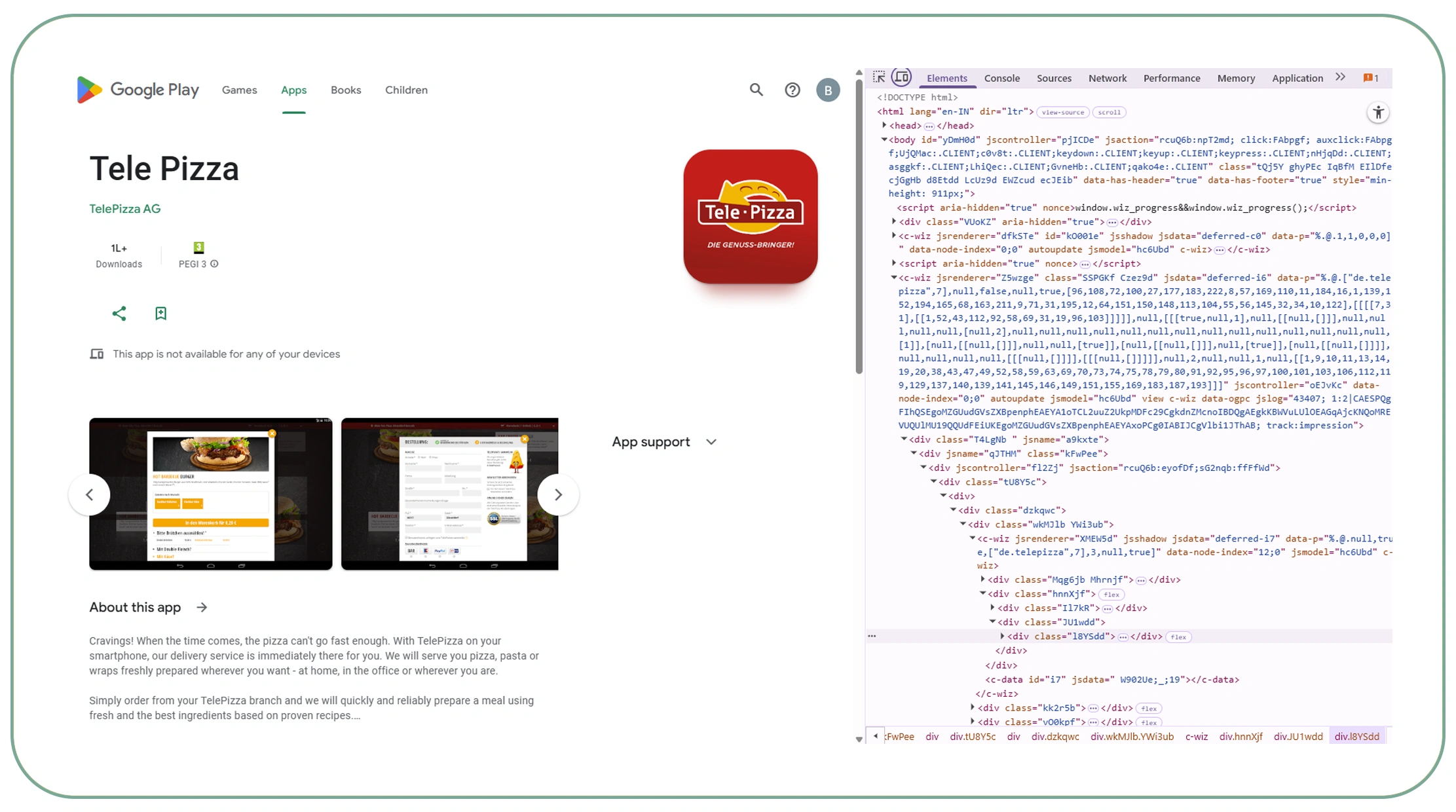
Modern businesses rely on automated tools to gather and process large datasets from restaurant directories and mapping platforms. A Food Data Scraping API enables companies to collect location intelligence, menu details, operational hours, and geographic coverage information from multiple sources in real time.
Automated data extraction ensures accuracy, scalability, and consistency when analyzing large restaurant networks. Instead of manually collecting data from hundreds of store pages, APIs allow businesses to retrieve structured datasets instantly. These tools are particularly useful for market research firms, food delivery platforms, and restaurant chains that require frequent updates on competitor locations and market coverage.
API-driven data extraction also supports advanced analytics such as predictive modeling and demand forecasting. By integrating restaurant datasets with demographic and economic indicators, businesses can identify high-growth regions and plan strategic expansion initiatives.
Transforming Restaurant Intelligence into Actionable Market Datasets
Access to structured datasets enables organizations to convert raw location information into meaningful insights. By building a comprehensive Food Dataset, Telepizza store coverage and density analysis data extraction, companies can analyze store distribution patterns, measure market penetration, and identify underserved regions.
Dataset Fields for Restaurant Coverage Analysis
| Data Field | Description |
|---|---|
| Store Name | Restaurant location name |
| Address | Full store address |
| City | Geographic region |
| Latitude/Longitude | Mapping coordinates |
| Delivery Coverage | Service radius |
| Opening Hours | Operational schedule |
These datasets help analysts create predictive models that estimate market demand and evaluate whether new stores should be opened in specific neighborhoods.
Why Choose Real Data API?
Organizations looking for reliable restaurant intelligence solutions rely on Web Scraping API, Telepizza store coverage and density analysis data extraction to gather accurate and scalable datasets. Real Data API provides powerful tools that enable businesses to extract, structure, and analyze large volumes of restaurant location data with minimal effort.
Key advantages include:
- Scalable data extraction from restaurant directories
- Real-time location intelligence updates
- Structured datasets for analytics and visualization
- Customizable APIs for large-scale research projects
- Reliable infrastructure designed for enterprise data needs
With these capabilities, businesses can access high-quality datasets that support market analysis, expansion planning, and competitive benchmarking.
Conclusion
In today’s highly competitive restaurant industry, location intelligence has become essential for identifying high-demand markets and optimizing expansion strategies. Through Telepizza store coverage and density analysis data extraction, businesses can analyze store distribution patterns, evaluate market penetration, and uncover opportunities in underserved regions.
By leveraging advanced data scraping technologies, organizations can transform raw location data into actionable insights that drive smarter decisions. Whether analyzing delivery coverage, studying urban demand patterns, or planning new restaurant openings, accurate datasets provide a powerful foundation for growth.
Partner with Real Data API today to unlock valuable restaurant intelligence and leverage Telepizza store coverage and density analysis data extraction for smarter market expansion!
Latest posts

How Scrape Xiaohongshu Product Trends in Real Time Solves Product Discovery and Competitor Monitoring Challenges?

How to Scrape Taobao Product Data to Solve Pricing, Inventory, and Competitor Monitoring Challenges?
How to Extract grocery product listings Data from SPAR to Build Accurate Grocery Intelligence and Competitive Market Insights?
Scrape Douyin follower growth and engagement data to track influencer performance and trends






.png)



