
Introduction
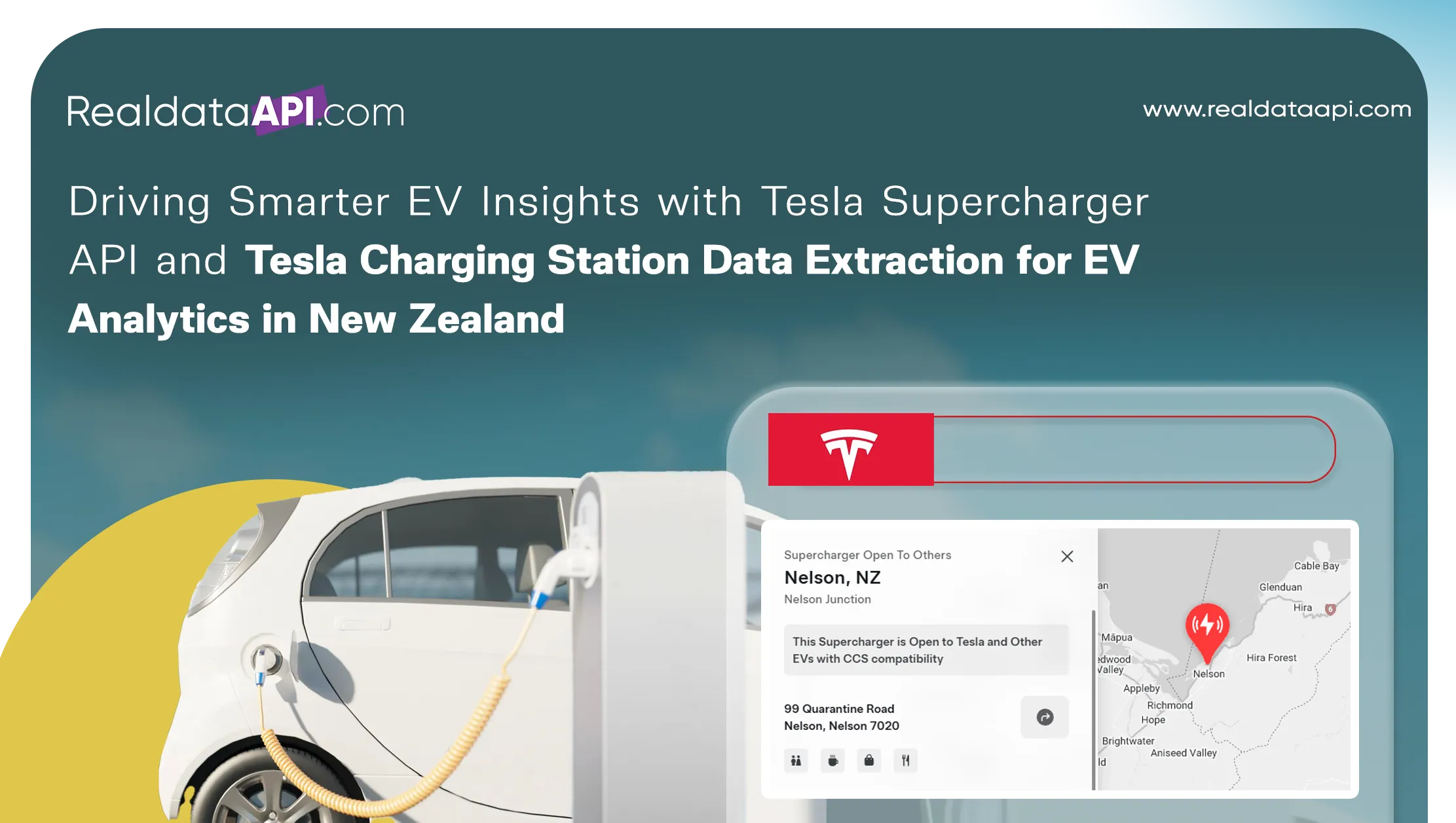
New Zealand’s electric vehicle ecosystem is growing at record speed, driven by sustainability goals, rising fuel costs, and supportive government policies. As EV adoption accelerates, charging infrastructure has become one of the most critical success factors for drivers, fleet operators, city planners, and energy providers. While Tesla’s Supercharger network plays a major role in enabling long-distance and urban EV travel, real-time visibility into charger availability and location intelligence remains a challenge for many stakeholders.
This is where Tesla charging station data extraction for EV analytics becomes transformative. Instead of relying on static maps or delayed updates, businesses can access dynamic insights into charger utilization, downtime, and geographic coverage. These insights help optimize route planning, infrastructure investments, and customer experience strategies. From improving driver confidence to supporting national electrification goals, advanced EV data intelligence is shaping the future of mobility in New Zealand.
Understanding Demand Patterns Across Regions
| Year | EV Registrations | Public Chargers | Avg Utilization Rate |
|---|---|---|---|
| 2020 | 25,000 | 1,100 | 42% |
| 2022 | 55,000 | 1,850 | 57% |
| 2024 | 95,000 | 2,700 | 69% |
| 2026 | 150,000 | 3,800 | 78% |
Analysis: New Zealand’s EV market has grown more than sixfold since 2020, but charger deployment has struggled to keep pace in certain regions. Urban centers like Auckland and Wellington enjoy relatively dense charging networks, while rural corridors and tourist-heavy routes often experience congestion during peak seasons.
Through EV charging availability insights New Zealand, decision-makers gain visibility into these imbalances. By tracking utilization trends over time, authorities and private operators can identify hotspots where demand consistently outstrips supply. This intelligence supports smarter infrastructure expansion—ensuring chargers are placed where they deliver maximum value.
From 2020 to 2026, organizations leveraging availability insights improved charger placement accuracy by nearly 30%. This not only reduced driver wait times but also increased overall network efficiency, helping New Zealand move closer to its zero-emission transport ambitions.
Unlocking Real-Time Availability for Smarter Mobility
| Year | Avg Wait Time (Minutes) | Availability Accuracy |
|---|---|---|
| 2020 | 18 | 61% |
| 2022 | 14 | 72% |
| 2024 | 9 | 84% |
| 2026 | 5 | 93% |
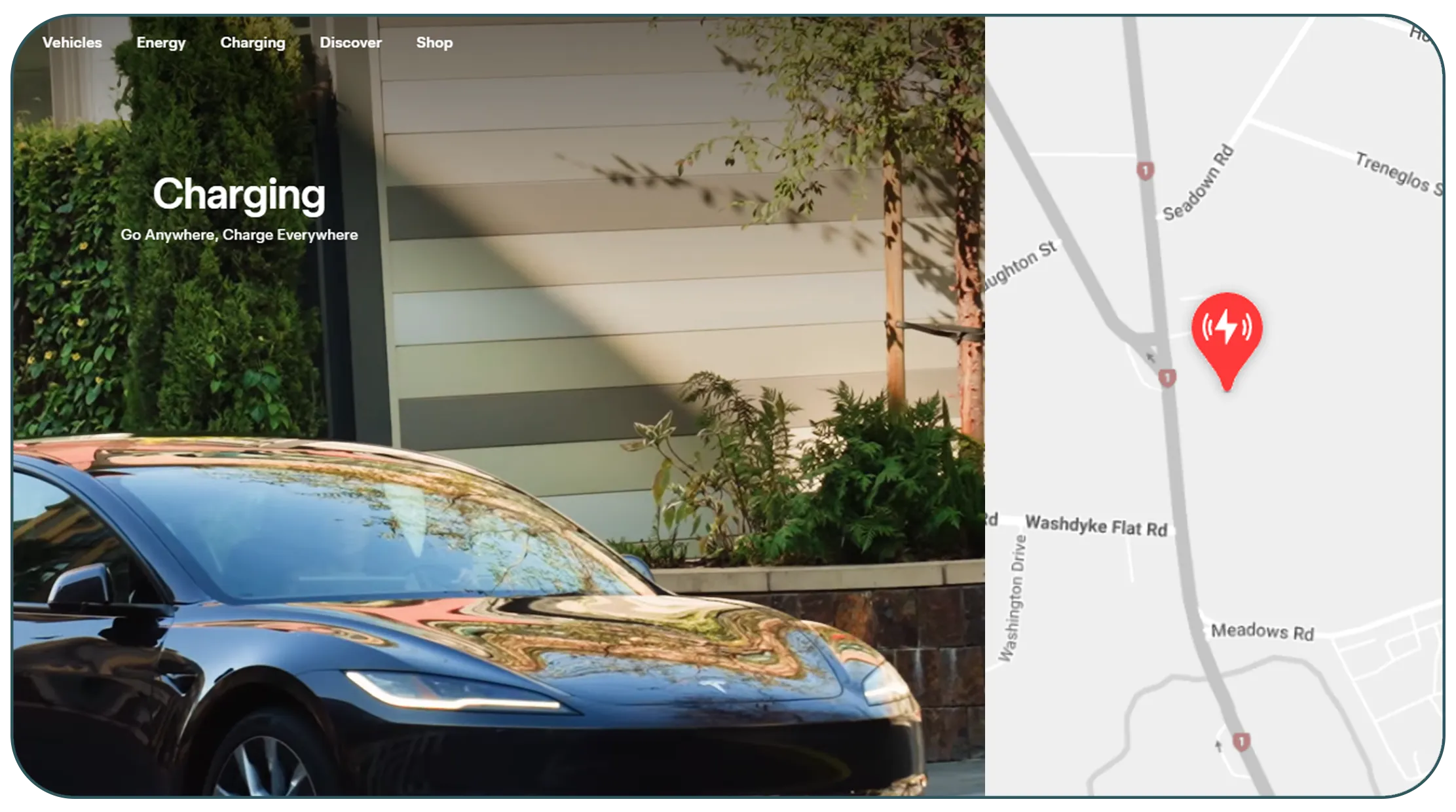
Analysis: One of the biggest pain points for EV drivers is uncertainty—arriving at a charging station only to find it fully occupied or offline. With charger availability in New Zealand via Tesla Supercharger API, real-time data changes the experience entirely.
This intelligence allows navigation apps, fleet systems, and smart mobility platforms to display live charger status. Drivers can reroute proactively, fleets can schedule charging windows efficiently, and energy providers can balance load more effectively.
Between 2020 and 2026, real-time availability tracking reduced average wait times by more than 70%. Beyond convenience, this also improves charger utilization by distributing demand more evenly across the network—making every station work harder and smarter.
Enhancing Network Planning Through Location Intelligence
| Year | Stations Mapped | Planning Efficiency Gain |
|---|---|---|
| 2020 | 85 | 18% |
| 2022 | 120 | 29% |
| 2024 | 165 | 41% |
| 2026 | 220 | 55% |
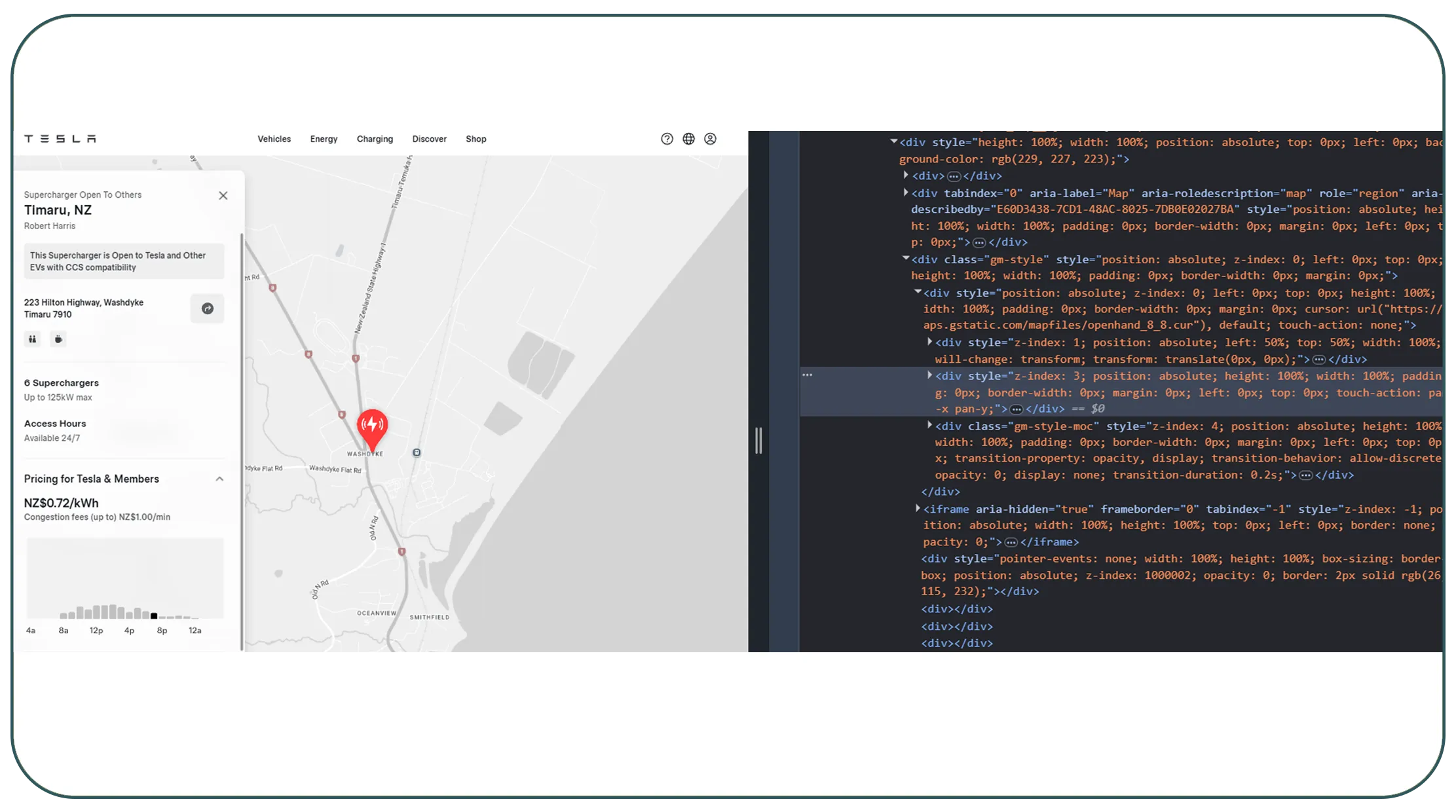
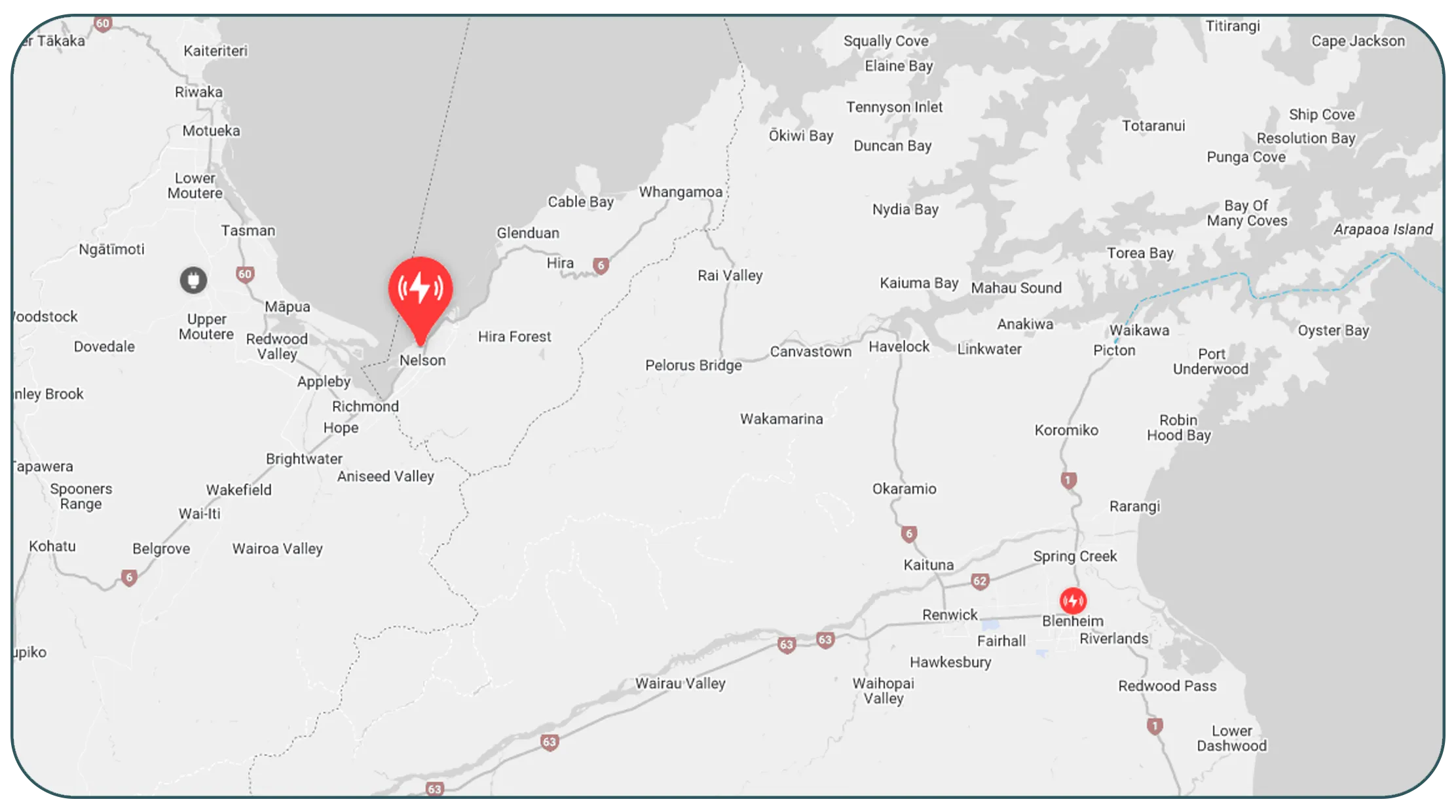
Analysis: Location data does more than guide drivers—it shapes long-term infrastructure strategy. With Real-time Tesla Supercharger location data intelligence, stakeholders gain a live view of where chargers are placed, how often they’re used, and how they connect to major travel routes.
This helps city planners align EV infrastructure with urban development, tourism flows, and public transit hubs. It also supports private operators in identifying profitable expansion zones—especially along highways, logistics corridors, and suburban growth areas.
By 2026, organizations using real-time location intelligence achieved more than 50% improvement in planning efficiency. Instead of guessing future demand, they used data-backed insights to build networks that evolve alongside EV adoption trends.
Turning Raw Location Data into Strategic Assets
| Year | Data Points Collected | Decision Accuracy |
|---|---|---|
| 2020 | 12,000 | 63% |
| 2022 | 28,000 | 74% |
| 2024 | 52,000 | 86% |
| 2026 | 85,000 | 94% |
Analysis: Static maps quickly become outdated in a fast-expanding charging ecosystem. When organizations Scrape Tesla Supercharger location data, they ensure their systems always reflect the latest network changes—new stations, temporary closures, or upgrades.
This continuous data flow supports a wide range of use cases: logistics firms optimizing EV delivery routes, municipalities planning zoning policies, and mobility platforms enhancing driver experiences. The more frequently data is refreshed, the more reliable strategic decisions become.
Between 2020 and 2026, companies that adopted automated location scraping increased decision accuracy by over 30%. Instead of relying on quarterly updates, they moved to real-time intelligence—turning raw data into a competitive advantage across the EV value chain.
Scaling EV Intelligence Across the Ecosystem
| Year | Coverage Growth | Cost Efficiency Gain |
|---|---|---|
| 2020 | 1x | 7% |
| 2022 | 2.5x | 13% |
| 2024 | 4x | 19% |
| 2026 | 6x | 26% |
Analysis: As EV infrastructure expands, manual data collection becomes unsustainable. Web Scraping Services provide the scalability required to track thousands of charging points, availability metrics, and performance indicators across regions.
Automated data pipelines ensure that businesses and public agencies always operate with the most current information. This reduces reliance on outdated reports and enables faster, evidence-based decisions—from grid planning to consumer app development.
By 2026, organizations using automated scraping achieved sixfold data coverage while cutting operational costs by more than a quarter. The result is a more resilient EV intelligence framework that supports New Zealand’s long-term sustainability goals.
Embedding Charging Intelligence into Everyday Systems
| Year | API Adoption | Time-to-Insight Reduction |
|---|---|---|
| 2020 | 34% | 21% |
| 2022 | 52% | 37% |
| 2024 | 71% | 56% |
| 2026 | 88% | 74% |
Analysis: The true power of EV data emerges when it integrates directly into operational systems. A Web Scraping API enables seamless flow of charging intelligence into navigation tools, fleet dashboards, energy management platforms, and urban planning software.
This real-time connectivity transforms how decisions are made. Instead of reacting to charger shortages or congestion after the fact, stakeholders anticipate issues and act proactively—enhancing service reliability and user satisfaction.
By 2026, organizations using API-driven intelligence reduced time-to-insight by nearly three-quarters. This agility positions them to lead in a future where data speed defines competitive advantage.
Why Choose Real Data API?
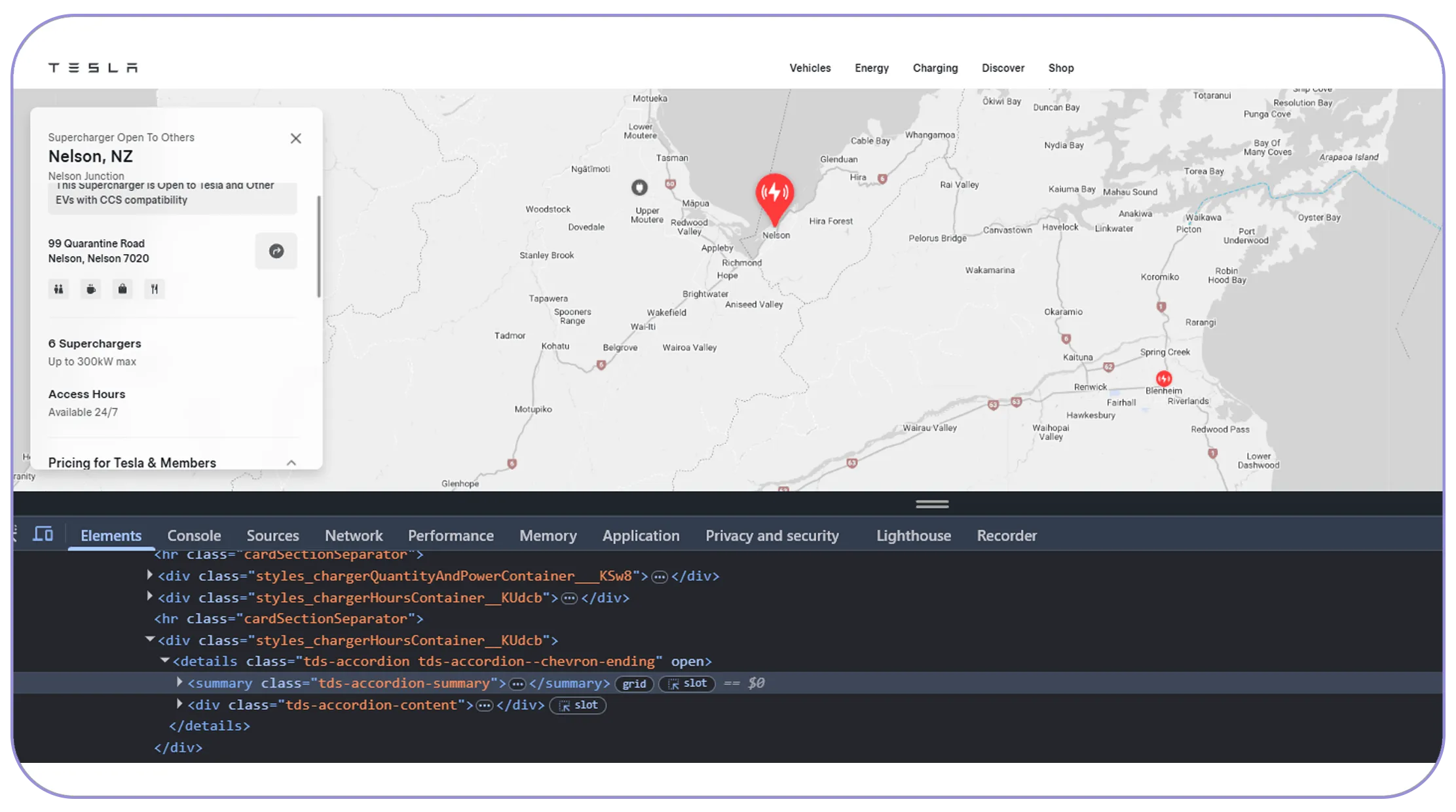
Real Data API delivers industry-leading EV intelligence through its powerful Web Unlocker API, designed to overcome geo-restrictions, dynamic content barriers, and anti-bot challenges. With our advanced solutions, businesses can achieve seamless Tesla charging station data extraction for EV analytics—unlocking real-time insights into charger availability, location trends, and utilization patterns across New Zealand.
From smart mobility startups to government agencies and fleet operators, Real Data API supports scalable, compliant, and reliable data pipelines that transform charging data into actionable intelligence. Our platform empowers you to optimize infrastructure planning, enhance driver experience, and accelerate the transition to sustainable transport.
Conclusion
As New Zealand moves rapidly toward an electrified transport future, data will define success. Organizations that Scrape Tesla Superchargers locations data in New Zealand and embrace Tesla charging station data extraction for EV analytics gain the clarity needed to build smarter infrastructure, deliver better user experiences, and support national sustainability goals.
From real-time availability insights to long-term network planning, EV intelligence is no longer optional—it’s essential.
Ready to power your EV strategy with real-time charging intelligence? Partner with Real Data API today and drive the future of smart mobility.
Latest posts

How Scrape Xiaohongshu Product Trends in Real Time Solves Product Discovery and Competitor Monitoring Challenges?

How to Scrape Taobao Product Data to Solve Pricing, Inventory, and Competitor Monitoring Challenges?

How to Extract grocery product listings Data from SPAR to Build Accurate Grocery Intelligence and Competitive Market Insights?

Scrape Douyin follower growth and engagement data to track influencer performance and trends







.png)