Introduction
The UAE retail landscape is one of the most dynamic in the Middle East, driven by high consumer demand, intense competition, and rapid adoption of digital commerce. Prices across supermarkets and e-commerce platforms can change multiple times a day due to promotions, flash sales, supply chain shifts, and seasonal demand. To remain competitive, businesses need accurate, real-time visibility into these changes. This is where UAE Supermarkets and ecommerce data extraction becomes a critical asset for retailers, brands, and market analysts.
From 2020 to 2026, the UAE grocery and e-commerce sector has experienced steady growth, with online grocery penetration increasing year over year. Traditional methods such as manual price checks or delayed reports are no longer sufficient to capture fast-moving pricing trends. Automated data extraction enables continuous monitoring of product prices, discounts, and availability across both physical supermarkets and digital platforms.
By leveraging structured, real-time datasets, organizations can track retail price fluctuations with precision, uncover competitive gaps, and respond faster to market movements. This blog explores how automated data extraction powers smarter pricing intelligence across UAE supermarkets and e-commerce platforms, supported by statistics and trend analysis from 2020 to 2026.
Understanding Online Price Volatility in the UAE Market
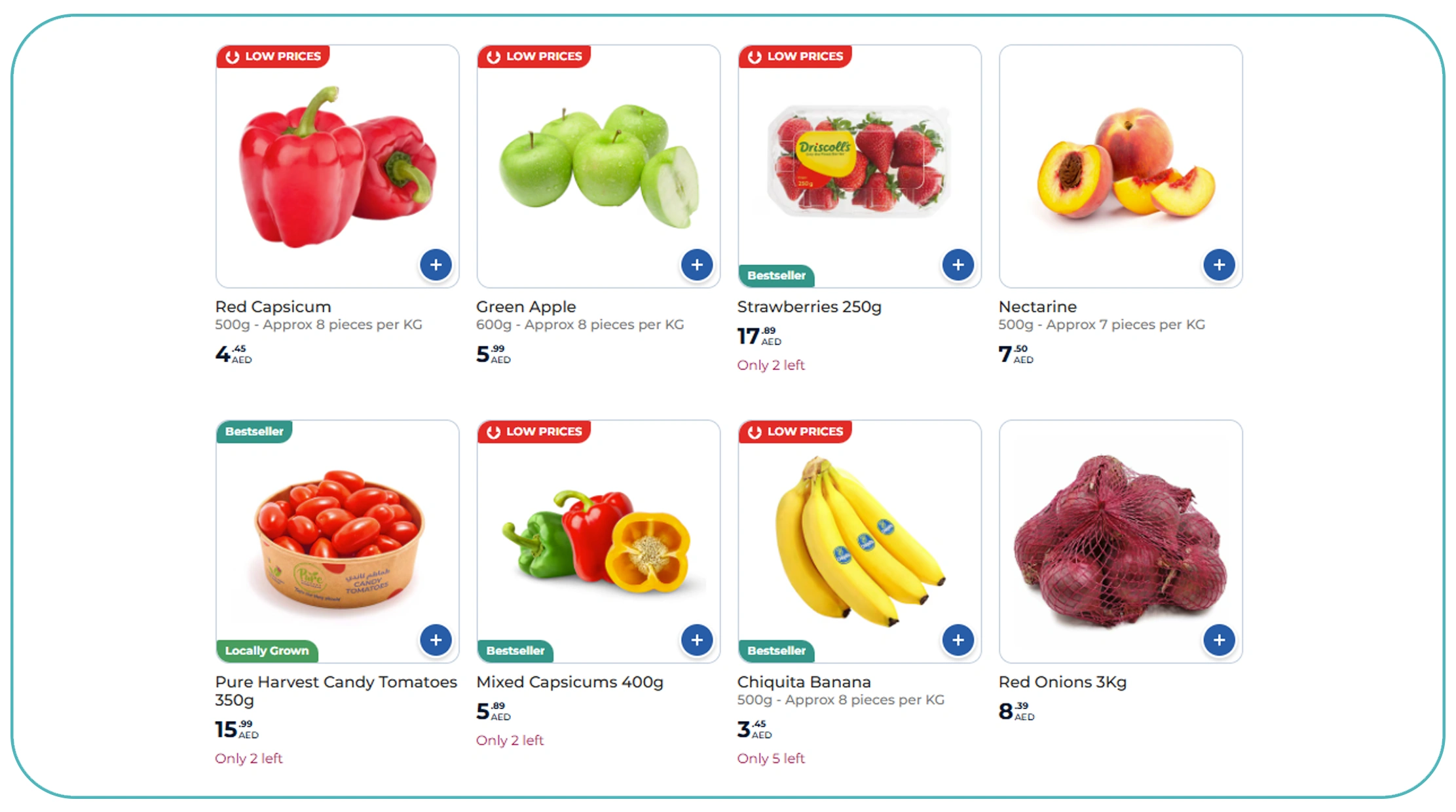
Tracking price changes across digital retail channels requires consistent and granular monitoring. E-commerce Price fluctuation tracking UAE focuses on identifying how online product prices evolve over time across different platforms and categories.
Between 2020 and 2026, UAE e-commerce grocery prices showed increasing volatility, particularly during high-demand periods such as Ramadan, national holidays, and end-of-year sales. Data analysis indicates that average online grocery prices can fluctuate between 6% and 15% within a single month, depending on category and platform strategy.
| Year | Avg. Monthly Price Change | Promotion Frequency | Flash Sale Impact |
|---|---|---|---|
| 2020 | 6% | Medium | Low |
| 2022 | 9% | High | Medium |
| 2024 | 12% | High | High |
| 2026* | 15% | Very High | Very High |
By continuously tracking these changes, businesses can benchmark competitor pricing, detect aggressive discounting strategies, and adjust their own pricing models accordingly. Brands also benefit by understanding how platform-led promotions affect perceived value and sales velocity. Over time, consistent price fluctuation tracking provides a reliable foundation for data-driven e-commerce pricing strategies in the UAE.
Identifying In-Store Pricing Patterns Across Supermarkets
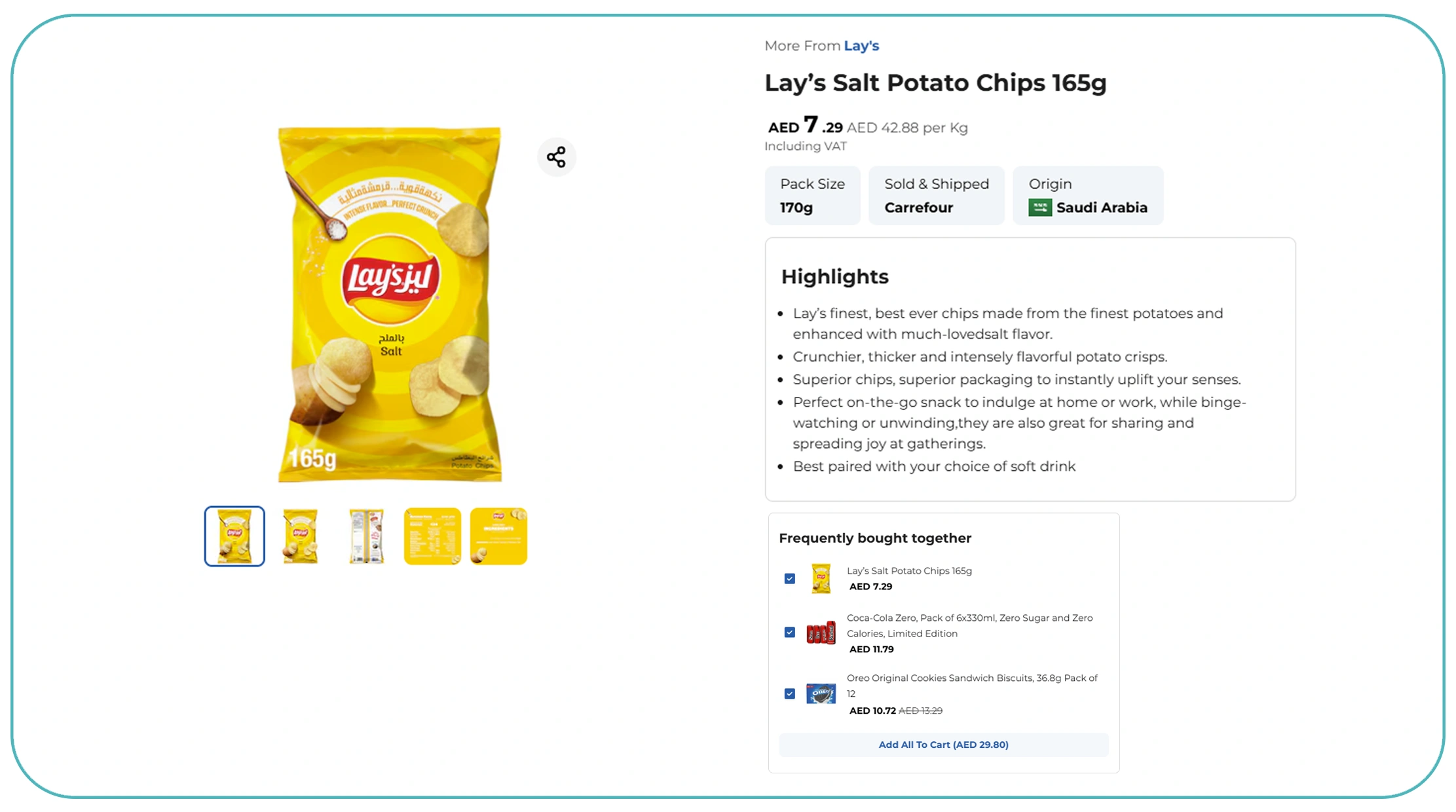
While e-commerce pricing is highly dynamic, physical supermarkets in the UAE also exhibit notable pricing patterns influenced by location, supply chains, and consumer demographics. Supermarket pricing trends UAE analysis focuses on understanding how prices vary across chains, regions, and time periods.
From 2020 to 2026, supermarket pricing strategies increasingly aligned with omnichannel retail models. Many retailers introduced app-exclusive discounts or price matching with online platforms. Data shows that in-store prices for essential grocery items varied by up to 10% between different supermarket chains in the same city.
| Metric | 2020 | 2023 | 2026* |
|---|---|---|---|
| Avg. Price Variance Between Stores | 7% | 9% | 11% |
| Promotion Cycles per Month | 2 | 3 | 4 |
| Private Label Price Advantage | 12% | 15% | 18% |
By systematically analyzing supermarket pricing trends, retailers can refine regional pricing strategies and optimize promotional timing. Brands gain visibility into shelf-level competition and pricing consistency, while analysts can identify long-term inflationary or deflationary trends within the UAE grocery market.
Automating Pricing Intelligence for Faster Decisions
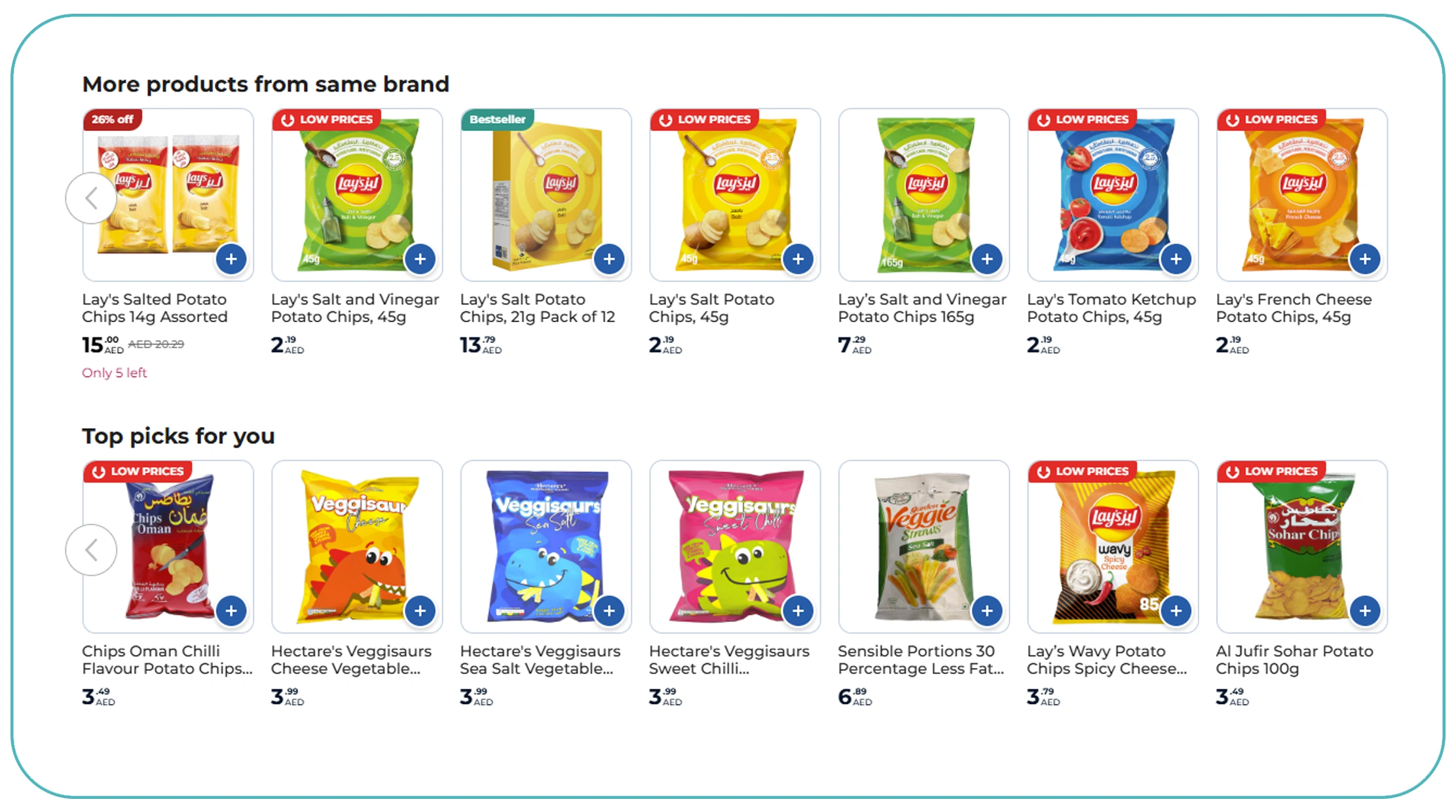
Manual data collection cannot keep pace with the speed of modern retail. Automated data extraction for UAE retail pricing enables continuous, scalable monitoring of thousands of SKUs across multiple platforms without human intervention.
Between 2020 and 2026, the volume of retail data points required for competitive analysis increased more than fourfold. Automation allows businesses to collect pricing data multiple times per day, ensuring high data freshness and accuracy.
| Data Collection Method | Update Frequency | Error Rate | Scalability |
|---|---|---|---|
| Manual Tracking | Weekly | High | Low |
| Semi-Automated | Daily | Medium | Medium |
| Fully Automated | Hourly | Low | High |
With automated extraction, pricing teams can quickly identify anomalies, such as sudden price drops or stock-driven price hikes. This real-time visibility supports dynamic pricing models, improves margin control, and enables faster reactions to competitor moves. Automation transforms pricing intelligence from a reactive process into a proactive strategy.
Turning Raw Retail Listings into Actionable Insights
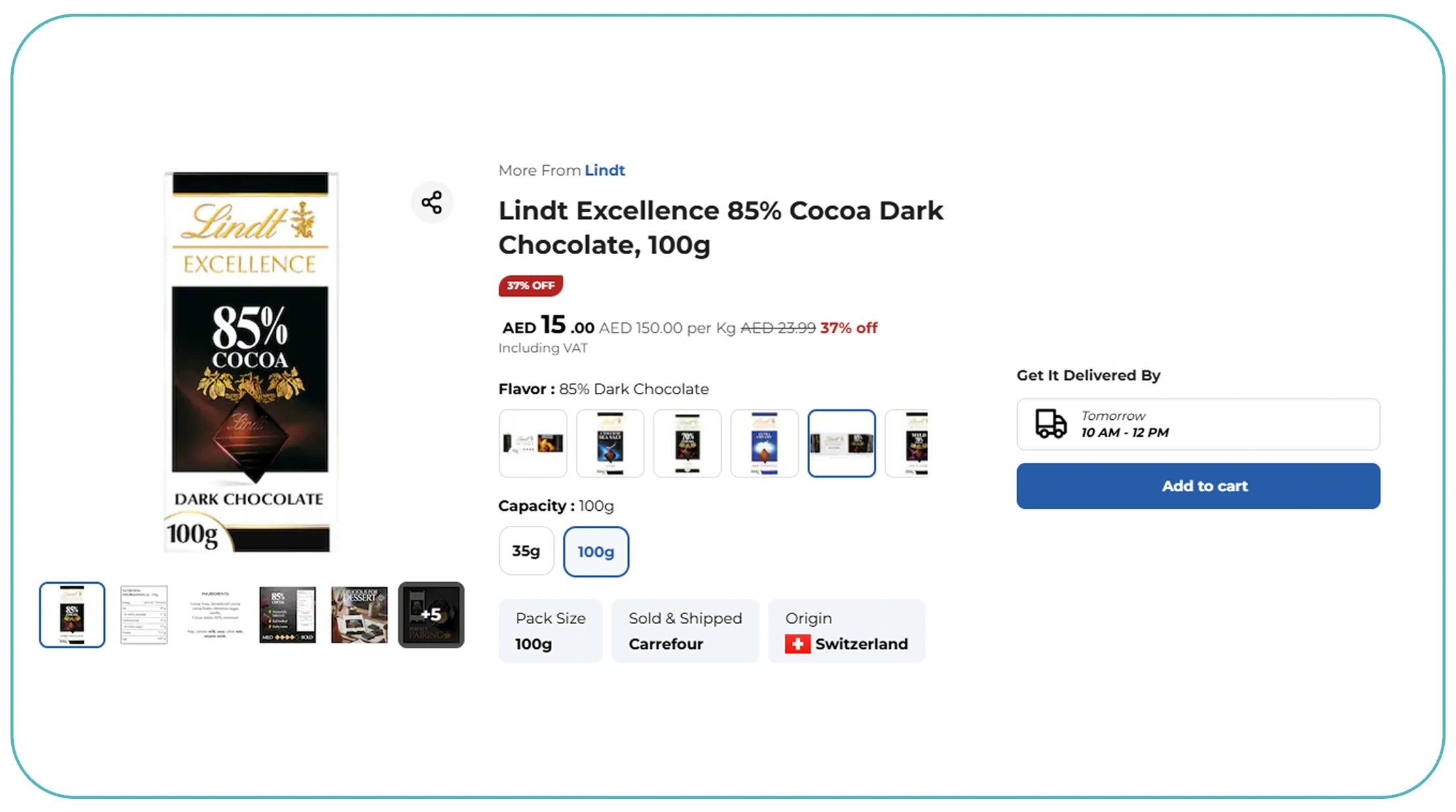
Raw product listings contain valuable information, but they must be structured and standardized for analysis. Retail data scraping UAE focuses on converting unstructured supermarket and e-commerce listings into clean datasets ready for analytics.
From 2020 onward, retailers increasingly relied on scraped data to support pricing dashboards and AI-driven insights. Structured data allows comparison of prices across platforms, identification of discount depth, and tracking of availability trends at scale.
| Insight Generated | Business Value |
|---|---|
| Cross-Platform Price Comparison | Competitive positioning |
| Discount Depth Analysis | Promotion optimization |
| Availability Tracking | Reduced lost sales |
When retail data is consistently scraped and normalized, businesses can build reliable historical datasets. These datasets support trend analysis, forecasting, and strategic planning, enabling organizations to anticipate market movements rather than react to them.
Scaling E-Commerce Monitoring with API-Driven Access
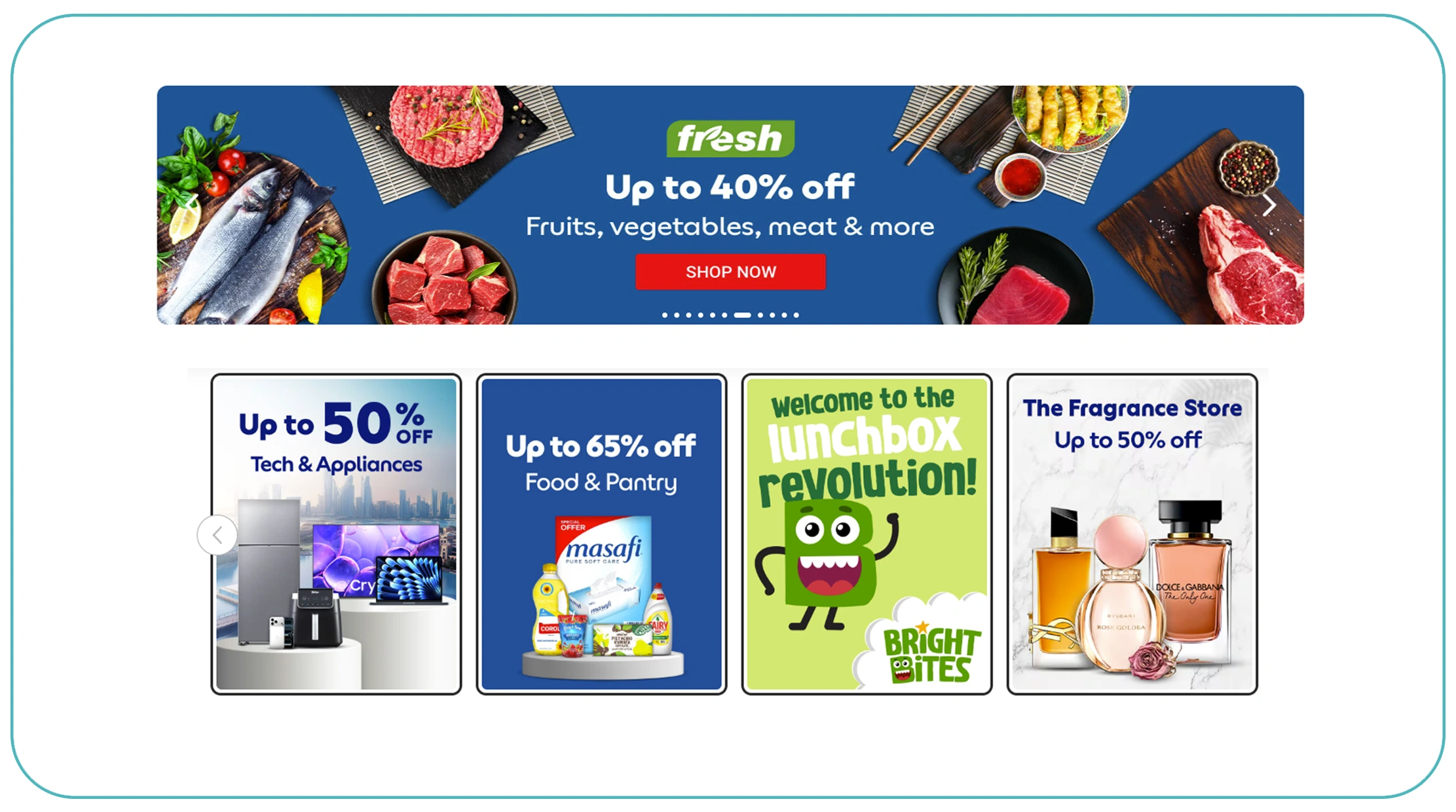
As e-commerce ecosystems expand, scalable data access becomes essential. The E-Commerce Data Scraping API provides structured, automated access to pricing, product, and availability data across UAE online retail platforms.
Between 2020 and 2026, API-driven data usage in retail analytics grew significantly due to its reliability and ease of integration. APIs allow scheduled data extraction, seamless updates, and direct integration with BI tools and data warehouses.
| Feature | Traditional Scraping | API-Based Scraping |
|---|---|---|
| Data Freshness | Medium | High |
| Integration Effort | High | Low |
| Scalability | Limited | Extensive |
Using APIs, businesses can focus on analytics rather than infrastructure, accelerating time to insight and improving overall decision-making efficiency.
Capturing Rapid Shifts in Quick Commerce Pricing
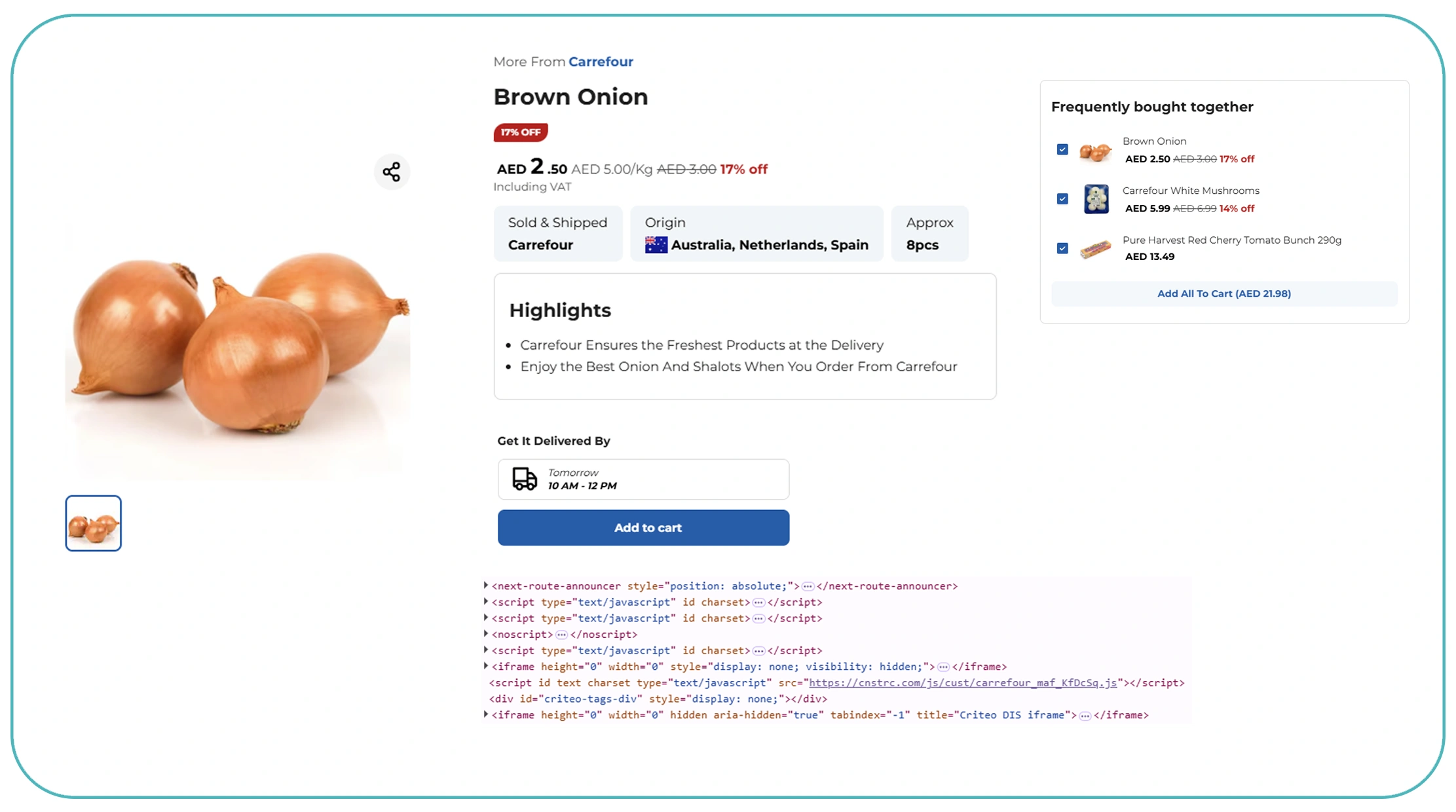
Quick commerce platforms have introduced ultra-fast delivery and highly dynamic pricing models in the UAE. The Quick Commerce Data Scraping API enables businesses to monitor these rapid price and availability shifts in near real time.
From 2020 to 2026, quick commerce adoption in the UAE surged, especially in urban areas. Prices on these platforms can change multiple times per day based on demand, delivery capacity, and inventory levels.
| Metric | 2020 | 2023 | 2026* |
|---|---|---|---|
| Avg. Daily Price Updates | 2 | 6 | 10 |
| Peak Demand Price Surge | 8% | 12% | 15% |
| Stock-Out Recovery Time | 24 hrs | 12 hrs | 6 hrs |
By capturing this data continuously, retailers and brands gain early visibility into demand spikes and pricing strategies unique to quick commerce, enabling faster and more informed responses.
Why Choose Real Data API?
Real Data API empowers businesses with reliable, scalable retail intelligence tailored for the UAE market. With access to a comprehensive E-Commerce Dataset and advanced UAE Supermarkets and ecommerce data extraction, organizations can track prices, availability, and trends across both online and offline channels.
Real Data API offers high data accuracy, flexible integration options, and enterprise-grade scalability. Whether you are a retailer, brand, or analyst, its automated pipelines ensure you always work with fresh, decision-ready data.
Conclusion
Tracking retail price fluctuations across UAE supermarkets and e-commerce platforms is no longer optional in a highly competitive market. Leveraging a robust Grocery Dataset combined with UAE Supermarkets and ecommerce data extraction enables businesses to gain real-time visibility, optimize pricing strategies, and improve market responsiveness.
With automated data extraction and reliable APIs, organizations can turn complex retail signals into clear, actionable insights.
Partner with Real Data API today and start transforming UAE retail data into smarter pricing decisions!
Latest posts
How Cookpad Recipe Data Scraping for Global Food Trends Helps Identify Emerging Recipes, Ingredients, and Consumer Preferences?
How to Analyze Equity Market Trends Using Mubasher Data Scraping for Smarter Investment Decisions?
How To Identify Grocery Demand Trends And Competitor Gaps With Flaschenpost Scraped Data For Grocery Market Analysis?
How to Extract Meesho product data for seller analytics for Better Business Insights?






.png)