
Introduction
In the highly competitive alcohol retail market, real-time stock visibility has become essential for retailers, distributors, and beverage brands. Consumers today expect accurate product availability across both online and physical retail channels. However, many businesses struggle to track inventory levels across multiple stores and platforms efficiently. Without accurate insights, retailers risk stockouts, lost sales, and poor customer experiences.
This is where modern data intelligence solutions come into play. By leveraging the Bundall alcohol store inventory data scraper, businesses can automatically collect real-time inventory data across leading alcohol retailers including Dan Murphys, BWS, Liquorland, and First Choice Liquor. These platforms host thousands of alcohol products across categories such as wine, beer, spirits, and ready-to-drink beverages, making manual tracking nearly impossible.
Retailers can use automated data extraction to monitor stock availability, track new product listings, analyze store-level inventory trends, and optimize supply chain operations. With the help of the Dan Murphy's Scraper, businesses can efficiently collect real-time inventory and product availability data from the platform. With accurate inventory insights, companies can forecast demand more effectively, improve replenishment strategies, and ensure that customers always find the products they are looking for.
In today's digital retail environment, data-driven inventory management has become a key competitive advantage. Businesses that invest in automated tracking tools like the Dan Murphy's Scraper gain deeper visibility into product availability, pricing updates, and consumer demand patterns, enabling smarter inventory planning and more efficient retail operations.
Growing Demand for Inventory Intelligence in Alcohol Retail
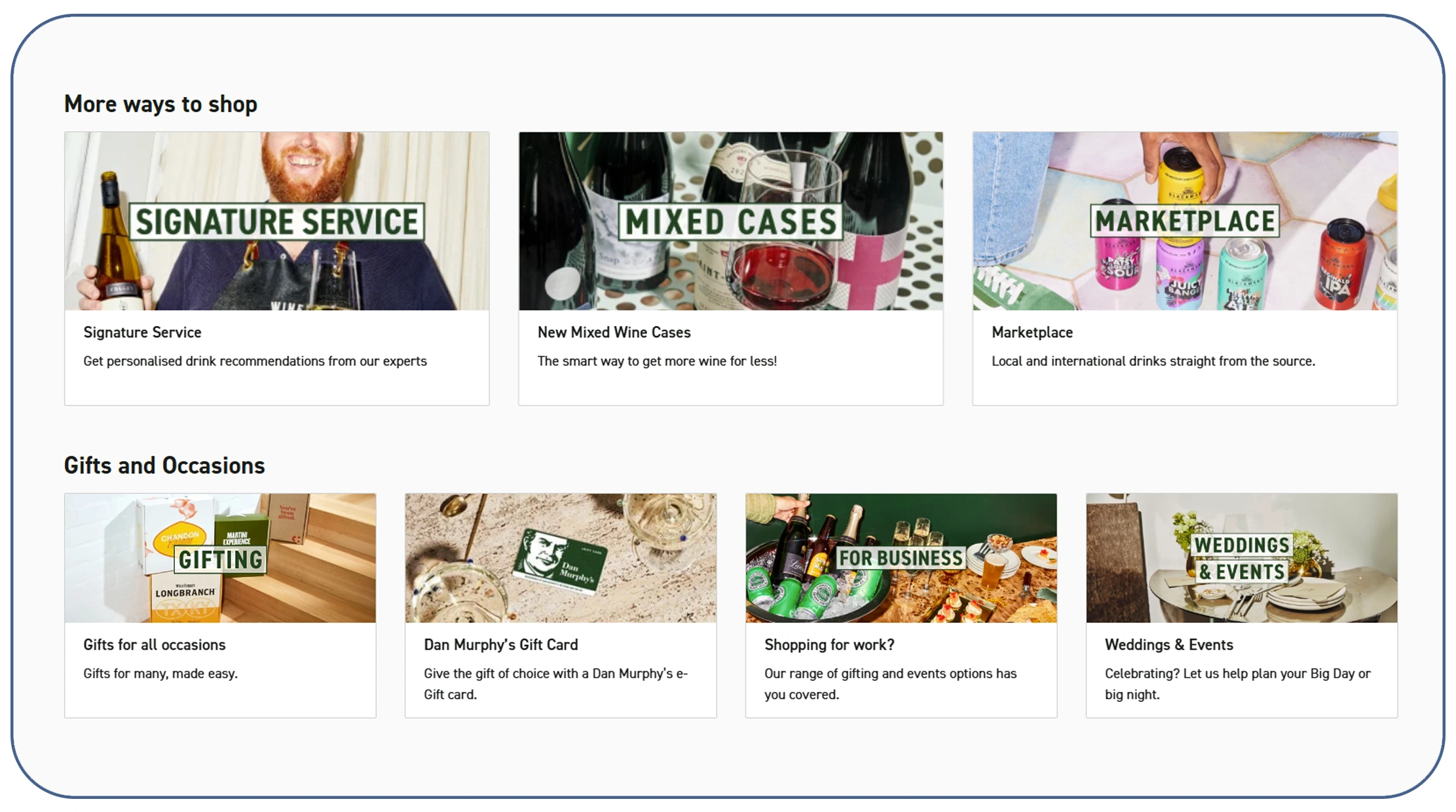
The alcohol retail sector has experienced rapid digital growth over the past decade. Online ordering, click-and-collect services, and rapid delivery models have significantly increased the importance of inventory accuracy. Retailers must ensure that product availability is synchronized across online listings and physical store inventory.
Using the Bundall alcohol store inventory data scraper, retailers can automatically collect store-level inventory insights and monitor which products are available, out-of-stock, or limited in supply.
Online Alcohol Retail Growth Trends
| Year | Online Alcohol Sales Growth | SKU Listings | Inventory Monitoring Adoption |
|---|---|---|---|
| 2020 | 18% | 35,000 | 30% |
| 2021 | 22% | 40,000 | 38% |
| 2022 | 27% | 48,000 | 45% |
| 2023 | 31% | 55,000 | 52% |
| 2024 | 36% | 63,000 | 60% |
| 2025 | 40% | 72,000 | 68% |
| 2026 | 45% | 80,000 | 75% |
As the number of online alcohol SKUs increases, automated inventory intelligence becomes essential for maintaining operational efficiency.
Monitoring Store-Level Product Availability Across Retail Chains
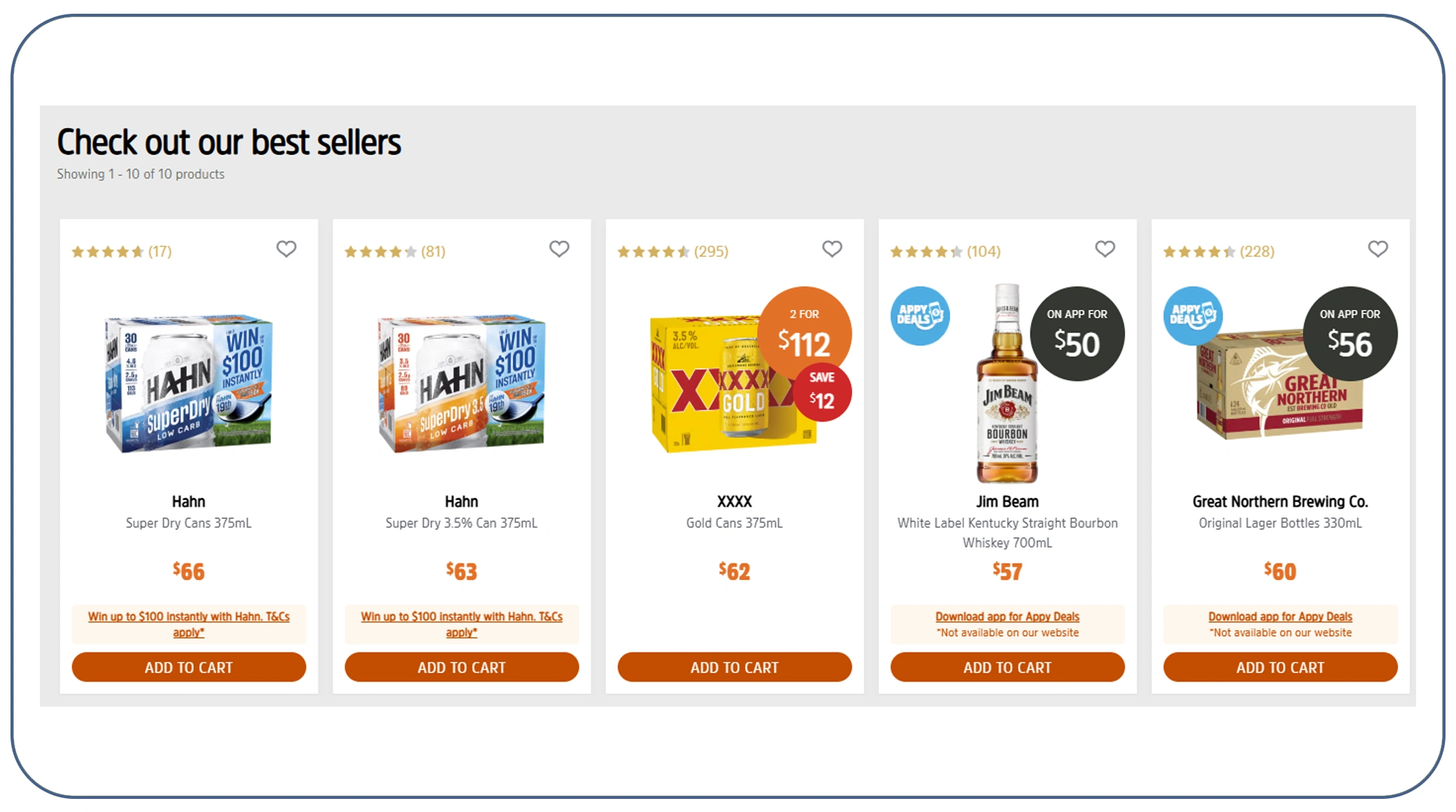
One of the biggest challenges in alcohol retail is maintaining consistent product availability across multiple locations. Major retailers such as Dan Murphys, BWS, Liquorland, and First Choice Liquor operate hundreds of stores across Australia, each with unique inventory levels.
By using automated scraping tools, retailers can monitor product availability across different locations and quickly identify stock shortages or high-demand products.
Store-Level Availability Insights
| Year | Stores Covered | Product Availability Tracking | Stock Visibility Accuracy |
|---|---|---|---|
| 2020 | 450 | 40% | 70% |
| 2021 | 520 | 48% | 74% |
| 2022 | 610 | 55% | 78% |
| 2023 | 700 | 62% | 82% |
| 2024 | 790 | 69% | 86% |
| 2025 | 880 | 75% | 89% |
| 2026 | 950 | 82% | 92% |
Real-time monitoring ensures that retailers and distributors can quickly identify gaps in product distribution and improve replenishment planning.
Reducing Stockouts and Improving Supply Chain Efficiency
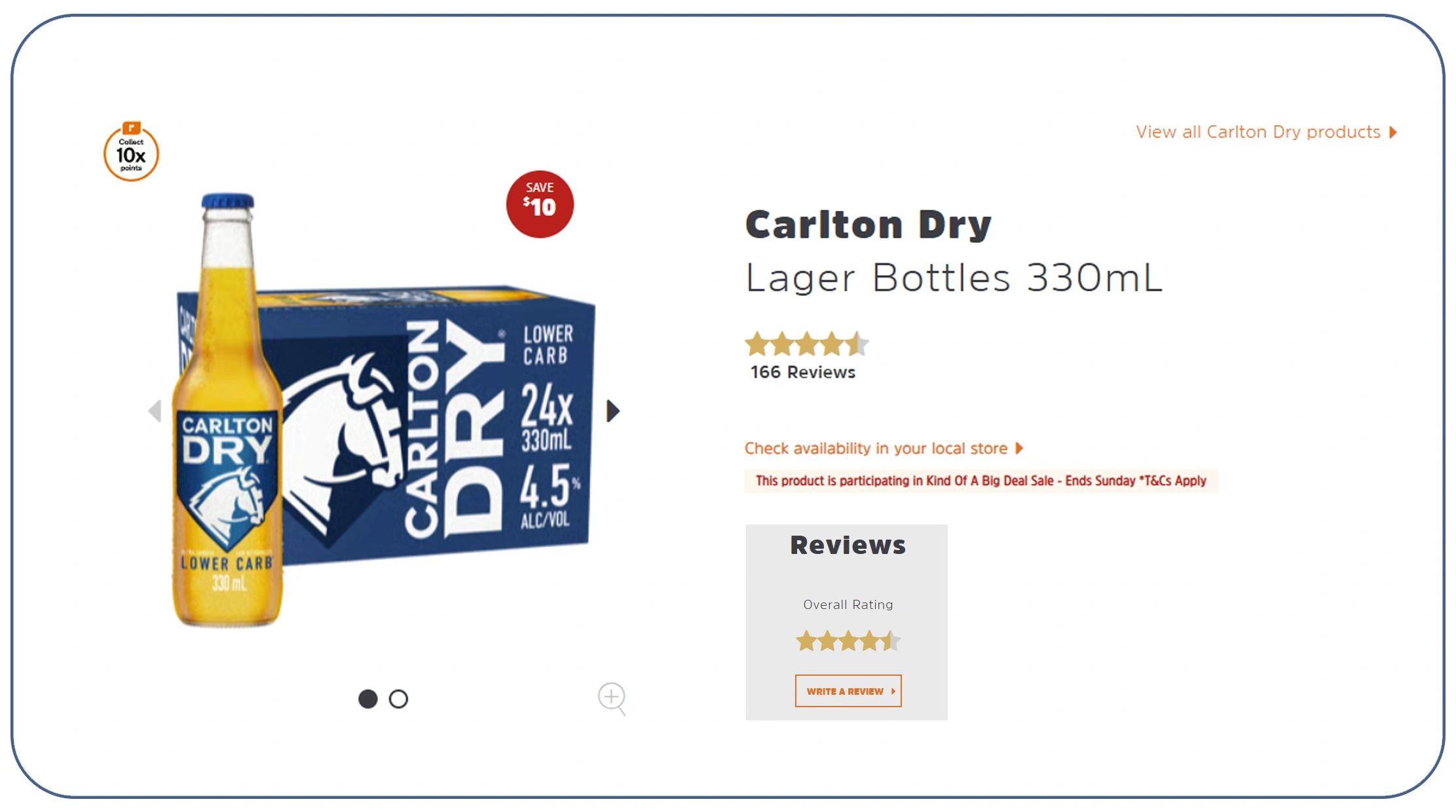
Stockouts can have a significant impact on customer satisfaction and revenue. When customers cannot find their preferred beverage brand or product, they often switch to competitors or abandon their purchase entirely. By using the Liquorland API, retailers and beverage brands can monitor real-time product availability, track inventory changes, and identify potential stock shortages across multiple locations. The Liquorland data API enables businesses to gather accurate inventory data, helping them optimize restocking strategies, reduce lost sales opportunities, and ensure that popular products remain available for customers when demand is high. This data-driven approach helps companies improve customer experience and maintain a competitive edge in the beverage retail market.
Using automated inventory intelligence through the Bundall alcohol store inventory data scraper, businesses can track inventory trends and anticipate stock shortages before they occur.
Stockout Reduction Impact
| Year | Stockout Rate | Demand Forecast Accuracy | Inventory Optimization |
|---|---|---|---|
| 2020 | 12% | 60% | 45% |
| 2021 | 10% | 65% | 50% |
| 2022 | 9% | 70% | 55% |
| 2023 | 8% | 74% | 60% |
| 2024 | 7% | 78% | 66% |
| 2025 | 6% | 82% | 72% |
| 2026 | 5% | 86% | 78% |
Predictive inventory monitoring allows retailers to make smarter restocking decisions and maintain consistent product availability.
Competitive Insights Through Retail Data Monitoring
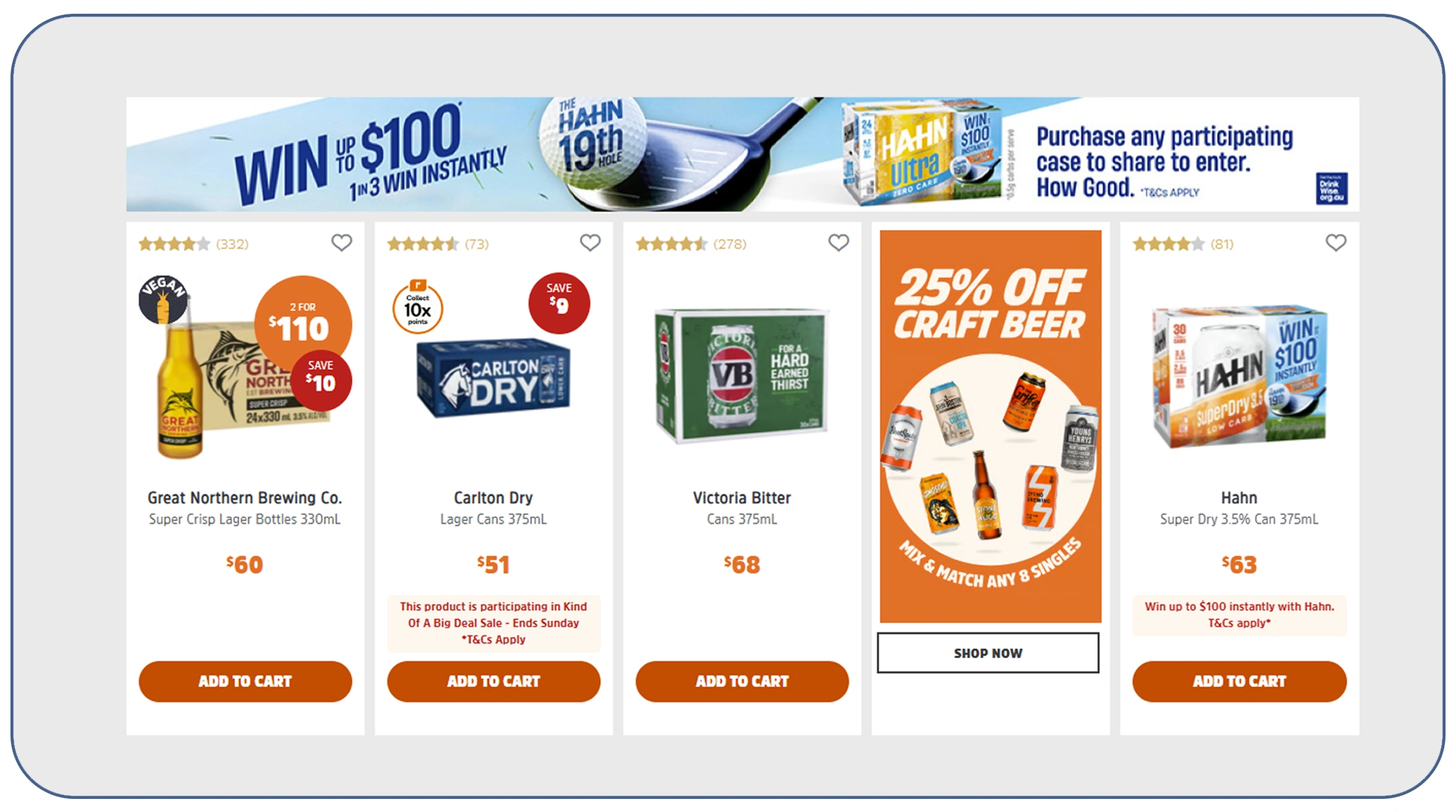
Alcohol brands and distributors must constantly monitor competitor product listings, availability trends, and promotional strategies. Retail data intelligence helps companies identify which products are gaining traction and which categories are experiencing rapid growth. By leveraging the BWS Alcohol Liquor Dataset, businesses can access structured insights on product listings, pricing changes, promotions, and availability across the platform. The BWS Alcohol Dataset enables brands to analyze competitor performance, evaluate category demand, and refine their marketing strategies based on real-time retail data. With these insights, alcohol companies can make data-driven decisions to improve product positioning and maximize their market presence.
By analyzing inventory data from platforms like Dan Murphys, BWS, Liquorland, and First Choice Liquor, brands gain valuable insights into competitor assortment strategies.
Competitive Product Monitoring
| Year | Tracked Products | Competitive Benchmarking | Market Intelligence Usage |
|---|---|---|---|
| 2020 | 20,000 | 35% | 40% |
| 2021 | 24,000 | 42% | 46% |
| 2022 | 30,000 | 50% | 52% |
| 2023 | 36,000 | 58% | 60% |
| 2024 | 42,000 | 65% | 68% |
| 2025 | 48,000 | 72% | 75% |
| 2026 | 55,000 | 80% | 82% |
These insights enable beverage companies to improve product distribution, refine marketing strategies, and respond quickly to competitor actions.
Enhancing Retail Analytics with Large-Scale Data Extraction

Large-scale retail analytics relies heavily on structured datasets. Automated scraping solutions allow businesses to collect massive volumes of retail data including product listings, pricing information, inventory availability, and promotional campaigns. By leveraging the First Choice Liquor market Liquor Dataset, companies can access organized and reliable data that supports advanced analytics and market research. The First Choice Liquour Liquor Dataset enables retailers, beverage brands, and analysts to evaluate pricing strategies, track product availability, and monitor promotional activities across the platform. With structured retail datasets, businesses gain deeper insights into consumer demand, competitor strategies, and evolving market trends in the liquor retail industry.
The Bundall alcohol store inventory data scraper helps companies convert raw retail data into actionable intelligence that supports strategic decision-making.
Retail Data Growth
| Year | Retail Data Volume | Analytics Adoption | Retail Automation |
|---|---|---|---|
| 2020 | 2 TB | 38% | 30% |
| 2021 | 3 TB | 44% | 35% |
| 2022 | 5 TB | 50% | 42% |
| 2023 | 7 TB | 56% | 48% |
| 2024 | 10 TB | 63% | 55% |
| 2025 | 14 TB | 70% | 62% |
| 2026 | 18 TB | 76% | 69% |
Retailers that leverage data analytics tools gain a stronger competitive advantage in pricing, assortment planning, and demand forecasting.
Why Choose Real Data API?
Real Data API provides advanced retail intelligence solutions designed to help businesses collect accurate and scalable retail data from online marketplaces and retail platforms.
Our powerful data extraction technology enables companies to use the Bundall alcohol store inventory data scraper to monitor real-time stock availability, pricing changes, product listings, and store-level inventory insights.
Key Benefits of Real Data API
- High-frequency real-time data collection
- Large-scale retail dataset generation
- Reliable store-level inventory monitoring
- Accurate competitor product intelligence
- Customizable data delivery formats
- Scalable infrastructure for enterprise analytics
Businesses can leverage these capabilities to build advanced analytics systems, improve operational efficiency, and drive smarter retail strategies.
Conclusion
Real-time inventory visibility has become a crucial factor for success in modern alcohol retail. As product catalogs expand and consumer demand becomes more dynamic, businesses must adopt automated data intelligence solutions to stay competitive.
By leveraging the Bundall alcohol store inventory data scraper, retailers and beverage brands can monitor stock availability, track competitor products, reduce stockouts, and optimize supply chain operations. Access to real-time insights from Dan Murphys, BWS, Liquorland, and First Choice Liquor enables companies to make faster and more informed decisions.
With the support of Real Data API, businesses can transform raw retail data into actionable insights that improve inventory management, enhance customer satisfaction, and drive sustainable growth in the competitive alcohol retail market.
Latest posts
How Gemini Scraper For Real-Time Data Extraction Enables Faster Market Intelligence, Monitoring, and Competitive Analysis
How Web Scraping Makemytrip Travel Data For Market Research Helps Identify Growth Opportunities?
How to Solve Data Freshness Challenges With Claude Web Scraping for Real-Time Information?

How to Scrape Dynamic Website Data Using a Scraping Browser API Without Browser Automation Complexity?






.png)



