Introduction
The travel industry is increasingly data-driven, with airlines, hotels, online travel agencies, tour operators, and market researchers relying on timely information to understand changing customer behavior. Travel prices fluctuate throughout the day, destinations move in and out of demand, hotel availability changes rapidly, and travelers continuously compare options before making a booking. For businesses competing in this environment, relying only on occasional manual research can make market intelligence incomplete or outdated.
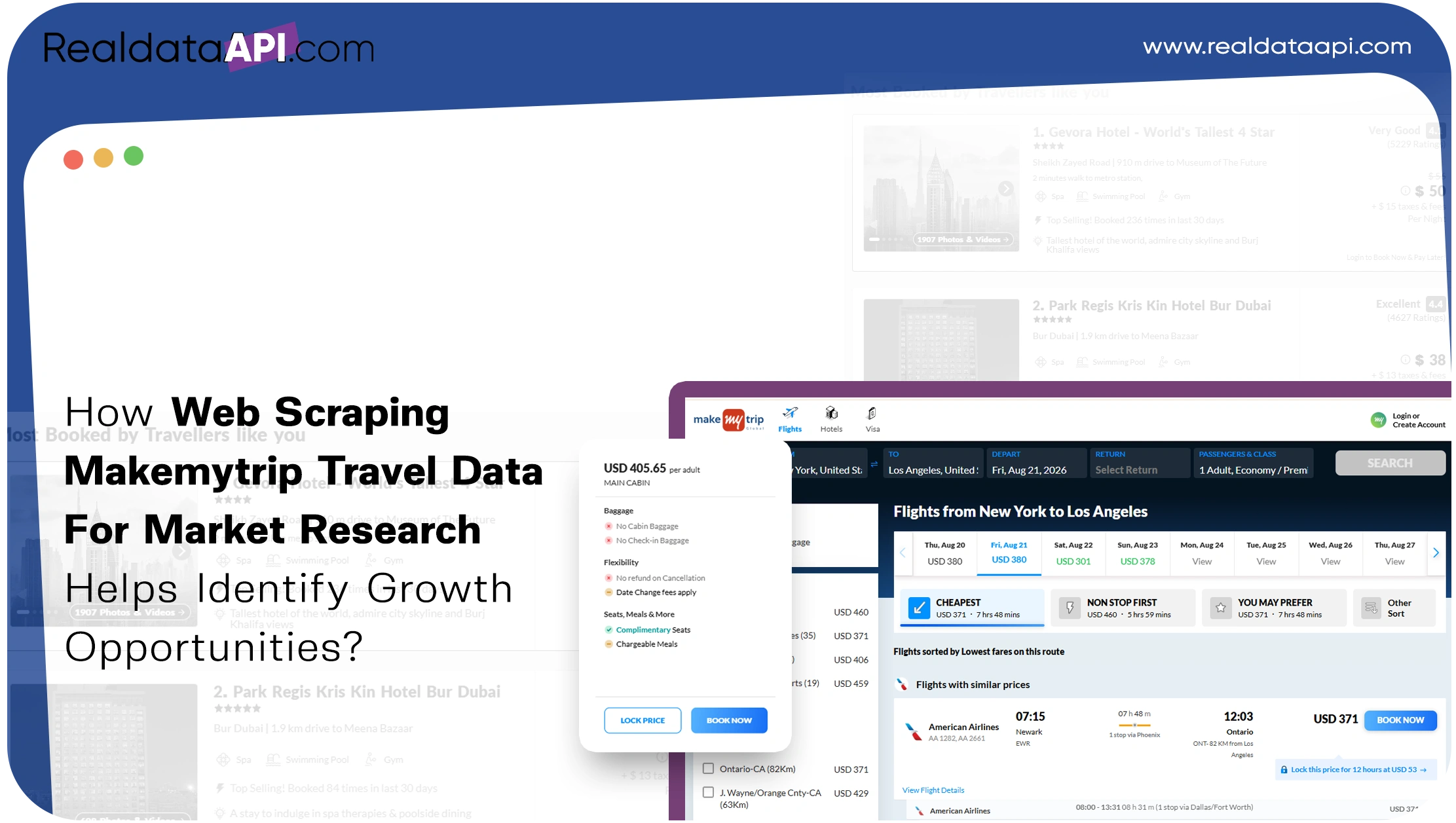
web scraping MakeMyTrip travel data for market research enables businesses to systematically collect publicly available travel information and convert it into structured datasets for analysis. Depending on the research objective, collected information can include destination details, hotel names, room categories, prices, ratings, reviews, amenities, availability, travel dates, and other relevant attributes.
Real Data API helps businesses build scalable data collection workflows that support competitive intelligence, price benchmarking, demand analysis, customer preference research, and market opportunity identification. A MakeMyTrip Scraper can automate repetitive collection activities and provide structured information that researchers and businesses can analyze according to their specific requirements.
The result is a stronger foundation for identifying travel trends, understanding customer preferences, evaluating competitors, and developing data-backed growth strategies.
Turning Travel Information Into Actionable Market Intelligence
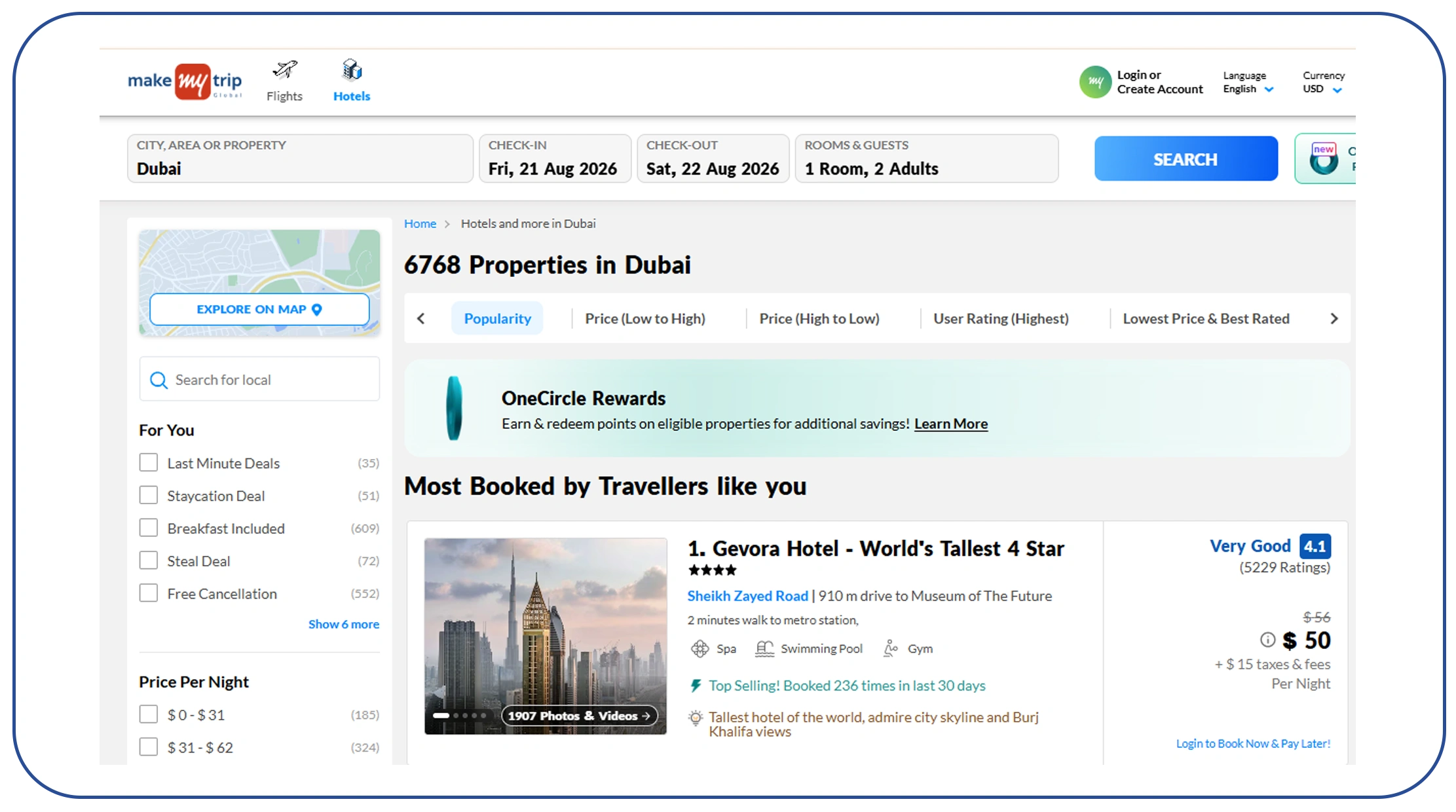
MakeMyTrip data scraping for travel market analysis can help travel businesses move beyond basic observations and develop a more systematic understanding of market conditions. By collecting information across destinations, dates, accommodation categories, price ranges, ratings, and other travel attributes, companies can compare large volumes of market information rather than relying on a small number of manually checked listings.
For example, a hotel company can analyze how room prices change between weekdays and weekends. A travel agency can compare pricing across popular destinations. A market researcher can study how accommodation availability changes during holidays or peak seasons. These comparisons can reveal patterns that are difficult to identify through manual browsing.
From 2020 onward, the travel industry experienced significant changes in consumer demand, booking behavior, and digital travel adoption. The following table provides an illustrative market-research maturity index, not scraped MakeMyTrip statistics, showing how the importance of structured travel intelligence can be represented over time.
| Year | Travel Data Intelligence Index* | Primary Research Focus |
|---|---|---|
| 2020 | 45 | Market disruption and demand changes |
| 2021 | 52 | Recovery monitoring |
| 2022 | 64 | Destination and booking recovery |
| 2023 | 73 | Competitive pricing |
| 2024 | 81 | Customer preference analysis |
| 2025 | 88 | Real-time market intelligence |
| 2026 | 94 | Predictive and automated analytics |
*Illustrative index for explaining data-intelligence adoption; it is not a MakeMyTrip-reported statistic.
The value comes from connecting multiple variables. Instead of looking at price alone, researchers can examine price alongside ratings, amenities, location, availability, and travel dates. This creates a more complete market picture and helps businesses identify underserved destinations, competitive gaps, changing customer expectations, and potential expansion opportunities.
Improving Competitive Pricing Decisions With Timely Information
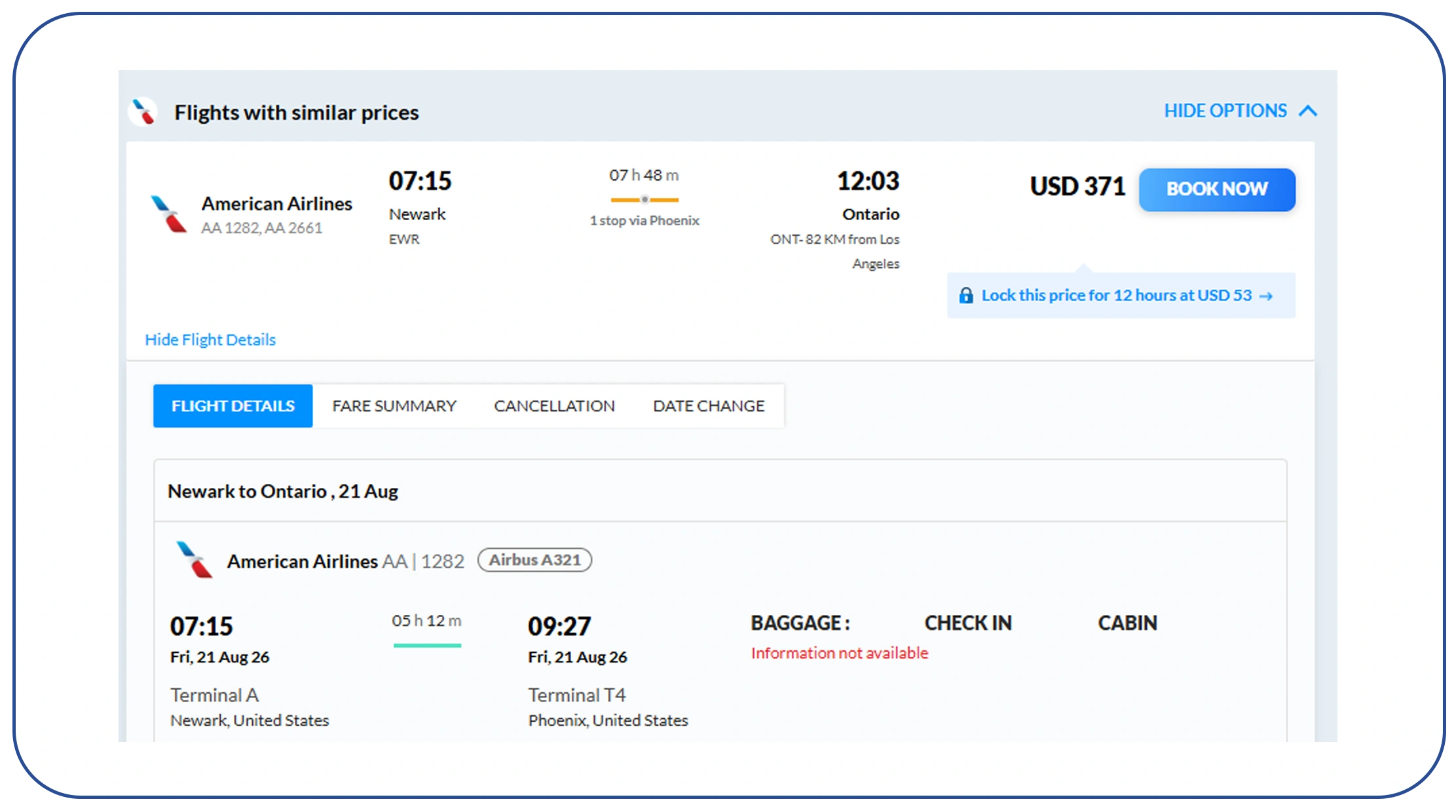
extract real-time MakeMyTrip price data can support businesses that need to understand how travel prices move across destinations and booking periods. Travel pricing is rarely static. Hotel rates may vary according to occupancy, seasonality, demand, holidays, room availability, and booking windows. Monitoring these changes manually across hundreds or thousands of listings can quickly become inefficient.
A structured extraction process allows businesses to compare prices based on consistent parameters. For example, a hospitality company could monitor selected destinations every day and compare room rates against competitors. Travel platforms can analyze pricing patterns across different dates, while researchers can identify periods where prices rise or decline sharply.
A useful research framework can include destination, property category, check-in date, check-out date, room type, listed price, discount information, rating, and availability. Once these variables are collected, businesses can calculate average prices, price ranges, percentage changes, and competitive price gaps.
| Year | Example Monitoring Coverage | Key Pricing Objective |
|---|---|---|
| 2020 | 100 properties | Establish baseline pricing |
| 2021 | 150 properties | Track recovery-related changes |
| 2022 | 250 properties | Compare destination recovery |
| 2023 | 400 properties | Benchmark competitors |
| 2024 | 600 properties | Monitor seasonal pricing |
| 2025 | 800 properties | Increase monitoring frequency |
| 2026 | 1,000 properties | Support automated pricing intelligence |
These figures represent a sample monitoring framework, rather than reported MakeMyTrip data.
Historical price records become particularly valuable when combined with current observations. A company can determine whether a price increase is a temporary event or part of a recurring seasonal pattern. It can also identify destinations where competitors consistently offer lower or higher prices.
This supports more informed revenue management, promotional planning, competitive benchmarking, and travel market research.
Building a Clearer View of Price Movement and Market Position
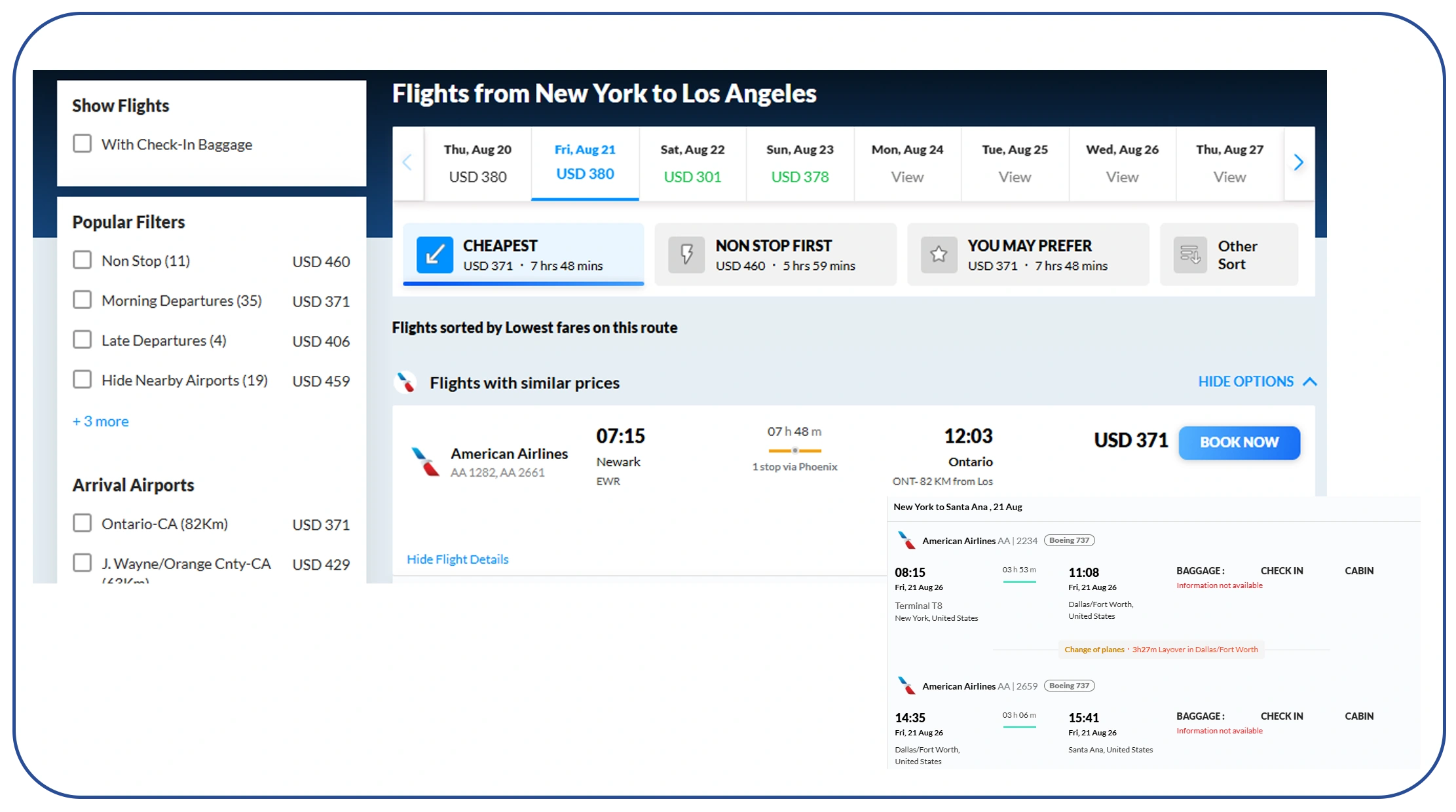
real-time MakeMyTrip data extraction for price analysis can help organizations develop a continuous view of market pricing instead of depending on isolated research snapshots. This is especially important in travel, where the same hotel or destination may display different pricing depending on dates, demand conditions, availability, and booking timing.
For pricing analysts, the goal is not simply to collect a price. The goal is to understand the relationship between price and market conditions. Structured data can therefore be analyzed by destination, accommodation category, travel period, rating level, property type, and other relevant attributes.
A business could create daily or weekly datasets and calculate average prices for comparable properties. It could then compare these values with previous observations to identify upward or downward movements. Sudden changes can be investigated to determine whether they are related to peak periods, reduced inventory, promotions, or other market factors.
| Year | Example Data Refresh Frequency | Potential Analytical Outcome |
|---|---|---|
| 2020 | Monthly | Broad market comparison |
| 2021 | Biweekly | Recovery trend tracking |
| 2022 | Weekly | Destination comparison |
| 2023 | Several times weekly | Competitive benchmarking |
| 2024 | Daily | Seasonal price monitoring |
| 2025 | Multiple times daily | Dynamic market observation |
| 2026 | Near-real-time workflows | Automated pricing intelligence |
The frequencies above are examples of how a data program can mature over time, not claims about MakeMyTrip's actual data-refresh schedule.
Real-time or frequent collection is particularly useful for organizations managing large destination portfolios. Instead of asking, "What is the current price?", analysts can ask more valuable questions: Which destinations are becoming expensive? Where are competitors discounting? Which properties maintain stable pricing? How does pricing differ between peak and off-peak dates?
These insights can strengthen pricing decisions while giving businesses a better understanding of their competitive position.
Understanding Demand Patterns and Traveler Behavior
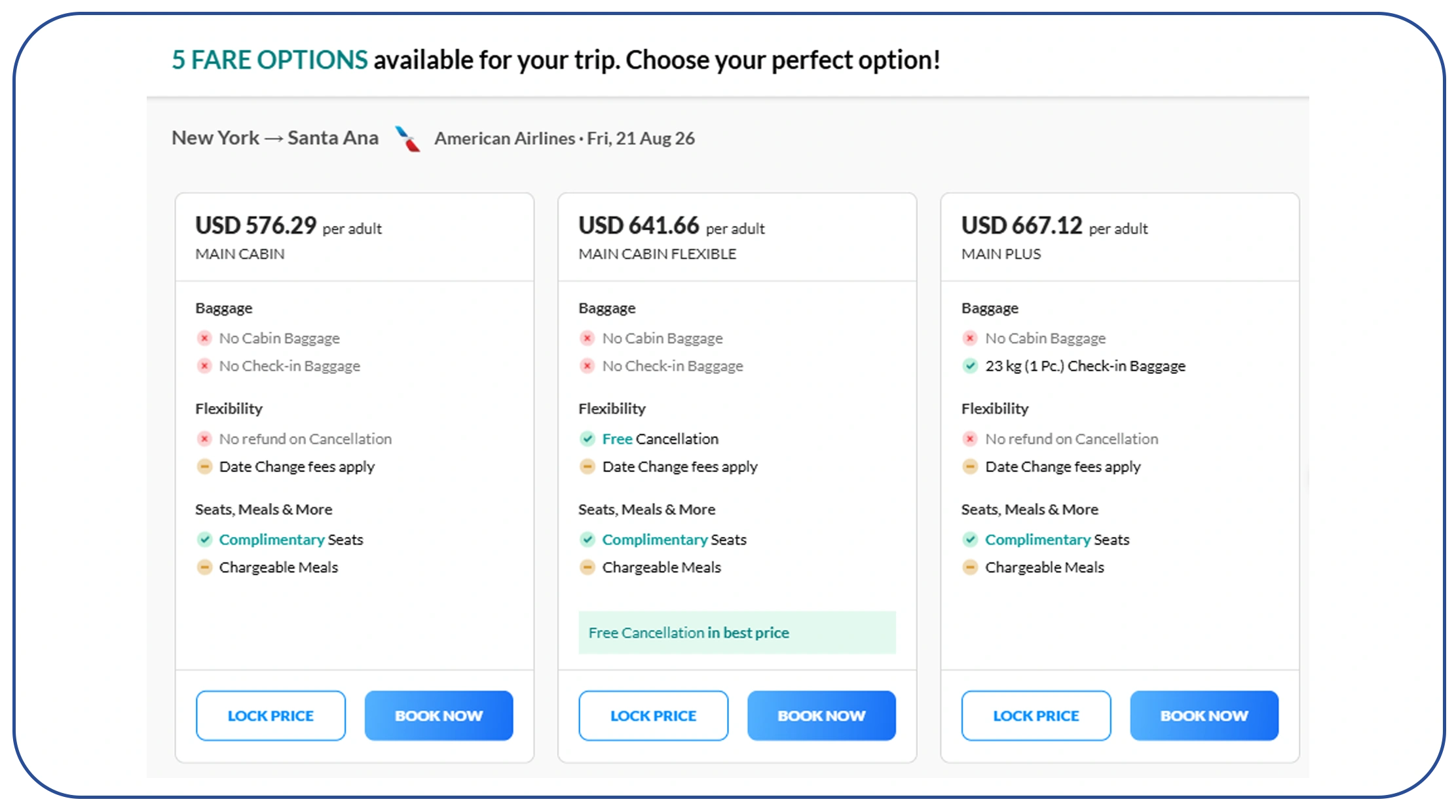
scrape MakeMyTrip travel data for market research can help researchers investigate customer-facing travel trends at scale. Travel preferences change as consumers respond to prices, seasons, destination popularity, accommodation quality, reviews, and convenience. By analyzing structured travel information over time, businesses can identify patterns that support better market segmentation.
For example, researchers can compare accommodation listings across destinations and examine the relationship between price and rating. They can identify destinations with a high concentration of premium properties, analyze the availability of budget accommodation, or monitor which locations consistently offer a broad range of choices.
Travel data can also help businesses study seasonal behavior. A destination may have high accommodation prices during holidays but substantially lower prices during other periods. Another destination may experience steady demand throughout the year. Understanding these patterns can influence campaign planning, package development, inventory allocation, and expansion decisions.
| Year | Example Research Priority | Business Question |
|---|---|---|
| 2020 | Demand disruption | How did travel behavior change? |
| 2021 | Recovery signals | Which destinations recovered faster? |
| 2022 | Domestic travel | Where did demand concentrate? |
| 2023 | Destination growth | Which locations gained visibility? |
| 2024 | Customer segmentation | What price points attract travelers? |
| 2025 | Competitive behavior | How are competitors positioning inventory? |
| 2026 | Predictive research | Which trends may create new opportunities? |
The table represents a research framework rather than historical MakeMyTrip performance data.
When price, availability, ratings, location, and accommodation characteristics are analyzed together, businesses can develop richer customer profiles. These insights can help identify underserved segments, emerging destinations, premium opportunities, and competitive gaps.
For market researchers, the greatest benefit is the ability to transform large volumes of travel information into measurable indicators that can be tracked consistently over time.
Creating a Reliable Historical Foundation for Travel Research
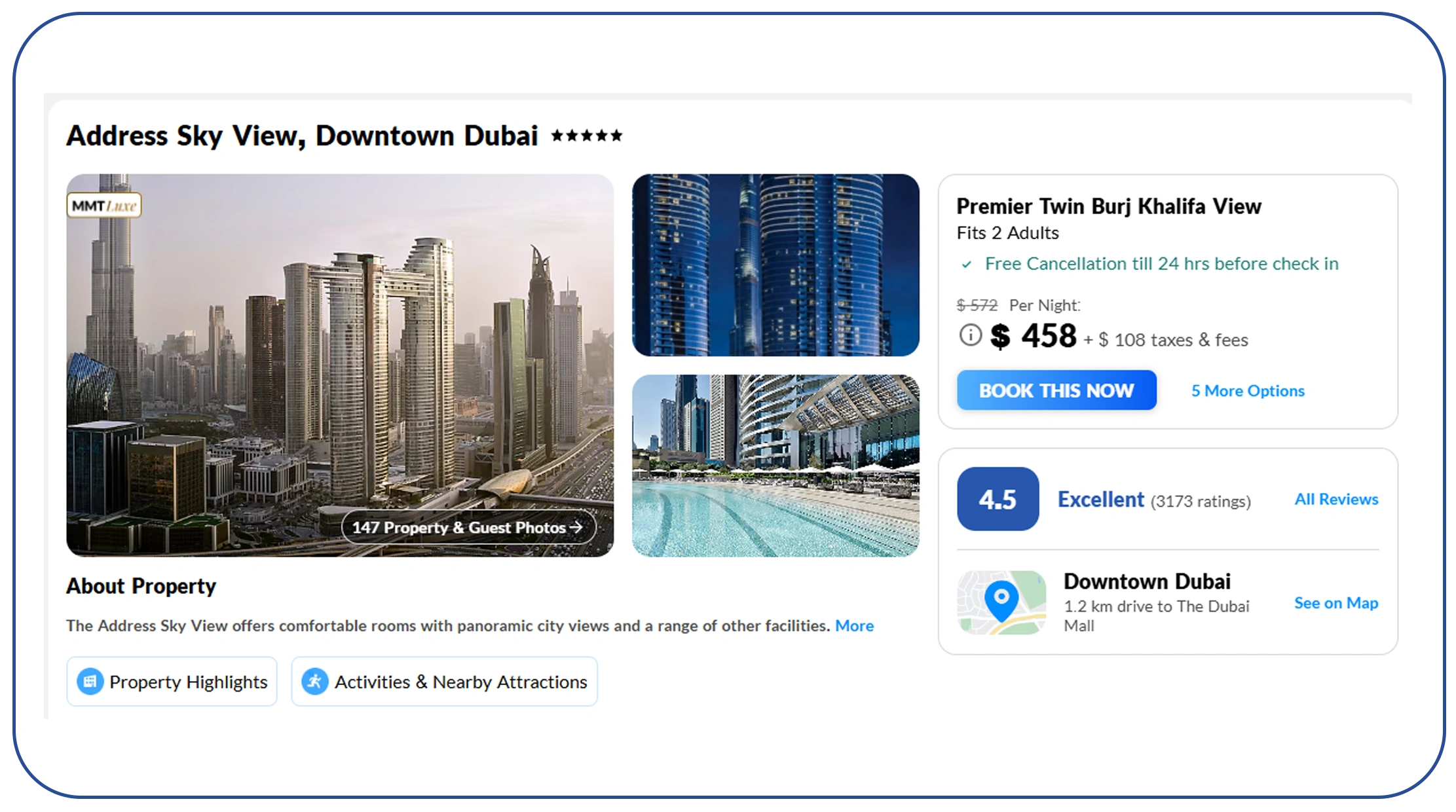
A structured makemytrip Travel Dataset can give researchers a historical foundation for studying travel markets, provided the collected information is obtained from publicly accessible pages in accordance with applicable terms, laws, and technical requirements. Instead of analyzing individual listings manually, researchers can organize travel attributes into standardized fields for comparison.
The dataset may be structured around destinations, property names, prices, ratings, room types, amenities, availability, and travel dates. Depending on the research objective, additional fields can be incorporated to support specific analyses. Standardization is important because inconsistent fields can make historical comparisons difficult.
web scraping MakeMyTrip travel data for market research becomes more valuable when collected repeatedly rather than as a one-time exercise. Repeated observations allow researchers to create historical datasets that show how pricing, availability, and destination characteristics change over time.
| Year | Example Dataset Development Stage | Research Application |
|---|---|---|
| 2020 | Initial historical records | Baseline analysis |
| 2021 | Recovery-period records | Trend comparison |
| 2022 | Broader destination coverage | Market expansion research |
| 2023 | More frequent observations | Competitive analysis |
| 2024 | Greater attribute standardization | Segmentation |
| 2025 | Automated data workflows | Continuous monitoring |
| 2026 | Analytics-ready datasets | Forecasting and opportunity analysis |
These stages are illustrative and should not be interpreted as actual MakeMyTrip dataset volumes.
A historical dataset can support several research questions. Analysts can measure price changes, compare destination performance, identify seasonal patterns, examine competitive positioning, and evaluate changes in available inventory.
For businesses planning expansion, historical records can also provide context before entering a new destination. Rather than evaluating a market from a single snapshot, decision-makers can examine patterns across multiple periods and build a more evidence-based view of opportunity.
Scaling Data Collection for Larger Travel Intelligence Programs
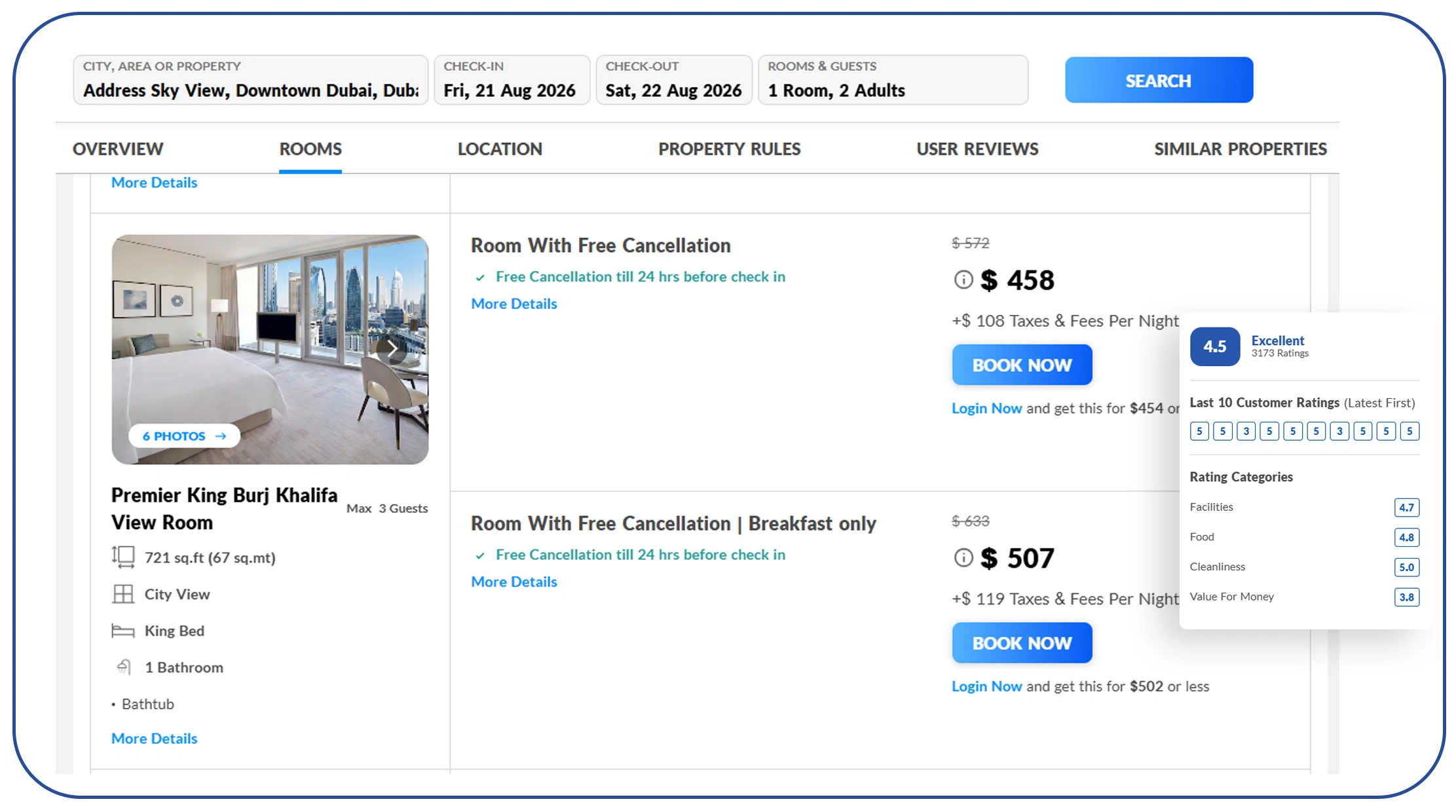
A MakeMyTrip Data Scraping API can provide an infrastructure layer for organizations that need structured travel information as part of a broader analytics workflow. APIs can help connect data collection with storage, processing, dashboards, business intelligence platforms, and analytical models.
For a small research project, manual data collection may appear manageable. However, the complexity increases when companies need information across numerous destinations, properties, dates, and categories. Automated workflows can reduce repetitive operations and make it easier to maintain consistent collection processes.
A scalable architecture can include data collection, validation, normalization, storage, transformation, and analysis. Businesses can then send structured datasets into internal dashboards or analytical systems.
| Year | Example Workflow Maturity | Possible Business Use |
|---|---|---|
| 2020 | Manual collection | Small-scale research |
| 2021 | Semi-automated collection | Periodic benchmarking |
| 2022 | Scheduled extraction | Market monitoring |
| 2023 | Structured pipelines | Competitive intelligence |
| 2024 | Automated validation | Reliable analytics |
| 2025 | API-connected workflows | Continuous reporting |
| 2026 | Analytics and AI integration | Predictive market intelligence |
Again, these are illustrative stages rather than claims about the platform's historical implementation.
Real Data API can help businesses design data workflows around their specific research requirements. The collected information can be prepared for applications such as competitor monitoring, price benchmarking, destination analysis, market research, and travel intelligence.
The key advantage of an API-based approach is scalability. Businesses can establish repeatable processes instead of rebuilding research workflows every time they need updated market information.
Why Choose Real Data API?
Real Data API helps businesses build structured web data collection workflows for market research and competitive intelligence. The service can support customized extraction requirements, scalable data collection, structured outputs, and integration with downstream analytics systems.
For hospitality companies and travel researchers, Scrape Makemytrip Hotel Data can support research into accommodation pricing, ratings, availability, property characteristics, and destination-level competition. At the same time, web scraping MakeMyTrip travel data for market research can help organizations develop broader datasets for trend monitoring and market analysis.
The focus should not simply be on collecting large amounts of information. Effective data solutions should make information usable, consistent, and suitable for analysis. Real Data API can help organizations create repeatable workflows that transform publicly available web information into structured datasets for business decision-making.
Conclusion
Travel markets change quickly, and businesses need more than occasional manual observations to understand pricing, demand, competition, and customer preferences. Structured travel intelligence can help organizations monitor market movements, compare destinations, identify pricing opportunities, and evaluate potential growth areas.
By implementing web scraping MakeMyTrip travel data for market research, businesses can develop repeatable data workflows that support historical analysis as well as ongoing market monitoring. When combined with appropriate data processing and analytics, these datasets can become a valuable input for competitive intelligence, pricing strategy, customer segmentation, and destination research.
The most effective approach is to define clear research objectives first, determine the required data fields, establish an appropriate collection frequency, and build a scalable workflow around those requirements.
Connect with Real Data API to build a scalable data collection solution tailored to your travel research and competitive analysis needs!
Latest posts
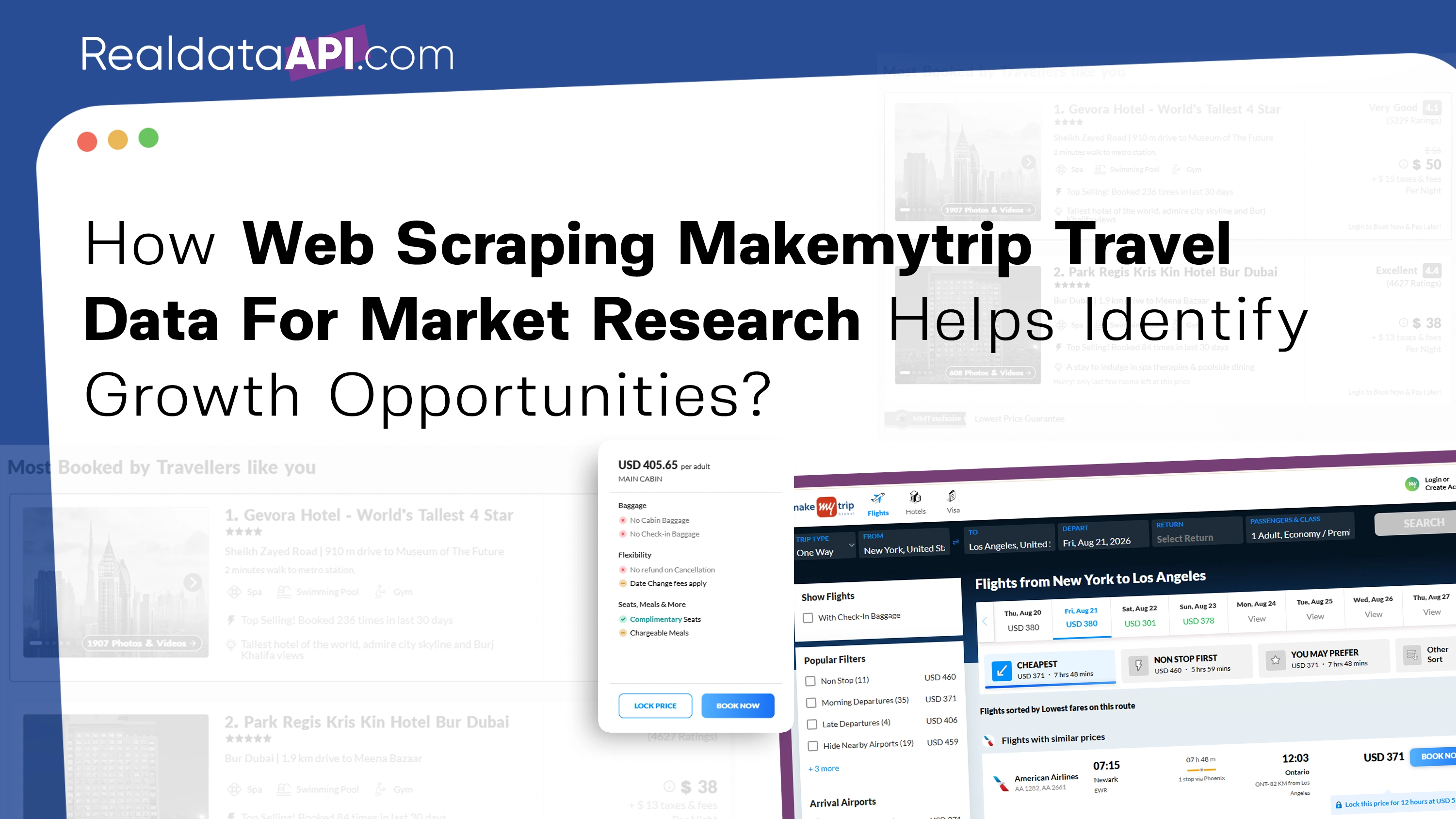
How Web Scraping Makemytrip Travel Data For Market Research Helps Identify Growth Opportunities?
How to Solve Data Freshness Challenges With Claude Web Scraping for Real-Time Information?
How to Scrape Dynamic Website Data Using a Scraping Browser API Without Browser Automation Complexity?
How Cookpad Recipe Data Scraping for Global Food Trends Helps Identify Emerging Recipes, Ingredients, and Consumer Preferences?






.png)