
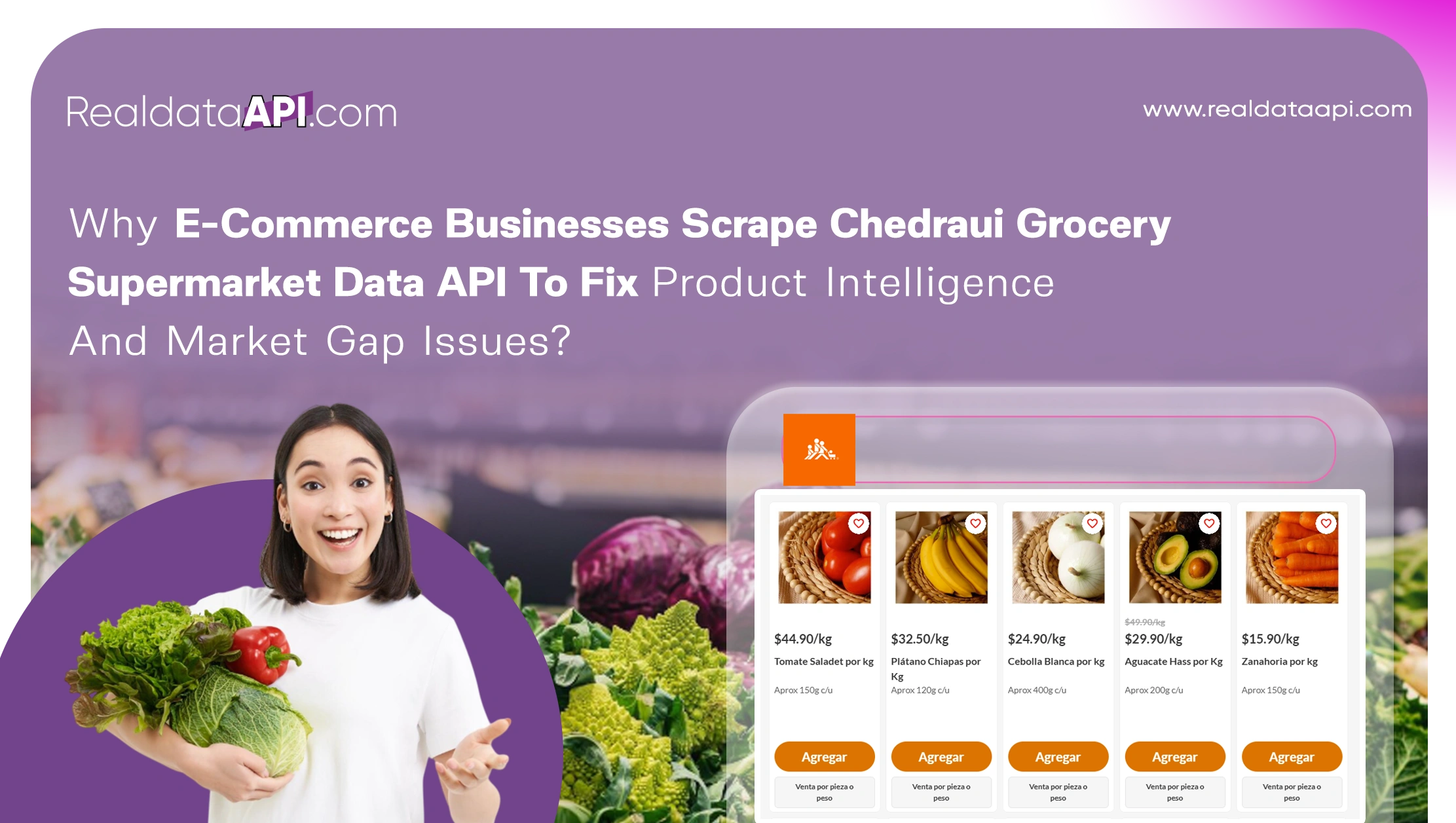
Introduction
The e-commerce grocery market has experienced rapid growth over the last few years, pushing retailers and brands to rely heavily on data-driven insights to stay competitive. Supermarkets and online grocery platforms generate enormous amounts of valuable product information, including pricing, promotions, availability, and category performance. Businesses that can capture and analyze this data gain a significant advantage in identifying trends and optimizing product strategies. One powerful method companies use is to Scrape Chedraui grocery supermarket data API to access structured supermarket data in real time.
Chedraui is one of Mexico's largest retail chains, offering thousands of grocery products through both physical stores and digital channels. For e-commerce brands, retailers, and market intelligence firms, extracting data from this ecosystem helps uncover pricing strategies, product assortments, and consumer demand signals. By leveraging the Chedraui Quick Commerce Scraping API, businesses can collect product-level insights quickly and transform raw data into actionable intelligence.
With structured grocery datasets, companies can track product availability, compare pricing across categories, monitor promotions, and discover untapped market opportunities. These insights are essential for optimizing pricing strategies, improving assortment planning, and identifying gaps where customer demand remains underserved. As the digital grocery industry continues to evolve, automated data extraction plays a crucial role in building smarter retail strategies.
Strengthening Retail Intelligence Through Advanced Product Monitoring

In the fast-paced grocery e-commerce environment, understanding product-level insights is crucial for maintaining competitiveness. Businesses rely on automated tools like Chedraui product data API scraper to extract detailed product attributes such as brand names, packaging sizes, nutritional information, product descriptions, and category placement. These insights allow retailers to monitor how competitors position their products and adjust their own offerings accordingly.
With accurate product intelligence, companies can identify which items dominate certain categories, what product variations are most popular, and how brands differentiate themselves in the marketplace. Data extracted through automated APIs also helps track new product launches and discontinued items, enabling faster market adaptation.
Below is an overview of how product intelligence has evolved in grocery e-commerce.
| Year | Online Grocery Products Indexed | Avg Product Variants per Category | Retail Intelligence Adoption |
|---|---|---|---|
| 2020 | 45,000 | 18 | 40% |
| 2021 | 60,000 | 21 | 48% |
| 2022 | 82,000 | 24 | 55% |
| 2023 | 110,000 | 28 | 63% |
| 2024 | 135,000 | 31 | 70% |
| 2025 | 160,000 | 35 | 76% |
| 2026 | 185,000 | 38 | 82% |
As the number of digital grocery listings continues to grow, businesses increasingly depend on automated product monitoring systems. These insights help brands refine catalog strategies, optimize product descriptions, and maintain competitive positioning across multiple online marketplaces.
Unlocking Structured Catalog Insights for Smarter Merchandising
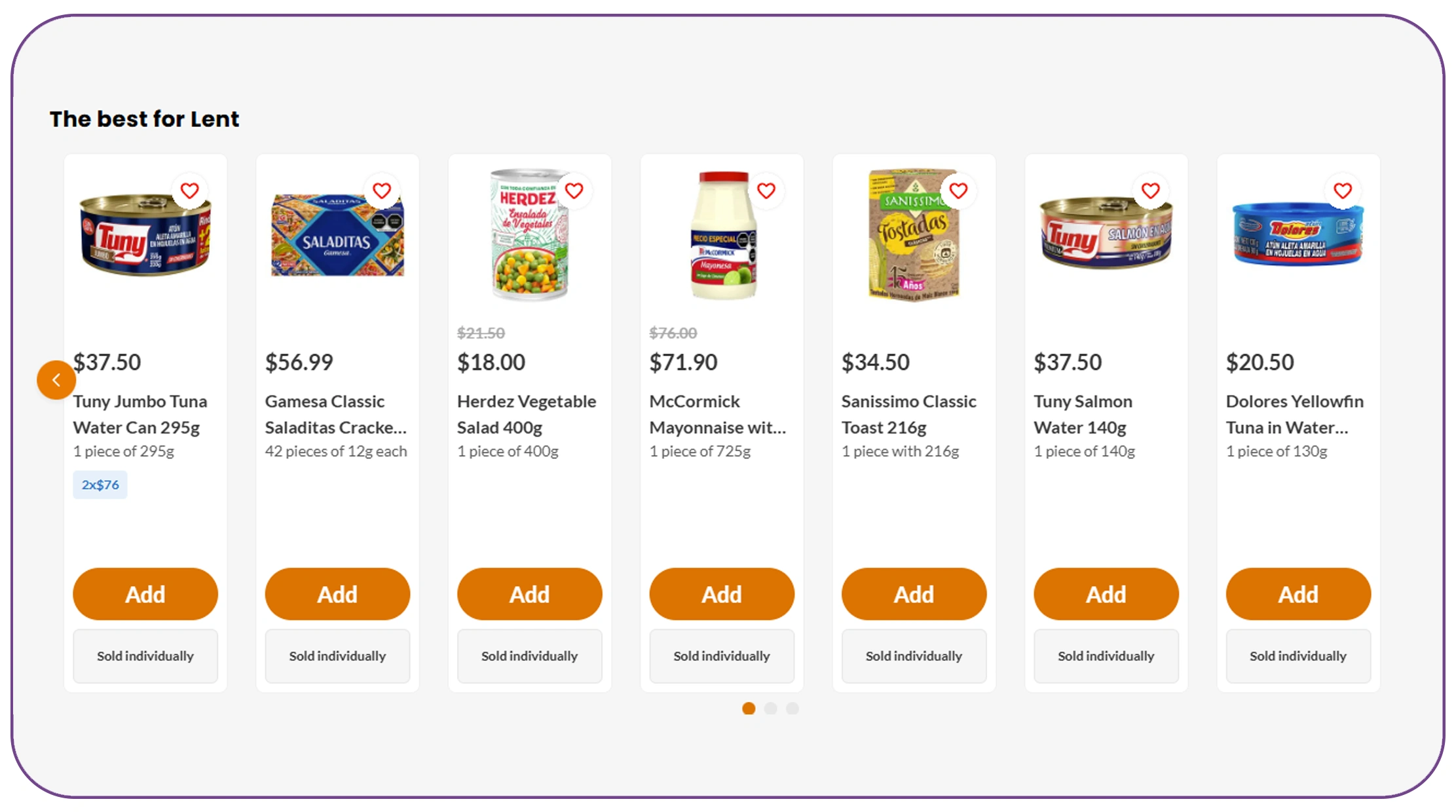
Product catalogs are the backbone of any e-commerce platform. Analyzing structured catalog data enables companies to understand product distribution, brand dominance, and assortment depth across categories. Through Chedraui grocery catalog data extraction, businesses gain access to comprehensive datasets that reveal how thousands of grocery products are organized and marketed online.
Catalog data helps businesses understand the hierarchy of categories such as beverages, dairy, snacks, fresh produce, and household essentials. By analyzing these structures, companies can optimize their own product catalogs and ensure their offerings match consumer search behavior.
The following table illustrates catalog growth trends within digital grocery platforms.
| Year | Total Catalog Listings | Average Category Depth | Brand Representation |
|---|---|---|---|
| 2020 | 70,000 | 5 levels | 1,200 brands |
| 2021 | 85,000 | 6 levels | 1,450 brands |
| 2022 | 105,000 | 6 levels | 1,700 brands |
| 2023 | 130,000 | 7 levels | 1,950 brands |
| 2024 | 155,000 | 7 levels | 2,200 brands |
| 2025 | 180,000 | 8 levels | 2,500 brands |
| 2026 | 210,000 | 8 levels | 2,800 brands |
With access to large-scale catalog data, retailers can identify missing categories, optimize shelf placement strategies, and enhance product discoverability. Catalog insights also help e-commerce platforms improve recommendation engines and enhance user browsing experiences.
Tracking Pricing Dynamics for Competitive Strategy
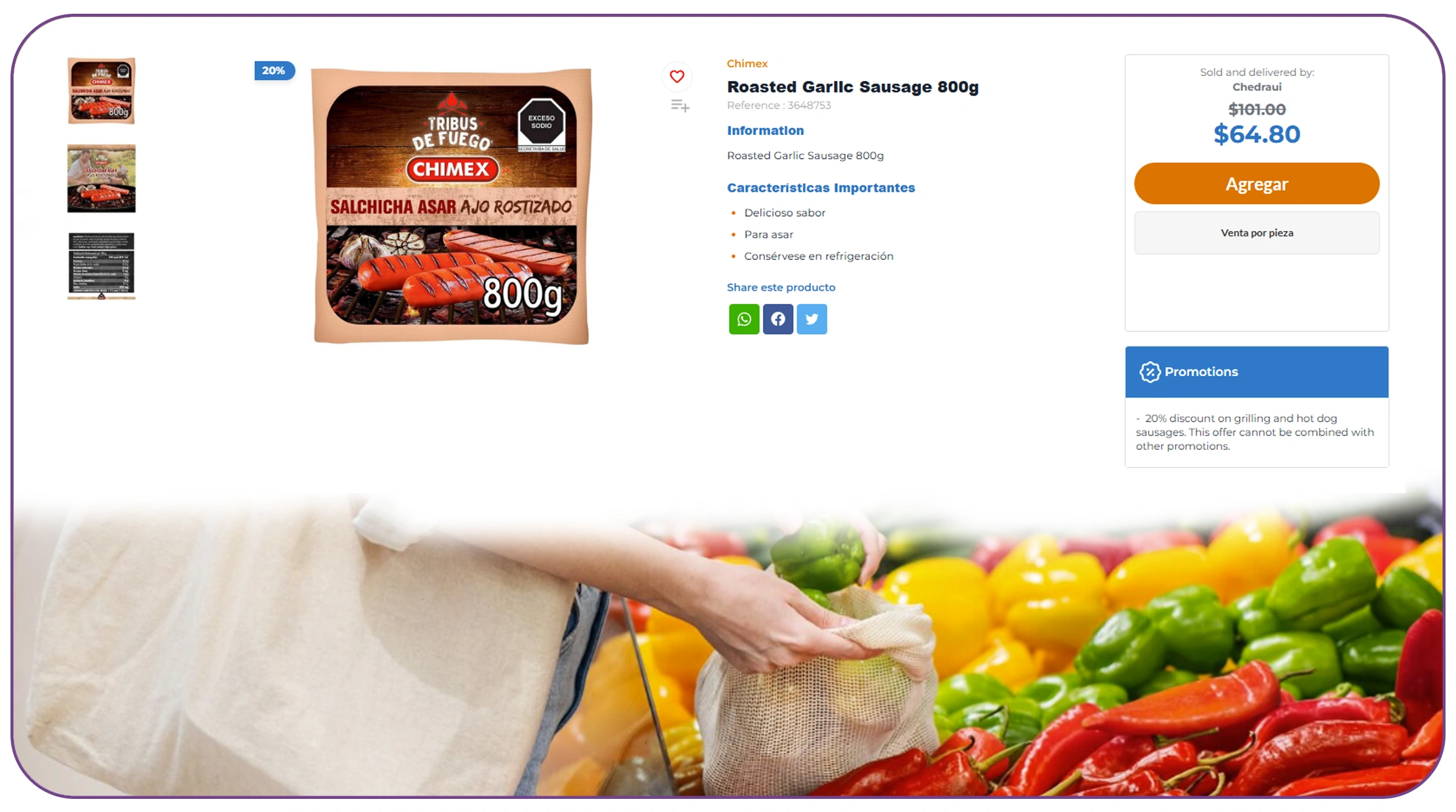
Pricing is one of the most critical factors influencing consumer purchasing decisions in online grocery platforms. By using tools to Extract Chedraui grocery pricing data, businesses can monitor price fluctuations, promotional discounts, and competitor strategies in real time.
Pricing intelligence enables companies to benchmark their product prices against competitors, identify underpriced or overpriced items, and adjust their pricing strategies accordingly. Retailers also analyze discount frequency and seasonal promotions to better align their marketing campaigns.
Below is an example of pricing trend analysis within online grocery retail.
| Year | Average Price Monitoring Coverage | Promotional Discounts Observed | Competitive Pricing Adjustments |
|---|---|---|---|
| 2020 | 30% | 12% | 15% |
| 2021 | 38% | 14% | 18% |
| 2022 | 45% | 17% | 21% |
| 2023 | 52% | 19% | 25% |
| 2024 | 60% | 22% | 29% |
| 2025 | 68% | 24% | 33% |
| 2026 | 75% | 27% | 37% |
Pricing intelligence allows brands to dynamically adjust prices, maintain competitive margins, and optimize promotional campaigns. These insights ensure businesses remain competitive in a market where price transparency heavily influences consumer behavior.
Monitoring Product Availability to Reduce Stockout Risks
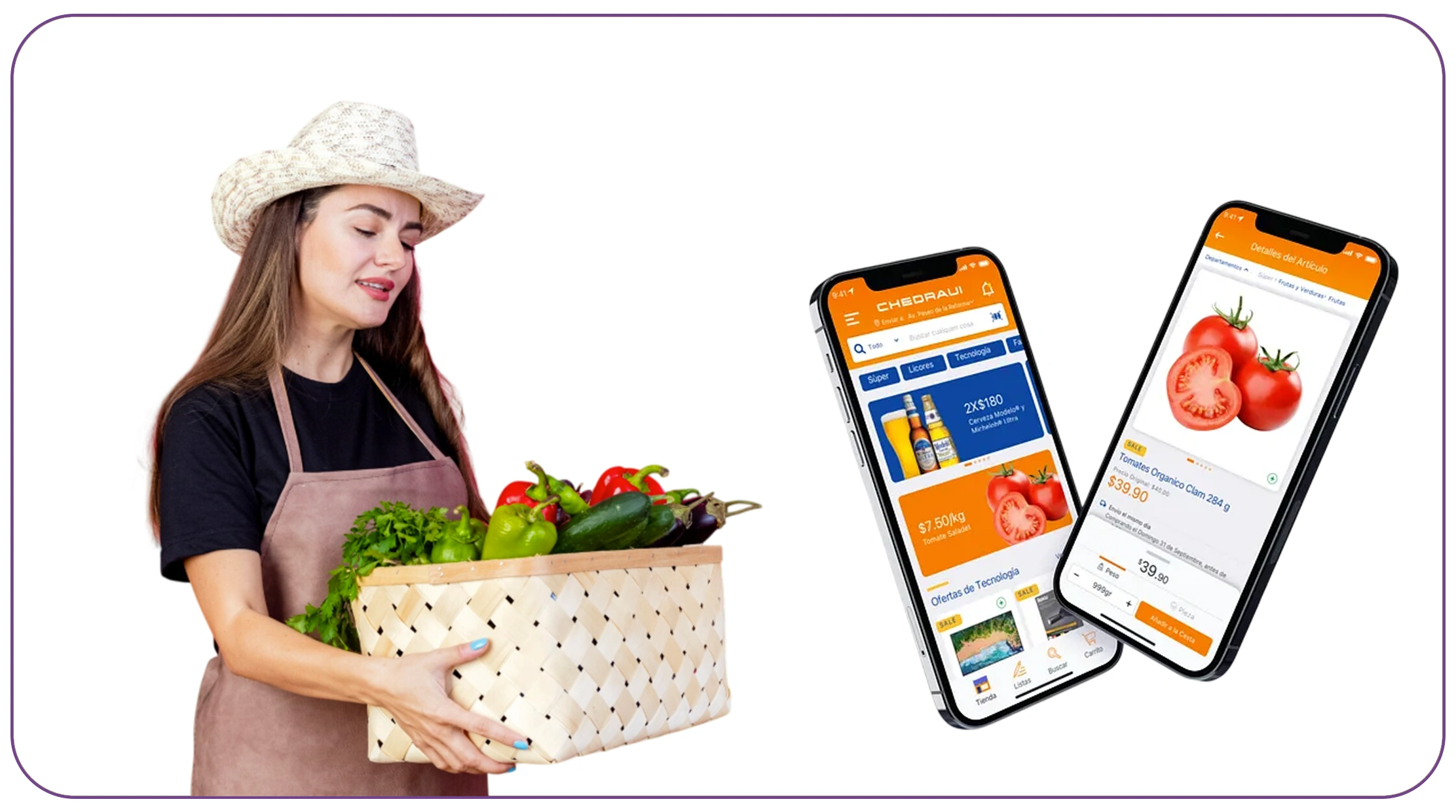
Inventory management is another major challenge in grocery e-commerce. Out-of-stock products can significantly impact customer satisfaction and sales performance. Businesses therefore rely on automated tools like Chedraui grocery store inventory data extractor to monitor stock levels across online grocery platforms.
Inventory data enables retailers to track product availability, identify frequently stocked-out items, and adjust supply chain strategies. Monitoring stock levels also helps companies anticipate demand spikes during holidays, promotional events, or seasonal changes.
Below is a table showing inventory monitoring adoption in digital grocery platforms.
| Year | Inventory Monitoring Coverage | Stockout Reduction Rate | Supply Chain Optimization |
|---|---|---|---|
| 2020 | 28% | 10% | 15% |
| 2021 | 35% | 14% | 18% |
| 2022 | 42% | 17% | 22% |
| 2023 | 50% | 21% | 26% |
| 2024 | 58% | 25% | 30% |
| 2025 | 66% | 29% | 34% |
| 2026 | 74% | 33% | 39% |
By continuously monitoring inventory levels, businesses can reduce stockouts, maintain consistent product availability, and improve overall customer satisfaction.
Transforming Raw Information into Actionable Market Intelligence
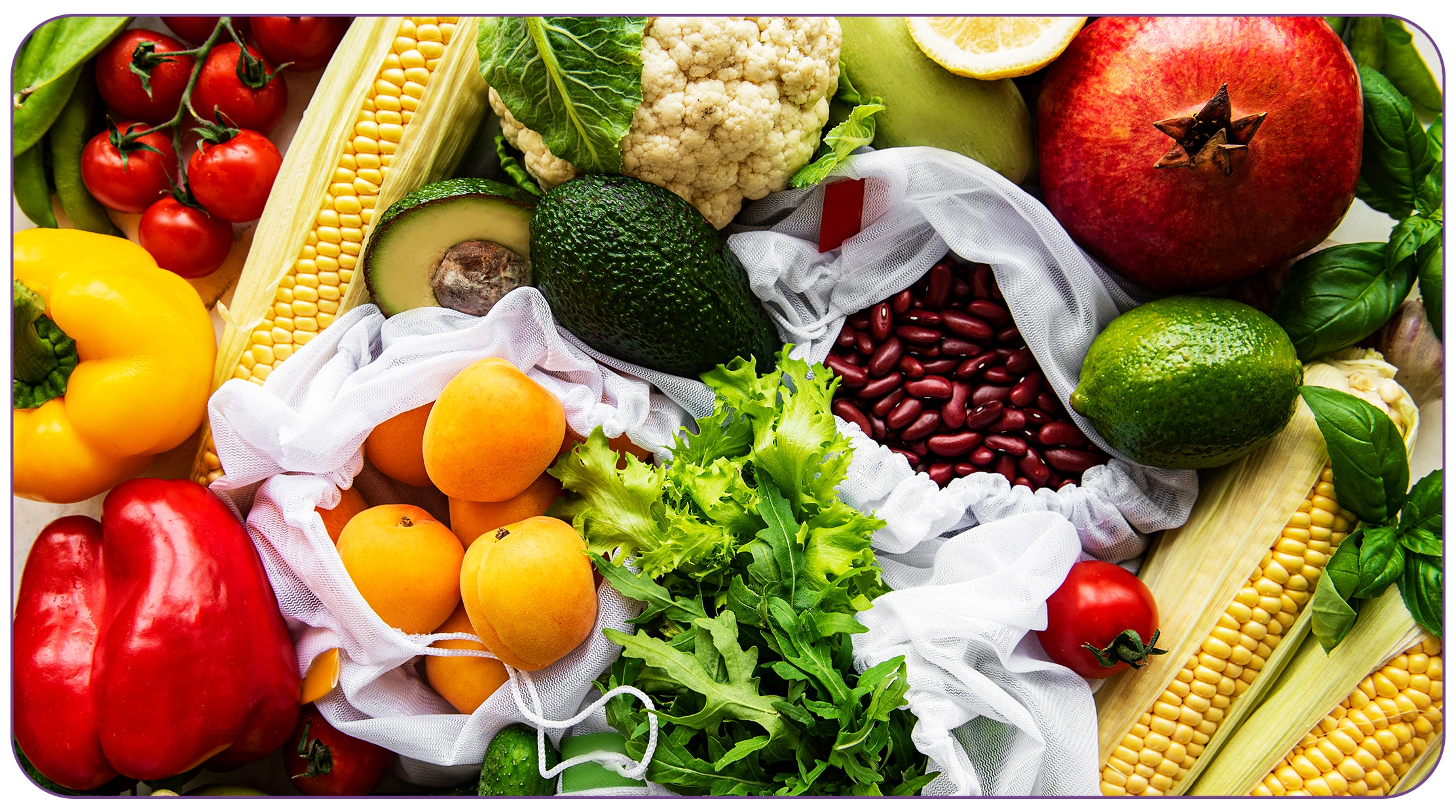
Access to large-scale grocery datasets provides businesses with deeper insights into consumer preferences, product demand patterns, and category growth. The Grocery Dataset collected from online platforms contains valuable information such as product attributes, pricing, availability, and promotional activity.
Analyzing these datasets enables companies to perform advanced market research, identify emerging trends, and forecast demand. Data-driven insights also help businesses optimize marketing campaigns, improve assortment planning, and enhance customer experience.
The table below highlights the growth of grocery data analytics adoption.
| Year | Grocery Data Volume (TB) | Retail Analytics Adoption | Market Forecast Accuracy |
|---|---|---|---|
| 2020 | 5 TB | 35% | 60% |
| 2021 | 7 TB | 42% | 65% |
| 2022 | 10 TB | 50% | 70% |
| 2023 | 14 TB | 58% | 74% |
| 2024 | 18 TB | 65% | 78% |
| 2025 | 23 TB | 72% | 82% |
| 2026 | 30 TB | 80% | 86% |
Retailers that effectively analyze these datasets gain better insights into customer behavior and market opportunities.
Accelerating Digital Retail Intelligence with Automation
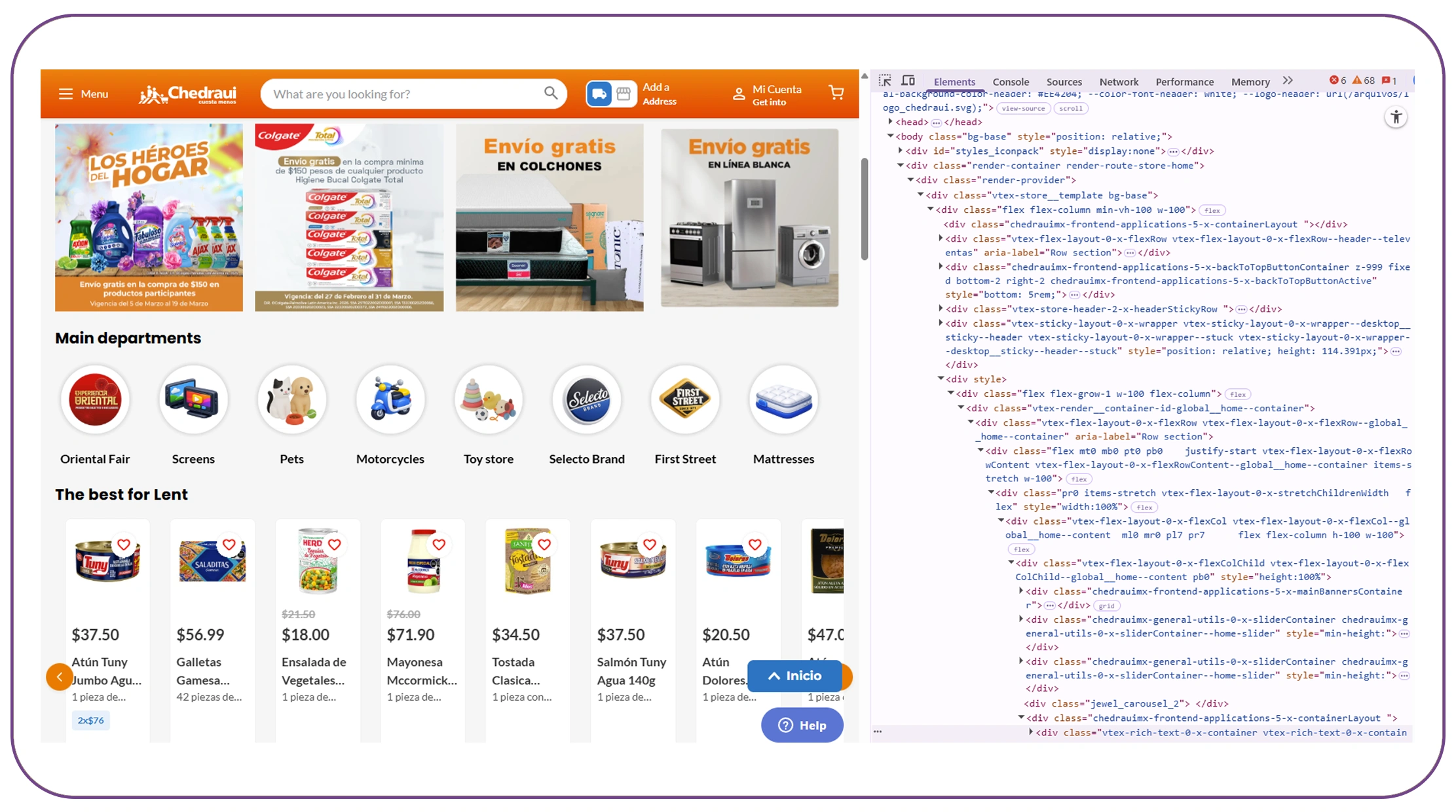
The growth of quick commerce and on-demand delivery has dramatically increased the need for automated data extraction systems. Using a Quick Commerce Data Scraping API, companies can gather large volumes of retail data in real time without manual intervention.
Automated scraping solutions help businesses collect information from multiple grocery platforms simultaneously, enabling faster market analysis and more accurate competitive intelligence. This automation also reduces operational costs and improves data reliability.
Below is a table showing the expansion of quick commerce data usage.
| Year | Quick Commerce Platforms | Data Requests per Day | Automated Data Collection |
|---|---|---|---|
| 2020 | 15 | 120K | 30% |
| 2021 | 22 | 180K | 38% |
| 2022 | 30 | 250K | 45% |
| 2023 | 40 | 320K | 53% |
| 2024 | 52 | 410K | 61% |
| 2025 | 65 | 500K | 69% |
| 2026 | 80 | 620K | 76% |
Automation empowers retailers to process large-scale data streams quickly and turn them into actionable insights for faster decision-making.
Why Choose Real Data API?
Businesses seeking reliable grocery market intelligence require scalable data extraction solutions. Real Data API offers advanced tools like Web Scraping API designed to collect accurate supermarket data efficiently.
Our solutions help businesses Scrape Chedraui grocery supermarket data API and extract valuable insights such as product listings, price changes, inventory updates, and promotional activities. With robust infrastructure and automated data pipelines, Real Data API ensures reliable, structured, and real-time data delivery.
Key advantages include:
- Scalable API infrastructure for large datasets
- High-frequency data collection and updates
- Structured and customizable data outputs
- Reliable extraction across multiple grocery platforms
- Real-time insights for pricing and product monitoring
These features allow businesses to build powerful analytics systems and gain a strong competitive edge in the rapidly evolving digital grocery marketplace.
Conclusion
Data-driven decision-making is becoming essential for success in the digital grocery ecosystem. Businesses that leverage automated data extraction tools gain valuable insights into pricing strategies, product availability, consumer demand, and competitor activity. By choosing to Scrape Chedraui grocery supermarket data API, companies can access structured retail intelligence that helps them identify market gaps, improve product offerings, and optimize pricing strategies.
As competition continues to grow in the quick commerce and e-commerce grocery sectors, businesses must adopt advanced data analytics solutions to stay ahead. Leveraging automated scraping technologies enables companies to transform raw retail data into actionable insights that drive smarter strategies and long-term growth.
Start leveraging powerful retail intelligence today—partner with Real Data API to bold Scrape Chedraui grocery supermarket data API and unlock actionable grocery market insights for your business.
Latest posts
How Gemini Scraper For Real-Time Data Extraction Enables Faster Market Intelligence, Monitoring, and Competitive Analysis
How Web Scraping Makemytrip Travel Data For Market Research Helps Identify Growth Opportunities?
How to Solve Data Freshness Challenges With Claude Web Scraping for Real-Time Information?

How to Scrape Dynamic Website Data Using a Scraping Browser API Without Browser Automation Complexity?






.png)



