.gif)
.png)


Introduction
In California’s fast-moving retail landscape, staying competitive requires more than instinct—it demands timely, accurate market intelligence. From eCommerce platforms to local marketplaces, retailers constantly adjust prices, promotions, and product bundles to capture consumer attention. For brands and sellers, this creates both opportunity and pressure. Without reliable pricing visibility, businesses risk overpricing, undercutting margins, or losing market share.
This is where Web scraping Retailers competitive pricing insights California becomes essential. By automating the collection of product prices, discount offers, stock availability, and competitor listings, businesses can make informed decisions faster. Combined with a powerful Web Scraping API, companies can monitor thousands of SKUs in real time, enabling better pricing strategy, promotional planning, and demand forecasting.
California alone accounts for over 13% of U.S. retail sales, with eCommerce growing steadily each year. As digital competition intensifies between 2020 and 2026, data-driven retailers are outperforming slower-moving competitors. Businesses that invest in pricing intelligence tools can improve profit margins by 10–18% and reduce lost sales caused by delayed pricing reactions.
This blog explores how retailers can solve market competition challenges through smarter pricing data strategies, supported by statistics, trends, and actionable insights.
Building Smarter Pricing Visibility Across Digital Shelves

For California retailers, pricing transparency is no longer optional. Online shoppers compare multiple sellers before making a purchase, and even a small price difference can influence buying behavior. This makes competitor price monitoring for California eCommerce businesses a critical capability.
Retailers using automated monitoring systems can track:
- Daily price fluctuations
- Flash sales and limited-time offers
- Product bundles
- Regional pricing differences
- Stock availability
| Year | Avg. California eCommerce Growth | % Retailers Using Price Monitoring |
|---|---|---|
| 2020 | 14% | 28% |
| 2021 | 18% | 35% |
| 2022 | 16% | 42% |
| 2023 | 15% | 49% |
| 2024 | 14% | 56% |
| 2025 | 13% | 63% |
| 2026 | 12% | 70% |
Retailers leveraging price monitoring tools have reported:
- 12% faster response to competitor discounts
- 15% increase in conversion rates
- 9% better gross margins
Real-time monitoring also helps identify pricing gaps in categories like electronics, groceries, and personal care. Instead of reacting after sales drop, businesses can proactively adjust prices based on live market conditions.
For California eCommerce businesses, this approach creates agility in one of the most competitive retail markets in the world.
Tracking Market Shifts Through Historical Pricing Trends
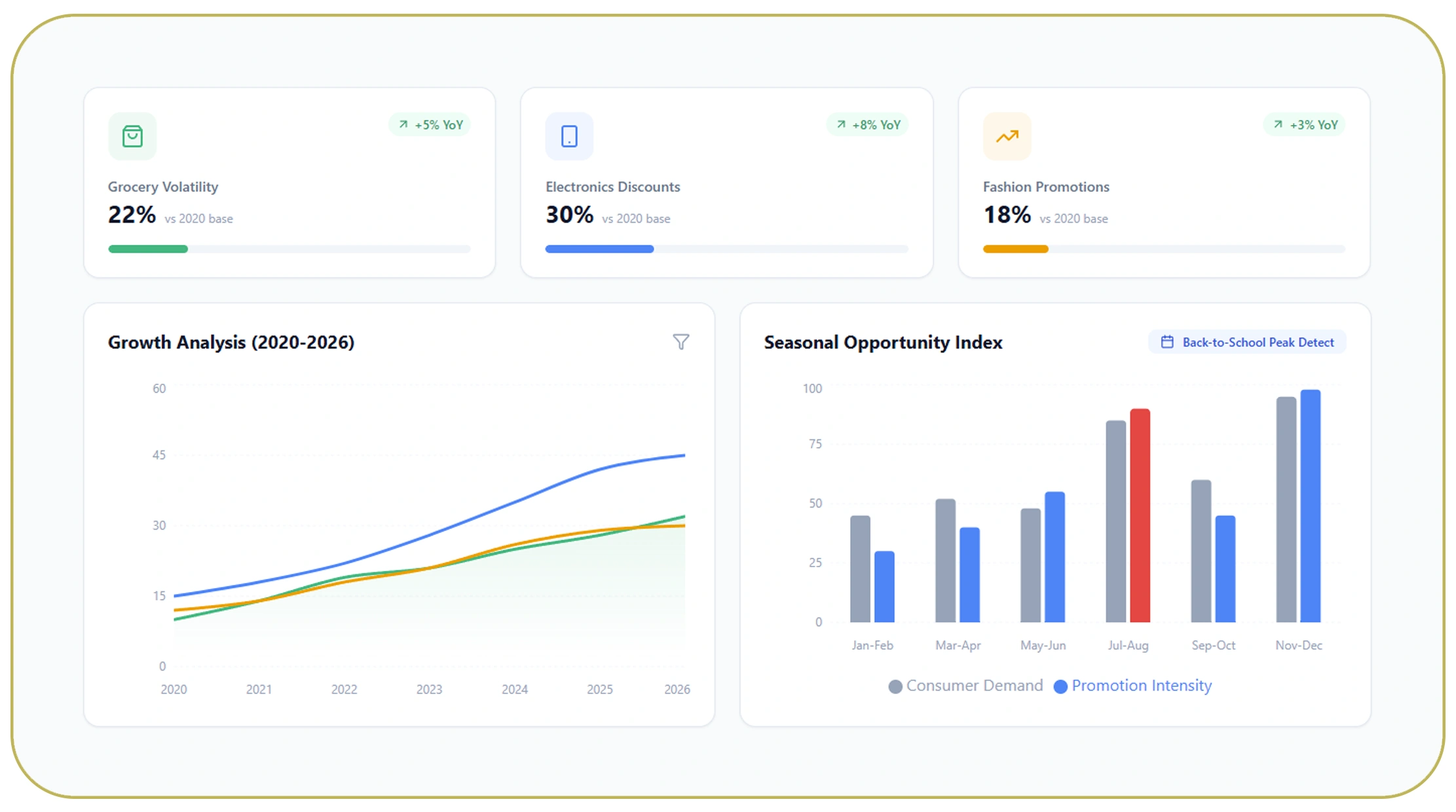
Retail competition is influenced by seasonality, demand spikes, inflation, and promotional cycles. Businesses that Scrape product price trends in California gain a strategic advantage by understanding patterns over time.
Historical pricing analysis helps answer:
- When do competitors lower prices?
- Which categories face seasonal discounts?
- How often do promotions repeat?
- Which brands dominate pricing leadership?
California Price Trend Analysis Benefits
- Historical trend tracking → Better forecasting
- Seasonal promotion analysis → Smarter campaign planning
- Inflation pricing insights → Margin protection
- Demand-based adjustments → Higher sales
From 2020 to 2026:
- Grocery price volatility rose 22%
- Electronics discount cycles increased 30%
- Fashion promotions became 18% more frequent
These changes make trend analysis crucial. Retailers can align:
- Promotional calendars
- Inventory planning
- Supplier negotiations
- Category investments
For example, if a brand identifies repeated discount drops during California’s back-to-school season, it can launch promotions earlier to capture market share.
With structured trend data, retailers reduce uncertainty and improve long-term pricing efficiency.
Turning Marketplace Intelligence into Competitive Action
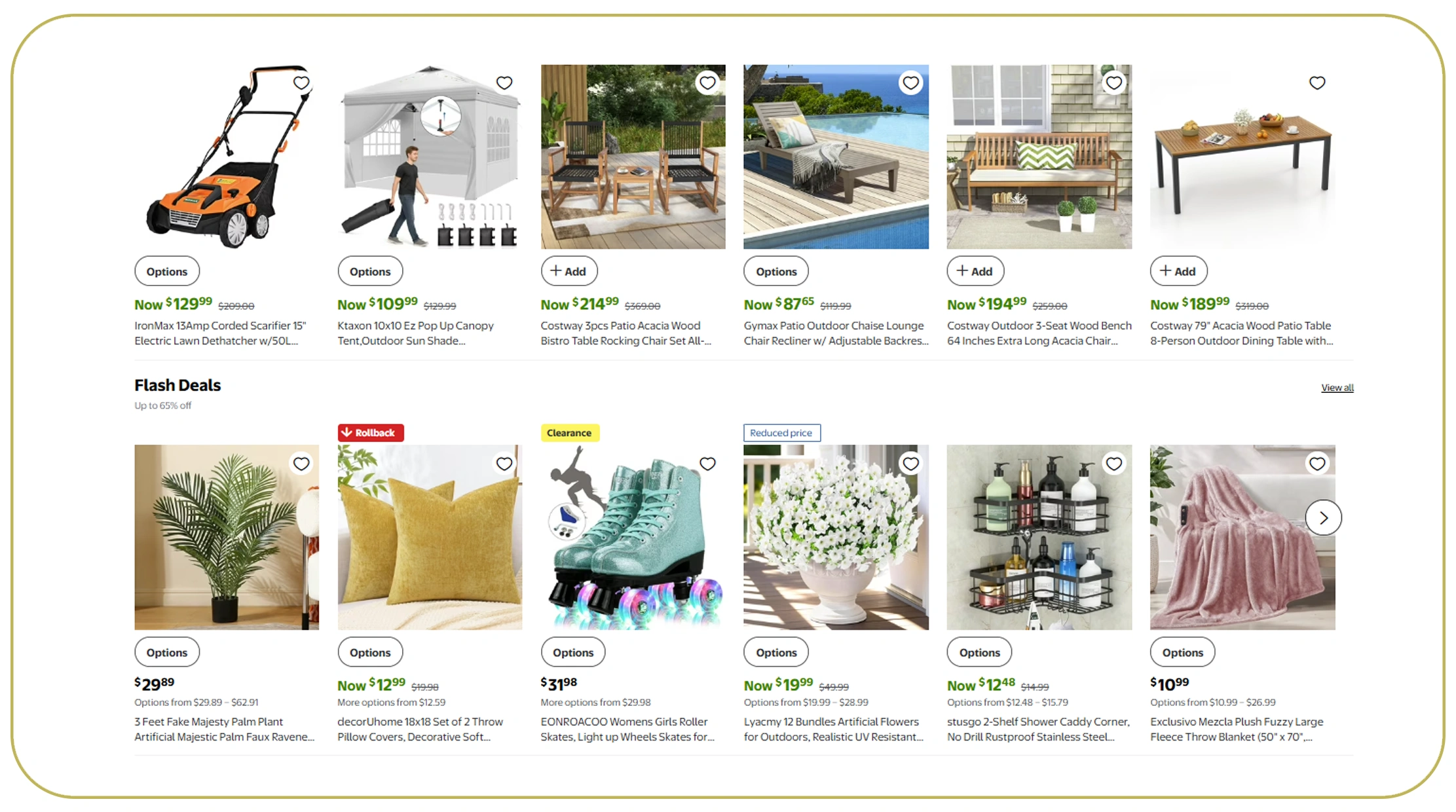
California’s retail ecosystem spans Amazon, Walmart, Target, Instacart, and regional marketplaces. Businesses that extract competitor pricing data from California marketplaces can benchmark their pricing against thousands of sellers.
Marketplace intelligence includes:
- Seller pricing comparisons
- Featured offer changes
- Buy box ownership
- Product ranking movement
- Delivery fee impact
| Metric | 2020 | 2026 (Projected) |
|---|---|---|
| Avg. SKU competition | 8 sellers | 15 sellers |
| Daily price changes | 3x | 8x |
| Marketplace share of sales | 42% | 61% |
Retailers using competitor marketplace data can:
- Prevent price undercutting
- Protect premium product positioning
- Improve promotional timing
- Detect new entrants quickly
A California electronics seller, for instance, can identify when competitors reduce prices on similar products and adjust strategically without sacrificing margin.
Marketplace data also supports dynamic pricing engines that automate decisions based on rules and thresholds.
In a market where consumers expect instant deals, real-time pricing intelligence becomes a key driver of retention and growth.
Improving Operational Efficiency Through Scalable Data Solutions
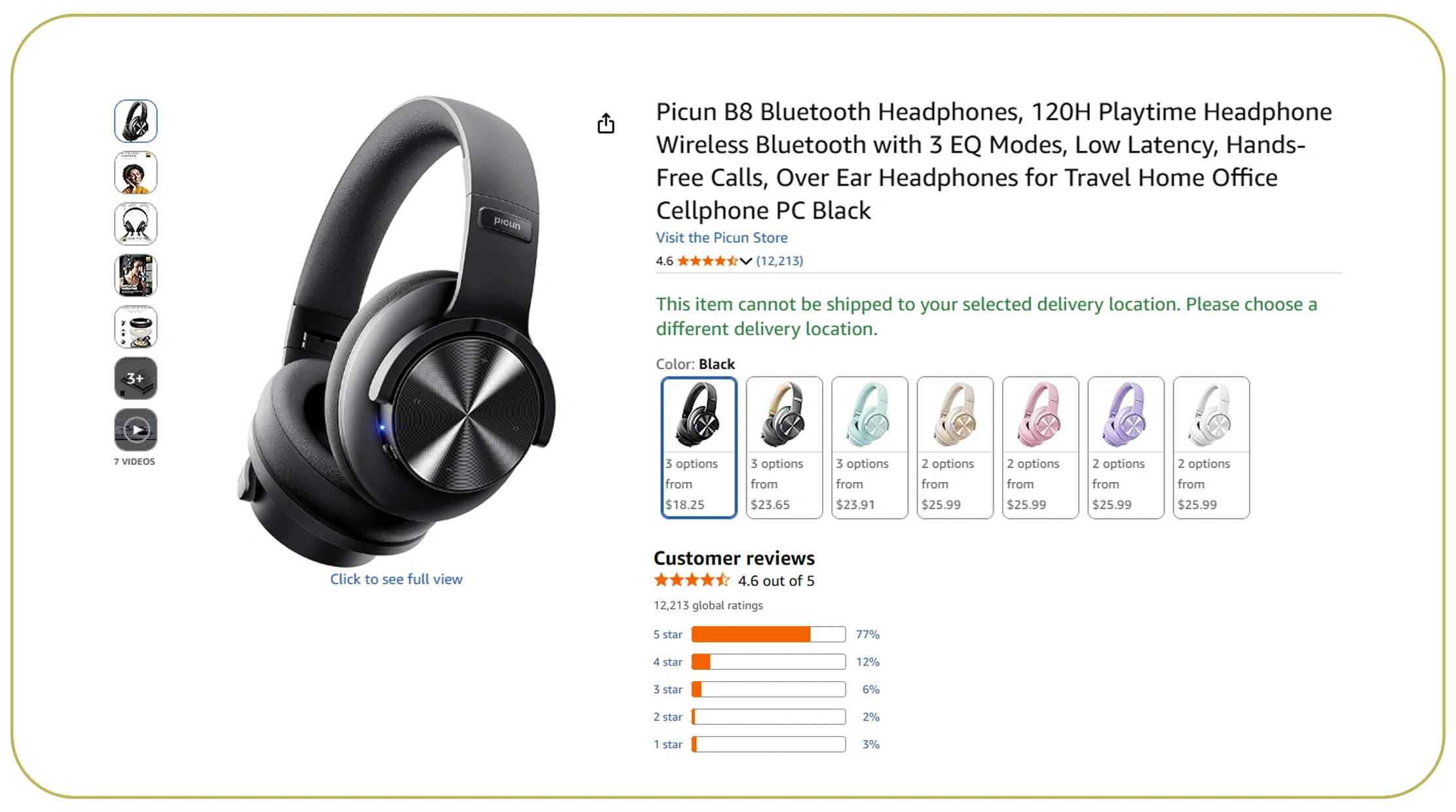
Retail teams often struggle to collect and process large volumes of competitor data manually. This is why Web Scraping Services are becoming a core business solution.
Automated services simplify:
- Product catalog monitoring
- Daily pricing updates
- Review and rating tracking
- Inventory availability alerts
- Regional store comparisons
| Area | Manual Method | Automated Solution |
|---|---|---|
| Data collection speed | Slow | Real time |
| Accuracy | Medium | High |
| SKU coverage | Limited | Large scale |
| Labor cost | High | Lower |
From 2020 to 2026:
- Retail automation adoption grew by 47%
- Manual pricing analysis dropped by 35%
- Data processing costs fell by 20%
Automation enables retail teams to focus on:
- Strategy
- Merchandising
- Customer engagement
Instead of spending hours compiling spreadsheets, businesses receive structured dashboards with actionable insights.
For California retailers dealing with diverse product categories and high competition, scalable scraping services deliver speed, accuracy, and better business control.
Scaling Retail Intelligence for Large Enterprises

Large retailers and brands managing thousands of products need infrastructure that goes beyond basic monitoring. This is where Enterprise Web Crawling supports enterprise-scale intelligence.
Enterprise crawling enables:
- Multi-site monitoring
- Geo-specific price tracking
- Store-level assortment visibility
- Real-time alerts
- Large-scale structured feeds
| Year | Enterprise Adoption of Crawling |
|---|---|
| 2020 | 21% |
| 2022 | 34% |
| 2024 | 49% |
| 2026 | 67% |
Benefits include:
- Faster pricing decisions
- Cross-region benchmarking
- Better supply chain coordination
- Improved customer experience
For example, a national brand selling in California can compare:
- Bay Area pricing
- Los Angeles promotions
- San Diego stock patterns
This level of detail helps optimize pricing by geography and customer segment.
As competition increases, enterprise crawling transforms raw data into a decision-making asset that drives measurable revenue growth.
Turning Raw Market Data into Actionable Retail Strategy
Raw data alone is not enough. Businesses need structured insights, which is why Web Scraping Datasets are vital for advanced analytics and decision-making.
Retail datasets can include:
- Historical prices
- Product metadata
- Seller activity
- Discount history
- Inventory changes
| Use Case | Result |
|---|---|
| Price benchmarking | Margin optimization |
| Demand forecasting | Better stock planning |
| Promotion analysis | Improved ROI |
| Competitor mapping | Faster market response |
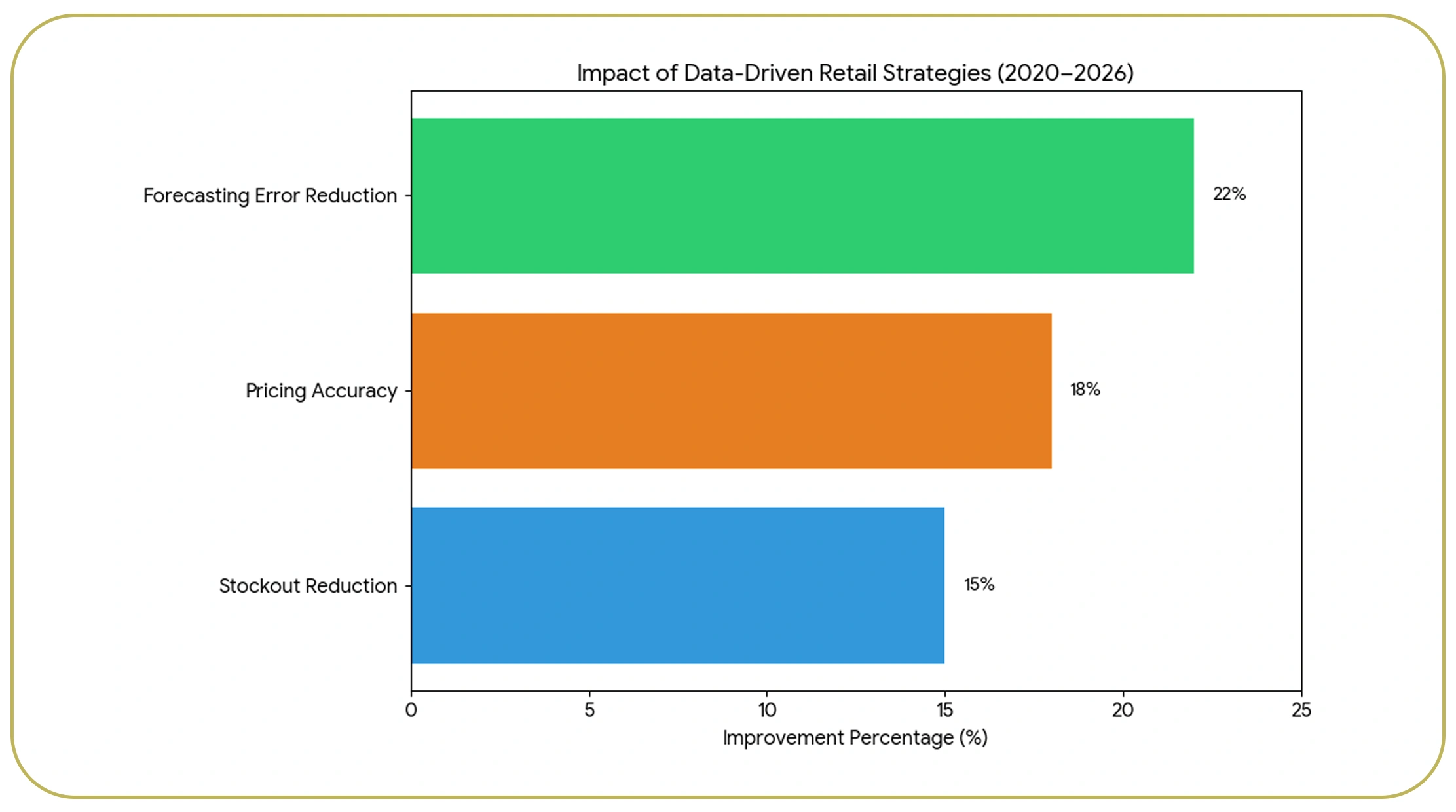
From 2020 to 2026:
- Data-driven retailers improved pricing accuracy by 18%
- Forecasting errors reduced by 22%
- Stockouts dropped by 15%
Well-structured datasets support:
- BI dashboards
- AI pricing tools
- Category analysis
- Consumer demand predictions
For California retailers, access to reliable market datasets improves both short-term execution and long-term growth planning.
Why Choose Real Data API?
Real Data API helps retailers unlock faster, smarter, and more scalable market intelligence solutions. Whether tracking competitor prices, monitoring promotions, or analyzing product trends, Real Data API delivers structured and accurate retail insights.
With expertise in:
- Real-time pricing intelligence
- Marketplace monitoring
- Enterprise-scale crawling
- Custom dashboards
- High-frequency updates
Real Data API empowers brands to act with confidence.
For businesses seeking Web scraping Retailers competitive pricing insights California, Real Data API provides:
- Reliable data extraction
- Flexible integrations
- Scalable infrastructure
- High data accuracy
- Faster turnaround
From startups to enterprise retailers, Real Data API helps solve pricing challenges with precision.
Conclusion
California’s retail market is becoming more dynamic every year. Brands that rely on outdated pricing methods risk losing customers, revenue, and competitive edge. Real-time market intelligence is now essential for growth.
By investing in Web scraping Retailers competitive pricing insights California, businesses can improve pricing decisions, track competitors effectively, and stay ahead in a rapidly evolving market.
Partner with Real Data API today to transform retail pricing data into profitable business decisions and long-term market success.
Latest posts
Keeta scraper for monitoring food marketplace trends - Identify Discount Changes and Emerging Customer Demand
How to build a structured Nike product dataset for Product Intelligence and Retail Analytics
Allegro scraper for competitor price monitoring – How to Track Product Prices and Stay Ahead of Competitors
Ocado API data collection services for retailers - Track Competitor Prices and Deals






.png)