Introduction
Businesses today rely heavily on real-time data to improve decision-making, monitor competitors, analyze market trends, and understand customer behavior. However, collecting large volumes of online information comes with growing concerns around compliance, privacy, and responsible automation. Companies that fail to adopt structured and transparent approaches often face blocked access, poor-quality data, legal complications, and reputational risks.
Implementing best practices for ethical web scraping helps organizations collect public information responsibly while maintaining compliance with platform policies and privacy expectations. Ethical scraping focuses on transparency, rate limiting, consent awareness, and collecting only relevant publicly available data. Modern organizations also use advanced tools like Web Scraping API solutions to improve scalability, avoid unnecessary server load, and ensure stable data pipelines.
According to Statista, global data creation is expected to exceed 180 zettabytes by 2025, while enterprise automation spending continues to rise between 2020 and 2026. This rapid growth makes structured data extraction more important than ever. Businesses that adopt ethical frameworks can reduce operational risks while improving the quality and reliability of collected information.
This guide explains how organizations can solve modern data collection challenges using responsible scraping strategies, enterprise-grade infrastructure, and privacy-focused automation systems.
Building Reliable Governance Models for Modern Data Collection

Organizations collecting online information at scale must create structured governance systems that define how data is sourced, processed, stored, and monitored. Many businesses fail because they prioritize speed over accountability, leading to compliance concerns and unreliable datasets. A well-designed framework ensures that data collection activities align with privacy regulations, website policies, and business objectives.
One of the most effective approaches is implementing privacy-aware data collection frameworks that establish rules for crawler behavior, request frequency, and data usage limitations. These systems help teams avoid collecting unnecessary personal information while ensuring data relevance. Governance models also improve transparency between technical teams, legal departments, and business stakeholders.
Between 2020 and 2026, global enterprise spending on compliance automation is projected to increase significantly as organizations seek stronger data governance practices. Businesses handling large-scale web data often create audit trails that track scraping frequency, source validation, and storage access permissions.
| Year | Global Compliance Automation Spending (USD Billion) | Enterprise Data Governance Adoption |
|---|---|---|
| 2020 | 5.2 | 38% |
| 2021 | 6.1 | 44% |
| 2022 | 7.4 | 51% |
| 2023 | 8.8 | 58% |
| 2024 | 10.2 | 64% |
| 2025 | 11.9 | 71% |
| 2026 | 13.5 | 76% |
Creating Responsible Automation Workflows for Sustainable Growth
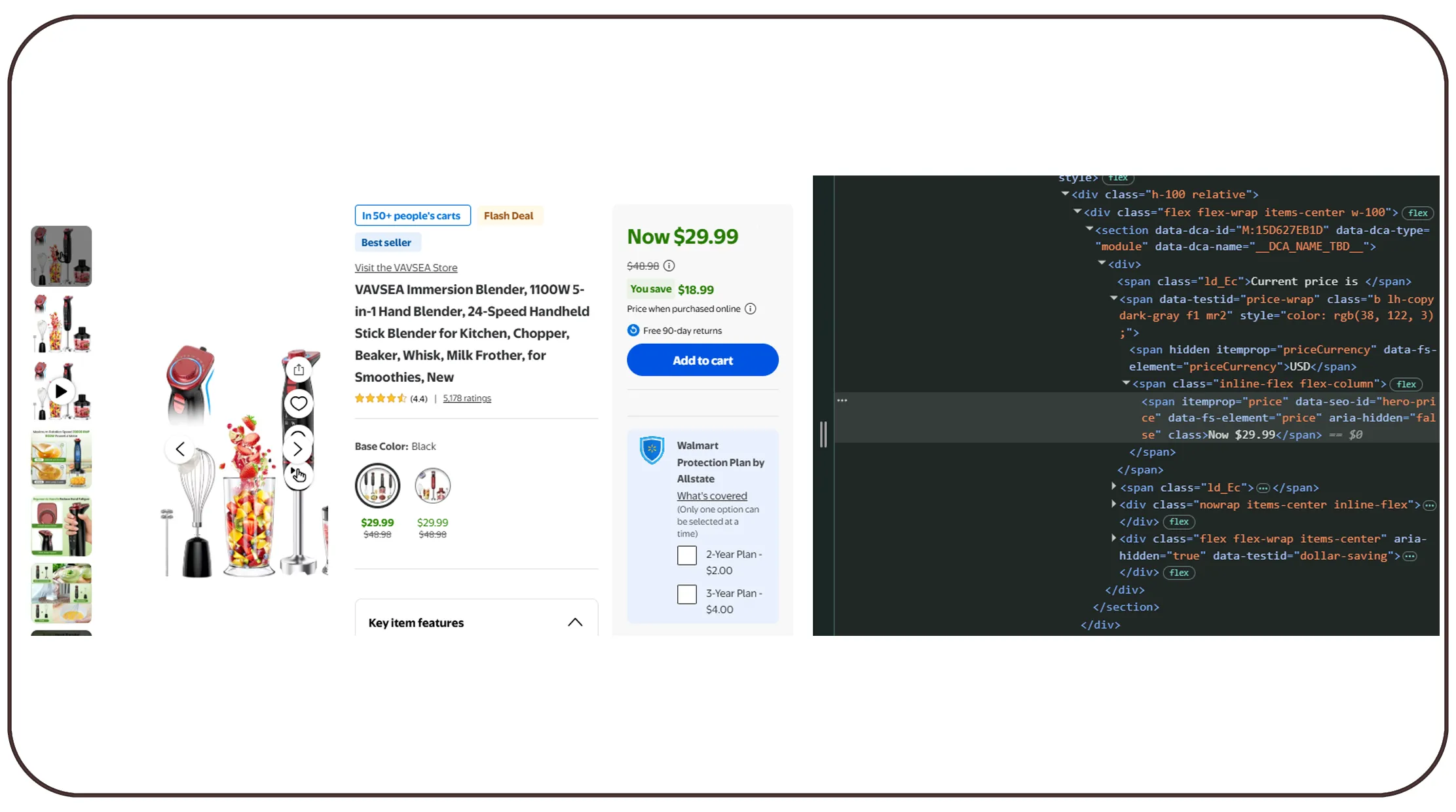
Sustainable data collection depends on responsible automation that balances business needs with fair digital practices. Companies that aggressively overload websites with repeated requests often face IP blocking, inaccurate results, or legal scrutiny. Responsible automation workflows focus on maintaining stable extraction processes while respecting digital ecosystems.
Modern businesses increasingly adopt ethical data extraction practices to improve reliability and maintain platform trust. These practices include respecting robots.txt policies, avoiding unnecessary scraping frequency, using cached responses, and prioritizing publicly available information only. Ethical extraction also helps businesses improve long-term operational stability because websites are less likely to restrict access when requests are handled responsibly.
Research from enterprise automation reports between 2020 and 2026 shows a steady increase in organizations using AI-driven request optimization and intelligent traffic balancing. These technologies help reduce server pressure while improving extraction accuracy.
| Year | Businesses Using AI-Driven Automation | Average Reduction in Server Load |
|---|---|---|
| 2020 | 24% | 12% |
| 2021 | 31% | 16% |
| 2022 | 39% | 21% |
| 2023 | 48% | 27% |
| 2024 | 56% | 33% |
| 2025 | 64% | 39% |
| 2026 | 72% | 45% |
Strengthening Security and Compliance Through Smarter Infrastructure
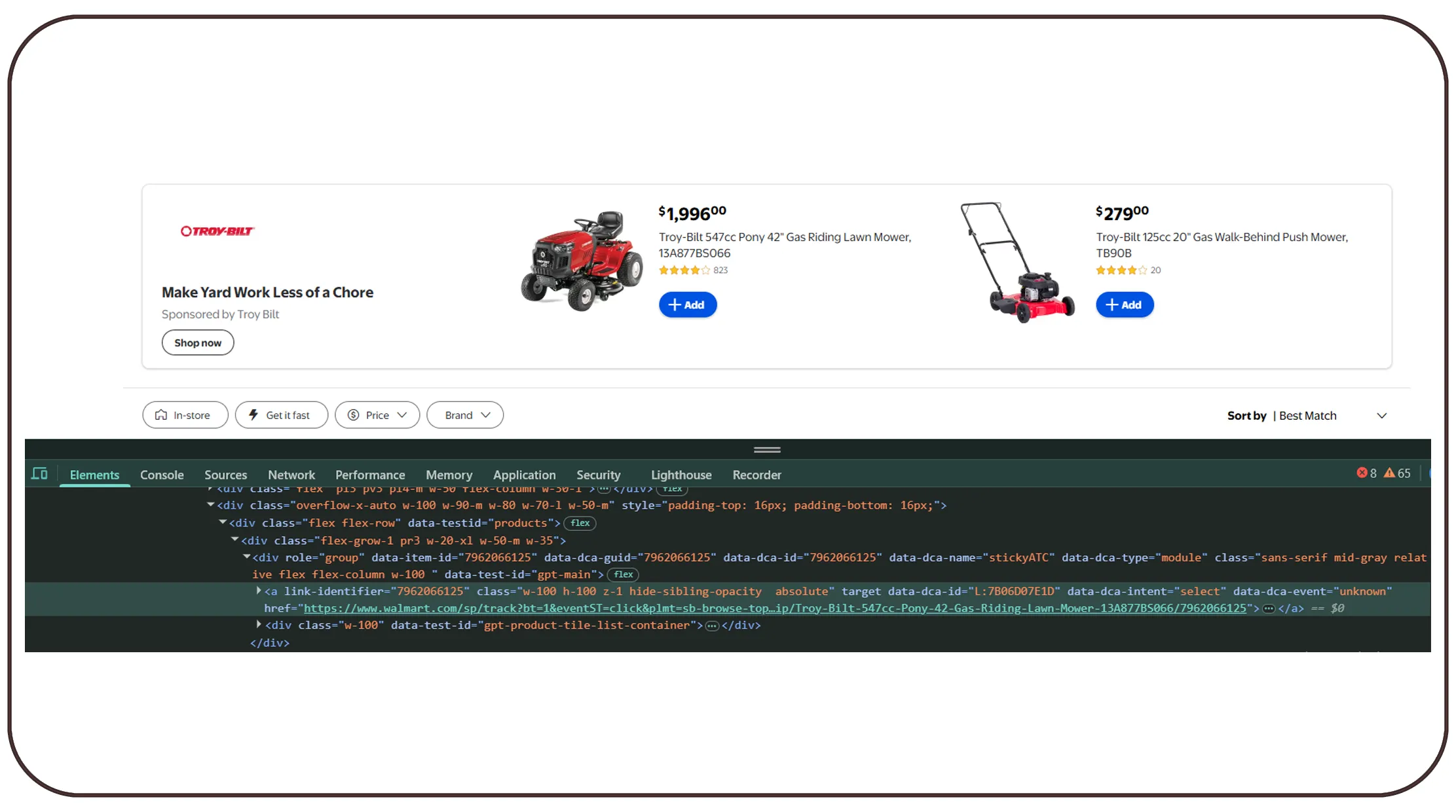
As organizations scale data operations globally, they must address increasing concerns around security, compliance, and privacy protection. Businesses operating in regulated industries need advanced systems that minimize risk exposure while maintaining efficient extraction processes.
Many enterprises now implement privacy-first automation strategies for large-scale scraping to ensure that automated systems collect only relevant and compliant information. These strategies include encrypted traffic management, regional compliance monitoring, identity masking for infrastructure protection, and automated filtering mechanisms.
From 2020 to 2026, cybersecurity spending for enterprise automation environments has grown rapidly due to increasing concerns around unauthorized access and data misuse. Companies are investing heavily in secure cloud-based scraping environments that provide centralized monitoring and controlled access management.
| Year | Enterprise Cybersecurity Spending for Automation (USD Billion) | Companies Using Encrypted Extraction Systems |
|---|---|---|
| 2020 | 12.4 | 29% |
| 2021 | 14.1 | 35% |
| 2022 | 16.8 | 42% |
| 2023 | 19.5 | 49% |
| 2024 | 22.7 | 56% |
| 2025 | 25.9 | 63% |
| 2026 | 29.3 | 69% |
Scaling Business Intelligence Operations Across Multiple Markets
Modern enterprises often need information from thousands of sources across different countries, industries, and platforms. Managing this scale manually is nearly impossible, making automated intelligence systems a core business requirement.
Professional Web Scraping Services help organizations simplify large-scale data collection while maintaining operational efficiency. These services typically provide infrastructure management, rotating IP systems, request optimization, structured parsing, and compliance support. Businesses can focus on analytics and decision-making rather than managing extraction infrastructure internally.
Between 2020 and 2026, the demand for outsourced data extraction services has increased steadily due to growth in digital commerce, market intelligence, and AI training requirements. Companies in retail, travel, finance, and real estate increasingly depend on scalable intelligence operations to stay competitive.
| Year | Global Web Data Service Market Size (USD Billion) | Enterprises Using Managed Extraction Services |
|---|---|---|
| 2020 | 3.8 | 27% |
| 2021 | 4.6 | 33% |
| 2022 | 5.5 | 40% |
| 2023 | 6.7 | 48% |
| 2024 | 8.1 | 56% |
| 2025 | 9.6 | 63% |
| 2026 | 11.2 | 70% |
Improving Operational Efficiency with Advanced Crawling Systems

Large organizations managing millions of pages daily require highly advanced crawling systems capable of handling complex digital environments. Traditional scraping methods often fail when dealing with dynamic content, anti-bot systems, or large-scale data synchronization requirements.
Modern enterprises increasingly invest in Enterprise Web Crawling technologies to improve scalability, extraction accuracy, and workflow automation. These systems use distributed architectures, AI-assisted navigation, intelligent scheduling, and real-time monitoring to maintain stable operations.
From 2020 to 2026, enterprise demand for distributed crawling infrastructure has risen sharply as businesses expand digital intelligence initiatives. Industries such as cybersecurity, finance, eCommerce, and logistics rely heavily on advanced crawling systems to maintain visibility across changing online environments.
| Year | Enterprises Using Distributed Crawling Systems | Average Pages Processed Daily (Millions) |
|---|---|---|
| 2020 | 18% | 42 |
| 2021 | 24% | 58 |
| 2022 | 31% | 76 |
| 2023 | 39% | 98 |
| 2024 | 47% | 126 |
| 2025 | 56% | 158 |
| 2026 | 65% | 194 |
Transforming Raw Information into Actionable Business Assets
Collecting data alone is not enough. Organizations must transform extracted information into structured, usable assets that support analytics, forecasting, and decision-making processes. Poorly organized information often leads to inaccurate reporting and reduced operational value.
High-quality Web Scraping Datasets allow businesses to build stronger machine learning models, improve market analysis, and enhance customer intelligence systems. Structured datasets also improve forecasting accuracy by providing clean, categorized, and regularly updated information.
Between 2020 and 2026, the enterprise analytics market has expanded rapidly as organizations increasingly depend on structured external data sources. Businesses now prioritize dataset standardization, enrichment, and validation to improve downstream performance.
| Year | Global Enterprise Analytics Market (USD Billion) | Companies Using External Structured Datasets |
|---|---|---|
| 2020 | 23.5 | 34% |
| 2021 | 27.2 | 40% |
| 2022 | 31.8 | 47% |
| 2023 | 36.9 | 54% |
| 2024 | 42.6 | 61% |
| 2025 | 49.1 | 68% |
| 2026 | 56.4 | 74% |
Why Choose Real Data API?
Real Data API helps businesses simplify large-scale data collection while maintaining compliance, performance, and operational efficiency. The platform is designed to support enterprises that need scalable and reliable extraction infrastructure for modern business intelligence operations.
By following best practices for ethical web scraping, Real Data API helps organizations reduce operational risks while improving extraction quality and scalability. Businesses gain access to optimized infrastructure, intelligent request handling, automated parsing systems, and enterprise-grade monitoring tools.
Key advantages include:
- Scalable infrastructure for enterprise-level operations
- Reliable proxy and request management systems
- Faster access to structured data outputs
- Improved compliance and governance support
- Reduced downtime through automated monitoring
- Flexible integration with analytics platforms and workflows
- Enhanced extraction accuracy across dynamic websites
Real Data API also supports businesses with real-time monitoring, advanced scheduling systems, and customizable extraction pipelines. This helps organizations improve operational efficiency while minimizing infrastructure management overhead.
For enterprises seeking long-term scalability, secure automation, and responsible extraction systems, Real Data API provides a reliable foundation for sustainable data intelligence operations.
Conclusion
Modern businesses depend on reliable digital intelligence to stay competitive, improve forecasting, and respond quickly to changing market conditions. However, large-scale automation without governance and compliance can create serious operational and reputational risks.
Adopting best practices for ethical web scraping enables organizations to collect publicly available data responsibly while improving scalability, security, and long-term sustainability. Businesses that implement structured governance models, privacy-focused automation, advanced crawling systems, and high-quality datasets gain stronger operational resilience and better decision-making capabilities.
As digital ecosystems continue evolving between 2020 and 2026, ethical and scalable data extraction will become increasingly important for enterprises across every industry.
Ready to build reliable and scalable data intelligence solutions? Connect with Real Data API today and transform your business data operations with responsible automation!
Latest posts

How Louis Vuitton Fashion Dataset Enables Better Analysis of Luxury Products, Prices, Brands, and Fashion Trends?
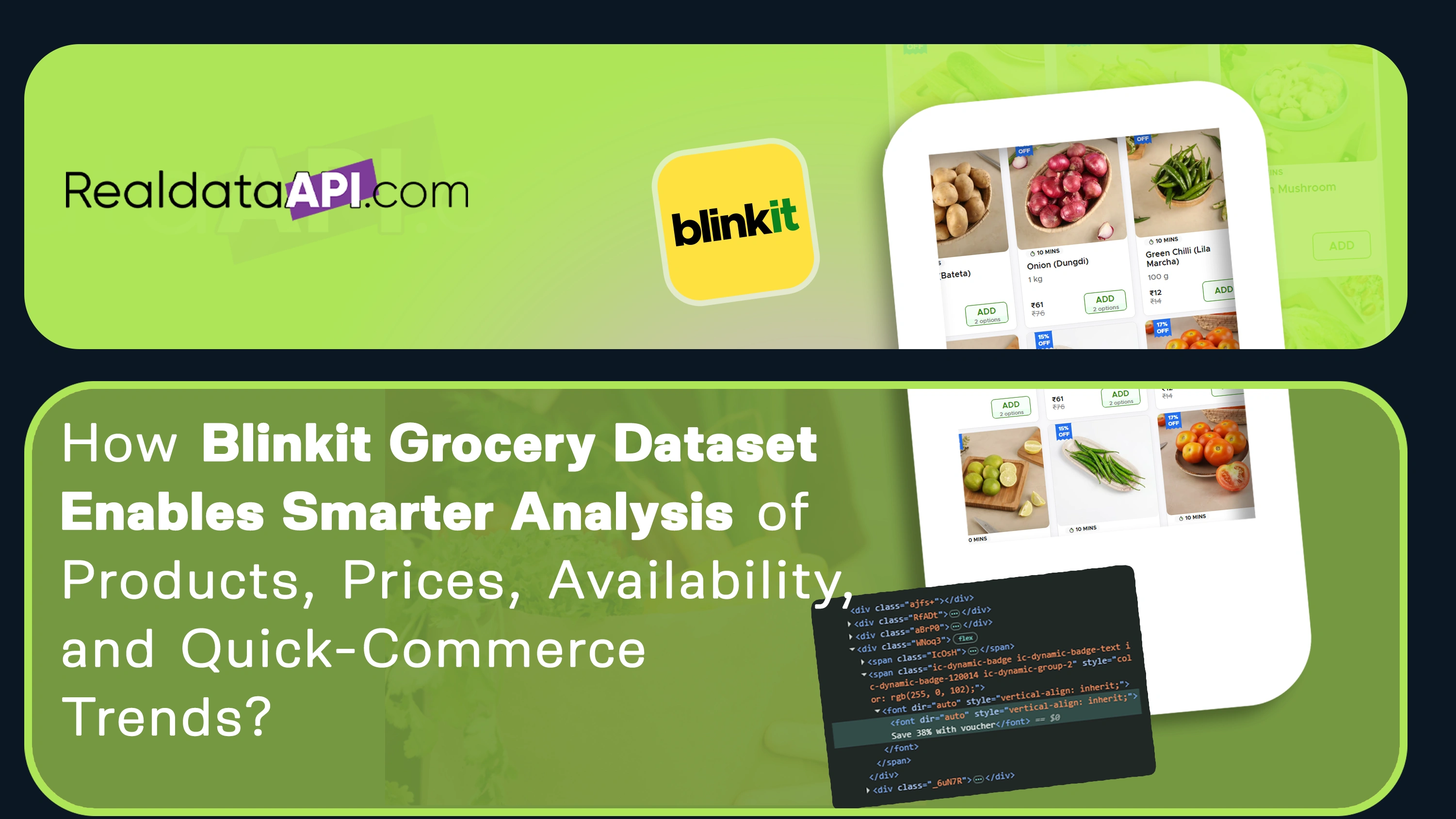
How Blinkit Grocery Dataset Enables Smarter Analysis of Products, Prices, Availability, and Quick-Commerce Trends?

How Chanel Fashion Dataset Enables Smarter Analysis of Luxury Products, Prices, Categories, and Fashion Trends?
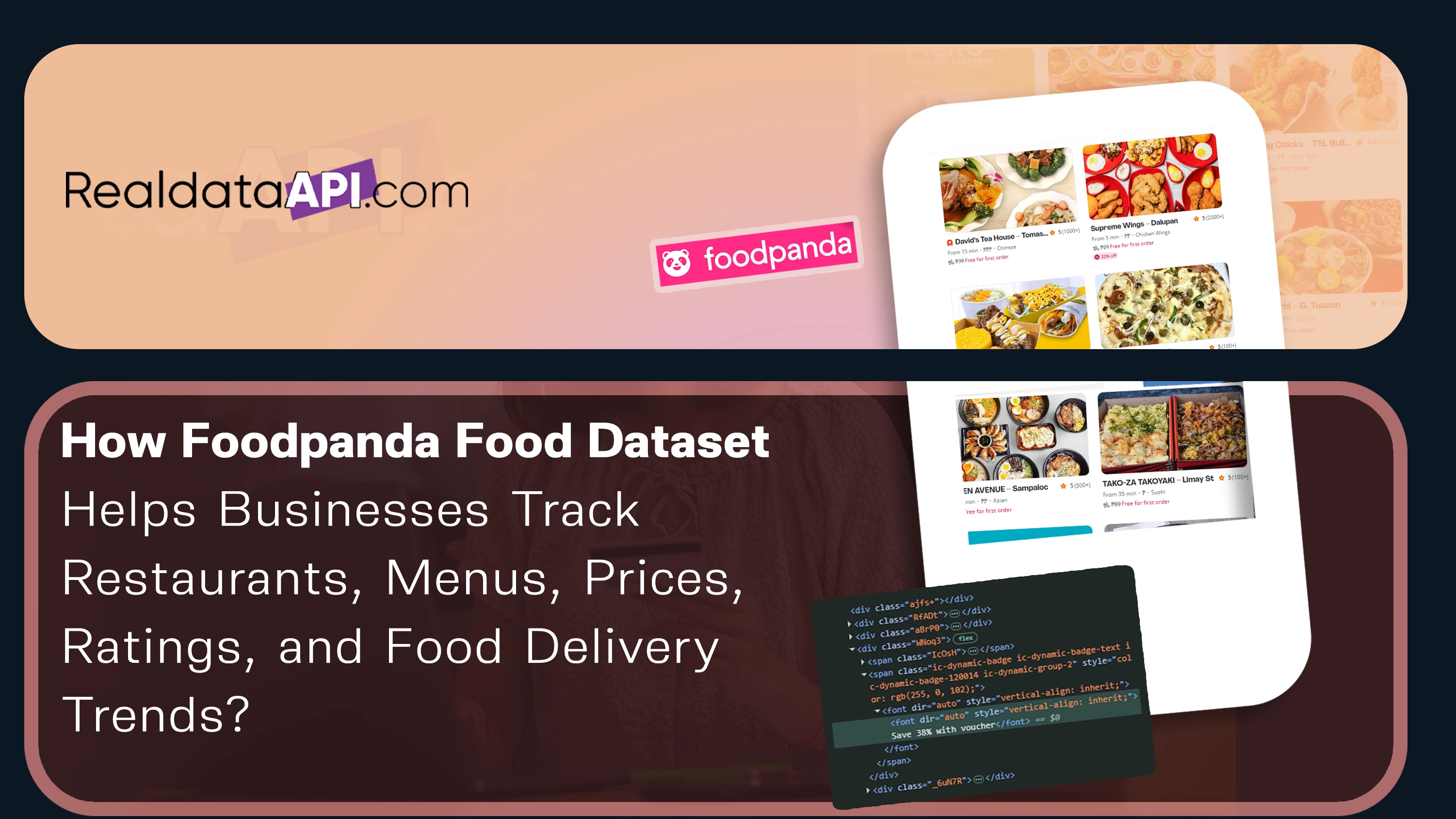
How Foodpanda Food Dataset Helps Businesses Track Restaurants, Menus, Prices, Ratings, and Food Delivery Trends?






.png)