Introduction
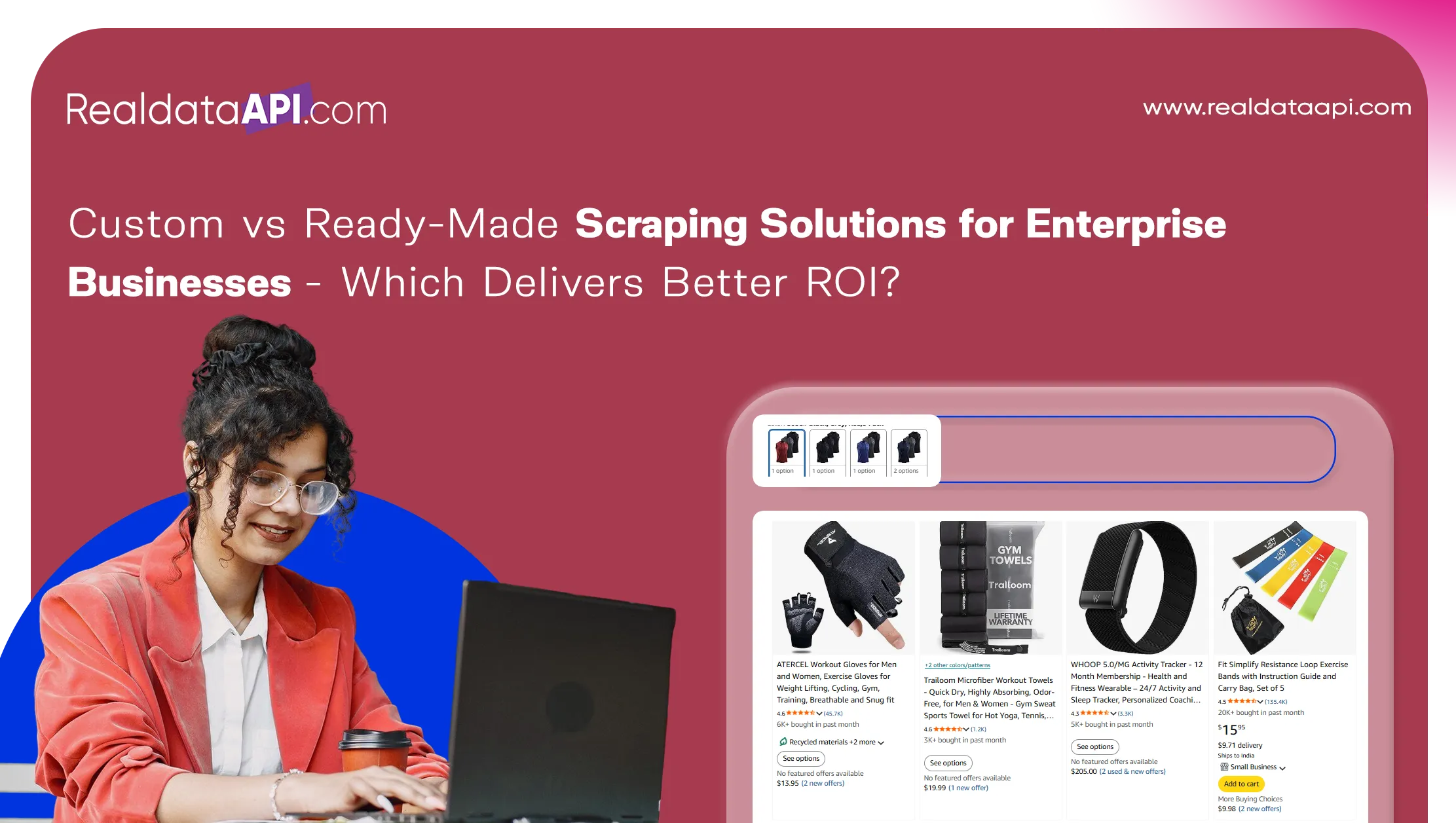
Modern enterprises depend on structured data to improve pricing intelligence, competitor monitoring, forecasting, and operational efficiency. Organizations evaluating custom vs ready-made scraping solutions for enterprise businesses often compare scalability, deployment speed, infrastructure costs, automation flexibility, and long-term ROI before choosing the right approach.
Ready-made scraping platforms provide prebuilt extraction workflows, simplified interfaces, and faster onboarding, making them suitable for smaller or standardized projects. In contrast, custom-built systems offer advanced automation, tailored integrations, enterprise-grade security, and scalable infrastructure optimized for complex data environments.
Businesses also rely on advanced technologies like a Web Scraping API to automate large-scale data collection from ecommerce websites, marketplaces, travel platforms, financial portals, and business directories. According to enterprise automation reports, demand for scalable scraping infrastructure increased by more than 60% between 2020 and 2025 as organizations accelerated digital transformation initiatives.
This guide explains the differences between custom and ready-made scraping systems, compares their ROI potential, and highlights automation trends, scalability metrics, and enterprise adoption statistics from 2020 to 2026.
Understanding the Core Difference Between Both Approaches
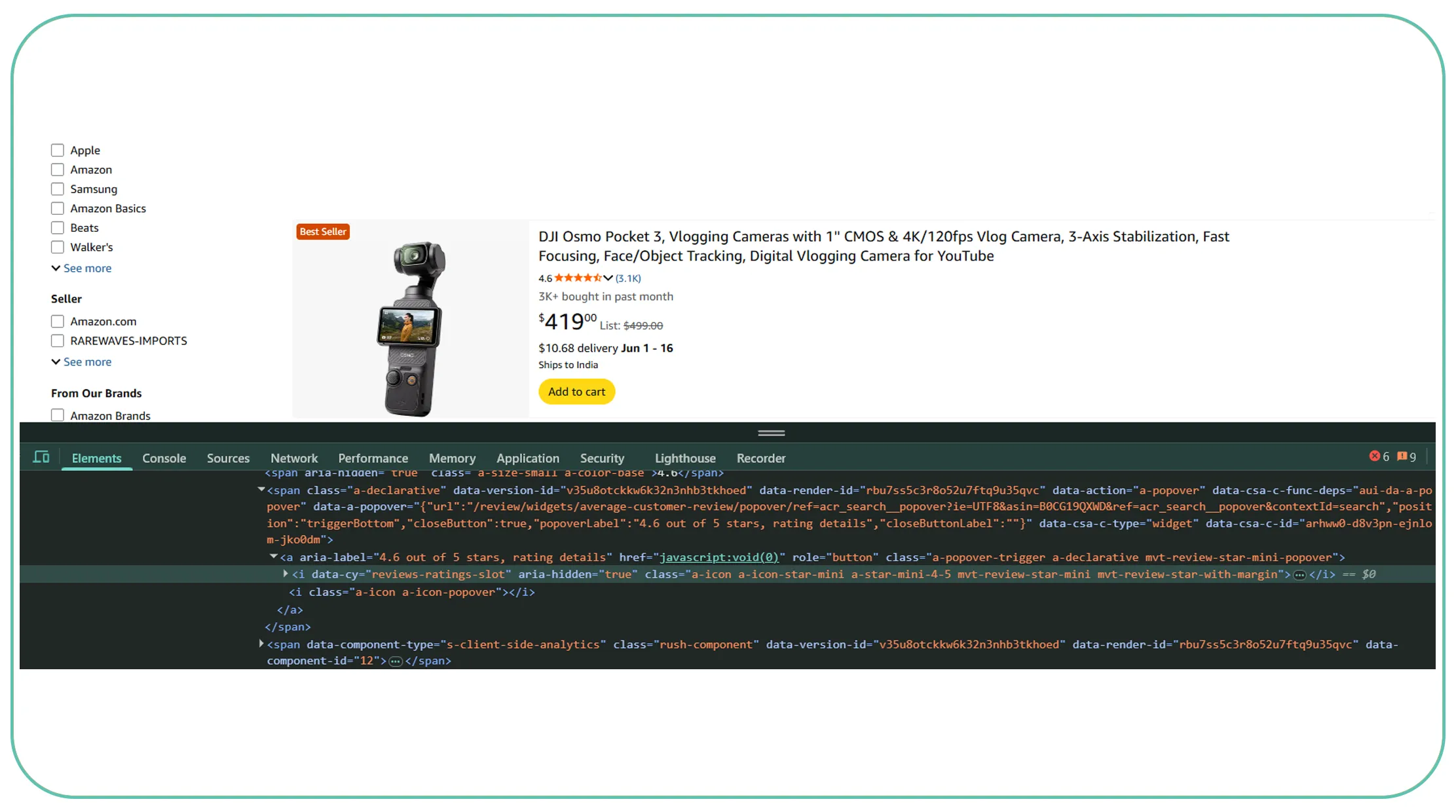
Enterprises selecting scraping technologies must first understand how customization impacts scalability and long-term performance. Businesses comparing custom vs prebuilt web scraping tools typically evaluate infrastructure flexibility, deployment speed, automation capabilities, and integration requirements.
Ready-made platforms provide standardized dashboards, predefined extraction templates, and quick onboarding for common scraping use cases. These systems are ideal for businesses requiring simple workflows with minimal engineering involvement.
Custom solutions, however, are built specifically around enterprise workflows, allowing organizations to manage complex extraction logic, large-scale automation, proxy optimization, API integrations, and advanced scheduling systems.
Main Differences Between Both Models
- Ready-made tools prioritize speed and simplicity
- Custom systems prioritize scalability and flexibility
- Prebuilt solutions reduce setup complexity
- Custom automation improves long-term performance
- Enterprise-grade integrations are easier with custom infrastructure
Enterprise Adoption Trends (2020–2026)
| Year | Custom Solution Adoption | Prebuilt Platform Usage | Enterprise Automation Growth |
|---|---|---|---|
| 2020 | 32% | 48% | Medium |
| 2021 | 39% | 51% | High |
| 2022 | 46% | 54% | High |
| 2023 | 54% | 56% | Advanced |
| 2024 | 61% | 58% | Advanced |
| 2025 | 68% | 60% | AI-Driven |
| 2026 | 74% | 63% | AI-Driven |
Enterprises managing large datasets increasingly prefer customized scraping environments because they support higher scalability, improved reporting consistency, and stronger integration capabilities across departments.
How Platform Flexibility Impacts Business ROI
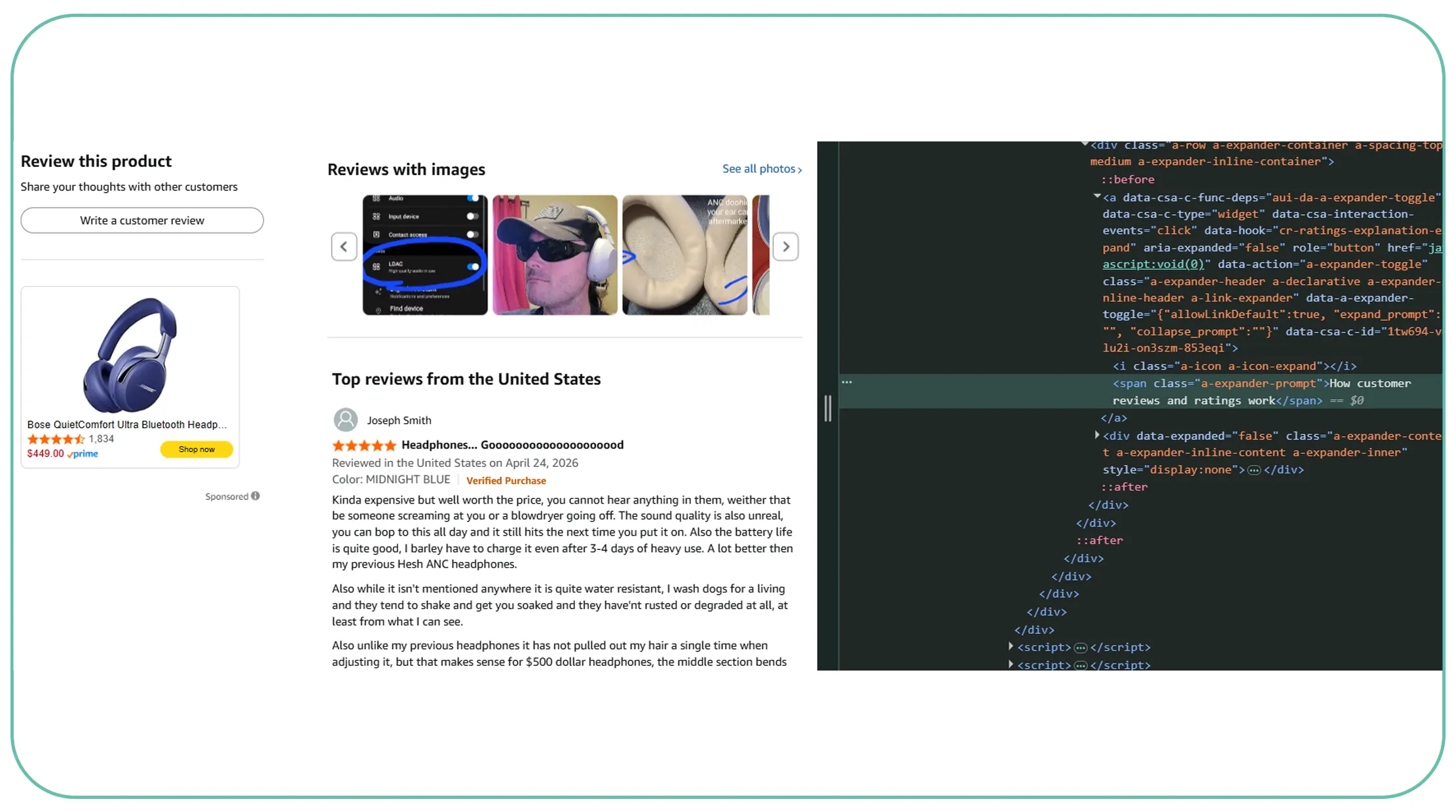
Platform flexibility directly affects operational efficiency, maintenance costs, and long-term scalability. Enterprises looking to Compare custom scraping APIs and ready-made automation platforms often focus on how quickly systems adapt to website changes, anti-bot technologies, and growing data requirements.
Ready-made automation platforms reduce implementation time and simplify management for smaller projects. However, they may limit advanced customization, API synchronization, or enterprise workflow integration.
Custom APIs allow organizations to create tailored extraction pipelines optimized for industry-specific needs. Businesses can automate data validation, distributed crawling, real-time synchronization, and predictive analytics more effectively.
Advantages of Flexible Infrastructure
- Better compatibility with enterprise systems
- Faster adaptation to changing websites
- Real-time workflow customization
- Improved automation scalability
- Enhanced reporting integration
ROI Comparison Statistics (2020–2026)
| Year | Custom API ROI Growth | Prebuilt Tool ROI Growth | Integration Demand |
|---|---|---|---|
| 2020 | 18% | 14% | Medium |
| 2021 | 24% | 17% | Moderate |
| 2022 | 31% | 20% | High |
| 2023 | 39% | 24% | Advanced |
| 2024 | 46% | 28% | Advanced |
| 2025 | 53% | 31% | AI-Based |
| 2026 | 61% | 35% | AI-Based |
As enterprise data ecosystems become more complex, businesses increasingly prioritize scalable APIs and customizable automation frameworks for higher long-term ROI.
Why Scalable Infrastructure Matters for Enterprises
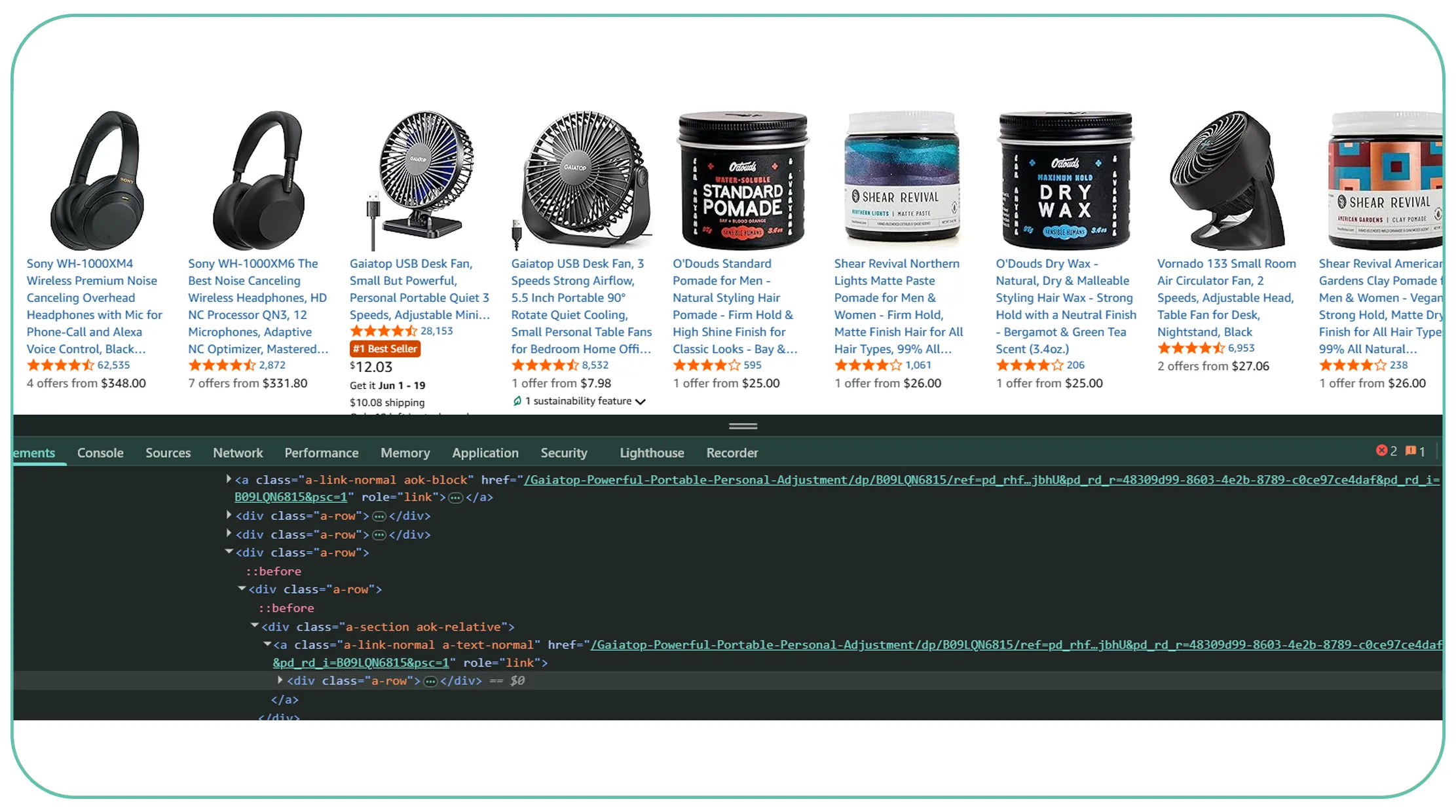
Large organizations require automation systems capable of handling millions of records, distributed crawling tasks, and real-time synchronization across multiple sources. Businesses implementing enterprise scraping architecture using custom automation systems gain stronger scalability and operational control compared to standardized solutions.
Custom enterprise architectures support distributed cloud infrastructure, intelligent proxy management, multi-region extraction, and automated scheduling systems. These features are essential for enterprises managing large-scale analytics projects.
Ready-made platforms often struggle with high-volume extraction, custom authentication systems, and advanced workflow orchestration required by enterprise environments.
Key Enterprise Infrastructure Benefits
- Distributed cloud scalability
- Faster extraction performance
- Advanced proxy optimization
- Centralized analytics integration
- Real-time synchronization support
Enterprise Infrastructure Growth (2020–2026)
| Year | Enterprise Architecture Adoption | Cloud Automation Usage | High-Volume Dataset Processing |
|---|---|---|---|
| 2020 | 26% | Medium | Low |
| 2021 | 34% | High | Moderate |
| 2022 | 42% | High | High |
| 2023 | 51% | Advanced | Advanced |
| 2024 | 59% | Advanced | Advanced |
| 2025 | 67% | AI-Driven | AI-Driven |
| 2026 | 74% | AI-Driven | AI-Driven |
Scalable automation systems help enterprises reduce downtime while improving operational efficiency and real-time reporting performance.
Long-Term Operational Benefits of Custom Automation
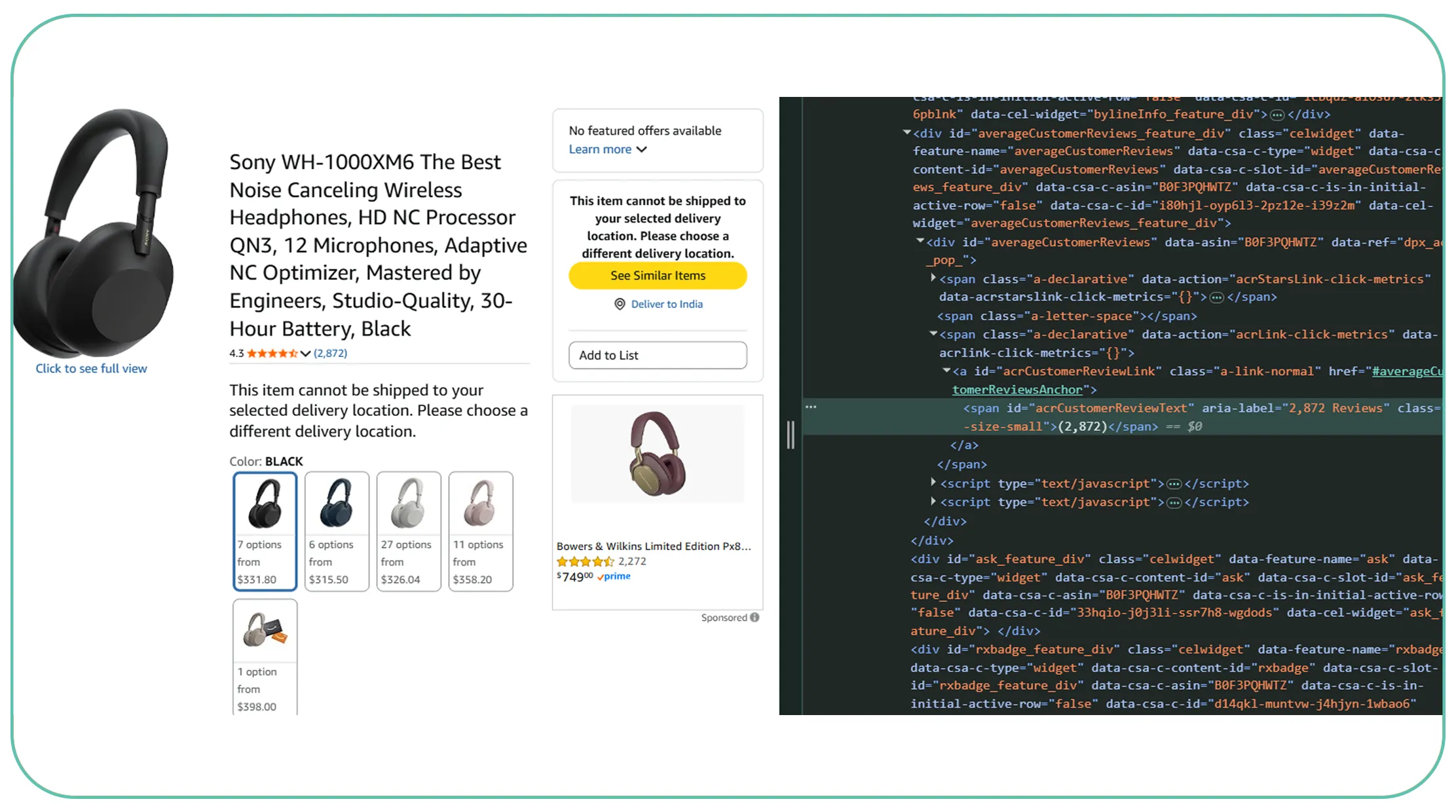
Enterprises prioritizing long-term digital transformation often prefer customized systems because they provide stronger operational control and scalability. Businesses exploring the benefits of custom web scraping infrastructure gain advantages in performance optimization, automation flexibility, and reporting consistency.
Custom infrastructures support enterprise-grade security, API-based synchronization, automated data validation, and AI-driven monitoring frameworks designed for evolving business requirements.
Benefits of Custom Infrastructure
- Higher long-term scalability
- Better security and compliance control
- Improved workflow customization
- Reduced operational bottlenecks
- Faster adaptation to data changes
Custom Infrastructure Performance Trends (2020–2026)
| Year | Custom Infrastructure Usage | Reporting Speed Improvement | Automation Efficiency |
|---|---|---|---|
| 2020 | 23% | 11% | Medium |
| 2021 | 31% | 18% | Moderate |
| 2022 | 40% | 26% | High |
| 2023 | 49% | 34% | Advanced |
| 2024 | 57% | 41% | Advanced |
| 2025 | 65% | 49% | AI-Based |
| 2026 | 72% | 56% | AI-Based |
Custom systems reduce dependency on third-party limitations while improving enterprise agility and long-term operational performance.
Real-Time Data Access Is Driving Enterprise Decisions
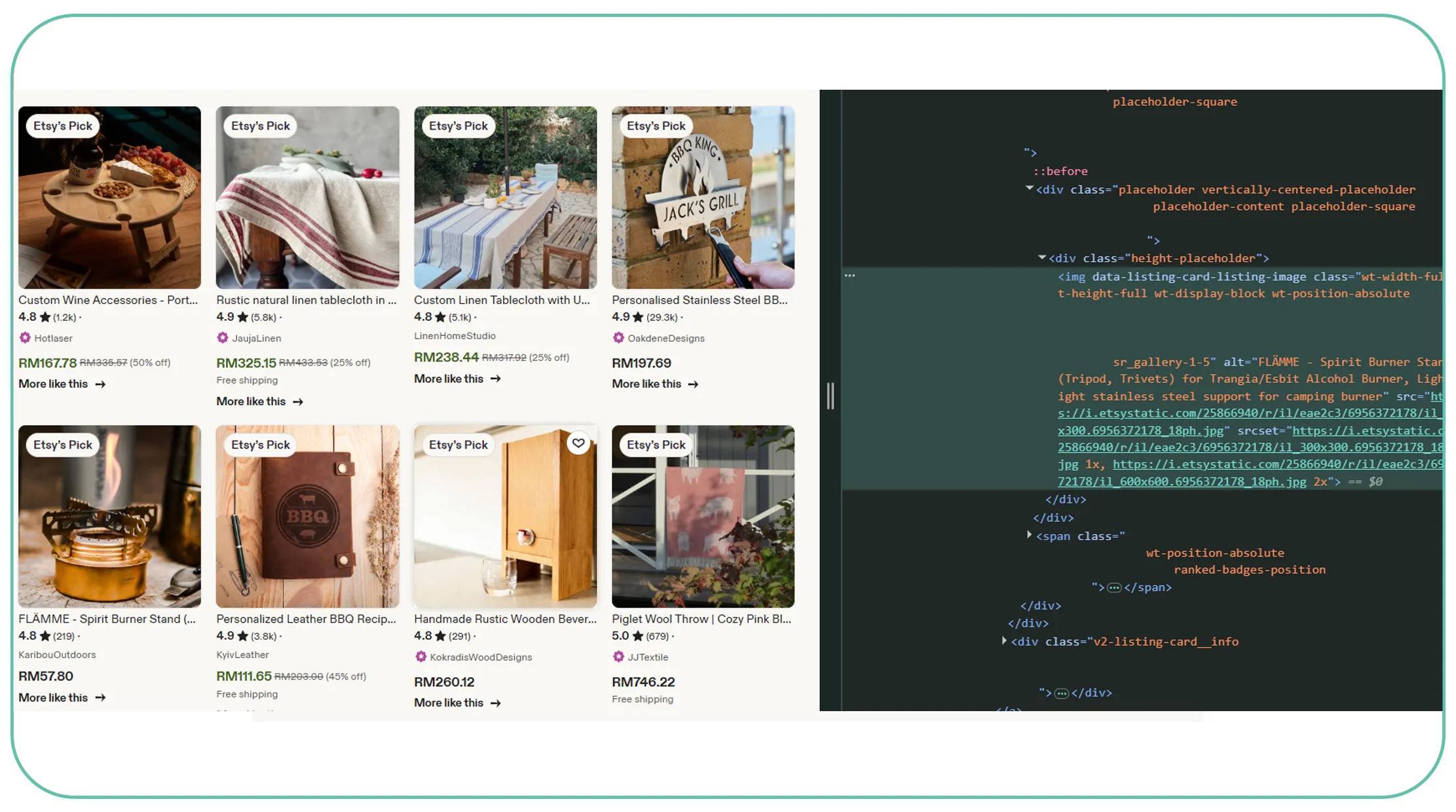
Modern organizations depend on real-time analytics to monitor competitors, track pricing, analyze customer behavior, and optimize strategic planning. Businesses leveraging advanced Web Scraping Services gain faster access to structured datasets and actionable business intelligence.
Automated scraping systems continuously monitor websites and marketplaces, enabling organizations to improve reporting accuracy and reduce delays in decision-making processes.
Benefits of Real-Time Data Systems
- Faster competitor monitoring
- Better pricing optimization
- Improved predictive analytics
- Enhanced operational visibility
- Continuous market intelligence collection
Real-Time Analytics Adoption (2020–2026)
| Year | Real-Time Monitoring Usage | Predictive Analytics Adoption | Enterprise API Usage |
|---|---|---|---|
| 2020 | 19% | Low | Medium |
| 2021 | 27% | Moderate | Moderate |
| 2022 | 36% | High | High |
| 2023 | 45% | Advanced | Advanced |
| 2024 | 54% | Advanced | Advanced |
| 2025 | 62% | AI-Based | AI-Based |
| 2026 | 70% | AI-Based | AI-Based |
Enterprises using real-time automation frameworks gain better agility while responding faster to changing market conditions and customer demands.
Intelligent Crawling Is Powering Future Enterprise Growth

Enterprise automation continues to evolve through distributed crawling systems and intelligent data synchronization technologies. Organizations implementing Enterprise Web Crawling frameworks can manage large-scale extraction workflows more efficiently while improving reporting scalability.
Enterprise crawling systems support distributed infrastructure, multi-source synchronization, automated validation, and AI-enhanced extraction optimization.
Benefits of Enterprise Crawling
- Large-scale structured data extraction
- Improved synchronization across systems
- Faster enterprise reporting
- Better analytics scalability
- Reduced manual operational workload
Enterprise Crawling Trends (2020–2026)
| Year | Enterprise Crawling Adoption | AI-Driven Crawling Usage | Large Dataset Automation |
|---|---|---|---|
| 2020 | 17% | Low | Medium |
| 2021 | 25% | Moderate | Moderate |
| 2022 | 34% | High | High |
| 2023 | 43% | Advanced | Advanced |
| 2024 | 52% | Advanced | Advanced |
| 2025 | 61% | AI-Based | AI-Based |
| 2026 | 69% | AI-Based | AI-Based |
Intelligent crawling systems help enterprises scale operations efficiently while supporting faster access to actionable business intelligence across global markets.
Why Choose Real Data API?
Real Data API helps enterprises build scalable automation frameworks and advanced Web Scraping Datasets optimized for analytics, forecasting, and enterprise decision-making systems.
Our solutions support the growing demand for custom vs ready-made scraping solutions for enterprise businesses by delivering flexible APIs, scalable cloud infrastructure, real-time monitoring systems, and enterprise-grade automation technologies. Businesses benefit from improved scalability, faster deployment, centralized reporting, and long-term operational efficiency tailored to evolving enterprise requirements.
Conclusion
Choosing between ready-made platforms and custom-built automation systems depends on business size, operational complexity, scalability needs, and long-term data strategies. Enterprises evaluating custom vs ready-made scraping solutions for enterprise businesses should consider infrastructure flexibility, integration capabilities, reporting requirements, and future scalability before selecting a solution.
While ready-made tools offer faster implementation and lower upfront costs, custom enterprise systems deliver stronger long-term ROI through advanced automation, scalable architecture, and improved operational efficiency.
Real Data API provides scalable enterprise scraping solutions designed to help organizations automate data extraction, improve analytics performance, and unlock real-time business intelligence faster.
Contact Real Data API today to build scalable enterprise scraping solutions tailored to your automation and analytics requirements!
Latest posts
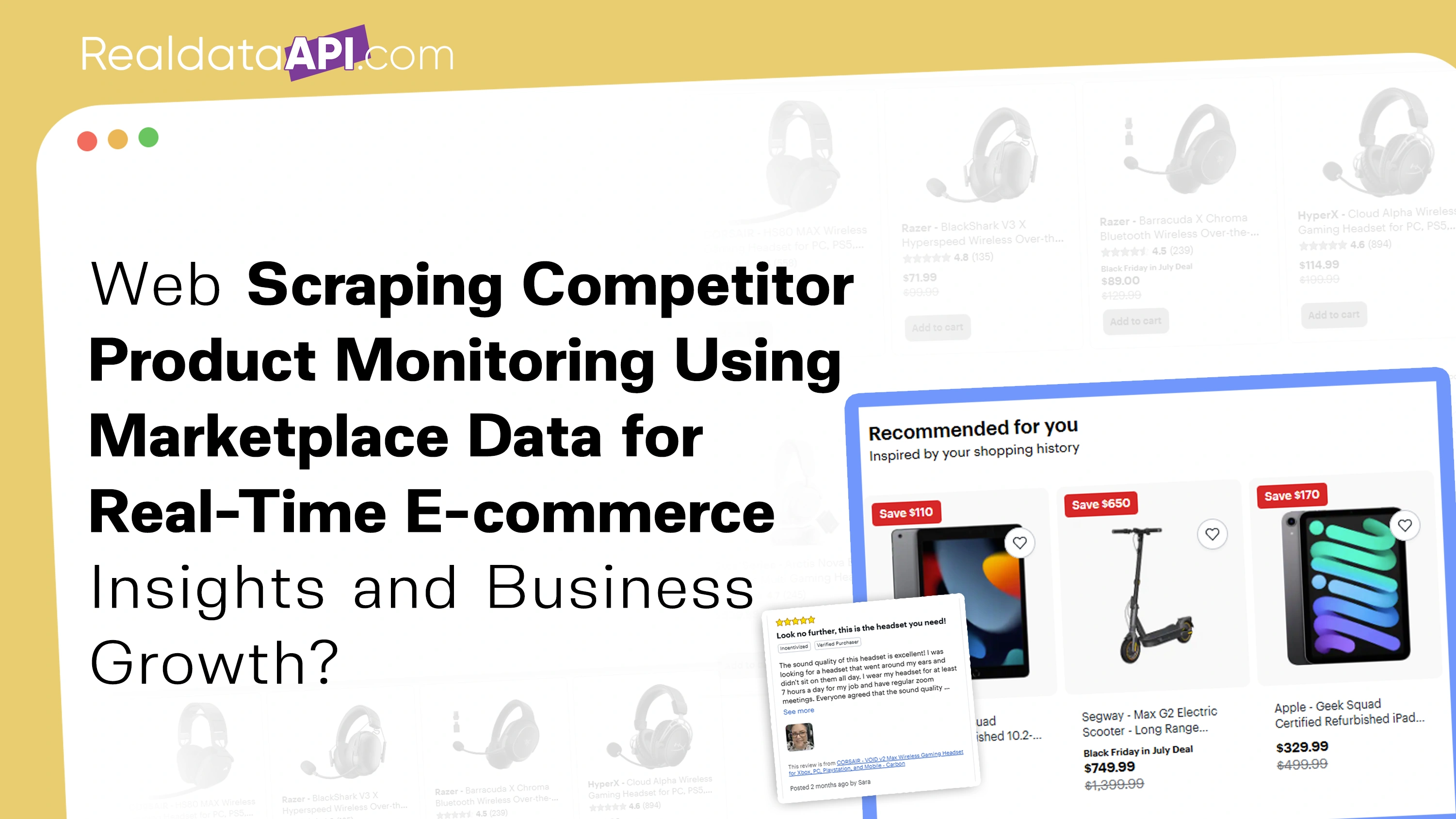
Web Scraping Competitor Product Monitoring Using Marketplace Data for Real-Time E-commerce Insights and Business Growth?
How to Scrape Product Intelligence Platform Using Marketplace Data to Help Brands Optimize Pricing, Inventory, and Product Strategy?
Why Companies scrape business data from Google Maps using keywords to Build Accurate Business Lists and Competitive Insights?
How Review scraping and monitoring services Help Businesses Track Customer Sentiment and Protect Brand Reputation in 2026?
How Real Estate Investment Insights Using RERA Data Scraping Help Investors Minimize Risk and Maximize Returns

Real Data API stands out as one of the premier global companies specializing in web data Scraping and web extraction.





.png)


Rating 4.7
Rating 4.7
Rating 4.5
Rating 4.7
Rating 4.7


Disclaimer : RealData API functions solely as an independent data infrastructure and technology solutions provider. We build customized automation workflows designed to collect publicly accessible web data based exclusively on client instructions. RealData API neither owns proprietary datasets nor engages in the sale or redistribution of extracted information. Our operations are limited strictly to lawful public web data processing and never involve unauthorized access to restricted systems or private networks. Any company names, trademarks, logos, or brand references displayed on this website are used purely for demonstrative and illustrative purposes to showcase our technical capabilities and do not imply endorsement, partnership, or affiliation. Use of our platform and services remains subject to our Terms of Service.