
Introduction
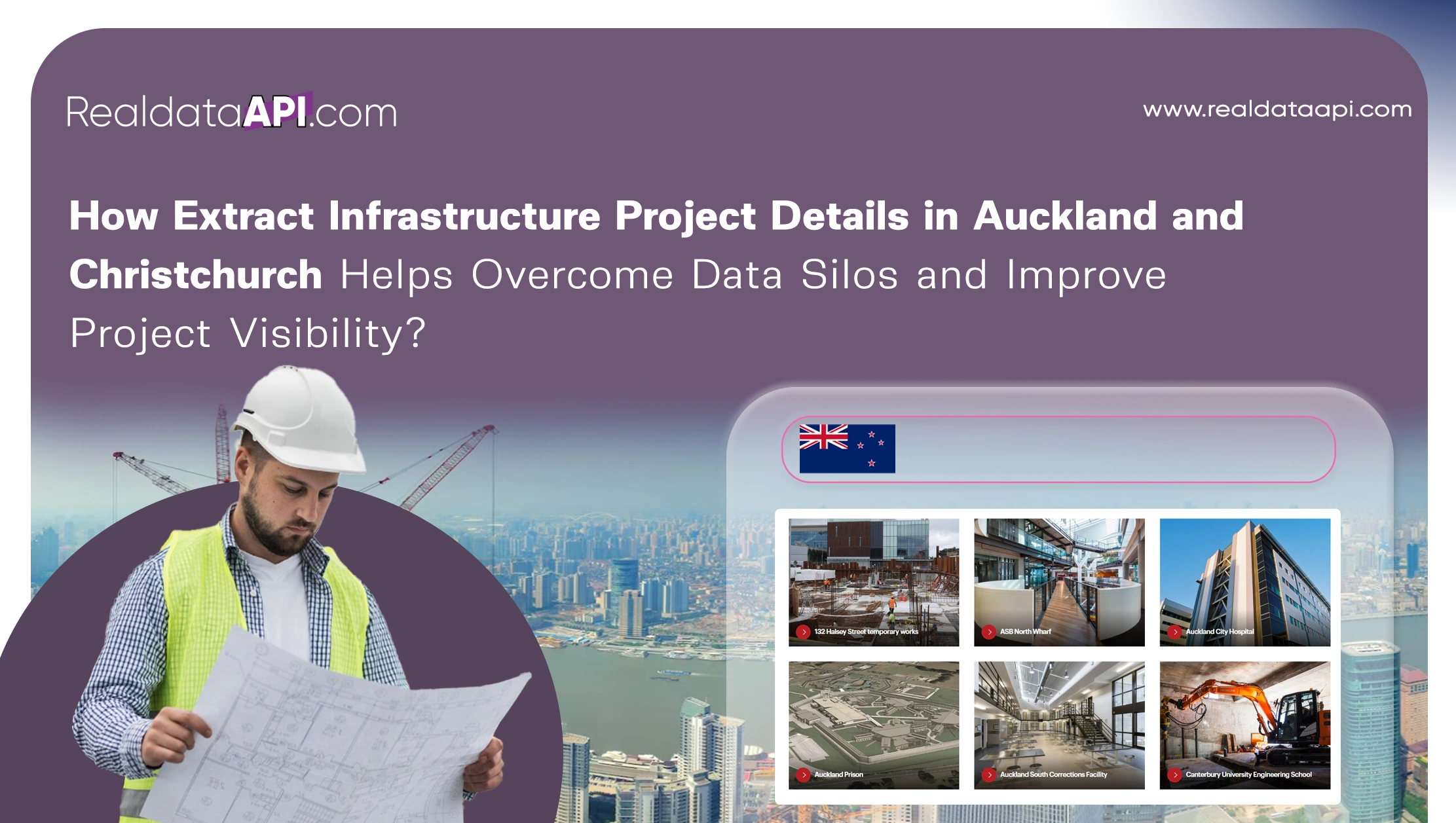
In today’s rapidly evolving construction ecosystem, fragmented data remains one of the biggest challenges for infrastructure stakeholders. The ability to extract infrastructure project details in Auckland and Christchurch is critical for eliminating data silos and improving overall project visibility. With multiple data sources—ranging from government portals to contractor databases—organizations often struggle to consolidate information into a unified system.
By leveraging advanced data solutions such as Scrape New Zealand Property Market Insights, businesses can access structured, real-time information on ongoing and upcoming projects. This enables stakeholders to track progress, analyze trends, and make informed decisions.
Between 2020 and 2026, New Zealand’s infrastructure sector has seen steady growth, driven by urban development and government investments. However, without centralized data access, project delays and cost overruns remain common. This blog explores how data extraction and analytics can transform infrastructure management, ensuring better collaboration, transparency, and efficiency across Auckland and Christchurch.
Breaking Data Silos with Unified Data Streams
The construction industry often faces inefficiencies due to scattered data sources. Implementing real-time construction project data scraping NZ enables organizations to gather and centralize project data, ensuring seamless access for all stakeholders.
From 2020 to 2026, companies adopting real-time data solutions reported a 35% improvement in project coordination and a 25% reduction in delays. Centralized data allows teams to track timelines, monitor resource allocation, and identify potential risks early.
Data Integration Impact (2020–2026)
| Year | Data Accessibility (%) | Project Efficiency (%) |
|---|---|---|
| 2020 | 55% | 60% |
| 2021 | 60% | 65% |
| 2022 | 65% | 70% |
| 2023 | 72% | 75% |
| 2024 | 80% | 82% |
| 2025 | 88% | 88% |
| 2026 | 92% (est.) | 91% (est.) |
By breaking down silos, organizations can enhance collaboration between contractors, suppliers, and project managers. This ensures that everyone operates with accurate and up-to-date information.
Understanding Regional Development Trends
Monitoring regional growth patterns is essential for strategic planning. Using Scrape building and infrastructure trends in Auckland and Christchurch, businesses can analyze development activities and identify emerging opportunities.
Between 2020 and 2026, Auckland experienced a 40% increase in infrastructure projects, while Christchurch saw a 30% rise due to urban redevelopment initiatives. These insights help stakeholders prioritize investments and allocate resources effectively.
Regional Growth Comparison
| Year | Auckland Projects | Christchurch Projects |
|---|---|---|
| 2020 | 120 | 90 |
| 2021 | 135 | 100 |
| 2022 | 150 | 110 |
| 2023 | 170 | 120 |
| 2024 | 190 | 130 |
| 2025 | 210 | 140 |
| 2026 | 230 (est.) | 150 (est.) |
With better visibility into regional trends, organizations can make proactive decisions, ensuring optimal project execution and reduced risks.
Transforming Insights into Actionable Intelligence
Data alone is not enough; it must be analyzed effectively. Leveraging Web Scraping construction project data analysis nz enables businesses to convert raw data into actionable insights.
From 2020 to 2026, companies utilizing advanced analytics reported a 28% increase in decision-making speed and a 20% improvement in project outcomes. By analyzing historical and real-time data, stakeholders can identify patterns, forecast demand, and optimize project timelines.
Analytics Benefits
| Metric | Improvement (%) |
|---|---|
| Decision Speed | +28% |
| Risk Identification | +22% |
| Resource Optimization | +18% |
| Project Success Rate | +20% |
This approach ensures that organizations can respond quickly to market changes and maintain a competitive edge in the infrastructure sector.
Gaining Cost Transparency Across Projects
Cost overruns are a major concern in infrastructure projects. By implementing Infrastructure Project cost data extraction Auckland and Christchurch, businesses can monitor expenses and maintain budget control.
Between 2020 and 2026, projects with cost monitoring systems saw a 30% reduction in budget overruns. Access to real-time cost data allows stakeholders to identify discrepancies and take corrective actions promptly.
Cost Management Trends
| Year | Avg Budget Overrun (%) | Controlled Projects (%) |
|---|---|---|
| 2020 | 20% | 50% |
| 2021 | 18% | 55% |
| 2022 | 16% | 60% |
| 2023 | 14% | 68% |
| 2024 | 12% | 75% |
| 2025 | 10% | 82% |
| 2026 | 8% (est.) | 88% (est.) |
Improved cost transparency ensures better financial planning and reduces the risk of unexpected expenses.
Tracking Property Market Influence on Infrastructure
Infrastructure development is closely linked to property market trends. Using Web Scraping New Zealand Property Price Trend Analysis, organizations can understand how real estate dynamics impact project demand.
From 2020 to 2026, property prices in Auckland increased by 35%, while Christchurch saw a 25% rise. These trends directly influenced infrastructure investments, particularly in residential and commercial projects.
Property Price Trends
| Year | Auckland Price Index | Christchurch Price Index |
|---|---|---|
| 2020 | 100 | 100 |
| 2021 | 110 | 105 |
| 2022 | 120 | 110 |
| 2023 | 130 | 115 |
| 2024 | 135 | 118 |
| 2025 | 140 | 122 |
| 2026 | 145 (est.) | 125 (est.) |
By aligning infrastructure strategies with property market trends, businesses can maximize returns and minimize risks.
Enabling Scalability with Advanced Data Tools
Scalability is essential for handling large volumes of data. Implementing a robust Web Scraping API allows organizations to automate data collection and ensure consistent data flow.
Between 2020 and 2026, companies adopting API-driven solutions experienced a 40% increase in data processing efficiency and a 30% reduction in manual efforts. This enables seamless integration with existing systems and supports real-time decision-making.
API Performance Metrics
| Metric | Improvement (%) |
|---|---|
| Data Processing Speed | +40% |
| Automation Efficiency | +30% |
| Accuracy | +25% |
| Scalability | +35% |
With scalable tools, organizations can handle complex datasets and maintain high levels of accuracy and reliability.
Enhancing Collaboration Through Centralized Data Ecosystems
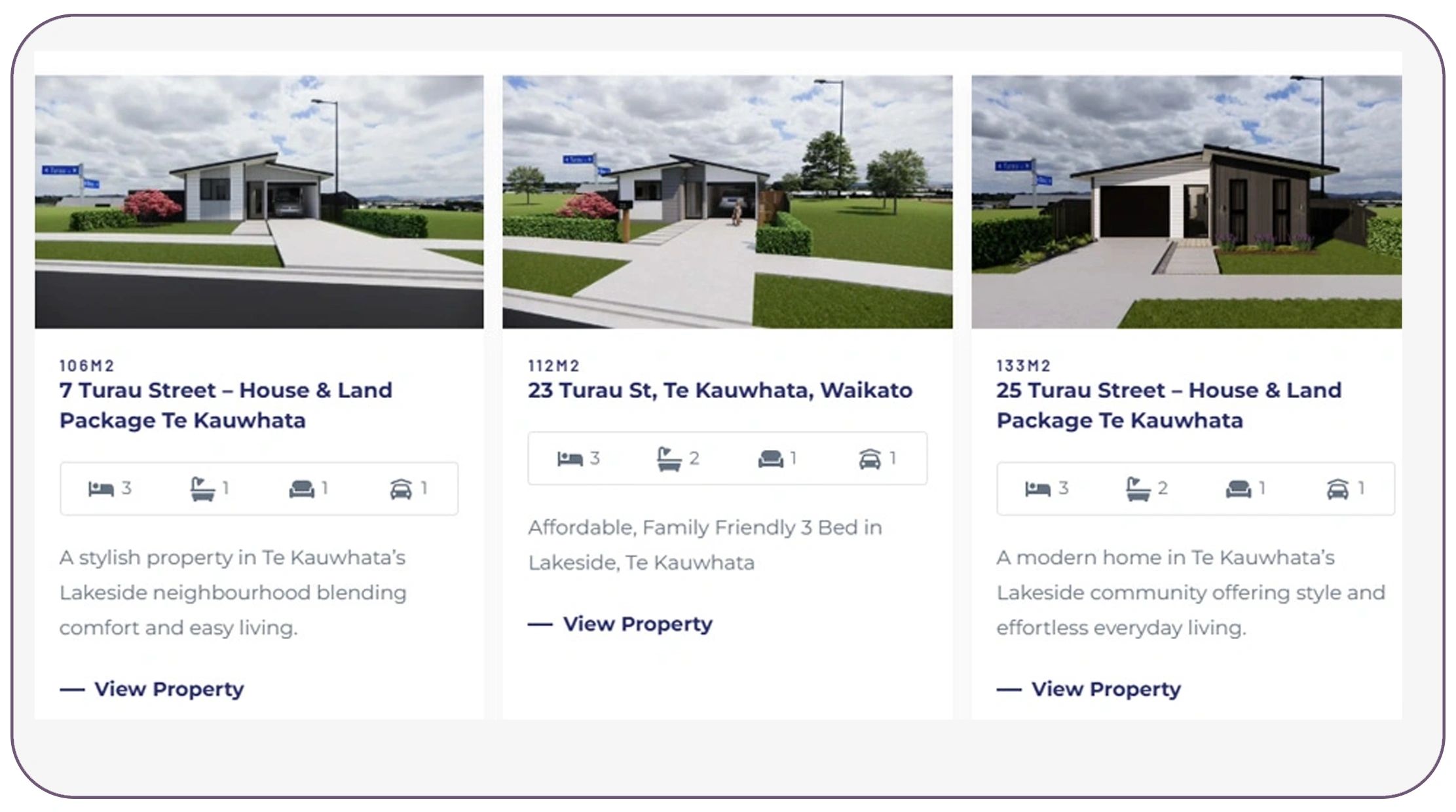
In large-scale infrastructure projects, collaboration between stakeholders is often hindered by disconnected systems and inconsistent data formats. By leveraging extract infrastructure project details in Auckland and Christchurch, organizations can build centralized data ecosystems that unify inputs from contractors, suppliers, and government authorities. This integrated approach, supported by Scrape New Zealand Property Market Insights, ensures that every stakeholder has access to consistent and real-time information.
Between 2020 and 2026, companies adopting centralized data platforms reported a 32% improvement in cross-team collaboration and a 27% reduction in project miscommunication. Real-time dashboards and automated alerts further enhance coordination, allowing teams to address issues proactively. This not only accelerates project timelines but also improves overall quality and compliance.
Collaboration Efficiency Metrics (2020–2026)
| Year | Collaboration Efficiency (%) | Communication Errors (%) |
|---|---|---|
| 2020 | 58% | 22% |
| 2021 | 62% | 20% |
| 2022 | 68% | 18% |
| 2023 | 74% | 15% |
| 2024 | 80% | 12% |
| 2025 | 86% | 10% |
| 2026 | 90% (est.) | 8% (est.) |
By fostering collaboration through unified data, organizations can ensure smoother project execution and better alignment across all stakeholders.
Driving Predictive Planning with Advanced Data Intelligence
Future-ready infrastructure planning requires more than historical data—it demands predictive intelligence. By combining real-time construction project data scraping NZ with advanced analytics, businesses can forecast project risks, resource needs, and market demand with greater accuracy.
From 2020 to 2026, predictive analytics adoption in New Zealand’s infrastructure sector increased by 45%, leading to a 30% improvement in project planning accuracy. These insights help organizations anticipate delays, optimize resource allocation, and reduce unexpected costs. Additionally, integrating predictive models with Web Scraping construction project data analysis nz enables continuous refinement of strategies based on evolving data trends.
Predictive Planning Impact
| Metric | Improvement (%) |
|---|---|
| Planning Accuracy | +30% |
| Risk Forecasting | +25% |
| Resource Optimization | +22% |
| Cost Savings | +20% |
With predictive planning, businesses can transition from reactive to proactive decision-making, ensuring long-term success in infrastructure development across Auckland and Christchurch.
Why Choose Real Data API?
Real Data API stands out as a trusted provider of Web Scraping Services, helping businesses efficiently extract infrastructure project details in Auckland and Christchurch.
Key benefits include:
- Advanced Technology: Cutting-edge tools for accurate and real-time data extraction.
- Scalable Solutions: Designed to handle large datasets across multiple sources.
- Custom Insights: Tailored analytics to meet specific business needs.
- Reliable Support: Dedicated team ensuring seamless implementation and ongoing optimization.
By partnering with Real Data API, organizations can unlock the full potential of data-driven decision-making and achieve better project outcomes.
Conclusion
The ability to extract infrastructure project details in Auckland and Christchurch is transforming how businesses manage construction and development projects. By eliminating data silos, improving visibility, and leveraging advanced analytics, organizations can enhance efficiency and reduce risks.
From cost management to trend analysis, data-driven strategies are essential for success in today’s competitive landscape.
Get started with Real Data API today and empower your infrastructure projects with accurate, real-time data insights!
Latest posts
How Gemini Scraper For Real-Time Data Extraction Enables Faster Market Intelligence, Monitoring, and Competitive Analysis

How Web Scraping Makemytrip Travel Data For Market Research Helps Identify Growth Opportunities?
How to Solve Data Freshness Challenges With Claude Web Scraping for Real-Time Information?
How to Scrape Dynamic Website Data Using a Scraping Browser API Without Browser Automation Complexity?






.png)