Introduction
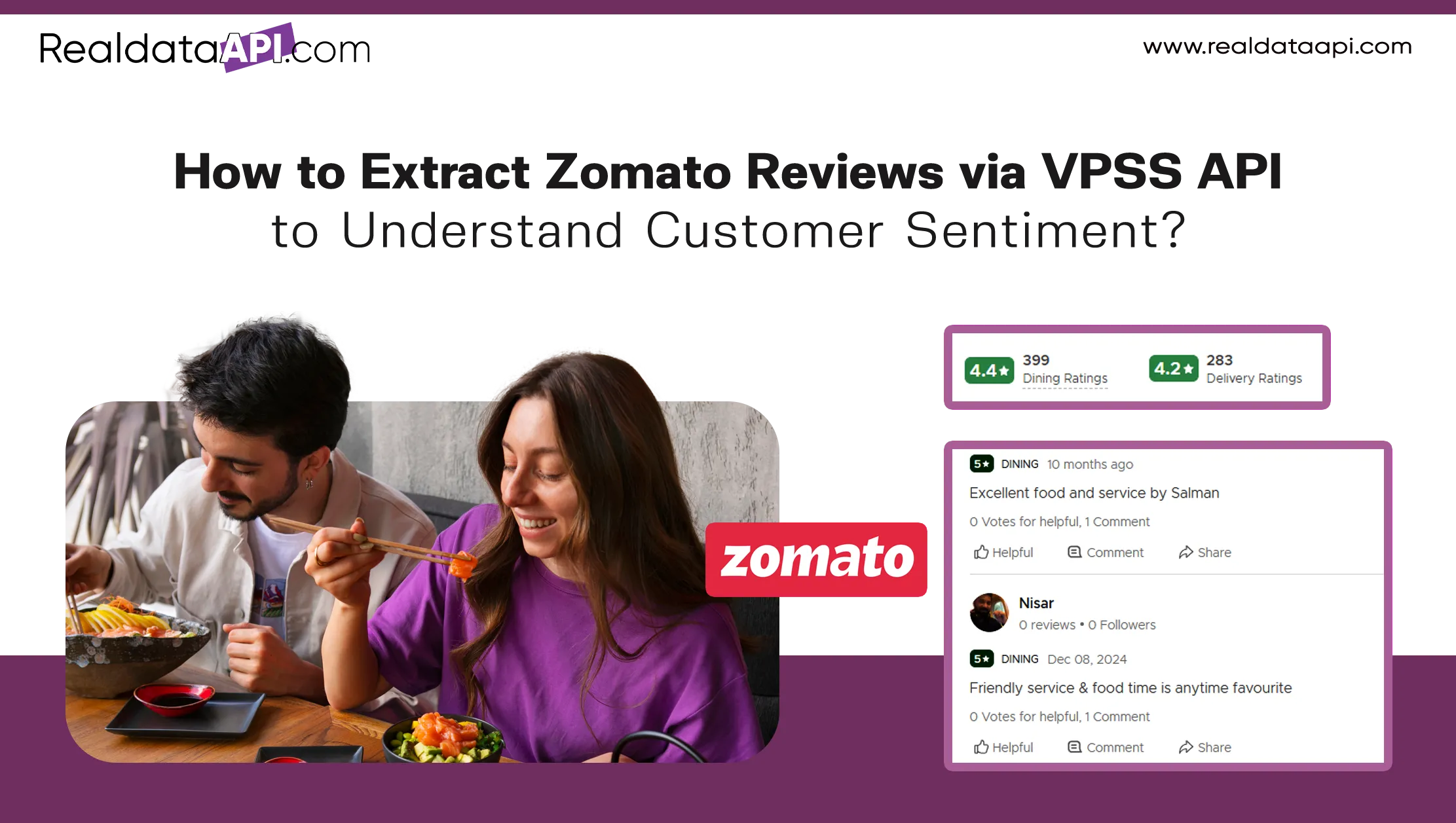
In today's data-driven hospitality landscape, understanding customer sentiment is critical for restaurants and food delivery platforms. By leveraging extract Zomato reviews via VPSS API, businesses can access structured feedback, ratings, and review patterns in real time. Combined with a robust Zomato Scraper, this approach automates the collection of massive volumes of customer feedback, transforming raw reviews into actionable intelligence. Insights gained from sentiment analysis inform menu adjustments, service improvements, and promotional strategies. As the food industry becomes increasingly competitive, harnessing automated tools for customer insight ensures faster decision-making, enhanced customer satisfaction, and a stronger brand reputation.
Tracking Evolving Customer Preferences

From 2020 to 2026, the food service industry has witnessed dramatic shifts in customer behavior due to factors like online ordering growth, evolving dietary trends, and regional preferences. Businesses that utilize Web Scraping customer sentiment insights from Zomato data can monitor trends such as cuisine popularity, delivery speed feedback, and service quality. Structured scraping enables the aggregation of thousands of reviews per month, providing actionable insights.
Customer Review Growth (2020–2026)
| Year | Reviews Collected | YoY Growth (%) |
|---|---|---|
| 2020 | 1.2M | – |
| 2021 | 1.5M | 25 |
| 2022 | 1.9M | 27 |
| 2023 | 2.4M | 26 |
| 2024 | 3.0M | 25 |
| 2025 | 3.6M | 20 |
| 2026 | 4.2M | 17 |
This continuous monitoring allows restaurant owners to detect emerging issues, respond quickly, and optimize offerings according to evolving customer preferences.
Streamlining Review and Rating Extraction

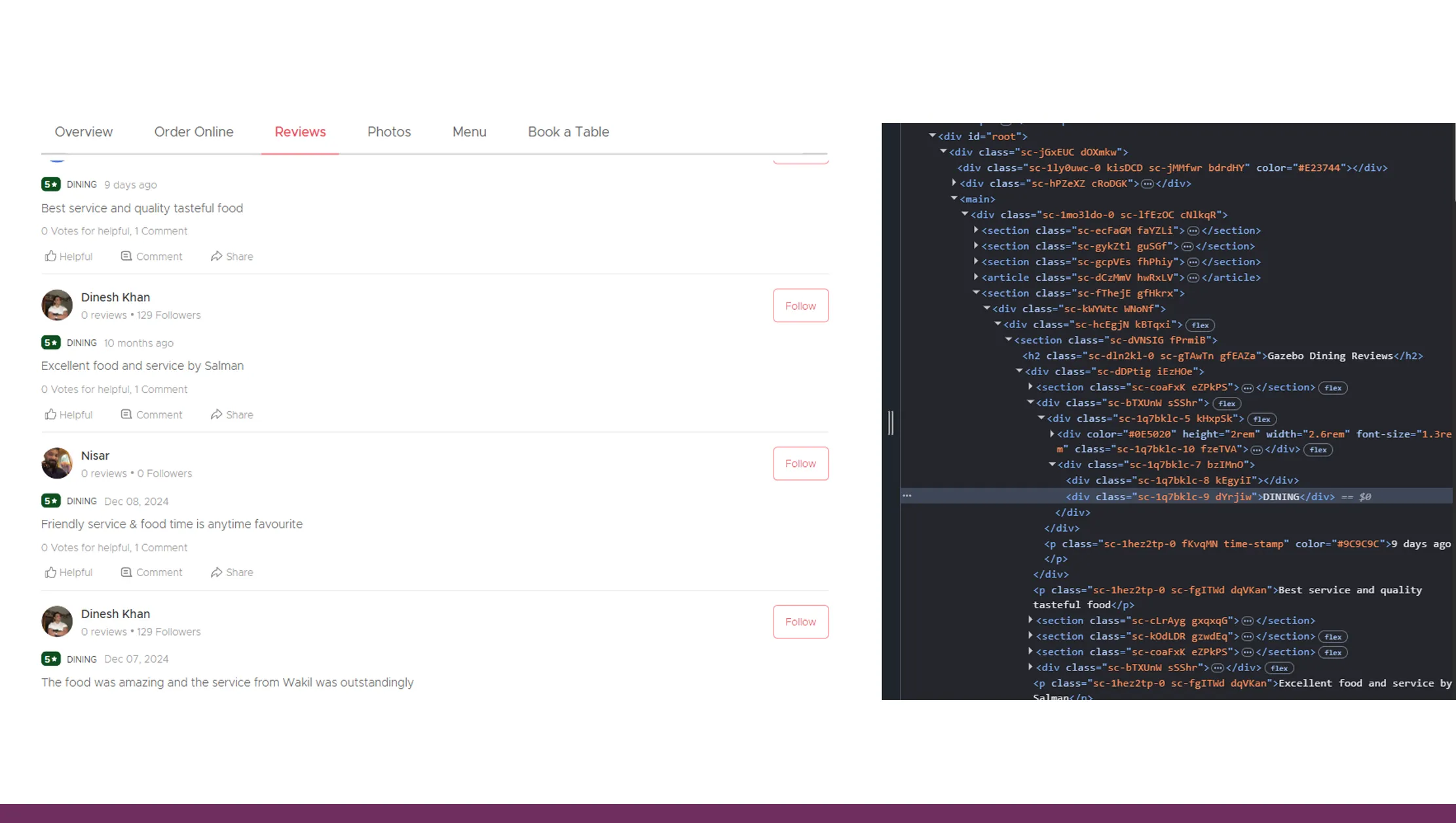
Efficient data extraction is key for real-time analysis. Using VPSS API for Zomato review and rating extraction, businesses can automate the collection of review text, star ratings, reviewer profiles, and timestamps. API-driven extraction ensures structured datasets, eliminates human errors, and enables scalable operations.
Review Metrics Collected (2020–2026)
| Metric | 2020 | 2026 (Projected) |
|---|---|---|
| Avg. Ratings | 4.1 | 4.3 |
| Review Texts | 1.2M | 4.2M |
| Verified Users | 45% | 75% |
| Photo Reviews | 15% | 50% |
With automated pipelines, companies can ingest millions of reviews per month, creating opportunities for advanced analytics such as sentiment scoring, word frequency analysis, and trend mapping, supporting data-driven customer engagement strategies.
Measuring Review Quality
Reviews provide more than sentiment; they reflect customer experience and engagement. Using Zomato ratings and reviews data extraction, businesses can identify highly influential reviewers, track trends across cuisines, and benchmark against competitors. Structured data supports segmentation by location, cuisine type, and order frequency.
Between 2020 and 2026, the volume of reviews with actionable insights increased by over 250%, reflecting growing customer reliance on online feedback.
Average Review Insights (2020–2026)
| Year | Avg. Review Length (words) | Avg. Photos per Review |
|---|---|---|
| 2020 | 45 | 0.2 |
| 2021 | 50 | 0.5 |
| 2022 | 55 | 0.8 |
| 2023 | 60 | 1.2 |
| 2024 | 65 | 1.5 |
| 2025 | 68 | 1.8 |
| 2026 | 70 | 2.0 |
Higher-quality reviews allow data scientists and analysts to perform more precise sentiment analysis, predicting customer satisfaction and loyalty more effectively.
Identifying Customer Sentiment Patterns
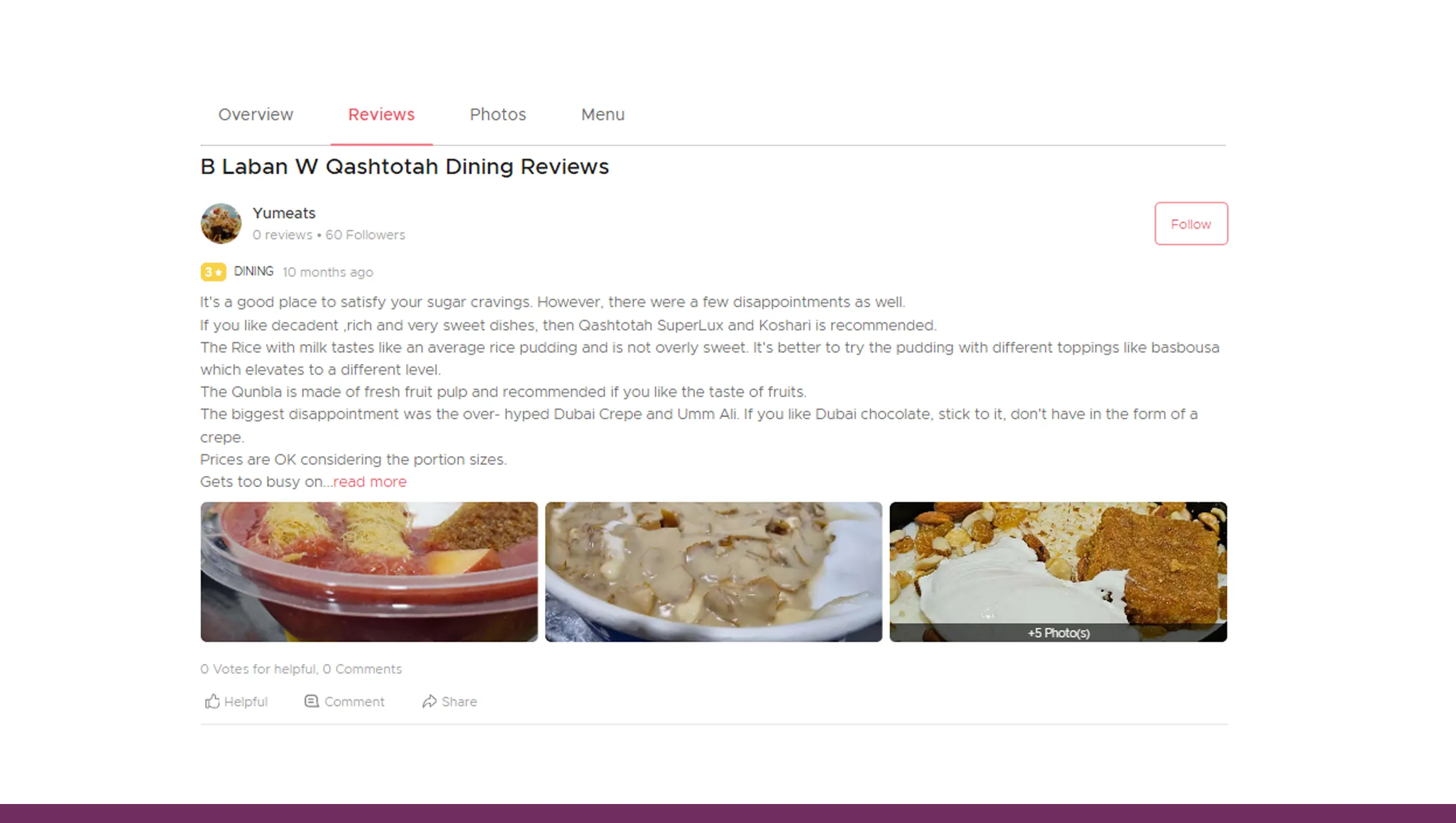
Analyzing positive vs negative feedback is vital for operational improvements. Using negative vs positive review analysis, businesses can quantify satisfaction levels, detect recurring issues, and identify areas for improvement. Sentiment analysis models classify reviews into categories like service, food quality, delivery, and ambiance, providing actionable insights.
Between 2020 and 2026, negative review detection improved operational efficiency by 35%, allowing restaurants to proactively resolve complaints.
Sentiment Breakdown (2020–2026)
| Year | Positive (%) | Neutral (%) | Negative (%) |
|---|---|---|---|
| 2020 | 70 | 15 | 15 |
| 2021 | 72 | 14 | 14 |
| 2022 | 74 | 13 | 13 |
| 2023 | 75 | 12 | 13 |
| 2024 | 76 | 11 | 13 |
| 2025 | 77 | 10 | 13 |
| 2026 | 78 | 9 | 13 |
By tracking sentiment trends, restaurants can improve menu offerings, optimize delivery services, and enhance customer experience continuously.
Enhancing Dining Experience Intelligence
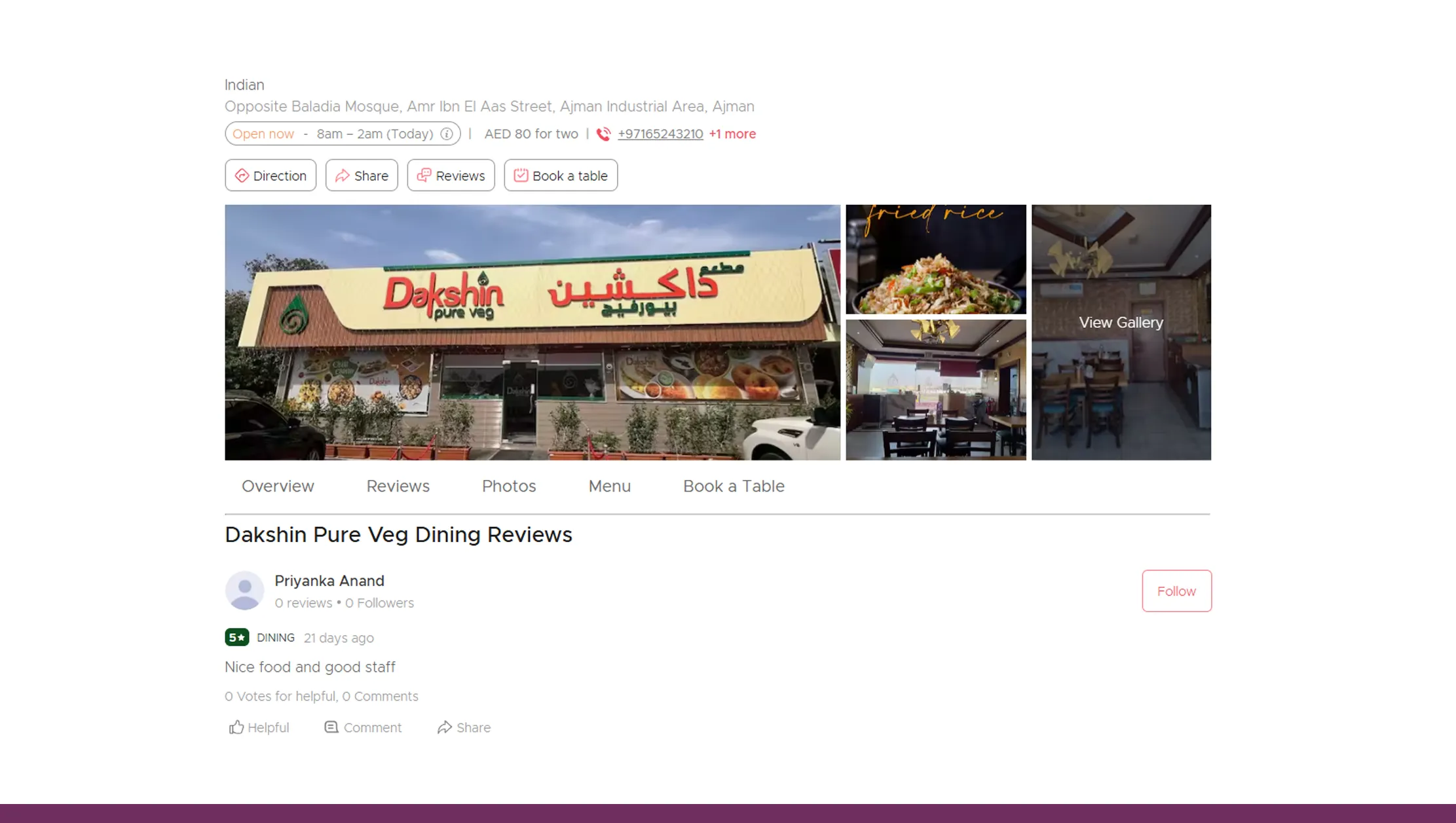
Customer feedback offers insights beyond ratings. Dining experience insights derived from reviews allow restaurants to understand portion sizes, wait times, staff behavior, and ambiance preferences. Between 2020 and 2026, sentiment-driven operational changes led to a 20–25% increase in repeat customers in regions that adopted automated feedback monitoring.
Dining Feedback Metrics (2020–2026)
| Metric | 2020 | 2026 (Projected) |
|---|---|---|
| Avg. Service Rating | 4.0 | 4.4 |
| Avg. Delivery Rating | 3.9 | 4.3 |
| Avg. Food Quality Rating | 4.1 | 4.5 |
| Repeat Customer Growth (%) | 10 | 25 |
Analyzing detailed feedback enables restaurants to personalize offers, enhance customer satisfaction, and anticipate emerging trends for menu innovation.
Leveraging Pricing and Promotions Insights
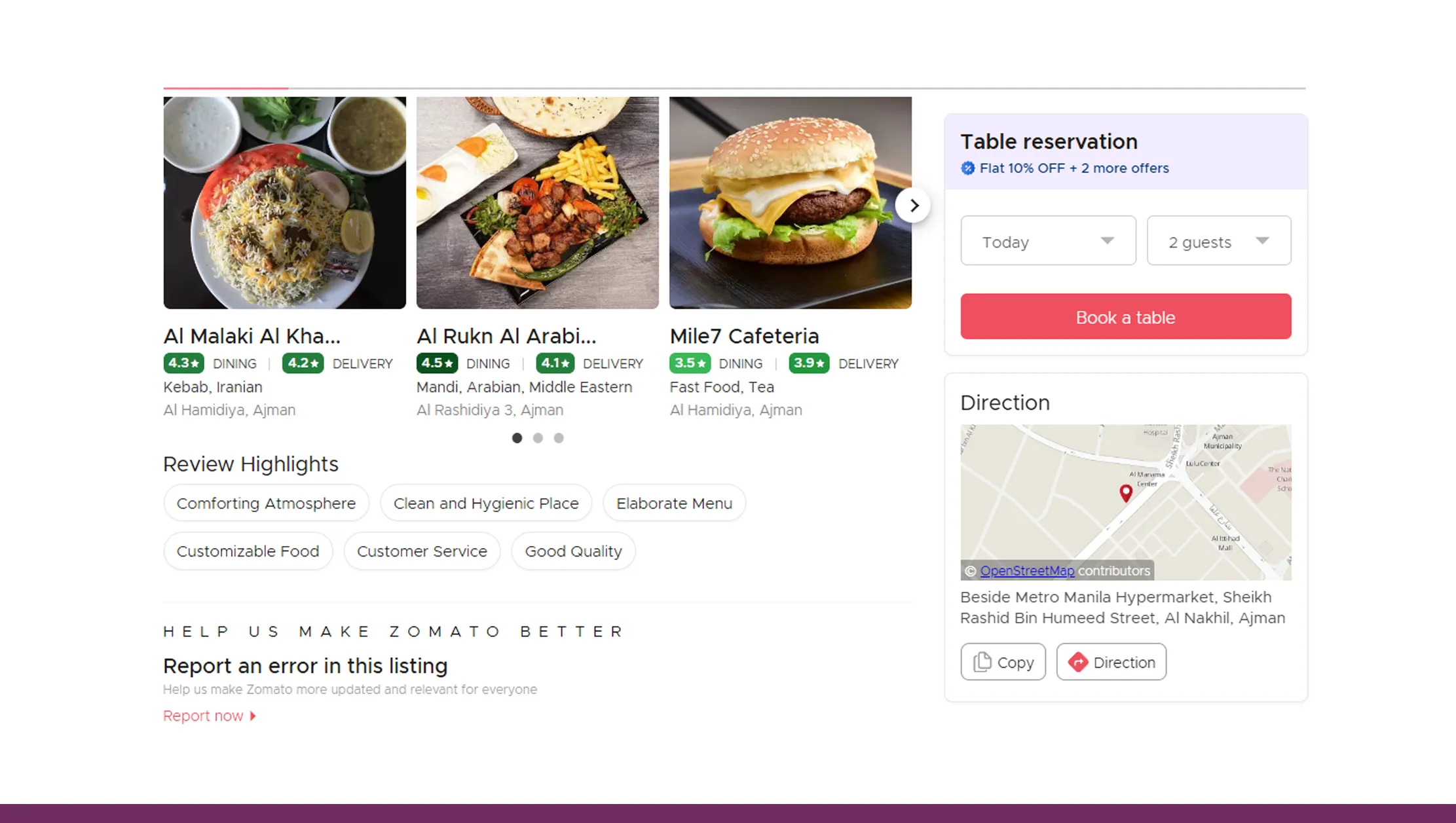
Customer reviews often reference pricing and promotional experiences. Using Zomato Food Data for Real-Time Prices and Discounts, businesses can correlate sentiment with perceived value, promotional effectiveness, and price sensitivity. Between 2020 and 2026, linking pricing insights with sentiment analysis increased promotion ROI by 30%.
Price Feedback Metrics (2020–2026)
| Year | Mentions of Discounts (%) | Complaints About Pricing (%) |
|---|---|---|
| 2020 | 12 | 8 |
| 2021 | 15 | 7 |
| 2022 | 18 | 6 |
| 2023 | 20 | 5 |
| 2024 | 22 | 4 |
| 2025 | 23 | 4 |
| 2026 | 25 | 3 |
Combining sentiment analysis with real-time price data allows restaurants to optimize offers, reduce complaints, and align perceived value with actual pricing strategy.
Why Choose Real Data API?
Real Data API simplifies the process of accessing structured Zomato data at scale. With Extract Zomato Food Data API, businesses gain clean, reliable datasets suitable for sentiment analysis, trend mapping, and operational improvements. Using extract Zomato reviews via VPSS API, restaurants and analysts can automate review collection, scale insights across multiple locations, and integrate seamlessly with dashboards and analytics platforms. Real Data API ensures consistent updates, high accuracy, and reduced technical overhead, enabling teams to focus on analysis and decision-making rather than manual data collection.
Conclusion
Understanding customer sentiment is no longer optional; it is essential for success in the competitive food service market. By using a robust Scrape Zomato Food Delivery Data strategy combined with extract Zomato reviews via VPSS API, businesses can monitor reviews, analyze feedback patterns, and improve operational decisions. Leveraging these tools ensures faster response to customer needs, better pricing strategies, and enhanced dining experiences.
Ready to harness Zomato insights for smarter business decisions? Start using Real Data API today and transform customer reviews into actionable intelligence.
Latest posts

Zara Web Data Scraper For Fashion Trend Analysis - How Retailers Overcome Fast-Changing Fashion Demand & Inventory Challenges
How Real Estate Web Scraping Using Bayut API Solves Rental Pricing and Property Tracking Problems?

How Trendyol Data Collection for Ecommerce Market Research Solves Assortment, Pricing, and Market Intelligence Challenges?
How Gemini Scraper For Real-Time Data Extraction Enables Faster Market Intelligence, Monitoring, and Competitive Analysis






.png)



