
Introduction
Why do enterprises face IP blocking challenges during large-scale data extraction? As websites deploy advanced anti-bot systems and traffic monitoring technologies, businesses running automated scraping operations must adopt smarter infrastructure strategies to maintain uninterrupted access. Understanding how to avoid IP blocking in large-scale web scraping has become essential for organizations that rely on real-time market intelligence, competitor tracking, pricing analysis, and large-scale digital monitoring.
Modern enterprises increasingly use scalable automation systems and Web Scraping API solutions to collect structured information from eCommerce platforms, travel portals, financial websites, and online marketplaces. However, high-frequency requests, repetitive access patterns, and poorly optimized scraping workflows often trigger rate limits, CAPTCHAs, and IP bans.
To maintain reliable extraction performance, organizations implement rotating proxies, intelligent request scheduling, distributed crawling frameworks, browser fingerprint management, and adaptive throttling technologies. These strategies improve scraping stability while reducing detection risks. This enterprise guide explains the most effective approaches, technologies, and infrastructure practices businesses use from 2020 to 2026 to prevent IP blocks and maintain scalable data extraction operations.
Why Does Intelligent Traffic Distribution Matter?
Traffic distribution plays a critical role in reducing detection risks during automated extraction operations. Businesses focusing on preventing IP bans during automated data extraction projects often use rotating residential proxies, geo-targeted IP pools, and distributed infrastructure to spread requests across multiple network sources.
When scraping systems repeatedly send requests from the same IP address, websites quickly identify abnormal traffic behavior and apply rate limits or access restrictions. Distributed traffic management helps organizations mimic natural browsing patterns while maintaining consistent extraction performance.
| Year | Rotating Proxy Adoption (%) | Avg. Request Distribution Efficiency | IP Ban Reduction (%) |
|---|---|---|---|
| 2020 | 32% | 41% | 18% |
| 2021 | 43% | 50% | 26% |
| 2022 | 56% | 61% | 35% |
| 2023 | 68% | 72% | 47% |
| 2024 | 79% | 81% | 58% |
| 2025 | 87% | 89% | 67% |
| 2026 | 93% | 94% | 75% |
Why is traffic distribution important for enterprise scraping? It minimizes repetitive access patterns that anti-bot systems detect easily. Businesses using advanced proxy orchestration can improve uptime, reduce block frequency, and support uninterrupted large-scale extraction workflows.
Distributed traffic infrastructure also enables enterprises to access region-specific content securely while maintaining operational scalability across global data extraction environments.
How Can Adaptive Protection Strategies Reduce Detection Risks?
Adaptive scraping frameworks help enterprises dynamically respond to anti-bot mechanisms and rate-limiting systems. Through IP blocking prevention for web scraping, businesses deploy AI-driven request management, browser emulation, and behavior simulation technologies to improve scraping reliability.
Websites increasingly monitor traffic velocity, request frequency, and browser fingerprints to detect automated activity. Adaptive extraction systems analyze target website responses in real time and automatically adjust scraping behavior to avoid triggering security systems.
| Year | AI-Based Scraping Optimization (%) | Browser Emulation Usage | CAPTCHA Trigger Reduction (%) |
|---|---|---|---|
| 2020 | 18% | 25% | 12% |
| 2021 | 27% | 36% | 19% |
| 2022 | 39% | 48% | 28% |
| 2023 | 53% | 61% | 41% |
| 2024 | 67% | 74% | 54% |
| 2025 | 79% | 84% | 66% |
| 2026 | 88% | 91% | 76% |
How do adaptive scraping systems improve extraction success? They automatically slow request speeds, rotate user agents, modify browsing behavior, and respond intelligently to anti-bot challenges. This creates a more human-like interaction pattern that significantly reduces detection probability.
As websites continue strengthening anti-automation defenses, adaptive scraping frameworks are becoming essential for enterprise-grade data extraction operations.
Why Is Request Optimization Important for Long-Term Stability?
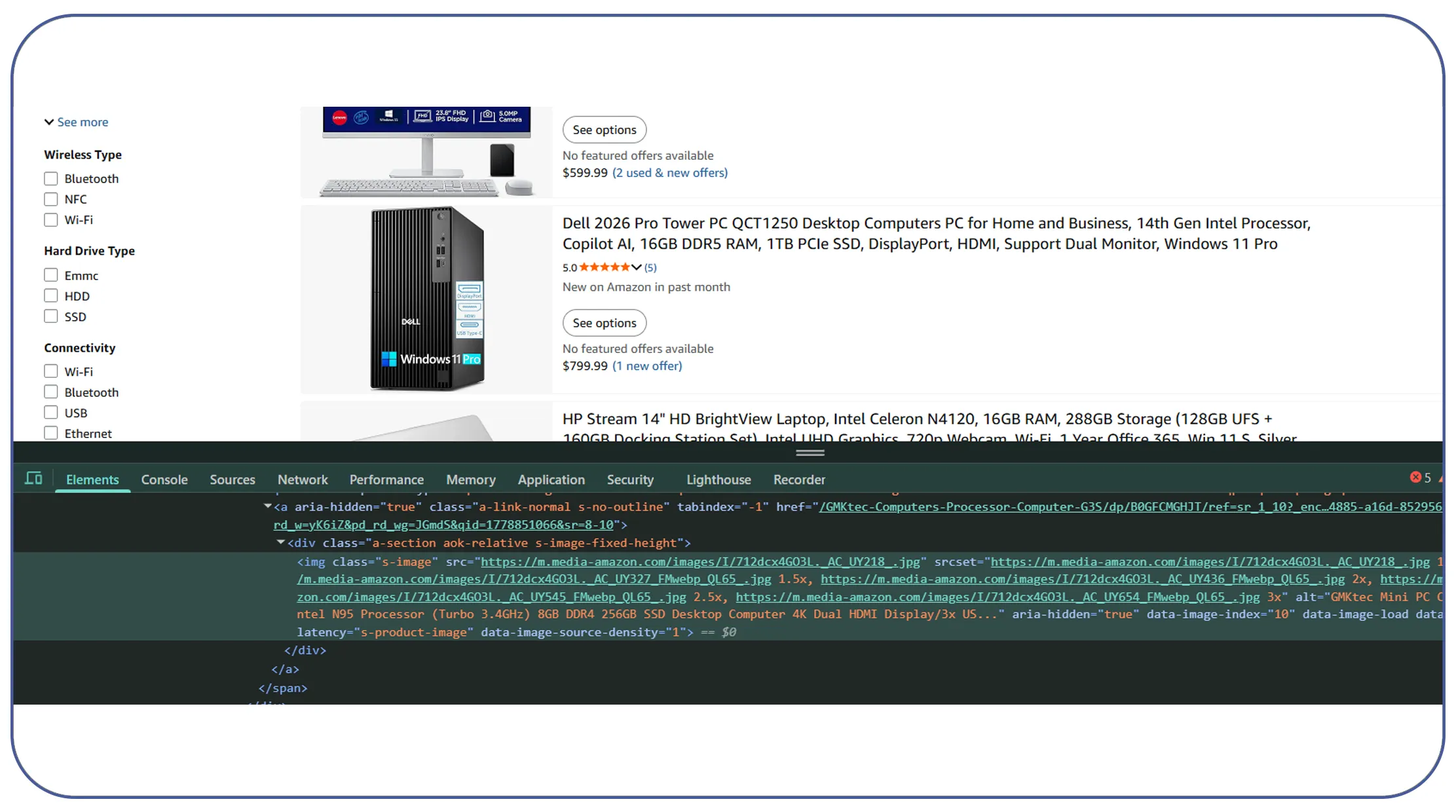
Request optimization is one of the most effective methods for improving scraping efficiency and avoiding reputation-based blocking. Businesses implementing request optimization methods to avoid IP reputation issues carefully manage request intervals, concurrency levels, retry logic, and session persistence.
Poorly optimized scraping systems often generate excessive traffic bursts that overload servers and trigger security alerts. Enterprises use throttling algorithms and intelligent scheduling tools to distribute requests evenly while reducing server strain.
| Year | Intelligent Request Scheduling (%) | Avg. Server Load Reduction | Successful Extraction Rate (%) |
|---|---|---|---|
| 2020 | 22% | 17% | 61% |
| 2021 | 31% | 24% | 68% |
| 2022 | 44% | 33% | 75% |
| 2023 | 58% | 45% | 82% |
| 2024 | 71% | 57% | 88% |
| 2025 | 83% | 68% | 92% |
| 2026 | 91% | 77% | 96% |
Why do optimized requests reduce IP reputation issues? Because websites evaluate how visitors interact with servers over time. Intelligent scheduling creates more natural traffic patterns and minimizes suspicious request spikes.
Optimized scraping systems also improve bandwidth efficiency, reduce infrastructure costs, and support sustainable long-term extraction performance across enterprise environments.
How Do Managed Extraction Platforms Improve Reliability?
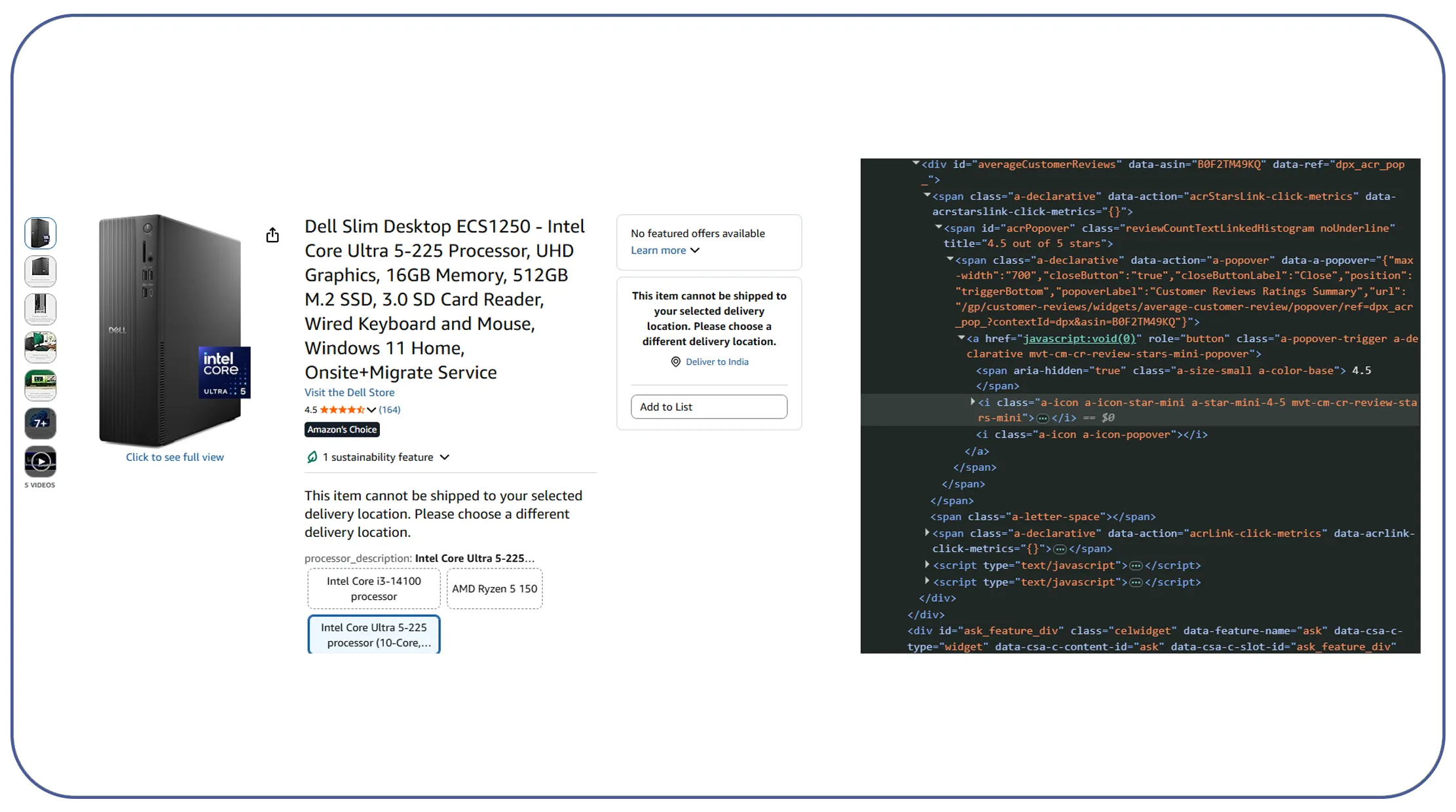
Managed extraction environments help businesses reduce operational complexity while improving anti-blocking capabilities. Through professional Web Scraping Services, enterprises gain access to scalable infrastructure, proxy management systems, CAPTCHA handling technologies, and monitoring tools designed for uninterrupted scraping operations.
Managed service providers continuously optimize extraction workflows based on evolving website defenses and traffic monitoring patterns. Businesses benefit from infrastructure redundancy, automated updates, and real-time performance optimization without maintaining internal scraping infrastructure.
| Year | Managed Scraping Adoption (%) | Automated Proxy Rotation Usage | Extraction Downtime Reduction (%) |
|---|---|---|---|
| 2020 | 26% | 29% | 15% |
| 2021 | 35% | 38% | 22% |
| 2022 | 47% | 51% | 33% |
| 2023 | 61% | 64% | 46% |
| 2024 | 73% | 76% | 58% |
| 2025 | 84% | 86% | 69% |
| 2026 | 91% | 93% | 79% |
Why are managed scraping environments growing rapidly? Because enterprises need scalable and reliable data extraction systems capable of adapting to changing anti-bot technologies. Managed services reduce infrastructure maintenance burdens while improving scraping continuity and operational efficiency.
Businesses also gain access to expert monitoring and compliance-focused workflows that strengthen extraction reliability across global digital ecosystems.
How Does Distributed Crawling Support Enterprise Data Operations?
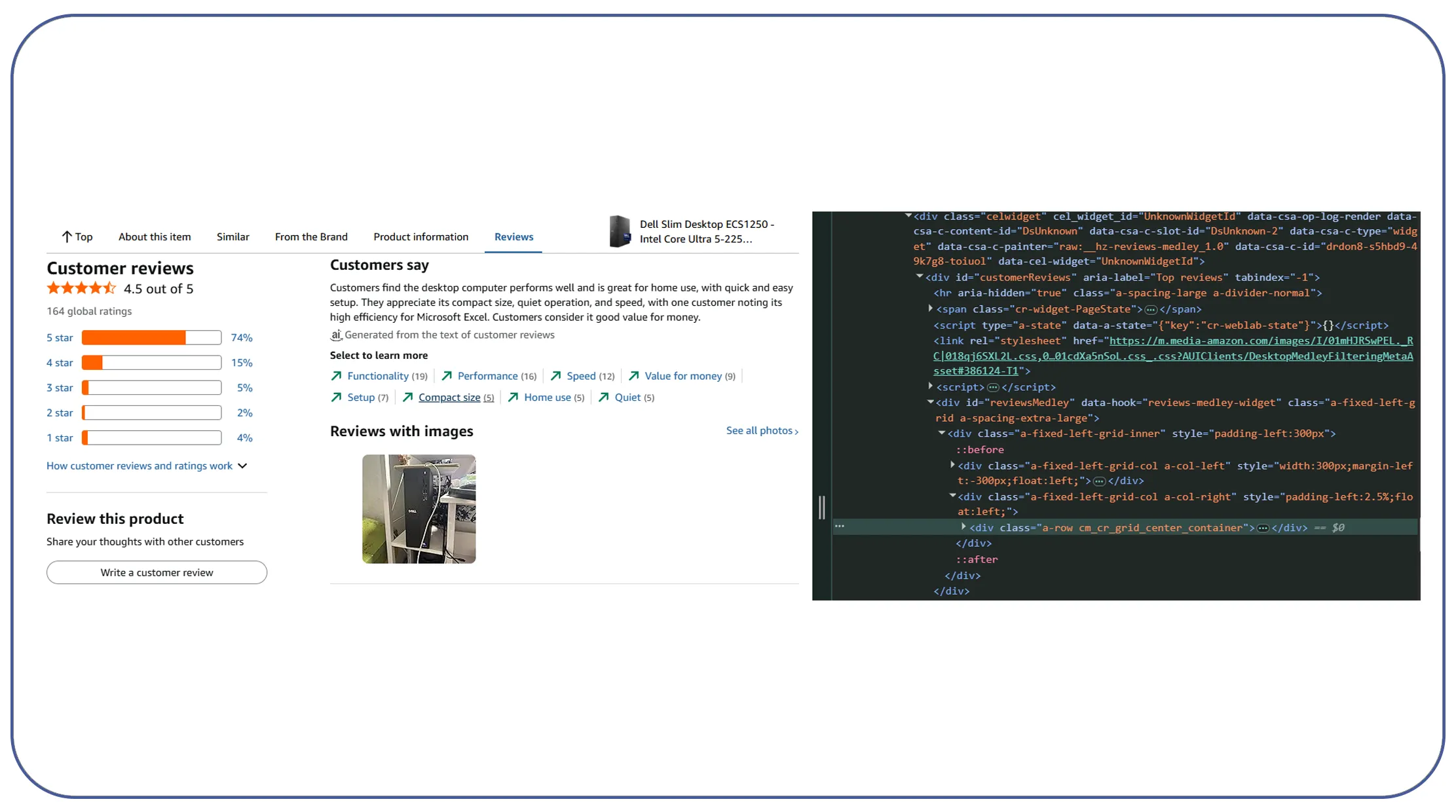
Large-scale extraction requires distributed infrastructure capable of processing millions of requests across multiple geographic regions. Through Enterprise Web Crawling, organizations deploy scalable crawling frameworks that distribute workloads across proxy networks, cloud environments, and regional data centers.
Distributed crawling minimizes traffic concentration while improving fault tolerance and operational resilience. Enterprises use intelligent task scheduling and region-specific routing systems to optimize extraction speed and reduce block risks.
| Year | Distributed Crawling Adoption (%) | Avg. Pages Crawled Daily (Millions) | IP Block Reduction (%) |
|---|---|---|---|
| 2020 | 28% | 190 | 16% |
| 2021 | 39% | 270 | 24% |
| 2022 | 51% | 380 | 35% |
| 2023 | 64% | 520 | 48% |
| 2024 | 76% | 690 | 59% |
| 2025 | 86% | 860 | 70% |
| 2026 | 93% | 1,050 | 80% |
Why is distributed crawling important for enterprise scraping? It prevents request concentration from triggering anti-bot systems while improving scalability and fault tolerance. Businesses using distributed infrastructure can maintain continuous extraction workflows even during high-volume operations.
Enterprise crawling systems also support regional content extraction, multilingual data collection, and real-time analytics applications across global markets.
Why Are Structured Datasets Essential for Reliable Intelligence?
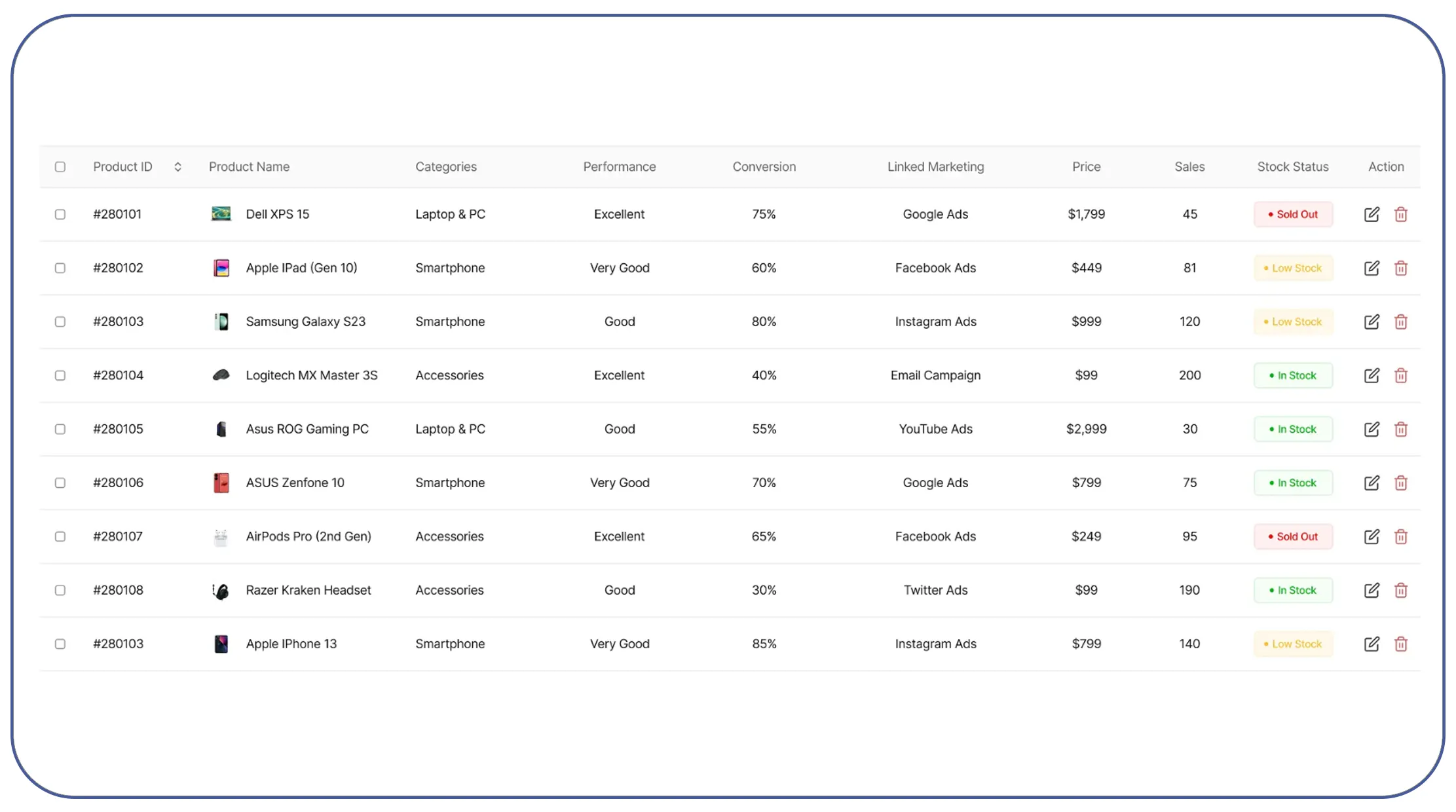
Structured extraction workflows help enterprises transform raw web content into usable business intelligence. Using Web Scraping Datasets, organizations create standardized data pipelines that support analytics, AI models, forecasting systems, and decision-making platforms.
Reliable datasets require stable extraction infrastructure, accurate parsing systems, and minimal interruption from IP bans or anti-bot restrictions. Businesses that maintain uninterrupted scraping operations achieve higher-quality datasets and more consistent analytical outputs.
| Year | Structured Dataset Utilization (%) | AI-Based Data Analytics Adoption | Real-Time Data Processing (%) |
|---|---|---|---|
| 2020 | 31% | 20% | 18% |
| 2021 | 40% | 29% | 27% |
| 2022 | 52% | 41% | 39% |
| 2023 | 65% | 55% | 52% |
| 2024 | 77% | 68% | 65% |
| 2025 | 87% | 80% | 77% |
| 2026 | 94% | 90% | 88% |
Why are structured datasets valuable for enterprises? They improve analytical accuracy, machine learning efficiency, and business forecasting capabilities. Organizations leveraging real-time structured data can respond faster to market changes while supporting scalable digital intelligence strategies.
Consistent data extraction performance also reduces gaps in datasets, improving long-term business intelligence reliability and operational decision-making.
Why Choose Real Data API?
Real Data API provides enterprise-grade infrastructure and advanced automation solutions designed for how to avoid IP blocking in large-scale web scraping across high-volume digital environments. Businesses gain access to rotating proxy networks, intelligent request scheduling systems, adaptive scraping frameworks, and scalable crawling architecture that improve extraction reliability.
The company supports organizations with secure cloud infrastructure, real-time monitoring systems, browser emulation technologies, and advanced anti-blocking workflows optimized for large-scale extraction operations. Real Data API helps enterprises reduce downtime, minimize detection risks, and improve data collection consistency across global markets.
With expertise in enterprise automation and scalable extraction infrastructure, Real Data API delivers reliable solutions that support long-term business intelligence and analytics operations.
Conclusion
As anti-bot technologies become more sophisticated, enterprises must adopt advanced strategies to maintain reliable extraction workflows and uninterrupted access to valuable web data. Understanding how to avoid IP blocking in large-scale web scraping is critical for businesses relying on real-time intelligence, analytics, and competitive monitoring systems.
Organizations implementing rotating proxies, adaptive request optimization, distributed crawling frameworks, and scalable extraction infrastructure can significantly reduce detection risks while improving operational efficiency. Intelligent traffic management and structured data workflows also support stronger analytics and long-term digital intelligence strategies.
Real Data API delivers enterprise-grade solutions for how to avoid IP blocking in large-scale web scraping through scalable infrastructure, intelligent automation, and advanced anti-blocking technologies. Contact Real Data API today to build secure, reliable, and future-ready large-scale data extraction systems for your business!
Latest posts

How Myntra Fashion Dataset Solves Fashion Intelligence Challenges Across Products, Prices, Brands, and Fashion Market Trends?
How Hyatt Travel Dataset Helps Businesses Track Hotels, Room Prices, Amenities, Locations, and Travel Trends?

How Louis Vuitton Fashion Dataset Enables Better Analysis of Luxury Products, Prices, Brands, and Fashion Trends?
How Blinkit Grocery Dataset Enables Smarter Analysis of Products, Prices, Availability, and Quick-Commerce Trends?







.png)