

Introduction
Furniture retailers today face intense competition across ecommerce marketplaces, direct-to-consumer websites, and online retail platforms. Customers compare prices, reviews, delivery options, and product catalogs before making buying decisions. As a result, businesses need accurate and real-time data to stay competitive in the evolving furniture industry.
Many brands now scrape furniture pricing and catalog data for market research to monitor competitors, optimize pricing strategies, and identify emerging consumer trends. Manual tracking methods are slow, inaccurate, and difficult to scale. Automated data extraction solutions help retailers gather structured information from multiple sources instantly.
An advanced E-Commerce Data Scraping API enables businesses to collect product listings, prices, inventory details, reviews, ratings, and promotional data from furniture websites efficiently. These insights help companies make faster and smarter business decisions.
According to market research reports, the global online furniture market is projected to exceed $430 billion by 2026. Retailers using automated intelligence tools are expected to outperform competitors through better pricing optimization and market visibility.
This blog explains how furniture businesses use web scraping technologies for competitor analysis, dynamic pricing, product monitoring, and large-scale market intelligence.
What Is Furniture Data Scraping?
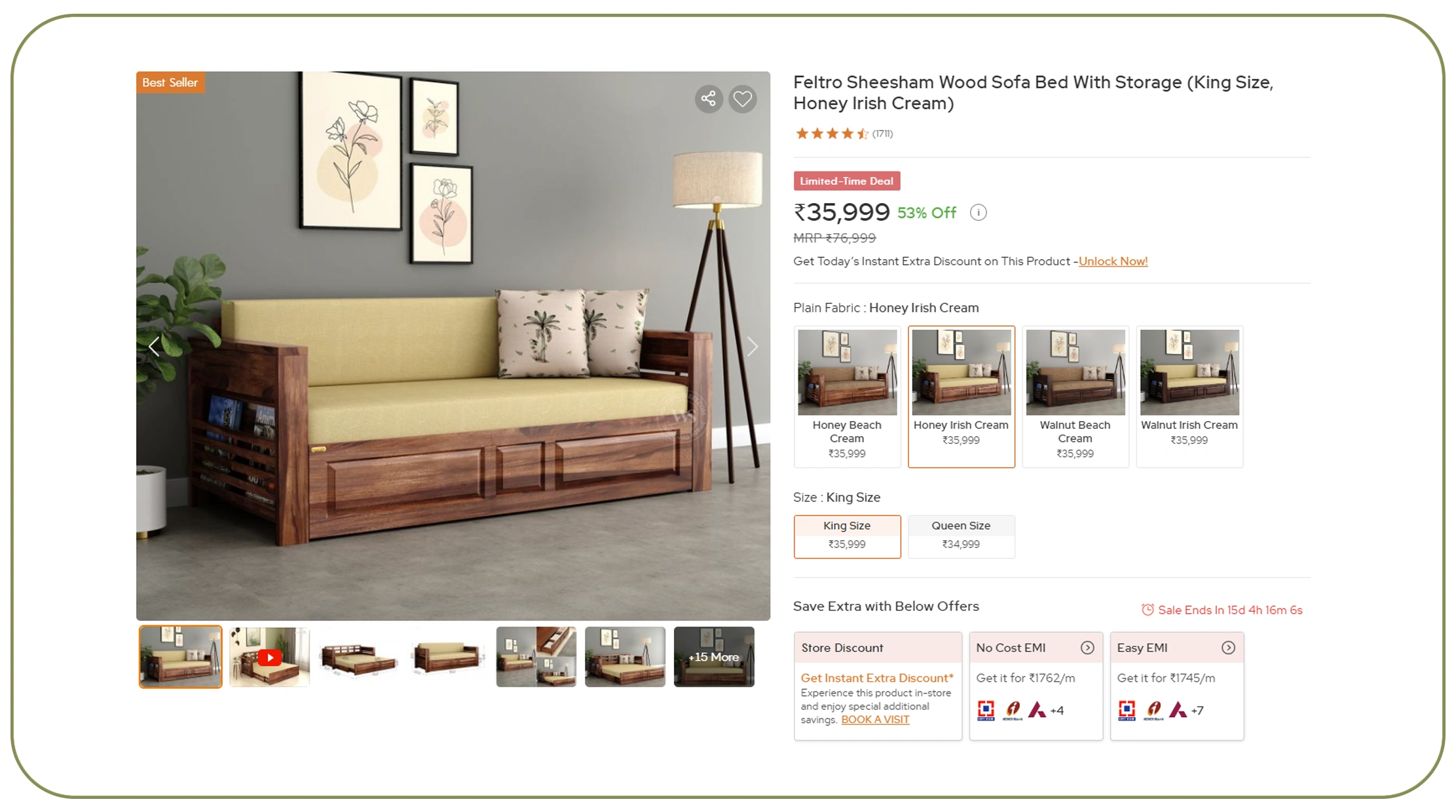
Furniture data scraping is the automated process of extracting product and pricing information from ecommerce websites, online marketplaces, and retail platforms. Businesses use web scraping tools to gather structured datasets for analysis, forecasting, and strategic planning.
Retailers commonly extract:
- Product titles
- Pricing details
- Discount information
- Product descriptions
- Inventory status
- Customer reviews
- Ratings and rankings
- Delivery availability
These datasets help businesses track competitor activities and changing market trends in real time.
Why Is Furniture Data Scraping Important?
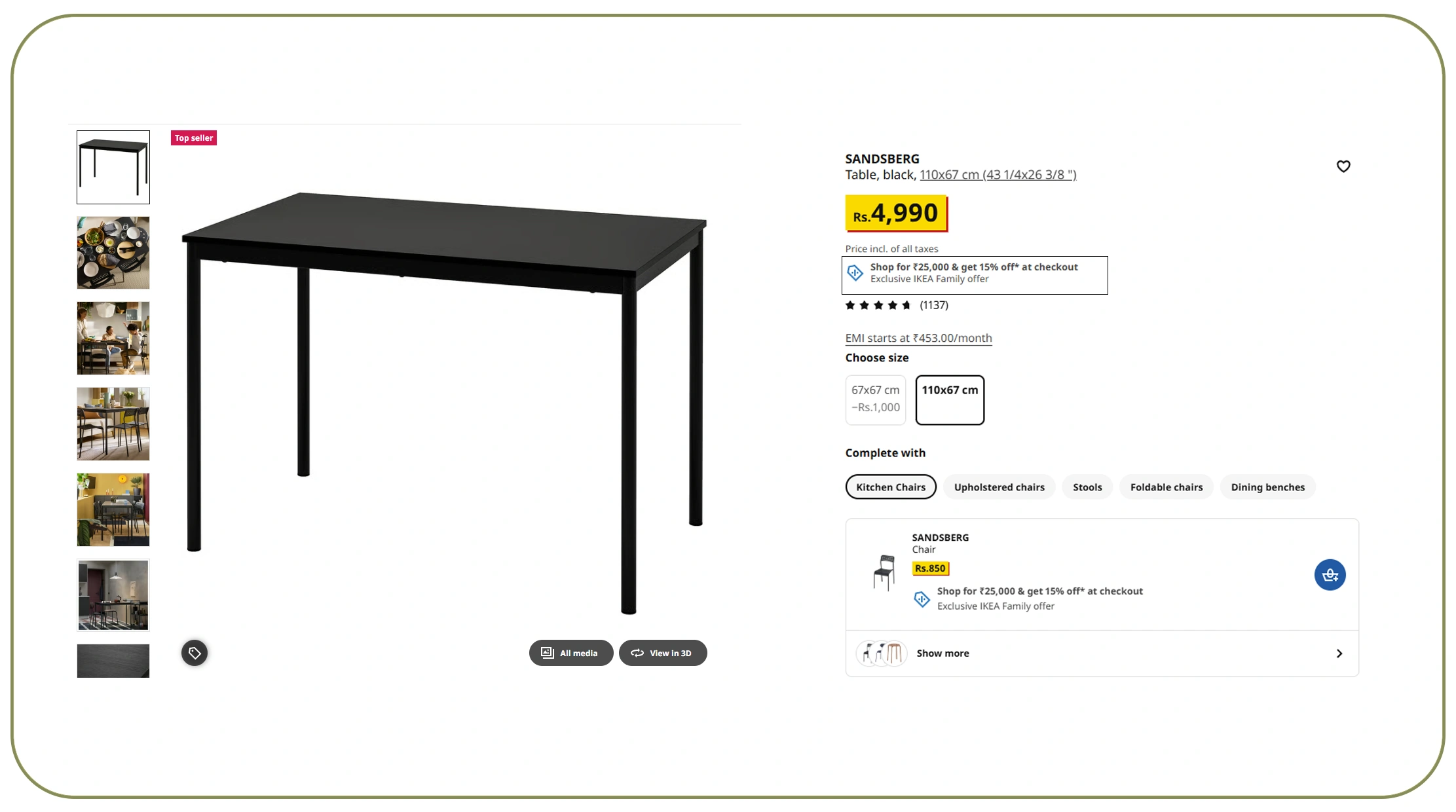
Furniture ecommerce changes rapidly due to:
- Seasonal pricing updates
- Flash sales and discounts
- Inventory fluctuations
- Consumer demand shifts
- Marketplace competition
Businesses relying on manual research often miss critical updates that impact revenue and profitability.
The Growing Importance of Automated Retail Intelligence
The furniture ecommerce industry has expanded significantly between 2020 and 2026. Businesses increasingly rely on automation to improve operational efficiency and market visibility.
One of the most effective approaches is extracting furniture product and pricing data from ecommerce websites to monitor competitor catalogs and pricing structures continuously.
Furniture Ecommerce Growth Statistics
| Year | Global Furniture Ecommerce Market | Retailers Using Data Automation |
|---|---|---|
| 2020 | $247 Billion | 28% |
| 2021 | $278 Billion | 34% |
| 2022 | $310 Billion | 41% |
| 2023 | $345 Billion | 49% |
| 2024 | $377 Billion | 56% |
| 2025 | $405 Billion | 63% |
| 2026 | $430 Billion | 71% |
Retailers leveraging automated extraction tools gain faster access to competitor intelligence and consumer behavior insights.
Key Benefits of Automated Retail Intelligence
- Faster market analysis
- Real-time competitor monitoring
- Improved pricing optimization
- Better inventory planning
- Higher operational efficiency
- Scalable market research
How Furniture Brands Use Market Intelligence?
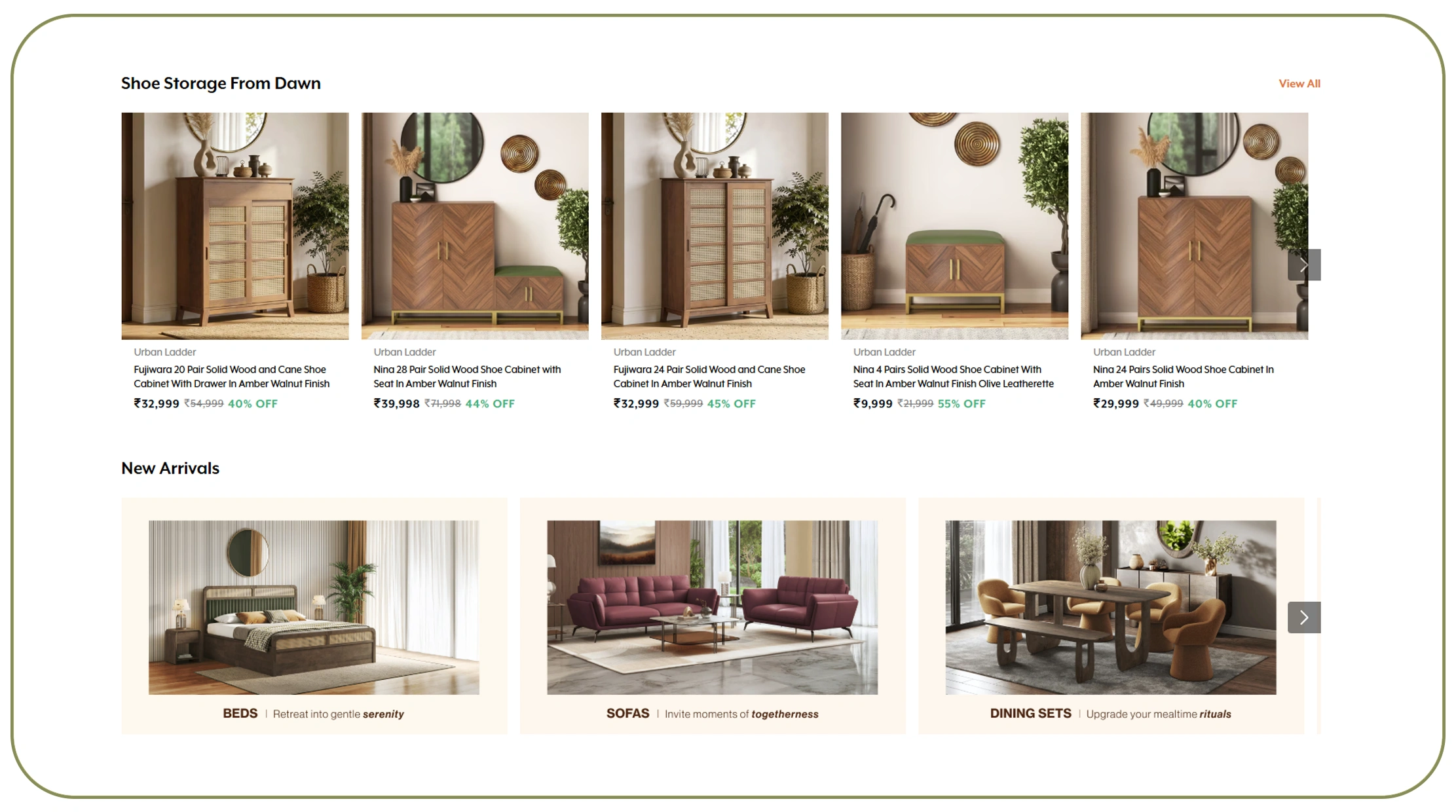
Modern furniture companies require accurate data to improve pricing, inventory management, and product positioning strategies.
Many retailers now Collect furniture market intelligence data using web scraping to analyze thousands of products across multiple ecommerce platforms automatically.
What Does Market Intelligence Include?
- Pricing trends
- Bestselling products
- Inventory availability
- Customer review sentiment
- Marketplace rankings
- Promotional activity
- Product category performance
Market Intelligence Adoption Trends
| Year | Retailers Using Market Intelligence | Average Revenue Growth |
|---|---|---|
| 2020 | 22% | 8% |
| 2021 | 30% | 11% |
| 2022 | 39% | 14% |
| 2023 | 48% | 17% |
| 2024 | 57% | 20% |
| 2025 | 66% | 23% |
| 2026 | 74% | 27% |
Retailers using advanced analytics can forecast demand more accurately and improve customer targeting strategies.
Why Competitor Monitoring Matters in Furniture Retail?
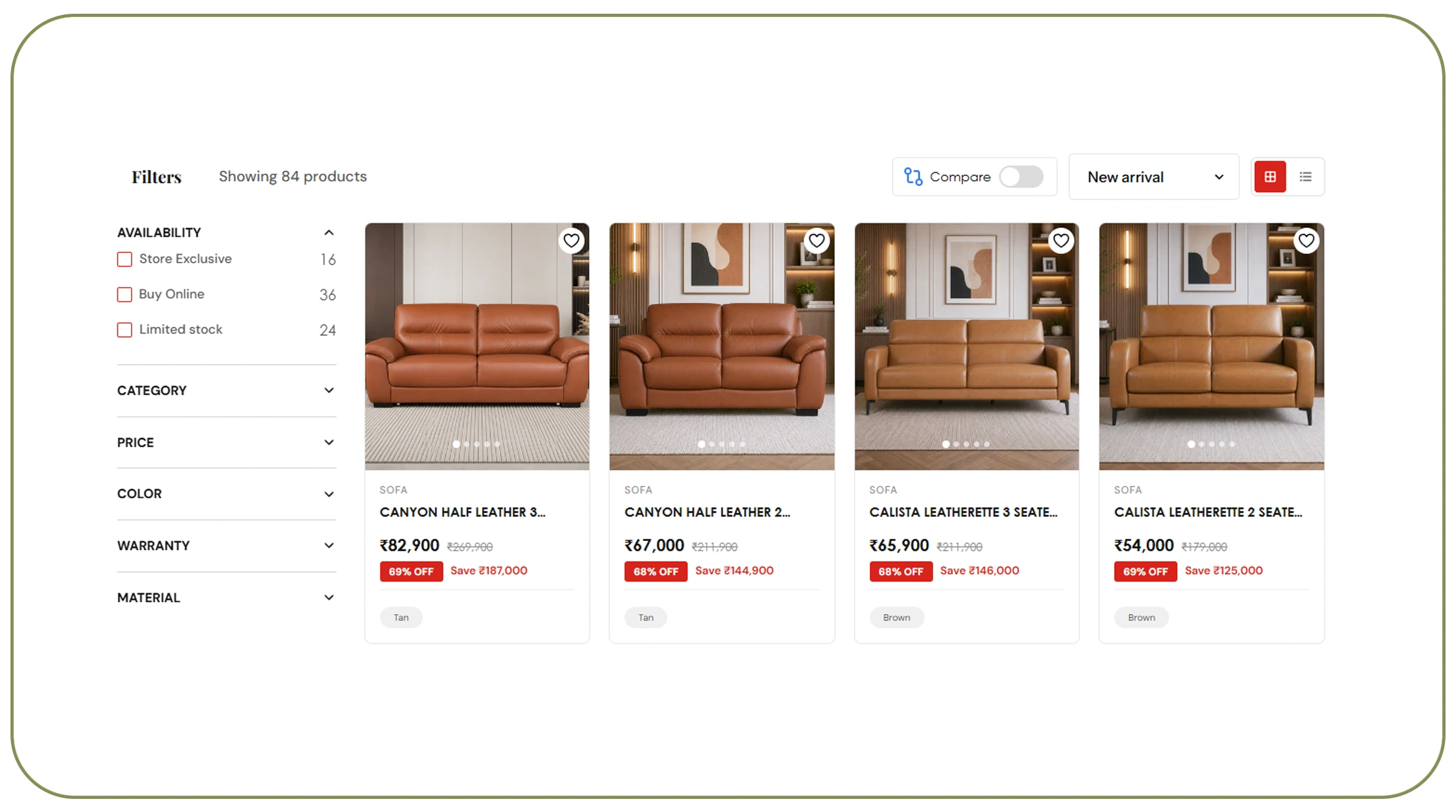
Competition in the furniture industry is increasing as more brands expand online. Retailers must constantly track competitor pricing and product catalogs to remain competitive.
Businesses perform competitor analysis for furniture retailers using scraped data to identify pricing opportunities and market gaps faster.
What Competitor Analysis Helps Retailers Understand
- Competitor pricing models
- Seasonal discounts
- Product launch frequency
- Popular furniture categories
- Inventory turnover
- Promotional strategies
Competitor Analytics Impact
| Year | Brands Using Competitor Monitoring | Increase in Conversion Rates |
|---|---|---|
| 2020 | 25% | 6% |
| 2021 | 33% | 9% |
| 2022 | 42% | 12% |
| 2023 | 50% | 15% |
| 2024 | 58% | 18% |
| 2025 | 65% | 22% |
| 2026 | 73% | 25% |
Businesses using automated competitor analytics can improve pricing precision while maintaining profit margins.
Technologies Transforming Ecommerce Data Collection
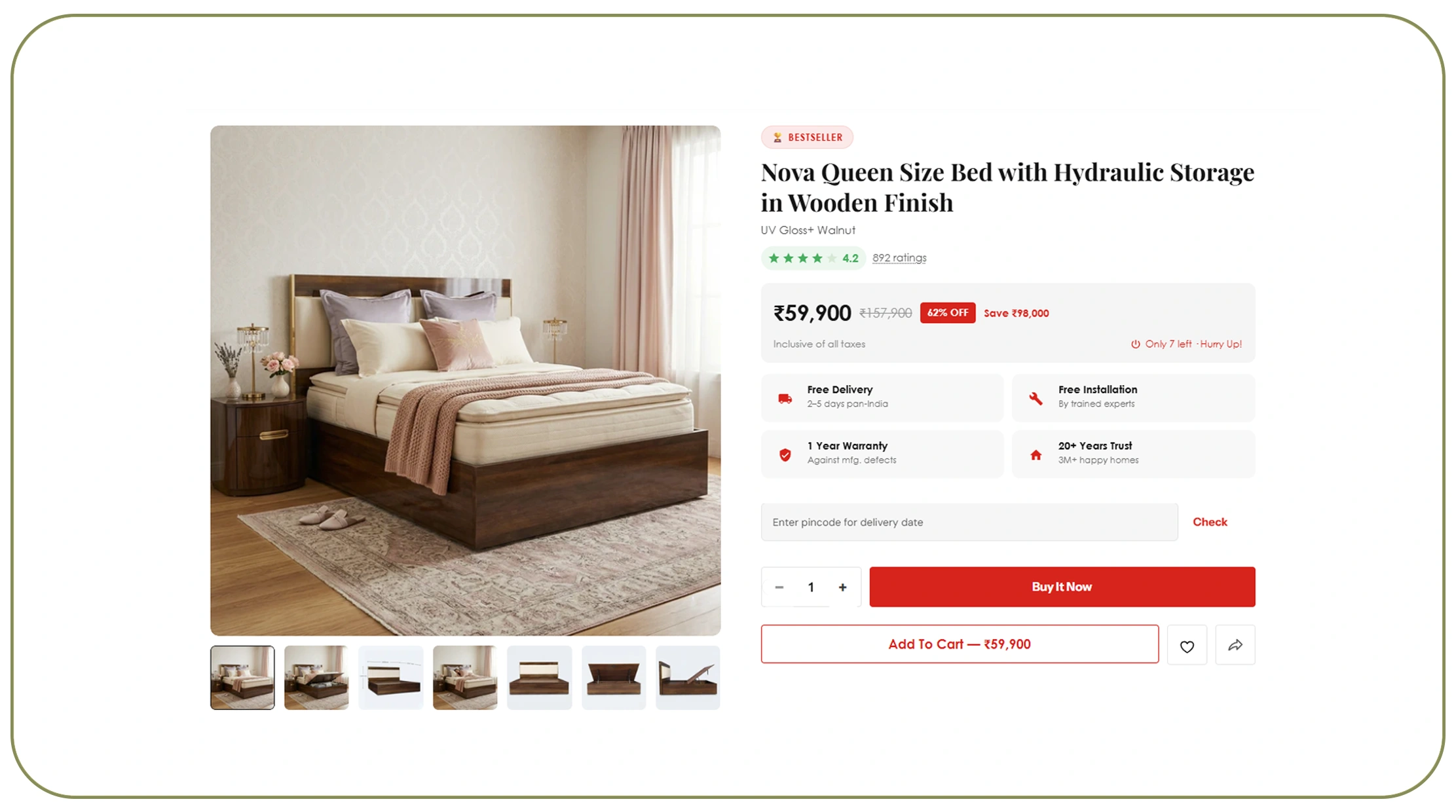
Modern scraping technologies allow businesses to collect millions of product records quickly and accurately.
Retailers now depend on tools to scrape furniture catalog data from online marketplaces to automate large-scale ecommerce intelligence operations.
Common Data Points Extracted
- Product specifications
- Material details
- Dimensions
- Product images
- Ratings and reviews
- Delivery information
- Stock availability
Growth of Data Extraction Technologies
| Year | Companies Using Scraping APIs | Market Size |
|---|---|---|
| 2020 | 19% | $1.2 Billion |
| 2021 | 27% | $1.7 Billion |
| 2022 | 36% | $2.3 Billion |
| 2023 | 45% | $3.1 Billion |
| 2024 | 53% | $4.0 Billion |
| 2025 | 62% | $5.2 Billion |
| 2026 | 70% | $6.8 Billion |
Businesses increasingly integrate extracted datasets directly into analytics dashboards and forecasting systems.
How Dynamic Pricing Improves Profitability?

Pricing directly impacts conversion rates and customer purchasing decisions in ecommerce.
Many furniture retailers now use Dynamic Pricing strategies powered by automated competitor tracking and real-time market intelligence.
Dynamic Pricing Factors
- Competitor price changes
- Product demand
- Seasonal sales
- Inventory availability
- Shipping costs
- Marketplace competition
Dynamic Pricing Adoption
| Year | Retailers Using Dynamic Pricing | Profit Margin Improvement |
|---|---|---|
| 2020 | 18% | 5% |
| 2021 | 26% | 7% |
| 2022 | 35% | 10% |
| 2023 | 44% | 13% |
| 2024 | 53% | 16% |
| 2025 | 61% | 19% |
| 2026 | 69% | 22% |
Retailers using automated pricing systems can react instantly to competitor changes and customer demand fluctuations.
The Role of Transparent Pricing in Ecommerce

Modern consumers compare products across multiple furniture platforms before making purchases.
Businesses increasingly use Price Comparison systems to monitor pricing competitiveness and improve visibility across marketplaces.
Benefits of Price Comparison Systems
- Improved customer trust
- Better competitor benchmarking
- Faster pricing optimization
- Increased conversion rates
- Enhanced product visibility
Price Comparison Growth Trends
| Year | Consumers Using Comparison Tools | Retailers Using Comparison Engines |
|---|---|---|
| 2020 | 39% | 24% |
| 2021 | 46% | 31% |
| 2022 | 53% | 39% |
| 2023 | 60% | 47% |
| 2024 | 67% | 55% |
| 2025 | 73% | 63% |
| 2026 | 79% | 71% |
Transparent pricing strategies improve customer confidence and support long-term business growth.
Why Choose Real Data API?
Real Data API provides scalable ecommerce intelligence solutions for furniture retailers, marketplaces, and market research companies.
Using an advanced Web Scraping API, businesses can automate product monitoring, competitor tracking, pricing analysis, and large-scale catalog extraction efficiently.
Companies looking to scrape furniture pricing and catalog data for market research can use Real Data API to access accurate, structured, and real-time ecommerce datasets.
Real Data API Benefits
- Real-time data extraction
- Enterprise-scale infrastructure
- Accurate structured datasets
- Competitor monitoring automation
- Marketplace intelligence solutions
- Scalable API integration
- High-speed data delivery
Real Data API helps businesses improve decision-making, optimize pricing strategies, and gain stronger visibility into ecommerce market trends.
Conclusion
The furniture ecommerce industry is becoming increasingly competitive and data-driven. Businesses that scrape furniture pricing and catalog data for market research gain valuable insights into competitor pricing, inventory changes, customer preferences, and emerging market trends.
From competitor analysis and market intelligence to dynamic pricing and price comparison systems, automated web scraping technologies help businesses make faster and smarter decisions.
Retailers using scalable ecommerce intelligence platforms can improve operational efficiency, optimize product pricing, and strengthen their market positioning between 2020 and 2026.
Ready to improve your furniture market research strategy? Connect with Real Data API today and unlock real-time ecommerce intelligence solutions built for scalable business growth!
Latest posts
Allegro scraper for competitor price monitoring – How to Track Product Prices and Stay Ahead of Competitors
Ocado API data collection services for retailers - Track Competitor Prices and Deals
Using Flipkart API for e-commerce competitor benchmarking to Monitor Competitors Across Online Marketplaces

How Myntra scraper for online fashion retail analytics Helps Track Trends, Prices, and Product Demand






.png)