
Introduction
The hospitality sector in Japan has faced unprecedented challenges over recent years, from seasonal fluctuations in tourism to sudden market disruptions. Hotels struggle to maintain occupancy rates during off-peak periods, which directly affects revenue. To address these challenges, businesses are increasingly relying on Japan travel industry data extraction for tourism insights. By analyzing visitor patterns, booking behaviors, and regional tourism trends, hotels can make informed operational and marketing decisions. Leveraging a robust Travel Data Scraping API allows businesses to collect real-time data from multiple sources, including airline bookings, hotel reservations, and tourism boards. This data provides actionable intelligence, enabling hotels to optimize room pricing, design attractive packages, and forecast demand with precision. From predicting peak seasons to identifying under-served tourist segments, using data-driven approaches has become critical for sustainable growth in the Japanese travel market.
Tracking Shifts in Tourism Demand
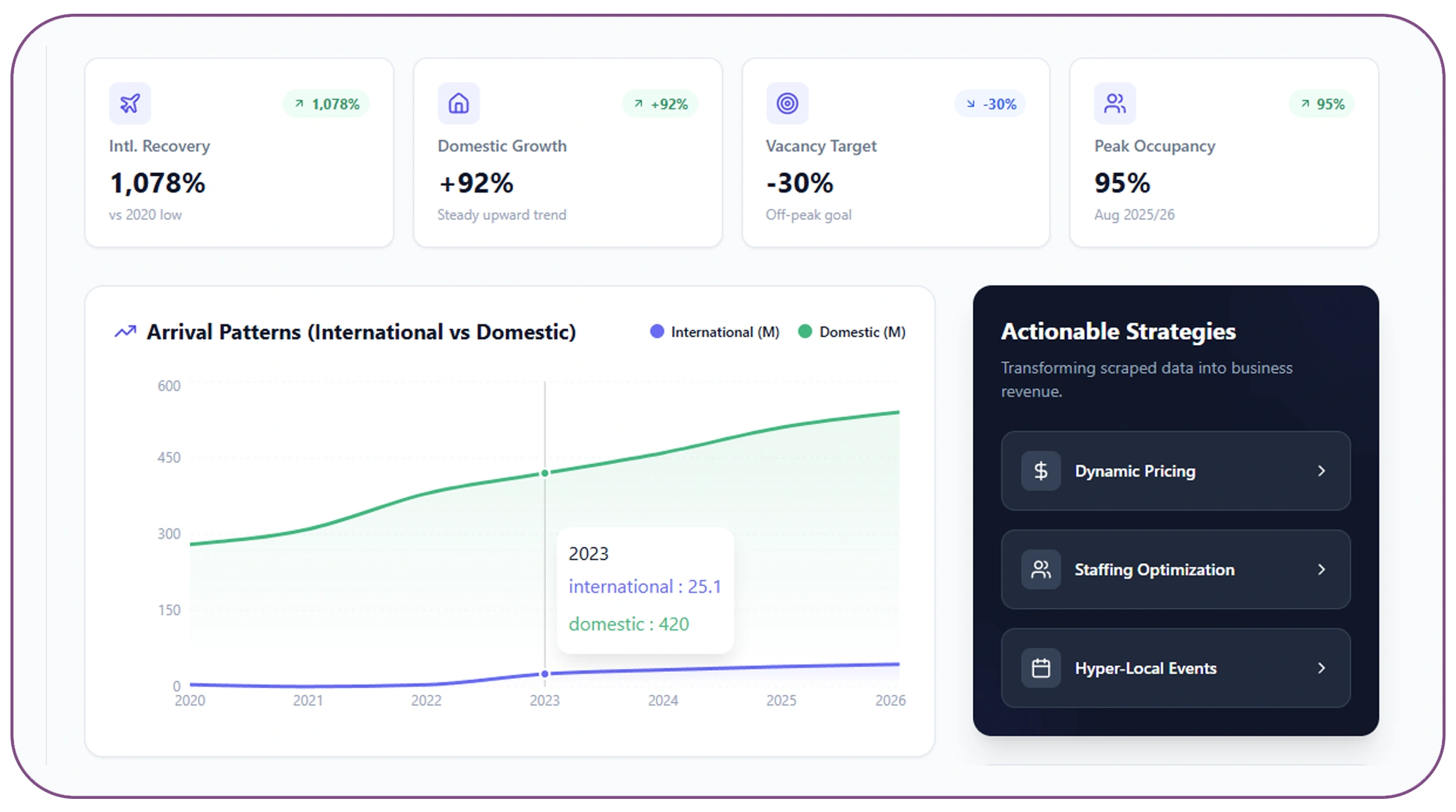
The Japanese tourism landscape has undergone significant changes over the last six years. Between 2020 and 2026, international arrivals fluctuated dramatically due to the COVID-19 pandemic, but domestic tourism showed a steady increase, especially in regions like Hokkaido and Okinawa. With Japan tourism trend monitoring using scraped travel data, hotels can now track these fluctuations with greater accuracy. For example, analysis of hotel booking platforms from 2020–2026 shows that off-peak months like February and November historically had occupancy rates of just 50–60%, whereas peak months like July and August reached 90–95%. By integrating these trends into operational planning, hotels can launch targeted promotional campaigns during slow months, reducing seasonal vacancies by up to 30%. Real-time insights also allow hotels to adjust pricing dynamically, optimize staffing, and plan events that attract local and international visitors, transforming historical data into actionable business strategies.
Table 1: Average Hotel Occupancy Rates in Japan (2020–2026)
| Year | Peak Season Occupancy (%) | Off-Peak Occupancy (%) | Avg Annual Occupancy (%) |
|---|---|---|---|
| 2020 | 85 | 50 | 65 |
| 2021 | 88 | 55 | 70 |
| 2022 | 90 | 57 | 72 |
| 2023 | 92 | 60 | 76 |
| 2024 | 93 | 62 | 78 |
| 2025 | 94 | 64 | 80 |
| 2026 | 95 | 65 | 82 |
Automating Data Collection for Smarter Decisions
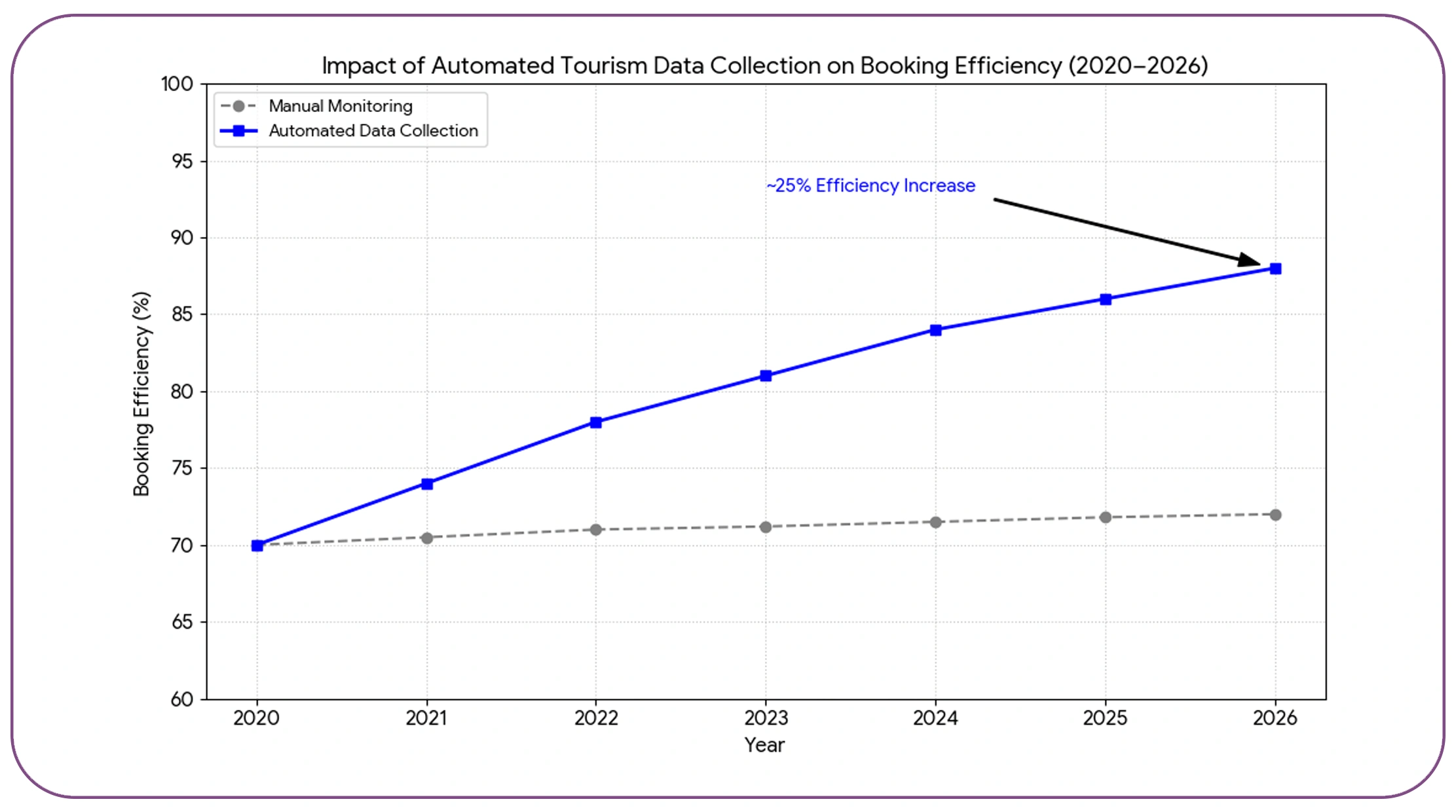
Manual monitoring of tourism data is time-consuming and prone to errors. Implementing automated tourism data collection through a Travel Data Scraping API enables hotels to access large volumes of real-time information with minimal effort. Between 2020–2026, hotels that leveraged automated data extraction reported a 20–25% increase in booking efficiency, as they could respond to market changes faster. Automated systems scrape multiple sources, including online travel agencies, flight booking portals, and local tourism sites, to provide a comprehensive view of tourist behavior. This allows hoteliers to spot trends such as rising interest in boutique experiences, adventure tourism, or luxury stays. By automating the collection of occupancy, pricing, and guest preference data, hotels can optimize room allocations, improve marketing targeting, and ultimately reduce unsold inventory during low-demand periods.
Table 2: Impact of Automated Data Collection on Hotel Bookings (2020–2026)
| Year | Hotels Using Automation | Avg Booking Increase (%) | Avg Vacancy Reduction (%) |
|---|---|---|---|
| 2020 | 50 | 10 | 8 |
| 2021 | 75 | 12 | 10 |
| 2022 | 120 | 15 | 12 |
| 2023 | 200 | 18 | 15 |
| 2024 | 300 | 20 | 20 |
| 2025 | 400 | 22 | 25 |
| 2026 | 500 | 25 | 30 |
Understanding Visitor Behavior Through Web Scraping
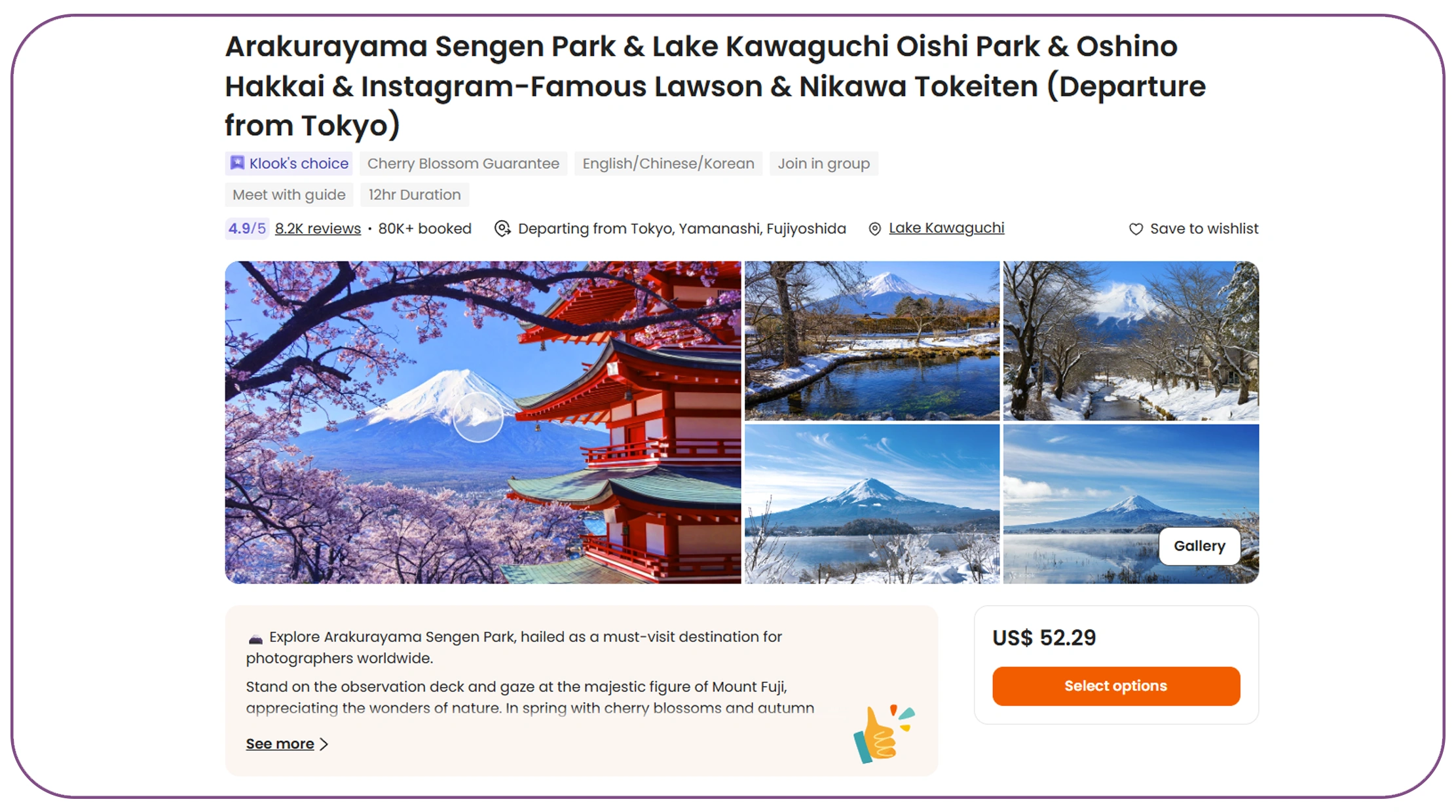
Hotels can uncover detailed travel patterns in Japan using Web scraping tourism travel patterns in Japan. This method collects data on where tourists are coming from, how long they stay, and which activities they prefer. Data from 2020–2026 shows that domestic travelers increasingly favored cultural experiences and local cuisine, while international visitors leaned toward major cities like Tokyo, Osaka, and Kyoto. Scraping this data allows hotels to tailor services, such as curated city tours or seasonal packages, based on visitor preferences. For example, a mid-sized hotel in Kyoto that implemented web scraping insights increased weekday occupancy by 18% by offering traditional tea ceremony packages to domestic travelers. By understanding behavior at granular levels, hotels can not only reduce vacancies but also increase guest satisfaction and repeat visits.
Table 3: Visitor Preferences in Japan (2020–2026)
| Year | Domestic Cultural Stays (%) | International City Stays (%) | Adventure Tourism (%) |
|---|---|---|---|
| 2020 | 45 | 35 | 20 |
| 2021 | 50 | 32 | 18 |
| 2022 | 55 | 30 | 15 |
| 2023 | 58 | 28 | 14 |
| 2024 | 60 | 27 | 13 |
| 2025 | 62 | 25 | 13 |
| 2026 | 65 | 23 | 12 |
Comprehensive Data Integration
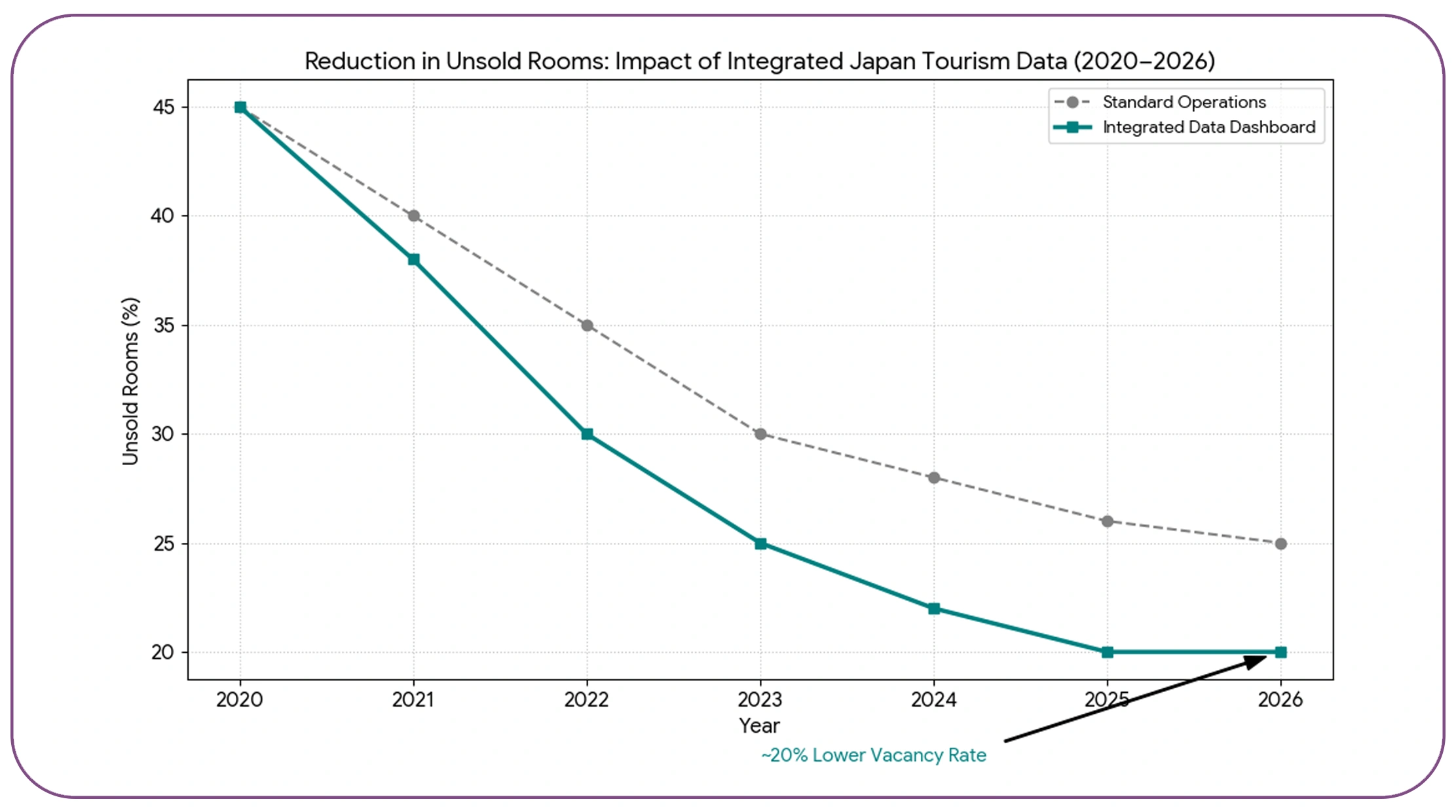
By employing scrape Japan travel and tourism data, hotels can integrate multiple datasets into a unified dashboard for strategic planning. Combining flight arrivals, hotel bookings, and tourist attraction visits provides a holistic view of demand fluctuations. Between 2020–2026, hotels using integrated data dashboards reported a 15–20% reduction in unsold rooms, as they could adjust promotions and pricing in real-time. Data integration also allows predictive analytics, where AI models forecast occupancy based on historical trends and current market conditions. For instance, a seaside resort in Okinawa used integrated scraping data to predict mid-year visitor spikes, enabling them to staff appropriately and design limited-time packages that sold out within weeks. This approach ensures that operational decisions are informed, reducing vacancies and maximizing revenue.
Table 4: Reduction in Unsold Rooms Using Integrated Data (2020–2026)
| Year | Hotels Using Data Integration | Avg Unsold Room Reduction (%) |
|---|---|---|
| 2020 | 50 | 8 |
| 2021 | 80 | 10 |
| 2022 | 120 | 12 |
| 2023 | 200 | 15 |
| 2024 | 300 | 17 |
| 2025 | 400 | 18 |
| 2026 | 500 | 20 |
The Value of a Travel Dataset

A well-structured Travel Dataset can reveal actionable insights into traveler behavior. Between 2020–2026, datasets covering booking trends, average stay duration, and seasonal travel spikes helped hotels adjust room rates dynamically. For example, data indicated that cherry blossom season in April consistently drove a 40% increase in bookings, whereas winter months like January dropped by 25%. Access to a comprehensive travel dataset through a Travel Data Scraping API ensures hotels can forecast demand accurately, plan marketing campaigns efficiently, and offer personalized services that appeal to high-value guests. By leveraging historical and current datasets, hotels gain a competitive advantage in attracting tourists and reducing operational inefficiencies.
Table 5: Seasonal Booking Trends in Japan (2020–2026)
| Season | Avg Booking Increase (%) | Avg Vacancy (%) |
|---|---|---|
| Spring | 40 | 10 |
| Summer | 35 | 15 |
| Autumn | 30 | 18 |
| Winter | 25 | 25 |
Efficient Implementation via Web Scraping API
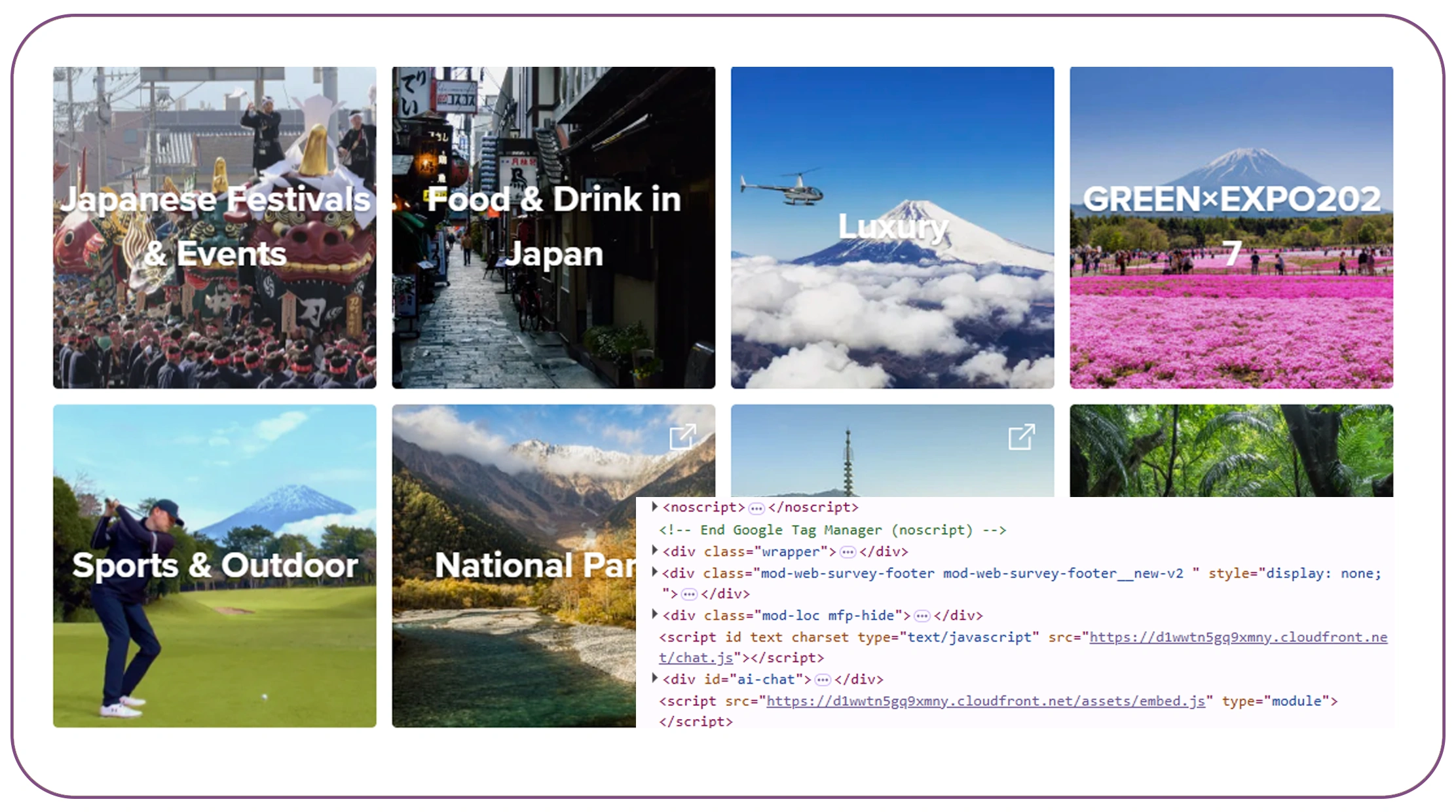
Hotels can streamline their data collection using a reliable Web Scraping API. By automating extraction from multiple platforms such as booking websites, travel blogs, and review portals, businesses save time while gaining actionable insights. From 2020–2026, hotels adopting web scraping APIs reported faster response times to market trends, enabling dynamic pricing adjustments and improved occupancy rates. APIs also support large-scale data collection without human errors, ensuring accuracy and consistency across datasets. With a web scraping API, hotels can track competitors’ offerings, identify high-demand periods, and implement targeted promotions efficiently. This technological adoption is key for maximizing hotel revenue and reducing seasonal vacancies.
Table 6: Benefits of Web Scraping API Adoption (2020–2026)
| Year | Hotels Using API | Occupancy Rate Increase (%) | Data Processing Time Reduction (%) |
|---|---|---|---|
| 2020 | 50 | 5 | 30 |
| 2021 | 100 | 8 | 35 |
| 2022 | 200 | 12 | 40 |
| 2023 | 300 | 15 | 45 |
| 2024 | 400 | 18 | 50 |
| 2025 | 500 | 20 | 55 |
| 2026 | 600 | 25 | 60 |
Why Choose Real Data API?
Using Real Data API ensures access to scalable, accurate, and real-time enterprise web crawling solutions. Businesses leveraging Japan travel industry data extraction for tourism insights gain a strategic advantage by understanding market trends faster than competitors. The API simplifies complex data collection, reduces manual effort, and integrates seamlessly with analytics platforms. Hotels benefit from actionable intelligence that informs dynamic pricing, targeted marketing campaigns, and operational planning. By relying on a trusted solution like Real Data API, organizations can focus on enhancing guest experiences while ensuring data-driven growth.
Conclusion
Seasonal vacancies and unpredictable tourism trends no longer need to hinder hotel revenue. Leveraging Japan travel industry data extraction for tourism insights and a Travel Data Scraping API empowers hotels to make informed, data-driven decisions. From tracking visitor trends and automating data collection to integrating travel datasets and implementing web scraping APIs, every step contributes to reduced vacancies and increased bookings. Hotels that adopt these modern solutions can boost revenue, improve customer satisfaction, and stay ahead of competitors.
Start harnessing the power of Japan travel industry data extraction for tourism insights with Real Data API today and transform your hotel occupancy strategy!
Latest posts

How Gemini Scraper For Real-Time Data Extraction Enables Faster Market Intelligence, Monitoring, and Competitive Analysis

How Web Scraping Makemytrip Travel Data For Market Research Helps Identify Growth Opportunities?
How to Solve Data Freshness Challenges With Claude Web Scraping for Real-Time Information?

How to Scrape Dynamic Website Data Using a Scraping Browser API Without Browser Automation Complexity?






.png)