Introduction
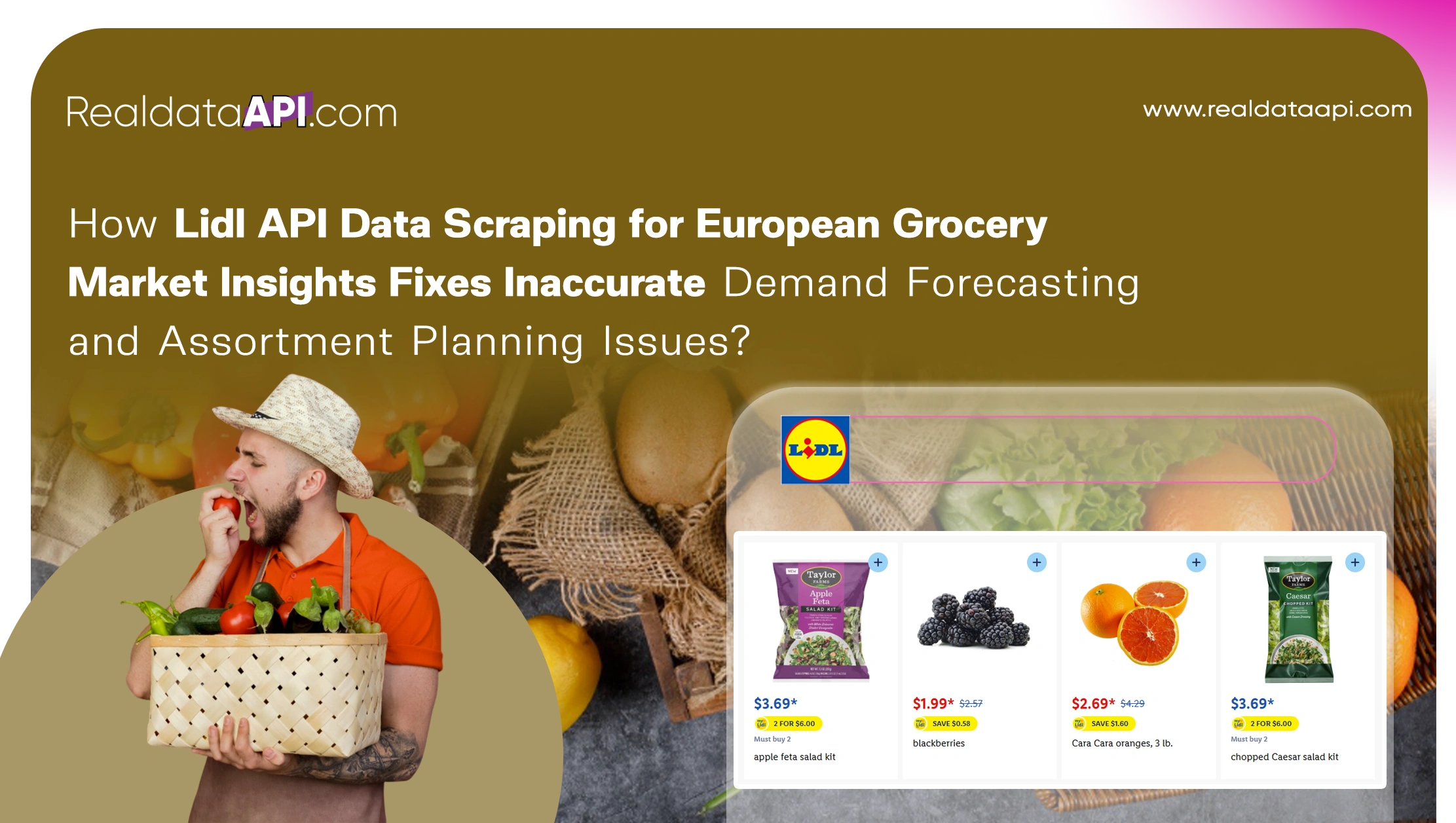
In Europe's highly competitive grocery sector, even minor inaccuracies in demand forecasting or assortment planning can lead to significant revenue losses. Stockouts reduce customer trust, while overstocking increases holding costs and waste—especially in perishable categories. Retailers and CPG brands need real-time, store-level visibility to make smarter inventory and pricing decisions. This is where Lidl API data scraping for European grocery market insights becomes a game changer.
By leveraging automated data pipelines to extract Lidl grocery pricing and product data at scale, businesses gain structured intelligence across categories, regions, and timeframes. From SKU-level price changes to promotional cycles and stock availability, real-time extraction enables proactive decision-making. Instead of relying on delayed reports or fragmented datasets, organizations can integrate dynamic retail insights directly into forecasting and assortment models. The result is improved accuracy, optimized shelf space, and stronger competitive positioning across European markets.
Improving Forecast Accuracy with Real-Time Pricing Visibility
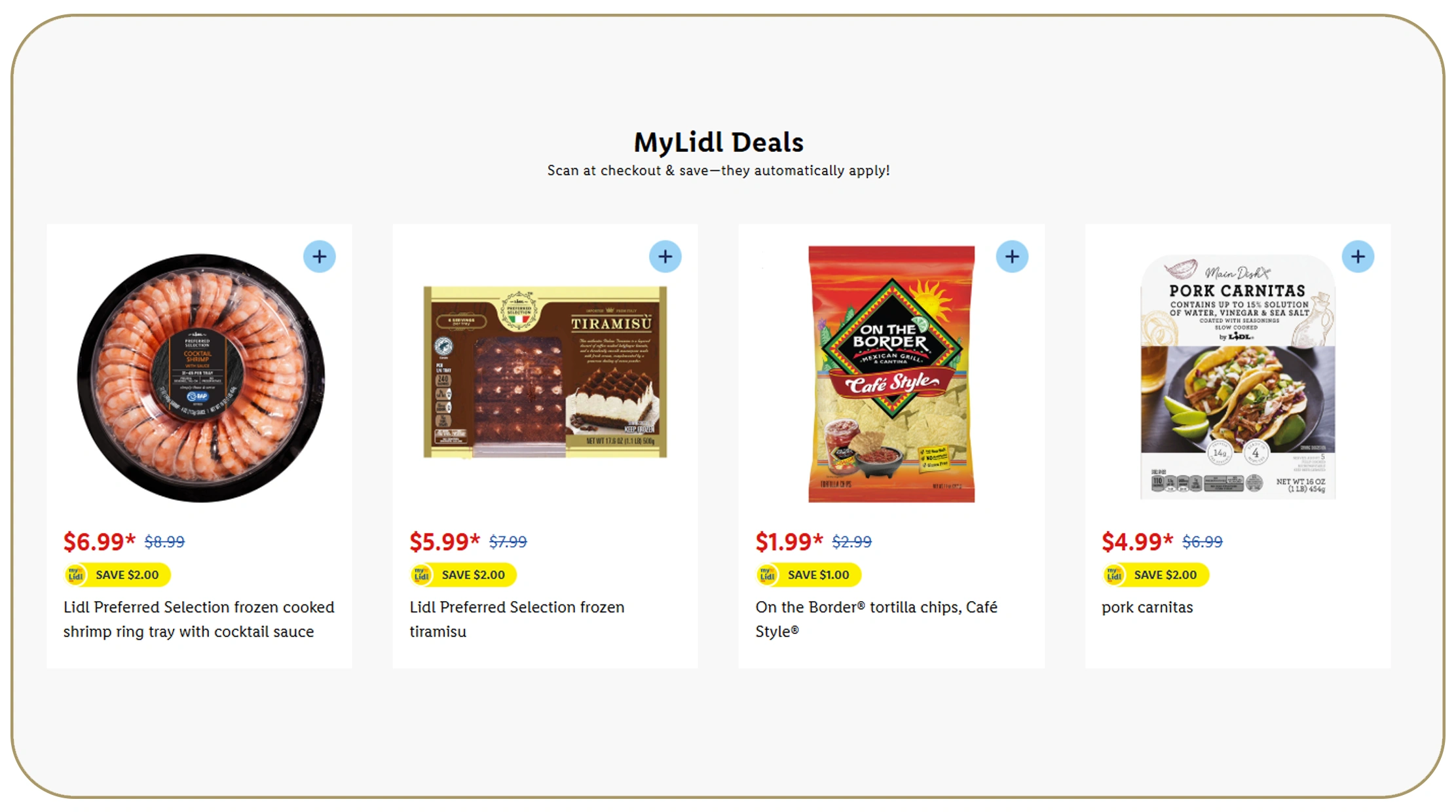
Demand forecasting depends heavily on accurate pricing signals. A Lidl grocery pricing data API scraper allows businesses to monitor price fluctuations, promotional discounts, and private-label positioning across multiple European regions.
Between 2020 and 2026, grocery price volatility in Europe has increased significantly due to inflation, supply chain disruptions, and private-label expansion.
European Grocery Price Volatility (2020–2026)
| Year | Avg. Price Increase % | Promo Intensity % |
|---|---|---|
| 2020 | 1.8% | 22% |
| 2022 | 5.6% | 28% |
| 2024 | 7.2% | 31% |
| 2026* | 4.5% (Projected) | 35% |
Without automated tracking, forecasting models fail to capture sudden promotional spikes. API-based extraction ensures daily or weekly updates, enabling demand planners to adjust projections instantly. Retailers can identify price-sensitive SKUs and anticipate volume surges during discount periods. This leads to better procurement alignment and reduced revenue leakage caused by stockouts or miscalculated demand patterns.
Enhancing Category-Level Assortment Planning
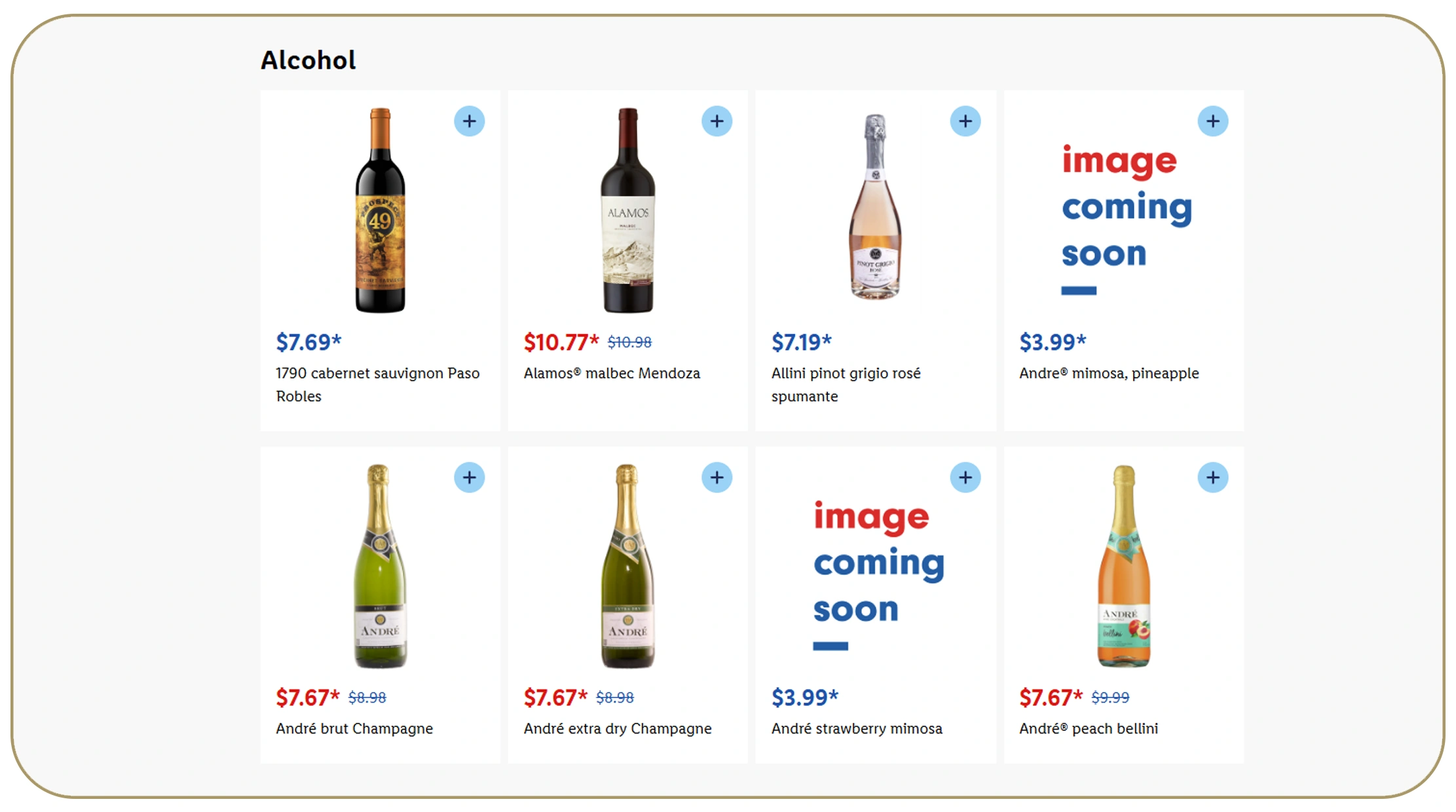
Effective assortment planning requires granular visibility into product categories and regional preferences. Through advanced Lidl grocery data extraction, retailers can monitor SKU additions, delistings, packaging variations, and seasonal rotations.
From 2020 to 2026, private-label penetration in European grocery markets grew from 32% to an estimated 40%, influencing assortment strategies significantly.
Private Label Share Growth (2020–2026)
| Year | Private Label Share |
|---|---|
| 2020 | 32% |
| 2023 | 36% |
| 2026* | 40% |
By analyzing structured product datasets, planners can evaluate which categories experience consistent growth and which face stagnation. Automated extraction helps detect assortment gaps and identify high-performing SKUs across geographies. This ensures shelf space optimization and better alignment with consumer demand trends, minimizing dead stock and improving category profitability.
Monitoring Store-Level Variations Across Regions
Regional differences significantly impact grocery demand. Using Web Scraping Lidl grocery store and product dataset, businesses can compare pricing, availability, and promotions across countries such as Germany, France, Spain, and Italy.
Regional Pricing Differences (Sample 2024 Data)
| Country | Avg. Basket Value (€) | Promo Frequency |
|---|---|---|
| Germany | 52 | High |
| France | 55 | Medium |
| Spain | 48 | High |
| Italy | 53 | Medium |
Store-level intelligence helps retailers understand localized pricing strategies and consumer behavior. If a product performs strongly in one region but not another, assortment adjustments can be implemented quickly. Continuous monitoring improves geographic forecasting precision and enhances multi-country expansion strategies.
Leveraging Automation for Scalable Intelligence
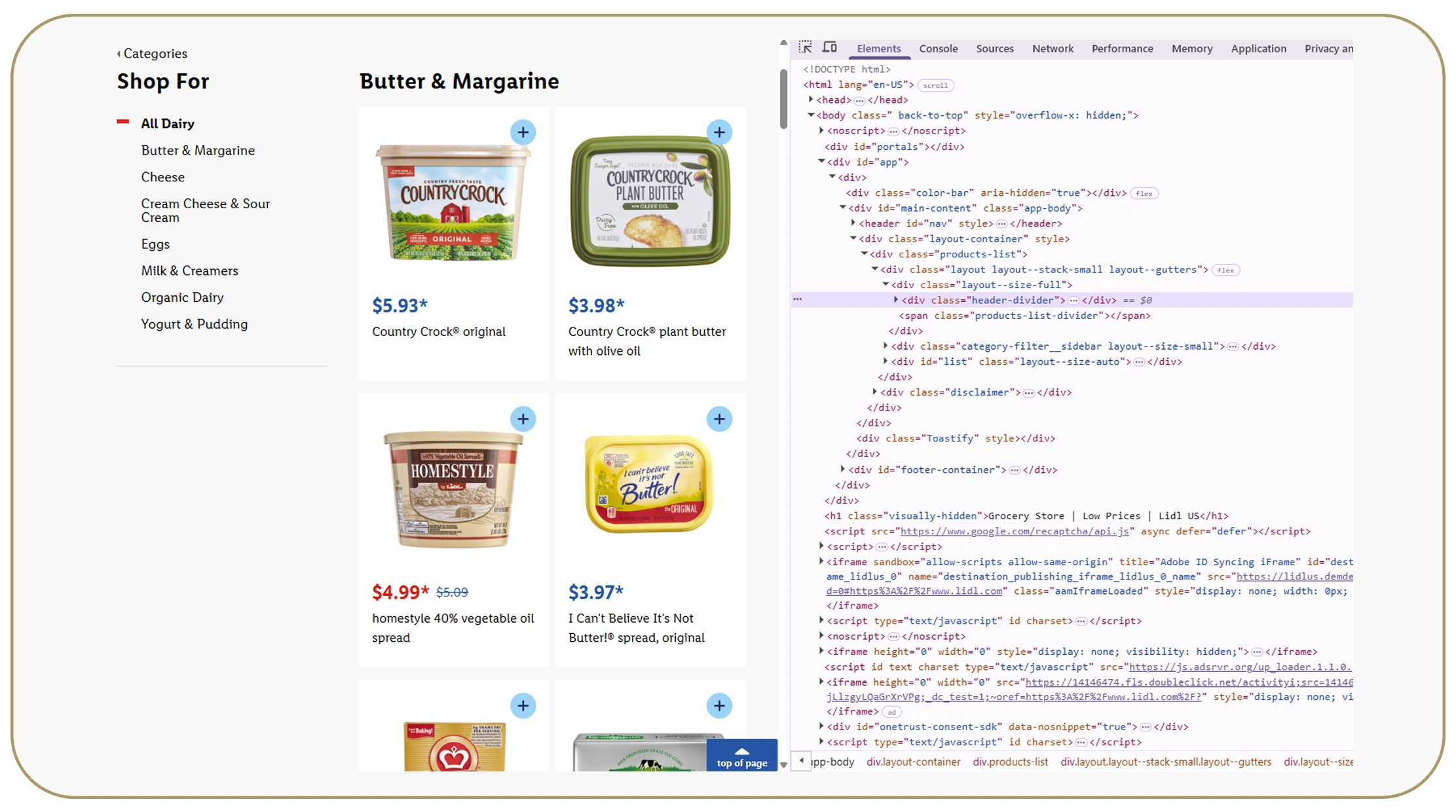
Retailers dealing with thousands of SKUs need automation to maintain consistency. A powerful Lidl Grocery Scraping API enables structured, scalable data collection across product listings, categories, pricing tiers, and stock indicators.
Between 2020 and 2026, the number of SKUs in major European discount chains increased by nearly 18%, intensifying assortment complexity.
SKU Growth Trend (2020–2026)
| Year | Avg. SKU Count |
|---|---|
| 2020 | 2,200 |
| 2023 | 2,450 |
| 2026* | 2,600 |
API-driven scraping ensures uninterrupted updates without manual intervention. Automated validation processes maintain data accuracy, while cloud-based architecture supports high-volume extraction. This allows demand planners to integrate updated SKU intelligence directly into ERP and forecasting systems, enhancing operational efficiency.
Building Structured Retail Intelligence for Analytics
Raw data alone is not enough—structured insights drive impact. A comprehensive Grocery Dataset built through automated extraction includes SKU details, nutritional attributes, pricing history, category hierarchy, and promotion metadata.
Forecast Accuracy Improvement (With Structured Data)
| Metric | Without Structured Data | With Structured Dataset |
|---|---|---|
| Forecast Accuracy | 68% | 85% |
| Stockout Rate | 12% | 6% |
| Overstock Loss | 9% | 4% |
Clean datasets empower analytics teams to run predictive models and trend analysis. Historical price tracking enables elasticity modeling, while category-level insights improve replenishment cycles. This data-driven foundation ensures optimized assortment decisions and better margin control.
Responding to Market Shifts with Intelligent Pricing
In today's retail landscape, Dynamic Pricing strategies are essential for competitiveness. By continuously analyzing extracted pricing data, businesses can adjust their strategies based on competitor movements, demand fluctuations, and seasonal patterns.
Between 2020 and 2026, promotional pricing cycles shortened by nearly 20%, requiring faster response times.
Promotion Cycle Duration
| Year | Avg. Promo Duration (Days) |
|---|---|
| 2020 | 14 |
| 2023 | 11 |
| 2026* | 9 |
Real-time insights allow retailers to anticipate competitor discounts and align promotional calendars. Instead of reactive pricing, organizations can adopt proactive, data-backed strategies. This minimizes revenue erosion and ensures consistent brand positioning across markets.
Why Choose Real Data API?
Real Data API delivers enterprise-ready solutions through a powerful Grocery Data Scraping API designed for high-volume retail intelligence. Our infrastructure supports secure, scalable extraction across European grocery markets, ensuring clean, structured datasets delivered via API integration.
With expertise in Lidl API data scraping for European grocery market insights, we enable retailers and brands to capture real-time pricing updates, product assortment shifts, and promotional trends efficiently.
Key advantages include:
- Automated daily or real-time updates
- Store-level and regional data segmentation
- ERP and BI tool integration
- Customizable extraction parameters
- Reliable data validation processes
Our solutions empower organizations to replace guesswork with measurable, actionable insights.
Conclusion
Accurate demand forecasting and optimized assortment planning require reliable, real-time retail intelligence. By leveraging Lidl API data scraping for European grocery market insights, businesses can transform fragmented grocery data into structured, analytics-ready intelligence. From pricing trends to SKU-level performance tracking, automated extraction ensures smarter decisions and stronger competitive positioning.
Partner with Real Data API today to unlock advanced grocery intelligence and drive precision forecasting across Europe!
Latest posts
Web Scraping Competitor Product Monitoring Using Marketplace Data for Real-Time E-commerce Insights and Business Growth?
How to Scrape Product Intelligence Platform Using Marketplace Data to Help Brands Optimize Pricing, Inventory, and Product Strategy?
Why Companies scrape business data from Google Maps using keywords to Build Accurate Business Lists and Competitive Insights?
How Review scraping and monitoring services Help Businesses Track Customer Sentiment and Protect Brand Reputation in 2026?
How Real Estate Investment Insights Using RERA Data Scraping Help Investors Minimize Risk and Maximize Returns

Real Data API stands out as one of the premier global companies specializing in web data Scraping and web extraction.





.png)


Rating 4.7
Rating 4.7
Rating 4.5
Rating 4.7
Rating 4.7


Disclaimer : RealData API functions solely as an independent data infrastructure and technology solutions provider. We build customized automation workflows designed to collect publicly accessible web data based exclusively on client instructions. RealData API neither owns proprietary datasets nor engages in the sale or redistribution of extracted information. Our operations are limited strictly to lawful public web data processing and never involve unauthorized access to restricted systems or private networks. Any company names, trademarks, logos, or brand references displayed on this website are used purely for demonstrative and illustrative purposes to showcase our technical capabilities and do not imply endorsement, partnership, or affiliation. Use of our platform and services remains subject to our Terms of Service.