Introduction
Southeast Asia's digital economy has experienced explosive growth over the past decade, with super apps transforming how consumers order food and commute daily. Platforms like Gojek integrate ride-hailing and food delivery into a single ecosystem, creating vast opportunities for restaurants and market analysts. By leveraging Gojek food delivery and ride hailing services data extraction, businesses can uncover valuable insights into pricing trends, demand patterns, and consumer behavior across cities.
With the help of a robust Food Data Scraping API, Real Data API enables restaurants, aggregators, and investors to transform unstructured app data into structured, decision-ready intelligence. From menu price comparisons to ride demand fluctuations that influence delivery traffic, integrated data analysis provides a competitive edge.
This blog explores how extracting and analyzing Gojek data between 2020 and 2026 can help brands optimize pricing, improve delivery efficiency, and increase online orders in an increasingly data-driven marketplace.
The Connection Between Mobility and Food Demand
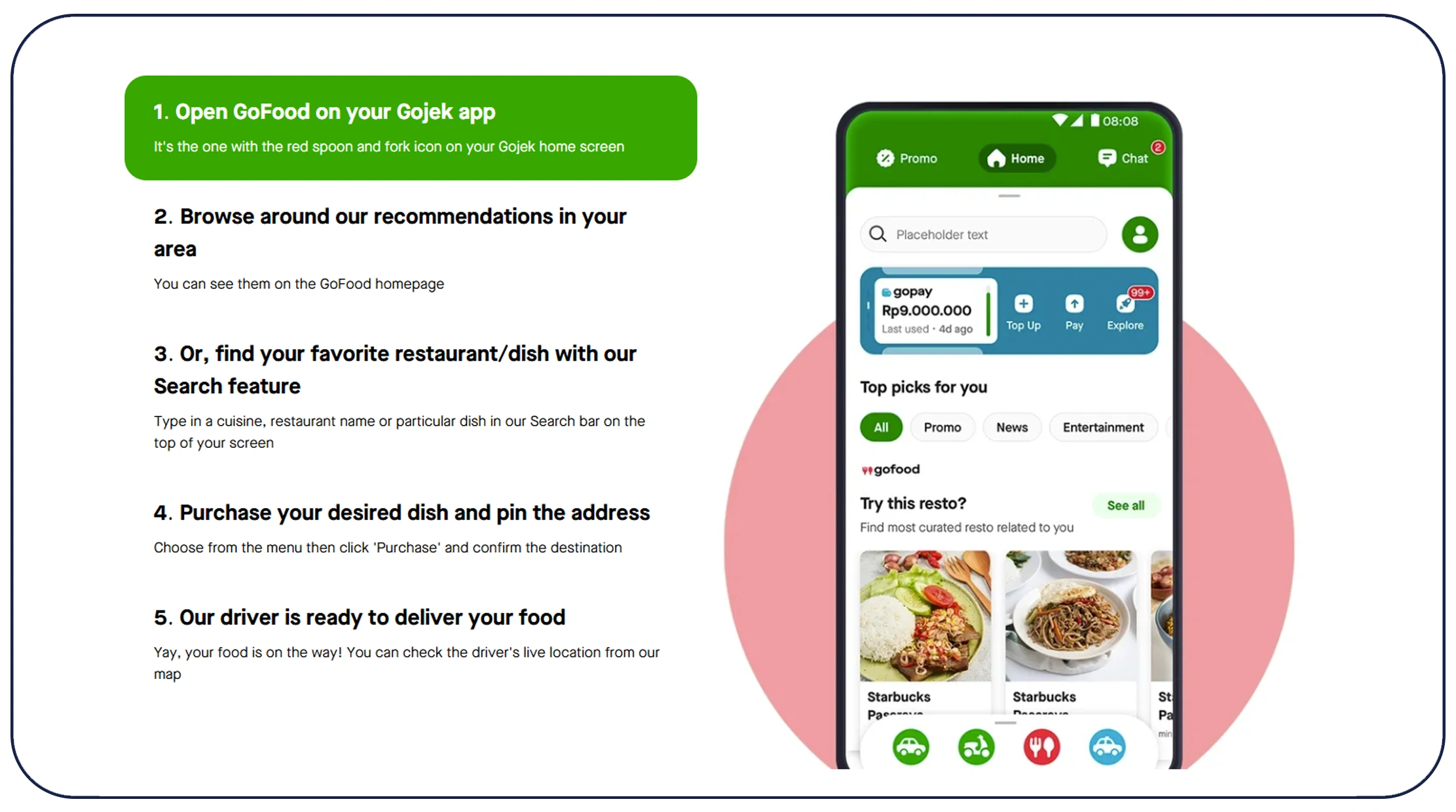
Food delivery demand often correlates with urban mobility patterns. During peak commuting hours, food orders tend to spike in commercial districts, while residential areas dominate during evenings. Businesses can Scrape Gojek ride demand and pricing analysis to understand how ride surges influence food order volumes.
Between 2020 and 2026, ride-hailing usage rebounded by over 55% post-pandemic, while food delivery orders grew by nearly 68%. This dual growth created overlapping demand cycles that restaurants could leverage strategically.
| Year | Ride Demand Growth (%) | Food Delivery Growth (%) |
|---|---|---|
| 2020 | -22 | +34 |
| 2022 | +40 | +52 |
| 2024 | +48 | +61 |
| 2026 | +55 | +68 |
Analyzing ride surge pricing alongside meal order frequency reveals optimal times for promotions. For example, high ride surge periods often coincide with higher food basket values. Restaurants using integrated data insights saw an average 17% boost in order volumes by aligning offers with ride traffic peaks.
Integrating Multi-Service Data for Competitive Intelligence
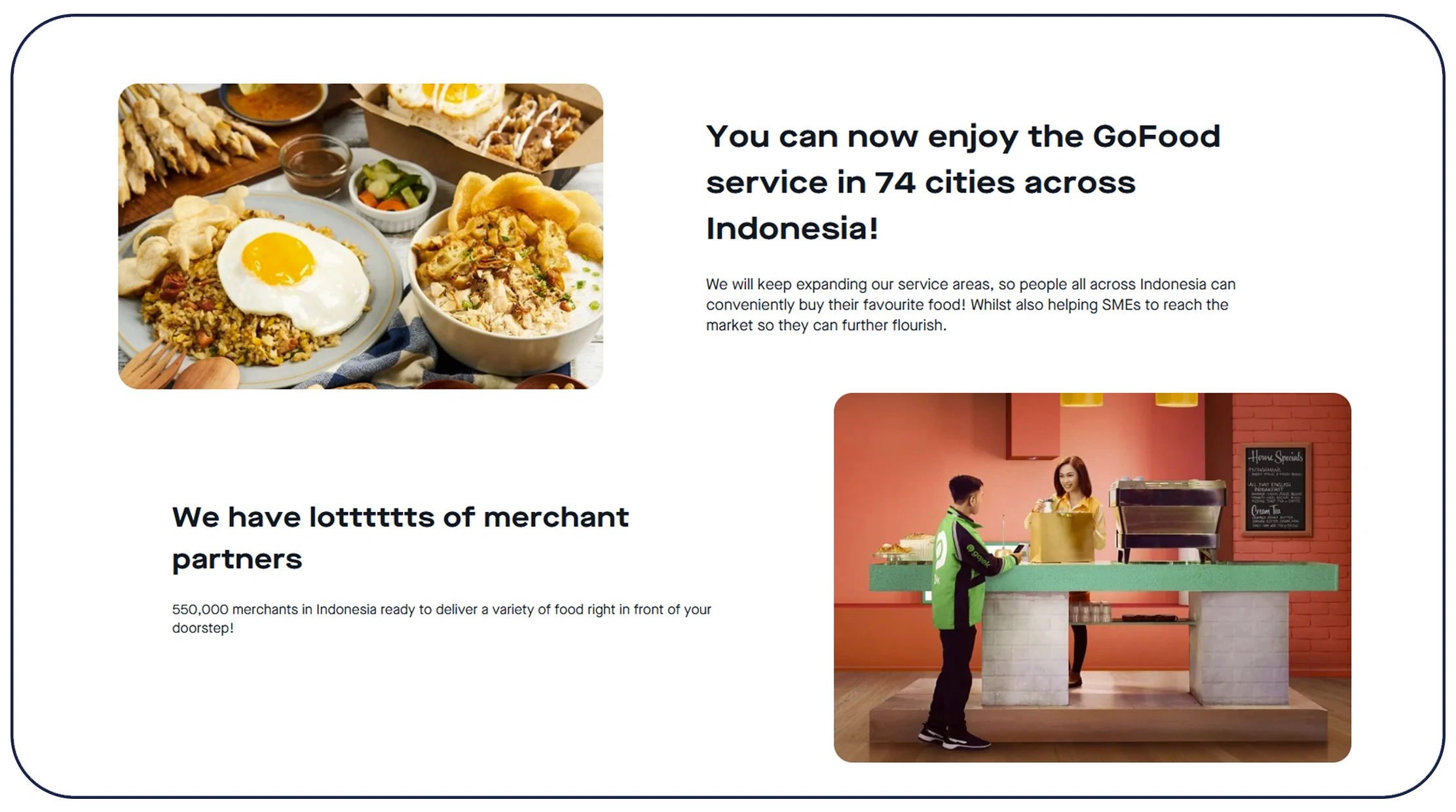
Super apps generate complex datasets spanning rides, deliveries, ratings, and promotions. Businesses that extract Gojek ride and food data gain a comprehensive view of consumer engagement patterns.
From 2020 to 2026, restaurants leveraging multi-service analytics improved campaign accuracy by 26%. For instance, tracking ride drop-off zones helped brands identify new high-demand delivery clusters.
| Data Type | Business Impact |
|---|---|
| Ride Drop Locations | Identifies new delivery hotspots |
| Food Order Frequency | Optimizes menu pricing |
| Customer Ratings | Improves service quality |
| Promo Usage | Refines discount strategies |
Cross-referencing ride activity with Market Research density enables restaurants to expand intelligently, optimize logistics, and improve marketing ROI. Integrated datasets also reveal customer behavior patterns, such as ordering food during ride waiting times or immediately after drop-offs.
Unlocking Super App Intelligence for Strategic Growth
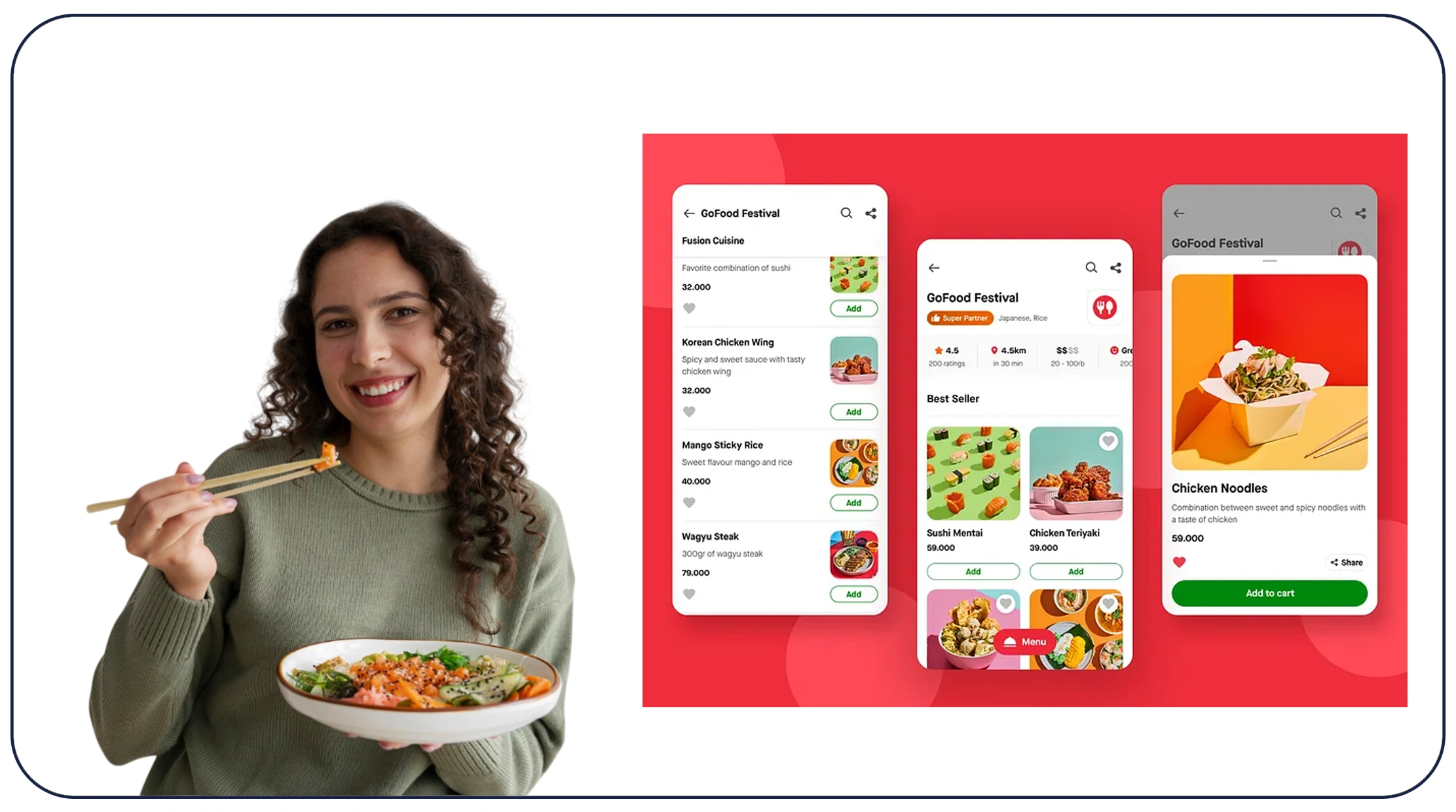
With Web Scraping Gojek super app data for business insights, companies can monitor competitor listings, pricing adjustments, delivery timelines, and promotional campaigns in real time.
Between 2021 and 2026, app-based food discounts increased by 39%, intensifying competition. Real-time tracking enables restaurants to benchmark pricing dynamically and avoid unnecessary margin cuts.
| Metric | 2021 | 2026 |
|---|---|---|
| Avg Discount Rate | 14% | 22% |
| Avg Delivery Time | 42 mins | 31 mins |
| App-Based Orders | 58% | 74% |
This intelligence supports smarter decision-making. For example, identifying competitors' flash sale patterns allows restaurants to counter strategically rather than react impulsively. Data-driven brands consistently outperform peers in pricing stability and customer retention.
Understanding Urban Demand Variations
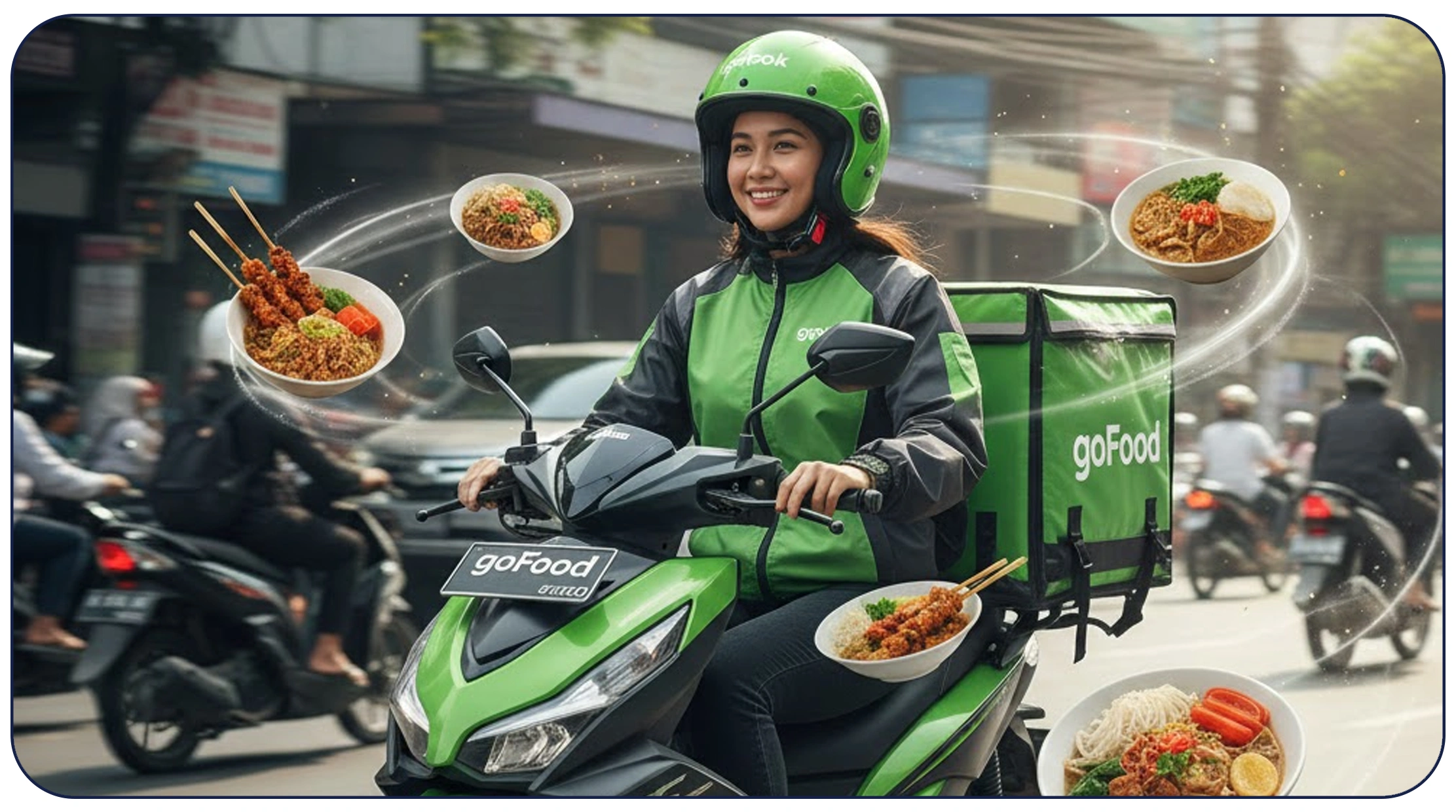
Demand differs significantly by city and neighborhood. Using a City-wise Gojek food delivery demand analysis Data scraper, businesses can track localized consumption trends from 2020–2026.
Urban centers experienced faster adoption of premium meal categories, while suburban zones showed stronger demand for value bundles.
| City Tier | Premium Meal Growth | Combo Meal Growth |
|---|---|---|
| Metro | +44% | +38% |
| Tier-2 | +27% | +49% |
| Emerging Urban | +19% | +53% |
Restaurants that aligned pricing and menu offerings with city-specific demand patterns improved order conversion rates by 21%. City-level insights also help identify underserved neighborhoods where strategic promotions can drive rapid expansion.
Monitoring Competitive Shifts in Real Time
Continuous Gojek food delivery and ride hailing services data extraction ensures brands stay ahead of fast-moving market shifts.
From 2020–2026, delivery-exclusive discounts grew by 41%, while surge-based dynamic pricing became more frequent during peak hours.
| Channel | Avg Price Variation |
|---|---|
| Dine-In vs Delivery | +11% |
| Surge Period Orders | +18% Basket Value |
| Flash Promotions | -24% Discount Avg |
By monitoring these patterns, restaurants can design data-backed dynamic pricing strategies. Real-time alerts about competitor menu updates or delivery fee changes allow businesses to adjust instantly. This proactive approach prevents revenue loss and enhances long-term profitability.
Building Predictive Food Growth Models
Using a scalable Food Datasets, businesses can aggregate historical datasets to build predictive models.
Between 2020 and 2026, brands using predictive analytics achieved 23% higher revenue growth compared to those relying on manual monitoring.
| KPI | Before Automation | After Automation |
|---|---|---|
| Pricing Accuracy | 69% | 93% |
| Promo Effectiveness | 52% | 78% |
| Customer Retention | 61% | 84% |
Predictive modeling enables forecasting of seasonal demand spikes, surge ride impacts, and campaign effectiveness. Restaurants can allocate budgets efficiently, optimize menus, and personalize offers for higher engagement.
Why Choose Real Data API?
Real Data API delivers scalable, reliable, and real-time Web Scraping API intelligence solutions tailored for the super app ecosystem. With advanced capabilities to Scrape Gojek ride demand and pricing analysis, we empower businesses to capture structured, actionable datasets across food and mobility services.
Our solutions ensure:
- High-accuracy data extraction
- Scalable infrastructure for large datasets
- Real-time dashboards and alerts
- Seamless API integration
- Customizable reporting for targeted strategies
From tracking ride surges to analyzing food demand clusters, Real Data API provides businesses with comprehensive insights needed to stay competitive in rapidly evolving digital marketplaces.
Conclusion
In today's super app economy, integrated mobility and food data create unmatched growth opportunities. Leveraging structured insights through a reliable Web Scraping API enables businesses to build powerful Food Dataset repositories for smarter Market Research and strategic expansion.
By transforming ride-hailing and food delivery data into actionable intelligence, brands can refine pricing, optimize promotions, and boost online orders sustainably.
Partner with Real Data API today and unlock the full potential of Gojek data to drive measurable restaurant growth!
Latest posts
Web Scraping Competitor Product Monitoring Using Marketplace Data for Real-Time E-commerce Insights and Business Growth?
How to Scrape Product Intelligence Platform Using Marketplace Data to Help Brands Optimize Pricing, Inventory, and Product Strategy?
Why Companies scrape business data from Google Maps using keywords to Build Accurate Business Lists and Competitive Insights?
How Review scraping and monitoring services Help Businesses Track Customer Sentiment and Protect Brand Reputation in 2026?
How Real Estate Investment Insights Using RERA Data Scraping Help Investors Minimize Risk and Maximize Returns

Real Data API stands out as one of the premier global companies specializing in web data Scraping and web extraction.





.png)


Rating 4.7
Rating 4.7
Rating 4.5
Rating 4.7
Rating 4.7


Disclaimer : RealData API functions solely as an independent data infrastructure and technology solutions provider. We build customized automation workflows designed to collect publicly accessible web data based exclusively on client instructions. RealData API neither owns proprietary datasets nor engages in the sale or redistribution of extracted information. Our operations are limited strictly to lawful public web data processing and never involve unauthorized access to restricted systems or private networks. Any company names, trademarks, logos, or brand references displayed on this website are used purely for demonstrative and illustrative purposes to showcase our technical capabilities and do not imply endorsement, partnership, or affiliation. Use of our platform and services remains subject to our Terms of Service.