Introduction
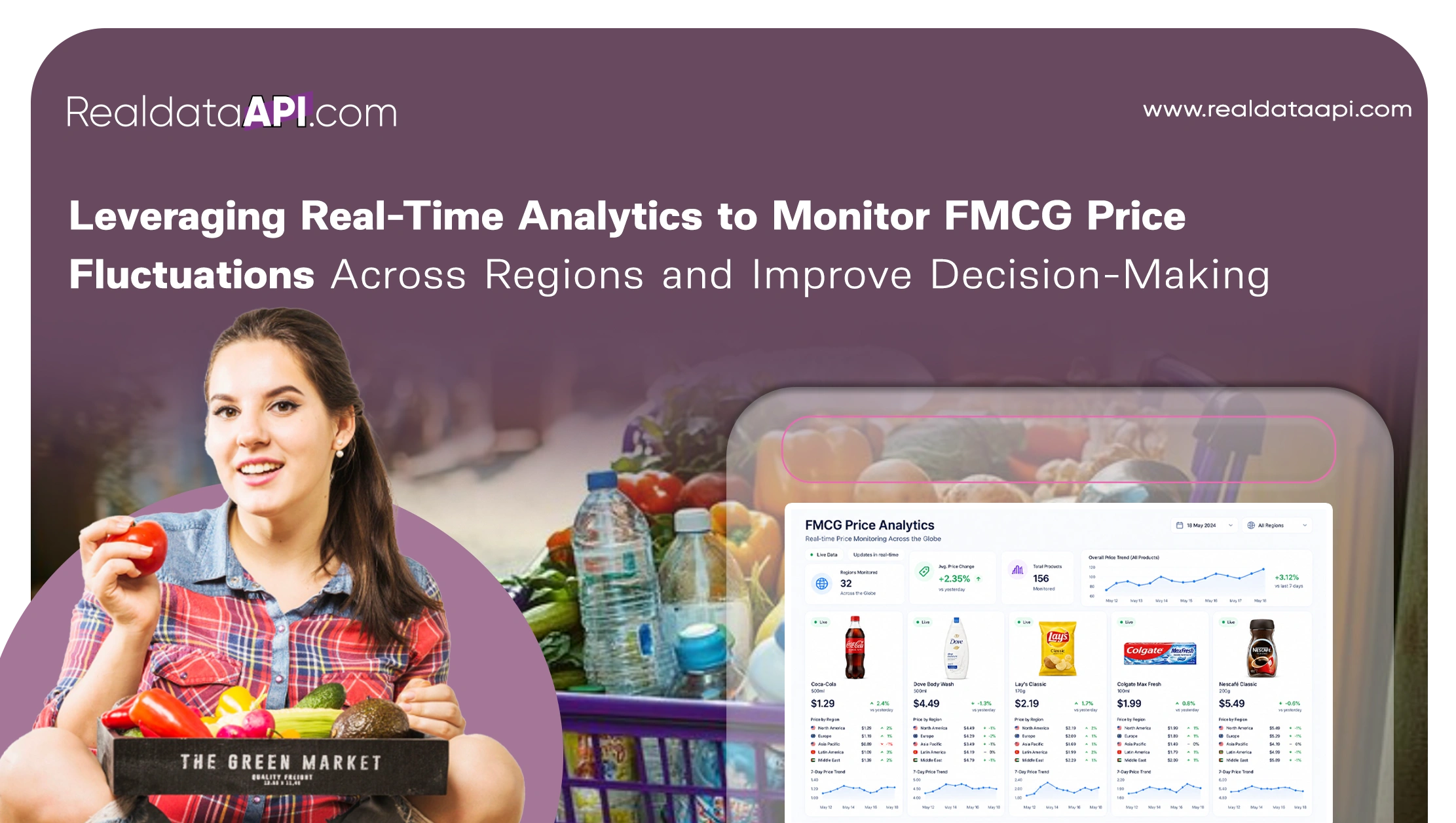
In today's fast-moving retail ecosystem, pricing is no longer static—it is dynamic, competitive, and highly localized. FMCG brands and retailers must constantly adapt to regional price shifts influenced by demand, supply chain disruptions, seasonal trends, and competitor strategies. This is where the ability to monitor FMCG price fluctuations across regions becomes a critical capability for businesses aiming to stay ahead.
With the rise of digital commerce platforms, quick commerce, and omnichannel retailing, companies now have access to massive volumes of pricing data. However, extracting meaningful insights from this data requires advanced tools and technologies. Leveraging a Food Data Scraping API, businesses can collect real-time pricing data across multiple geographies, enabling them to identify trends, optimize pricing strategies, and improve decision-making.
Real-time analytics empowers organizations to move from reactive to proactive strategies. Instead of responding to price changes after they occur, companies can predict trends, benchmark competitors, and adjust pricing dynamically. This not only enhances profitability but also strengthens customer trust and brand positioning in highly competitive markets.
Building Smarter Pricing Intelligence with Automation
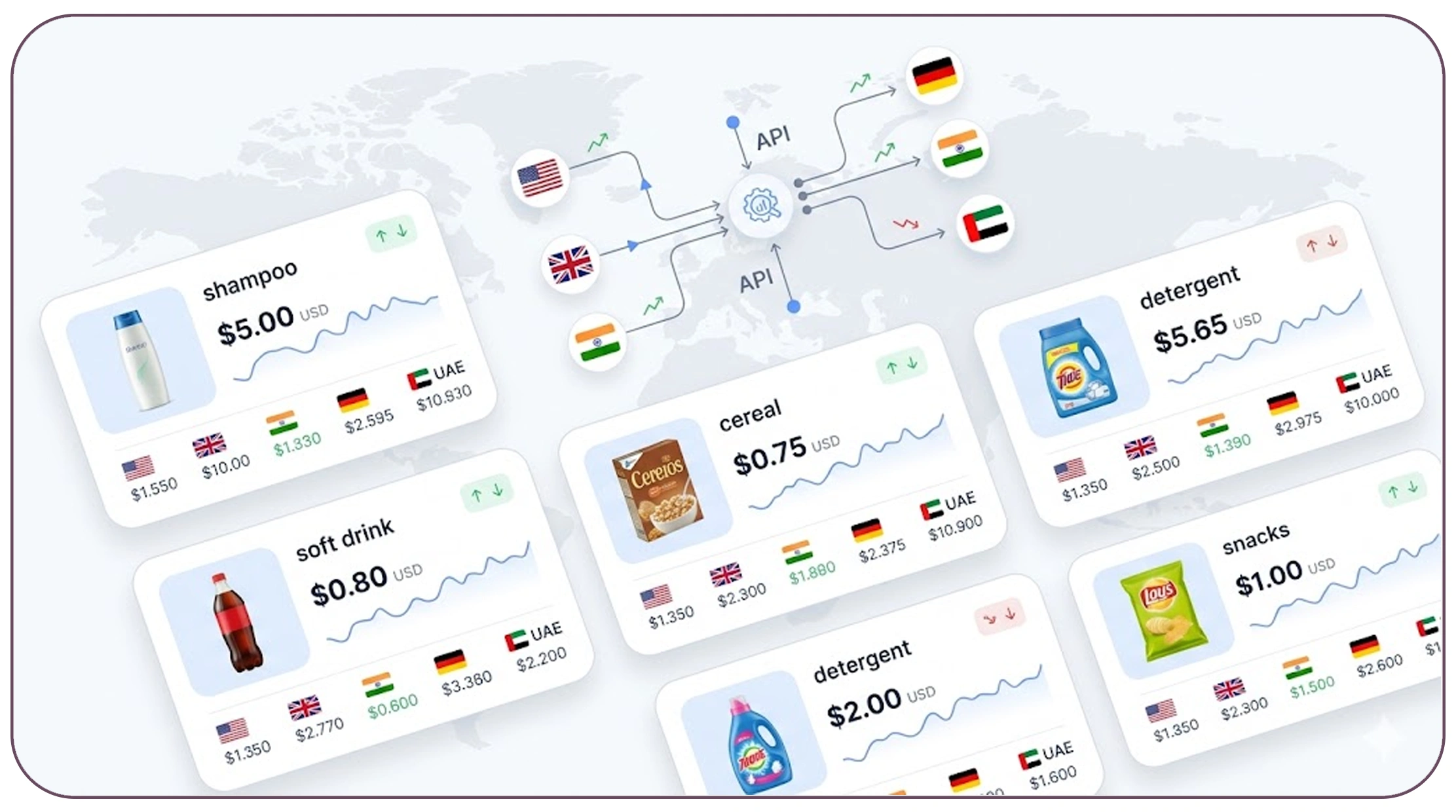
In a highly fragmented retail landscape, businesses need scalable systems to track pricing variations efficiently. Implementing automated FMCG price tracking across multiple regions allows companies to gather data from various online marketplaces, supermarkets, and quick commerce platforms simultaneously. This eliminates manual efforts and ensures consistent, accurate data collection.
Between 2020 and 2026, global FMCG eCommerce penetration has grown significantly, with online grocery sales increasing by over 35% in emerging markets. This surge has led to frequent price updates, making manual monitoring nearly impossible. Automation enables businesses to track thousands of SKUs in real time, ensuring no pricing shift goes unnoticed.
For example, a beverage brand operating in India, the UK, and the UAE may notice a 10–15% price variation for the same product across regions due to logistics costs and local demand. Automated systems can detect these discrepancies instantly, allowing brands to align pricing strategies or introduce region-specific promotions.
Moreover, automation improves data accuracy and reduces operational costs. Businesses can integrate these systems with dashboards to visualize trends, compare competitors, and make data-driven decisions faster than ever before.
Turning Regional Data into Strategic Insights
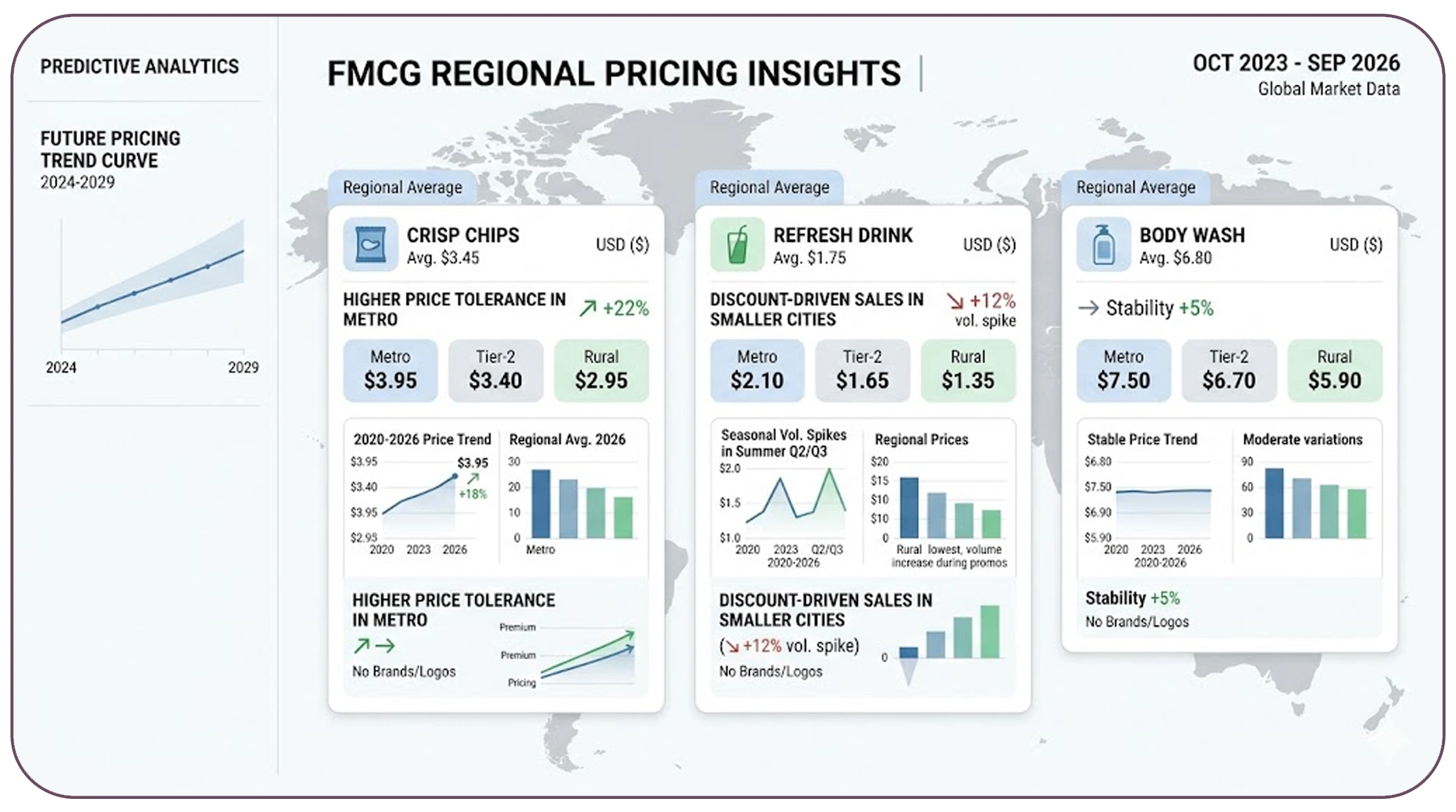
Understanding regional pricing differences is not just about collecting data—it's about transforming that data into actionable insights. Companies that analyze FMCG pricing trends across locations gain a deeper understanding of consumer behavior, purchasing power, and competitive dynamics.
From 2020 to 2026, studies indicate that localized pricing strategies have improved conversion rates by up to 20% in the FMCG sector. For instance, urban markets often exhibit higher price tolerance compared to rural regions, while promotional sensitivity varies across demographics. By analyzing pricing trends, businesses can tailor their strategies accordingly.
Consider a snack brand analyzing data across metro cities and tier-2 towns. The data may reveal that discounts drive higher sales in smaller cities, whereas premium pricing works better in metros due to brand perception. Such insights enable companies to optimize pricing, marketing campaigns, and inventory distribution.
Additionally, trend analysis helps identify long-term patterns such as seasonal demand spikes, festival-driven price increases, and inflation impacts. Businesses can use predictive analytics to forecast future pricing trends, ensuring they remain competitive while maximizing margins.
Identifying Price Shifts Before Competitors Do
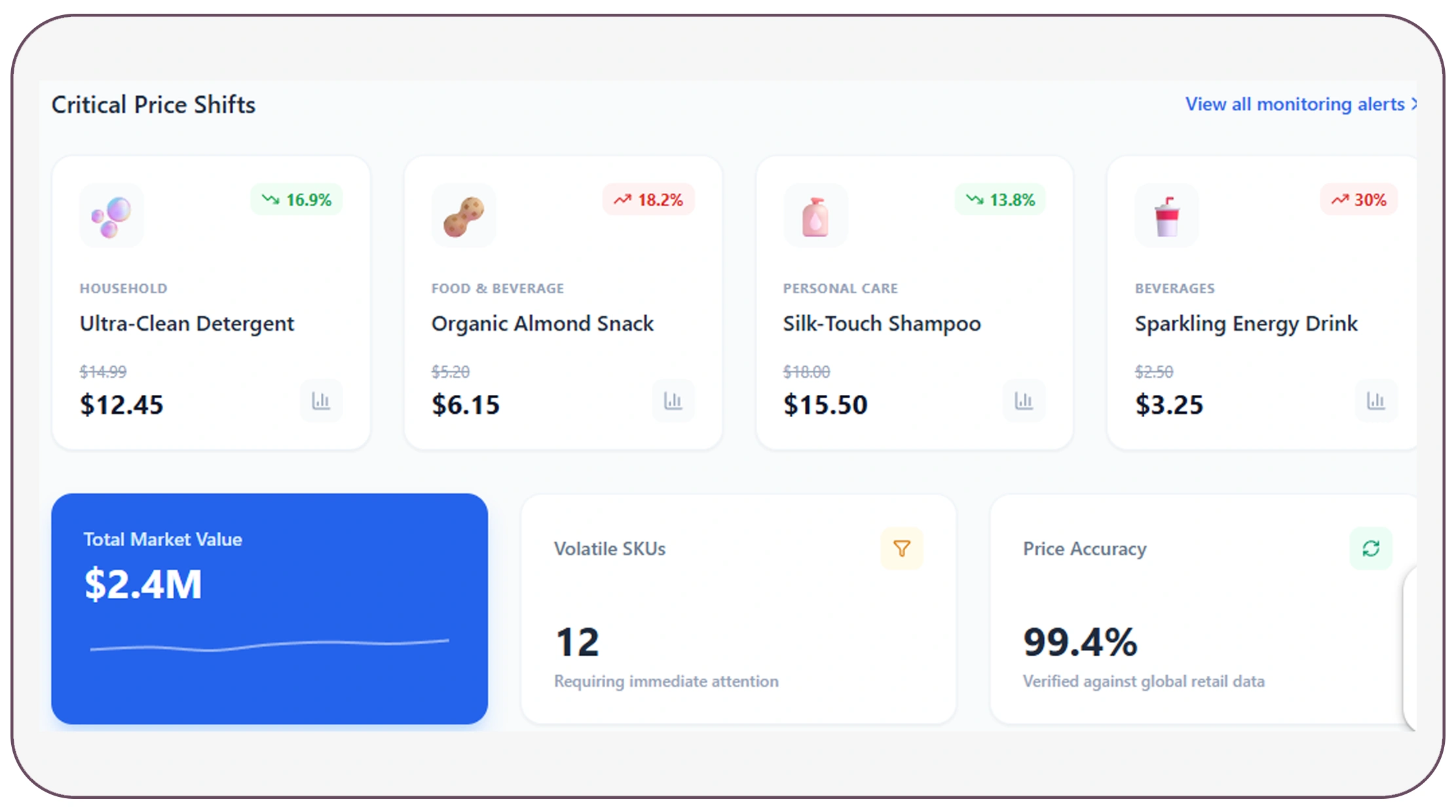
Speed is a decisive factor in today's competitive FMCG market. Companies that can detect price changes in FMCG products quickly gain a significant advantage. Real-time monitoring systems allow businesses to track competitor pricing, promotional offers, and stock availability across multiple platforms.
Between 2020 and 2026, the frequency of price updates in online grocery platforms has increased by nearly 50%, driven by dynamic pricing algorithms. This means that prices can change multiple times a day, especially during high-demand periods. Without real-time detection, businesses risk losing market share or profitability.
For example, if a competitor reduces the price of a popular product by 5%, a brand can immediately respond by adjusting its pricing or launching a targeted promotion. This ensures that customers do not switch brands due to price differences.
Real-time detection also helps in identifying pricing anomalies, such as sudden spikes or drops caused by supply chain disruptions or data errors. By addressing these issues promptly, businesses can maintain pricing consistency and avoid customer dissatisfaction.
Unlocking the Power of Web Scraping for Pricing Intelligence
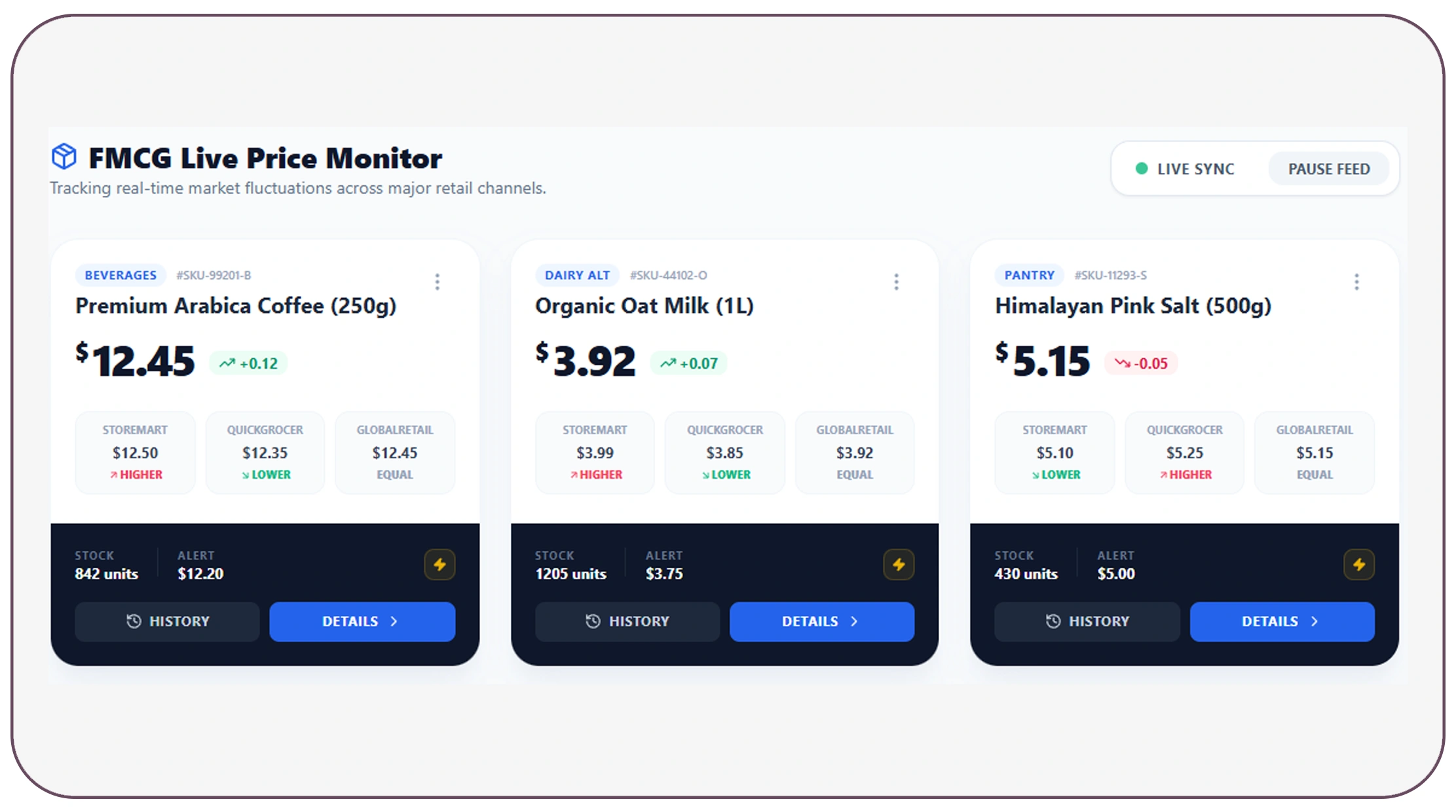
Modern data collection relies heavily on advanced technologies, and real-time FMCG price tracking using web scraping has emerged as a game-changer. Web scraping tools extract pricing data from eCommerce platforms, quick commerce apps, and retailer websites, providing businesses with a comprehensive view of the market.
From 2020 to 2026, the adoption of web scraping in retail analytics has grown by over 40%, driven by the need for real-time insights. These tools can collect data on product prices, discounts, stock availability, and customer reviews, enabling businesses to build robust pricing strategies.
For instance, a dairy brand can use web scraping to monitor milk prices across multiple online grocery platforms in different cities. By analyzing this data, the brand can identify regions with higher demand and adjust supply accordingly.
Web scraping also supports competitive benchmarking. Businesses can compare their pricing with competitors, identify gaps, and optimize their strategies to remain competitive. When combined with analytics tools, scraped data becomes a powerful asset for decision-making.
Enhancing Retail Intelligence with Advanced Data APIs
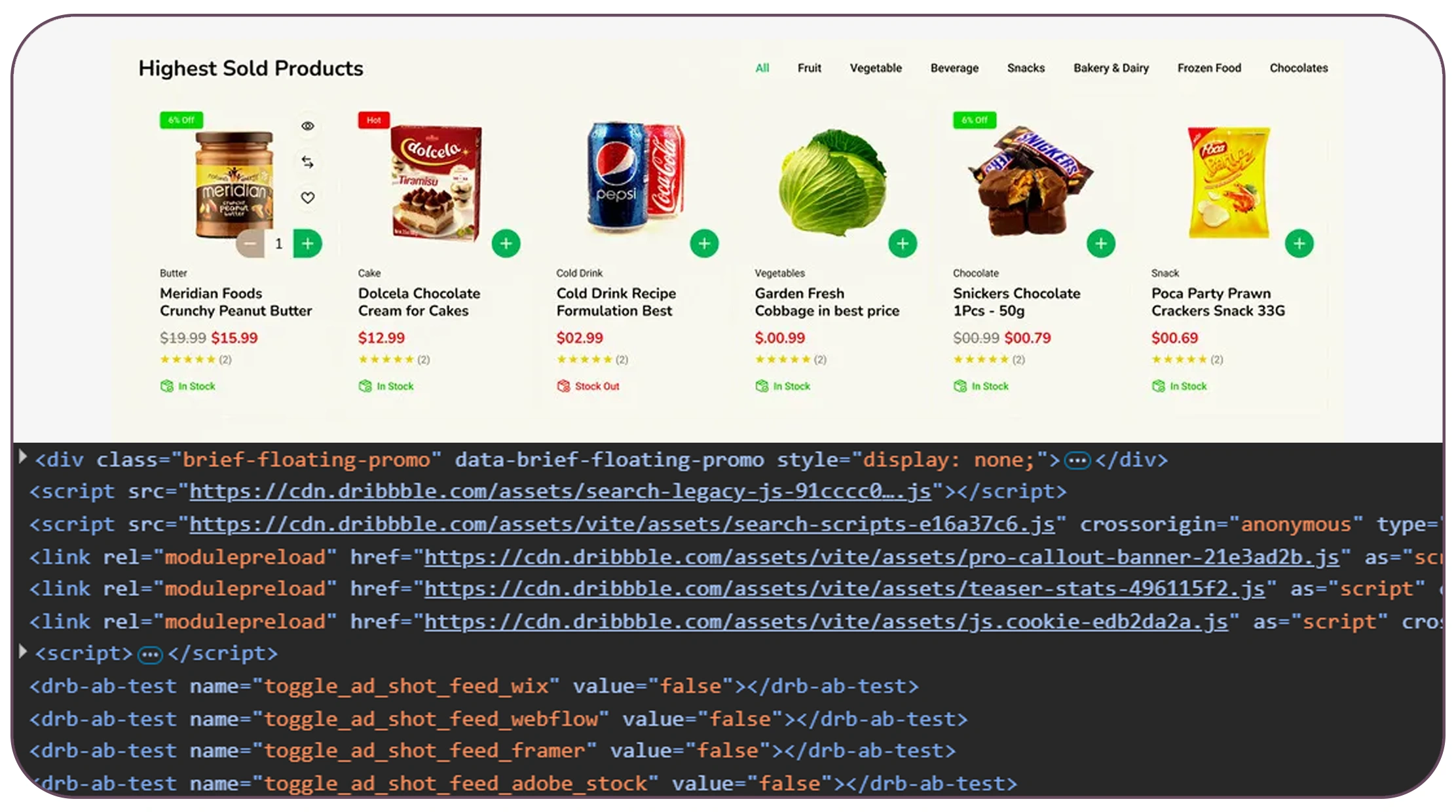
Data APIs play a crucial role in streamlining data collection and analysis. Leveraging a Grocery Data Scraping API allows businesses to access structured, real-time data from multiple sources without complex infrastructure.
Between 2020 and 2026, the use of APIs in retail analytics has increased significantly, with companies reporting up to 30% faster decision-making processes. APIs provide seamless integration with existing systems, enabling businesses to automate data workflows and improve efficiency.
For example, a retailer can integrate a Grocery Data Scraping API with its pricing dashboard to monitor competitor prices in real time. This allows the retailer to adjust pricing strategies instantly, ensuring competitiveness and profitability.
APIs also support scalability, allowing businesses to expand their data collection efforts as they grow. Whether tracking a few hundred products or thousands of SKUs, APIs ensure consistent performance and reliability.
Adapting to the Rise of Instant Delivery Platforms
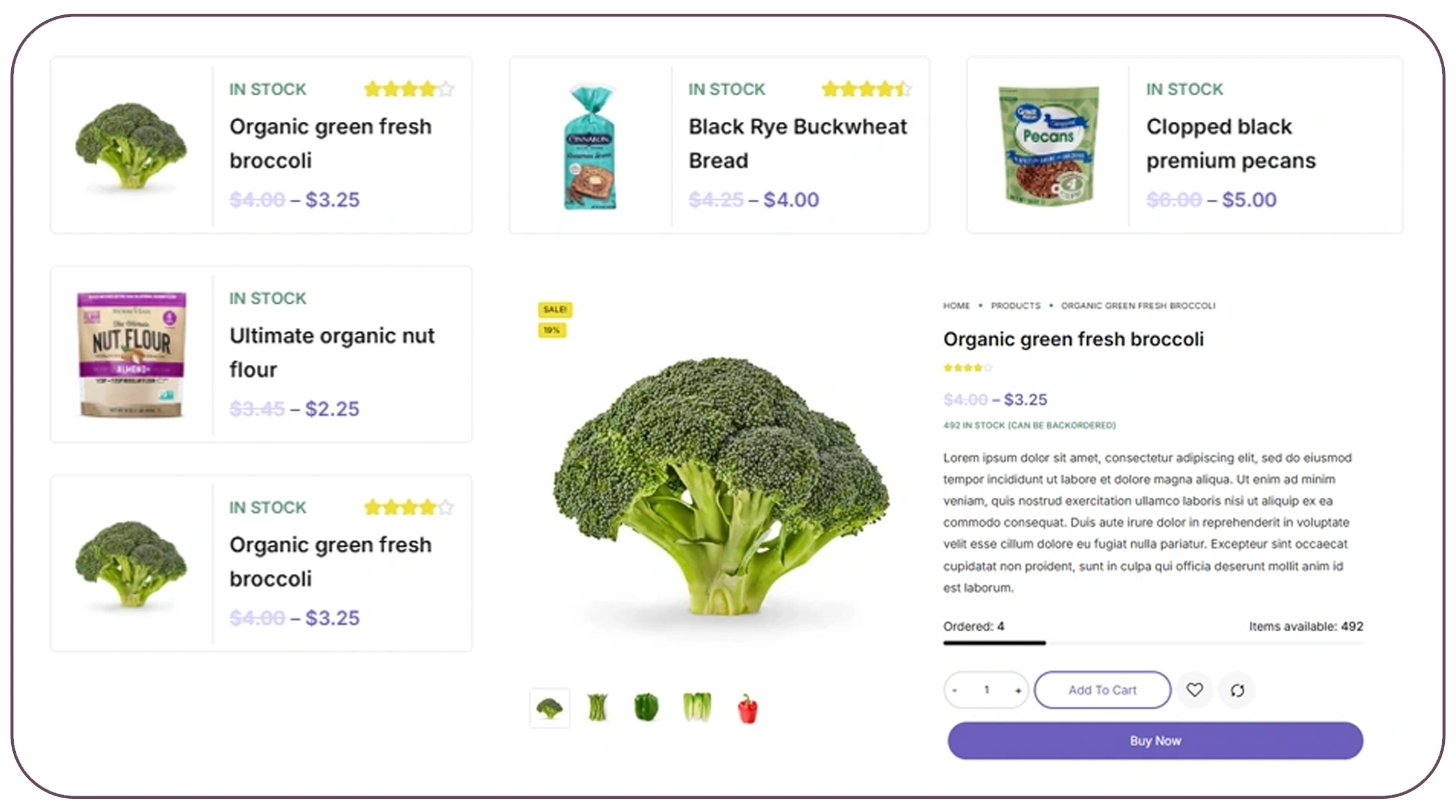
The rapid growth of quick commerce has introduced new challenges and opportunities for FMCG pricing. Leveraging a Quick Commerce Data Scraping API enables businesses to track pricing and availability on instant delivery platforms, which often have unique pricing dynamics.
From 2020 to 2026, quick commerce platforms have grown at an annual rate of over 25%, with consumers increasingly preferring instant delivery for daily essentials. These platforms frequently adjust prices based on demand, location, and delivery time, making real-time monitoring essential.
For instance, the price of a grocery item may vary significantly between a 10-minute delivery app and a traditional eCommerce platform. By analyzing this data, businesses can identify pricing gaps and optimize their strategies accordingly.
Quick commerce data also provides insights into consumer preferences, helping businesses tailor their product offerings and promotions. This ensures that they remain competitive in a rapidly evolving market.
Why Choose Real Data API?
In a data-driven world, having access to reliable and real-time information is essential for success. Real Data API provides advanced solutions for Market Research, monitor FMCG price fluctuations across regions, enabling businesses to make informed decisions with confidence.
With cutting-edge technology, Real Data API offers comprehensive data coverage across multiple regions, platforms, and product categories. Businesses can access accurate, up-to-date pricing data, ensuring they stay ahead of competitors.
The platform is designed for scalability and flexibility, making it suitable for startups, enterprises, and market research firms alike. By leveraging Real Data API, companies can streamline their data collection processes, reduce operational costs, and improve decision-making efficiency.
Moreover, Real Data API ensures data accuracy and reliability, which are critical for building effective pricing strategies. With real-time insights, businesses can respond quickly to market changes and maintain a competitive edge.
Conclusion
In an increasingly competitive FMCG landscape, the ability to monitor FMCG price fluctuations across regions is no longer optional—it is essential for survival and growth. Real-time analytics, powered by advanced data scraping technologies, enables businesses to track pricing trends, detect changes, and optimize strategies with precision.
By leveraging APIs and automation, companies can transform raw data into actionable insights, improving profitability and customer satisfaction. As the market continues to evolve, businesses that embrace data-driven decision-making will be better positioned to succeed.
Start leveraging Real Data API today to monitor FMCG price fluctuations across regions and unlock smarter, faster, and more profitable business decisions!
Latest posts
How Scrape Xiaohongshu Product Trends in Real Time Solves Product Discovery and Competitor Monitoring Challenges?
How to Scrape Taobao Product Data to Solve Pricing, Inventory, and Competitor Monitoring Challenges?
How to Extract grocery product listings Data from SPAR to Build Accurate Grocery Intelligence and Competitive Market Insights?
Scrape Douyin follower growth and engagement data to track influencer performance and trends






.png)