Introduction
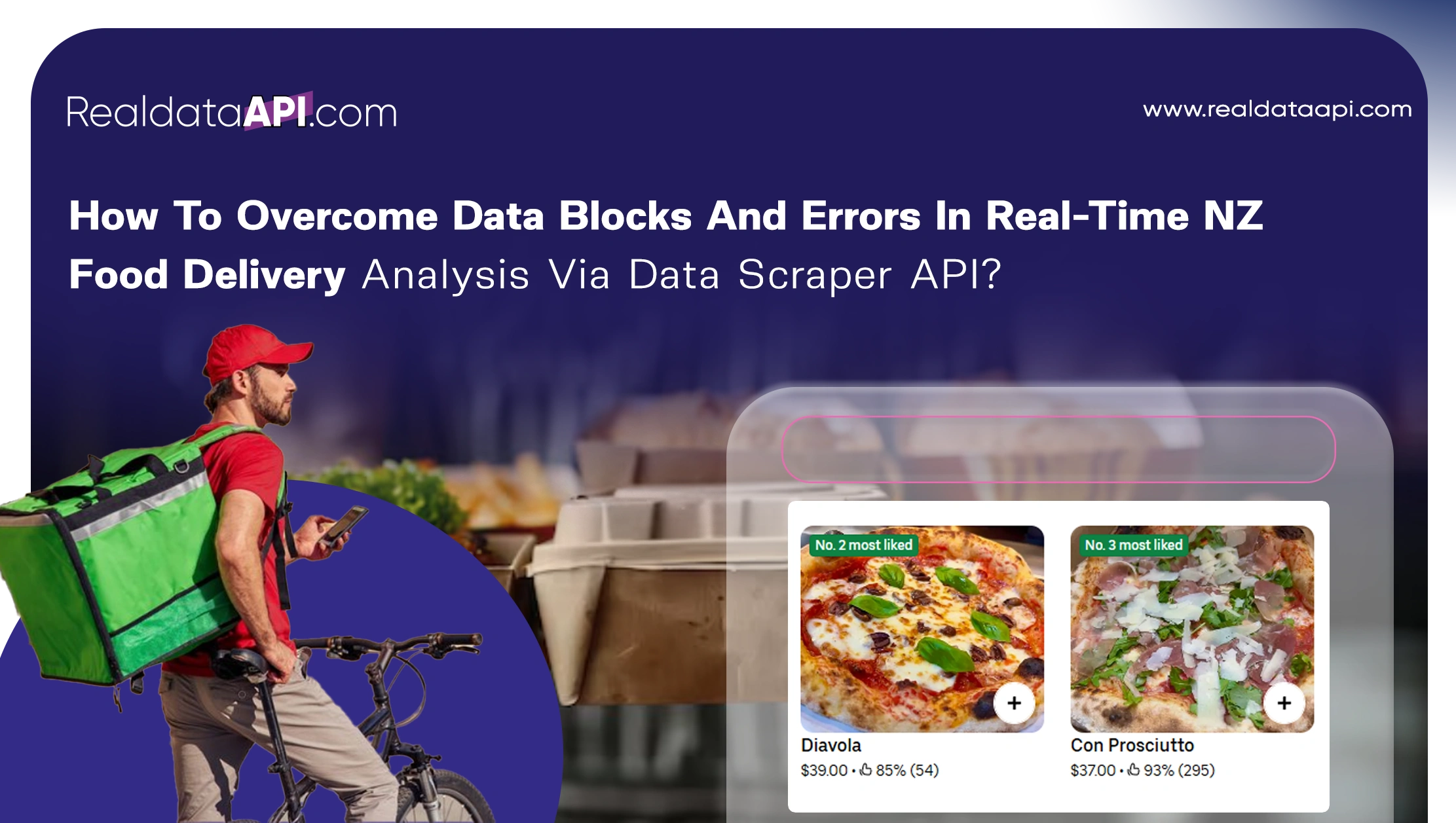
In today’s fast-growing food delivery ecosystem, real-time NZ food delivery analysis via data scraper API has become essential for businesses aiming to stay competitive. From tracking pricing fluctuations to monitoring restaurant performance, data plays a critical role in decision-making. However, extracting this data comes with significant challenges, including API rate limits, anti-bot mechanisms, inconsistent formats, and incomplete datasets.
This is where Food Data Scraping API solutions provide a major advantage. Instead of relying on manual extraction or unstable scraping scripts, modern APIs enable structured, scalable, and reliable access to food delivery data across multiple platforms. These solutions help businesses bypass restrictions, maintain data accuracy, and ensure continuous data flow.
With the increasing demand for real-time insights, companies must adopt advanced scraping strategies to overcome technical barriers. This blog explores how data scraper APIs help resolve common issues in food delivery analytics while delivering high-quality insights for better decision-making in New Zealand’s dynamic market.
Building Consistent Access to Market Trends
One of the biggest challenges in food delivery analytics is maintaining consistent access to evolving market trends. With web scraping New Zealand food delivery trends, businesses can track real-time changes in pricing, demand, and customer preferences across multiple platforms.
Between 2020 and 2026, the New Zealand food delivery market has expanded significantly:
| Year | Market Size (NZD Billion) | Growth Rate |
|---|---|---|
| 2020 | 1.2 | +10% |
| 2021 | 1.5 | +25% |
| 2022 | 1.8 | +20% |
| 2023 | 2.0 | +11% |
| 2024 | 2.3 | +15% |
| 2025 | 2.6 | +13% |
| 2026* | 3.0 | +15% |
This rapid growth increases the complexity of data collection. Frequent updates, new restaurant listings, and changing menus require continuous monitoring.
Advanced scraping APIs address these challenges by:
- Providing real-time updates on listings
- Tracking menu and pricing changes
- Aggregating data from multiple sources
- Ensuring uninterrupted data pipelines
With consistent access to trend data, businesses can better understand market dynamics, predict demand, and optimize their strategies.
Managing Complex Menu and Restaurant Data
Food delivery platforms contain vast amounts of structured and unstructured data. Efficiently extracting restaurant and menu data from NZ food delivery apps is critical for gaining actionable insights.
Data complexity has increased over time:
| Year | Avg Menu Items per Platform | Restaurants Listed |
|---|---|---|
| 2020 | 80 | 5,000 |
| 2022 | 120 | 8,500 |
| 2024 | 160 | 12,000 |
| 2026 | 220 | 18,000 |
Handling such volumes requires advanced parsing and normalization techniques. Challenges include:
- Dynamic menus that change frequently
- Multiple pricing tiers and discounts
- Variations in cuisine categories
- Inconsistent data formats across platforms
Data scraper APIs solve these issues by:
- Structuring raw data into standardized formats
- Continuously updating menu information
- Eliminating duplicates and inconsistencies
This enables businesses to maintain accurate and up-to-date datasets, which are essential for competitive analysis and pricing strategies.
Turning Raw Data into Competitive Intelligence
Raw food delivery data becomes valuable only when transformed into actionable insights. The ability to Scrape New Zealand restaurant trend analysis allows businesses to identify patterns and make informed decisions.
Key trend insights growth (2020–2026):
| Insight Type | Usage Growth |
|---|---|
| Pricing Analysis | +60% |
| Demand Forecasting | +55% |
| Cuisine Trends | +70% |
| Customer Behavior | +65% |
With structured data, companies can:
- Identify top-performing cuisines
- Track seasonal demand fluctuations
- Analyze competitor pricing strategies
- Optimize delivery zones and offerings
Data scraper APIs enhance this process by:
- Cleaning and validating datasets
- Enriching data with additional attributes
- Providing real-time analytics capabilities
This transformation helps businesses move from reactive decisions to proactive strategies, ensuring long-term success in the competitive food delivery market.
Gaining Deeper Insights into Consumer Behavior
Understanding customer preferences is essential for success in food delivery. Access to New Zealand food delivery insights enables businesses to tailor their offerings and improve customer satisfaction.
Consumer behavior trends:
| Year | Avg Order Value (NZD) | Orders per User/Month |
|---|---|---|
| 2020 | 25 | 3 |
| 2022 | 30 | 4 |
| 2024 | 34 | 5 |
| 2026 | 38 | 6 |
These trends show increasing engagement and spending, making accurate data even more critical.
With real-time insights, businesses can:
- Personalize menu recommendations
- Adjust pricing based on demand
- Improve delivery efficiency
- Enhance customer experience
Scraping APIs ensure that insights remain fresh and reliable, enabling businesses to adapt quickly to changing consumer behavior.
Creating Reliable Data Foundations for Analytics
A well-structured Food Dataset is the foundation of effective analytics. Without accurate and complete datasets, insights can be misleading.
Dataset improvements (2020–2026):
| Metric | 2020 | 2026 |
|---|---|---|
| Data Accuracy | 70% | 94% |
| Completeness | 65% | 90% |
| Update Frequency | Weekly | Real-time |
Key dataset components include:
- Restaurant details
- Menu items and pricing
- Customer ratings and reviews
- Delivery times and fees
Data scraper APIs enhance dataset quality by:
- Continuously updating information
- Removing duplicates
- Standardizing formats across platforms
Reliable datasets enable:
- Accurate forecasting models
- Better pricing strategies
- Improved operational efficiency
This ensures that businesses can confidently rely on their analytics for decision-making.
Adapting to Dynamic Market Conditions
The food delivery market is highly dynamic, requiring flexible solutions. A robust Web Scraping API allows businesses to adapt to rapid changes in pricing, availability, and demand.
Market volatility trends:
| Year | Price Volatility Index |
|---|---|
| 2020 | Low |
| 2021 | High |
| 2023 | Medium |
| 2026 | High |
Dynamic data capabilities enable:
- Real-time pricing adjustments
- Monitoring competitor strategies
- Identifying demand spikes
- Optimizing delivery operations
Advanced APIs provide:
- Scalable infrastructure
- High success rate against blocks
- Real-time data delivery
- Seamless integration with analytics tools
By adapting quickly to market conditions, businesses can maintain a competitive edge and maximize profitability.
Why Choose Real Data API?
When it comes to Web Scraping Services, real-time NZ food delivery analysis via data scraper API, Real Data API offers a powerful and reliable solution tailored for modern data challenges.
Key advantages include:
- Advanced anti-bot bypass technology
- Real-time and structured data delivery
- Scalable solutions for large datasets
- High sucess rate with minimal downtime
- Clean, accurate, and ready-to-use data
Real Data API enables businesses to:
- Overcome data blocks and errors
- Access comprehensive food delivery insights
- Streamline data collection processes
- Focus on analytics rather than extraction
With enterprise-grade infrastructure, it ensures consistent performance even in complex environments.
Conclusion
In a rapidly evolving market, real-time NZ food delivery analysis via data scraper API is essential for overcoming data blocks, eliminating errors, and ensuring accurate insights. Businesses that leverage advanced scraping technologies can unlock valuable data, improve decision-making, and stay ahead of competitors.
By adopting scalable APIs and automation, organizations can transform raw food delivery data into actionable intelligence and drive growth.
Start leveraging Real Data API today to unlock seamless, real-time food delivery insights and stay ahead in the competitive NZ market.
Latest posts

Web Scraping Competitor Product Monitoring Using Marketplace Data for Real-Time E-commerce Insights and Business Growth?
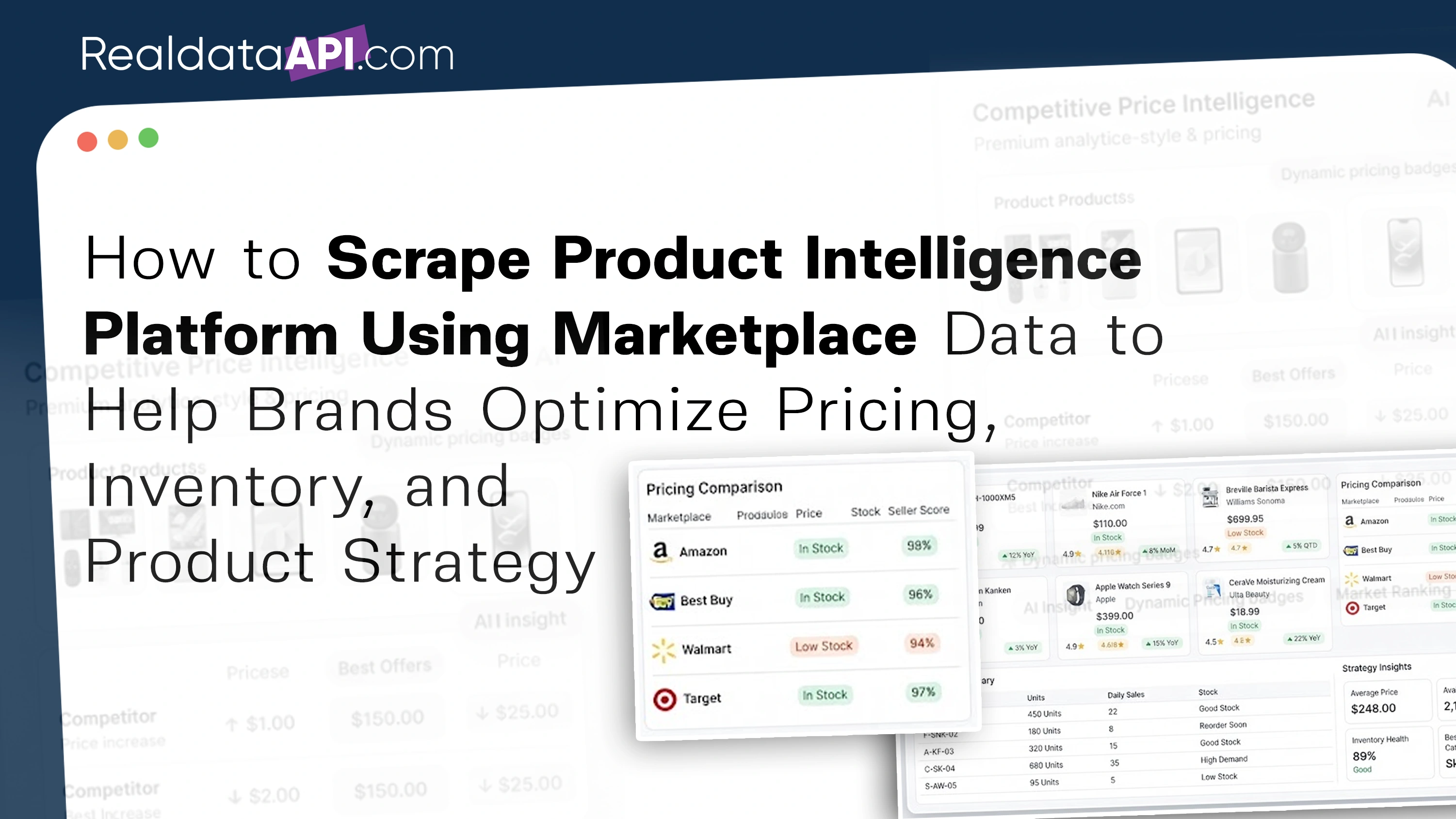
How to Scrape Product Intelligence Platform Using Marketplace Data to Help Brands Optimize Pricing, Inventory, and Product Strategy?
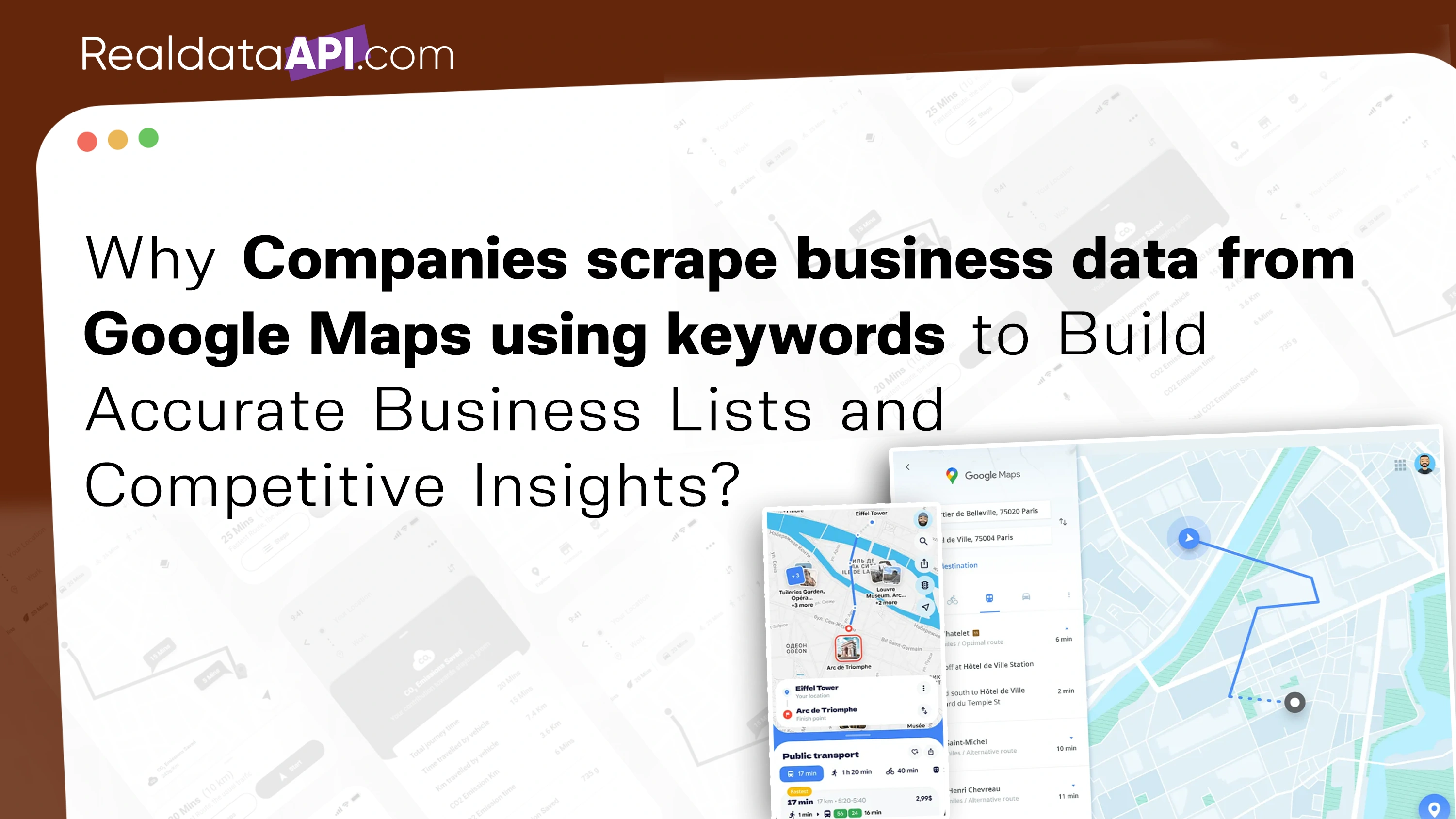
Why Companies scrape business data from Google Maps using keywords to Build Accurate Business Lists and Competitive Insights?
How Review scraping and monitoring services Help Businesses Track Customer Sentiment and Protect Brand Reputation in 2026?
How Real Estate Investment Insights Using RERA Data Scraping Help Investors Minimize Risk and Maximize Returns

Real Data API stands out as one of the premier global companies specializing in web data Scraping and web extraction.





.png)


Rating 4.7
Rating 4.7
Rating 4.5
Rating 4.7
Rating 4.7


Disclaimer : RealData API functions solely as an independent data infrastructure and technology solutions provider. We build customized automation workflows designed to collect publicly accessible web data based exclusively on client instructions. RealData API neither owns proprietary datasets nor engages in the sale or redistribution of extracted information. Our operations are limited strictly to lawful public web data processing and never involve unauthorized access to restricted systems or private networks. Any company names, trademarks, logos, or brand references displayed on this website are used purely for demonstrative and illustrative purposes to showcase our technical capabilities and do not imply endorsement, partnership, or affiliation. Use of our platform and services remains subject to our Terms of Service.