Introduction
The global retail and eCommerce ecosystem has become increasingly dynamic, requiring businesses to maintain accurate visibility into inventory levels, stock availability, and supply chain disruptions. Rapid shifts in consumer demand, marketplace competition, and omnichannel retail expansion have made inventory intelligence a critical business priority. As a result, companies now actively track out-of-stock and inventory changes using web scraping technologies to gain real-time insights into product availability, competitor stock movements, and retail demand trends.
Inventory-related disruptions can significantly affect sales performance, customer satisfaction, and operational efficiency. Businesses that lack real-time inventory visibility often face stock shortages, overstocking problems, missed sales opportunities, and delayed supply chain responses.
To solve these challenges, organizations increasingly use automated scraping systems and APIs that collect inventory intelligence directly from eCommerce platforms and online marketplaces. The Top Ecommerce Scraping API Use Cases now include stock availability monitoring, SKU-level tracking, demand forecasting, product assortment analysis, warehouse optimization, and competitive inventory intelligence.
Between 2020 and 2026, the adoption of automated inventory monitoring technologies has grown rapidly across retail, logistics, supply chain, and marketplace analytics sectors. This blog explores how brands leverage web scraping to improve supply chain visibility and optimize inventory management strategies.
Inventory Intelligence Supporting Smarter Supply Chain Decisions
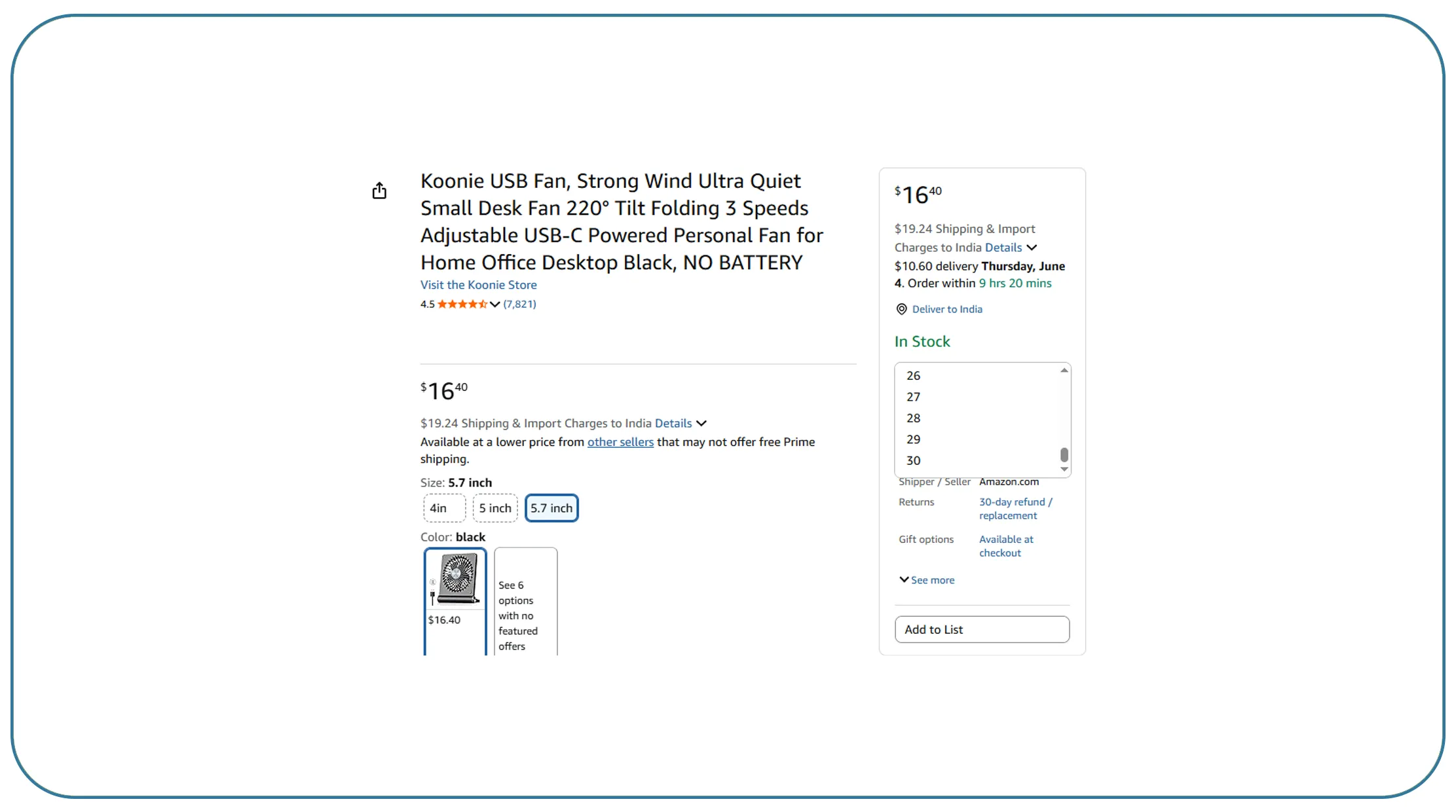
Modern supply chains rely heavily on accurate inventory visibility across multiple retail channels, warehouses, and distribution systems. Businesses need continuous access to stock movement data to optimize replenishment planning and prevent operational bottlenecks.
Organizations increasingly build inventory tracking systems using scraped data to automate inventory monitoring across marketplaces and retail websites. These systems help brands detect out-of-stock events, identify restocking patterns, and monitor product availability changes in real time.
| Year | Businesses Using Inventory Monitoring | Automated Tracking Adoption |
|---|---|---|
| 2020 | 24% | 18% |
| 2021 | 33% | 27% |
| 2022 | 45% | 39% |
| 2023 | 58% | 53% |
| 2024 | 69% | 66% |
| 2025 | 79% | 76% |
| 2026 | 88% | 85% |
Automated inventory intelligence enables businesses to:
- Detect low-stock situations quickly
- Improve warehouse planning
- Forecast product demand accurately
- Prevent stockouts
- Reduce overstocking risks
- Enhance supplier coordination
Retailers and brands using automated inventory tracking systems gain stronger operational control and can respond faster to changing market conditions. Real-time inventory intelligence also improves customer experience by ensuring better product availability and faster fulfillment.
As global retail competition intensifies, inventory visibility becomes increasingly important for maintaining supply chain resilience and operational efficiency.
SKU-Level Visibility Across Competitive Retail Ecosystems
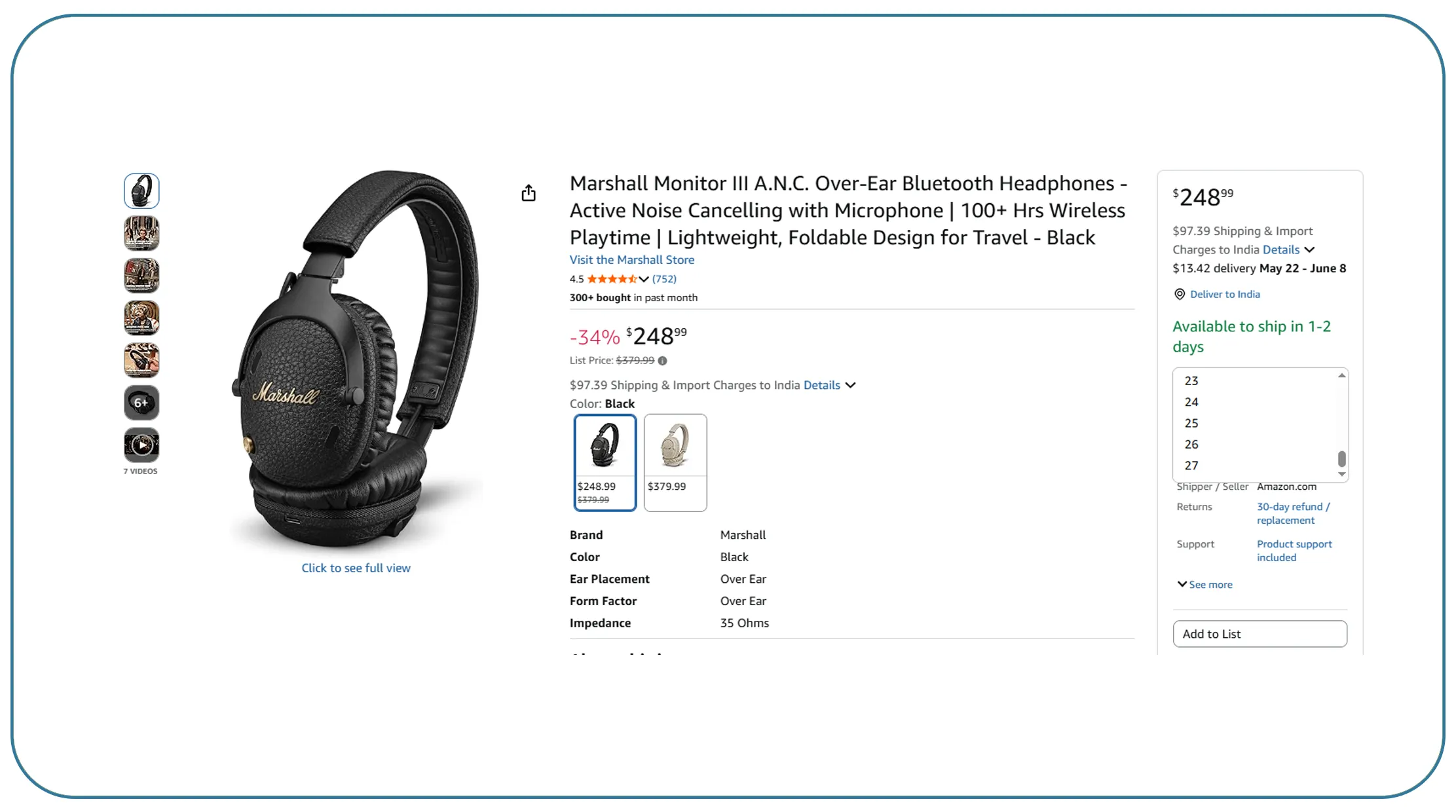
Large retailers and marketplaces often manage millions of individual SKUs that experience continuous inventory fluctuations. Monitoring these changes manually is nearly impossible, especially across multiple eCommerce platforms and geographic regions.
Businesses increasingly Scrape SKU-level inventory fluctuations across retailers to gain granular insights into stock movement patterns, competitor inventory behavior, and product demand trends.
Inventory Tracking Adoption Trends (2020–2026)
| Year | SKU-Level Monitoring Adoption | Retailers Using Automated Tracking |
|---|---|---|
| 2020 | 21% | 26% |
| 2021 | 31% | 38% |
| 2022 | 44% | 51% |
| 2023 | 56% | 64% |
| 2024 | 68% | 76% |
| 2025 | 79% | 84% |
| 2026 | 89% | 92% |
SKU-level inventory intelligence helps businesses:
- Monitor fast-selling products
- Detect regional inventory shortages
- Identify high-demand items
- Analyze competitor stock turnover
- Improve replenishment strategies
- Optimize assortment planning
Detailed SKU-level visibility enables supply chain teams to make more accurate inventory decisions based on actual marketplace demand signals. Businesses can also identify which products experience frequent stockouts and prioritize replenishment accordingly.
As product catalogs continue expanding, automated SKU monitoring has become an essential component of modern retail analytics and supply chain optimization.
Large-Scale Product Availability Monitoring Across Online Retail Channels
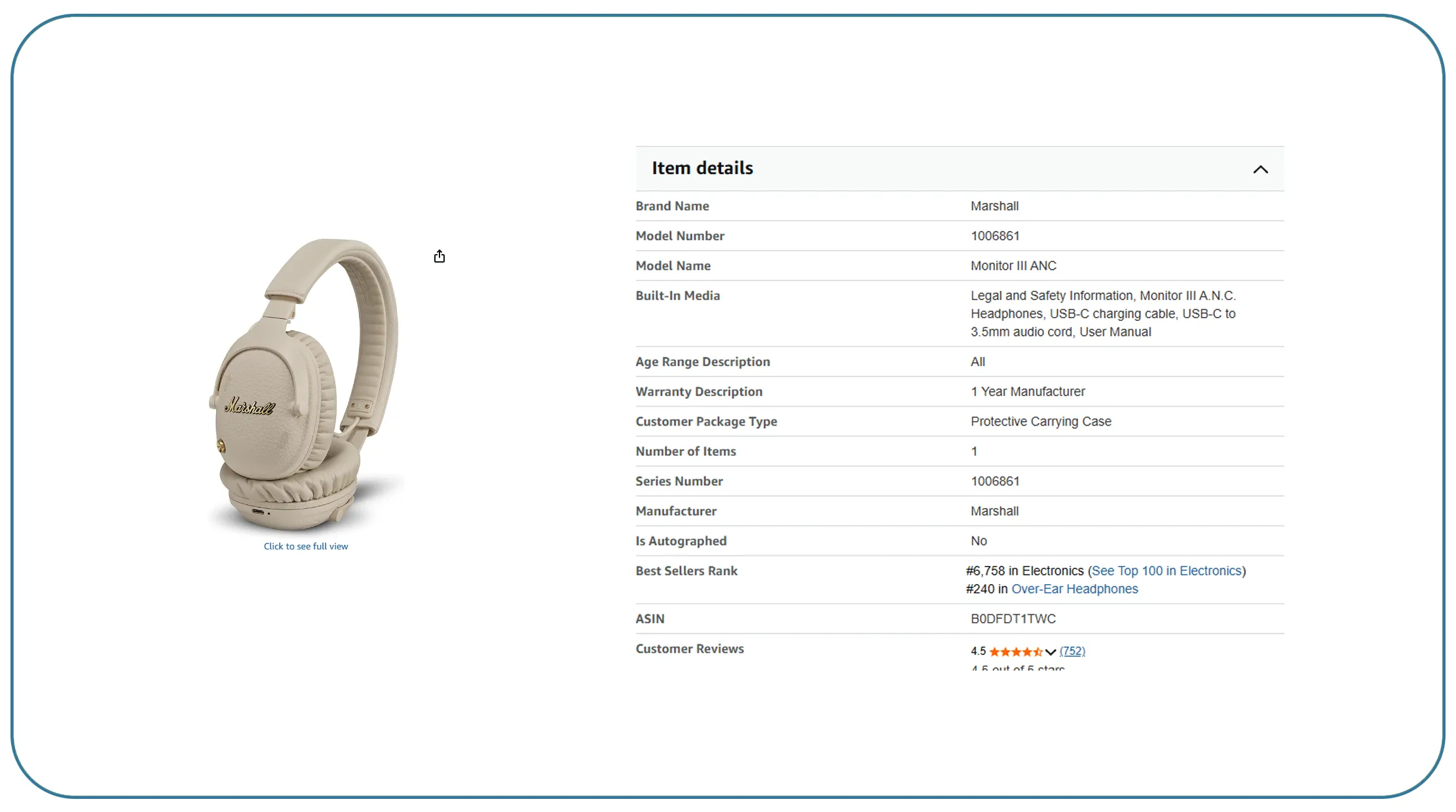
Online marketplaces continuously update stock availability due to changing demand, supplier delays, promotional campaigns, and seasonal shopping patterns. Businesses therefore require scalable solutions to monitor product availability across thousands of listings simultaneously.
Organizations increasingly Extract stock availability from ecommerce websites at scale to improve inventory forecasting and supply chain responsiveness.
SKU Monitoring Growth Statistics (2020–2026)
| Year | Businesses Monitoring Stock Availability | Real-Time Availability Tracking |
|---|---|---|
| 2020 | 27% | 19% |
| 2021 | 39% | 31% |
| 2022 | 51% | 45% |
| 2023 | 63% | 59% |
| 2024 | 74% | 71% |
| 2025 | 84% | 82% |
| 2026 | 92% | 91% |
Large-scale availability monitoring helps organizations:
- Identify out-of-stock products instantly
- Detect restocking activity
- Analyze inventory velocity
- Improve procurement planning
- Support dynamic pricing strategies
- Reduce fulfillment disruptions
Retailers using automated stock monitoring systems can improve operational efficiency while minimizing lost sales opportunities caused by unavailable products.
These insights are especially valuable during seasonal shopping events, flash sales, and high-demand product launches when inventory fluctuations occur rapidly across marketplaces.
Continuous Visibility Driving Real-Time Retail Intelligence
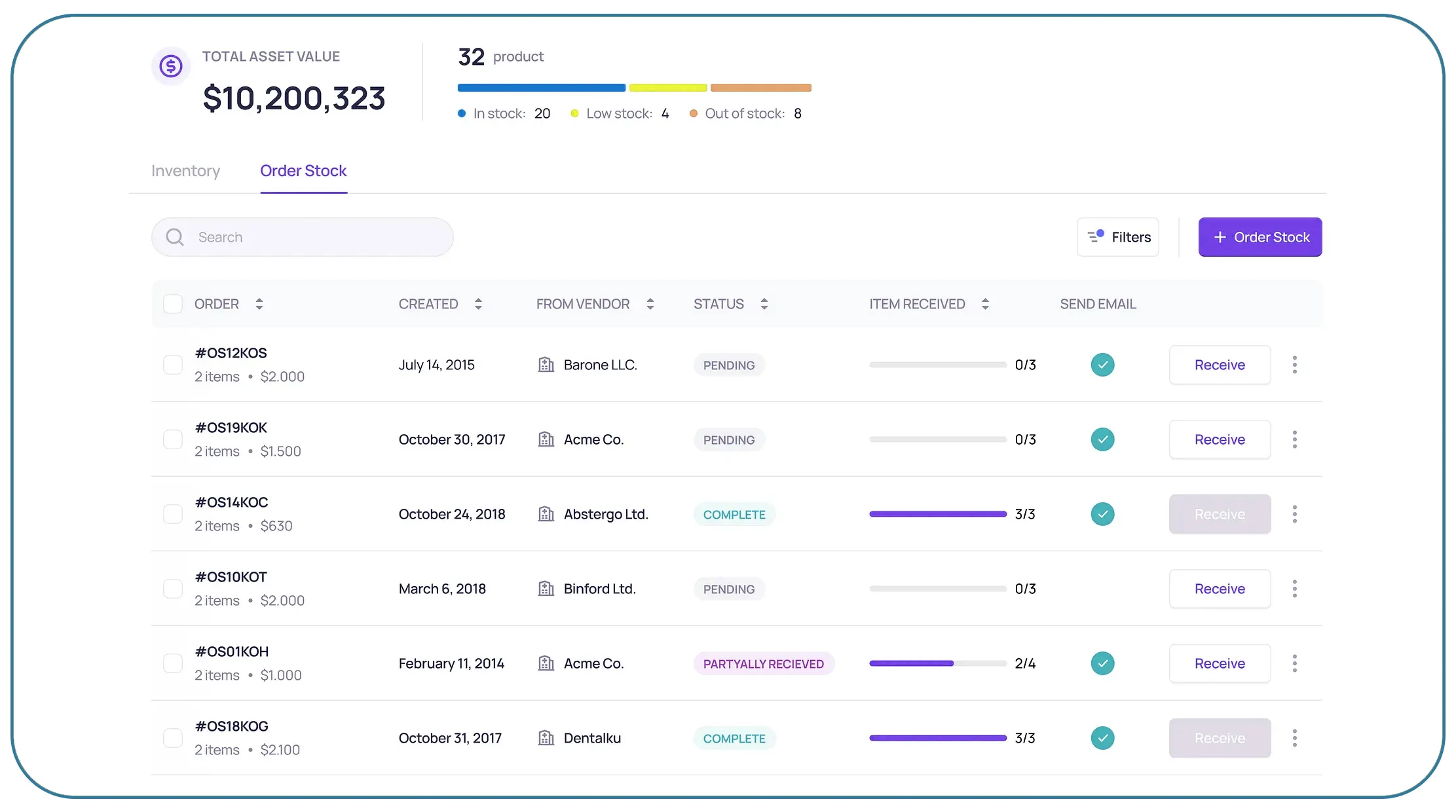
Modern retail environments demand continuous monitoring of inventory levels and stock changes to support agile decision-making. Businesses now depend heavily on real-time inventory monitoring for ecommerce websites to maintain visibility into rapidly changing retail conditions.
Real-time monitoring systems continuously track product availability and inventory updates across online stores, marketplaces, and third-party seller platforms.
Product Availability Monitoring Trends (2020–2026)
| Year | Real-Time Monitoring Usage | Automated Retail Visibility |
|---|---|---|
| 2020 | 23% | 21% |
| 2021 | 35% | 33% |
| 2022 | 49% | 47% |
| 2023 | 62% | 61% |
| 2024 | 74% | 73% |
| 2025 | 85% | 84% |
| 2026 | 93% | 92% |
Real-time inventory intelligence enables businesses to:
- Respond quickly to stock shortages
- Improve supply chain coordination
- Optimize inventory replenishment
- Monitor competitor inventory behavior
- Enhance customer satisfaction
- Improve fulfillment performance
Continuous inventory monitoring also supports predictive analytics by providing fresh marketplace signals that improve demand forecasting and inventory planning models.
As eCommerce continues evolving toward faster fulfillment and omnichannel experiences, real-time inventory visibility becomes increasingly essential for operational success.
API-Based Automation Supporting Scalable Retail Monitoring
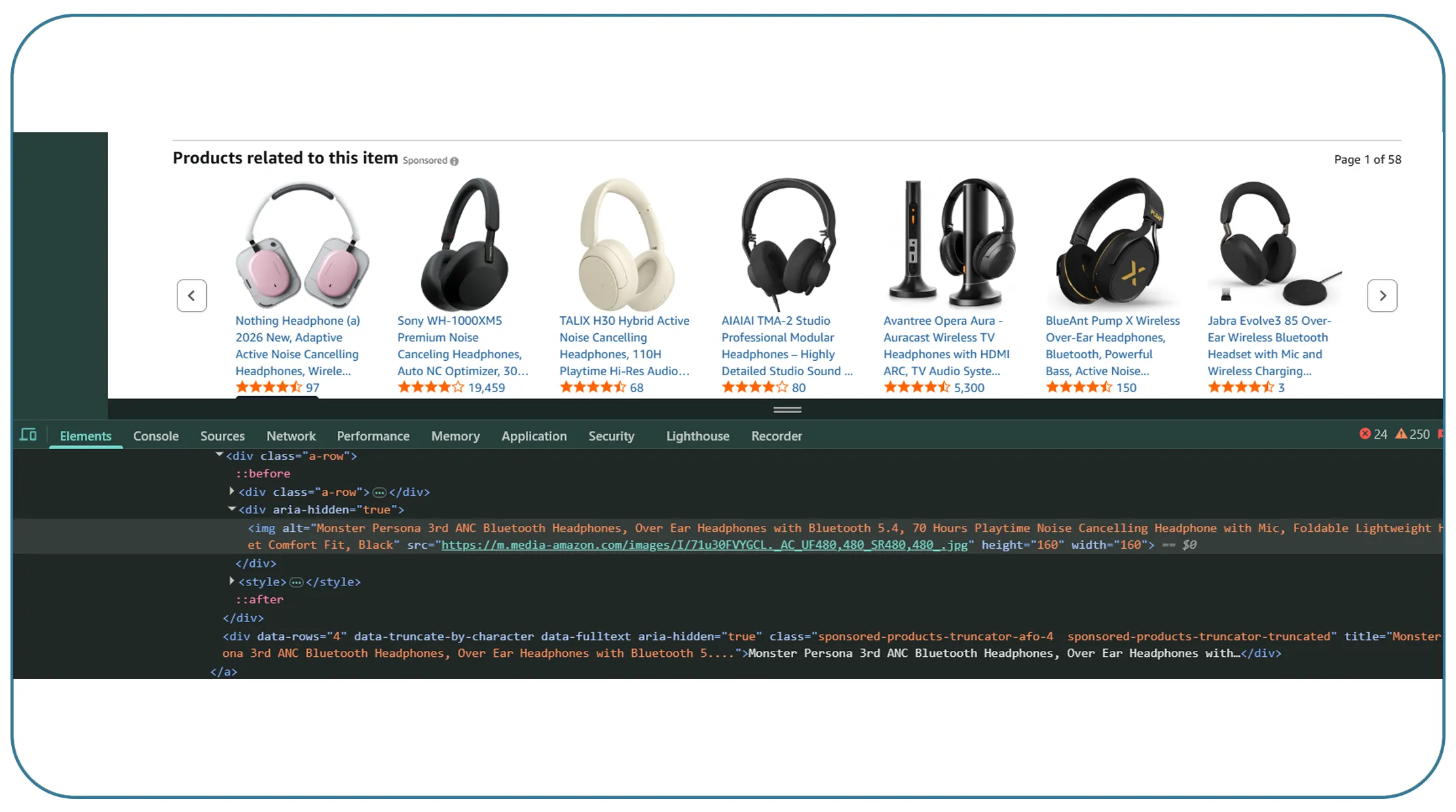
The increasing scale and complexity of online retail operations require businesses to automate inventory intelligence processes using scalable technologies. The E-Commerce Data Scraping API has become a critical solution for extracting structured inventory and product availability data across marketplaces.
API-driven automation allows organizations to collect inventory intelligence efficiently while integrating directly into internal analytics systems and supply chain platforms.
Real-Time Inventory Intelligence Adoption (2020–2026)
| Year | API-Based Monitoring Usage | Automated Supply Chain Analytics |
|---|---|---|
| 2020 | 19% | 16% |
| 2021 | 31% | 27% |
| 2022 | 44% | 39% |
| 2023 | 58% | 54% |
| 2024 | 71% | 67% |
| 2025 | 82% | 79% |
| 2026 | 91% | 89% |
API-powered inventory intelligence helps businesses:
- Access structured retail data instantly
- Scale monitoring operations globally
- Reduce manual monitoring costs
- Improve operational efficiency
- Enable real-time analytics
- Automate supply chain workflows
Organizations using API-based automation gain greater flexibility and scalability when monitoring inventory across multiple marketplaces and retail channels.
This automation also supports faster business decision-making by delivering continuous access to updated inventory intelligence.
Future of Inventory Analytics and Predictive Supply Chains
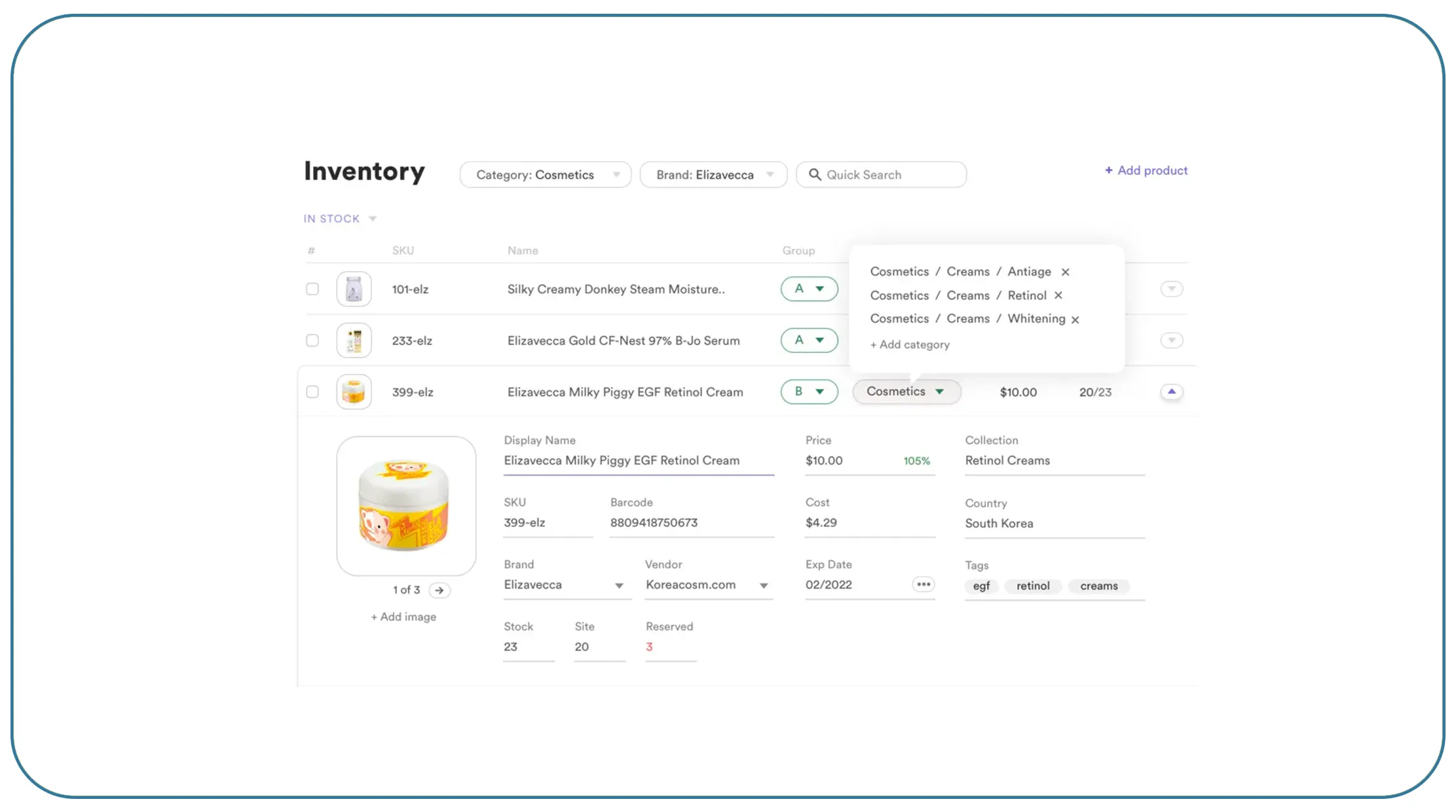
The future of retail intelligence will rely heavily on predictive analytics, AI-driven forecasting, and automated inventory intelligence systems. Businesses increasingly leverage structured E-Commerce Dataset solutions to power machine learning models and advanced supply chain optimization platforms.
Predictive inventory intelligence enables organizations to anticipate stock shortages, forecast demand spikes, and optimize procurement strategies before disruptions occur.
| Trend | 2020 | 2026 Projection |
|---|---|---|
| Predictive Inventory Forecasting | 18% | 81% |
| AI-Based Supply Chain Analytics | 21% | 84% |
| Automated Inventory Monitoring | 29% | 92% |
| Real-Time Stock Intelligence | 32% | 94% |
| Retail Data Automation | 35% | 96% |
Advanced inventory intelligence systems support:
- Smarter procurement planning
- Faster supply chain response
- Improved warehouse efficiency
- Better inventory allocation
- Reduced operational risks
- Higher customer satisfaction
Businesses adopting predictive inventory analytics gain stronger supply chain resilience and competitive advantages in increasingly complex retail ecosystems.
As digital commerce continues expanding globally, real-time inventory intelligence will become a foundational requirement for successful retail operations.
Why Choose Real Data API?
Real Data API provides enterprise-grade retail intelligence and automation solutions tailored for eCommerce brands, retailers, logistics providers, and analytics companies. Our advanced Web Scraping API solutions help organizations automate inventory monitoring, stock availability tracking, and marketplace intelligence at scale.
We help businesses track out-of-stock and inventory changes using web scraping technologies that deliver accurate, real-time inventory insights across major online retail platforms.
Our capabilities include:
- Inventory availability tracking
- Out-of-stock monitoring
- SKU-level product intelligence
- Competitor inventory analysis
- Marketplace monitoring
- Supply chain analytics
- Real-time retail data extraction
- Automated inventory intelligence APIs
Real Data API delivers scalable, secure, and high-performance data solutions that help organizations improve operational visibility and supply chain efficiency.
Conclusion
Inventory visibility has become a strategic priority for modern retailers, brands, and supply chain organizations. Businesses that track out-of-stock and inventory changes using web scraping gain critical advantages through real-time inventory intelligence, faster replenishment planning, improved forecasting accuracy, and enhanced operational responsiveness.
As retail ecosystems become increasingly dynamic, automated inventory monitoring technologies will continue transforming supply chain management and retail analytics.
Partner with Real Data API to unlock scalable inventory intelligence solutions and improve your supply chain visibility with powerful real-time retail analytics!
Contact Real Data API today to access advanced inventory monitoring solutions, automated retail intelligence, and enterprise-grade eCommerce analytics designed for smarter supply chain management and business growth!
Latest posts

How Myntra Fashion Dataset Solves Fashion Intelligence Challenges Across Products, Prices, Brands, and Fashion Market Trends?

How Hyatt Travel Dataset Helps Businesses Track Hotels, Room Prices, Amenities, Locations, and Travel Trends?

How Louis Vuitton Fashion Dataset Enables Better Analysis of Luxury Products, Prices, Brands, and Fashion Trends?
How Blinkit Grocery Dataset Enables Smarter Analysis of Products, Prices, Availability, and Quick-Commerce Trends?







.png)