Introduction: Why Use-Case-Driven Ecommerce Data Matters
Ecommerce today operates in milliseconds. Prices change dynamically. Stock levels fluctuate hourly. Reviews impact buying decisions instantly. In such a competitive environment, businesses cannot rely on manual research or outdated reports.
This is where an E-Commerce Data Scraping API becomes mission-critical.
An Ecommerce Scraping API enables businesses to extract structured, real-time data such as:
- Product titles
- Prices (MRP, discount, final price)
- Stock availability
- Ratings & reviews
- Seller details
- Product descriptions
- Category hierarchy
- SKU-level metadata
Instead of building complex scraping infrastructure internally, companies leverage APIs like Real Data API to access clean, scalable, and automated ecommerce datasets.
In this blog, we'll explore the top ecommerce scraping API use cases across industries, supported by real-world case studies and implementation insights.
1. Use Case: Retail Price Monitoring & Dynamic Repricing
The Challenge
Retailers compete in aggressive pricing environments. A competitor dropping prices by even 2–3% can significantly impact conversions.
Manual monitoring is:
- Slow
- Inaccurate
- Non-scalable
How Ecommerce Scraping API Solves It
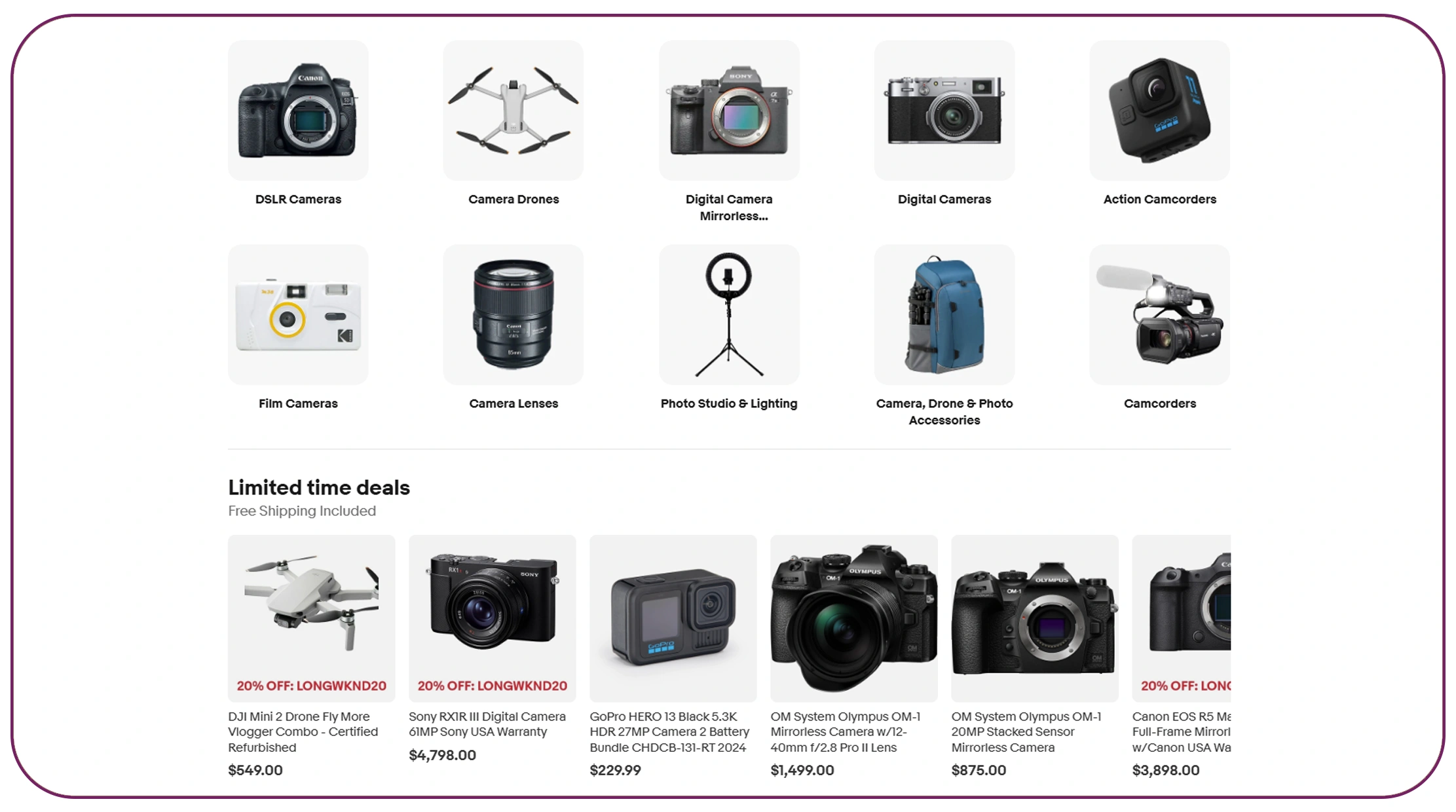
Using a Price Monitoring API, retailers can:
- Track competitor prices across multiple marketplaces
- Monitor MRP vs discounted price
- Identify flash sales and promotional campaigns
- Detect price wars in real time
- Monitor MAP (Minimum Advertised Price) violations
Case Study 1: Electronics Retailer Boosts Margins by 18%
A mid-sized electronics retailer integrated a real-time ecommerce scraping API to monitor 250 competitor SKUs across Amazon and Walmart.
Implementation:
- API scheduled scraping every 3 hours
- Extracted: price, stock, seller count, delivery time
- Integrated with dynamic pricing engine
Results:
- Reduced underpricing by 22%
- Improved profit margins by 18%
- Increased conversion rate by 11%
The API-driven automation eliminated manual spreadsheet tracking entirely.
2. Use Case: Marketplace Product Catalog Intelligence
The Challenge
Marketplaces need standardized product data across thousands of sellers. Inconsistent product titles, missing attributes, and duplicate listings create customer confusion.
How Ecommerce Scraping API Helps
A product data extraction API allows marketplaces to:
- Normalize product metadata
- Identify duplicate listings
- Compare product variants
- Extract high-resolution images
- Improve category mapping
Case Study 2: Global Marketplace Reduced Data Errors by 97%
A cross-border marketplace operating in 8 countries used Real Data API to scrape product data from major ecommerce platforms.
Data Extracted:
- Product title
- Brand
- SKU
- Specifications
- Images
- Ratings
- Category structure
Outcome:
- 97% reduction in listing inconsistencies
- 30% faster seller onboarding
- Improved search relevance accuracy
Standardized data significantly improved customer experience.
3. Use Case: Review & Sentiment Intelligence
The Challenge
Customer reviews influence purchasing decisions heavily. But manually analyzing thousands of reviews is impossible.
API-Driven Solution
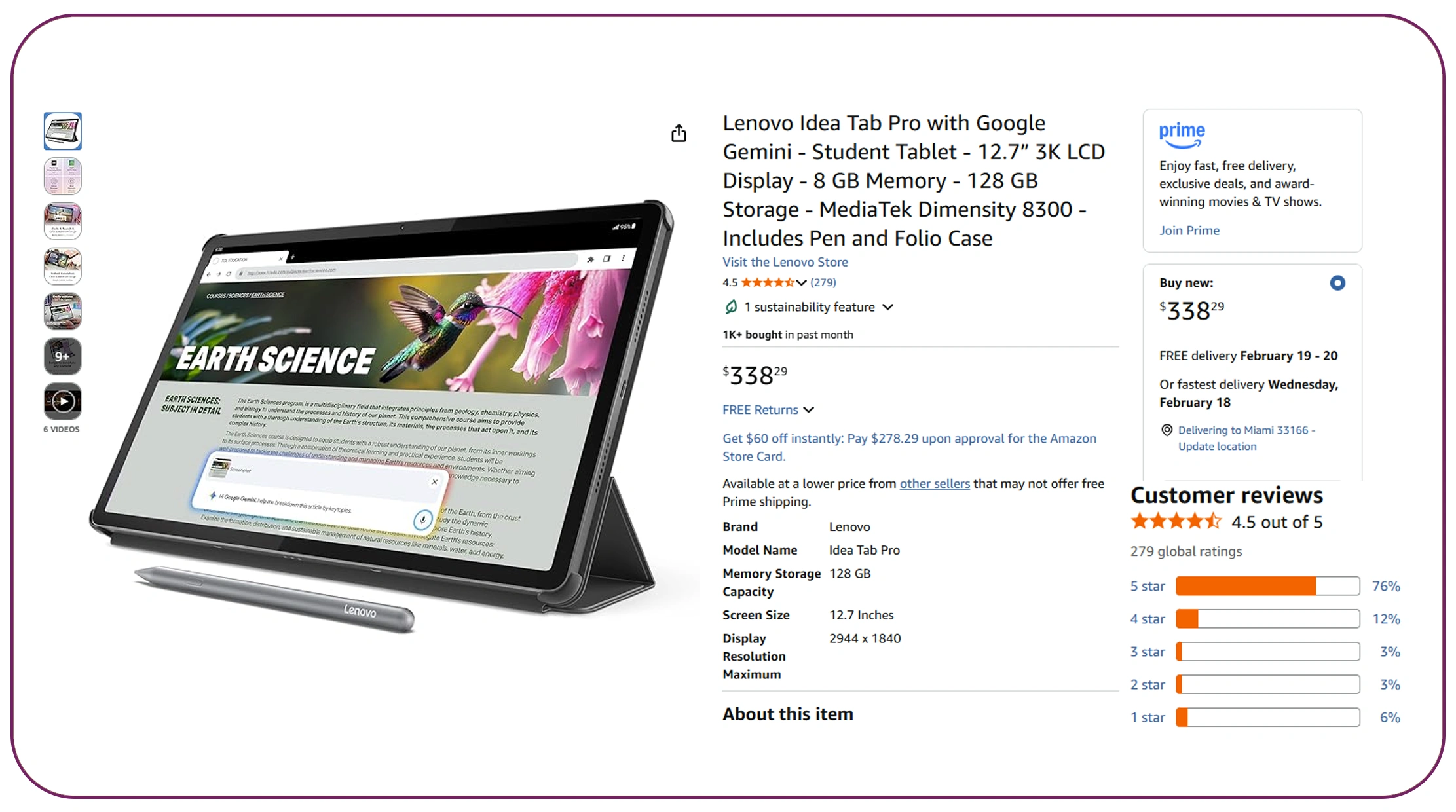
Using a review scraping API & Real Data API's Sentiment Analysis tool, businesses can:
- Extract review text
- Capture ratings breakdown
- Monitor negative feedback trends
- Identify feature requests
- Perform NLP-based sentiment analysis
Case Study 3: D2C Brand Improved Product Ratings by 0.8 Points
A skincare brand used an ecommerce scraping API to extract 50,000+ product reviews across marketplaces.
Insights Discovered:
- Recurring complaint about packaging leakage
- Shipping damage issues
- Demand for fragrance-free version
Results:
- Packaging redesigned
- New variant launched
- Average rating improved from 3.9 to 4.7
- Return rate reduced by 14%
Data-driven review analysis directly improved brand reputation.
4. Use Case: Stock & Inventory Intelligence
The Problem
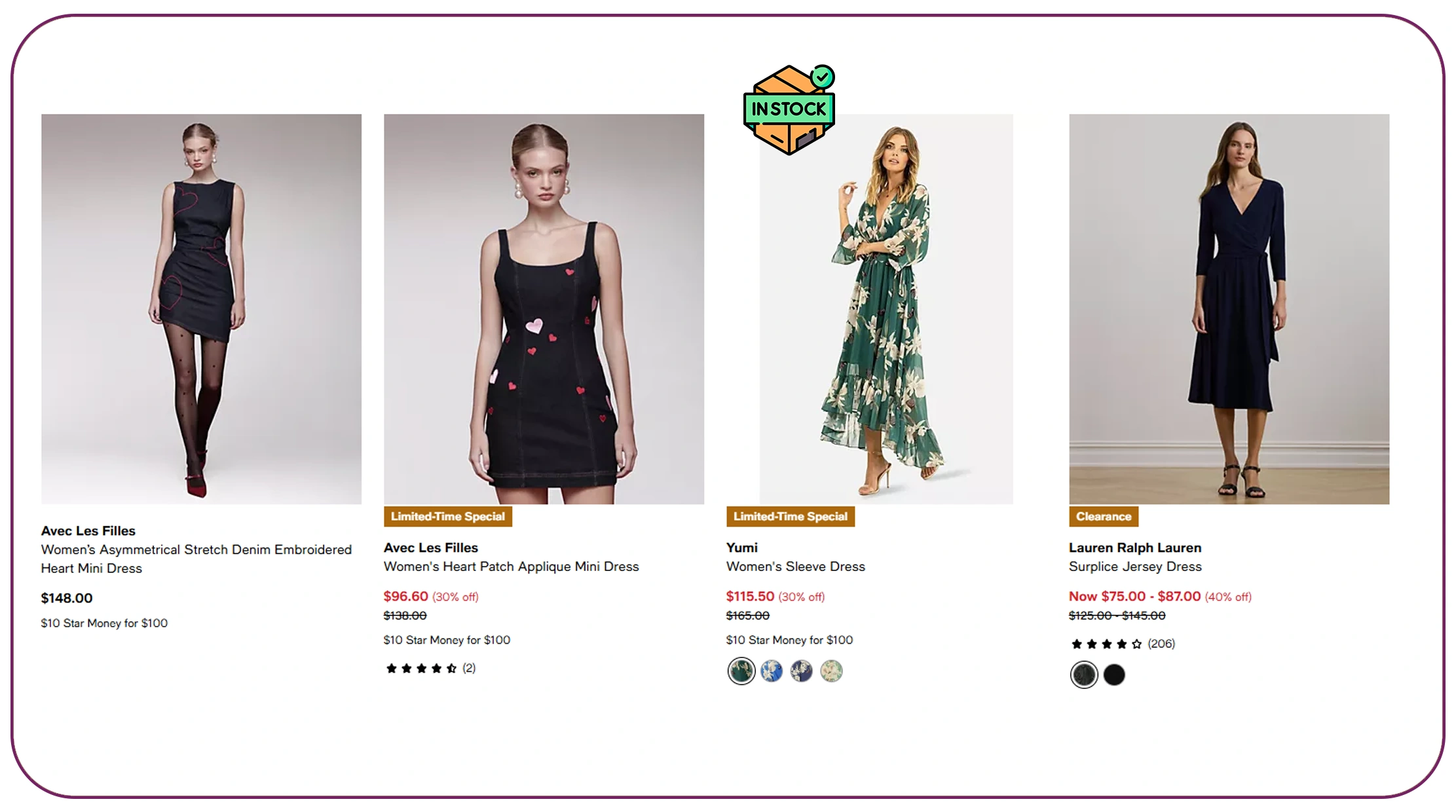
Stock-outs mean lost revenue. Overstocking means higher storage cost.
API Solution
An ecommerce scraping API tracks:
- Stock availability
- Inventory status (In stock / Out of stock)
- Restocking patterns
- Seller count changes
Case Study 4: Fashion Retailer Reduced Stockouts by 21%
A fashion brand monitored competitor stock levels using a scraping API.
Strategy:
- Identified products frequently going out of stock
- Increased supply for trending SKUs
- Reduced exposure to dead inventory
Results:
- 21% reduction in stock-outs
- 13% increase in sell-through rate
- Better seasonal forecasting
5. Use Case: Market Entry & Expansion Analysis
The Challenge
Entering a new geographic market without data is risky.
Ecommerce Scraping API Enables:
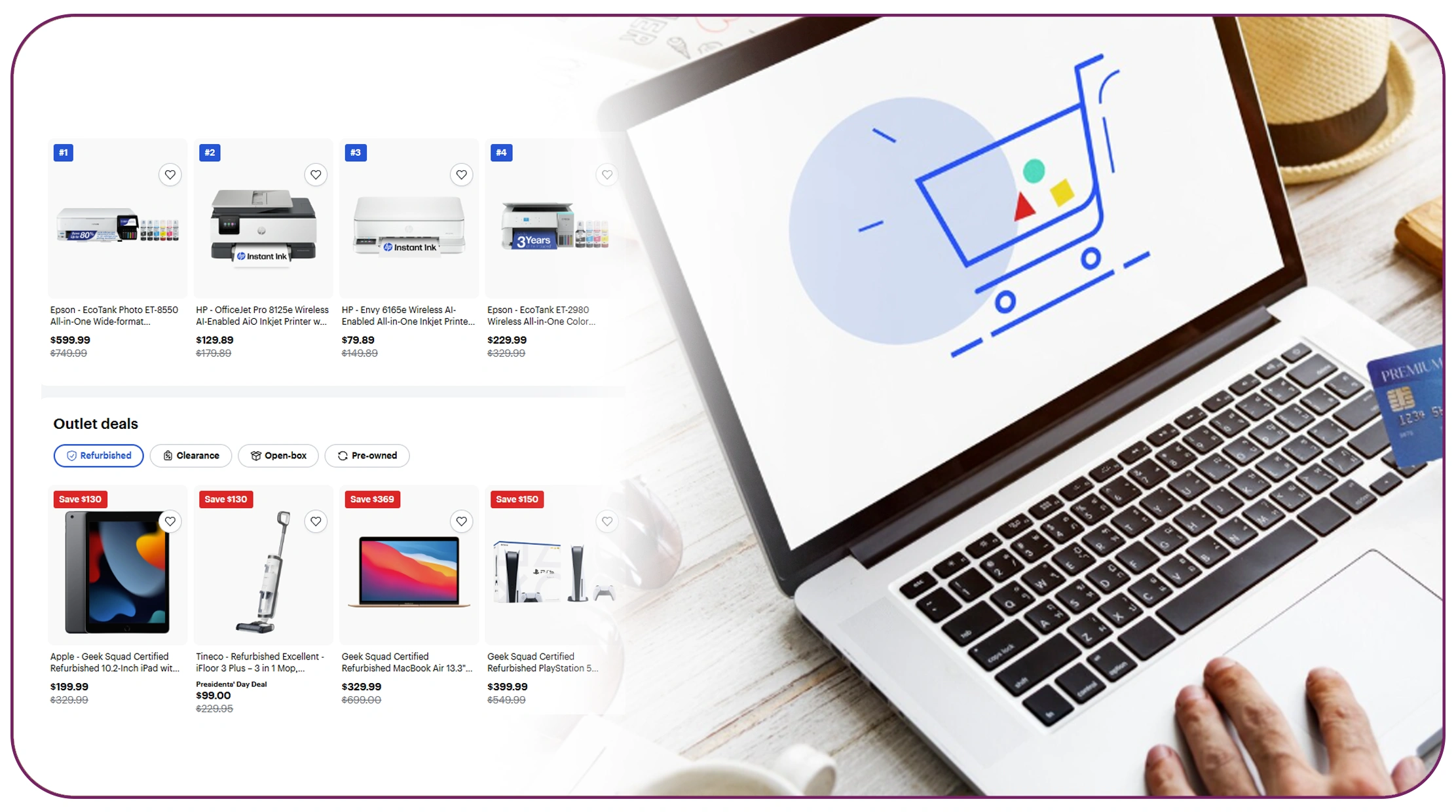
- Regional price comparison
- Category demand analysis
- Bestseller identification
- Seller density evaluation
- Brand penetration analysis
Case Study 5: FMCG Brand Successfully Entered Middle East Market
An FMCG company used Real Data API to analyze ecommerce platforms in UAE and Saudi Arabia.
Data Extracted:
- Top-selling SKUs
- Average pricing
- Popular pack sizes
- Review sentiment
- Competitor pricing strategy
Outcome:
- Optimized pricing before launch
- Selected correct packaging sizes
- Achieved 24% higher-than-expected first-quarter sales
Data-backed entry minimized risk.
6. Use Case: Ecommerce Analytics & BI Dashboard Integration

The Challenge
Raw data is useless without analytics.
API Integration Enables:
- Real-time dashboards
- Historical price tracking
- Trend forecasting
- Automated reporting
- KPI benchmarking
Case Study 6: Analytics SaaS Platform Increased Client Retention
A SaaS company offering retail analytics integrated ecommerce scraping API feeds into its dashboard.
Benefits:
- Real-time data updates
- Accurate competitor benchmarks
- Visual price fluctuation graphs
Results:
- 35% improvement in client retention
- Increased enterprise subscriptions
- Improved SLA reliability
7. Use Case: Investment & Demand Signal Monitoring

Investors and analysts increasingly rely on ecommerce data as an alternative dataset.
API Provides:
- Bestseller tracking
- SKU growth trends
- Rating velocity
- Price elasticity signals
- Seller count variations
Case Study 7: Investment Firm Identified Emerging Category Early
An investment firm tracked product sales velocity across 10 marketplaces.
Insight:
- Rising demand in eco-friendly kitchenware category.
Action:
- Invested early in a D2C brand.
Outcome:
- 35% valuation increase within 9 months.
Why Real Data API is Critical for Ecommerce Intelligence
A professional Ecommerce Scraping API like Real Data API ensures:
- ✔ Scalable infrastructure
- ✔ Automatic IP rotation
- ✔ High success rate
- ✔ Structured JSON output
- ✔ Multi-marketplace compatibility
- ✔ Scheduled and real-time scraping
- ✔ Enterprise-grade reliability
Instead of building fragile in-house scrapers, businesses gain:
- Faster deployment
- Lower maintenance cost
- Higher data accuracy
- Better compliance management
Future of Ecommerce Scraping APIs
The next generation of APIs will use Data for Generative AI and include:
- AI-powered adaptive scraping
- Predictive price modeling
- Real-time streaming pipelines
- Cross-channel data integration (ecommerce + social + logistics)
- Automated anomaly detection
As ecommerce becomes more competitive, structured real-time data will determine who leads and who lags.
Conclusion: Ecommerce Scraping API as a Strategic Advantage
Ecommerce Scraping APIs are no longer optional tools — they are competitive infrastructure.
From retail price monitoring and catalog intelligence to review analytics, inventory tracking, market expansion, and investment research — every data-driven ecommerce strategy relies on automated data extraction.
Businesses leveraging structured, scalable ecommerce data through Real Data API can:
- Optimize pricing
- Improve product quality
- Reduce operational risk
- Increase conversion rates
- Expand into new markets confidently
In today's digital economy, companies that harness ecommerce data effectively will dominate their industries.
Latest posts
How WhatsApp Scraper Helps Businesses Extract Public Business Profiles and Contact Data
How Businesses Use Instagram profile scraper to Track Profiles, Followers, Engagement, and Social Media Data
How Ixigo API Helps Businesses Solve Flight, Train, Hotel, Travel, and Pricing Data Challenges
How to Extract Restaurants, Menus, Prices, Ratings, and Business Data for Market Insights






.png)