Introduction: Why Food Delivery Data is the New Competitive Advantage
The food delivery industry has transformed dramatically over the last decade. Platforms like Uber Eats, DoorDash, Zomato, Swiggy, Deliveroo, and Talabat have digitized restaurant discovery, pricing, promotions, and customer feedback.
But behind every successful restaurant chain, food aggregator, or analytics company lies one common asset: structured food delivery data.
This is where a Food Data Scraping API becomes essential.
A Food Scraping API extracts structured, real-time data from food delivery platforms, including:
- Restaurant listings
- Menu items
- Pricing and discounts
- Ratings and reviews
- Delivery time estimates
- Cuisine categories
- Location-specific availability
- Promotional campaigns
Instead of manually collecting this data, businesses integrate a scalable API like Real Data API to automate food delivery data extraction at scale.
In this blog, we explore top Food Scraping API use cases across industries, backed by practical case studies and real-world business impact.
1. Use Case: Menu & Price Monitoring for Competitive Intelligence
The Challenge
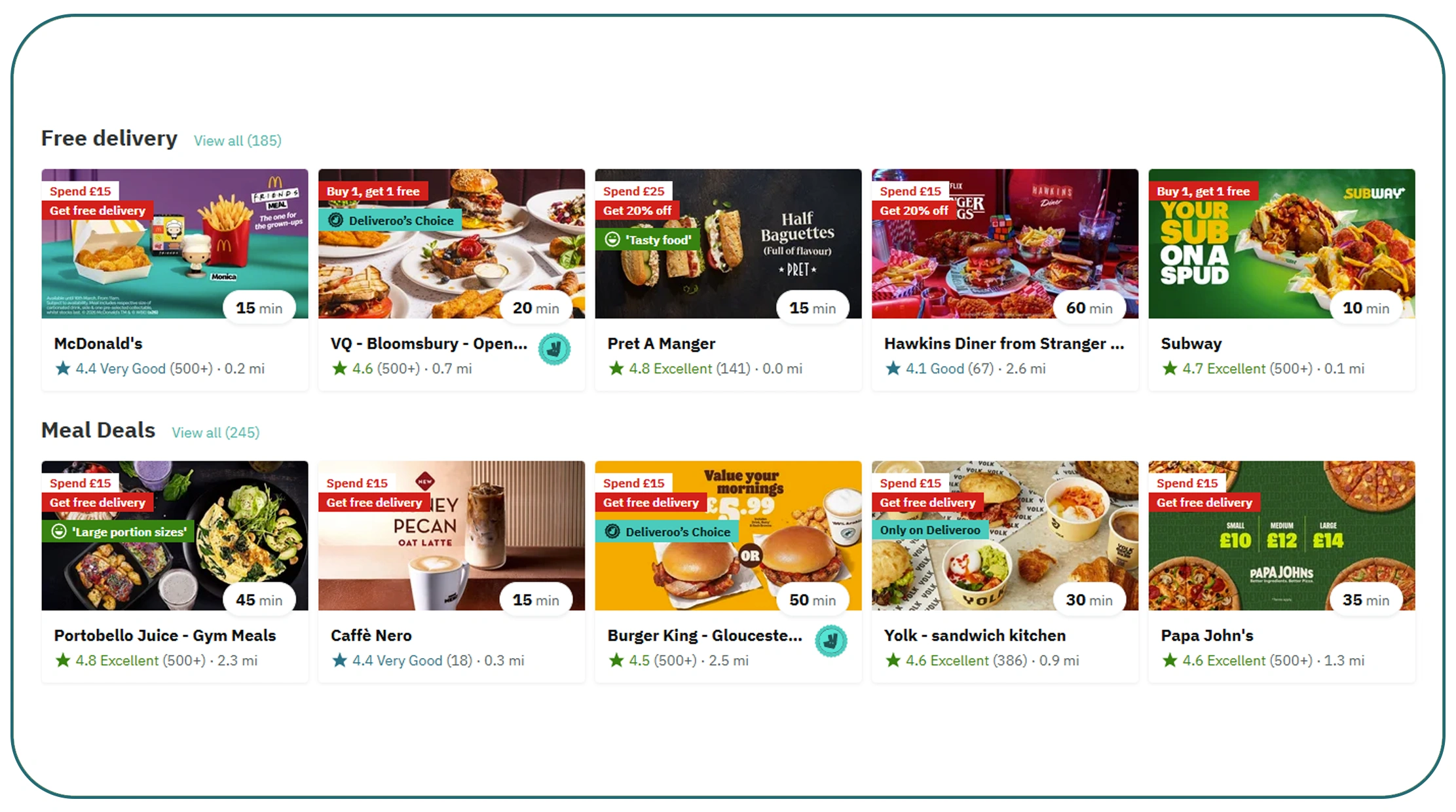
Restaurant competition on delivery apps is intense. Prices fluctuate frequently, and promotional discounts drive customer decisions.
Without real-time tracking:
- Restaurants may overprice menu items
- Competitors may undercut offers
- Profit margins may shrink unexpectedly
How Food Scraping API Solves It
A food price scraping API enables:
- Real-time menu price tracking
- Discount and coupon monitoring
- Combo offer analysis
- Delivery fee comparison
- Surge pricing detection
Case Study 1: QSR Chain Increased Online Orders by 19%
A national QSR brand integrated a Web Scraping API to monitor competitor pricing across Swiggy and Zomato.
Implementation:
- Scraped 300+ competitor restaurants daily
- Extracted menu prices, combos, delivery charges
- Integrated data into dynamic pricing dashboard
Results:
- Adjusted pricing strategy weekly
- Launched competitive combo bundles
- Increased online order volume by 19%
- Improved profit margins by 11%
Data-driven pricing gave them a clear competitive edge.
2. Use Case: Restaurant Listing & Market Density Analysis
The Problem
When expanding to a new city, food brands often lack insights into:
- Competitor saturation
- Cuisine popularity
- Delivery coverage gaps
- Average price benchmarks
API-Driven Solution
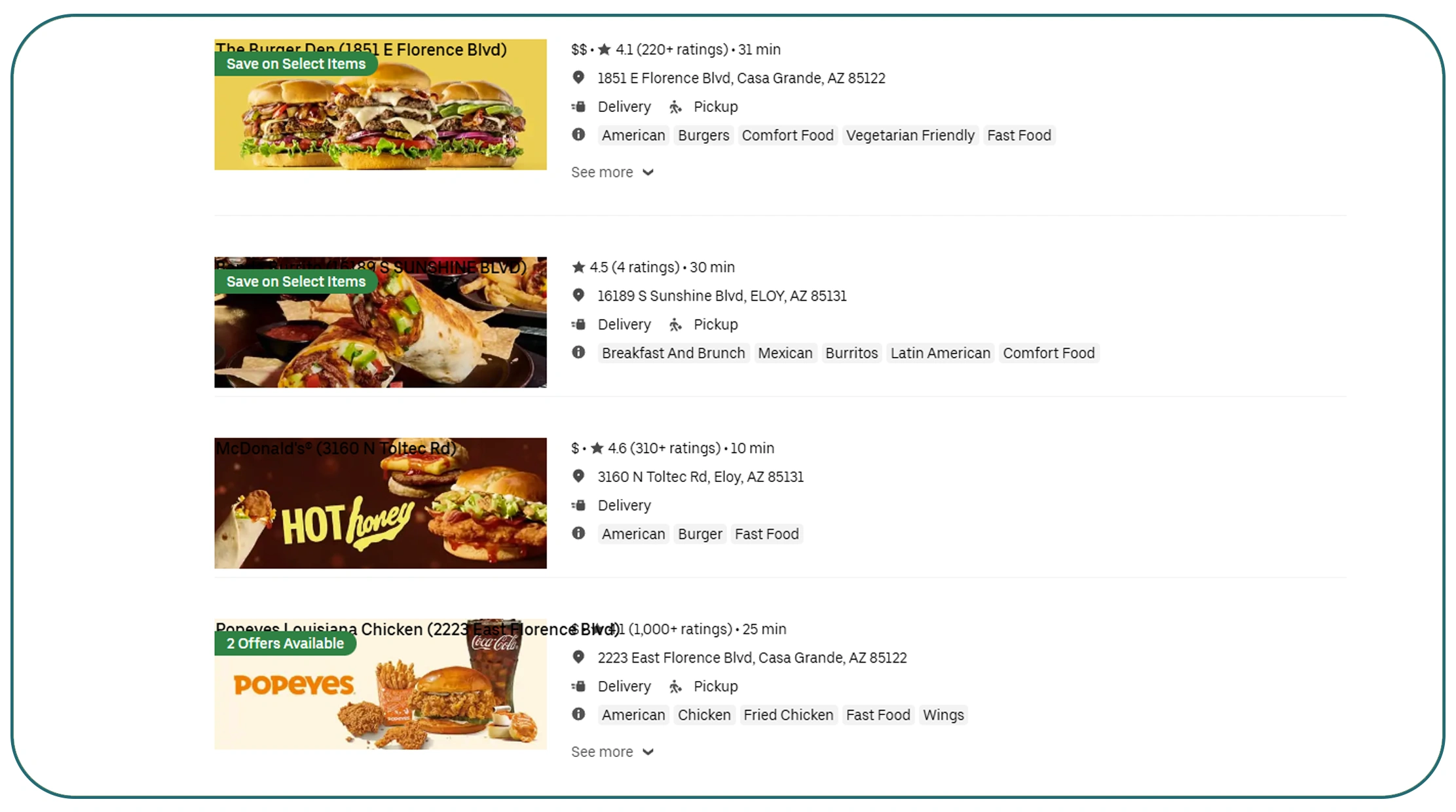
Using a restaurant listing scraping API, businesses can:
- Extract all restaurants in a region
- Categorize by cuisine
- Analyze rating distribution
- Identify underserved zones
- Study top-performing brands
Case Study 2: Cloud Kitchen Reduced Expansion Risk
A cloud kitchen brand planning to expand into 3 metro cities used a Food Scraping API to analyze:
- Top cuisines in each locality
- Average order value
- Competitor density
- Rating benchmarks
Insights:
- High demand for late-night biryani in one zone
- Low competition for vegan cuisine in another
Outcome:
- Strategic kitchen placement
- 27% higher-than-expected order volume
- Faster break-even period
3. Use Case: Review & Sentiment Intelligence for Food Brands
The Challenge
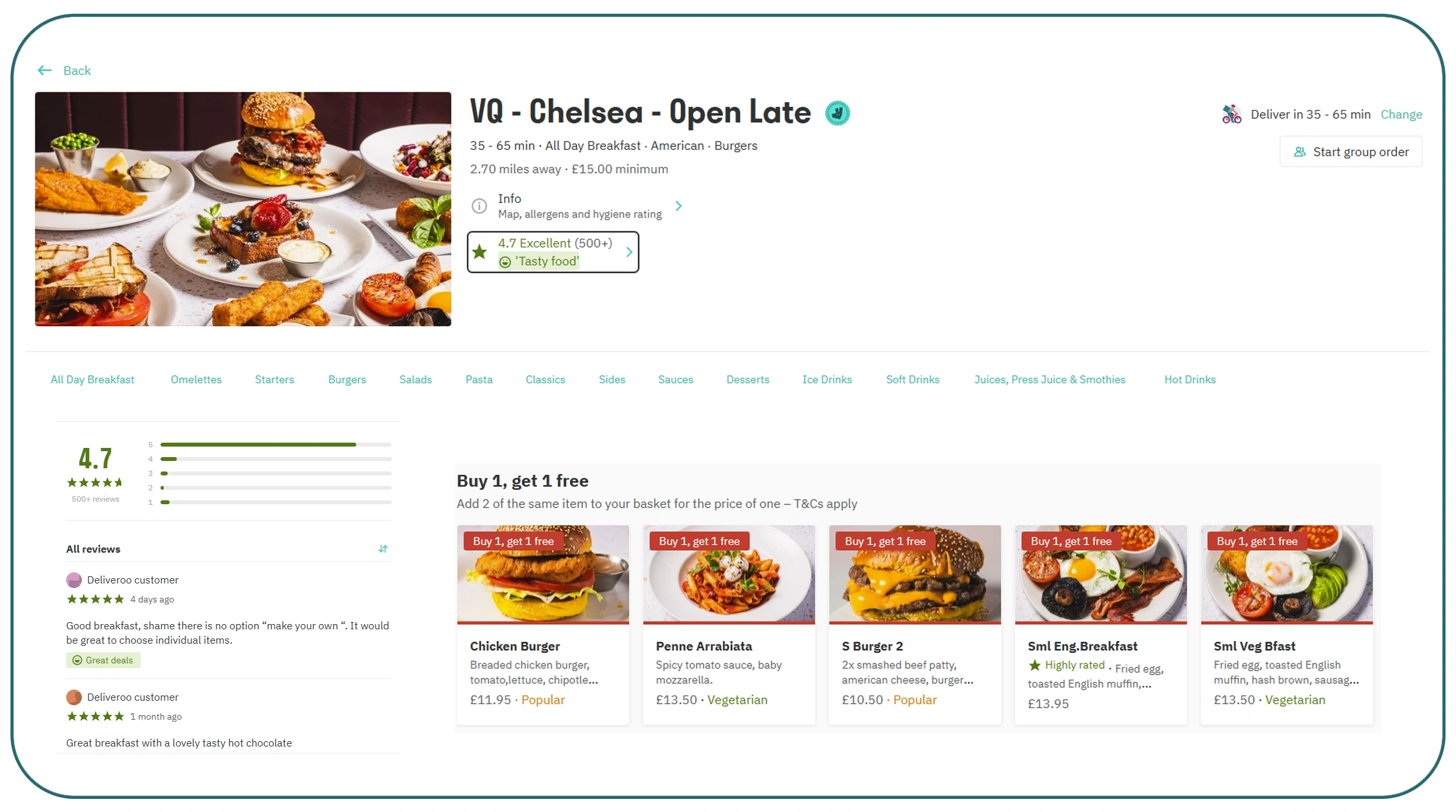
Customer reviews directly impact restaurant rankings and visibility on delivery platforms.
But manually analyzing thousands of reviews is impossible. So that's where Real Data API's Sentiment Analysis Tool comes in.
API-Based Review Extraction
A food review scraping API helps extract:
- Review text
- Ratings breakdown
- Complaint patterns
- Delivery feedback
- Packaging concerns
Case Study 3: Restaurant Improved Rating from 3.8 to 4.6
A multi-location restaurant chain scraped 40,000+ reviews across platforms.
Key Findings:
- Complaints about delayed delivery packaging
- Repeated feedback on portion size
- Positive mentions of specific dishes
Action Taken:
- Improved packaging insulation
- Adjusted portion consistency
- Promoted best-rated dishes
Results:
- Rating improved to 4.6
- 23% increase in repeat customers
- Improved ranking visibility
4. Use Case: Dynamic Promotion & Discount Tracking
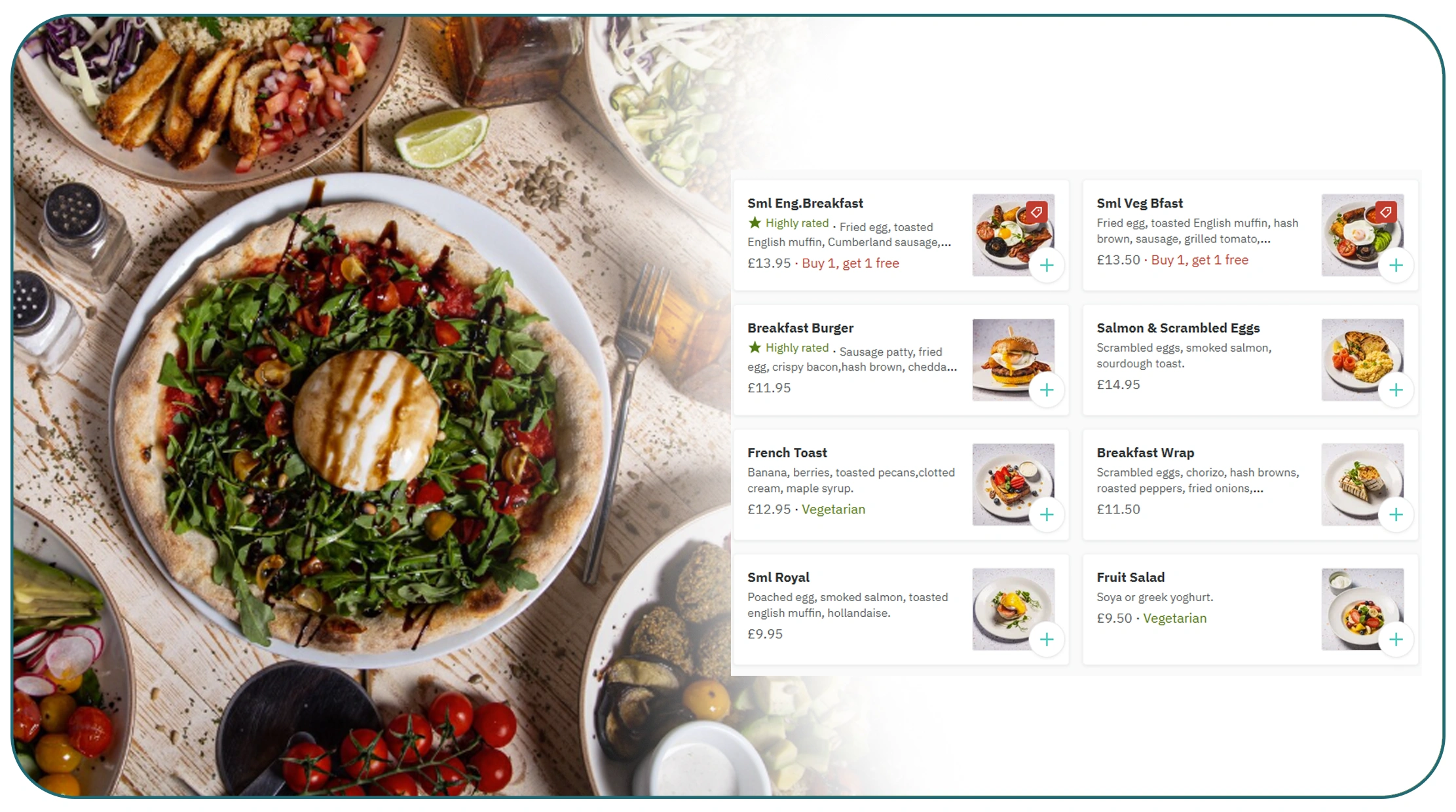
The Problem
Food delivery platforms constantly run:
- Limited-time offers
- Flash discounts
- Buy-one-get-one deals
- Free delivery campaigns
Without tracking competitors' promotions, brands miss opportunities. So all these can be done with the help of Real Data API's Dynamic Pricing Tool.
Food Scraping API Enables:
- Discount monitoring
- Coupon analysis
- Surge pricing alerts
- Promotion duration tracking
Case Study 4: Local Restaurant Increased Visibility by 32%
A regional brand monitored competitor promotions using Real Data API.
Strategy:
- Identified competitor peak discount timings
- Launched targeted offers during competitor off-periods
- Matched discount levels strategically
Result:
- 32% increase in visibility
- 17% higher order conversion
- Optimized promotional spending
5. Use Case: Food Delivery Aggregator Data Standardization

The Challenge
Food aggregators and analytics platforms require standardized data across multiple delivery apps.
Each platform has different:
- Menu structures
- Category labels
- Pricing formats
- Restaurant tags
API Solution
A structured Food Scraping API enables:
- Data normalization
- Unified menu schema
- Multi-platform aggregation
- SKU-level food item tracking
Case Study 5: Analytics Platform Improved Data Accuracy by 94%
A food analytics SaaS company integrated a Food Scraping API to collect data from 5 delivery platforms.
Improvements:
- Unified cuisine categories
- Standardized pricing fields
- Cleaned duplicate listings
Outcome:
- 94% improvement in reporting accuracy
- Increased enterprise clients
- Higher dashboard reliability
6. Use Case: Demand Forecasting & Menu Optimization
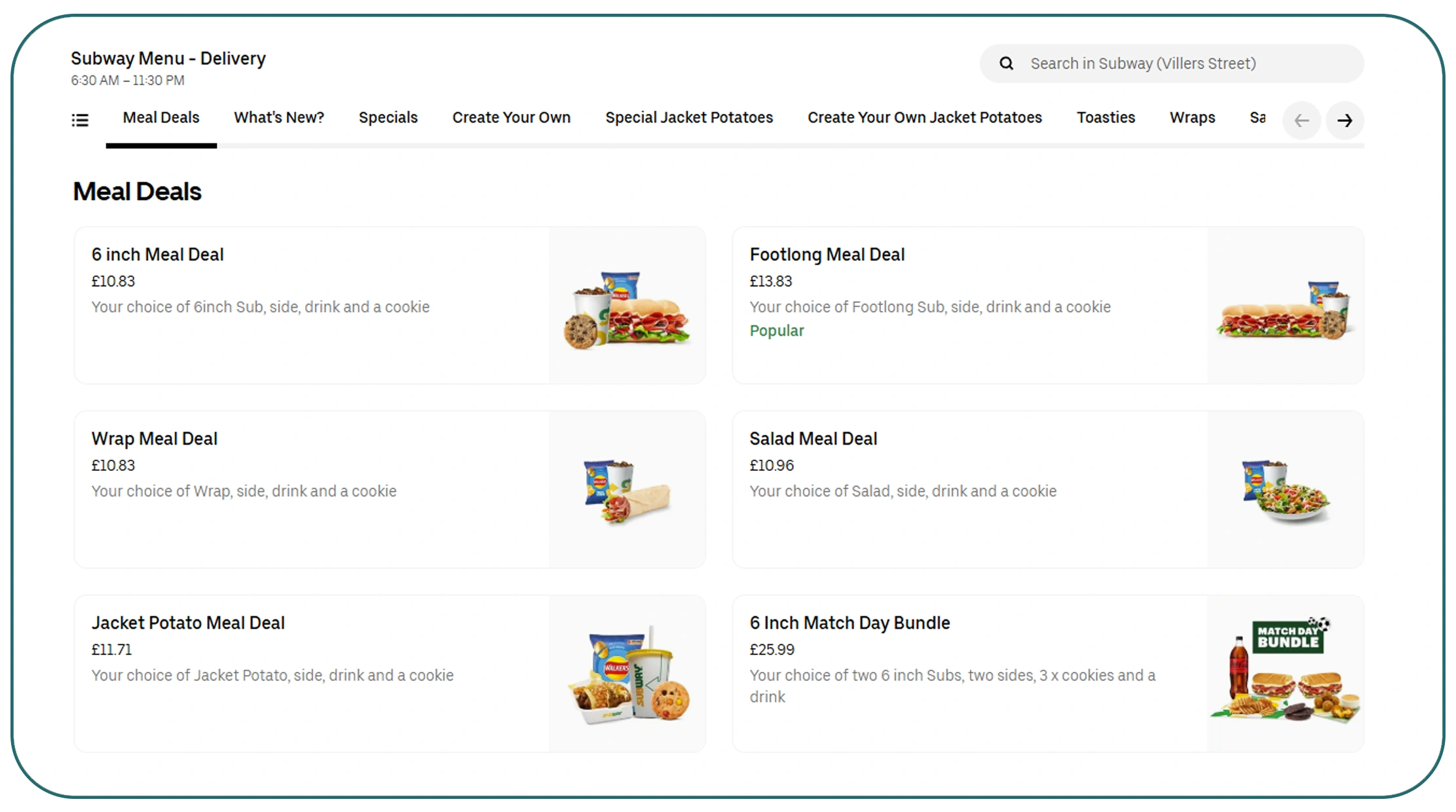
The Problem
Restaurants struggle to predict demand fluctuations and seasonal trends.
API-Based Data Insights
Food scraping APIs extract:
- Bestseller items
- Popular cuisine trends
- Seasonal menu changes
- Peak delivery hours
- Pricing elasticity data
Case Study 6: Fast Casual Chain Reduced Food Waste by 18%
A fast casual restaurant used scraping data to track trending items across competitors.
Insights:
- Rising demand for protein bowls
- Increased vegetarian orders on weekdays
Changes Implemented:
- Adjusted procurement strategy
- Optimized menu placement
Result:
- 18% reduction in food waste
- Higher average order value
- Improved kitchen efficiency
7. Use Case: Investment & Alternative Data Intelligence
Food delivery data has become a valuable alternative dataset for investors.
Food Scraping API Provides:
- Restaurant growth trends
- Review velocity signals
- Category expansion tracking
- Pricing changes across regions
Case Study 7: Investment Firm Identified High-Growth Segment
An investment firm tracked:
- Vegan restaurant growth
- Rating improvements
- Menu expansion trends
Insight:
- Plant-based food delivery segment growing 3x faster in Tier-1 cities.
Outcome:
- Invested early in a vegan QSR brand that saw 40% growth within a year.
Why Real Data API is Critical for Food Delivery Intelligence
A professional Food Scraping API like Real Data API offers:
- ✔ Real-time menu extraction
- ✔ Location-based restaurant data
- ✔ Automatic proxy management
- ✔ High success scraping rate
- ✔ Structured JSON output
- ✔ Scalable infrastructure
- ✔ Multi-platform compatibility
Instead of fragile in-house scrapers, businesses get enterprise-grade food delivery data pipelines.
Future of Food Scraping APIs
The future includes:
- AI-powered cuisine trend detection
- Real-time delivery time intelligence
- Cross-platform demand comparison
- Integration with POS systems
- Predictive pricing models
As food delivery competition intensifies, structured real-time data will define market leaders.
Conclusion: Food Scraping API as a Strategic Growth Engine
Food delivery is no longer just about taste — it's about data.
From menu pricing intelligence and review analytics to expansion planning and demand forecasting, Food Scraping APIs empower restaurants, QSR chains, aggregators, analytics firms, and investors with actionable insights.
Businesses leveraging structured, real-time food delivery data through Real Data API can:
- Optimize pricing
- Improve ratings
- Reduce operational risk
- Increase order volumes
- Expand strategically
In a hyper-competitive food delivery ecosystem, automated data extraction is not optional — it's essential.
Latest posts

How Zomato Food Dataset Helps Businesses Solve Restaurant, Pricing, and Food Delivery Data Challenges

How Apple TV OTT Dataset Helps Solve Movie and Show Performance, Ratings, and Streaming Intelligence Challenges
How Musafir scraper Helps Businesses Extract Travel Information Efficiently?
How a Sephora scraper Helps Extract Beauty Product Data at Scale?






.png)