Introduction
Modern enterprises increasingly rely on automated data ecosystems to improve decision-making, monitor market trends, and optimize operational performance. Businesses across retail, finance, logistics, healthcare, and eCommerce now build an end-to-end data flow from scraping to visualization to convert raw web information into actionable intelligence. Real-time analytics pipelines help organizations monitor pricing trends, customer behavior, inventory levels, competitor activity, and market dynamics with greater efficiency.
The foundation of these systems often begins with a scalable Web Scraping API capable of extracting structured information from websites, marketplaces, social platforms, and online databases. Once collected, the data flows through processing pipelines where it is cleaned, standardized, analyzed, and visualized within centralized dashboards.
As digital ecosystems continue growing more complex, businesses require faster access to accurate insights without relying on fragmented manual reporting. End-to-end analytics pipelines improve operational scalability while enabling organizations to identify trends, automate reporting workflows, and support predictive decision-making in real time. These integrated systems are rapidly becoming essential for long-term business competitiveness and intelligent data management.
Building the Foundation for Scalable Data Operations
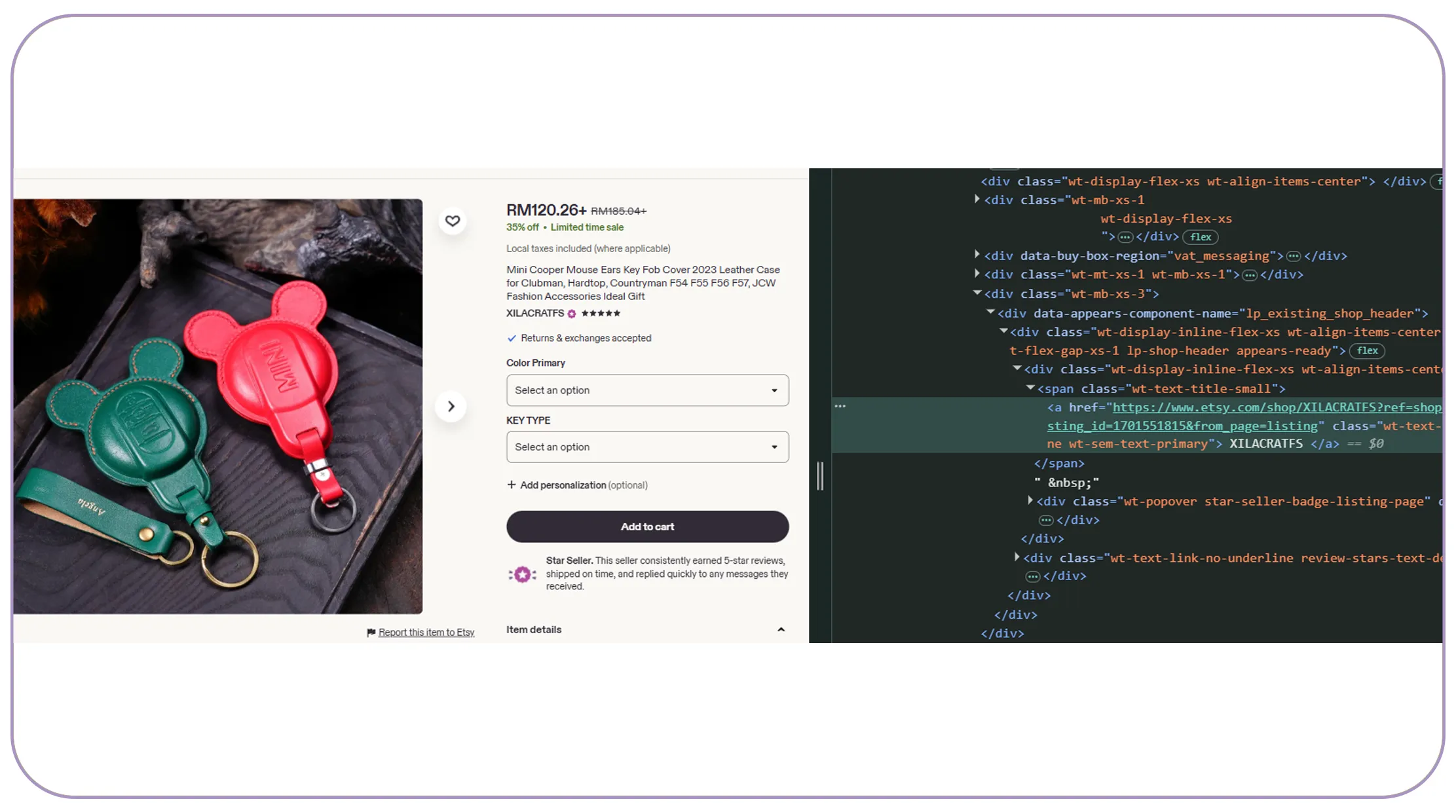
The success of any analytics workflow depends heavily on a strong and scalable data infrastructure. Organizations require systems capable of collecting, processing, storing, and delivering large volumes of web data continuously and reliably.
Companies increasingly implement a complete data pipeline architecture for web scraping to automate information collection across multiple digital sources. These architectures include data extraction layers, processing engines, storage frameworks, API integrations, and visualization platforms that work together seamlessly.
| Year | Businesses Using Automated Data Pipelines | Global Data Volume Growth |
|---|---|---|
| 2020 | 28% | 22% |
| 2021 | 34% | 27% |
| 2022 | 41% | 33% |
| 2023 | 49% | 39% |
| 2024 | 57% | 46% |
| 2025 | 65% | 53% |
| 2026 | 73% | 61% |
Scalable pipeline architectures allow businesses to collect data from thousands of websites simultaneously while maintaining high processing accuracy. Automated workflows eliminate manual extraction inefficiencies and improve data consistency across departments.
Organizations also benefit from centralized infrastructure because it supports real-time monitoring, scalable storage, and faster analytical processing. As enterprise data requirements expand, flexible pipeline architectures become increasingly critical for supporting long-term operational growth and analytics performance.
Converting Raw Data into Actionable Business Intelligence
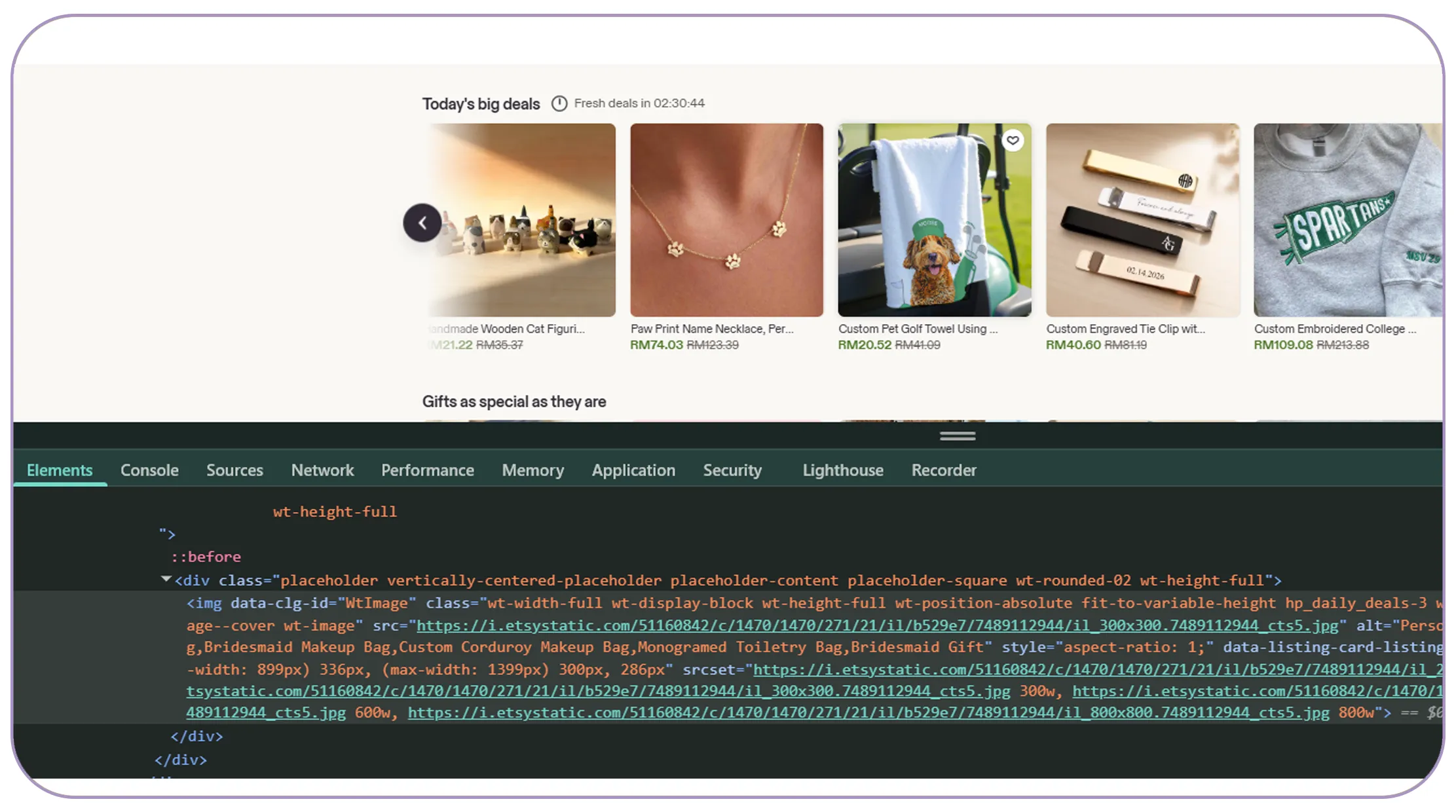
Extracting web data alone is not enough to support meaningful decision-making. Businesses must transform raw information into structured, readable, and actionable insights that stakeholders can interpret quickly.
Organizations now transform scraped data into dashboards and reports step by step by implementing automated data processing and visualization frameworks. These workflows include data cleansing, normalization, enrichment, aggregation, and visualization processes that convert unstructured web data into usable intelligence.
| Year | Companies Using Automated Reporting Systems | Dashboard Adoption Growth |
|---|---|---|
| 2020 | 24% | 19% |
| 2021 | 31% | 25% |
| 2022 | 39% | 32% |
| 2023 | 47% | 40% |
| 2024 | 56% | 48% |
| 2025 | 64% | 56% |
| 2026 | 72% | 65% |
Automated transformation pipelines significantly improve reporting speed and analytical accuracy. Businesses can monitor pricing trends, customer engagement, inventory fluctuations, and competitor activities through centralized dashboards updated in real time.
Visualization systems also improve collaboration across departments by enabling teams to access consistent, standardized insights. Executives, marketers, analysts, and operations managers can make faster decisions using unified reporting frameworks.
As organizations increasingly prioritize data-driven operations, transforming scraped information into intelligent dashboards has become essential for operational scalability and strategic planning.
Real-Time Analytics Driving Faster Business Decisions
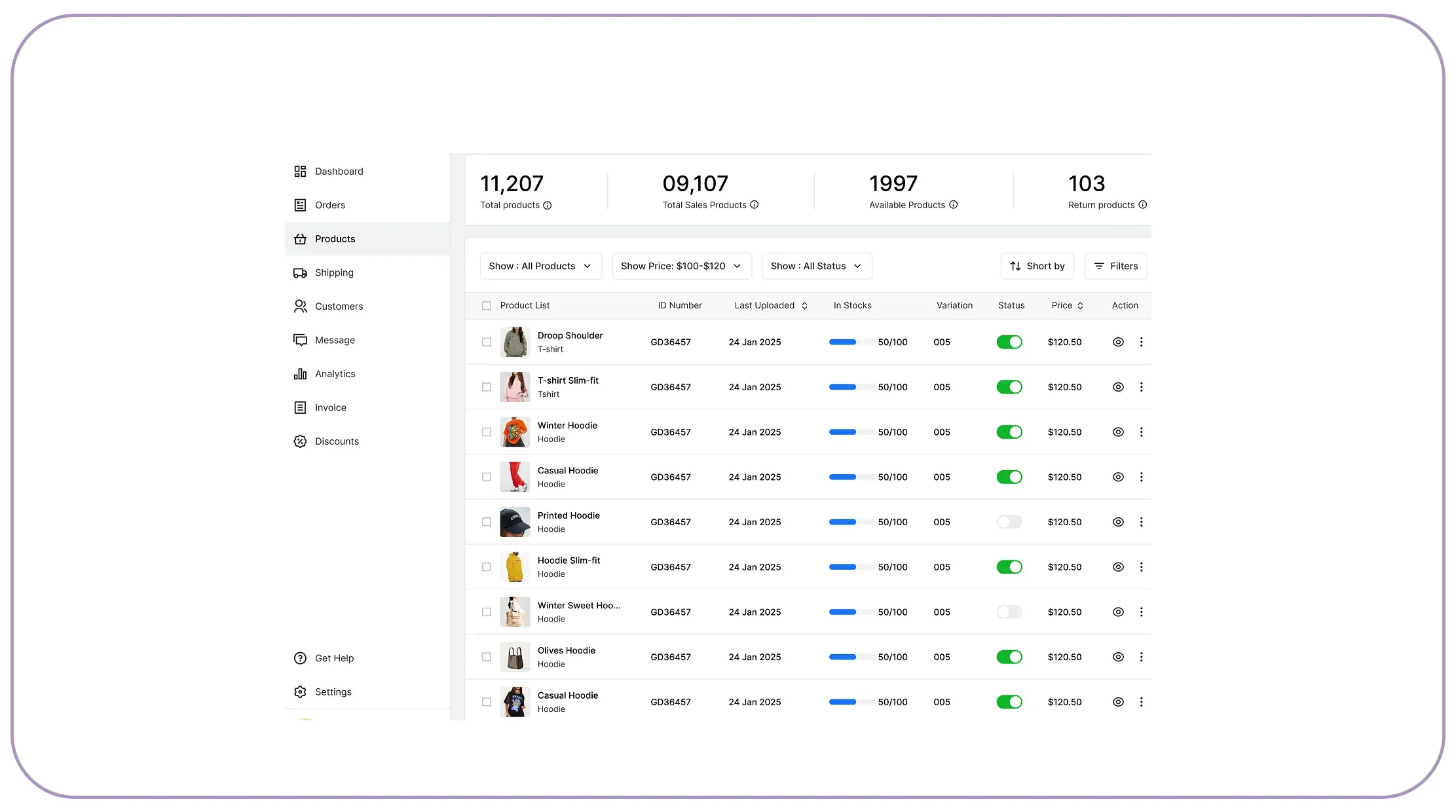
Modern markets evolve rapidly, requiring businesses to react quickly to pricing changes, inventory fluctuations, customer demand shifts, and competitor activity. Real-time analytics systems provide organizations with continuous visibility into critical business metrics.
Companies increasingly deploy real-time data visualization pipelines from web scraping to process and visualize incoming information instantly across multiple business functions.
| Year | Real-Time Analytics Adoption | Average Decision-Making Speed Improvement |
|---|---|---|
| 2020 | 21% | 16% |
| 2021 | 28% | 22% |
| 2022 | 36% | 29% |
| 2023 | 45% | 37% |
| 2024 | 54% | 45% |
| 2025 | 63% | 53% |
| 2026 | 71% | 61% |
Real-time visualization pipelines enable businesses to identify trends and anomalies as they occur rather than relying on delayed reports. Retailers can track product availability instantly, financial institutions can monitor market movements continuously, and logistics providers can optimize operations dynamically.
These pipelines also improve forecasting accuracy by providing live insights into customer behavior and operational performance. Businesses gain the flexibility to respond proactively to market conditions while minimizing delays associated with manual reporting systems.
As real-time data becomes increasingly valuable, visualization pipelines continue reshaping how organizations manage analytics and strategic decision-making.
Processing High-Volume Data Streams Efficiently

Handling large-scale web data requires advanced processing systems capable of managing millions of records with speed and accuracy. Businesses increasingly invest in scalable technologies that support continuous data ingestion and transformation.
Organizations now process and visualize scraped datasets in real time using distributed computing frameworks, cloud infrastructure, and automated analytics engines.
| Year | Global Real-Time Data Processing Growth | Enterprise Streaming Analytics Adoption |
|---|---|---|
| 2020 | 17% | 14% |
| 2021 | 23% | 19% |
| 2022 | 30% | 26% |
| 2023 | 38% | 34% |
| 2024 | 47% | 43% |
| 2025 | 56% | 52% |
| 2026 | 66% | 62% |
Efficient processing systems allow organizations to handle structured and unstructured datasets without sacrificing performance. Automated processing pipelines clean, validate, categorize, and enrich incoming data before visualizing it through dashboards and reporting tools.
Real-time dataset processing also improves scalability by enabling organizations to manage increasing data volumes without expanding manual operations. Businesses can analyze pricing data, inventory movements, customer feedback, and operational metrics more efficiently.
These capabilities are becoming essential as companies increasingly rely on high-frequency analytics to maintain competitiveness within rapidly evolving digital markets.
Advanced Scraping Solutions Supporting Enterprise Analytics

Reliable data extraction forms the backbone of any successful analytics ecosystem. Organizations require sophisticated scraping technologies capable of collecting accurate information from diverse digital sources consistently.
Businesses increasingly depend on advanced Web Scraping Services to extract pricing, product listings, reviews, financial metrics, news updates, and competitor information from websites and marketplaces.
| Year | Global Web Scraping Market Growth | Enterprise Data Collection Expansion |
|---|---|---|
| 2020 | 14% | 18% |
| 2021 | 18% | 23% |
| 2022 | 23% | 29% |
| 2023 | 29% | 36% |
| 2024 | 36% | 44% |
| 2025 | 43% | 52% |
| 2026 | 51% | 61% |
Modern scraping services support high-frequency extraction while maintaining data quality and operational reliability. Businesses can automate collection across multiple websites simultaneously while reducing manual workload and reporting delays.
Advanced scraping frameworks also support API integration, proxy management, anti-blocking systems, and dynamic content rendering. These features improve extraction performance across complex digital environments.
As organizations continue scaling analytics initiatives, enterprise-grade scraping services remain critical for building accurate and sustainable data pipelines.
Enterprise Crawling Transforming Large-Scale Intelligence Gathering

Large organizations often require continuous monitoring of thousands of websites, marketplaces, and online data sources. Enterprise crawling technologies provide the scalability needed to collect massive volumes of information efficiently.
Businesses increasingly invest in Enterprise Web Crawling systems to support market research, competitor analysis, pricing intelligence, and large-scale analytics initiatives.
| Year | Enterprise Crawling Adoption Growth | Large-Scale Data Monitoring Expansion |
|---|---|---|
| 2020 | 16% | 20% |
| 2021 | 22% | 26% |
| 2022 | 29% | 33% |
| 2023 | 37% | 41% |
| 2024 | 46% | 49% |
| 2025 | 55% | 58% |
| 2026 | 65% | 68% |
Enterprise crawling frameworks allow organizations to automate discovery and extraction processes across millions of webpages. Businesses gain continuous visibility into changing market conditions, product launches, pricing fluctuations, and competitor activity.
These systems also improve scalability by supporting distributed crawling architectures capable of handling high-frequency data collection without operational bottlenecks. Businesses can gather structured intelligence faster while reducing infrastructure complexity.
As digital ecosystems continue expanding, enterprise crawling technologies are becoming foundational for large-scale analytics operations and real-time business intelligence systems.
Why Choose Real Data API?
Organizations require scalable analytics infrastructure capable of supporting real-time data extraction, processing, and visualization across rapidly evolving digital environments. Real Data API delivers advanced automation solutions designed to streamline enterprise analytics workflows efficiently.
Our Web Scraping Datasets solutions provide structured, real-time intelligence for pricing analytics, inventory monitoring, customer behavior analysis, competitor tracking, and operational reporting. Businesses can also build an end-to-end data flow from scraping to visualization using our scalable APIs, centralized dashboards, and enterprise-grade data processing frameworks.
Real Data API combines automation, cloud scalability, distributed crawling, real-time analytics, and visualization technologies into a unified ecosystem designed for modern enterprise intelligence operations. Our solutions help organizations reduce manual workloads, improve analytical accuracy, and accelerate strategic decision-making across business functions.
Conclusion
Modern enterprises increasingly depend on integrated analytics ecosystems capable of collecting, processing, and visualizing massive volumes of digital information in real time. Businesses that build an end-to-end data flow from scraping to visualization gain significant advantages through faster decision-making, improved operational visibility, and scalable analytics performance.
Automated data pipelines enable organizations to transform raw web data into actionable business intelligence through centralized dashboards, real-time reporting systems, and predictive analytics frameworks. As data complexity continues expanding, scalable scraping and visualization infrastructures will remain critical for sustainable business growth and competitiveness.
Real Data API empowers organizations with enterprise-grade analytics solutions designed to support real-time intelligence, scalable automation, and advanced visualization workflows.
Contact Real Data API today to build an end-to-end data flow from scraping to visualization and unlock real-time analytics for smarter business decisions!
Latest posts

How Myntra Fashion Dataset Solves Fashion Intelligence Challenges Across Products, Prices, Brands, and Fashion Market Trends?
How Hyatt Travel Dataset Helps Businesses Track Hotels, Room Prices, Amenities, Locations, and Travel Trends?

How Louis Vuitton Fashion Dataset Enables Better Analysis of Luxury Products, Prices, Brands, and Fashion Trends?
How Blinkit Grocery Dataset Enables Smarter Analysis of Products, Prices, Availability, and Quick-Commerce Trends?






.png)