Introduction
In today's competitive food delivery ecosystem, data is the most valuable ingredient for success. Platforms like Rappi generate millions of data points daily across cuisines, locations, pricing tiers, and consumer ordering behavior. Businesses that Scrape popular cuisines via Rappi data scraper solutions can uncover high-demand food trends across cities and make smarter expansion, pricing, and marketing decisions.
From understanding which cuisines dominate in metropolitan areas to identifying emerging food preferences in Tier-2 cities, data scraping transforms raw listings into strategic insights. Restaurants, cloud kitchens, FMCG brands, and market research firms rely on structured datasets to forecast demand and reduce operational risks.
Between 2020 and 2026, food delivery adoption in Latin America and other growing markets has significantly increased, driven by digital transformation and mobile-first consumers. Leveraging cuisine-level data ensures that brands stay relevant, competitive, and profitable.
Below, we explore six powerful ways data scraping from Rappi helps identify high-demand food trends across cities.
Mapping Restaurant and Ordering Patterns Across Cities
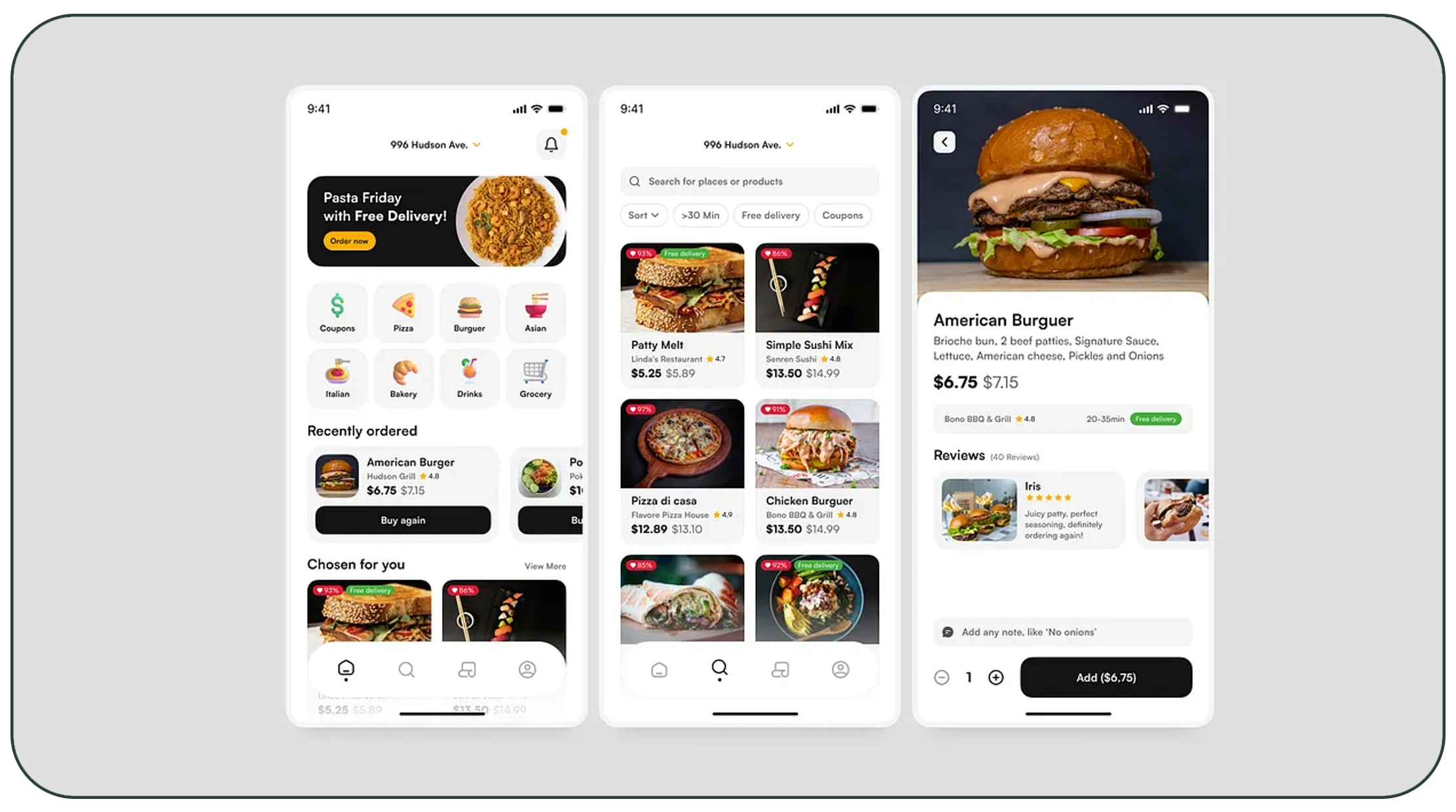
Understanding restaurant distribution and order trends is the foundation of food market intelligence. Businesses can extract restaurant and order trends from Rappi to evaluate cuisine popularity by geography, ratings, and order volumes.
Between 2020 and 2026, online food delivery orders have shown consistent growth across urban hubs. Scraped data reveals which cuisines—such as burgers, sushi, pizza, or healthy bowls—perform best in specific regions.
Restaurant & Order Growth Trends (2020–2026)
| Year | Active Restaurants | Avg. Monthly Orders (Millions) | Fastest Growing Cuisine |
|---|---|---|---|
| 2020 | 95,000 | 120 | Burgers |
| 2021 | 110,000 | 150 | Pizza |
| 2022 | 135,000 | 190 | Mexican |
| 2023 | 160,000 | 240 | Asian Fusion |
| 2024 | 185,000 | 290 | Healthy Food |
| 2025 | 210,000 | 330 | Korean |
| 2026 | 240,000 | 380 | Plant-Based |
By analyzing structured restaurant-level data, businesses can identify:
- High-density cuisine clusters
- Rating-to-order correlations
- Demand gaps in specific neighborhoods
- Emerging micro-cuisine trends
This intelligence supports expansion strategies and optimized kitchen deployment in high-demand zones.
Analyzing Time-Based Consumption Patterns
Time-of-day ordering trends significantly impact operational planning. Using Web Scraping Rappi peak ordering hours, businesses can understand customer behavior across breakfast, lunch, dinner, and late-night windows.
Peak hour analysis reveals which cuisines dominate at specific times. For example, coffee and bakery items trend in early hours, while fast food and comfort meals spike during evenings.
Peak Ordering Distribution (2020–2026 Average)
| Time Slot | % of Daily Orders | Top Cuisine |
|---|---|---|
| 6 AM–10 AM | 12% | Bakery & Coffee |
| 11 AM–2 PM | 34% | Fast Casual |
| 6 PM–9 PM | 38% | Burgers & Pizza |
| 10 PM–1 AM | 16% | Snacks & Asian |
Insights from time-based scraping help:
- Optimize delivery fleet allocation
- Adjust promotional timing
- Improve dynamic pricing
- Plan kitchen staffing efficiently
Businesses that align menu promotions with peak demand periods increase conversion rates and reduce order delays.
Understanding Menu Structures and Price Sensitivity
Pricing directly influences demand elasticity. With Rappi menu and pricing data extraction, businesses gain visibility into average dish prices, discount trends, and cuisine-specific price bands.
From 2020 to 2026, price sensitivity increased due to inflationary pressure and competitive discounts. Scraped pricing data enables brands to benchmark against competitors and adjust strategies accordingly.
Average Dish Pricing by Cuisine (2020–2026)
| Cuisine Type | 2020 Avg Price | 2026 Avg Price | % Increase |
|---|---|---|---|
| Burgers | $6.50 | $8.20 | 26% |
| Sushi | $9.80 | $12.40 | 27% |
| Pizza | $7.20 | $9.10 | 26% |
| Healthy Food | $8.90 | $11.70 | 31% |
Menu scraping helps businesses:
- Identify profitable cuisine segments
- Detect discount-driven growth
- Compare premium vs. budget trends
- Understand bundle performance
Accurate pricing intelligence ensures competitive positioning without sacrificing margins.
Tracking Live Market Shifts and Emerging Trends
The food delivery market evolves rapidly. Through real-time Rappi food delivery data scraping, brands can monitor trending cuisines, seasonal dishes, and viral food categories instantly.
From 2020–2026, emerging trends such as plant-based meals, keto options, and regional specialty foods showed sharp demand spikes. Real-time data allows companies to respond faster than competitors.
Emerging Cuisine Growth (2020–2026)
| Cuisine Trend | 2020 Share | 2026 Share |
|---|---|---|
| Plant-Based | 4% | 14% |
| Korean | 3% | 11% |
| Vegan | 5% | 16% |
| Healthy Bowls | 7% | 18% |
Benefits include:
- Early trend adoption
- Real-time demand forecasting
- Hyperlocal cuisine insights
- Rapid menu innovation
Timely insights reduce guesswork and enhance agility in dynamic markets.
Leveraging Structured Integration for Scalable Insights

Modern analytics require seamless integration. The Rappi Delivery API enables structured access to delivery-related metadata, including restaurant listings, availability, and service areas.
When combined with scraped datasets, APIs help automate:
- Data refresh cycles
- Order-level trend analysis
- Location-based filtering
- Multi-city comparison dashboards
Multi-City Cuisine Demand Index (2026)
| City | Top Cuisine | Demand Index |
|---|---|---|
| Bogotá | Burgers | 92 |
| Mexico City | Tacos | 95 |
| São Paulo | Pizza | 90 |
| Lima | Sushi | 88 |
API-enabled analytics streamline large-scale monitoring and predictive modeling across markets.
Building Actionable Intelligence from Structured Datasets

Raw scraping becomes valuable only when converted into structured datasets. Using a Web Scraping Rappi Dataset, businesses can standardize cuisine tags, normalize prices, and categorize restaurants effectively.
Between 2020 and 2026, structured datasets improved predictive modeling accuracy by over 30% for demand forecasting systems.
Dataset Elements for Trend Analysis
- Cuisine category
- City & neighborhood
- Menu pricing
- Ratings & reviews
- Peak hours
- Discount patterns
With clean datasets, analysts can:
- Forecast cuisine growth
- Identify underserved markets
- Optimize marketing targeting
- Improve supply chain planning
Structured intelligence drives long-term profitability and sustainable expansion.
Why Choose Real Data API?
Real Data API delivers enterprise-grade scraping solutions designed for food delivery intelligence. With our advanced Rappi Scraper, businesses can collect accurate, structured, and scalable datasets across multiple cities and cuisine categories.
Our platform enables companies to Scrape popular cuisines via Rappi data scraper tools with:
- High-frequency data refresh
- Clean and structured outputs
- Custom filters by city, cuisine, or price
- API-ready integrations
- Compliance-focused scraping methods
Whether you're a restaurant chain, analytics firm, or food-tech startup, Real Data API ensures reliable data pipelines to power your decision-making systems.
Conclusion
The food delivery ecosystem is evolving rapidly, and cuisine-level intelligence is the key to staying competitive. Businesses that Scrape popular cuisines via Rappi data scraper solutions gain deep visibility into demand shifts, pricing patterns, peak hours, and emerging trends across cities.
By leveraging structured datasets, real-time monitoring, and advanced analytics, companies can refine menus, optimize pricing, and expand strategically into high-demand markets.
With the support of a powerful Food Data Scraping API, your business can transform raw delivery listings into actionable growth strategies.
Start leveraging data-driven cuisine intelligence today—partner with Real Data API and unlock high-demand food trends across cities with precision and confidence.
Latest posts
How Myntra Fashion Dataset Solves Fashion Intelligence Challenges Across Products, Prices, Brands, and Fashion Market Trends?
How Hyatt Travel Dataset Helps Businesses Track Hotels, Room Prices, Amenities, Locations, and Travel Trends?

How Louis Vuitton Fashion Dataset Enables Better Analysis of Luxury Products, Prices, Brands, and Fashion Trends?
How Blinkit Grocery Dataset Enables Smarter Analysis of Products, Prices, Availability, and Quick-Commerce Trends?







.png)