Introduction
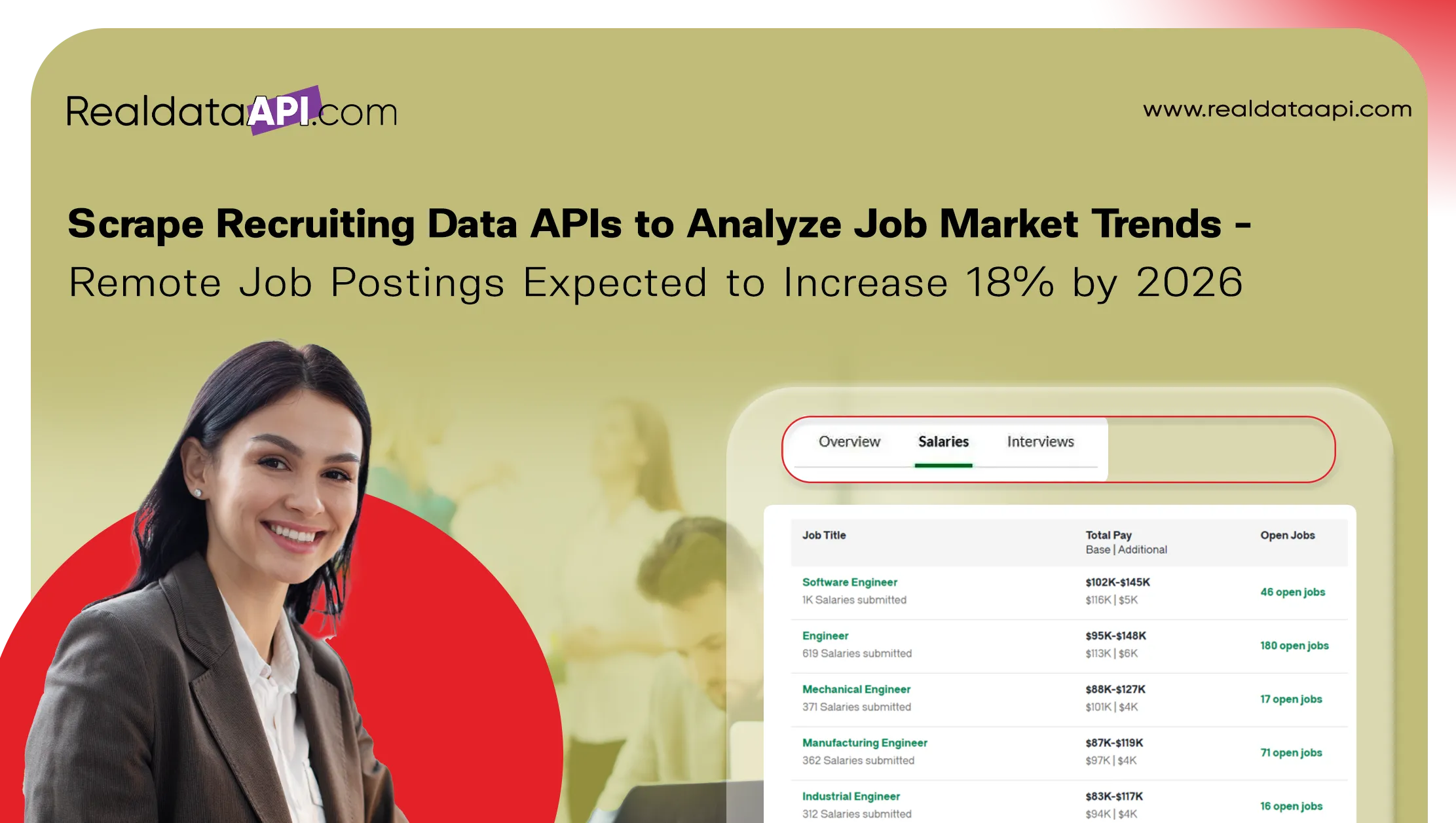
The modern workforce is evolving rapidly, and companies must stay ahead to attract the right talent. Using Scrape recruiting data APIs to analyze job market trends, organizations can monitor shifts in hiring patterns, track emerging roles, and plan workforce strategies efficiently. By tapping into structured, real-time recruitment data, HR teams and talent analysts can understand which sectors are experiencing rapid growth, what skills are in demand, and how remote work is reshaping hiring trends. Data-driven recruitment intelligence allows businesses to optimize hiring processes, identify gaps in talent pipelines, and make strategic decisions to remain competitive in a dynamic labor market. Between 2020–2026, remote job postings are projected to grow by 18%, highlighting the need for actionable insights to plan for distributed teams effectively. Integrating recruitment APIs ensures consistent, automated access to large-scale job listings, enabling predictive analytics and trend forecasting with accuracy and speed.
Talent Demand Analysis Through Recruitment APIs
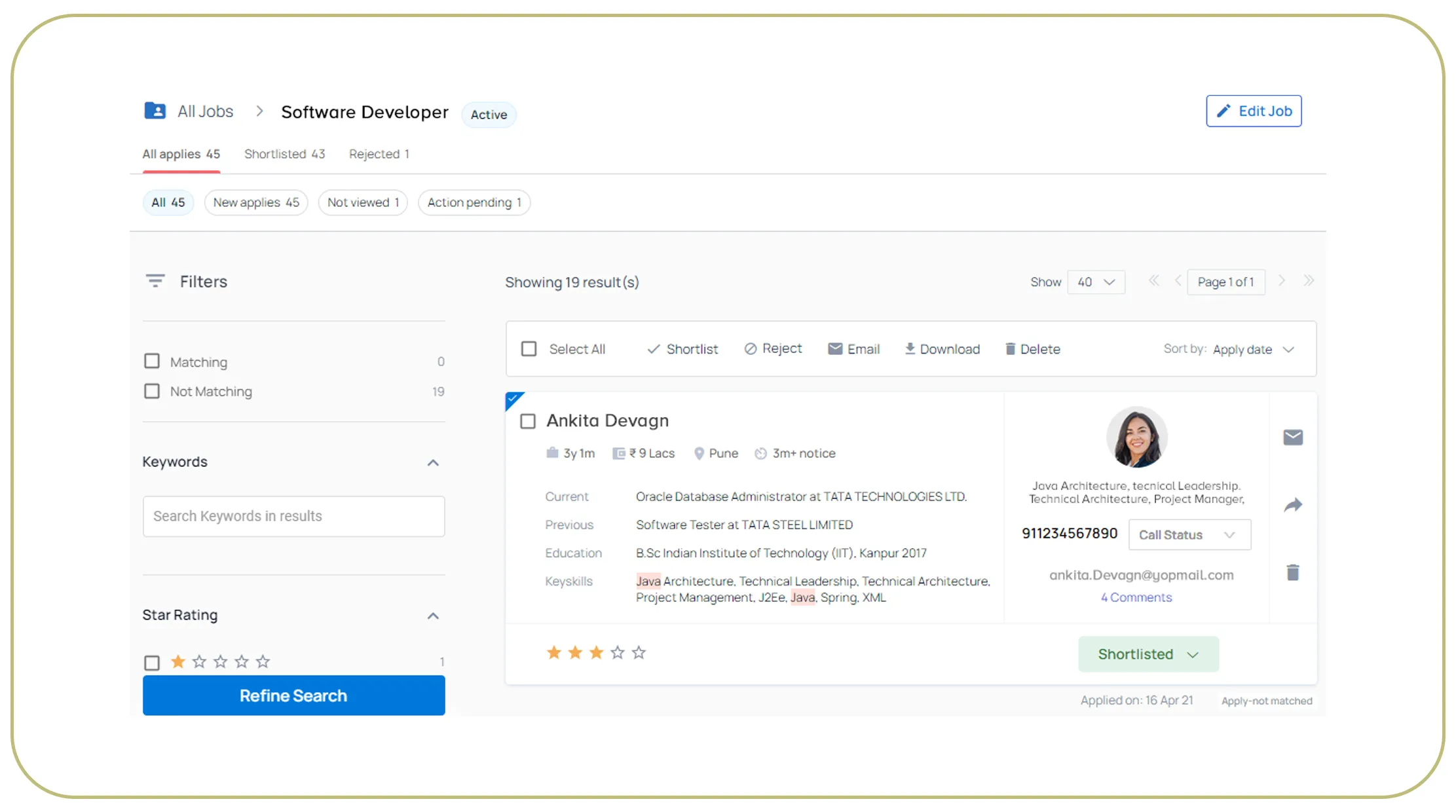
Tracking talent demand is critical for planning future workforce strategies. Leveraging Web Scraping recruitment APIs for talent demand analysis, companies can analyze historical and current hiring data to understand sector-wise growth, regional demand, and skill-specific requirements. From 2020 to 2026, tech roles have consistently shown a 12–15% annual growth in job postings, while remote positions have increased at an average of 10% yearly.
| Year | Tech Job Postings | Remote Job Postings | Healthcare Job Postings | Finance Job Postings |
|---|---|---|---|---|
| 2020 | 120,000 | 25,000 | 80,000 | 60,000 |
| 2021 | 135,000 | 28,000 | 85,000 | 63,000 |
| 2022 | 150,000 | 32,000 | 90,000 | 67,000 |
| 2023 | 165,000 | 36,000 | 95,000 | 70,000 |
| 2024 | 180,000 | 40,000 | 100,000 | 74,000 |
| 2025 | 195,000 | 44,000 | 105,000 | 78,000 |
| 2026 | 210,000 | 47,000 | 110,000 | 82,000 |
By analyzing these trends, HR teams can predict future hiring needs, allocate recruiting resources more efficiently, and identify high-demand locations for talent acquisition. Companies using recruitment APIs report a 20% faster response in adjusting hiring strategies and filling open positions, giving them a competitive edge.
Extracting Job Listings for Trend Insights
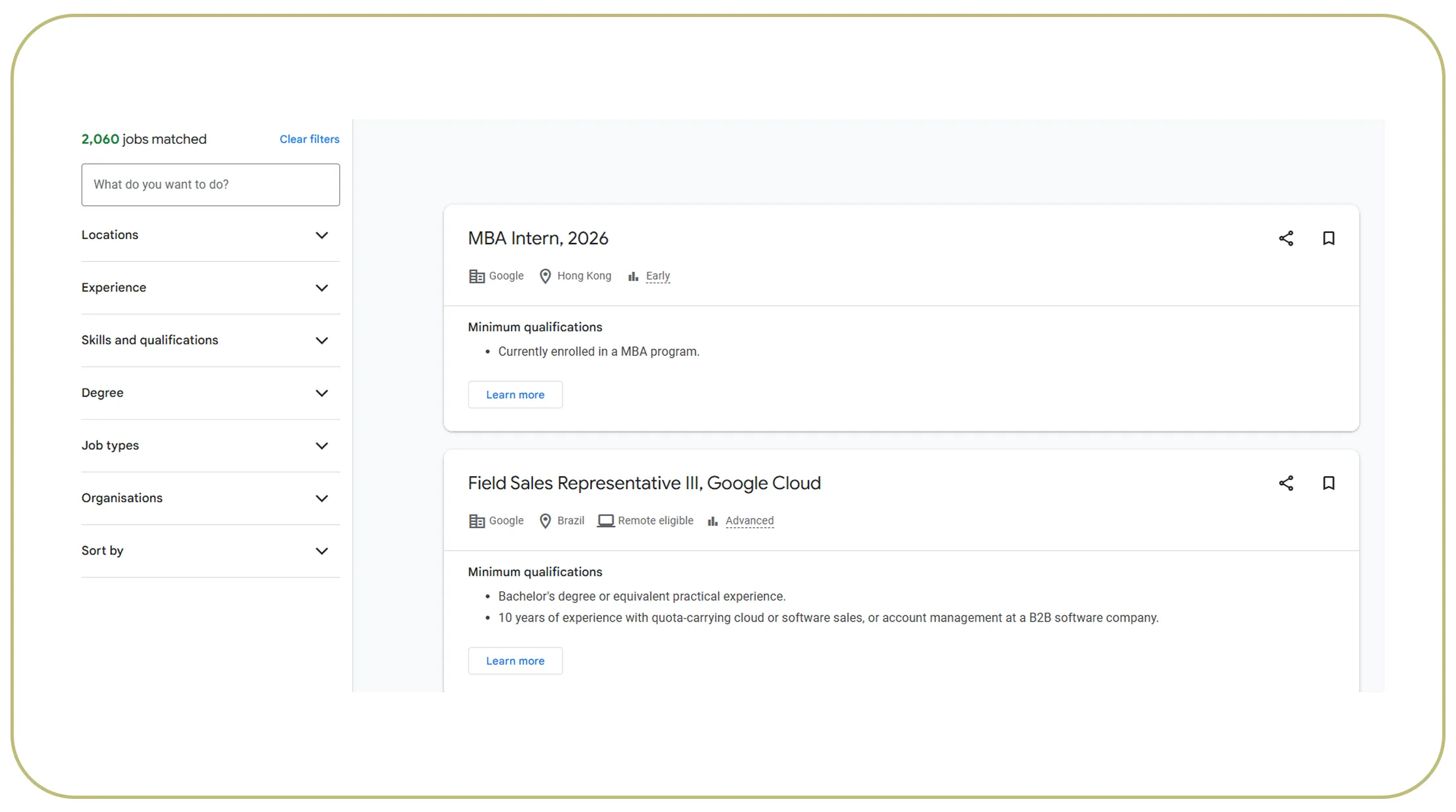
Analyzing large volumes of job postings enables businesses to detect hiring patterns. Using Extract job listings data for hiring trend analysis, companies can identify emerging roles, popular job titles, and sector-specific growth. For example, between 2020–2026, the demand for cybersecurity roles grew by over 25%, while AI and data science postings surged 30%.
| Job Function | 2020 Postings | 2023 Postings | 2026 Projected |
|---|---|---|---|
| Data Science | 10,000 | 18,000 | 26,000 |
| Cybersecurity | 8,000 | 15,000 | 20,000 |
| Cloud Engineering | 5,000 | 12,000 | 18,000 |
| DevOps | 7,000 | 13,500 | 19,000 |
Real-time extraction allows HR teams to react to shifts in labor demand. Organizations can use this data for workforce planning, talent forecasting, and competitive benchmarking. Trend analysis also highlights regions with concentrated talent, helping recruiters focus sourcing efforts efficiently.
Understanding Job Market Shifts
The labor market is influenced by economic, technological, and social factors. Job market trends data scraping enables organizations to track these changes over time. From 2020 to 2026, remote work adoption accelerated significantly. Companies that leverage this data can forecast hiring spikes, evaluate sector growth, and anticipate skills gaps.
| Sector | 2020 Jobs | 2023 Jobs | 2026 Projected | Remote % 2026 |
|---|---|---|---|---|
| Technology | 120,000 | 165,000 | 210,000 | 35% |
| Healthcare | 80,000 | 95,000 | 110,000 | 20% |
| Finance | 60,000 | 70,000 | 82,000 | 25% |
| Manufacturing | 50,000 | 55,000 | 60,000 | 10% |
This information helps organizations adjust recruitment campaigns, plan learning and development programs, and align workforce strategies with long-term business goals.
Automating Recruitment Analytics
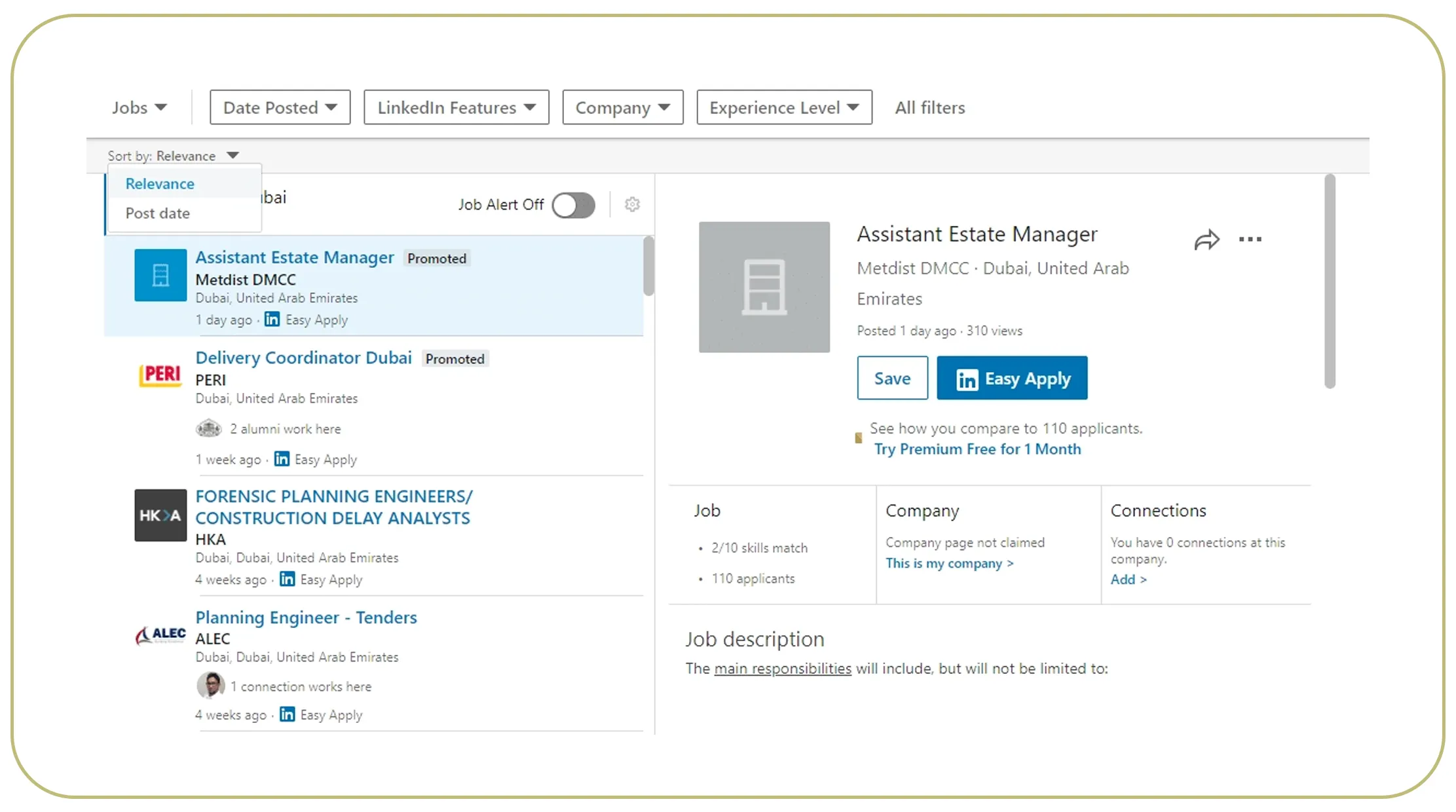
A Recruitment Data Scraping API allows HR teams to automate data collection and reporting from multiple job portals. This eliminates manual tracking, increases accuracy, and provides timely insights. Using automated pipelines, companies can capture thousands of listings daily, including roles, locations, salaries, and remote eligibility.
| Data Type | Frequency | Coverage | Use Case |
|---|---|---|---|
| Job Postings | Daily | Global | Trend Analysis |
| Salary Info | Weekly | Regional | Compensation Benchmarking |
| Remote Listings | Daily | Global | Workforce Planning |
| Skills Tags | Monthly | Global | Talent Sourcing |
Automated analytics also supports predictive modeling. For example, predictive insights show that by 2026, remote roles in technology will comprise 18% of total postings, highlighting where companies should invest in remote talent acquisition.
Market Research for Strategic Hiring
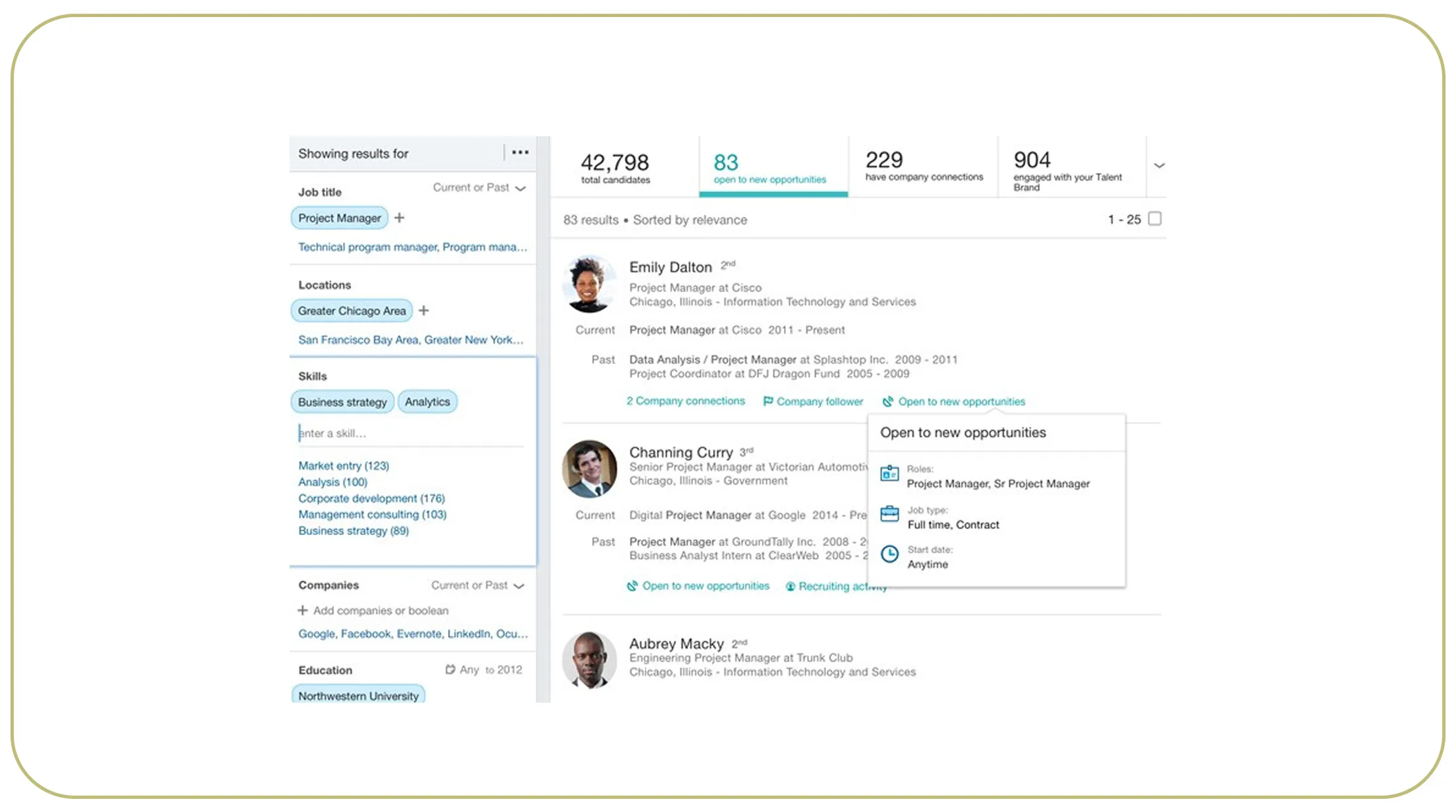
Leveraging Market Research through scraped recruitment data allows businesses to make informed hiring decisions. By analyzing competitor hiring activity, demand trends, and emerging roles, companies can identify talent shortages and skill gaps.
| Metric | 2020 | 2023 | 2026 Projected |
|---|---|---|---|
| Tech Job Openings | 120k | 165k | 210k |
| Remote Positions | 25k | 36k | 47k |
| AI & Data Roles | 15k | 25k | 35k |
| Cybersecurity Roles | 8k | 15k | 20k |
Market research insights support salary benchmarking, candidate targeting, and proactive recruitment campaigns, allowing businesses to reduce hiring costs and improve time-to-hire.
Leveraging Web Scraping Services
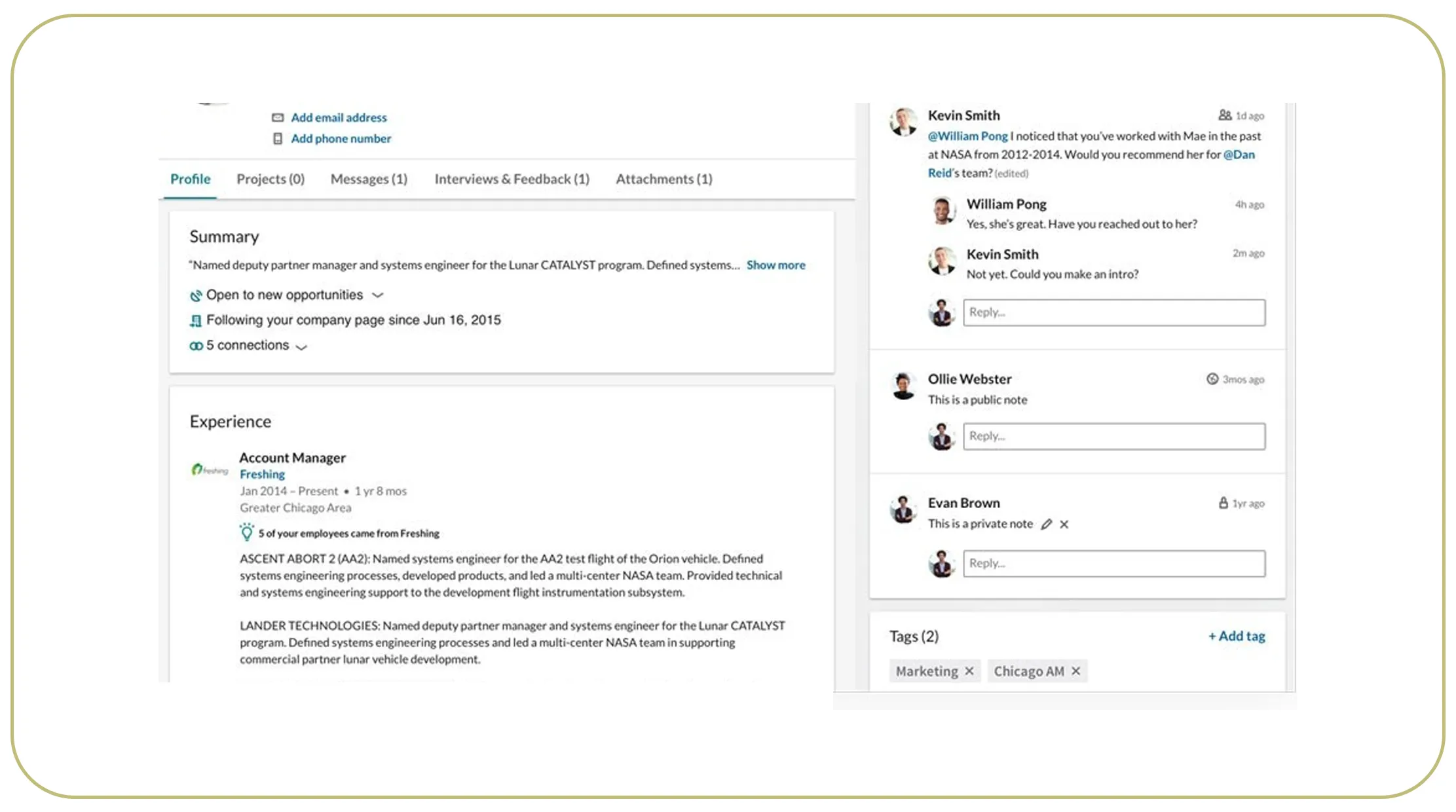
Using Web Scraping Services, companies can aggregate data from multiple job portals, social networks, and company career pages for comprehensive workforce intelligence. This approach provides deeper insights into industry trends, job posting volume, and talent mobility.
| Source | Jobs Extracted 2023 | Jobs Projected 2026 |
|---|---|---|
| 50,000 | 65,000 | |
| Indeed | 40,000 | 55,000 |
| Company Career Pages | 30,000 | 40,000 |
| Job Boards | 25,000 | 35,000 |
Integrating this data with internal HR analytics platforms helps optimize hiring campaigns, manage workforce budgets, and forecast talent needs with high accuracy.
Why Choose Real Data API?
Real Data API offers scalable, reliable, and automated solutions to Scrape recruiting data APIs to analyze job market trends. Our Web Unlocker API ensures fast and secure access to live job listings, salaries, and remote work trends. Organizations gain actionable insights for competitive benchmarking, workforce planning, and predictive analytics. With support for global data extraction, multi-source integration, and analytics-ready datasets, Real Data API empowers HR teams and analysts to make smarter, data-driven decisions, reduce time-to-hire, and align talent acquisition strategies with long-term business growth.
Conclusion
By leveraging Scrape recruiting data APIs to analyze job market trends, businesses can access structured, real-time hiring data to track remote work growth, emerging skills, and sector-specific demand. With predictive insights, automated extraction, and multi-source coverage, companies can optimize recruitment strategies, forecast talent needs, and reduce operational inefficiencies. From 2020–2026, remote job postings are expected to increase by 18%, emphasizing the need for proactive workforce planning. Real Data API solutions provide analytics-ready datasets, ensuring HR teams, analysts, and decision-makers stay ahead in the rapidly evolving job market.
Unlock actionable workforce insights with Real Data API and transform recruitment strategies today
Latest posts

Web Scraping Competitor Product Monitoring Using Marketplace Data for Real-Time E-commerce Insights and Business Growth?
How to Scrape Product Intelligence Platform Using Marketplace Data to Help Brands Optimize Pricing, Inventory, and Product Strategy?
Why Companies scrape business data from Google Maps using keywords to Build Accurate Business Lists and Competitive Insights?
How Review scraping and monitoring services Help Businesses Track Customer Sentiment and Protect Brand Reputation in 2026?
How Real Estate Investment Insights Using RERA Data Scraping Help Investors Minimize Risk and Maximize Returns

Real Data API stands out as one of the premier global companies specializing in web data Scraping and web extraction.





.png)


Rating 4.7
Rating 4.7
Rating 4.5
Rating 4.7
Rating 4.7


Disclaimer : RealData API functions solely as an independent data infrastructure and technology solutions provider. We build customized automation workflows designed to collect publicly accessible web data based exclusively on client instructions. RealData API neither owns proprietary datasets nor engages in the sale or redistribution of extracted information. Our operations are limited strictly to lawful public web data processing and never involve unauthorized access to restricted systems or private networks. Any company names, trademarks, logos, or brand references displayed on this website are used purely for demonstrative and illustrative purposes to showcase our technical capabilities and do not imply endorsement, partnership, or affiliation. Use of our platform and services remains subject to our Terms of Service.