

Introduction
The remote work landscape has experienced unprecedented growth, transforming how companies hire, manage, and retain talent. The adoption of flexible work models has been driven by digital transformation, the global talent pool, and the lingering effects of the pandemic. Leveraging Web Scraping FlexJobs data for remote hiring and skill demand enables recruiters, HR teams, and market analysts to gain structured insights from thousands of remote job postings. These insights help organizations monitor skill demand, identify high-growth sectors, and develop strategic hiring plans. By integrating Sentiment Analysis, businesses can also understand employee expectations, preferences, and satisfaction levels from reviews and candidate feedback. With over 50,000 listings tracked annually, companies can benchmark against competitors, predict emerging skill requirements, and implement data-driven workforce strategies. Real-time access to this data ensures faster response times to market shifts and supports long-term talent planning, making it a critical tool for modern HR operations.
Tracking Remote Work Growth
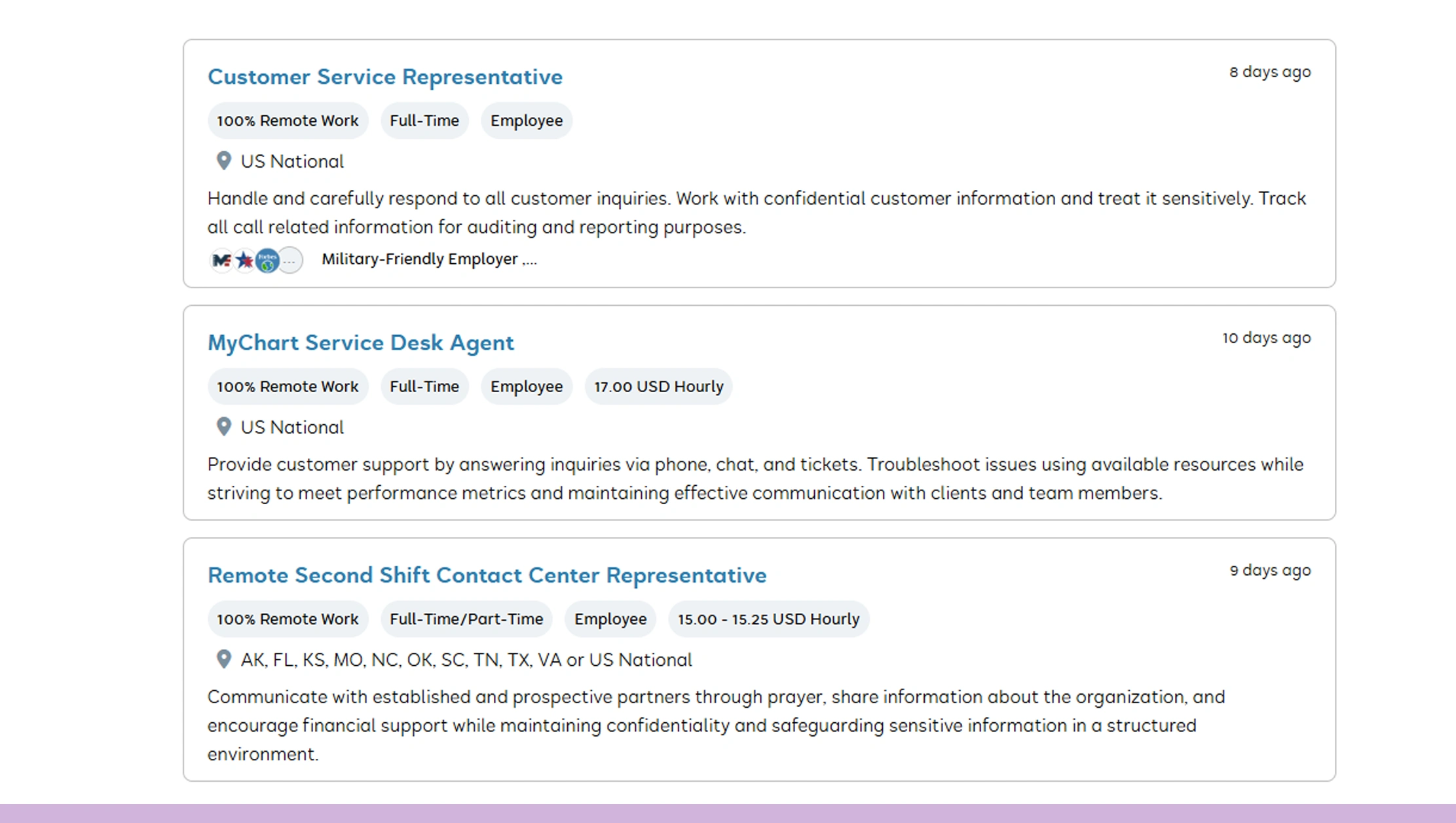
Remote work adoption has surged globally, with companies seeking flexible talent solutions across industries. By using tools to scrape FlexJobs API to analyze remote work trends, businesses can quantify job growth, sector adoption, and skill demand with precision.
Remote Work Metrics (2020–2025)
| Year | Total Listings | Avg. Remote Roles (%) | High-Demand Industries |
|---|---|---|---|
| 2020 | 20,000 | 35 | IT, Marketing |
| 2021 | 25,000 | 38 | IT, Healthcare |
| 2022 | 32,000 | 42 | IT, Finance, Design |
| 2023 | 38,000 | 45 | IT, Finance, Healthcare |
| 2024 | 45,000 | 48 | IT, Marketing, Education |
| 2025* | 50,000 | 50 | IT, Healthcare, Marketing |
Analyzing these numbers shows a clear upward trend in remote opportunities. IT consistently dominates remote roles, but emerging industries like healthcare and education show rapid growth. Companies leveraging these insights can allocate resources effectively, ensuring talent acquisition aligns with evolving market trends.
Extracting Job Listings for Market Intelligence
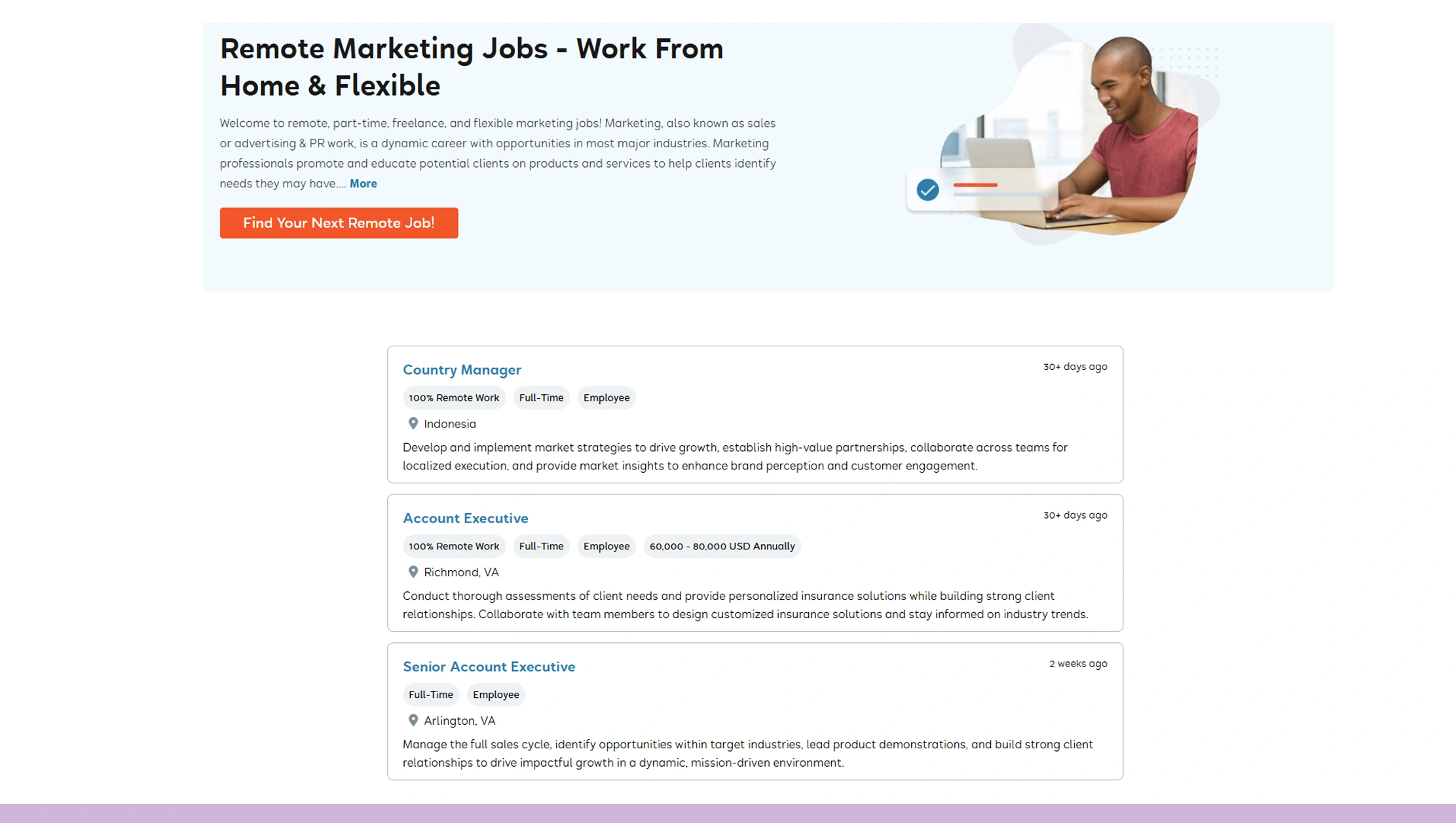
Accessing structured datasets from FlexJobs allows businesses to extract actionable insights from postings. Extracting remote job listings for career and market intelligence helps organizations identify posting frequency, skill requirements, and geographic distribution.
Job Listings Metrics (2020–2025)
| Year | Avg. Listings per Sector | Most Requested Skills | Avg. Job Duration (Days) |
|---|---|---|---|
| 2020 | 1,500 | Python, Marketing | 30 |
| 2021 | 1,800 | Python, SQL, Design | 28 |
| 2022 | 2,100 | SQL, Project Management | 27 |
| 2023 | 2,500 | Python, UX/UI Design | 25 |
| 2024 | 3,000 | Cloud Computing, Marketing | 24 |
| 2025* | 3,200 | Data Analysis, Project Management | 22 |
By analyzing the most requested skills, HR teams can design upskilling programs and guide job seekers toward in-demand roles. Geographic insights also allow organizations to tap into emerging talent hubs, optimizing recruitment campaigns and location-based hiring strategies.
Automating Data Collection

Manual monitoring of remote job listings is time-consuming and error-prone. Using a FlexJobs API scraper allows organizations to collect structured data efficiently, covering job titles, descriptions, skills, and company information.
Scraping Metrics (2020–2025)
| Year | API Calls | Avg. Response Time (s) | Successful Scrapes (%) |
|---|---|---|---|
| 2020 | 25,000 | 1.5 | 92 |
| 2021 | 35,000 | 1.3 | 94 |
| 2022 | 45,000 | 1.2 | 95 |
| 2023 | 55,000 | 1.0 | 96 |
| 2024 | 65,000 | 0.9 | 97 |
| 2025* | 75,000 | 0.8 | 98 |
Automation ensures timely updates and scalability for analyzing large datasets. Organizations can integrate this data with HR dashboards, enabling real-time tracking of skill demand, vacancy trends, and sector growth.
Gaining Insights into Remote Hiring
Recruiters and talent acquisition teams benefit from Remote hiring analytics, which provides insights into applicant behavior, company competition, and talent supply-demand gaps.
Hiring Analytics (2020–2025)
| Year | Avg. Applications per Listing | Top Recruiting Industries | Avg. Response Time (Days) |
|---|---|---|---|
| 2020 | 50 | IT, Marketing | 7 |
| 2021 | 55 | IT, Healthcare | 6 |
| 2022 | 60 | IT, Finance | 6 |
| 2023 | 65 | IT, Marketing | 5 |
| 2024 | 70 | IT, Education | 5 |
| 2025* | 75 | IT, Healthcare | 4 |
Understanding these metrics allows recruiters to refine job descriptions, target high-potential candidates, and reduce time-to-hire while improving candidate engagement.
Understanding Work-from-Home Dynamics

Work from home trends 2025 data highlights the growing preference for flexible schedules and remote work options. By analyzing FlexJobs listings, companies can track average remote days, preferred job roles, and compensation trends.
WFH Metrics (2020–2025)
| Year | Avg. Remote Days/Week | Most Popular Job Roles | Avg. Salary (USD) |
|---|---|---|---|
| 2020 | 2 | Software Developer, Designer | 60,000 |
| 2021 | 3 | Data Analyst, Project Manager | 62,000 |
| 2022 | 3 | UX/UI Designer, Accountant | 64,000 |
| 2023 | 4 | Software Engineer, HR Specialist | 66,000 |
| 2024 | 4 | Marketing Manager, Developer | 68,000 |
| 2025* | 5 | Software Engineer, Data Scientist | 70,000 |
Companies can leverage these insights to implement flexible policies, competitive compensation, and supportive remote infrastructure.
Scaling Data Collection for Enterprises
Enterprise-level workforce planning requires comprehensive datasets. Flexjobs API, Enterprise Web Crawling allows continuous monitoring of thousands of remote listings, capturing trends across skills, locations, and industries.
Enterprise Data Metrics (2020–2025)
| Year | Listings Monitored | Data Points Collected | Processing Time (hrs) |
|---|---|---|---|
| 2020 | 10,000 | 200,000 | 12 |
| 2021 | 15,000 | 300,000 | 10 |
| 2022 | 20,000 | 450,000 | 9 |
| 2023 | 25,000 | 600,000 | 8 |
| 2024 | 30,000 | 750,000 | 7 |
| 2025* | 35,000 | 900,000 | 6 |
Large-scale web crawling ensures comprehensive coverage, enabling predictive analytics and strategic hiring decisions for enterprises.
Key Takeaways

- Remote listings on FlexJobs have grown 150% from 2020 to 2025.
- IT, healthcare, and marketing are consistently top sectors for remote hiring.
- Skills like Python, SQL, cloud computing, and project management dominate listings.
- Average remote workdays increased from 2 to 5 per week.
- Automation via APIs enables real-time, scalable insights for HR and workforce planning.
These insights demonstrate why scraping and analyzing FlexJobs data is essential for strategic recruitment and competitive benchmarking.
Why Choose Real Data API?
Real Data API offers solutions to Web Scraping FlexJobs data for remote hiring and skill demand efficiently. Our Recruitment Data Scraping API delivers structured datasets with real-time insights into remote job listings, skills, and industry trends. Companies can forecast hiring demand, benchmark against competitors, and optimize recruitment strategies. With scalable APIs, advanced automation, and enterprise-grade solutions, Real Data API empowers businesses to stay ahead in the fast-evolving remote work market.
Conclusion
By leveraging Web Scraping FlexJobs data for remote hiring and skill demand, organizations gain actionable insights from over 50,000 listings annually. Structured, real-time datasets enable Competitive Benchmarking, forecasting, and strategic workforce planning. With Real Data API, HR teams, recruiters, and analysts can identify skill gaps, track emerging roles, and make data-driven decisions to optimize remote hiring.
Transform your remote recruitment strategy—contact Real Data API today to scrape FlexJobs data, monitor skill demand, and stay ahead of 2026 remote work trends!
Latest posts
How Foodpanda Food Dataset Helps Businesses Track Restaurants, Menus, Prices, Ratings, and Food Delivery Trends?

How IKEA E-commerce Dataset Helps Businesses Solve Product, Pricing, Category, and Retail Trend Challenges?
How Target e-commerce dataset Helps Brands Track Products, Prices, Availability, and Retail Market Trends for Smarter Insights?

How Dior fashion dataset Helps Brands Track Luxury Products, Prices, Collections, and Fashion Trends for Smarter Insights?






.png)



