Introduction
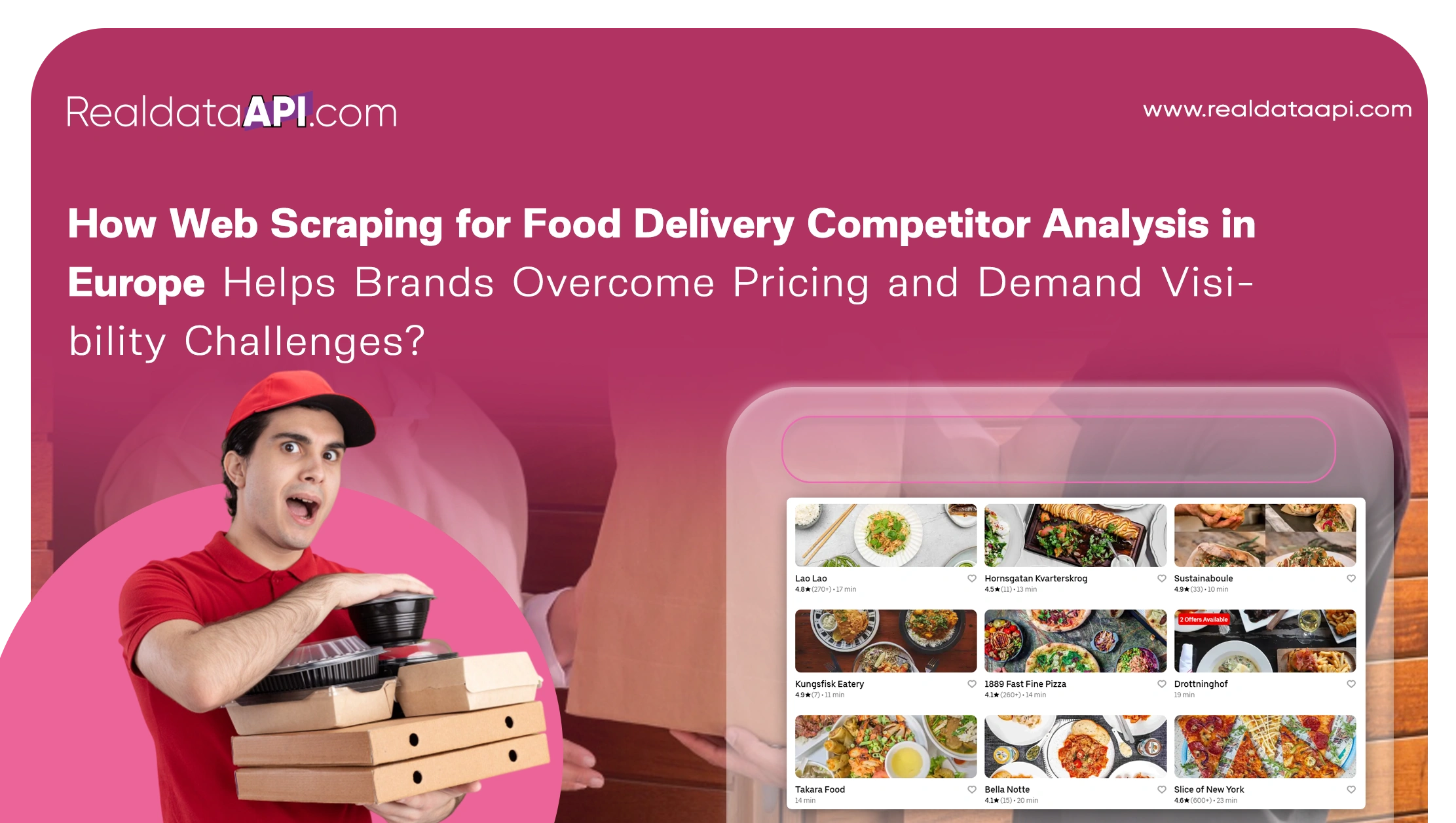
In today's highly competitive digital food ecosystem, restaurants and delivery platforms are under constant pressure to optimize pricing, monitor competitors, and understand shifting consumer demand. This is especially true across Europe, where market fragmentation, regional preferences, and platform-specific pricing variations create complexity for brands trying to stay competitive. Leveraging web scraping for food delivery competitor analysis in Europe allows businesses to gain real-time visibility into menus, discounts, delivery fees, and customer demand patterns across multiple platforms.
At the same time, global benchmarking is becoming essential. Many brands are expanding their strategies by comparing international markets, using insights to Scrape QSR Market Trends in Canada and the USA and align their offerings with proven high-growth models. By combining regional intelligence with global data, businesses can move from reactive pricing to predictive strategy.
This blog explores how structured data extraction empowers food delivery businesses to overcome pricing opacity and demand uncertainty, using actionable insights backed by industry data and forward-looking trends from 2020 to 2026.
Unlocking Menu Transparency and Competitive Pricing
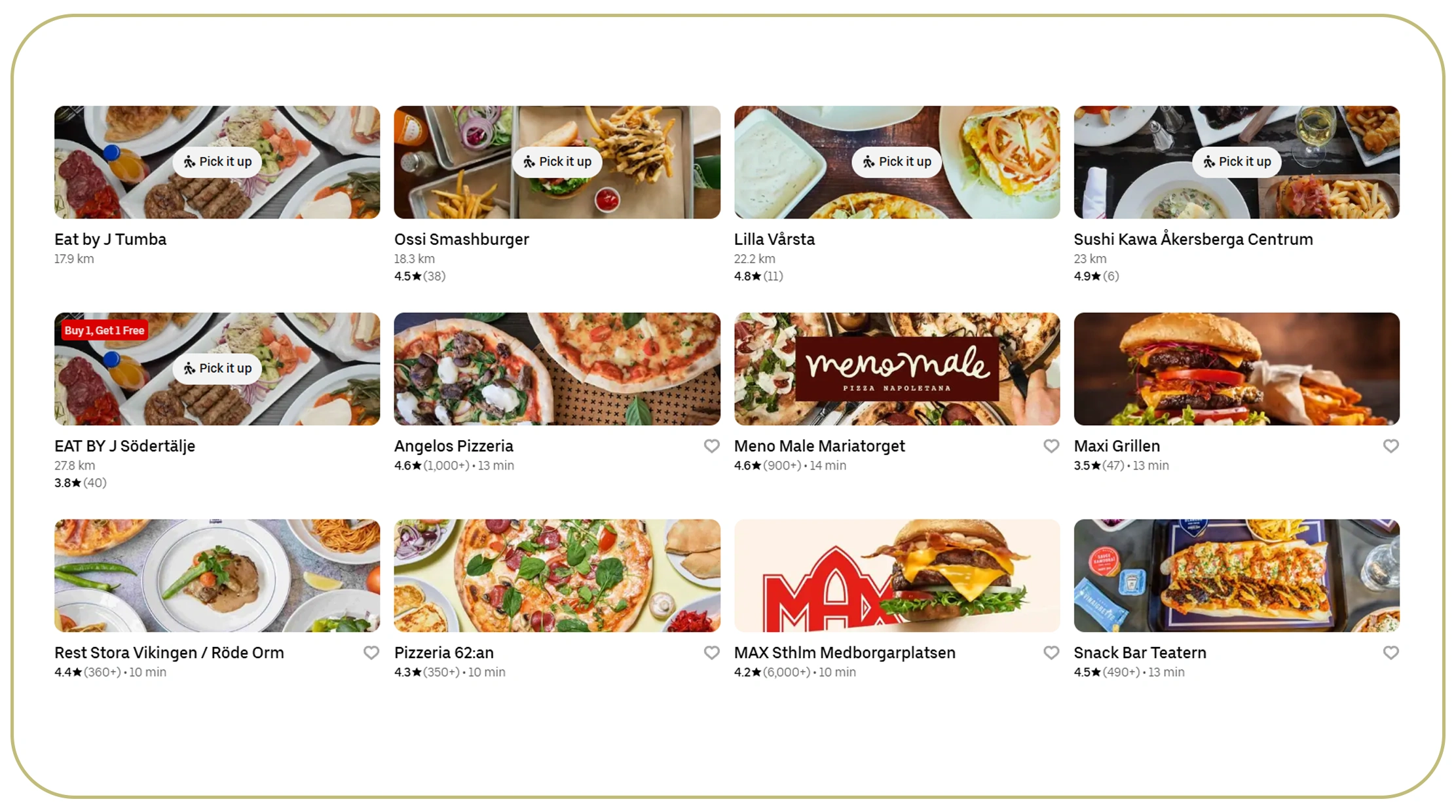
One of the biggest challenges for food delivery businesses is the lack of pricing transparency across competitors. Prices can vary significantly depending on location, time, and platform-specific promotions. To stay competitive, brands must extract menu and pricing data for restaurant analytics Europe and monitor these fluctuations continuously.
Between 2020 and 2026, studies indicate that over 65% of European consumers compare prices across at least two platforms before ordering. This behavior has intensified the need for real-time data tracking. Businesses that rely on manual monitoring often miss critical pricing changes, leading to lost revenue opportunities.
Sample Data Snapshot (Europe Pricing Trends):
| Year | Avg Meal Price (€) | Discount Frequency (%) | Platform Price Variance (%) |
|---|---|---|---|
| 2020 | 11.5 | 28% | 12% |
| 2022 | 13.2 | 35% | 18% |
| 2024 | 14.8 | 42% | 24% |
| 2026 (Projected) | 16.1 | 48% | 30% |
With automated scraping, brands can track competitor menus, identify underpriced or overpriced items, and adjust their pricing dynamically. This not only improves competitiveness but also ensures consistent profitability.
Turning Raw Data into Actionable Market Intelligence
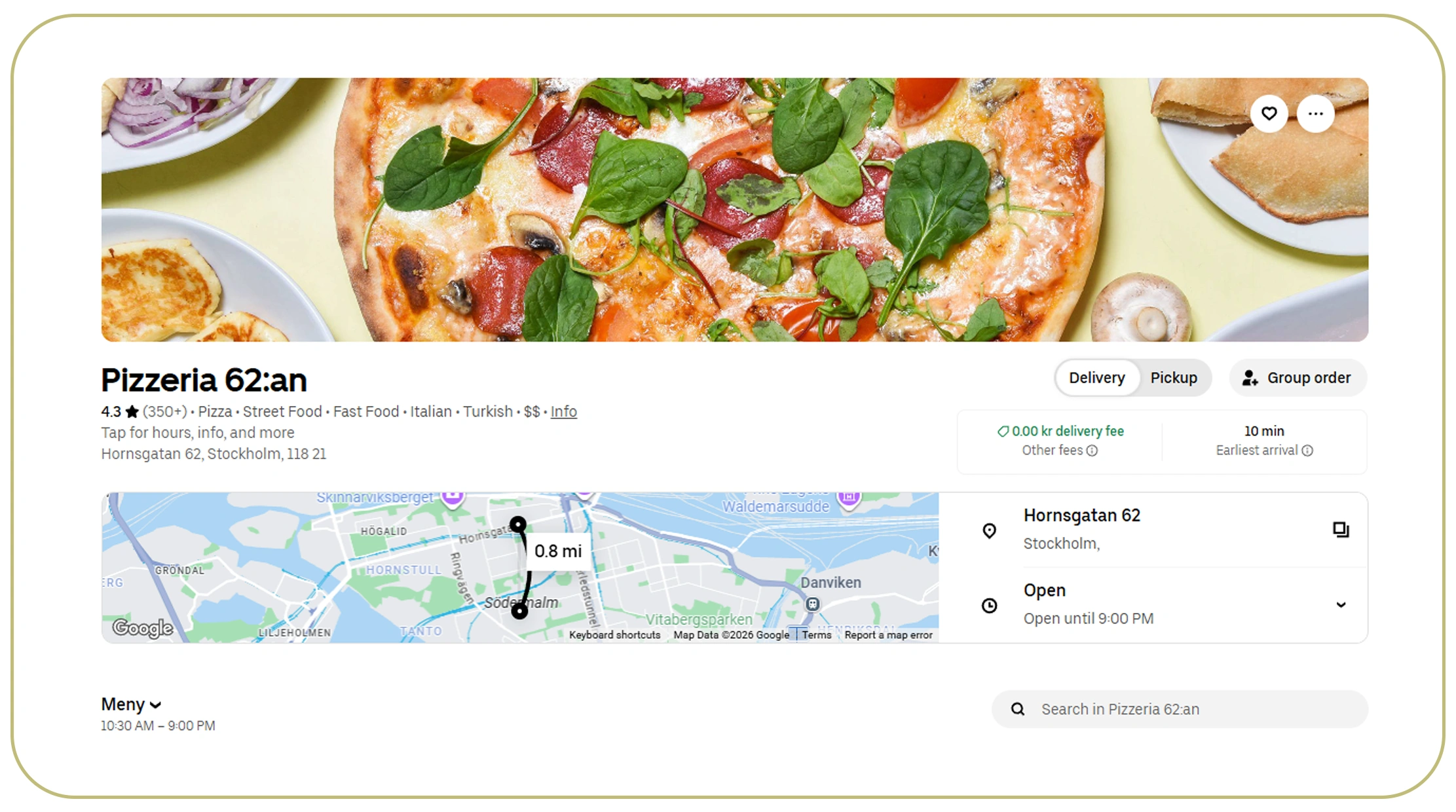
The European food delivery market is expanding rapidly, expected to surpass €200 billion by 2026. However, growth alone does not guarantee success. Companies need food delivery market insights data extraction to convert raw information into strategic decisions.
From 2020 to 2026, the volume of data generated by food delivery platforms has increased by over 300%. This includes customer reviews, ratings, delivery times, pricing, and menu changes. Without structured extraction, this data remains underutilized.
Market Growth Overview:
| Year | Market Size (€ Billion) | Active Users (Million) | Avg Orders per User |
|---|---|---|---|
| 2020 | 120 | 180 | 12 |
| 2022 | 150 | 210 | 15 |
| 2024 | 180 | 240 | 18 |
| 2026 (Projected) | 210 | 270 | 22 |
By leveraging automated extraction tools, businesses can analyze competitor performance, identify top-selling items, and understand promotional strategies. This transforms fragmented data into actionable insights, enabling faster and more accurate decision-making.
Identifying Demand Patterns Across Regions
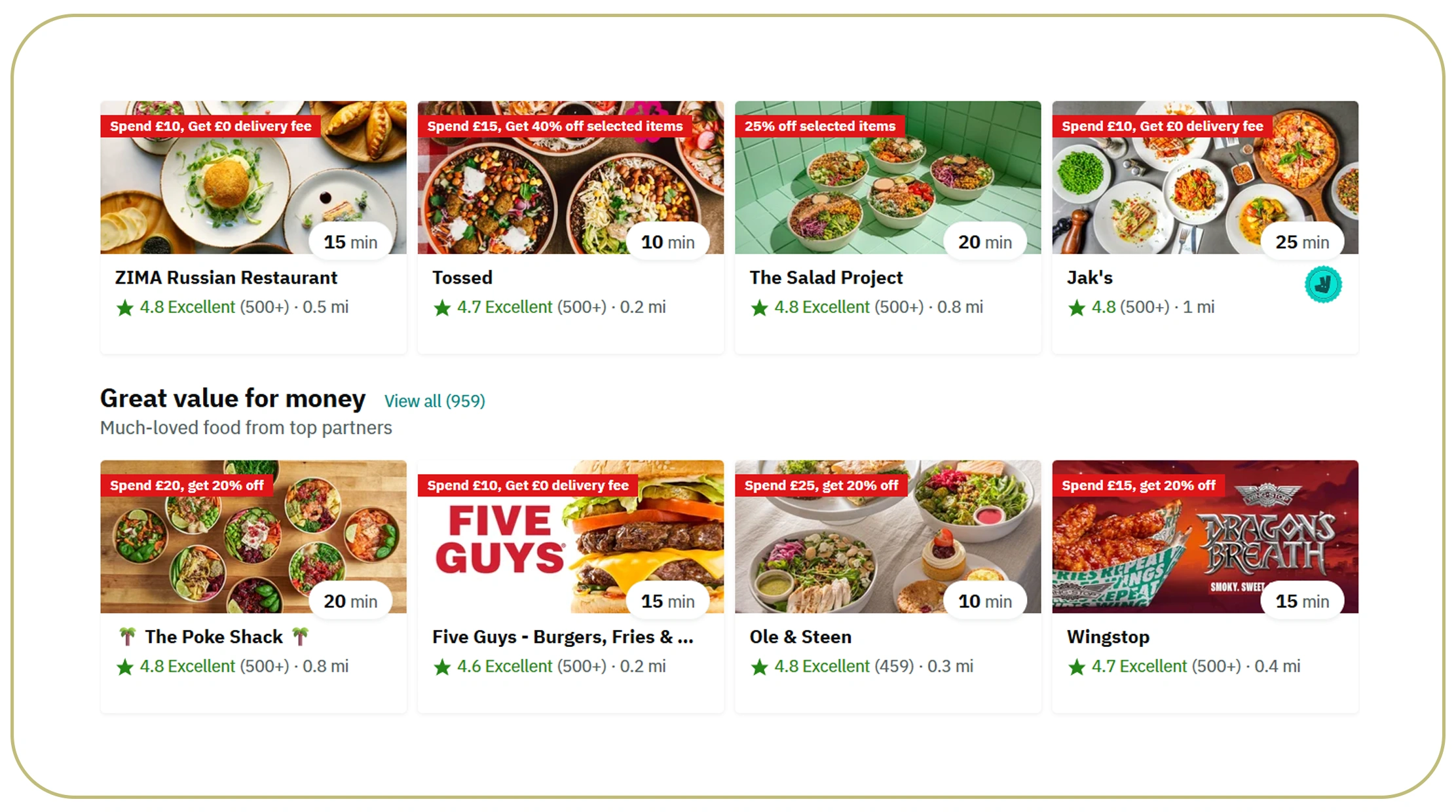
Understanding customer demand is critical for optimizing inventory, pricing, and delivery logistics. Companies can Analyze restaurant demand in Europe using scraped delivery data to uncover patterns that are otherwise hidden.
Demand in Europe varies widely based on geography, cultural preferences, and seasonal trends. For instance, Mediterranean regions show higher demand for seafood and healthy options, while Northern Europe leans toward comfort foods.
Demand Trend Analysis (Top Categories):
| Category | 2020 Share | 2023 Share | 2026 Forecast |
|---|---|---|---|
| Fast Food | 35% | 38% | 40% |
| Healthy Meals | 18% | 22% | 27% |
| Ethnic Cuisine | 20% | 21% | 23% |
| Desserts | 12% | 11% | 10% |
Using scraped data, businesses can anticipate demand spikes, optimize delivery zones, and tailor their offerings to specific regions. This reduces waste, improves customer satisfaction, and increases order volume.
Decoding Consumer Preferences for Better Engagement
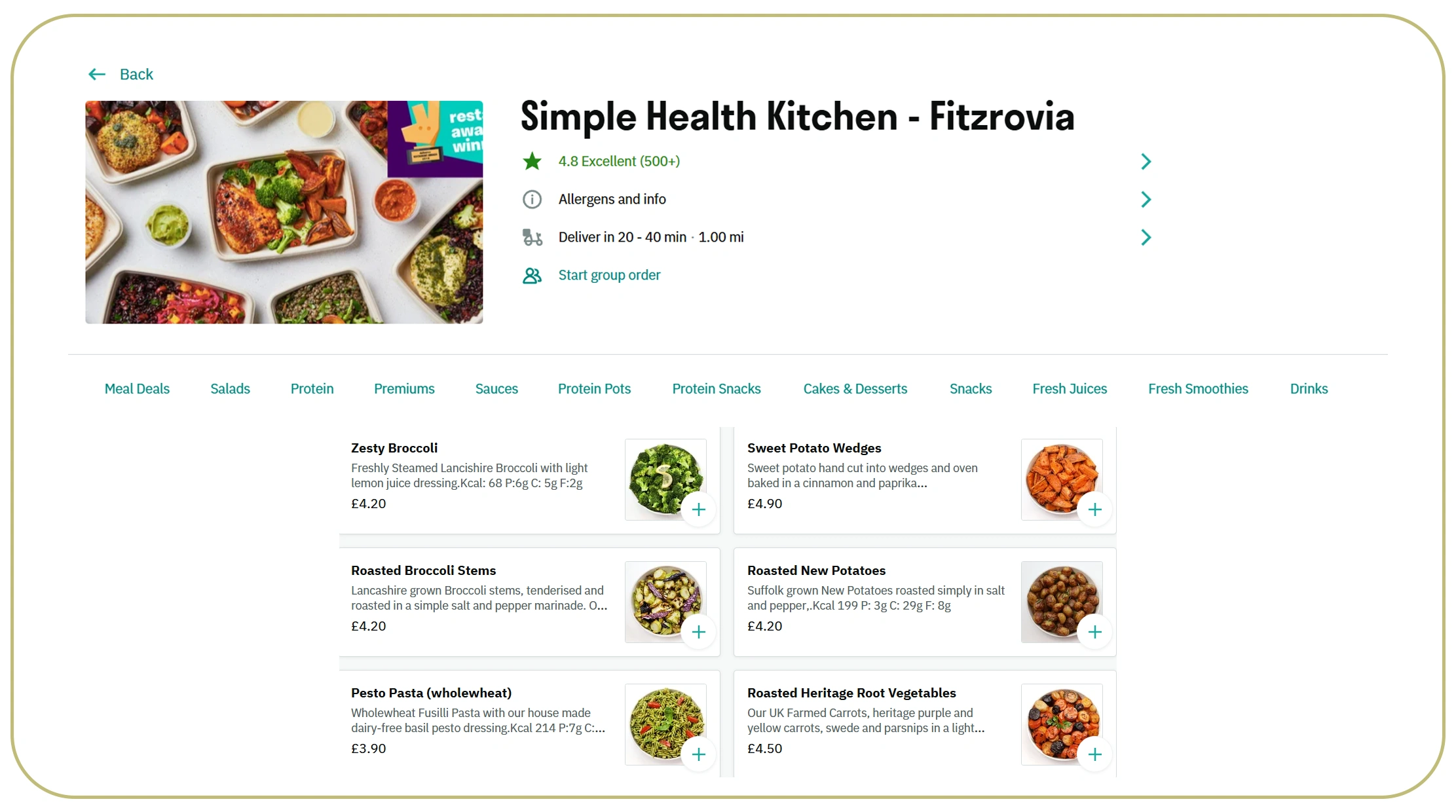
Consumer preferences in Europe are evolving rapidly, influenced by health trends, sustainability concerns, and cultural diversity. Brands can leverage European customer preferences analysis using food delivery data scraping to stay aligned with these changes.
Between 2020 and 2026, there has been a significant shift toward plant-based and eco-friendly food options. Over 45% of European consumers now prefer sustainable packaging and ethically sourced ingredients.
Preference Insights Table:
| Trend | 2020 | 2023 | 2026 Forecast |
|---|---|---|---|
| Plant-Based Orders | 12% | 18% | 25% |
| Eco Packaging Demand | 20% | 32% | 45% |
| Health-Focused Meals | 25% | 34% | 42% |
By analyzing customer reviews, ratings, and order patterns, businesses can refine their menus and marketing strategies. This ensures higher engagement and stronger brand loyalty in a competitive market.
Leveraging Advanced APIs for Scalable Data Collection
Manual data collection is no longer sufficient in a fast-paced market. Businesses need scalable solutions like a Food Data Scraping API to automate data extraction and ensure accuracy.
From 2020 to 2026, the adoption of APIs in the food delivery industry has grown by over 250%. These tools enable businesses to collect large volumes of data in real time, covering multiple platforms and regions.
API Adoption Trends:
| Year | API Usage (%) | Data Accuracy Improvement | Time Saved (%) |
|---|---|---|---|
| 2020 | 30% | 15% | 20% |
| 2022 | 45% | 25% | 35% |
| 2024 | 60% | 35% | 50% |
| 2026 | 75% | 50% | 65% |
With API-driven scraping, businesses can integrate data directly into their analytics systems, enabling real-time dashboards and automated decision-making. This significantly enhances operational efficiency.
Building a Strong Foundation with Structured Data Assets
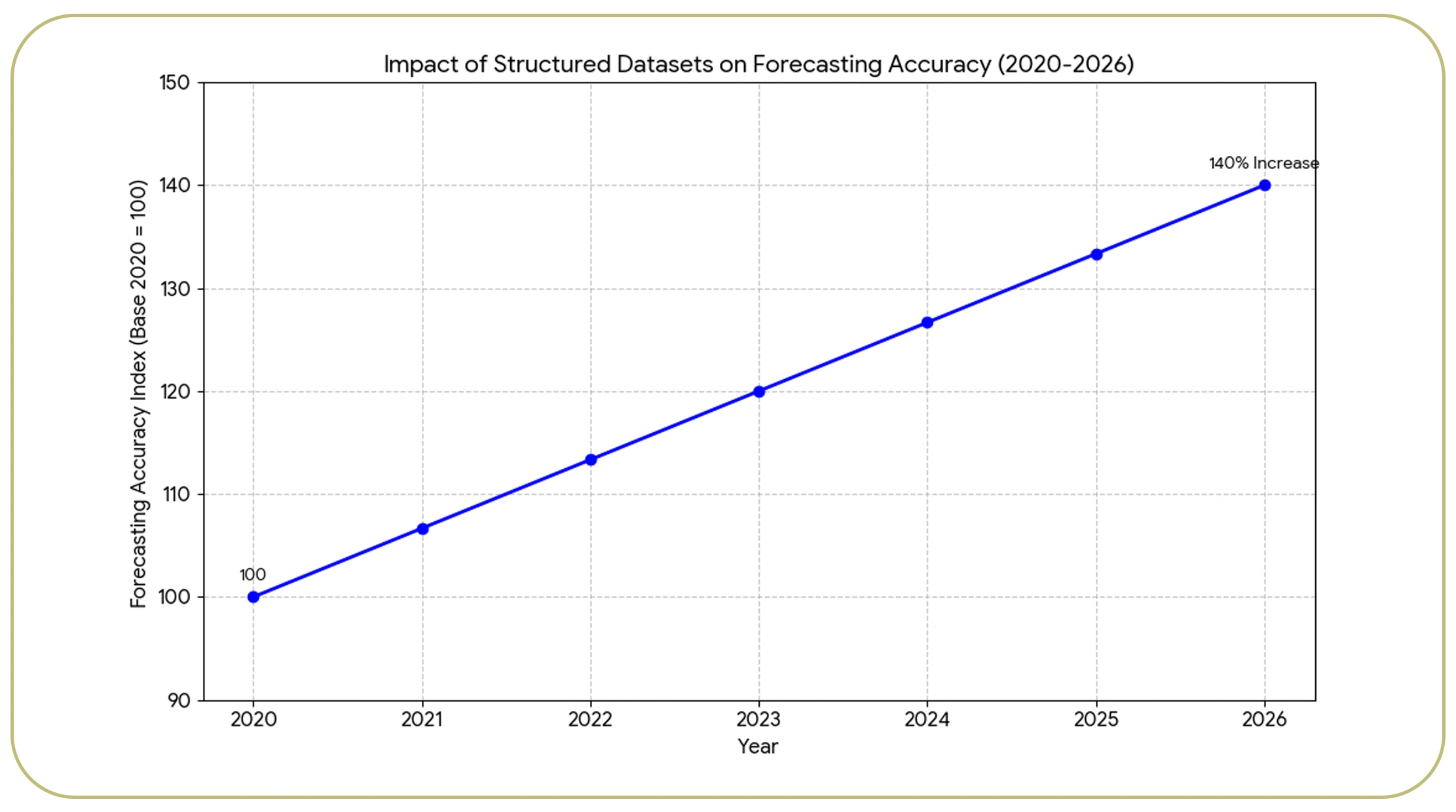
To fully leverage insights, businesses must maintain a high-quality Food Dataset that consolidates all extracted information. Structured datasets allow for advanced analytics, machine learning, and predictive modeling.
Between 2020 and 2026, companies using structured datasets have reported a 40% increase in forecasting accuracy. This is particularly valuable for demand planning and pricing optimization.
Dataset Impact Metrics:
| Metric | Without Dataset | With Dataset |
|---|---|---|
| Forecast Accuracy | 60% | 85% |
| Pricing Optimization | Low | High |
| Decision Speed | Slow | Fast |
By maintaining comprehensive datasets, businesses can identify long-term trends, benchmark performance, and develop data-driven strategies that drive sustainable growth.
Why Choose Real Data API?
When it comes to reliable and scalable data solutions, Real Data API stands out as a trusted partner for Market Research and competitive intelligence. By leveraging advanced technologies and robust infrastructure, businesses can efficiently implement web scraping for food delivery competitor analysis in Europe to gain a strategic edge.
Real Data API offers real-time data extraction, high accuracy, and customizable solutions tailored to the food delivery industry. Whether it's tracking competitor pricing, analyzing customer preferences, or monitoring market trends, the platform ensures seamless integration and actionable insights.
With a focus on innovation and scalability, Real Data API empowers businesses to transform raw data into meaningful intelligence, enabling smarter decisions and long-term success.
Conclusion
In a rapidly evolving food delivery landscape, data is no longer optional—it is essential. Leveraging web scraping for food delivery competitor analysis in Europe enables businesses to overcome pricing opacity, understand demand patterns, and stay ahead of competitors. From menu optimization to customer preference analysis, data-driven strategies are reshaping the industry.
By adopting advanced scraping technologies and structured datasets, brands can unlock new growth opportunities and achieve operational excellence. Partner with Real Data API today to harness the full potential of data and transform your food delivery business with smarter insights and faster decisions!
Latest posts

How Louis Vuitton Fashion Dataset Enables Better Analysis of Luxury Products, Prices, Brands, and Fashion Trends?
How Blinkit Grocery Dataset Enables Smarter Analysis of Products, Prices, Availability, and Quick-Commerce Trends?

How Chanel Fashion Dataset Enables Smarter Analysis of Luxury Products, Prices, Categories, and Fashion Trends?
How Foodpanda Food Dataset Helps Businesses Track Restaurants, Menus, Prices, Ratings, and Food Delivery Trends?






.png)