Introduction
The US food delivery market has evolved from a convenience feature into one of the most analytically rich and fiercely competitive sectors in the American economy. With platforms like DoorDash, Uber Eats, Grubhub, and Instacart collectively processing tens of millions of orders every day across thousands of US cities, the volume of publicly available data these platforms generate — menu prices, ratings, delivery fees, promotional offers, cuisine rankings, and restaurant density by ZIP code — is staggering. Yet most of this data sits fragmented across platforms, invisible to the restaurants and analysts who need it most.
This is the core problem that web scraping food delivery market analytics in the USA solves. By systematically extracting, normalizing, and analyzing this publicly available data, restaurants, QSR chains, and market research firms can build a real-time picture of USA food delivery market trends that no single platform dashboard or periodic industry report can match. This article explores the practical methods, tools, and insights that define modern food delivery data analytics — and how a structured food dataset built through scraping becomes a genuine competitive weapon.
$380B+
US food delivery revenue 2025
67%
US adults ordered delivery in 2024
3
Platforms control 90%+ of US market
18%
Avg platform commission rate
The Data Gap in US Food Delivery Markets
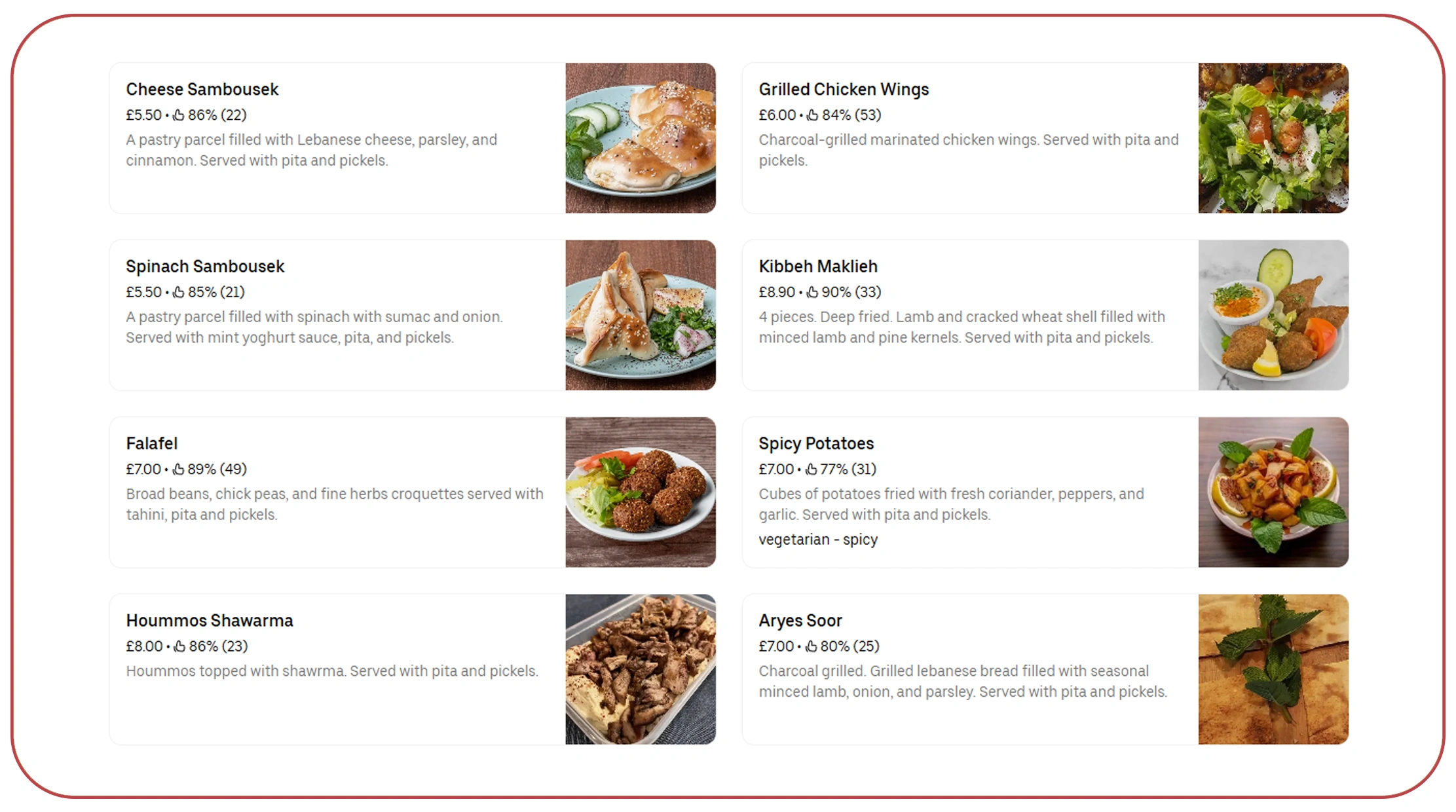
Every major food delivery platform gives restaurant partners access to their own performance dashboards — order volumes, average ratings, top-selling items. What they do not provide is any view of the competitive landscape surrounding that restaurant. A pizza operator in Chicago cannot see from their DoorDash dashboard that three new competitors opened in their delivery zone last month, that the average pizza price in their neighborhood has dropped by $2 since January, or that a competitor started offering free delivery every Thursday evening. This information gap is where scraping food delivery data for restaurant insights in the USA creates immediate, actionable value.
USA food delivery market trends move quickly — faster than quarterly reports, faster than industry surveys, and far faster than manual research. A real-time food delivery data scraper USA solution closes this gap by collecting competitor data continuously, so that operators always know where they stand and can respond to market shifts before they affect their own revenue.
"The restaurant that knows what its 50 nearest delivery competitors are charging — and when they change prices — has a structural advantage that compounds over time."
Key Platforms and Data Points to Scrape
An effective food delivery analytics scraping program targets multiple platforms simultaneously to build a complete market picture. Each platform exposes different but complementary data signals.
Uber Eats : Item-level pricing, surge fees, category rankings, service area coverage, top restaurant listings by city
Grubhub : Order minimums, loyalty program participation, review counts, delivery radius, price change history
Yelp : Review volumes, rating trends, price tier classifications, peak hours, cuisine demand by neighborhood
Google Maps : Search ranking, popular times, review sentiment, delivery link presence, competitor proximity mapping
Restaurant Websites : Dine-in vs. delivery price gaps, seasonal menu updates, LTO tracking, loyalty program terms
How to Extract Food Menu Prices and Reviews Data for Restaurant Insights
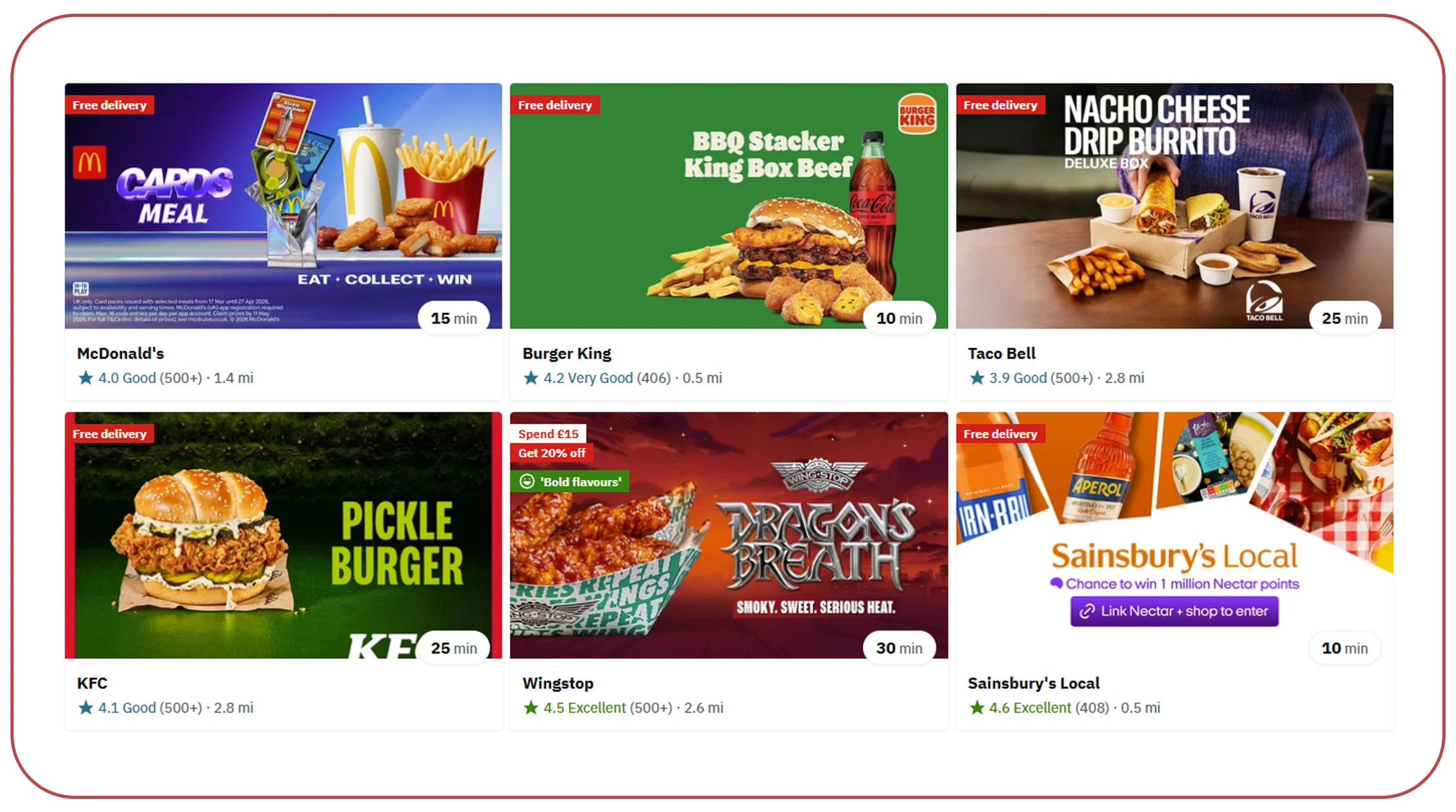
To extract food menu prices and reviews data for restaurant insights in the USA at scale, a combination of browser automation, API interception, and structured parsing is typically required. Modern delivery platforms render their content dynamically through JavaScript, meaning traditional static HTML scrapers cannot access the full menu and pricing data without simulating a real browser session.
# Real-time food delivery price + review scraper (Python + Playwright)
import asyncio
from playwright.async_api import async_playwright
import pandas as pd
async def scrape_delivery_platform(city, cuisine_filter):
async with async_playwright() as p:
browser = await p.chromium.launch(headless=True)
page = await browser.new_page()
url = f"https://example-delivery.com/{city}?cuisine={cuisine_filter}"
await page.goto(url, wait_until="networkidle")
restaurants = await page.query_selector_all(".restaurant-card")
results = []
for r in restaurants:
name = await r.query_selector(".name")
rating = await r.query_selector(".rating")
fee = await r.query_selector(".delivery-fee")
cuisine = await r.query_selector(".cuisine-tag")
results.append({
"city": city,
"name": await name.inner_text() if name else None,
"rating": await rating.inner_text() if rating else None,
"del_fee": await fee.inner_text() if fee else None,
"cuisine": await cuisine.inner_text() if cuisine else None,
})
await browser.close()
return pd.DataFrame(results)
df = asyncio.run(scrape_delivery_platform("new-york", "italian"))
df.to_csv("nyc_italian_delivery_insights.csv", index=False)
For production pipelines running continuously across multiple US cities, this scraper layer is complemented by a food data scraping API — a managed service that handles proxy rotation, session management, and data normalization at scale, delivering clean structured records directly to an analytics database without the overhead of maintaining custom scraping infrastructure.
USA Food Delivery Market Trends the Data Reveals
When food delivery data is collected systematically across platforms and cities, several powerful USA food delivery market trends emerge from the noise of daily price and listing fluctuations.
| Trend | What Scraping Reveals | Signal Strength |
|---|---|---|
| Menu Price Inflation | Average item prices across QSR and fast-casual categories have risen 12–18% since 2023, with delivery platform markups adding an additional 15–25% above dine-in prices | High |
| Cuisine Category Shifts | Korean, birria, and Mediterranean concepts have grown restaurant density on delivery platforms faster than any other cuisine category in 2024–25 across major US metros | High |
| Ghost Kitchen Expansion | Virtual restaurant listings with shared addresses are expanding in secondary US cities including Nashville, Austin, and Phoenix — visible through address clustering analysis in scraped data | Medium |
| Fee Structure Evolution | Platform delivery fees are diverging across subscription vs. non-subscription customers, creating a two-tier pricing environment that affects how operators set minimum order thresholds | High |
| Concession Frequency | Free delivery offers and first-order discounts have increased in markets with high restaurant density, functioning as an early indicator of oversupply in specific delivery zones | Medium |
Scrape QSR Market Trends in Canada and the USA
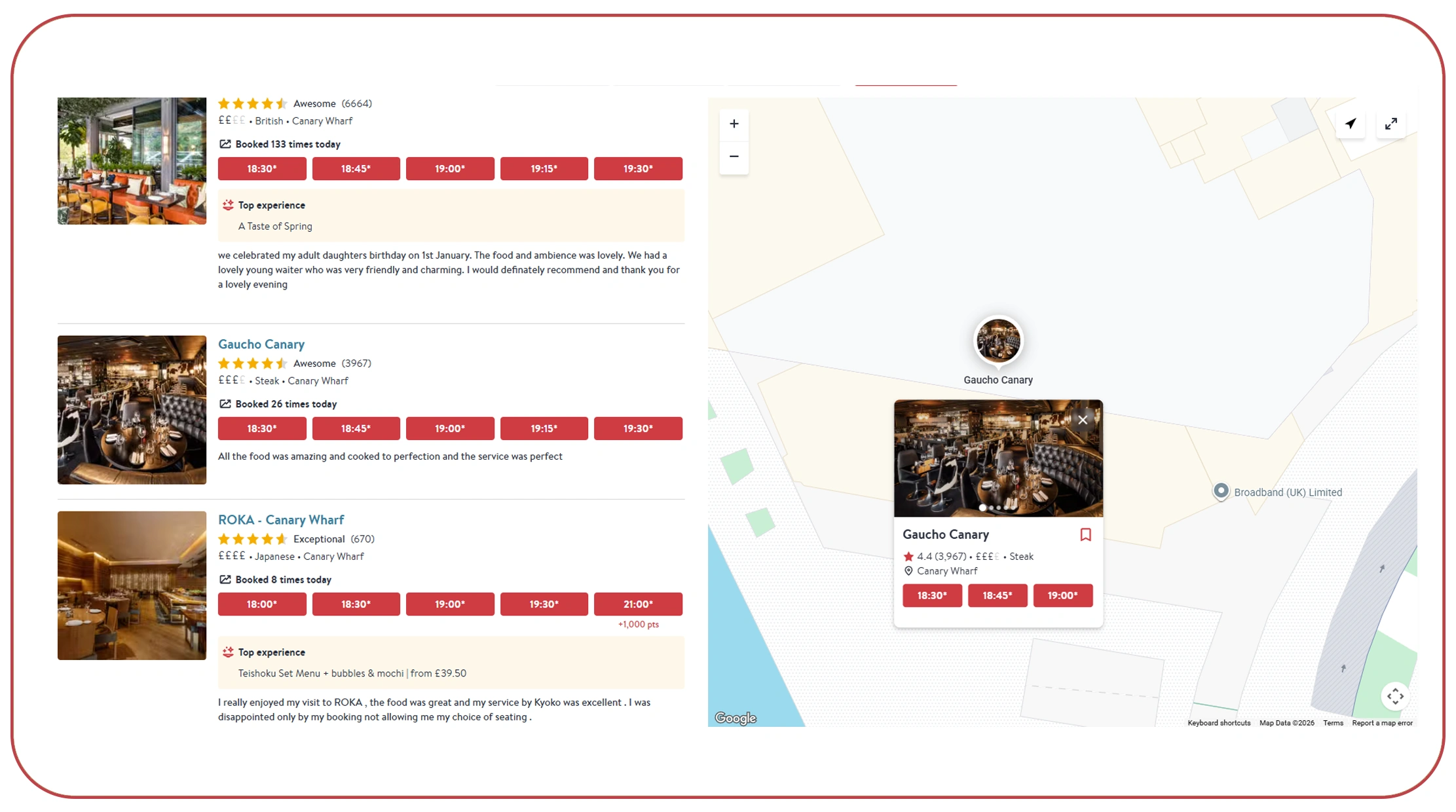
For quick-service restaurant chains operating across North America, the ability to scrape QSR market trends in Canada and the USA simultaneously unlocks a layer of strategic intelligence that single-market analysis misses entirely. Cross-border menu price comparisons for the same chain in different markets reveal localization strategies, margin management approaches, and test market activity that informs franchising decisions and competitive positioning at scale.
Cross-Border QSR Insights from Scraped Food Data
- Menu price differential analysis between US and Canadian locations of the same QSR brand, revealing how brands localize pricing for cost structure and consumer sensitivity differences
- Limited-time offer (LTO) tracking across chains to identify promotional cycles and test items in Canadian markets before US national rollouts
- Combo pricing and bundle structure comparison to understand how chains drive average check size differently across the two markets
- Delivery platform fee structure differences between US and Canadian metros and how they shape menu pricing strategy for cross-border franchise operators
Building a Food Dataset for Market Research
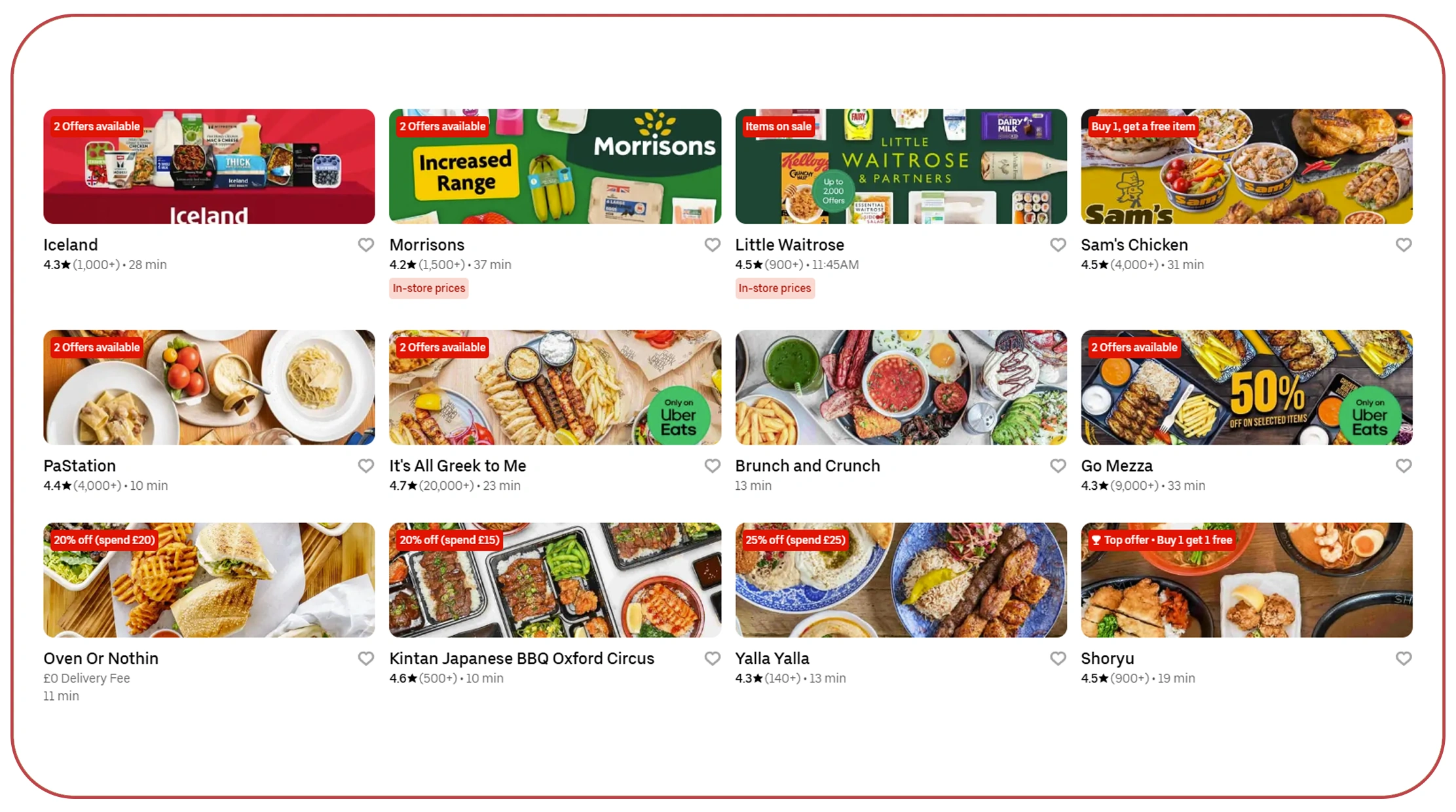
The true output of a well-designed food delivery scraping program is not a collection of raw data files — it is a structured, enriched, continuously updated food dataset that functions as a living intelligence system for market research. A production-grade food dataset built from US delivery platform scraping includes canonical restaurant records resolved across multiple platforms, item-level price histories with timestamps, neighborhood and city-level pricing benchmarks, cuisine category taxonomy applied consistently across all sources, delivery fee and markup flags, promotional event markers, and review volume and rating time series.
This kind of food dataset powers market research applications that go far beyond simple competitive pricing — including investment due diligence on restaurant chains, site selection analysis for new concept launches, franchise territory evaluation, and consumer demand forecasting by cuisine category and geography. When combined with demographic and foot traffic data, a structured food delivery dataset becomes one of the richest inputs available for food industry market research in the United States.
Restaurant Operators
Real-time competitor price monitoring, delivery zone demand tracking, and promotional timing intelligence across DoorDash, Uber Eats, and Grubhub.
QSR Chains
Cross-market menu benchmarking, LTO performance tracking, and franchise territory analysis across US and Canadian delivery platforms.
Investors & PE Firms
Due diligence on restaurant brand health, market share signals, rating trajectory analysis, and competitive density mapping by metro.
Market Researchers
Cuisine trend analysis, consumer demand forecasting, delivery fee impact studies, and ghost kitchen expansion mapping across US cities.
Conclusion: Analytics-Driven Food Delivery Strategy Starts with the Right Data
The US food delivery market will not slow down — and neither will the pace of competitive change within it. Menu prices shift daily, new restaurant concepts launch on delivery platforms overnight, consumer preferences rotate with social media cycles, and platform fee structures evolve with each new subscription model update. For any operator, analyst, or investor trying to make sound decisions in this environment, web scraping food delivery market analytics in the USA is not an optional enhancement — it is the baseline capability that separates data-driven strategy from guesswork.
Whether the goal is extracting food menu prices and reviews data for restaurant insights across a single city, monitoring USA food delivery market trends across dozens of metros simultaneously, or building a comprehensive food dataset that powers QSR market research across the US and Canada, the infrastructure required is the same: reliable data collection, smart normalization, and a clean, query-ready output that analysts can act on immediately.
For teams that want this capability without building and maintaining complex scraping infrastructure from scratch, Real Data API delivers exactly that. Real Data API provides structured, continuously refreshed access to food delivery data spanning menu prices, restaurant ratings, platform fees, promotional activity, and city-level market trends across the United States and Canada. Its food data scraping API is purpose-built for the kind of real-time, multi-platform market research that modern food businesses require — eliminating the engineering complexity of proxy management, deduplication, and schema normalization while delivering a clean, production-ready food dataset on demand. From individual restaurant competitive intelligence to enterprise-scale QSR market analytics, Real Data API is the data infrastructure layer that makes food delivery market analytics fast, scalable, and reliable.
Real Data API — Food Delivery Analytics, Ready to Use
Access real-time menu prices, delivery platform data, restaurant ratings, promotional trends, and city-level food market analytics across the USA and Canada — all through a single, clean, production-ready API built for food industry market research and competitive intelligence.
Market figures are based on publicly available industry estimates for informational purposes. Always review platform Terms of Service before initiating any data collection program.
Latest posts
Web Scraping Competitor Product Monitoring Using Marketplace Data for Real-Time E-commerce Insights and Business Growth?
How to Scrape Product Intelligence Platform Using Marketplace Data to Help Brands Optimize Pricing, Inventory, and Product Strategy?
Why Companies scrape business data from Google Maps using keywords to Build Accurate Business Lists and Competitive Insights?
How Review scraping and monitoring services Help Businesses Track Customer Sentiment and Protect Brand Reputation in 2026?
How Real Estate Investment Insights Using RERA Data Scraping Help Investors Minimize Risk and Maximize Returns

Real Data API stands out as one of the premier global companies specializing in web data Scraping and web extraction.





.png)


Rating 4.7
Rating 4.7
Rating 4.5
Rating 4.7
Rating 4.7


Disclaimer : RealData API functions solely as an independent data infrastructure and technology solutions provider. We build customized automation workflows designed to collect publicly accessible web data based exclusively on client instructions. RealData API neither owns proprietary datasets nor engages in the sale or redistribution of extracted information. Our operations are limited strictly to lawful public web data processing and never involve unauthorized access to restricted systems or private networks. Any company names, trademarks, logos, or brand references displayed on this website are used purely for demonstrative and illustrative purposes to showcase our technical capabilities and do not imply endorsement, partnership, or affiliation. Use of our platform and services remains subject to our Terms of Service.