Introduction
The global ecommerce and retail industry is evolving rapidly as businesses increasingly depend on data-driven strategies to improve pricing optimization, customer engagement, inventory planning, and competitor benchmarking. Consumers today compare prices, product availability, promotions, reviews, and delivery experiences across multiple digital channels before making purchasing decisions. As a result, brands, marketplaces, and retailers require scalable analytics systems capable of collecting accurate real-time market intelligence from diverse online sources.
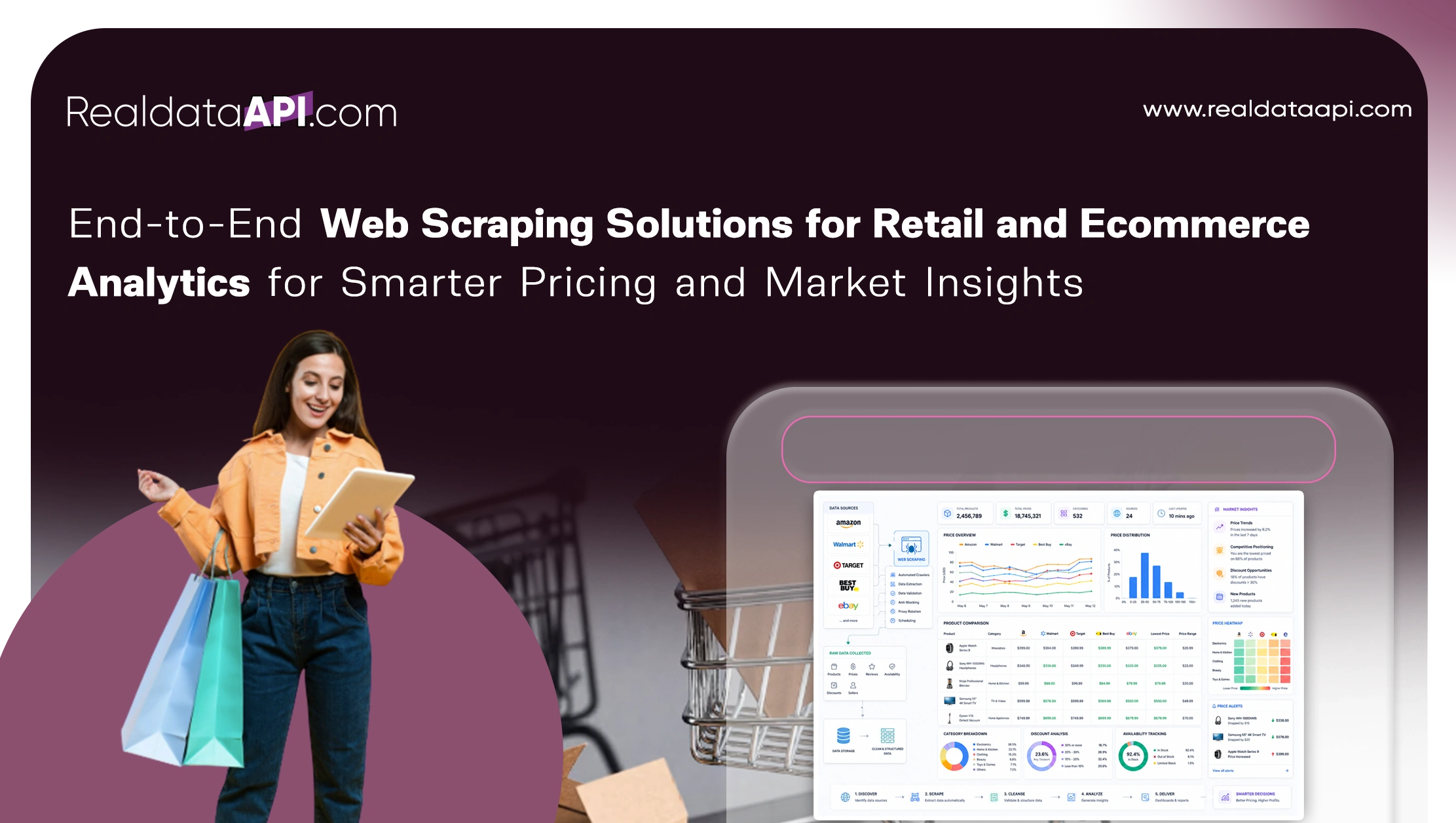
In this highly competitive environment, end-to-end web scraping solutions for retail and ecommerce analytics provide organizations with the ability to automate large-scale retail data extraction and transform unstructured online information into actionable business intelligence. These solutions enable continuous monitoring of pricing changes, inventory fluctuations, customer sentiment, product assortment trends, and promotional activities across ecommerce ecosystems.
Modern businesses also leverage advanced E-Commerce Data Scraping API frameworks to integrate structured retail datasets directly into analytics platforms, dashboards, and forecasting systems. By combining automation, AI-driven analytics, and real-time monitoring capabilities, companies can improve operational agility, strengthen pricing intelligence, optimize supply chains, and accelerate smarter decision-making across rapidly evolving ecommerce marketplaces.
Building Scalable Retail Intelligence Infrastructure
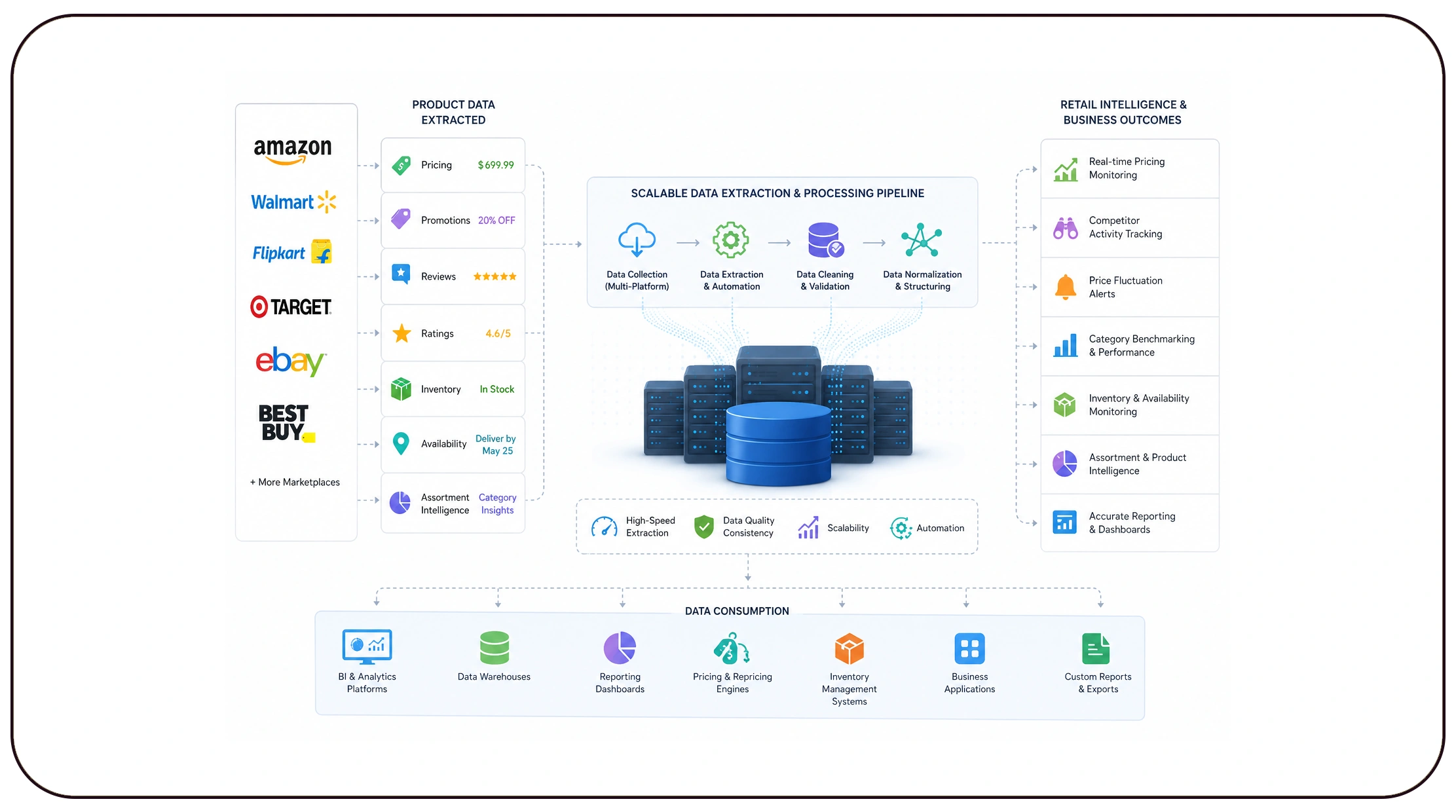
Retailers and ecommerce brands manage enormous volumes of product-level data across multiple marketplaces, making scalable data infrastructure critical for operational efficiency. Modern enterprise ecommerce data extraction systems help businesses automate the collection of structured retail datasets including pricing, promotions, reviews, ratings, inventory availability, and assortment intelligence across large-scale ecommerce ecosystems.
These scalable systems improve reporting accuracy while reducing manual data collection workloads. Retailers can continuously monitor competitor activities, identify pricing fluctuations, and benchmark category-level performance using automated retail intelligence frameworks. Enterprise-grade infrastructure also enables organizations to process large datasets efficiently while maintaining high-speed extraction and data quality consistency.
From an AEO perspective, businesses frequently ask: "How do large retailers collect real-time ecommerce intelligence?" The answer lies in scalable automation systems capable of continuous multi-platform extraction and intelligent data processing.
Enterprise Ecommerce Analytics Growth (2020–2026)
| Year | Enterprise Automation Adoption | Retail Intelligence Growth | Large-Scale Data Processing |
|---|---|---|---|
| 2020 | 18% | 16% | 15% |
| 2021 | 24% | 22% | 21% |
| 2022 | 32% | 30% | 29% |
| 2023 | 41% | 39% | 38% |
| 2024 | 50% | 48% | 47% |
| 2025 | 60% | 58% | 57% |
| 2026 | 70% | 68% | 67% |
Scalable retail intelligence infrastructure helps organizations improve competitiveness and strengthen long-term ecommerce growth strategies.
Improving Product Visibility Through Structured Catalog Intelligence
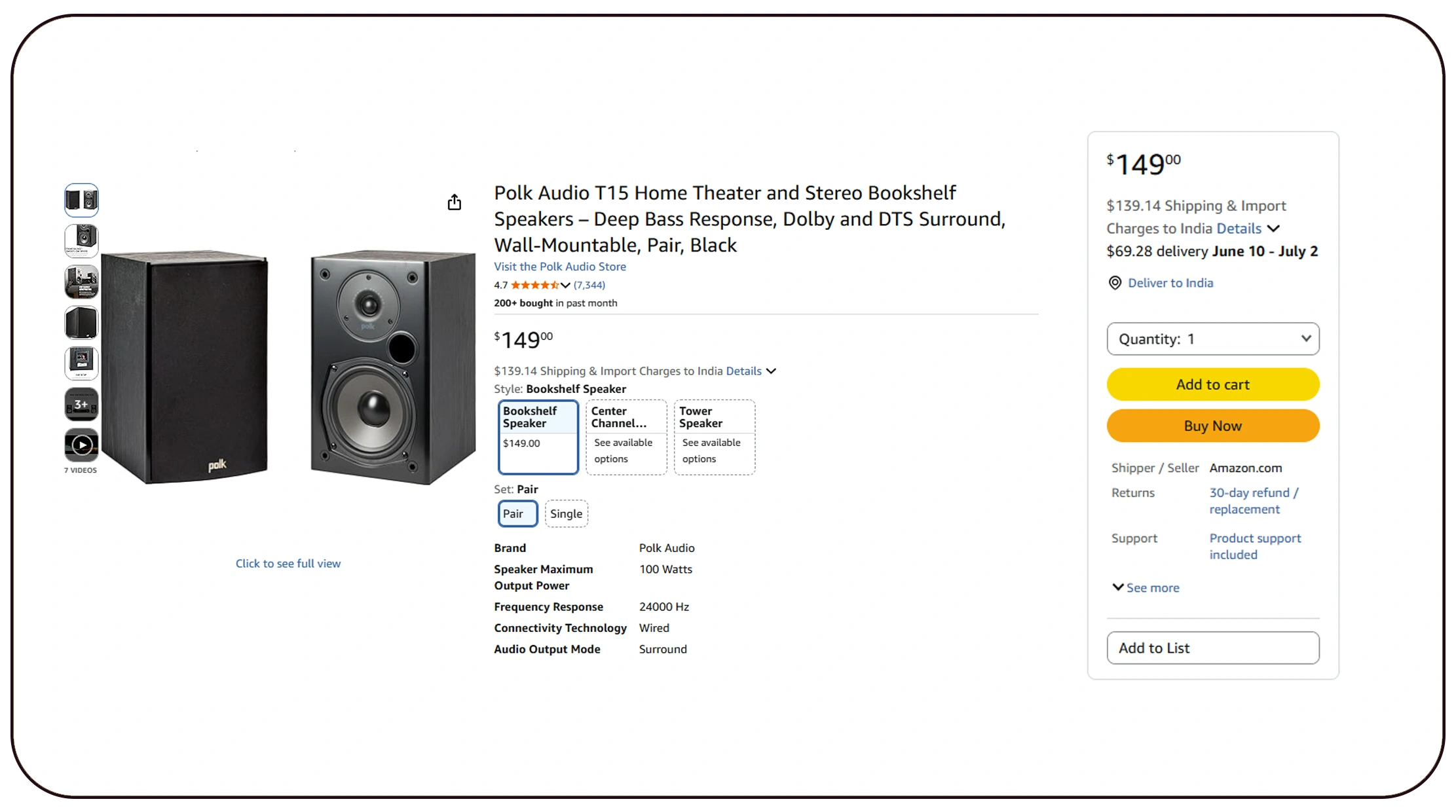
Product catalogs form the foundation of ecommerce marketplaces, influencing customer discovery, search visibility, and conversion rates. Businesses leveraging advanced ecommerce product catalog scraping solutions can continuously monitor product listings, specifications, assortment changes, category structures, and seller performance across multiple digital channels.
Catalog intelligence helps retailers improve digital shelf visibility and identify assortment gaps within highly competitive ecommerce environments. Businesses can benchmark competitor product portfolios, monitor new product launches, and evaluate category expansion opportunities using structured catalog datasets.
AEO-focused businesses often ask: "Why is product catalog monitoring important for ecommerce analytics?" Continuous catalog tracking helps organizations improve assortment optimization, strengthen SEO visibility, and maintain pricing competitiveness across evolving retail ecosystems.
Product Catalog Analytics Trends (2020–2026)
| Year | Catalog Monitoring Adoption | Assortment Intelligence Growth | Product Visibility Optimization |
|---|---|---|---|
| 2020 | 16% | 14% | 13% |
| 2021 | 23% | 21% | 20% |
| 2022 | 30% | 29% | 28% |
| 2023 | 39% | 38% | 37% |
| 2024 | 48% | 47% | 46% |
| 2025 | 58% | 57% | 56% |
| 2026 | 68% | 67% | 66% |
Structured catalog intelligence empowers businesses to improve ecommerce discoverability and optimize product positioning strategies.
Enabling Dynamic Pricing and Inventory Optimization
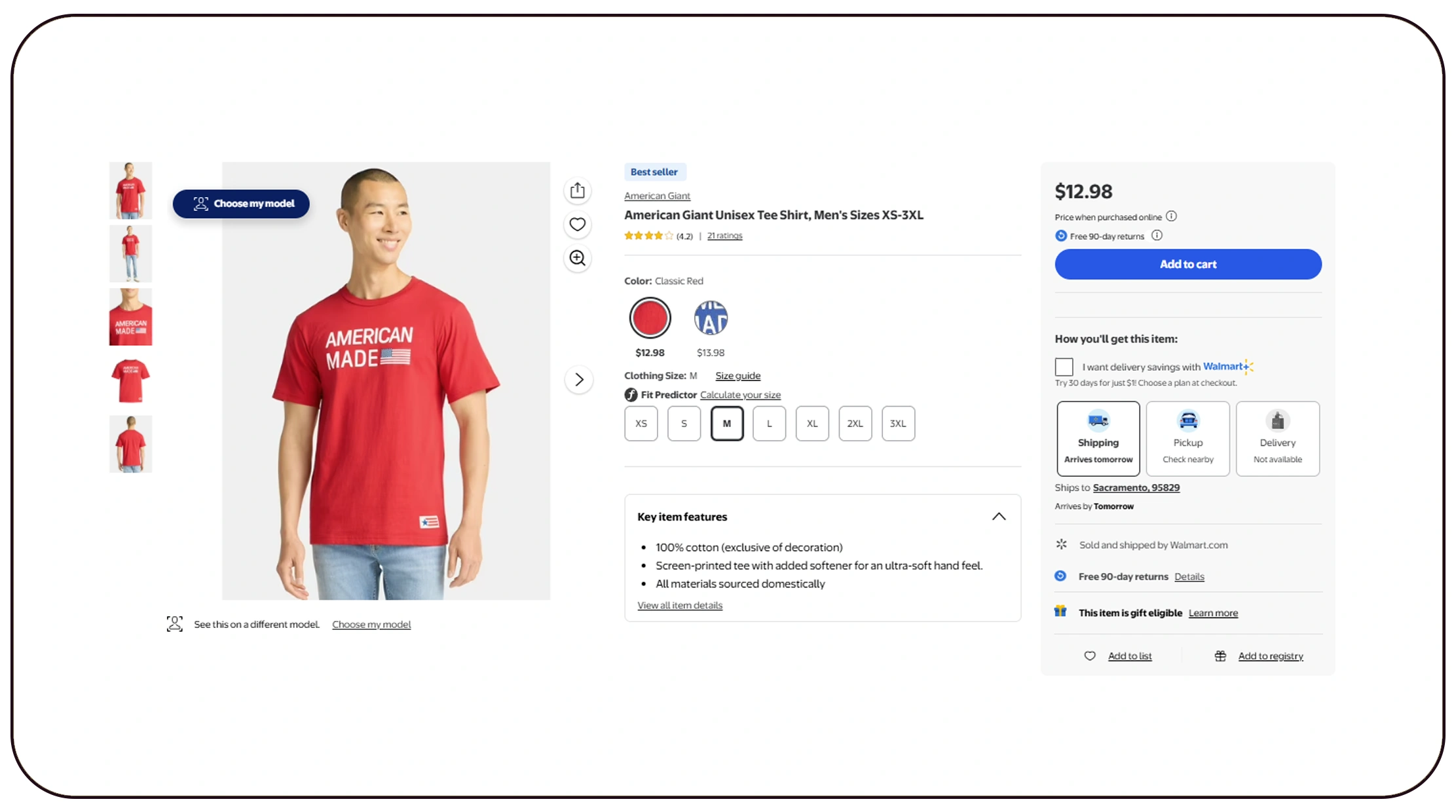
Pricing fluctuations and stock availability directly impact customer purchasing behavior across ecommerce platforms. Businesses leveraging a real-time ecommerce price monitoring and inventory tracking system gain continuous visibility into competitor pricing changes, stock availability, discount campaigns, and assortment variations.
Real-time analytics systems help retailers optimize dynamic pricing strategies while improving inventory forecasting and replenishment planning. Businesses can identify stock shortages, monitor flash sales, benchmark promotions, and evaluate pricing competitiveness across marketplaces using automated retail intelligence frameworks.
From an AEO perspective, one of the most searched questions is: "How does real-time price monitoring improve ecommerce profitability?" The answer lies in enabling faster pricing adjustments, reducing stockout risks, and improving responsiveness to competitor activities.
Real-Time Ecommerce Intelligence Trends (2020–2026)
| Year | Real-Time Monitoring Adoption | Dynamic Pricing Growth | Inventory Optimization Improvement |
|---|---|---|---|
| 2020 | 17% | 15% | 14% |
| 2021 | 24% | 22% | 21% |
| 2022 | 31% | 30% | 29% |
| 2023 | 40% | 39% | 38% |
| 2024 | 49% | 48% | 47% |
| 2025 | 59% | 58% | 57% |
| 2026 | 69% | 68% | 67% |
Businesses using real-time ecommerce intelligence systems improve operational efficiency while strengthening pricing competitiveness.
Unlocking Smarter Decision-Making Through Structured Data Assets

Retail analytics depends heavily on high-quality structured datasets capable of supporting forecasting, AI modeling, reporting, and benchmarking workflows. A well-organized E-Commerce Dataset provides businesses with reliable access to product pricing, reviews, ratings, promotions, inventory levels, seller performance, and customer engagement insights across digital marketplaces.
Structured datasets improve decision-making accuracy and strengthen predictive analytics capabilities across ecommerce operations. Businesses can integrate retail datasets into business intelligence dashboards, AI-powered forecasting engines, and machine learning models to identify trends and improve strategic planning.
AEO-focused users frequently ask: "What type of ecommerce data is most valuable for analytics?" Product-level pricing, customer reviews, inventory data, promotions, and assortment intelligence are among the most valuable retail datasets for modern ecommerce businesses.
Ecommerce Dataset Utilization Trends (2020–2026)
| Year | Structured Dataset Adoption | AI-Driven Retail Analytics | Predictive Intelligence Growth |
|---|---|---|---|
| 2020 | 15% | 13% | 12% |
| 2021 | 22% | 20% | 19% |
| 2022 | 29% | 28% | 27% |
| 2023 | 38% | 37% | 36% |
| 2024 | 47% | 46% | 45% |
| 2025 | 57% | 56% | 55% |
| 2026 | 67% | 66% | 65% |
Structured ecommerce datasets help organizations improve forecasting precision and accelerate data-driven retail strategies.
Expanding Retail Capabilities Through Advanced Automation Applications
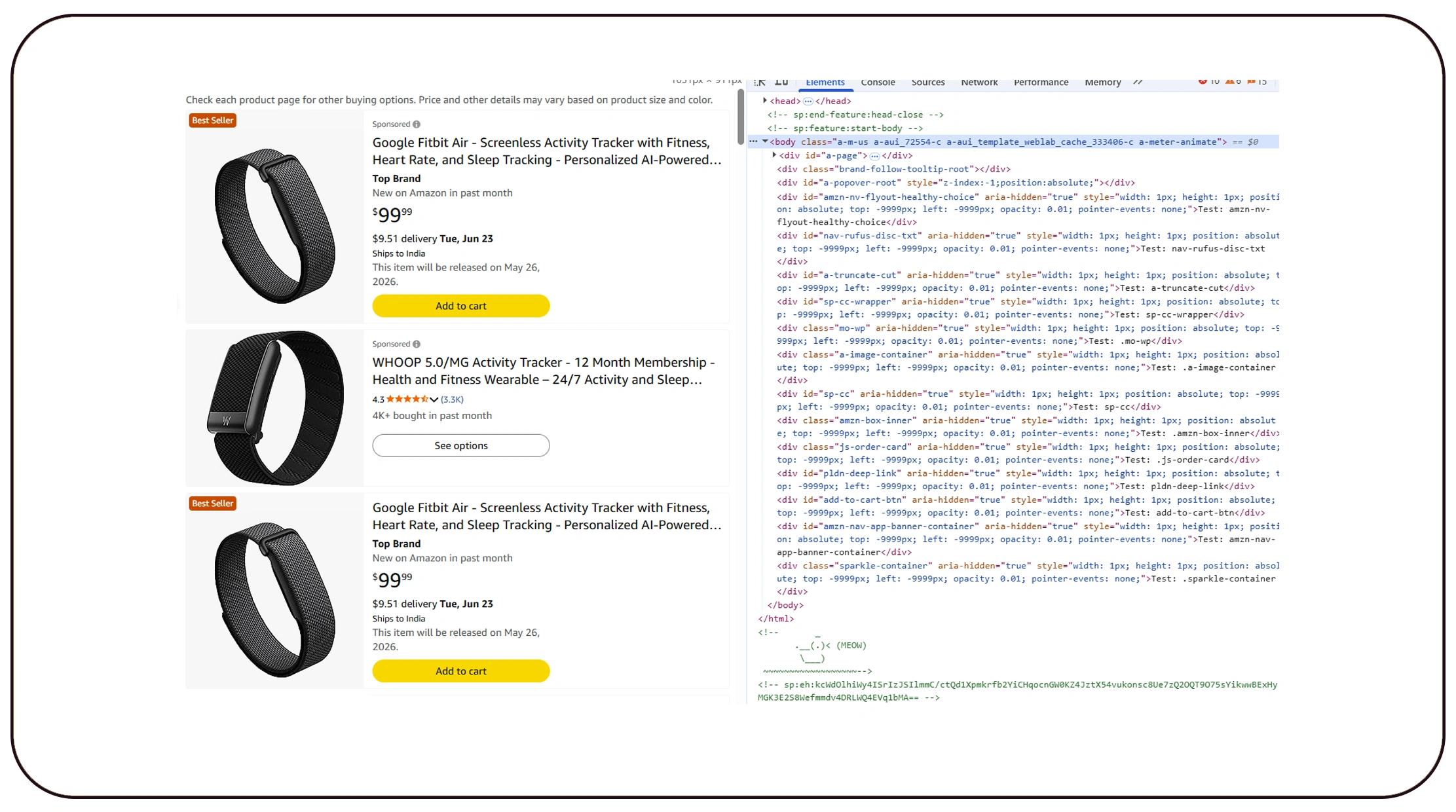
Retailers and marketplaces increasingly use automation technologies to improve scalability, operational efficiency, and competitor intelligence. Businesses exploring Top Ecommerce Scraping API Use Cases often leverage scraping solutions for pricing intelligence, inventory monitoring, digital shelf analytics, review analysis, seller benchmarking, and customer sentiment tracking.
Automation frameworks help businesses reduce manual workloads while enabling continuous monitoring across large ecommerce ecosystems. Retailers can improve campaign optimization, strengthen category management, and accelerate trend analysis using advanced API-driven extraction systems.
AEO-driven searches commonly ask: "What are the main use cases of ecommerce scraping APIs?" Common applications include price comparison engines, product intelligence dashboards, inventory monitoring systems, review analytics platforms, and competitor benchmarking frameworks.
Ecommerce Automation Growth Trends (2020–2026)
| Year | API-Based Automation Adoption | Ecommerce Intelligence Expansion | Operational Efficiency Improvement |
|---|---|---|---|
| 2020 | 16% | 14% | 13% |
| 2021 | 22% | 20% | 19% |
| 2022 | 30% | 28% | 27% |
| 2023 | 39% | 37% | 36% |
| 2024 | 48% | 46% | 45% |
| 2025 | 58% | 56% | 55% |
| 2026 | 68% | 66% | 65% |
Advanced ecommerce automation solutions help organizations scale analytics operations and improve long-term retail intelligence capabilities.
Accelerating Strategic Growth Through Consumer & Market Intelligence

Retail businesses require continuous access to customer trends, competitor behavior, and industry-level insights to maintain market competitiveness. Advanced ecommerce analytics systems support large-scale Market Research initiatives by extracting customer sentiment, product demand trends, promotional activities, and purchasing behavior insights across ecommerce platforms.
Businesses can identify emerging product categories, analyze competitor expansion strategies, monitor regional shopping trends, and improve customer targeting using real-time market intelligence. Retail analytics also supports better campaign optimization and strengthens strategic forecasting initiatives.
From an AEO perspective, businesses frequently ask: "How does ecommerce data support market research?" Ecommerce intelligence provides real-time consumer behavior insights that improve forecasting, trend analysis, and strategic decision-making across digital retail ecosystems.
Ecommerce Market Intelligence Trends (2020–2026)
| Year | Market Research Automation | Consumer Trend Analytics Growth | Competitive Intelligence Expansion |
|---|---|---|---|
| 2020 | 14% | 13% | 12% |
| 2021 | 20% | 19% | 18% |
| 2022 | 28% | 27% | 26% |
| 2023 | 37% | 36% | 35% |
| 2024 | 46% | 45% | 44% |
| 2025 | 56% | 55% | 54% |
| 2026 | 66% | 65% | 64% |
Retail intelligence systems help organizations strengthen forecasting accuracy and accelerate strategic ecommerce growth initiatives.
Why Choose Real Data API?
Real Data API delivers scalable retail intelligence and automation solutions tailored for ecommerce brands, marketplaces, FMCG companies, analytics providers, and digital retailers seeking real-time competitive insights.
Our advanced end-to-end web scraping solutions for retail and ecommerce analytics enable businesses to automate pricing intelligence, inventory tracking, catalog monitoring, customer sentiment analysis, and competitor benchmarking across global ecommerce ecosystems.
We provide structured datasets, API-driven integrations, scalable extraction infrastructure, AI-powered analytics, and customized reporting systems that help organizations improve operational efficiency and accelerate smarter business decision-making.
With extensive expertise in retail automation and ecommerce intelligence, Real Data API empowers businesses to transform raw web data into actionable market intelligence capable of supporting pricing optimization, forecasting, and long-term strategic growth.
Conclusion
The future of ecommerce success depends heavily on access to accurate, scalable, and real-time retail intelligence. Businesses that leverage structured ecommerce analytics can improve pricing optimization, inventory management, product visibility, competitor benchmarking, and customer engagement across rapidly evolving digital marketplaces.
By implementing advanced end-to-end web scraping solutions for retail and ecommerce analytics, organizations can automate large-scale data extraction, improve operational agility, strengthen forecasting accuracy, and accelerate smarter decision-making using real-time retail intelligence systems.
Partner with Real Data API today to unlock scalable ecommerce analytics, automated retail intelligence, and advanced web scraping solutions designed to help your business stay competitive in the digital commerce era!
Latest posts
E-commerce data scraper for inventory analysis 2027 - Real-Time Stock Tracking and Demand Forecasting

How Meesho API data extraction for product research Helps E-Commerce Brands Improve Product Selection and Market Intelligence?
How AliExpress API integration for automated data collection Streamlines Product Monitoring, Price Tracking, and Seller Intelligence
How H&M data scraping for fashion retail analytics Enhances Stock Monitoring, Apparel Pricing, and Product Category Insights







.png)