
Introduction
Inventory blind spots have become one of the biggest operational risks for modern digital businesses. Between 2020 and 2026, global e-commerce SKU counts grew by over 300%, while inventory cycles became shorter and more volatile. In this environment, delayed or inaccurate stock data directly leads to lost revenue, poor customer experience, and inefficient supply chains. That is why best scraper APIs for real-time Product Availability and stock tracking are now essential rather than optional.
Manual monitoring and batch-based updates cannot keep pace with real-time demand shifts. Businesses require continuous, automated access to product availability signals across websites, marketplaces, and digital shelves. A scalable Web Scraping API enables structured, high-frequency data collection, transforming fragmented product pages into actionable inventory intelligence. With reliable scraping infrastructure, organizations gain real-time visibility into stock movement, enabling faster decisions and proactive inventory management across channels.
The Rising Cost of Inventory Delays
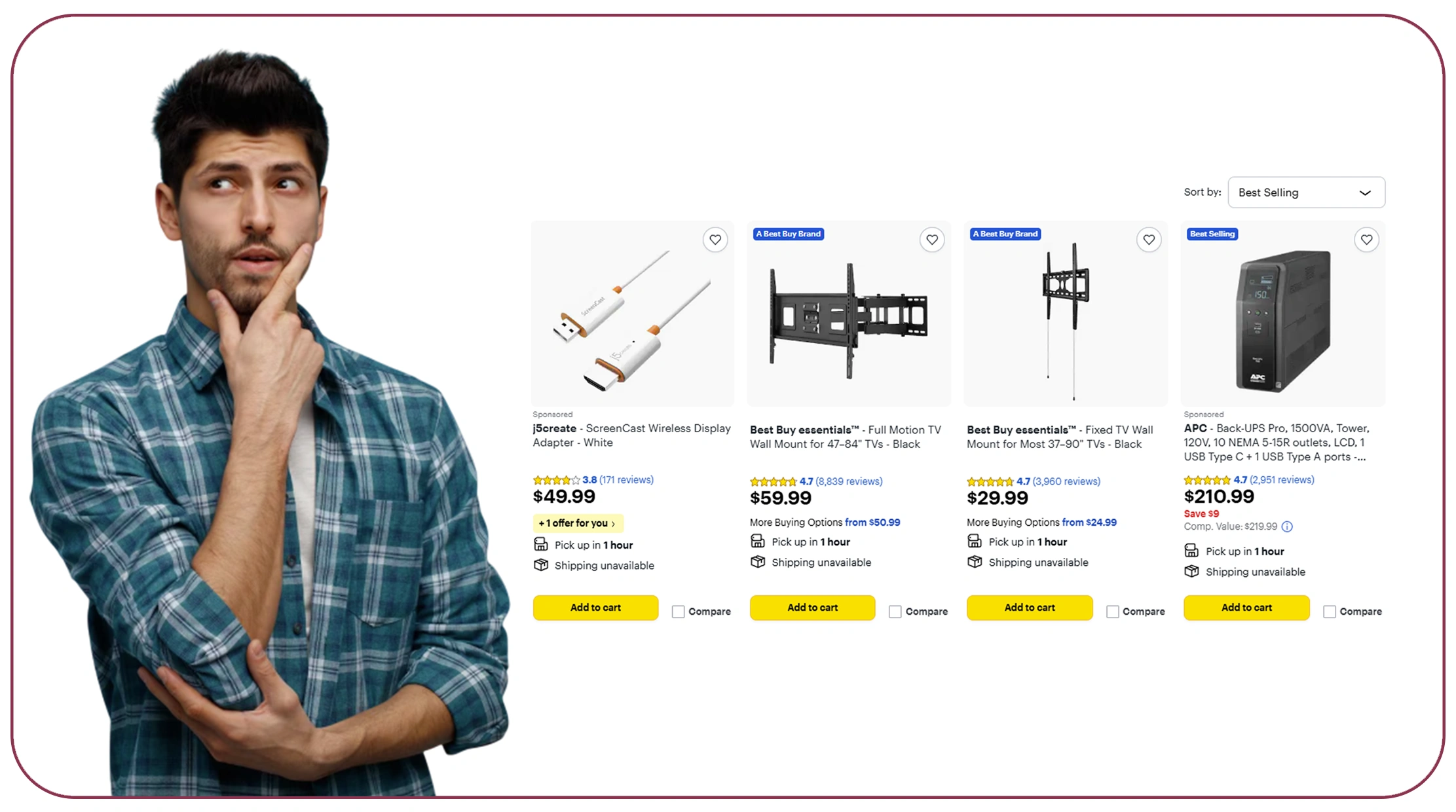
Inventory delays are no longer measured in days—they are measured in minutes. With real-time inventory scraping for e-commerce, businesses can detect stock changes as they happen, preventing blind spots that lead to overselling or missed demand. Between 2020 and 2026, studies show that out-of-stock events increased by 28%, while consumer tolerance for unavailable products dropped sharply.
Retailers that adopted real-time scraping reduced overselling incidents by nearly 40%. Without live tracking, businesses often continue advertising unavailable products, damaging trust and increasing refund rates.
| Year | Avg Stockout Rate | Revenue Impact |
|---|---|---|
| 2020 | 7.8% | Moderate |
| 2022 | 9.4% | High |
| 2024 | 11.2% | Severe |
| 2026 (Projected) | 13.5% | Critical |
By monitoring stock continuously across platforms, brands can synchronize listings, pause ads instantly, and trigger replenishment workflows automatically, reducing revenue leakage and customer dissatisfaction.
Turning Availability Signals into Actionable Data

Raw stock indicators are meaningless unless structured and contextualized. Stock availability data extraction converts fragmented availability labels—such as "low stock," "limited units," or "out of stock"—into standardized, analytics-ready datasets. From 2020 to 2026, businesses using structured availability data improved demand forecasting accuracy by 22%.
Availability data also highlights hidden risks. For example, repeated "low stock" signals often precede full stockouts within 24–48 hours. Detecting these patterns early allows teams to intervene proactively.
| Availability Signal | Avg Time to Stockout |
|---|---|
| In Stock | >7 Days |
| Low Stock | 48 Hours |
| Limited Quantity | 24 Hours |
| Out of Stock | Immediate |
Structured extraction enables alerting systems, dashboards, and predictive models that help organizations respond before availability issues escalate into lost sales or reputational damage.
Speed as a Competitive Advantage

Inventory data loses value when delayed. The ability to Extract product stock in real time using scraping gives businesses a decisive edge in fast-moving markets. Between 2020 and 2026, price and availability update frequencies increased by over 250%, especially during promotions and seasonal peaks.
Real-time scraping enables minute-level updates instead of daily snapshots. This ensures that pricing engines, recommendation systems, and ad platforms are always aligned with actual stock levels.
| Data Refresh Method | Update Frequency | Accuracy |
|---|---|---|
| Manual Checks | Weekly | Low |
| Scheduled Scraping | Daily | Medium |
| Real-Time Scraping | Hourly / Live | High |
Faster visibility translates into better decisions—whether it's reallocating inventory, adjusting promotions, or preventing paid traffic from landing on unavailable products.
Scaling Inventory Intelligence Across Channels
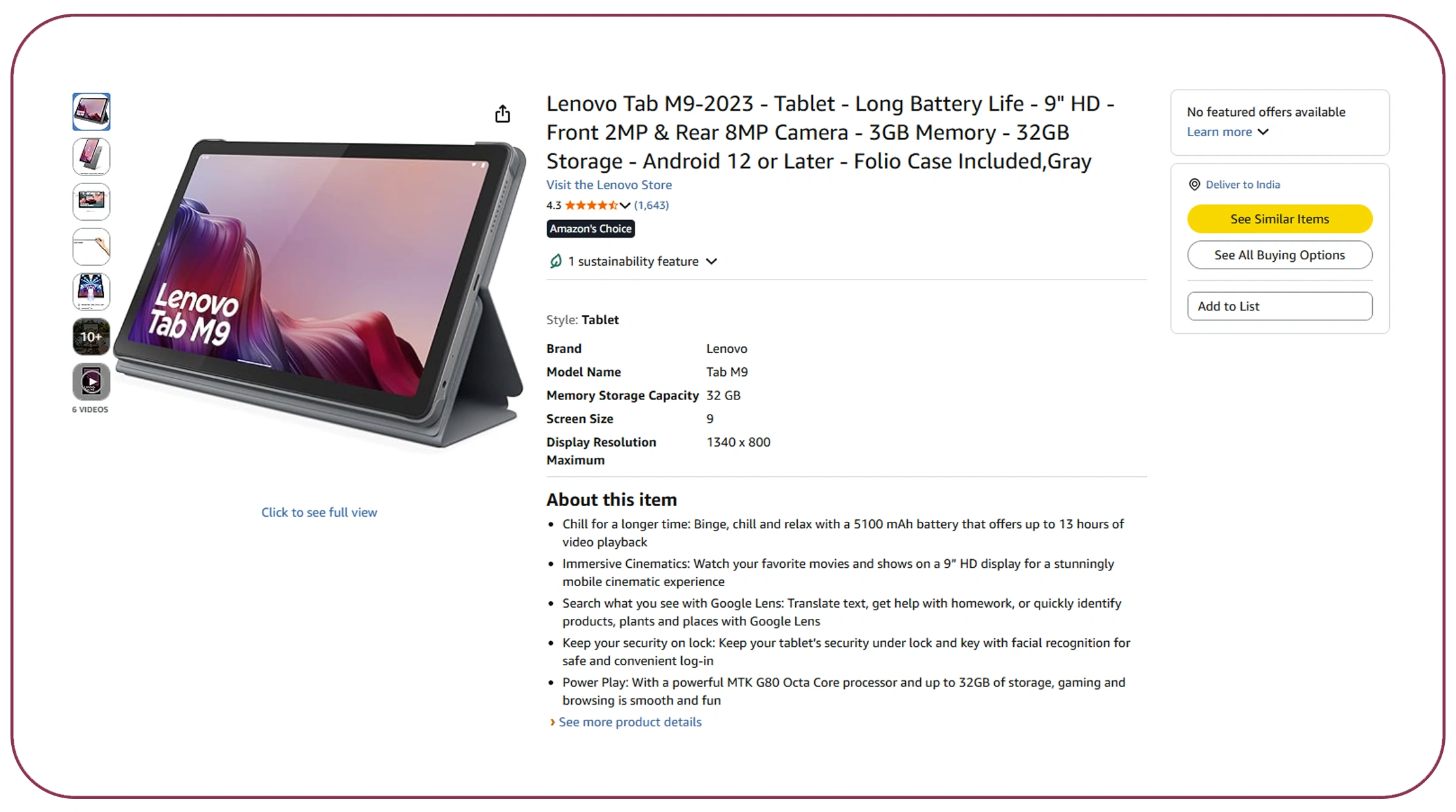
As businesses expand across marketplaces, regions, and digital storefronts, centralized visibility becomes harder. Inventory data scraping services solve this challenge by aggregating stock data across multiple sources into a unified view. From 2020 to 2026, multi-channel sellers using centralized inventory scraping reduced operational overhead by 31%.
Centralized data eliminates discrepancies between platforms and ensures consistency across marketing, sales, and supply chain teams.
| Channel Count | Avg Inventory Error Rate |
|---|---|
| Single Channel | 4% |
| 3–5 Channels | 11% |
| 5+ Channels (No Scraping) | 19% |
| 5+ Channels (With Scraping) | 6% |
This level of control enables smoother scaling without increasing complexity or risk.
Ensuring Accuracy Across Similar Products

Tracking availability becomes significantly harder when products differ slightly across platforms. Product Matching AI resolves this challenge by intelligently linking equivalent SKUs across websites, sellers, and formats. From 2020 to 2026, AI-driven matching improved cross-platform inventory accuracy by up to 35%.
Without AI, businesses often misinterpret stock levels due to duplicate or mismatched listings. Matching algorithms analyze attributes like title, size, packaging, and images to unify inventory views.
| Matching Method | Error Rate |
|---|---|
| Manual Mapping | 21% |
| Rule-Based Matching | 12% |
| AI-Based Matching | 4% |
Accurate product matching ensures that availability data truly reflects reality, supporting reliable forecasting and decision-making.
Managing Scale Without Performance Loss

Large enterprises require massive data coverage without sacrificing speed or reliability. Enterprise Web Crawling supports high-volume inventory tracking across millions of URLs while maintaining compliance and performance stability. From 2020 to 2026, enterprise crawlers increased data throughput by over 5x compared to traditional scraping methods.
Enterprise crawling enables parallel extraction, intelligent throttling, and error recovery—essential for global operations.
| Scale Level | Avg Pages Tracked | Downtime Risk |
|---|---|---|
| Small-Scale Scraping | <10K | Medium |
| Mid-Scale Crawling | 100K | Low |
| Enterprise Crawling | 1M+ | Minimal |
This capability ensures uninterrupted inventory visibility even during peak traffic periods and promotional surges.
Why Choose Real Data API?
Real Data API delivers reliable, scalable Web Scraping Services designed for modern inventory intelligence. With industry-leading best scraper APIs for real-time Product Availability and stock tracking, businesses gain accurate, continuous access to stock signals across e-commerce sites, marketplaces, and digital shelves.
Built for speed, compliance, and scalability, Real Data API transforms raw availability data into structured insights that power dashboards, alerts, and predictive analytics—without infrastructure complexity.
Conclusion
Inventory blind spots are no longer a minor inconvenience—they are a direct threat to revenue, efficiency, and customer trust. By adopting best scraper APIs for real-time Product Availability and stock tracking, businesses can eliminate uncertainty, react instantly to change, and operate with confidence.
Get started with Real Data API today and turn real-time stock data into a competitive advantage that keeps you ahead of demand, always.
Latest posts
Why Brands Use Competitive Data Intelligence to Increase Market Share in Highly Competitive Markets?
How To Scrape Competitor Data To Support Market Entry Strategy And Expansion Planning For Data-Driven Business Growth?

How Hotel Occupancy Intelligence Through Public Data Sources Is Reshaping Revenue Management
The ZIP Code Advantage: How Hyper-Local Amazon Product Data Collection Is Redefining Retail Intelligence

Real Data API stands out as one of the premier global companies specializing in web data Scraping and web extraction.





.png)


Rating 4.7
Rating 4.7
Rating 4.5
Rating 4.7
Rating 4.7


Disclaimer : RealData API functions solely as an independent data infrastructure and technology solutions provider. We build customized automation workflows designed to collect publicly accessible web data based exclusively on client instructions. RealData API neither owns proprietary datasets nor engages in the sale or redistribution of extracted information. Our operations are limited strictly to lawful public web data processing and never involve unauthorized access to restricted systems or private networks. Any company names, trademarks, logos, or brand references displayed on this website are used purely for demonstrative and illustrative purposes to showcase our technical capabilities and do not imply endorsement, partnership, or affiliation. Use of our platform and services remains subject to our Terms of Service.