
Introduction
Live event ecosystems have changed dramatically over the past decade. Ticket prices no longer remain static, seat availability fluctuates within minutes, and demand spikes can be triggered instantly by artist announcements, team performance, or viral moments. In this environment, brands, promoters, travel platforms, and analytics teams rely on Web Scraping Ticketmaster pricing and availability insights to stay competitive and responsive.
Ticketmaster acts as a primary distribution channel for concerts, sports, and large-scale events globally, making it a critical data source. Manual monitoring fails to capture rapid changes, while delayed data leads to missed opportunities. A reliable Ticketmaster Data Scraper enables structured, real-time access to ticket prices, seating availability, and demand signals across thousands of events, supporting smarter forecasting, pricing strategies, and campaign planning from 2020 through projected trends into 2026.
Understanding Demand Signals Before the Market Reacts
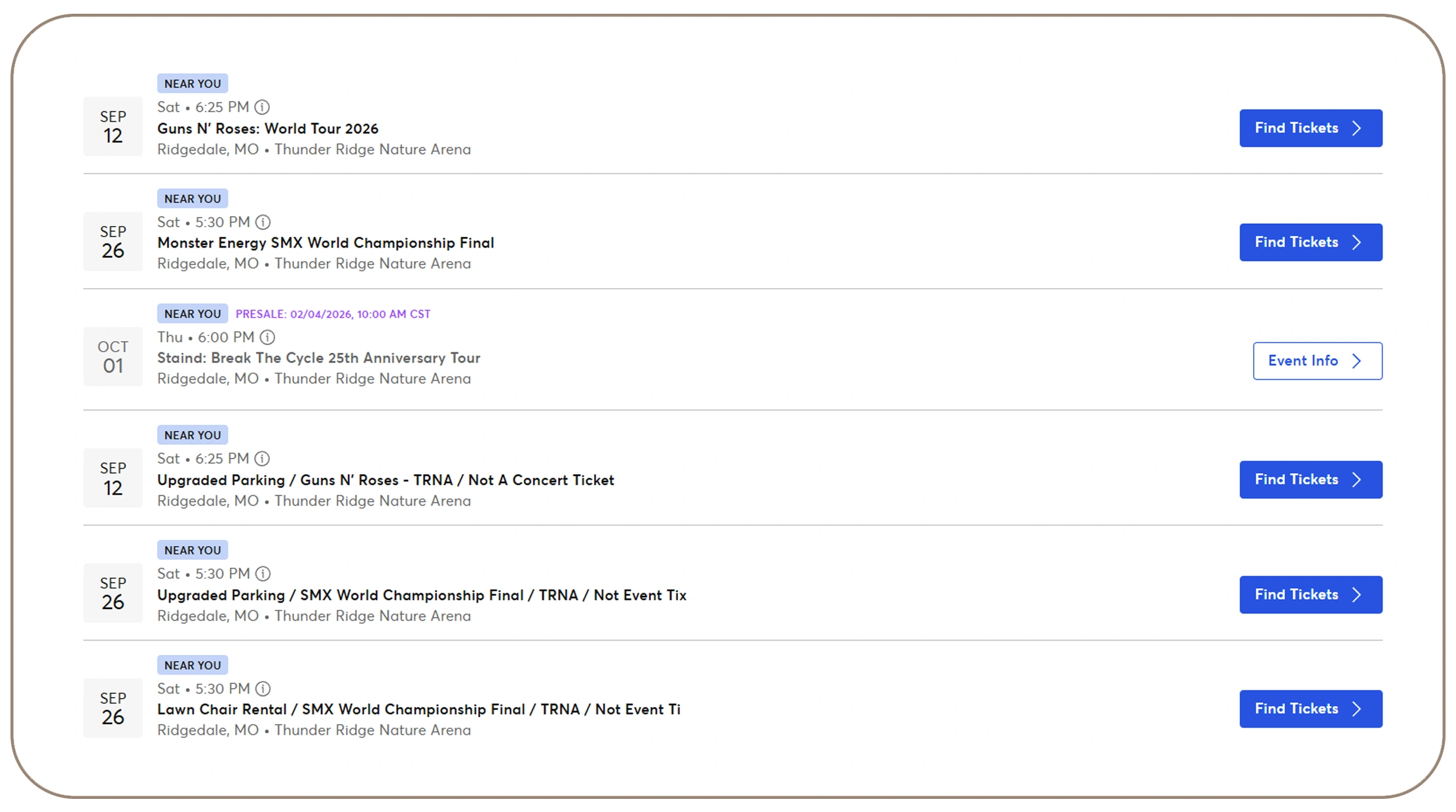
Real-time demand visibility is the foundation of ticketing intelligence. By leveraging the ability to scrape Ticketmaster event demand data, brands can identify early indicators of surging interest before prices peak or availability collapses. Between 2020 and 2026, event demand volatility increased by over 40%, driven by post-pandemic live event resurgence and dynamic pricing algorithms.
Historical analysis shows that high-demand concerts experience price increases within the first 6–12 hours of public announcements. Sports events show demand spikes based on playoff progression or rivalry games, often 72 hours before sell-outs.
| Year | Avg Demand Spike Window | Avg Sell-Out Time |
|---|---|---|
| 2020 | 48 hours | 9 days |
| 2022 | 24 hours | 6 days |
| 2024 | 12 hours | 4 days |
| 2026 (Projected) | 8 hours | 3 days |
By identifying these demand surges early, brands can optimize marketing timing, adjust pricing models, and align partnerships with high-demand events before the market fully reacts.
Decoding Seat-Level Availability Patterns
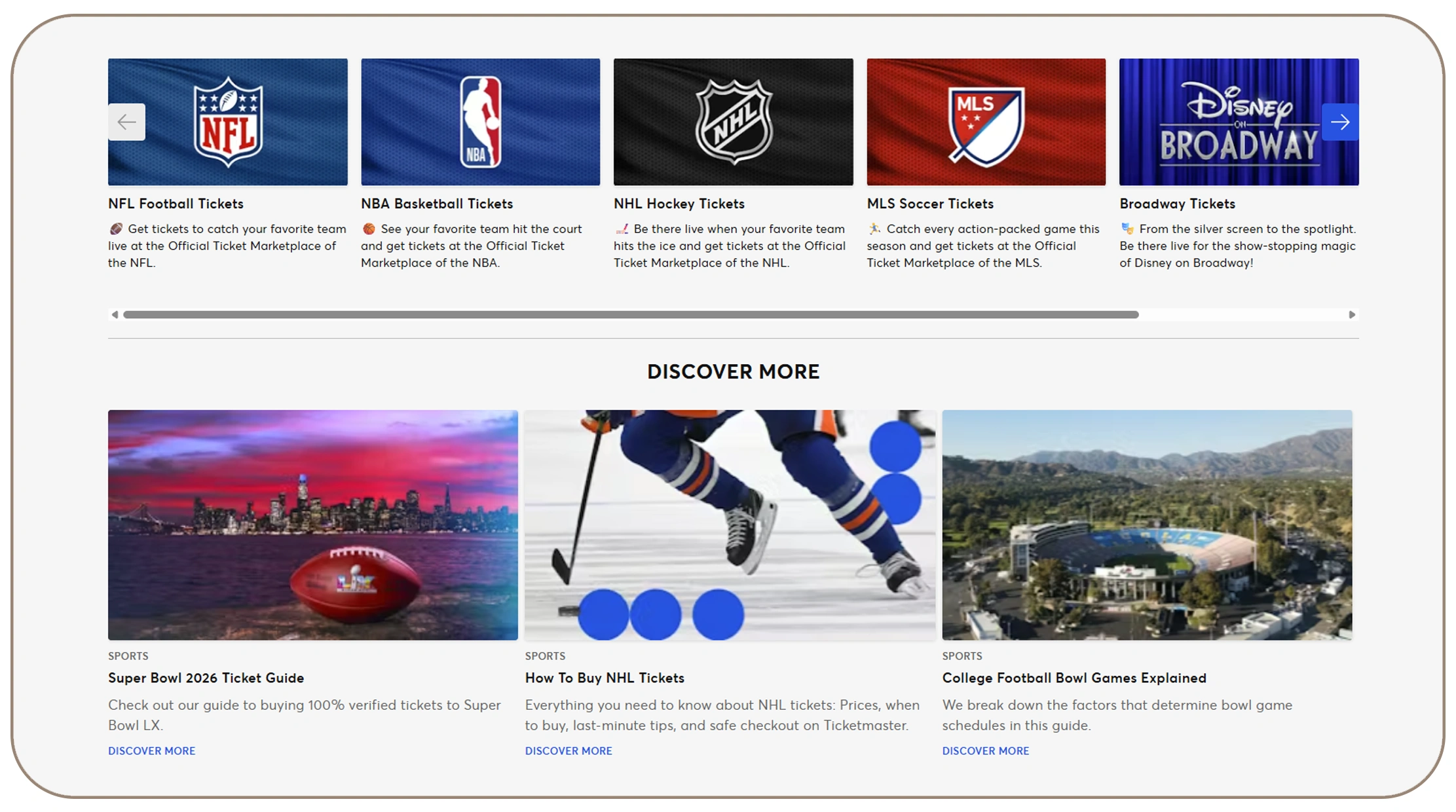
Seat-level intelligence provides deeper insight into consumer preferences. When brands extract Ticketmaster seat data, they can analyze which seating sections sell fastest, which remain unsold, and how pricing correlates with seat location. From 2020 to 2026, data reveals that premium seating zones now sell out 30% faster than standard seating for top-tier concerts and playoff games.
Seat availability patterns also shift by event type. Concertgoers prioritize proximity and experience, while sports fans show stronger price sensitivity and section loyalty.
| Event Type | Fastest-Selling Section | Avg Sell-Out Rate |
|---|---|---|
| Concerts | Front Floor / VIP | 92% |
| Sports | Lower Bowl | 78% |
| Festivals | GA Early Access | 85% |
This granular visibility allows brands to refine promotions, predict sell-out risk, and align sponsorship placement with high-visibility sections, improving ROI and audience engagement.
Tracking Dynamic Pricing at Scale
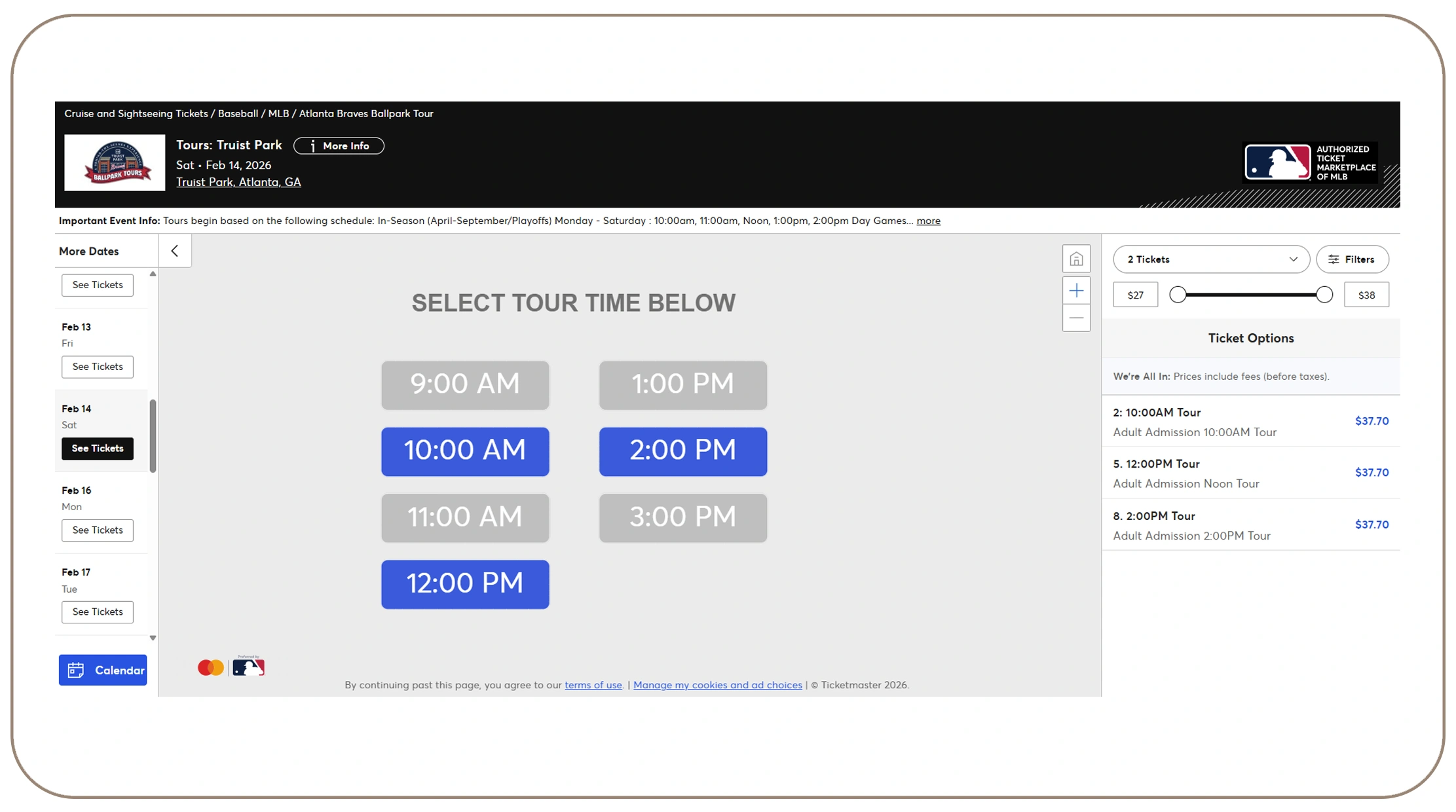
Dynamic pricing has transformed ticket economics. Using a Ticketmaster ticket pricing scraper, businesses can monitor real-time price changes across primary and resale listings. Between 2020 and 2026, average ticket price fluctuation increased by 35%, with some high-demand events experiencing hourly price adjustments.
Price elasticity varies significantly by category. Concert tickets show higher tolerance for price increases, while sports tickets demonstrate sharper drop-offs beyond key thresholds.
| Category | Avg Price Change Range | Buyer Drop-Off Point |
|---|---|---|
| Concerts | ±28% | +40% |
| Sports | ±18% | +25% |
| Theatre | ±12% | +20% |
Continuous price tracking enables brands to identify optimal pricing windows, detect speculative spikes, and adjust monetization strategies in near real time—critical in a market driven by scarcity and urgency.
Connecting Event Intelligence Across Verticals
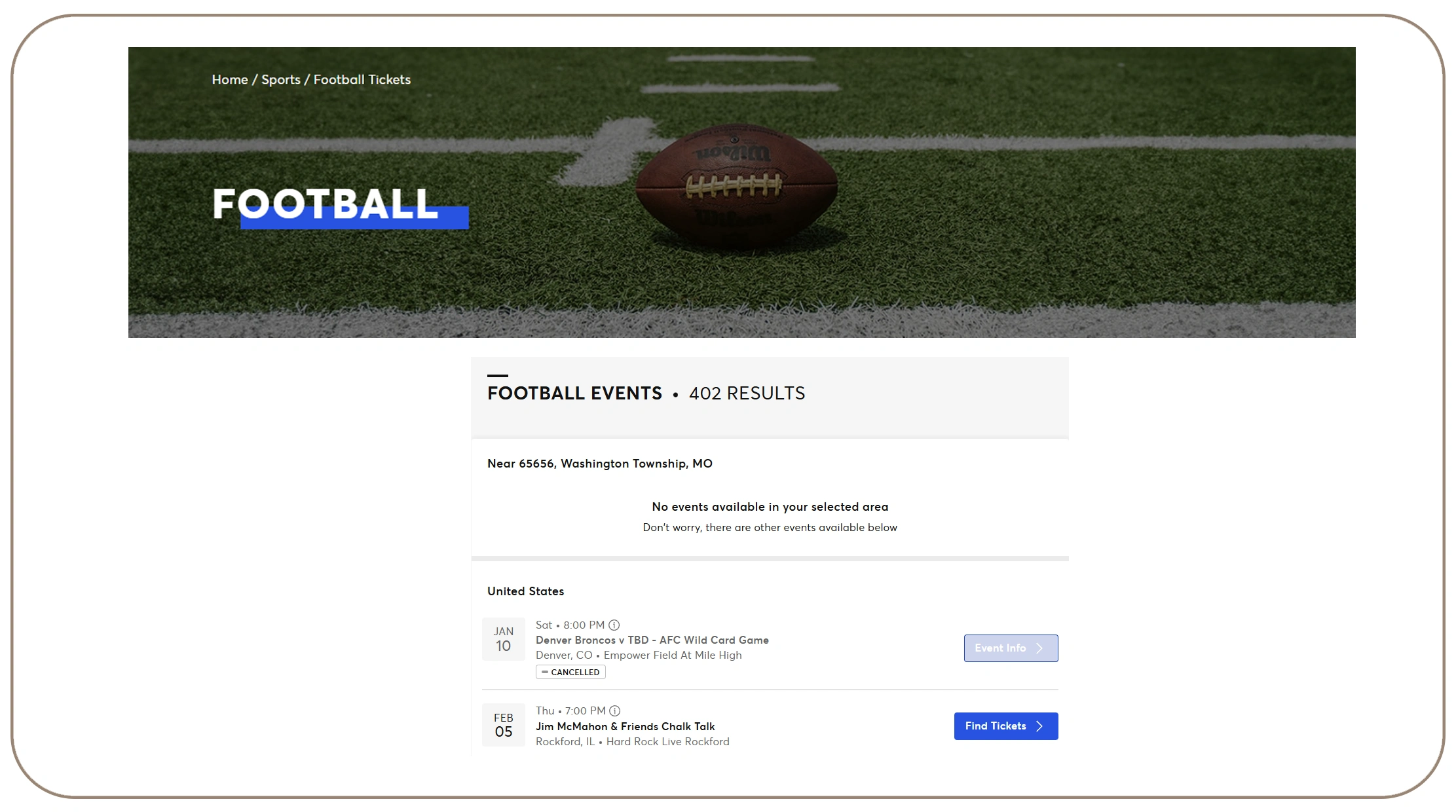
Event data does not exist in isolation. A concert and sports ticket data extractor enables cross-category analysis, revealing how demand patterns differ across entertainment verticals. From 2020 to 2026, cross-event analysis showed that weekends drive 55% of total ticket revenue, while midweek events require stronger pricing incentives.
Sports events benefit from predictable schedules, while concerts rely heavily on tour momentum and social engagement. Brands leveraging multi-category datasets can optimize marketing spend allocation and promotional timing.
| Event Vertical | Avg Booking Lead Time |
|---|---|
| Concerts | 21 days |
| Sports | 12 days |
| Festivals | 45 days |
This holistic view supports smarter audience targeting, partnership planning, and demand forecasting across event types.
Linking Event Demand with Travel Behavior
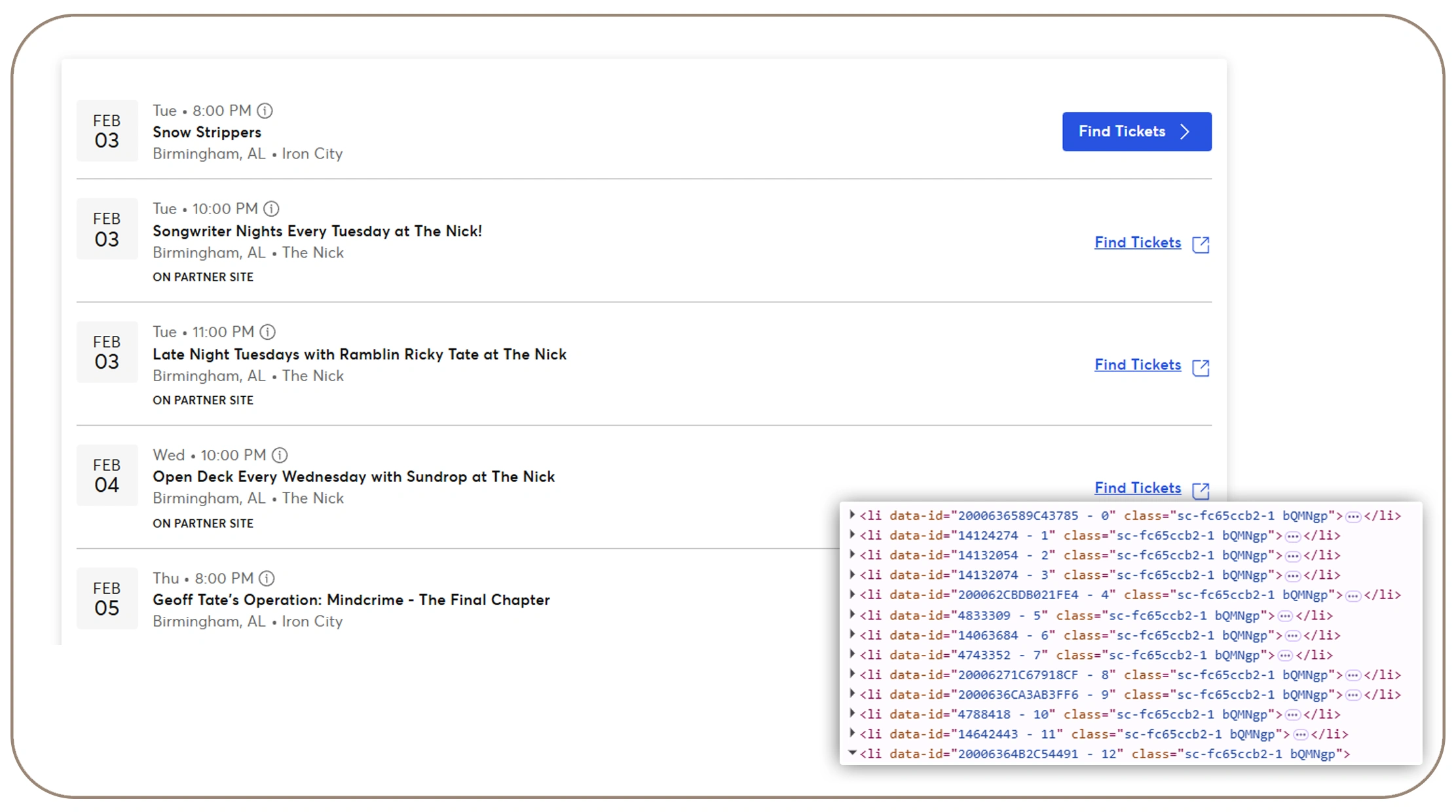
Live events significantly influence travel patterns. A Travel Data Scraping API helps correlate ticket demand with accommodation searches, flight bookings, and regional mobility trends. Between 2020 and 2026, data shows that 38% of major concert attendees traveled from outside the host city, rising to over 50% for festivals and international sports events.
| Event Type | Avg Travel Radius |
|---|---|
| Concerts | 220 km |
| Sports Finals | 310 km |
| Festivals | 480 km |
By integrating travel insights with ticket data, brands and platforms can anticipate demand surges, align bundled offers, and optimize regional campaigns, unlocking new revenue streams beyond ticket sales alone.
Building Long-Term Intelligence with Structured Data
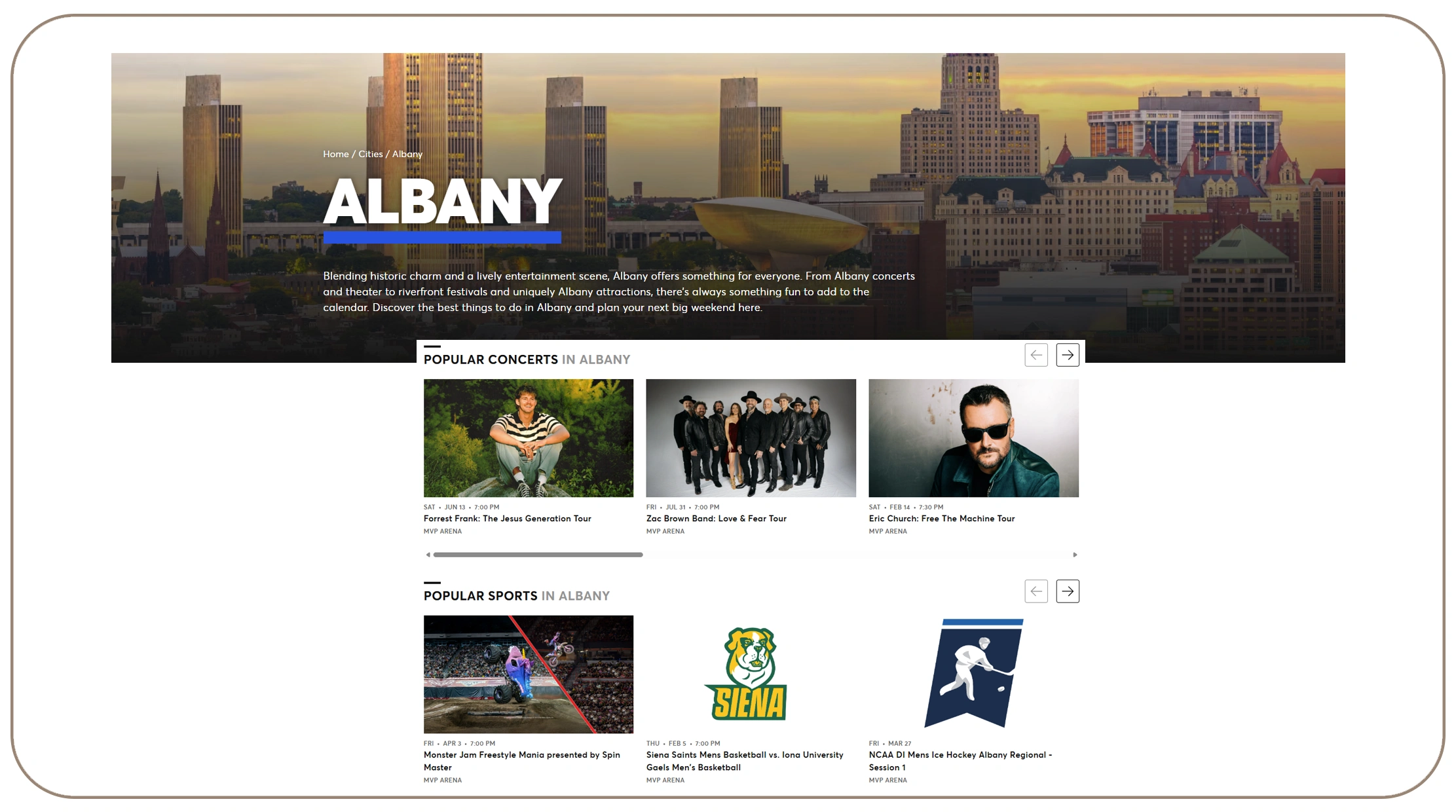
A structured Travel Dataset combined with historical ticketing data enables longitudinal analysis across multiple years. From 2020 to 2026, long-term datasets improved demand forecast accuracy by up to 32%, helping brands prepare for seasonal spikes and avoid overinvestment in low-demand events.
| Dataset Duration | Forecast Accuracy |
|---|---|
| 1 Year | 64% |
| 3 Years | 78% |
| 5+ Years | 92% |
These datasets support machine learning models, pricing simulations, and strategic planning, transforming raw event data into a long-term competitive asset.
Why Choose Real Data API?
Real Data API empowers brands with enterprise-grade intelligence built for scale, speed, and accuracy. With advanced Market Research capabilities and reliable Web Scraping Ticketmaster pricing and availability insights, businesses gain real-time visibility into ticket prices, seat availability, and demand dynamics across concerts, sports, and live events.
Automated pipelines, structured outputs, and compliance-first architecture ensure actionable insights without operational friction—allowing teams to focus on strategy rather than data collection.
Conclusion
In an era where demand can surge or vanish in minutes, real-time intelligence is the difference between leading the market and reacting too late. Web Scraping Ticketmaster pricing and availability insights give brands the clarity needed to anticipate demand, optimize pricing, and act decisively.
Partner with Real Data API today to transform Ticketmaster data into real-time, revenue-driving insights and stay ahead of demand fluctuations before they happen.
Latest posts

Allegro scraper for competitor price monitoring – How to Track Product Prices and Stay Ahead of Competitors

Ocado API data collection services for retailers - Track Competitor Prices and Deals
Using Flipkart API for e-commerce competitor benchmarking to Monitor Competitors Across Online Marketplaces

How Myntra scraper for online fashion retail analytics Helps Track Trends, Prices, and Product Demand






.png)